
1 Michelin Star
Our verdict
A Michelin-starred address in Fulda's historic old town, Christian & Friends, Tastekitchen runs a tightly formatted four-evening week from Wednesday through Saturday, serving an eight-course menu built around regional produce — including caviar from two sustainable sturgeon farms within the city. The adjoining wine bar, Bordeaux & Friends, adds a considered list of top-label bottles at measured prices. Reserve well in advance.

Pearl is the En Primeur Club membership app — saves, bookings, and concierge access live there. Same editors, same standards.
- Address
- Nonnengasse 5, 36037 Fulda, Germany
- Phone
- +49 1590 6301546
- Hours
- Mon–Tue ClosedWed–Sat 7–11 PMSun Closed
- Website
- christianandfriends.de
- Directions
- Get directions
- Booking
- Book on the venue's website
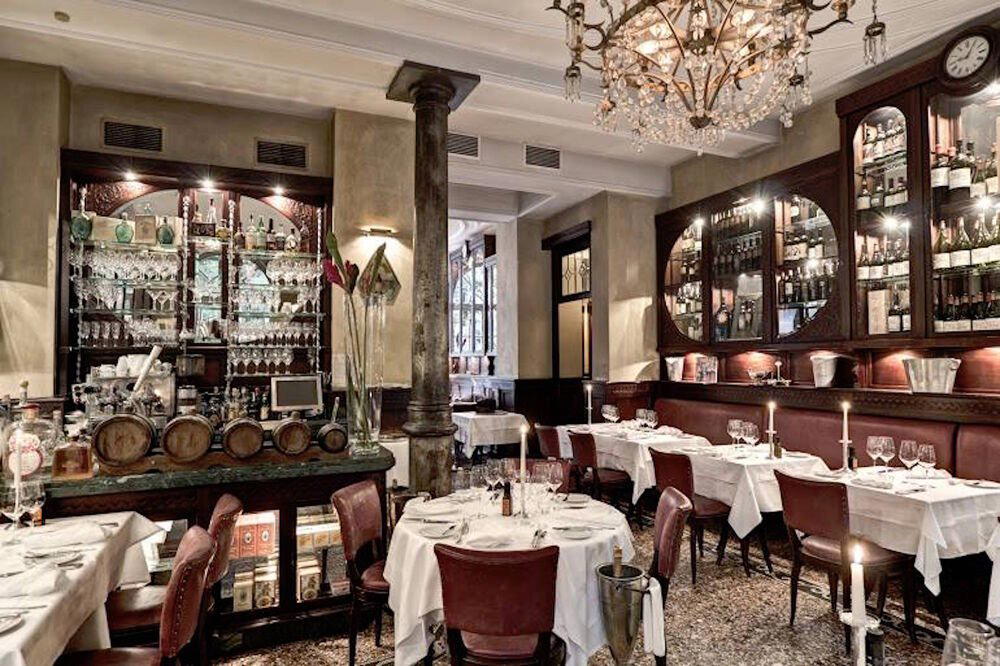
A Townhouse in Fulda's Old Town, and What It Says About the City's Sourcing Story
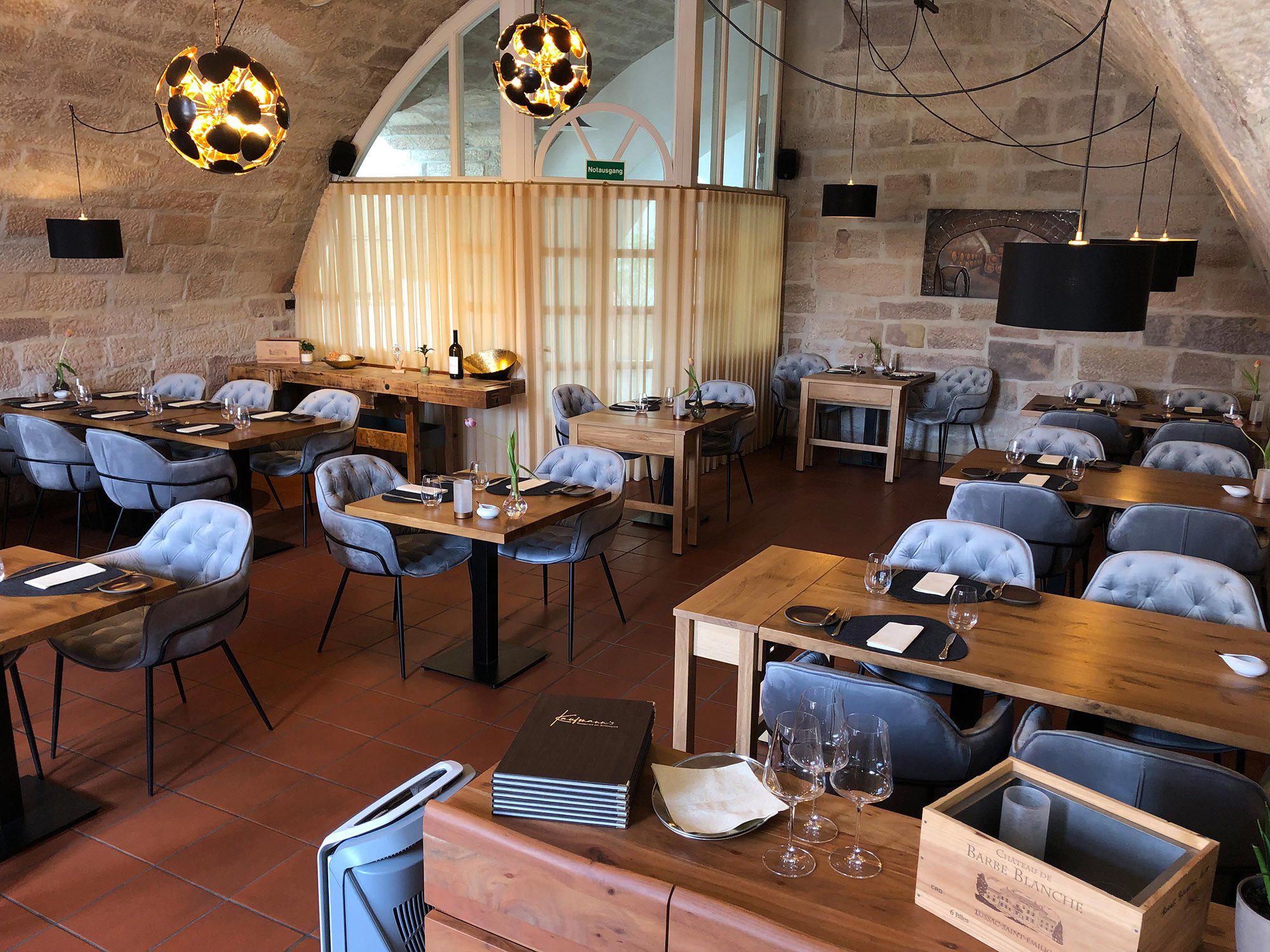
Fulda is not the first German city that comes to mind when discussing Michelin-starred dining, which makes Christian & Friends, Tastekitchen's position all the more interesting to read. The address — Nonnengasse 5, a smart townhouse in the historic Altstadt — sits within walking distance of the Baroque cathedral quarter, the kind of neighbourhood where the fabric of the city is visible in the stone itself. Arriving on a Wednesday or Thursday evening, when the shorter four-course format runs alongside the full menu, the building reads as a considered counterpoint to the grand civic architecture nearby: contained, deliberate, operating at a scale that allows the kitchen to maintain precision across every service.
What the dining room at this price tier (€€€€) in a mid-sized German city signals is that fine dining in Germany has spread well beyond Munich, Hamburg, and Berlin. Towns like Fulda, Baiersbronn, home to Schwarzwaldstube, and Piesport, where Schanz operates, have demonstrated that a committed kitchen in the right regional context can compete for recognition on national terms. Christian & Friends earned its Michelin star in 2024, placing it in a peer group that includes JAN in Munich and ES:SENZ in Grassau, single-star operations working modern cuisine formats with a clear regional identity.
The Sourcing Logic: Why Fulda's Caviar Changes the Conversation
The most specific editorial fact about this kitchen, and the one that most directly shapes its identity within German fine dining, is the caviar connection. Fulda has two sustainable sturgeon farms with their own production, a detail that moves from curiosity to culinary logic when you consider what it means for a kitchen committed to regional sourcing. Most European fine dining operations that use caviar are sourcing it from producers in France, Bulgaria, or Italy. A Michelin-starred kitchen with direct access to domestic, locally farmed caviar, within the same city, occupies a structurally different supply position.
This matters beyond the prestige of the ingredient itself. Sustainable sturgeon aquaculture in Germany is a small and technically demanding sector; the farms operating in Fulda represent a genuine regional asset that most German kitchens at this level cannot claim proximity to. When a kitchen builds its identity around regional produce, as the team here does, that kind of hyper-local sourcing is the difference between a menu concept and a menu that is materially anchored to place. The approach aligns Christian & Friends with a broader pattern in German fine dining, seen at venues like Restaurant Haerlin in Hamburg and Victor's Fine Dining by Christian Bau in Perl, where sourcing geography is a deliberate editorial statement, not an afterthought.
The open kitchen format reinforces this transparency. Guests can see the team at work during service, and the standing practice of visiting the kitchen between courses makes the sourcing logic visible in real time: the produce, the technique, the people handling both. This kind of access is more common at Nordic-influenced tasting counter formats, think Frantzén in Stockholm or its Dubai extension FZN by Björn Frantzén, and its presence at a one-star operation in provincial Germany is a meaningful signal about the kitchen's confidence in its process.
The Menu Architecture: Eight Courses, With a Shorter Wednesday Option
The signature format is an eight-course set menu, the kind of tasting structure that at €€€€ price point in Germany puts it in the same bracket as CODA Dessert Dining in Berlin and Vendôme in Bergisch Gladbach in terms of commitment and format seriousness. The kitchen team works under the direction of the principals, with Chef Cesar Gonzalez Aznar among the key figures alongside Christian Steska and Jansen Schouten. The dishes are described in verified records as meticulously prepared with close attention to detail, language that, in a Michelin context, corresponds to a specific technical standard rather than a general aspiration.
On Wednesdays and Thursdays, a four-course set menu offers an entry point at a more accessible price, which is a structurally sensible arrangement: it opens the kitchen to a wider range of occasions without compromising the full format's integrity. Guests looking for a complete statement of what the kitchen can do should opt for the eight-course sequence. Those with a lighter appetite or a shorter evening have a genuine alternative rather than a compromise version of the same menu.
The modern cuisine classification places Christian & Friends in a broad category across German fine dining, but the regional sourcing emphasis gives it a more specific identity within that category. This is not the French-influenced classicism of Aqua in Wolfsburg, nor the dessert-led creative format of CODA. It sits closer to the ingredient-led, territory-conscious school that has become a dominant register in German one-star dining over the past decade.
Bordeaux & Friends: The Wine Bar Dimension
The adjoining wine bar, Bordeaux & Friends, is not a supplementary gesture, it functions as a distinct but connected operation, with its own wine rack architecture and an independently curated list. The selection covers top-label bottles at what the venue describes as fair prices, which in the context of a fine dining wine list is worth noting: premium German restaurant mark-ups are frequently the most significant friction point for guests at this tier. A wine bar format that sits adjacent to, rather than exclusively within, the restaurant allows more casual access to the list without requiring a full dinner commitment.
Wine program as a whole complements a kitchen with regional sourcing credentials, though the Bordeaux name signals that the list draws on international reference points rather than restricting itself to German or local production. This is consistent with how serious wine programs at German one-star level tend to operate: German Rieslings and Spätburgunders as a backbone, but with depth across Burgundy, Bordeaux, and Italy to match a menu that may reference multiple European traditions.
Planning Your Visit
Christian & Friends, Tastekitchen operates Wednesday through Saturday, with evening service from 7 PM to 11 PM. Monday, Tuesday, and Sunday are closed. The four-evening week is a deliberate constraint, common at kitchens operating at this level of technical intensity, and it concentrates demand. Planning ahead by several weeks is advisable for weekend evenings; midweek (particularly Wednesday or Thursday, when the four-course option is available) may offer a shorter lead time.
The address at Nonnengasse 5 places the restaurant in the heart of Fulda's Altstadt, easily reached from the main station by foot or taxi. For visitors building a longer stay around the meal, Fulda's hotel options are covered in our full Fulda hotels guide. Fulda's broader dining scene, which includes 1906 and Goldener Karpfen, is mapped in our full Fulda restaurants guide. For context on the city's bars, wineries, and experiences, see our full Fulda bars guide, our full Fulda wineries guide, and our full Fulda experiences guide.
Frequently asked questions
Who runs the kitchen at Christian & Friends, Tastekitchen?
The chef associated with Christian & Friends, Tastekitchen is Cesar Gonzalez Aznar.
What's the must-try dish at Christian & Friends, Tastekitchen?
The kitchen does not publish a fixed signature dish — the eight-course menu shifts with the season and available produce. Given the €€€€ price point and Michelin one-star standing (2024), the tasting menu as a complete sequence is the format the kitchen is built around, not any single dish within it.
Is Christian & Friends, Tastekitchen more mid-range or high-end?
Pricing at Christian & Friends, Tastekitchen is listed as €€€€.
Pricing, Compared
| Venue | Cuisine | Price | Awards | Notes |
|---|---|---|---|---|
| Christian & Friends, TastekitchenThis venue — the venue you are viewing | Modern European Fine Dining | $100–150 | 1 Michelin Star | Not listed |
| Schwarzwaldstube | French, Classic French | Not listed | Michelin 3 Star | Not listed |
| Aqua | Not listed | Not listed | Michelin 3 Star | Contemporary German, Italian/Japanese, Creative |
| CODA Dessert Dining | Creative | Not listed | Michelin 2 Star | Not listed |
| Tantris | Modern French, French Contemporary | Not listed | Michelin 2 Star | Not listed |
| Vendôme | Modern European, Creative | Not listed | Michelin 2 Star | Not listed |
Recognition history
Dated appearances from independent guides and award organizations, with the underlying list record or original source where available.
Michelin 1 Star
Michelin
Full recognition history (3 entries)
Michelin 1 Star
Michelin
Michelin 1 Star
Michelin
Christian & Friends, Tastekitchen
Featured Guides

Continue exploring
More in Fulda
Restaurants in Fulda
Browse all →

Christian & Friends, Tastekitchen
The wine
- Wine program
- Exceptional wine program
- Extensive wine list
Details
- Intimate
- Elegant
- Cozy
- Sophisticated
- Date Night
- Special Occasion
- Open Kitchen
- Extensive Wine List
- Local Sourcing
- Tasting Menu
- Set Menu
- Vegetarian Friendly
Current opening hours
- Monday
- Closed
- Tuesday
- Closed
- Wednesday
- 7–11 PM
- Thursday
- 7–11 PM
- Friday
- 7–11 PM
- Saturday
- 7–11 PM
- Sunday
- Closed
Hours can change for holidays and private events. Last verified .
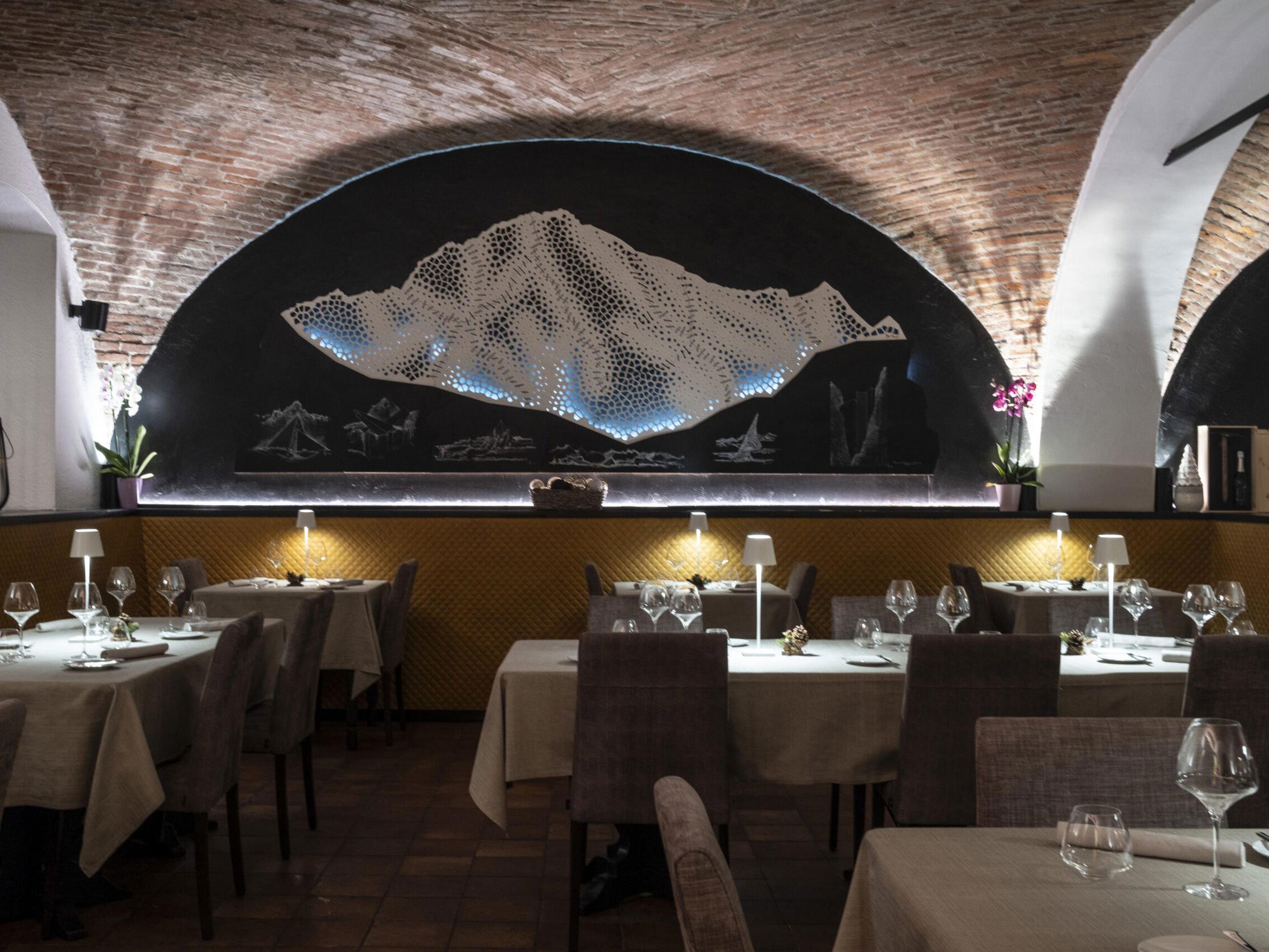
Pleasant and relaxed atmosphere with cordial, personal service in a small, fine setting next to the open kitchen.