Zum Löwen Design Hotel Resort & Spa


Michelin Selected · Design Hotels Member
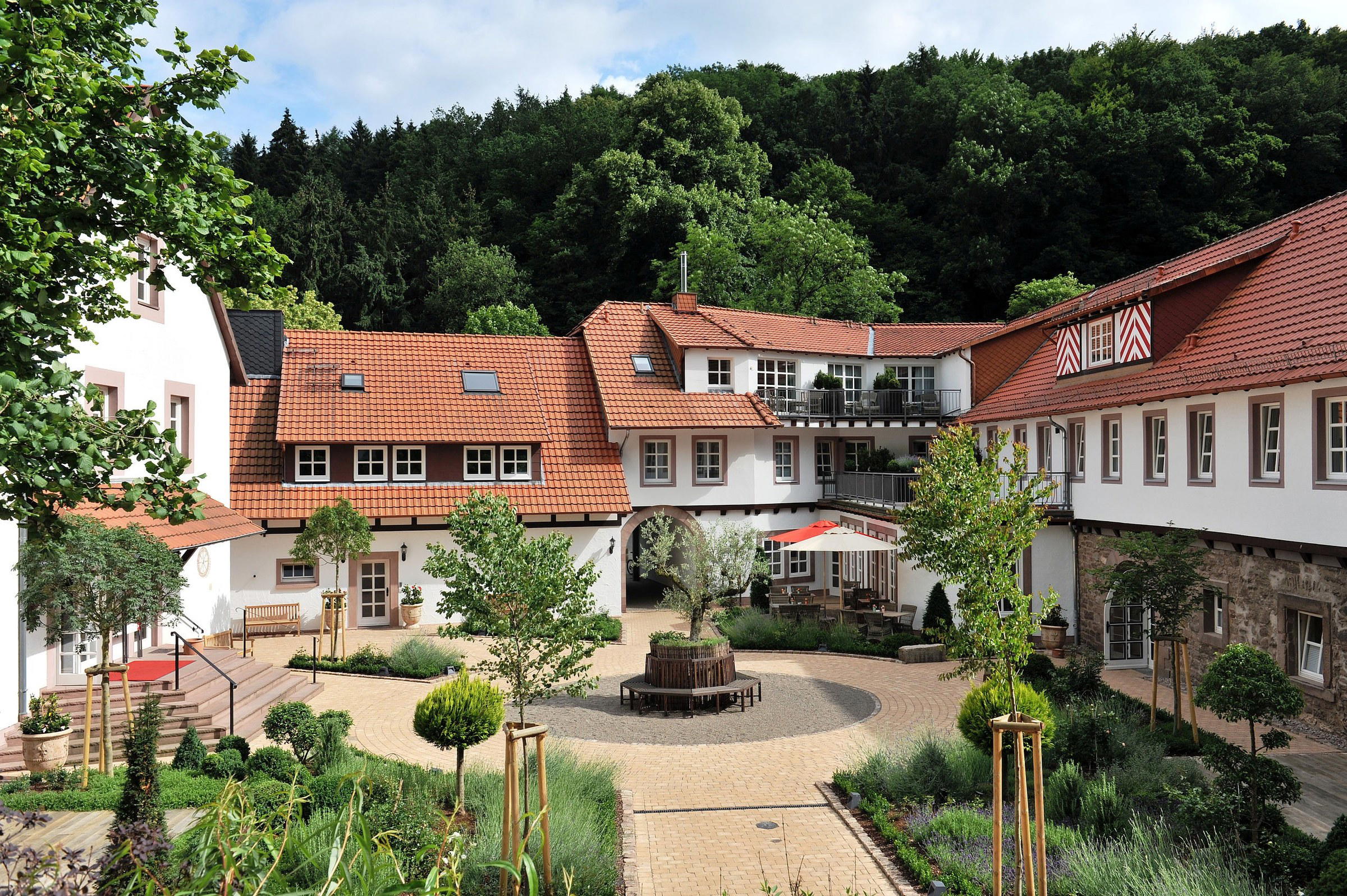
A timber-framed medieval building on Duderstadt's Marktstraße, Zum Löwen Design Hotel Resort & Spa occupies a position where historic Lower Saxony architecture meets considered contemporary interior design. The property sits at the centre of one of Germany's best-preserved half-timbered towns, making it a working base for the Eichsfeld region rather than a detour destination. Guests report an atmosphere closer to a private residence than a conventional hotel stay.

Pearl is the En Primeur Club membership app — saves, bookings, and concierge access live there. Same editors, same standards.
- Address
- Marktstraße, 30, Duderstadt 37115, Germany
- Phone
- +49 5527 849000
- Directions
- Get directions
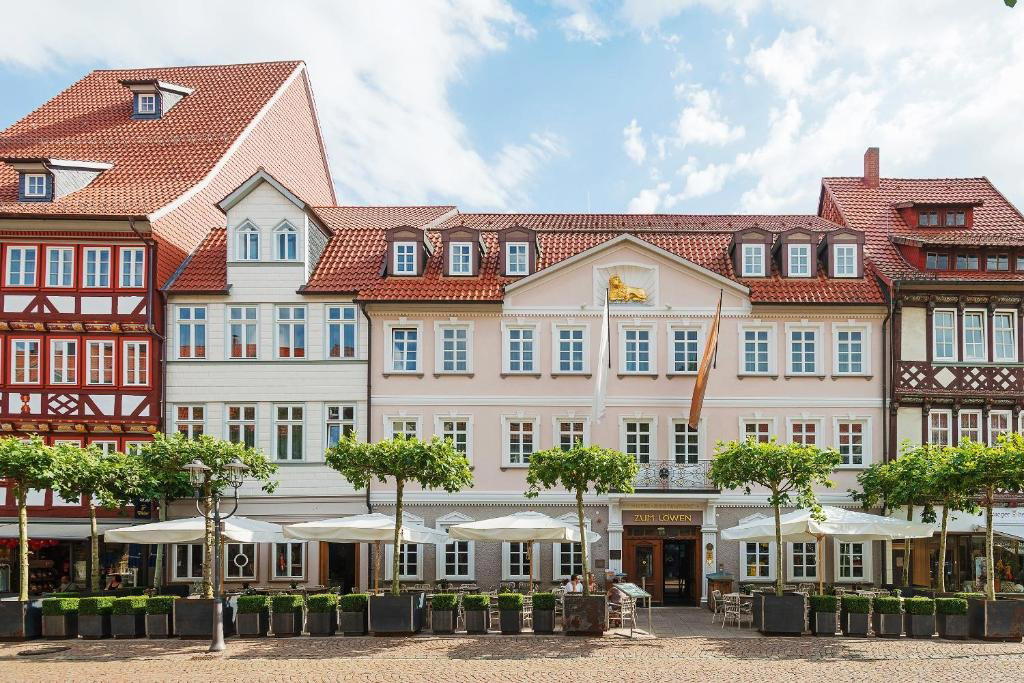
Half-Timber, Modern Interior: The Architecture of Zum Löwen
Duderstadt is not a city that announces itself. Tucked into Lower Saxony near the former inner-German border, it holds one of the most intact medieval streetscapes in northern Germany, a place where half-timbered facades run unbroken for street after street without the interruption of postwar reconstruction. That context matters when approaching Zum Löwen Design Hotel Resort & Spa on Marktstraße, because the building does not try to stand apart from its neighbours. It belongs to them. The timber framing is structural, not decorative nostalgia, and the address at number 30 places the hotel within easy reach of the Rathaus and the town's main historic circuit.
What distinguishes this property within the German boutique hotel category is the pairing of that medieval envelope with a design-led interior program. Across Germany, this split between preservation-era shell and contemporary fit-out has become a recurring model, with properties like Bülow Palais in Dresden and Hotel de Rome in Berlin showing how historic buildings can carry modern hospitality without losing architectural credibility. Zum Löwen operates at a smaller scale and in a less prominent city, which shapes both its character and its competitive set.
The Atmosphere Inside the Frame
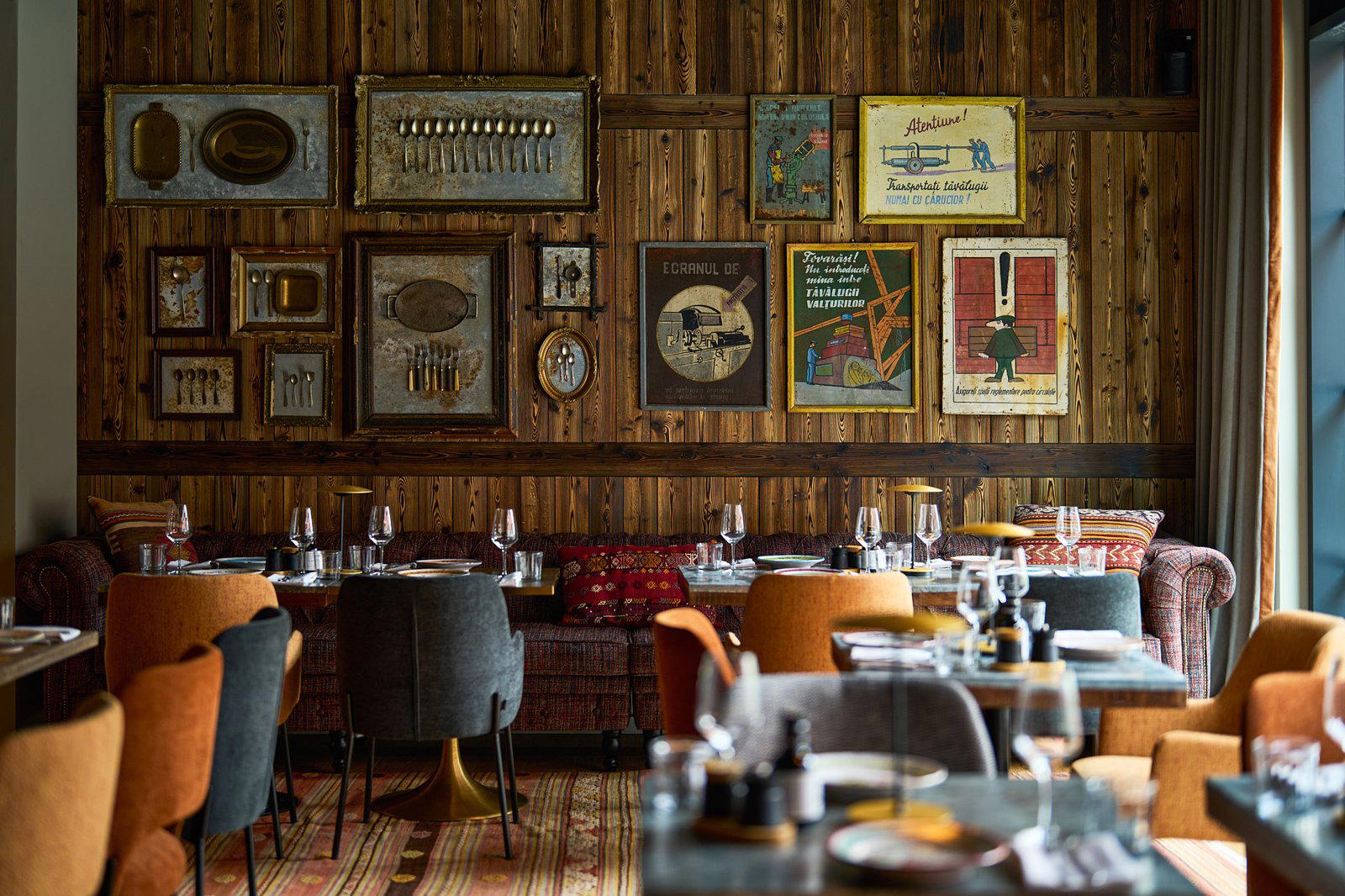
The guest experience at Zum Löwen is consistently described in terms that lean residential rather than institutional. Visitors reference the feeling of arriving at a well-kept private home rather than processing through a conventional hotel reception. In the German boutique segment, that quality is harder to manufacture than it sounds: larger properties with greater staffing ratios can replicate the gestures of warmth without the substance. A smaller property in a market town like Duderstadt, where repeat guests and local connections are part of the operational reality, tends to produce something more grounded.
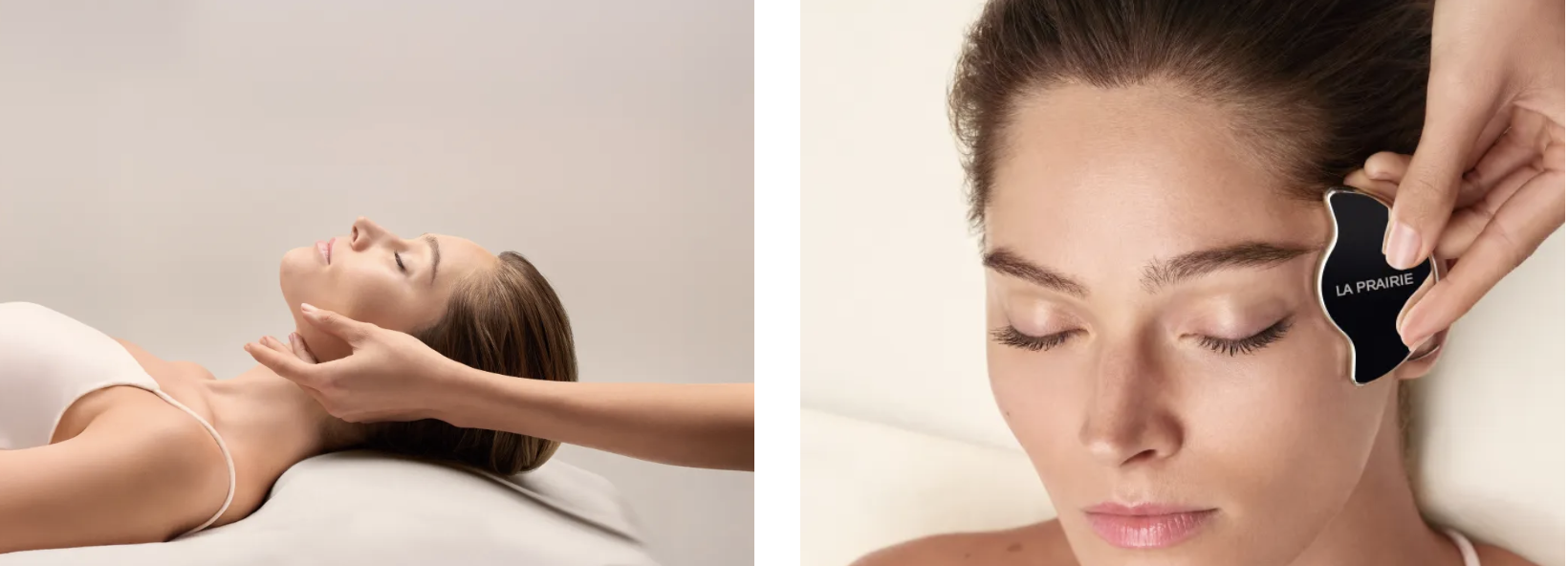
The spa and wellness component places Zum Löwen in the resort category rather than a direct town hotel, and that distinction matters for how visitors should approach planning. Properties in this tier across Germany, from Das Kranzbach Hotel & Wellness Retreat in Kranzbach to Luisenhöhe in Horben, attract guests who plan around the wellness offering rather than using it as an afterthought. Zum Löwen's combination of that amenity with a historic town-centre address is less common than a spa property set in rural or lakeside isolation.
Duderstadt and the Eichsfeld Region
Understanding Zum Löwen means understanding Duderstadt's position in German travel. The town sits in the Eichsfeld region, which spent decades divided by the inner-German border and consequently remained below the radar of mainstream tourism infrastructure for much of the late twentieth century. That history has left a medieval core that saw less development pressure than comparable Lower Saxony towns, and the result is a streetscape that rewards slow walking rather than point-to-point sightseeing.
For guests arriving by train, Duderstadt is accessible from Göttingen, which sits on the main intercity rail corridor. The Harz mountains lie within reasonable driving distance, as does the broader network of historic Fachwerkstädte (half-timbered towns) that defines this part of central Germany. Zum Löwen functions well as a base for that kind of regional itinerary, and the town itself warrants more than a single night to cover its historic perimeter properly. Those comparing the Eichsfeld against better-known wellness resort destinations should note that Zum Löwen offers something that properties like Althoff Seehotel Überfahrt in Rottach-Egern or Schloss Elmau in Elmau cannot: direct immersion in a functioning medieval market town rather than a scenic retreat from one.
Design Hotels in the German Provincial Context
The design hotel category in Germany has grown considerably over the past two decades, but much of that growth has concentrated in major cities and established resort corridors. Properties in provincial settings occupy a different position: they serve a mix of regional business travel, weekend breaks from nearby urban centres like Göttingen and Kassel, and the slower leisure traveller who deliberately chooses depth over convenience. Hotel Ketschauer Hof in Deidesheim and Esplanade Saarbrücken represent different expressions of that provincial design hotel model, each shaped by their regional context in ways that a city-centre property in Hamburg or Munich would not be.
Zum Löwen's resort and spa designation within a town-centre medieval building also positions it differently from pure countryside wellness retreats like Gut Steinbach Hotel Chalets Spa in Reit im Winkl or Weissenhaus Private Nature Luxury Resort. The trade-off is deliberate: you gain the texture of a living historic town at the cost of the open-landscape setting those properties offer. Which side of that exchange appeals depends entirely on what the traveller is optimising for. For those who want to walk out of a spa and directly onto a medieval market square, options in Germany are genuinely limited. For a broader sense of how Duderstadt fits into the regional dining and accommodation picture, see our full Duderstadt restaurants guide.
Planning a Stay
Visitors should approach Zum Löwen as a destination in its own right rather than a stopover. The spa component justifies at least two nights, and Duderstadt's historic circuit adds a full day of walking without effort. Weekend availability during the summer months and around German public holidays tightens, given the property's regional draw from Göttingen and the broader Lower Saxony catchment. Booking directly through the hotel is the standard approach for properties of this type, though specific booking channels should be confirmed at the time of enquiry. Dress expectations align with the residential atmosphere described by guests: relaxed but considered, consistent with a design-led property rather than a resort hotel operating a formal dress code.
Travellers comparing Zum Löwen against other German hotel options at the design-and-spa end of the market should review the full range of properties in EP Club's German portfolio, including Der Öschberghof in Donaueschingen, Landhaus Stricker in Sylt, BUDERSAND Hotel in Hörnum, Villa Contessa in Bad Saarow, Hotel Bareiss in Baiersbronn, LA MAISON in Saarlouis, Breidenbacher Hof in Düsseldorf, Fairmont Hotel Vier Jahreszeiten in Hamburg, Excelsior Hotel Ernst in Cologne, Kempinski Hotel Berchtesgaden, and Mandarin Oriental Munich. For international comparison points at the design-led boutique end, Aman Venice, Aman New York, and The Fifth Avenue Hotel in New York City represent the upper register of the same instinct: historic or characterful buildings reframed through considered contemporary hospitality.
Comparable Spots, Quickly
Comparable venues nearby, for context on price, style, and recognition.
| Venue | Cuisine | Price | Awards | Notes |
|---|---|---|---|---|
| Zum Löwen Design Hotel Resort & SpaThis venue — the venue you are viewing | Modern adaptation of traditional German guesthouse in a 300-year-old timber-framed building. | Not listed | Michelin Selected · Design Hotels Member | Not listed |
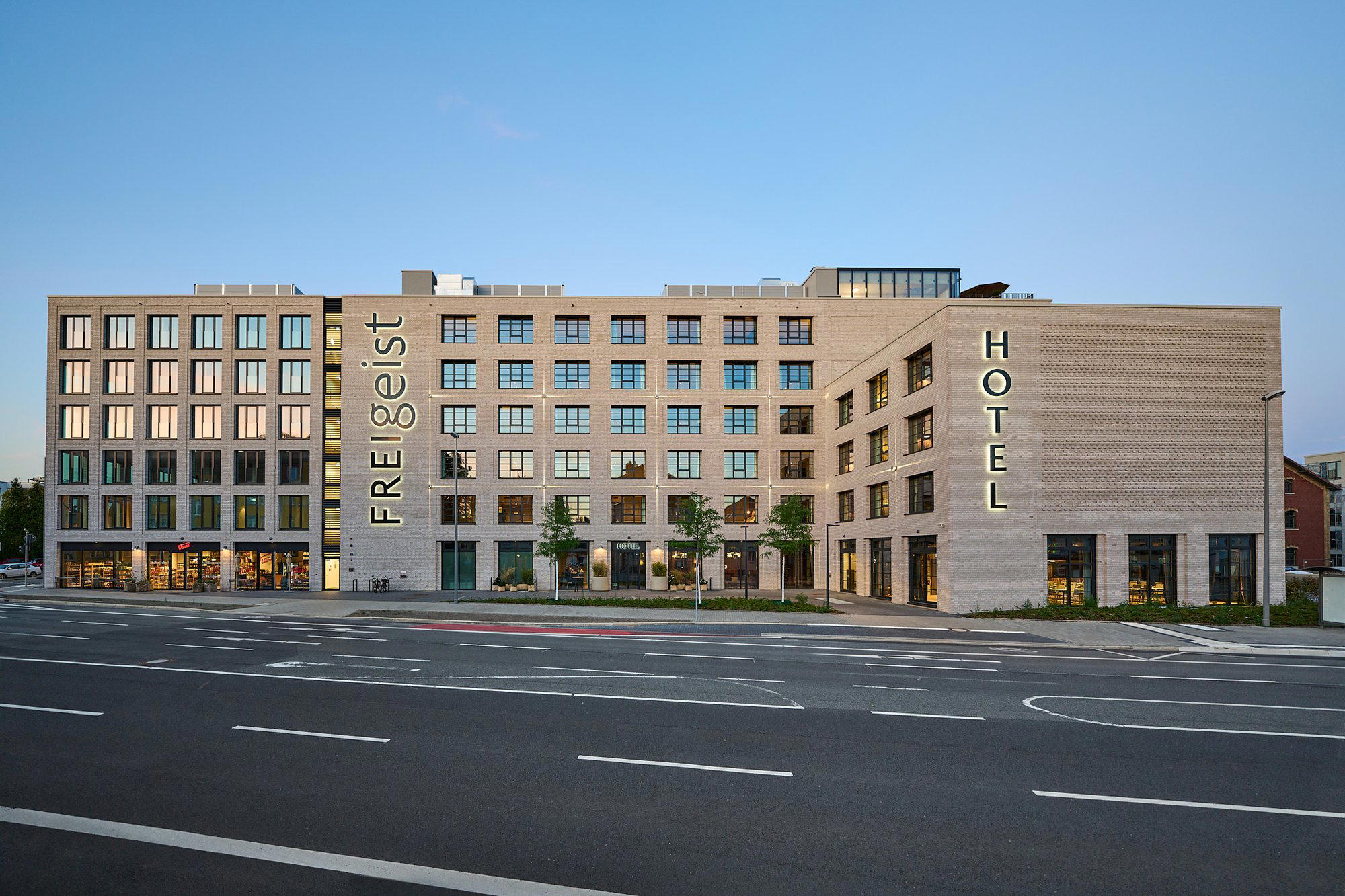
| FREIgeist Göttingen Nordstadt | Contemporary design hotel for free spirits in the Sartorius Quarter. | Not listed | Michelin Selected · Design Hotels Member | Nordstadt |
| FREIgeist Göttingen Innenstadt | Contemporary urban design hotel | Not listed | Michelin Selected · Design Hotels Member | Innenstadt |
| Dorint City - Hotel Bremen | City business hotel | Not listed | Michelin Selected | City Center |
| Garner Essen Handelshof | Historic city hotel with modern comforts | $1–100 | Not listed | Stadtkern |
| Waldhaus Ohlenbach | Family-run wellness hotel in country house style on mountain hillside | Not listed | Michelin Selected | Ohlenbach |
Recognition history
Dated appearances from independent guides and award organizations, with the underlying list record or original source where available.
Michelin Selected
Michelin
Design Hotels Member
Design Hotels


Details
- Elegant
- Modern
- Cozy
- Sophisticated
- Quiet
- Romantic Getaway
- Wellness Retreat
- Weekend Escape
- Historic Building
- Design Destination
- Wi Fi
- Pool
- Spa
- Fitness Center
- Room Service
- Sauna
- Restaurant
- Street Scene
- Wheelchair Accessible
- Elevator
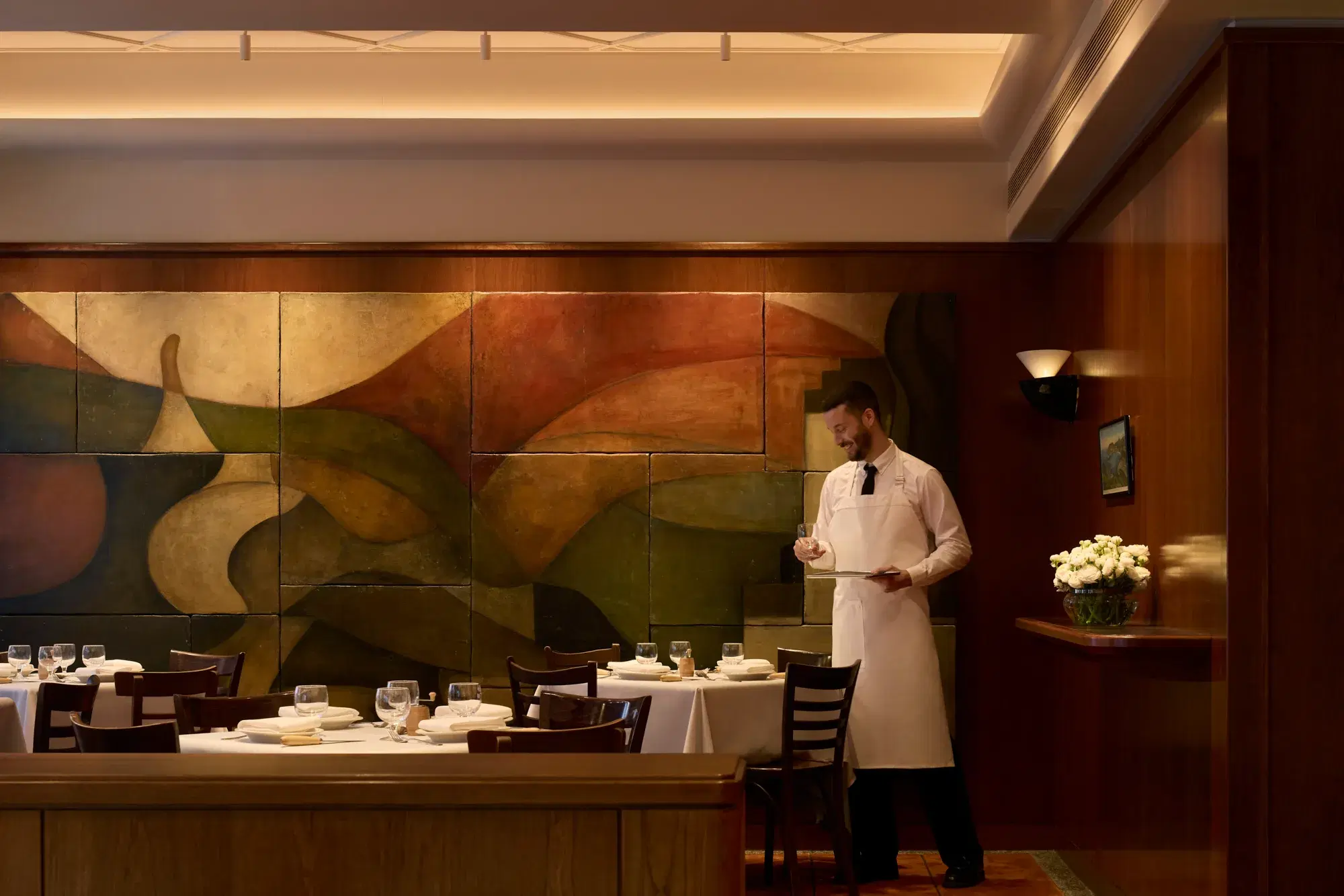
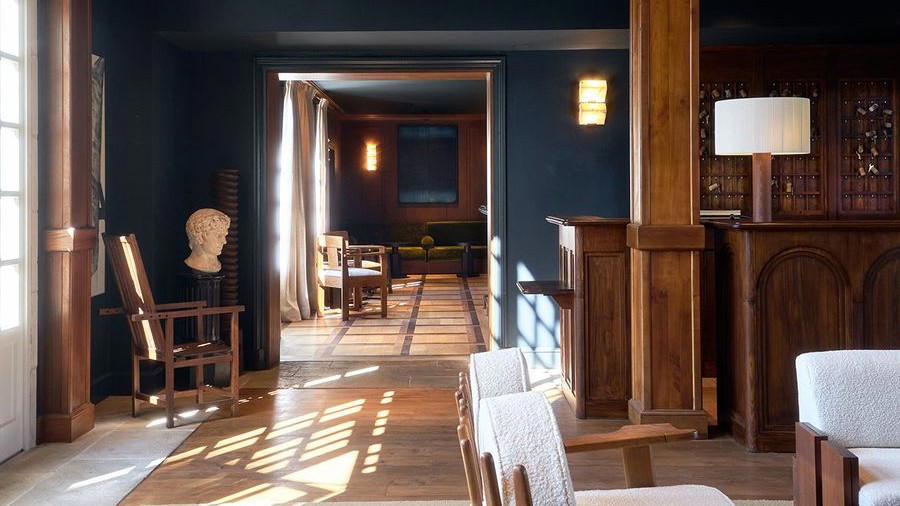
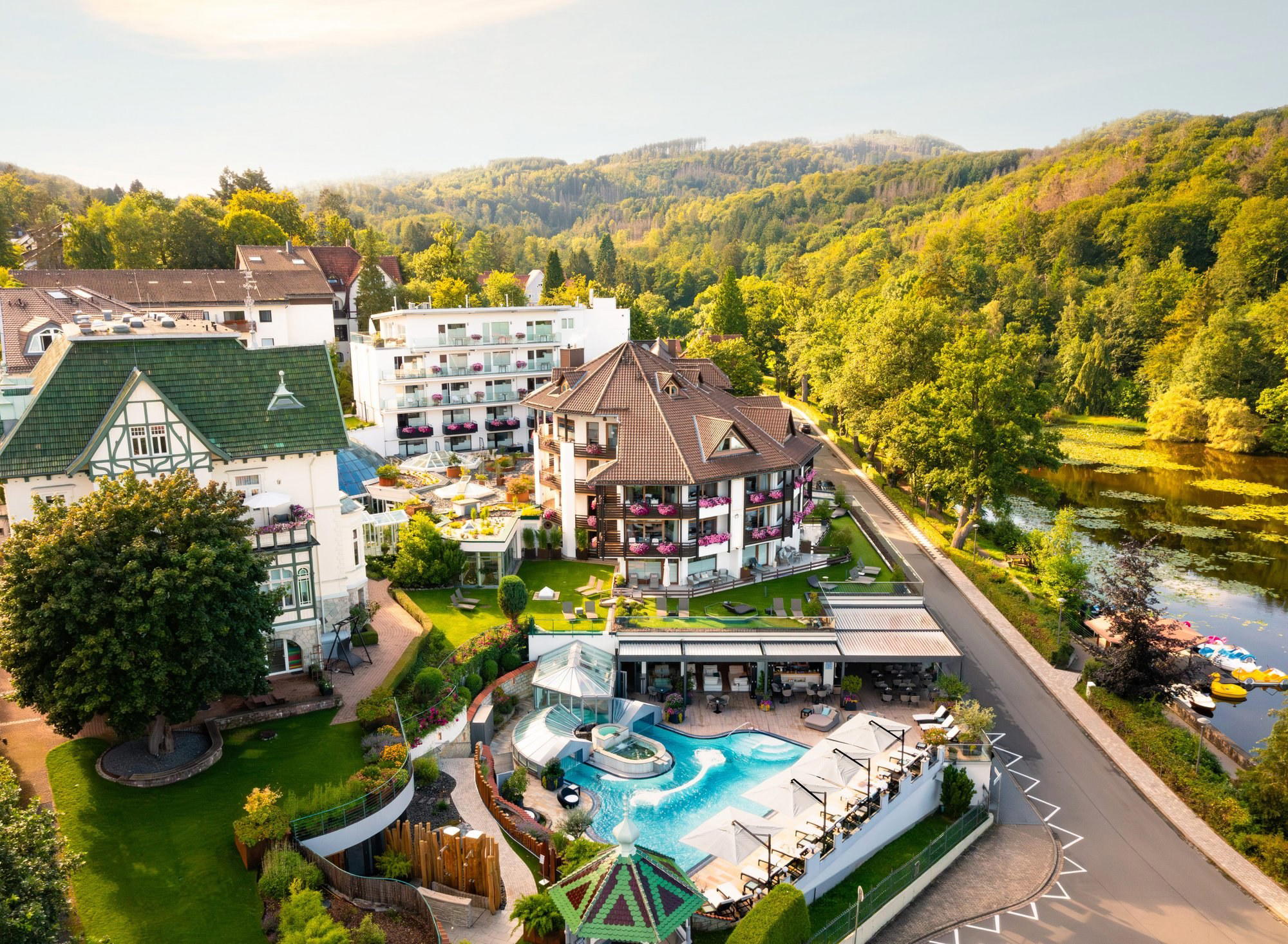
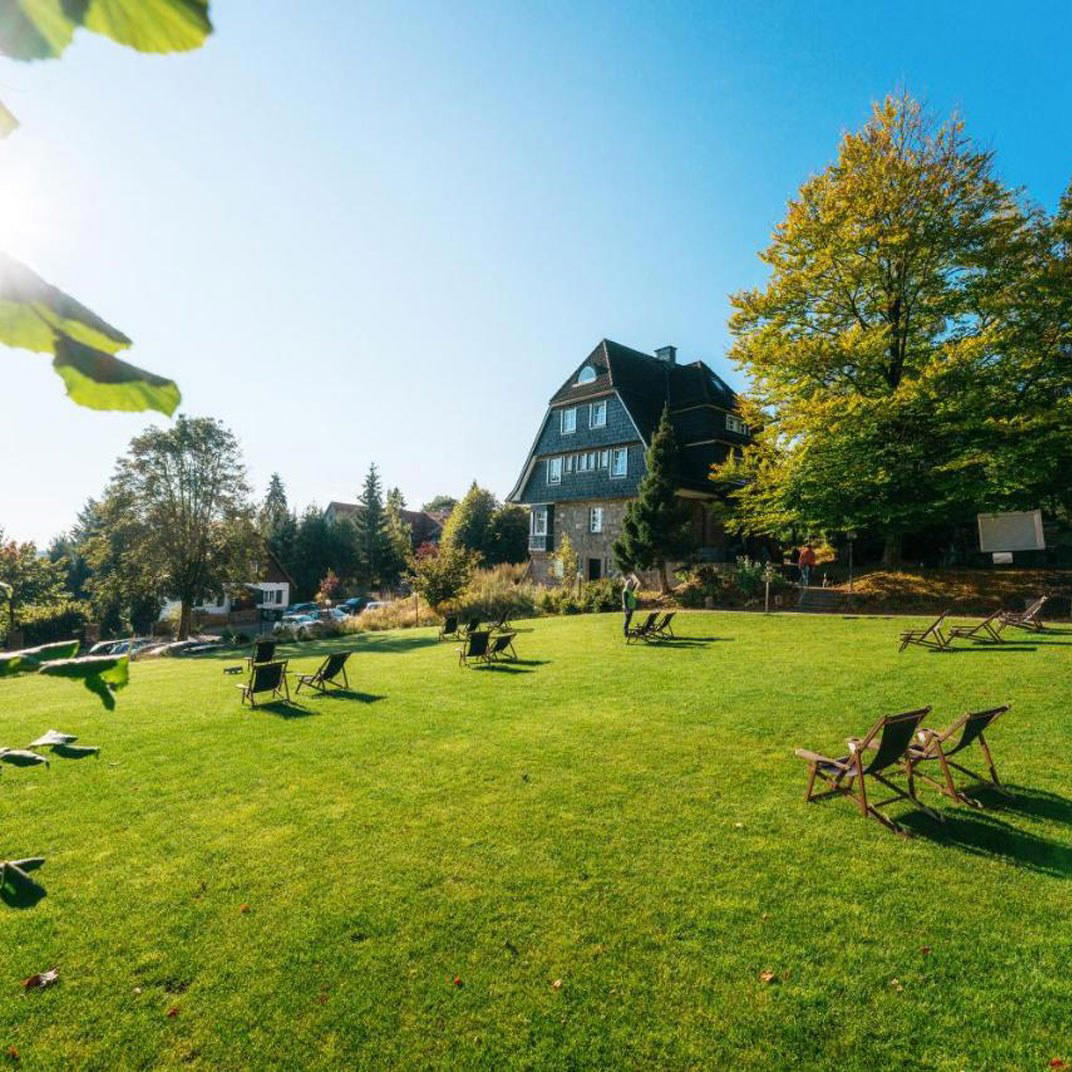
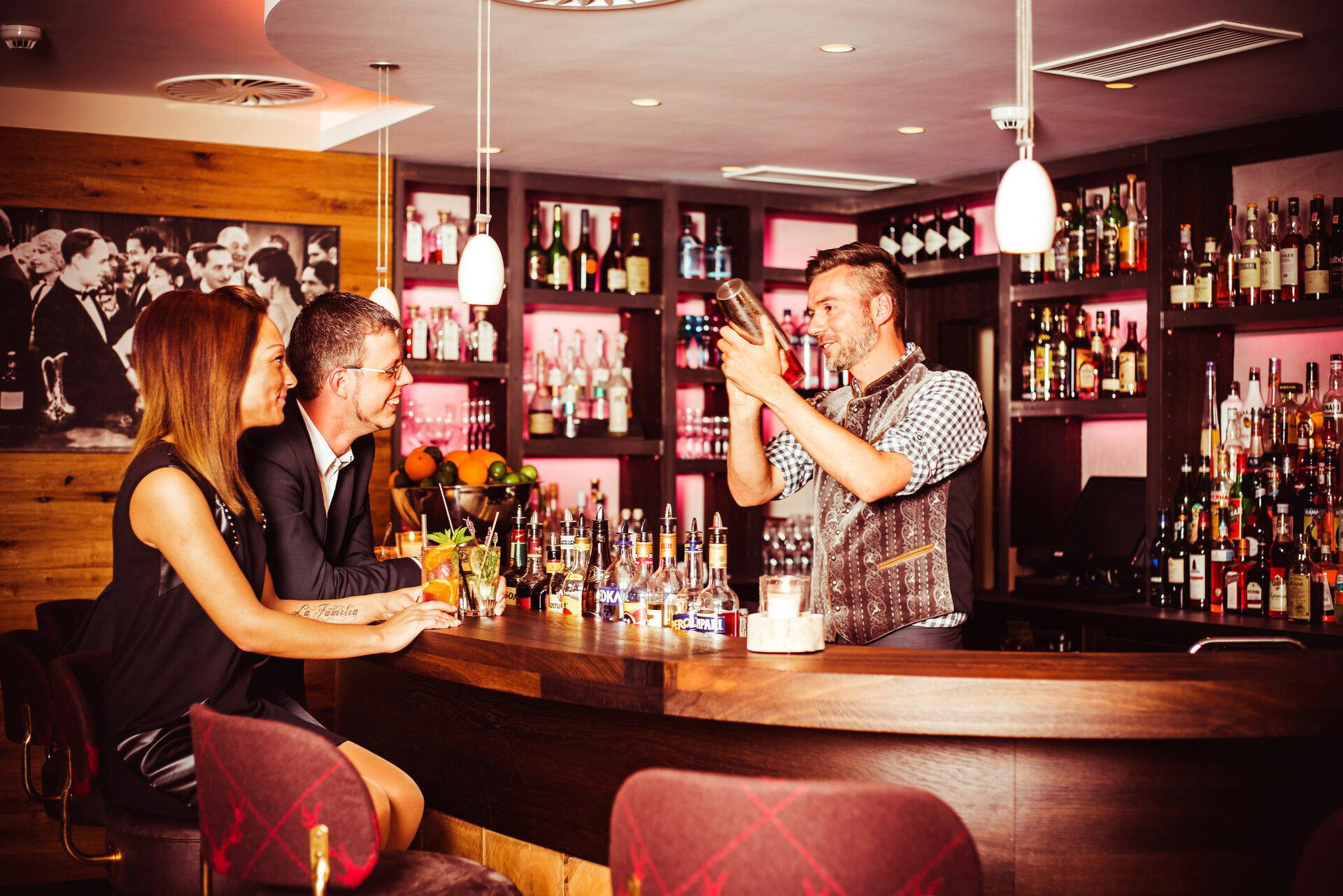
Sophisticated and welcoming atmosphere blending historic charm with modern elegance, featuring dramatic dark green, purple, and brown tones, soundproofed rooms, and a serene spa with mood-balancing lighting.