RoLigio® & Wellness Resort Romantischer Winkel

A family-owned wellness retreat in the Harz Mountains of Lower Saxony, Romantischer Winkel has operated for nearly fifty years without abandoning the unhurried, place-rooted character that made it worth visiting in the first place. With 91 rooms, a spa philosophy aimed at sustained transformation, and equal appeal to couples and families, it occupies a position that larger resort brands rarely attempt: genuinely domestic in spirit, seriously committed to wellbeing.
Pearl is the En Primeur Club membership app — saves, bookings, and concierge access live there. Same editors, same standards.
- Address
- Bismarckstraße 23, 37441 Bad Sachsa
- Phone
- +49 5523 3040
- Website
- romantischer-winkel.de
- Directions
- Get directions
 Saves & bookings on Pearl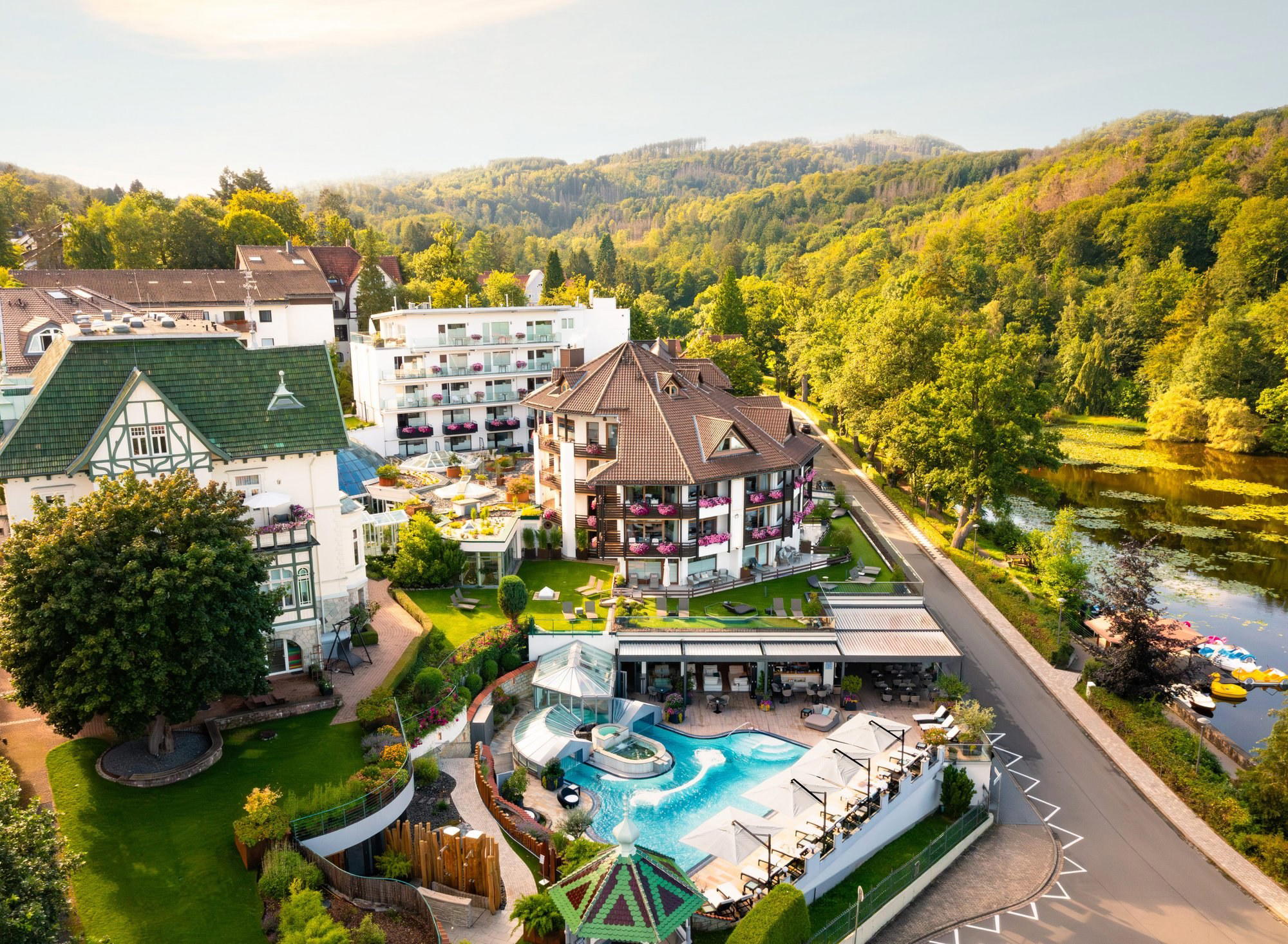
Where the Harz Mountains Set the Terms
Bad Sachsa sits at the southern edge of the Harz Mountains in Lower Saxony, a region that has been drawing health-conscious travellers since the nineteenth century. The forested ridgelines, the relative quiet of the valleys, and the air quality that prompted generations of German families to come here for convalescence and recuperation, all of this precedes the wellness industry by at least a century. RoLigio® & Wellness Resort Romantischer Winkel, addressed at Bismarckstraße 23, arrives into that long tradition rather than inventing one of its own. The name translates simply as "Romantic Corner," a description of place rather than aspiration, and that groundedness in the physical setting is what distinguishes properties like this from branded urban spa hotels that could be anywhere.
The approach roads into Bad Sachsa offer the first indication of what the resort is working with. The Harz landscape is composed of dense spruce and beech woodland, modest peaks, and a series of small spa towns that have preserved their nineteenth-century core better than most of provincial Germany. Arriving here, the visual language is not sleek minimalism or the industrial-loft aesthetic that has colonised so many European design hotels over the past decade. The built environment is older, heavier, more rooted. For travellers oriented toward wellness escapes that connect meaningfully with their natural surroundings, that rootedness is the point.
The Architecture of Staying Still
The resort's physical character reflects its nearly fifty-year family ownership in ways that a recently repositioned property rarely achieves. Continuity of ownership tends to produce a particular kind of interior coherence, spaces that have been refined incrementally rather than redesigned wholesale for market positioning. With 78 rooms, the property sits in a scale category that allows for genuine hospitality without the anonymity of a large conference hotel, while still offering the breadth of facilities that a serious wellness programme requires.
Across Germany's wellness-oriented hotel segment, there is a persistent tension between the spa-as-amenity model, where the treatment floor exists to supplement room revenue, and the spa-as-purpose model, where the wellness programme is the reason the property exists. Romantischer Winkel belongs clearly to the second group. The RoLigio spa is positioned not around cosmetic treatments or day-use aesthetics, but around a concept of transformation that operates on a longer timescale. That framing places it closer in philosophy to properties like Das Kranzbach Hotel & Wellness Retreat in Kranzbach or Luisenhöhe in Horben, both of which situate their wellness offer within natural landscapes that do as much work as the programming itself.
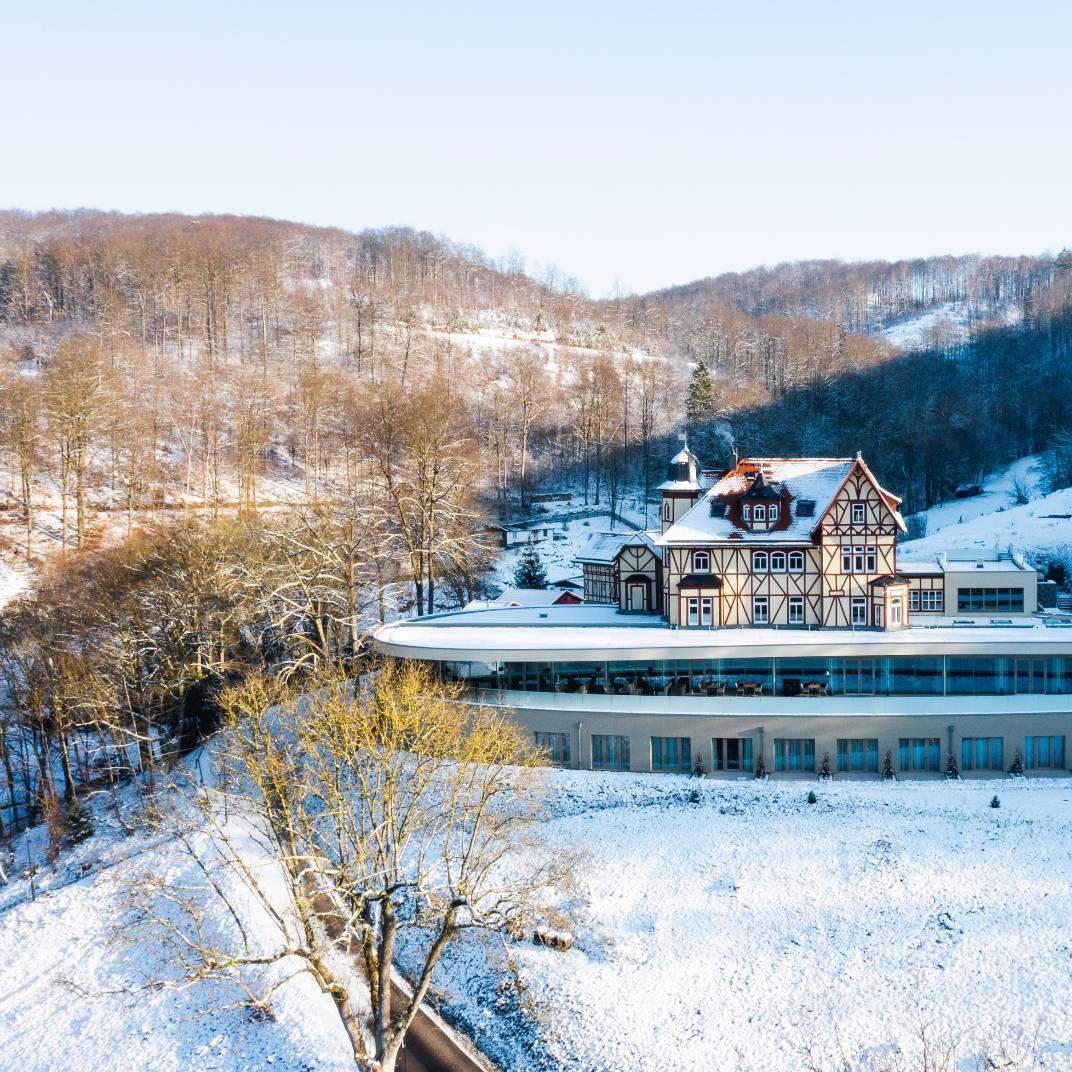
What distinguishes the physical environment of a Harz Mountains retreat from, say, a Black Forest or Bavarian Alps alternative is the specific character of the landscape and the cultural associations it carries. The Harz has a particular mythology in German cultural history, it appears in Goethe's Faust, in folk tradition, in the Brocken's history as a site of both meteorological fascination and Cold War surveillance infrastructure. Arriving at a property that has operated continuously in this setting for close to fifty years means arriving into a place with genuine local sediment, not a recently assembled concept seeking to borrow the landscape's credentials.
Family-Owned, Both Kinds of Guest in Mind
German spa hotels in the mid-range to premium tier have historically divided between properties that prioritise couples and those that accommodate families, rarely doing both with equal conviction. Romantischer Winkel's longevity suggests it has managed that balance. Nearly fifty years of continuous family ownership in a single location is not an accident of positioning, it reflects a guest relationship that keeps people returning across different life stages, first as couples, later as families with children, sometimes as multi-generational groups.
That structural approach to guest mix separates this category of property from the strictly adult-only wellness hotel, a format that Germany does well at properties such as Gut Steinbach Hotel Chalets Spa in Reit im Winkl or the landscape-oriented positioning of BUDERSAND Hotel in Hörnum. The choice to remain genuinely family-friendly while maintaining a serious wellness identity is an editorial one, it narrows the possible design language and limits the programming choices, but it broadens the guest base across decades rather than optimising for a single demographic.
The Wellness Category in Context
Germany's spa hotel sector is deeper and more regionally specific than international travel coverage typically suggests. Properties like the Althoff Seehotel Überfahrt in Rottach-Egern or Schloss Elmau Luxury Spa Retreat & Cultural Hideaway in Elmau operate at a price and profile level that attracts international attention, but the sector's real depth lies in the mid-tier family-owned properties anchored to specific regional landscapes, the Harz, the Black Forest, the Bavarian foothills, the Eifel. Romantischer Winkel is a representative of that deeper, less internationally visible layer.
For comparison, the urban luxury hotels that anchor Germany's highest-profile city markets, from the Fairmont Hotel Vier Jahreszeiten in Hamburg to the Excelsior Hotel Ernst in Cologne or the Hotel de Rome in Berlin, compete on a fundamentally different axis: service formality, location premium, and proximity to cultural programming. A property like Romantischer Winkel competes on precisely the opposite terms, distance from the city, connection to landscape, and duration of stay rather than nightly turnover.
The RoLigio positioning, with its emphasis on transformation rather than treatment, also places the property in conversation with a growing segment of European wellness travel that has moved away from the spa-day model toward multi-day programmes with defined outcomes. That shift is visible across the German market, from the medical wellness retreats of Baden-Baden to the forest-bathing programmes in properties across the Harz and Thuringian Forest regions.
Planning a Stay
Bad Sachsa is accessible from Göttingen and Nordhausen by regional rail and road, and the town itself is compact enough that the resort's address on Bismarckstraße places guests within reach of the town centre on foot. The property's 91 rooms accommodate a range of stay lengths, from short breaks to extended wellness programmes.
Travellers who have stayed at transformation-focused properties elsewhere in Germany, such as Der Öschberghof in Donaueschingen or Hotel Bareiss in Baiersbronn, will find Romantischer Winkel operating in a comparable register but with the specific character of the Harz Mountains rather than the Black Forest. The difference is more than geography: the Harz carries a distinctly central-German cultural weight that informs the mood of the surrounding landscape in ways that a week's stay begins to make legible. For those approaching Germany's wellness hotel scene from outside, properties like Villa Contessa in Bad Saarow, Kempinski Hotel Berchtesgaden in Berchtesgaden, Landhaus Stricker in Sylt, and LA MAISON in Saarlouis offer useful points of comparison across different regional and price-tier contexts. International reference points such as Aman Venice in Venice or Aman New York in New York City illustrate how different the transformation-wellness category looks when stripped of its landscape grounding.
Side-by-Side Snapshot
Comparable venues nearby, for context on price, style, and recognition.
| Venue | Cuisine | Price | Awards | Notes |
|---|---|---|---|---|
| RoLigio® & Wellness Resort Romantischer WinkelThis venue — the venue you are viewing | Wellness-focused resort blending family amenities with romantic escapes | $$$$ | Michelin 1 Key | Not listed |
| Wellnesshotel Oswald | luxurious wellness retreat with modernized rustic elements | $$$$ | Michelin 1 Key | Kaikenried |
| Hotel Villa Sorgenfrei & Restaurant Atelier Sanssouci | Restored 18th-century historic villa with modern comforts. | $$$$ | Michelin 1 Key | Radebeul |
| Das Graseck Mountain Hideaway & Healthcare | Modern Alpine luxury hideaway | $$$$ | Michelin 1 Key | Garmisch-Partenkirchen |
| Schlosshotel Burg Schlitz | Historic castle hotel with classic elegance in a vast parkland setting | $$$$ | Michelin 1 Key | Hohen Demzin |
| Hotel Maximilian's | Historic luxury boutique with modern updates | $$$$ | Michelin 1 Key | city center |
Recognition history
Dated appearances from independent guides and award organizations, with the underlying list record or original source where available.
Michelin 1 Key
Michelin
At a Glance
- Romantic
- Quiet
- Scenic
- Cozy
- Elegant
- Romantic Getaway
- Wellness Retreat
- Family Vacation
- Weekend Escape
- Panoramic View
- Garden
- Terrace
- Destination Spa
- Pool
- Spa
- Sauna
- Fitness Center
- Restaurant
- Room Service
- Concierge
- Tennis Court
- Kids Club
- Business Center
- EV Charging
- Garden
- Mountain
- Pool
- Spa
- Sauna
- Fitness Center
- Restaurant
- Room Service
- Concierge
- Tennis Court
- Kids Club
- Business Center
- EV Charging
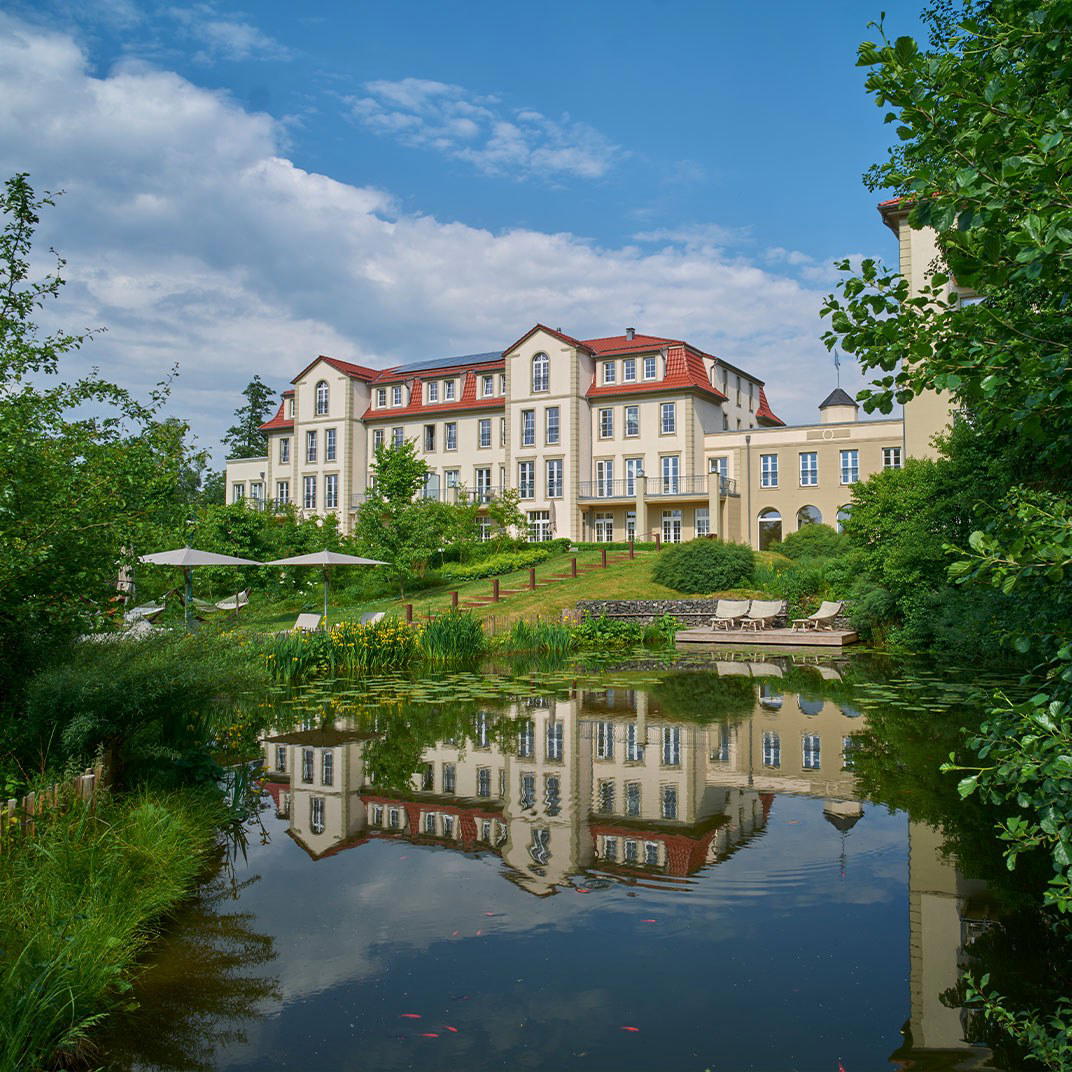
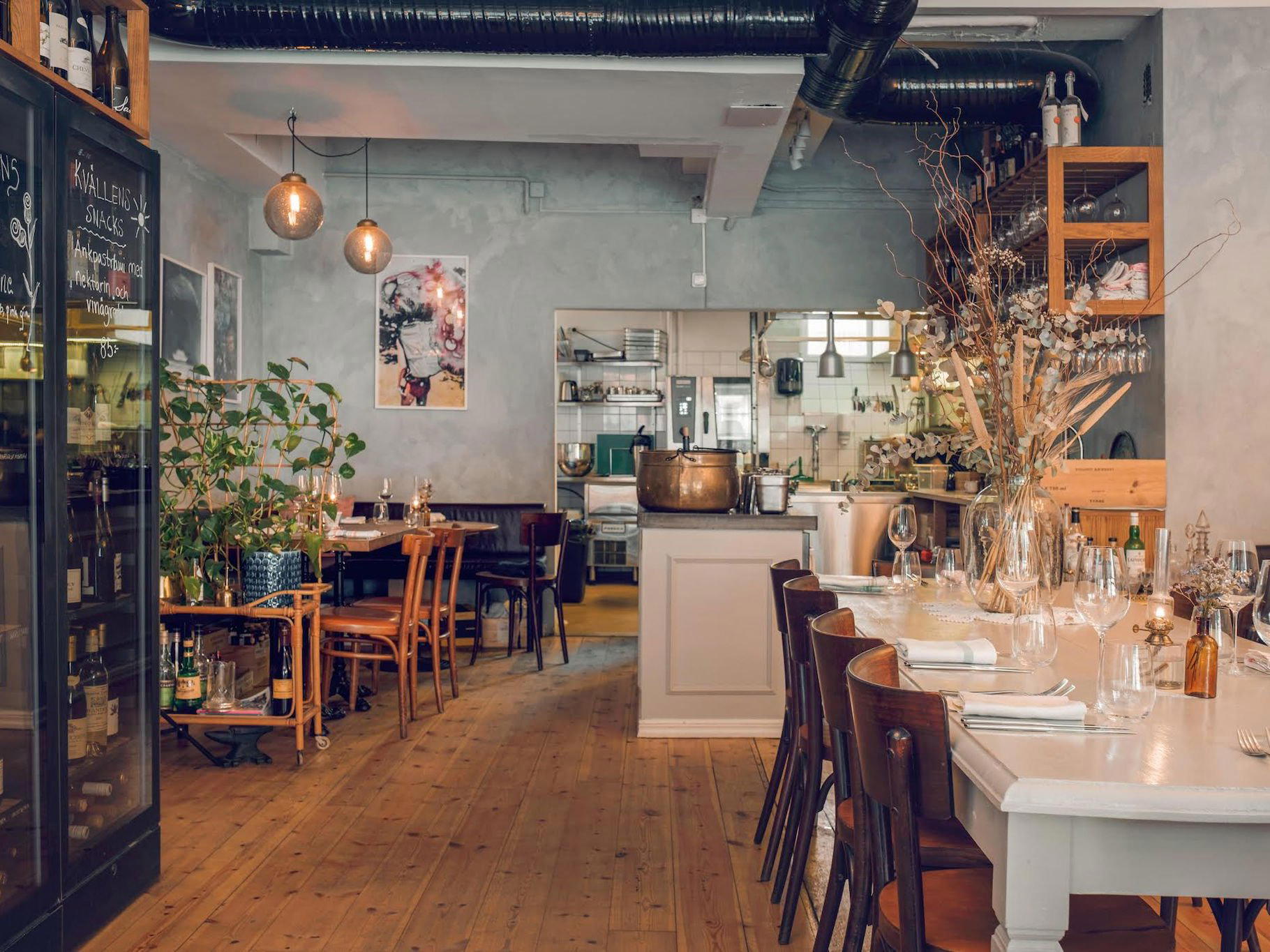
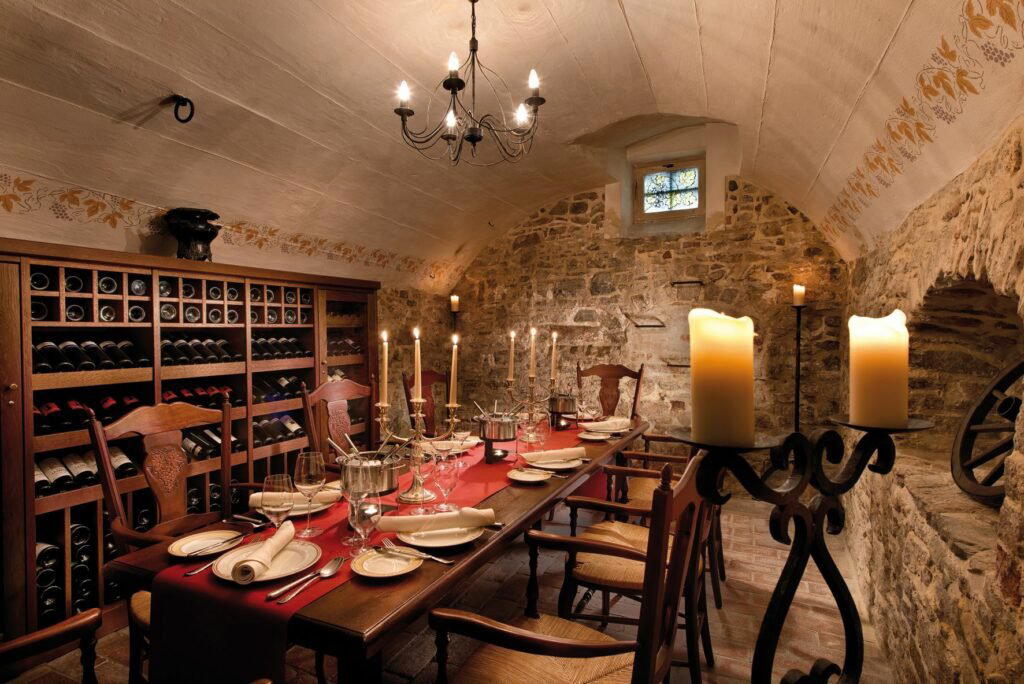
Tranquil and rejuvenating atmosphere with relaxing spa lighting, garden views, and serene wellness areas praised for their peaceful ambiance.