Pietsch




Pietsch holds two Michelin stars and a 2026 La Liste score of 75 points, making it among the more decorated fine dining addresses in the Harz region. The 18-seat counter format stages a single seven-course menu each evening under chef Francis Wolf, with an Asian-inflected creative program and an acclaimed non-alcoholic pairing option. Doors open at 7:30pm; there is no à la carte.
Pearl is the En Primeur Club membership app — saves, bookings, and concierge access live there. Same editors, same standards.
- Address
- Breite Str. 53a, 38855 Wernigerode, Germany
- Phone
- +49 3943 5536053
- Website
- robin-pietsch.de
- Directions
- Get directions
 Saves & bookings on Pearl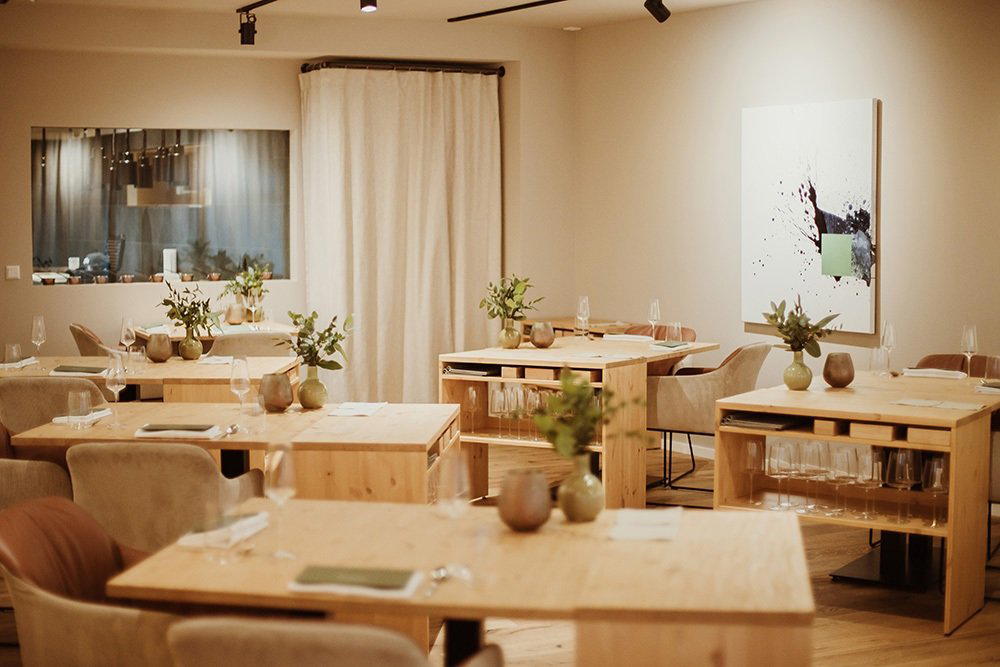
A Counter, an Open Kitchen, and a Fixed Hour
Wernigerode is not a city that appears on the usual circuit of German fine dining. The half-timbered market town in the Harz mountains draws visitors for its medieval streetscape and the castle above the roofline, not for restaurant reservations. That makes the presence of a two-Michelin-star counter at Breite Str. 53a all the more worth understanding. Pietsch does not hedge its format: one seating per evening, one seven-course menu, eighteen seats arranged at a counter facing an open kitchen, service beginning at 7:45pm. The model is borrowed from the kind of precision-format restaurants you find in Tokyo or at CODA Dessert Dining in Berlin, where the fixed architecture of the evening defines the experience.
The discipline of this format is worth noting in the German context. Many of the country's leading tables, Schwarzwaldstube in Baiersbronn, Vendôme in Bergisch Gladbach, Restaurant Haerlin in Hamburg, operate in classic European dining room settings, with tablecloths, deep wine lists presented in leather folders, and a formality that signals a particular era of fine dining. Pietsch operates from a different premise. The counter and open kitchen shift the social dynamic: eighteen diners watching a kitchen team move through a coordinated service creates something closer to communal spectatorship than private dining.
Chef Francis Wolf and the Creative Program
The two-star classification arrived in 2025, and the 2026 La Liste ranking places Pietsch at 75 points, a score that positions it within the same broad tier as multi-star addresses in larger German cities. The creative classification covers a menu that the Michelin Guide describes as carrying a global palate with strong Asian influences and delivering bold, distinct flavours. That framing connects Pietsch to a wider shift in German fine dining: the move away from French classical technique as the default reference point, toward menus that draw equally from Japanese precision, Southeast Asian spicing, and Nordic restraint. Aqua in Wolfsburg, which carries three stars and lists Italian and Japanese alongside Contemporary German in its classification, represents the same tendency at a higher formal register. JAN in Munich and ES:SENZ in Grassau demonstrate similar international framing within German settings.
Chef Francis Wolf leads the kitchen at Pietsch. The counter format specifically cited as a place where guests can watch teamwork in action. This is not incidental: the counter model at this level relies on the kitchen operating as a visible ensemble rather than a concealed production line. The structure forces a different kind of discipline from the team, and the Michelin note about sensing the enthusiasm of the kitchen crew suggests that discipline is legible from the eighteen seats.
The menu extends beyond the seven courses to include amuse-bouche and a final course, which in practice means the arc of the evening is longer than the headline number implies. This is consistent with how two-star tasting menus operate across Europe: the bookend courses function as prologue and epilogue, and the amuse-bouche sequence in particular is where kitchens at this level tend to signal their technical range before the formal menu begins. Comparable European creative addresses, Alléno Paris au Pavillon Ledoyen in Paris and Enrico Bartolini in Milan, deploy similar structures at higher seat counts and longer-established reputations. Pietsch operates at a smaller scale but within the same formal logic.
The Beverage Program
Pietsch holds a White Star designation from Star Wine List, published in April 2023, which signals a wine program that meets criteria for selection depth and curation quality above the average for its category. At a counter restaurant with a fixed menu, wine pairing is structurally important: guests cannot browse a carte, so the list's role shifts toward pairing architecture rather than browsing experience. The White Star designation suggests the kitchen and beverage program are working in alignment rather than operating independently.
The non-alcoholic pairing option is specifically highlighted as highly recommended. This is worth taking seriously: non-alcoholic pairings at two-star level in Germany are not yet universal, and the programs that earn genuine recognition from the guide tend to be built from the same technical precision applied to wine pairings, fermentation, acid balance, reduction, infusion, rather than assembled from commercial soft drinks. If you are not drinking wine, the non-alcoholic route at Pietsch is evidently not an afterthought.
Pietsch and Zeitwerk: A Two-Restaurant Address
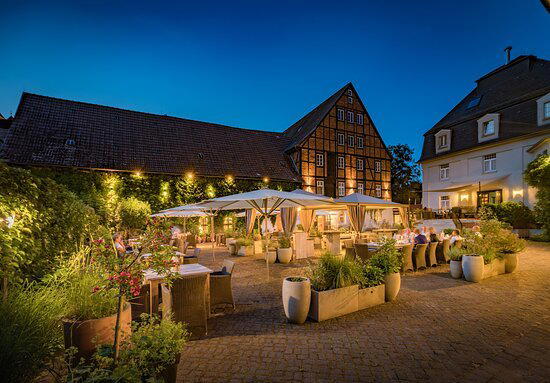
The building at Breite Str. 53a houses two restaurants. Zeitwerk operates next door to Pietsch and shares the Robin Pietsch brand. This two-venue structure is not unusual in German fine dining: pairing a high-formality tasting menu restaurant with a more accessible sibling allows a kitchen group to operate at multiple price points and attract different audiences without diluting the flagship. In the Harz context, it also means there is a practical alternative for guests who want to eat within the same culinary address without committing to the full Pietsch counter experience. Schanz in Piesport, Waldhotel Sonnora in Dreis, and Victor's Fine Dining by Christian Bau in Perl are examples of multi-star addresses in smaller German settings where the physical location becomes part of the identity rather than a limitation of it.
Planning an Evening at Pietsch
Fixed-seating format means logistics are non-negotiable. Arrival is at 7:30pm, service begins at 7:45pm, and there is a single menu for all eighteen guests. There is no à la carte option and no second seating to plan around. Two-star restaurants in Germany at this price tier (€€€€) tend to book out weeks in advance, particularly on weekends.
Wernigerode sits in the northern Harz, roughly equidistant between Hanover and Magdeburg. The town is accessible by train from both cities and from Goslar, which is a useful staging point if you are combining a Pietsch booking with a wider Harz itinerary.
What Pietsch represents in the German fine dining map is a two-star counter in a small historic town, operating with the format discipline of a city restaurant and the awards credentials to match peer addresses at larger urban centres. The address at Breite Str. 53a is not an anomaly so much as a demonstration that the counter-format tasting menu, with its fixed hours and communal structure, travels beyond the cities where it was developed.
Quick Comparison
Comparable venues nearby, for context on price, style, and recognition.
| Venue | Cuisine | Price | Awards | Notes |
|---|---|---|---|---|
| PietschThis venue — the venue you are viewing | Modern Asian Contemporary Fine Dining | $$$$ | Michelin 2 Star | Not listed |
| Zeitwerk | Modern German Fine Dining | $$$$ | Michelin 1 Star | Breite Straße |
| Gaststuben Gothisches Haus | Harz Regional German Cuisine | $$$ | Not listed | Marktplatz |
| Intense | Modern Japanese-Pfalz Fusion | $$$$ | Michelin 2 Star | Wachenheim an der Weinstraße |
| Jante | Modern European Fine Dining | $$$$ | Michelin 2 Star | Südstadt |
| KOMU | Modern French-Asian Fusion Fine Dining | $$$$ | Michelin 2 Star | Isarvorstadt |
Recognition history
Dated appearances from independent guides and award organizations, with the underlying list record or original source where available.
Falstaff Restaurant - 95 Falstaff Points
Falstaff
La Liste Top Restaurants
La Liste
Michelin 2 Stars
Michelin
Star Wine List
Star Wine List
Michelin 2 Stars
Michelin
Michelin 1 Star
Michelin
Continue exploring
More in Wernigerode
Restaurants in Wernigerode
Browse all →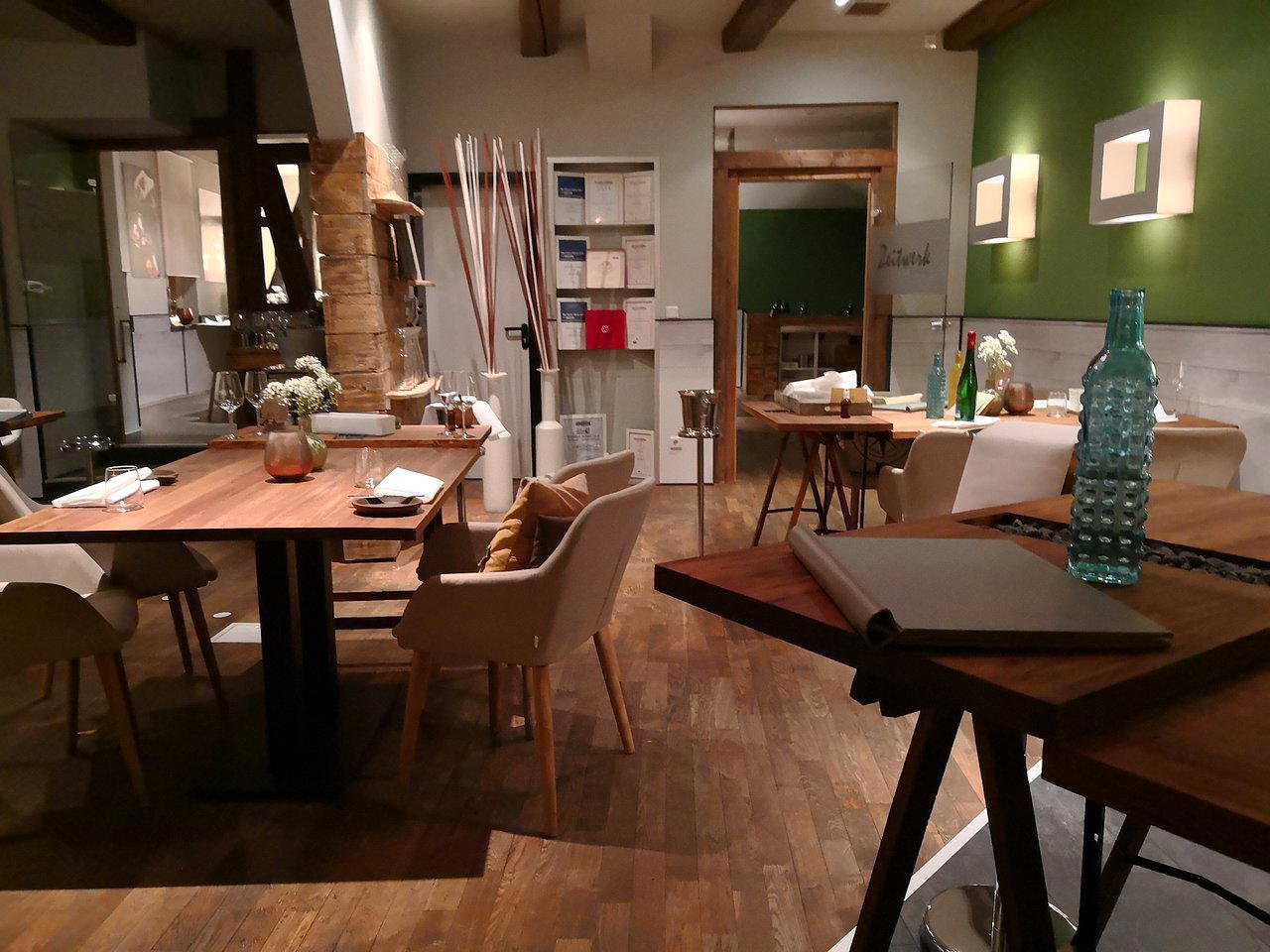
Bars in Wernigerode
Browse all →
At a Glance
- Trendy
- Modern
- Sophisticated
- Intimate
- Date Night
- Special Occasion
- Open Kitchen
- Extensive Wine List
Current opening hours
- Monday
- Closed
- Tuesday
- Closed
- Wednesday
- 7 PM–12 AM
- Thursday
- 7 PM–12 AM
- Friday
- 7 PM–12 AM
- Saturday
- 7 PM–12 AM
- Sunday
- Closed
Hours can change for holidays and private events. Last verified .
Trendy urban aesthetic with sociable, entertaining atmosphere from watching the open kitchen team at work.