PR-116
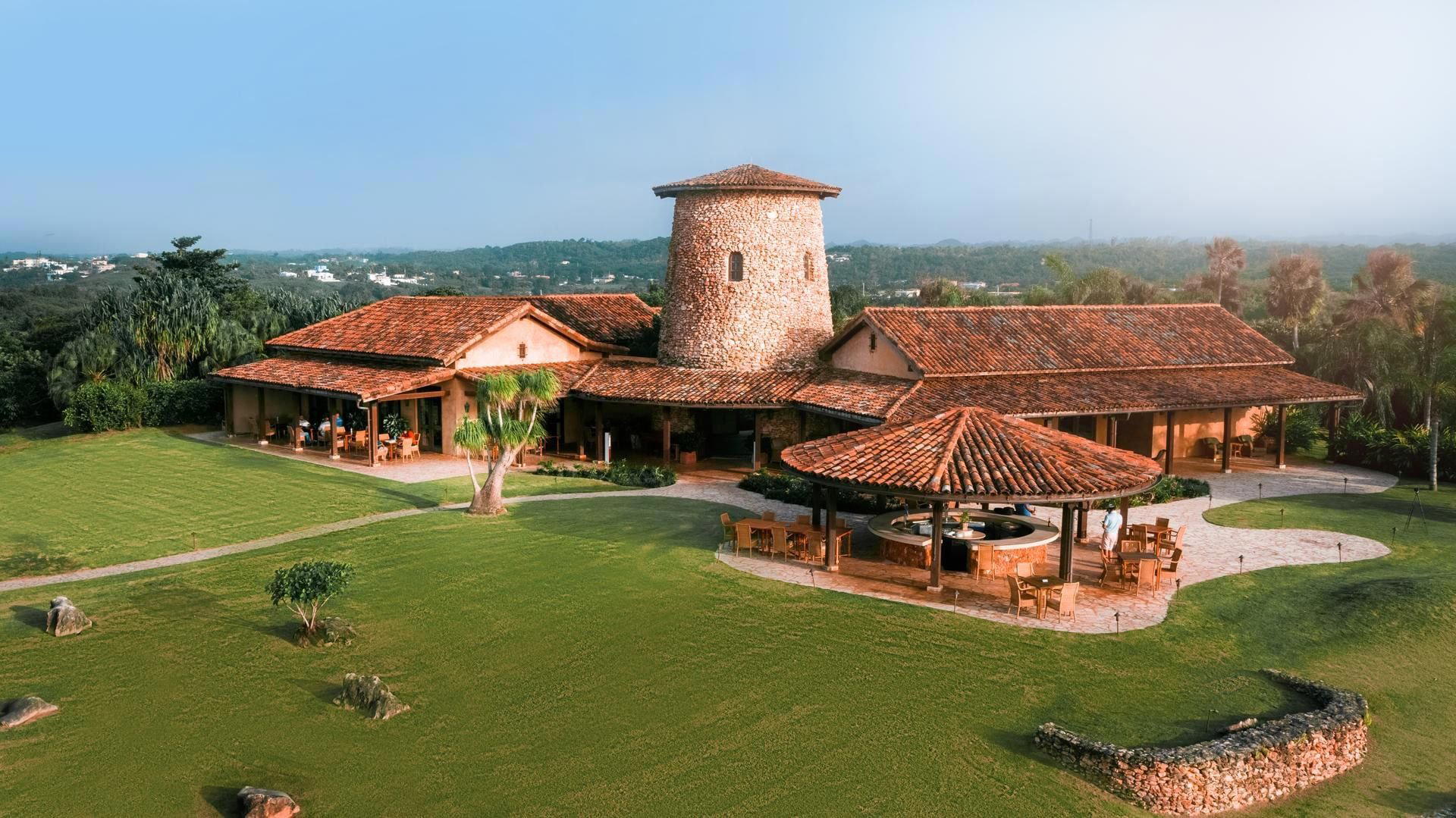
PR-116 sits in Lajas, on Puerto Rico's southwestern coast, in a region where the island's bar culture operates well outside the San Juan circuit. The venue's name references its highway address, grounding it in the local geography of a town better known for Laguna Grande and the phosphorescent bay than for cocktail programs. For travelers working south and west, it represents a stop worth factoring into the itinerary.

Pearl is the En Primeur Club membership app, where members save venues, book tables and use the concierge.
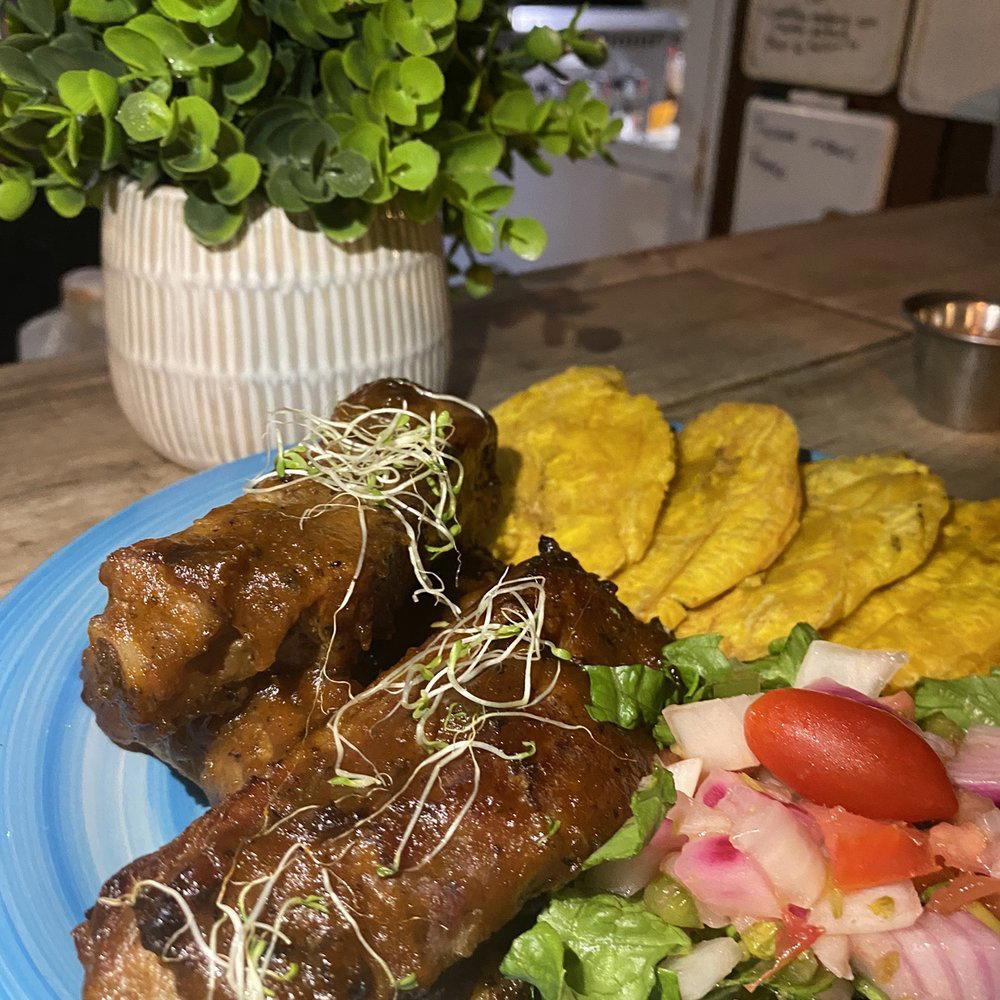
Lajas After Dark: What the Southwest Coast Does to a Drink
The drive into Lajas at dusk already tells you something about the pace of the southwest coast. The road flattens, the light turns amber across the dry forest, and the Laguna Grande bioluminescent bay sits just beyond the mangroves, waiting for night. The bars and gathering spots that serve this corridor operate at a register different from San Juan or even Ponce: less theater, more ritual. PR-116 takes its name from the highway that stitches the region together, and that reference is deliberate. This is not a destination extracted from its geography; it is a product of it.
The Cocktail Programme as Regional Argument
Puerto Rico's bar scene has spent the last decade pulling in two directions. One current runs toward the internationally recognized, technically sophisticated programs clustered in the capital, where venues like La Factoría in San Juan have helped establish the island as a serious cocktail market. The other current runs toward places that treat rum not as a heritage prop but as a working ingredient shaped by the specific coastline it comes from. PR-116 belongs to that second current.
The southwest of Puerto Rico produces conditions for drinking that differ from San Juan in ways that go beyond atmosphere. The heat is drier, the rum culture is older and less curated for tourists, and the local appetite runs toward drinks that are less architectural and more immediate. A programme built here, for this audience, will weight differently than one designed for Condado or Santurce. Where Casa BACARDÍ in Cataño frames rum within heritage spectacle, and where beachside spots like Campamento Piñones in Loíza trade on proximity to the water, PR-116 anchors its identity in the particular character of its stretch of coast.
Across the island's bar culture, the clearest point of distinction is usually not the spirit category but the bartender's relationship to local ingredient sourcing. In the southwest, that means access to plantain, tamarind, local citrus, and the kind of unaged and lightly aged rums that distilleries in this corridor have produced for generations. Programmes that work with that material honestly, rather than importing a generic tropical-cocktail vocabulary, tend to produce drinks with more internal logic. That is the standard against which any serious bar in this region should be measured.
Where PR-116 Sits in the Southwestern Bar Circuit
The bar options along the PR-116 corridor serve a mixed audience: residents of Lajas and the surrounding municipalities, visitors heading to or from the bioluminescent bay, and a smaller group of travelers who have deliberately chosen the southwest over the more-trafficked north coast. That mix shapes what a venue here needs to do. It cannot rely solely on tourist throughput, the way spots near Rincón like El Bohio in Rincón can. It also cannot build a programme exclusively for locals who may have no interest in technique-forward drinks.
The venues that work in this space tend to find a middle register: accessible enough for the everyday drinker, considered enough to hold the attention of someone who has been through Guavate in Cayey or knows what La Parguera in La Parguera does with its waterfront setting. PR-116, operating from the town of Lajas, is positioned between those poles. Its name alone signals that it understands itself as a connector, not just a destination.
For context on what a technically serious cocktail programme looks like at the level Puerto Rico's leading bars are approaching, it is worth knowing what international peers are doing. Bar Leather Apron in Honolulu has built its reputation on precision and restraint in an island market that could easily default to tiki excess. Jewel of the South in New Orleans frames its programme through historical research rather than trend. Julep in Houston has made the case that a single-spirit focus, done with rigor, produces a more coherent bar experience than a broad menu. Kumiko in Chicago brings Japanese precision to an American spirits list. These are the frameworks that matter when thinking about what a bar in Lajas could aspire to, and against which its programme will inevitably be measured by the travelers who make it this far west.
Planning a Visit to Lajas
Lajas sits roughly 35 kilometers east of Mayagüez and about 175 kilometers from San Juan, which makes it a full-day or overnight commitment rather than a casual detour. The most natural pairing for an evening at PR-116 is a prior or subsequent trip to the Laguna Grande, the bioluminescent bay accessible from La Parguera, which draws its own visitor base and justifies the distance for many travelers. The southwest coast is genuinely underserved by public transport, so a rental car is the practical approach for anyone not based in the region. Those building an itinerary around the bar circuit in western Puerto Rico should consult our full Lajas restaurants guide and cross-reference with Da Bowls in Aguadilla for the northern anchor of the same road-trip loop.
The southwest tends to be drier and warmer than the northeast, which affects drinking: cold, lower-alcohol options move faster in the afternoon heat, while the evening hours see more rum-forward orders once the temperature drops and the bay crowd disperses. Timing a visit for the shoulder period between tourist seasons, roughly April through June and again in November, means fewer visitors competing for the same tables and a more local-weighted room, which is usually where a bar's real character shows.
What the Highway Name Tells You
Naming a bar after a highway is either a statement of confidence or a declaration of purpose. In Puerto Rico's context, Route 116 is the road that connects the interior of the southwest with the coast, threading through a part of the island that most visitors skip entirely. A venue that takes that name is making an argument about who it serves and what it represents: not a curated experience extracted from place, but something embedded in the texture of a specific route, a specific town, and a specific set of locals who use that road every day. Whether the programme inside the venue lives up to that positioning is the question worth investigating in person.
In Context: Similar Options
| Venue | Price | Awards |
|---|---|---|
| PR-116This venue (the venue you are viewing) | Not listed | Not listed |
| La Factoría | $20–30 | World's 50 Best #26 · Food & Wine Top 10 US Bars #6 |
Continue exploring
More in Lajas
Bars in Lajas
All bars in Lajas →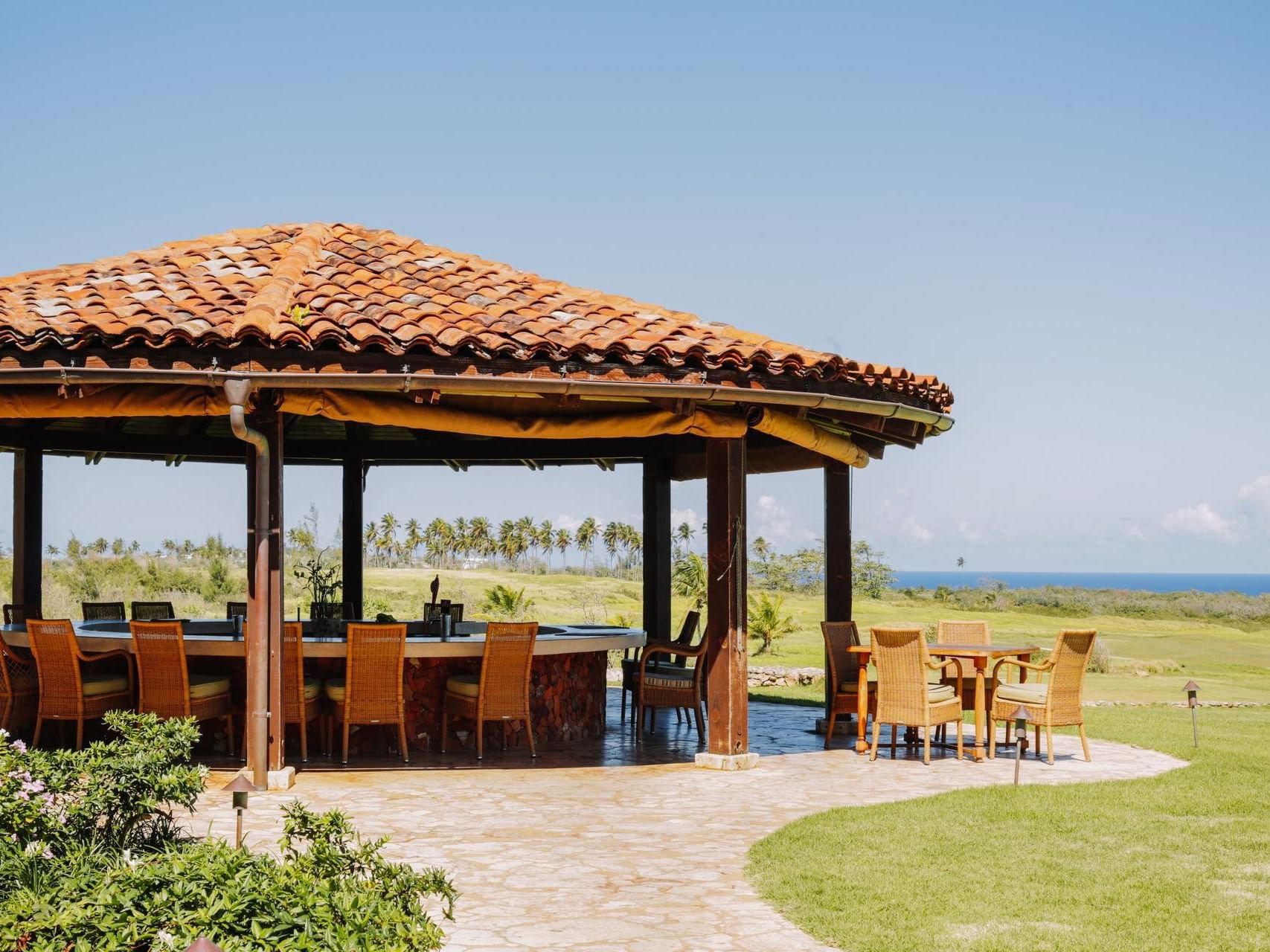
Details
- Casual Hangout
- Standalone
- Waterfront