La Copa Llena
Our verdict
La Copa Llena sits on Black Eagle Road in Rincón, Puerto Rico, where the island's west-coast dining scene intersects surf culture, local produce, and a tradition of community-driven hospitality. The name, Spanish for 'the full cup', gestures at a particular philosophy of abundance without excess, common to the best of Puerto Rico's smaller-town restaurant culture.

Pearl is the En Primeur Club membership app, where members save venues, book tables and use the concierge.
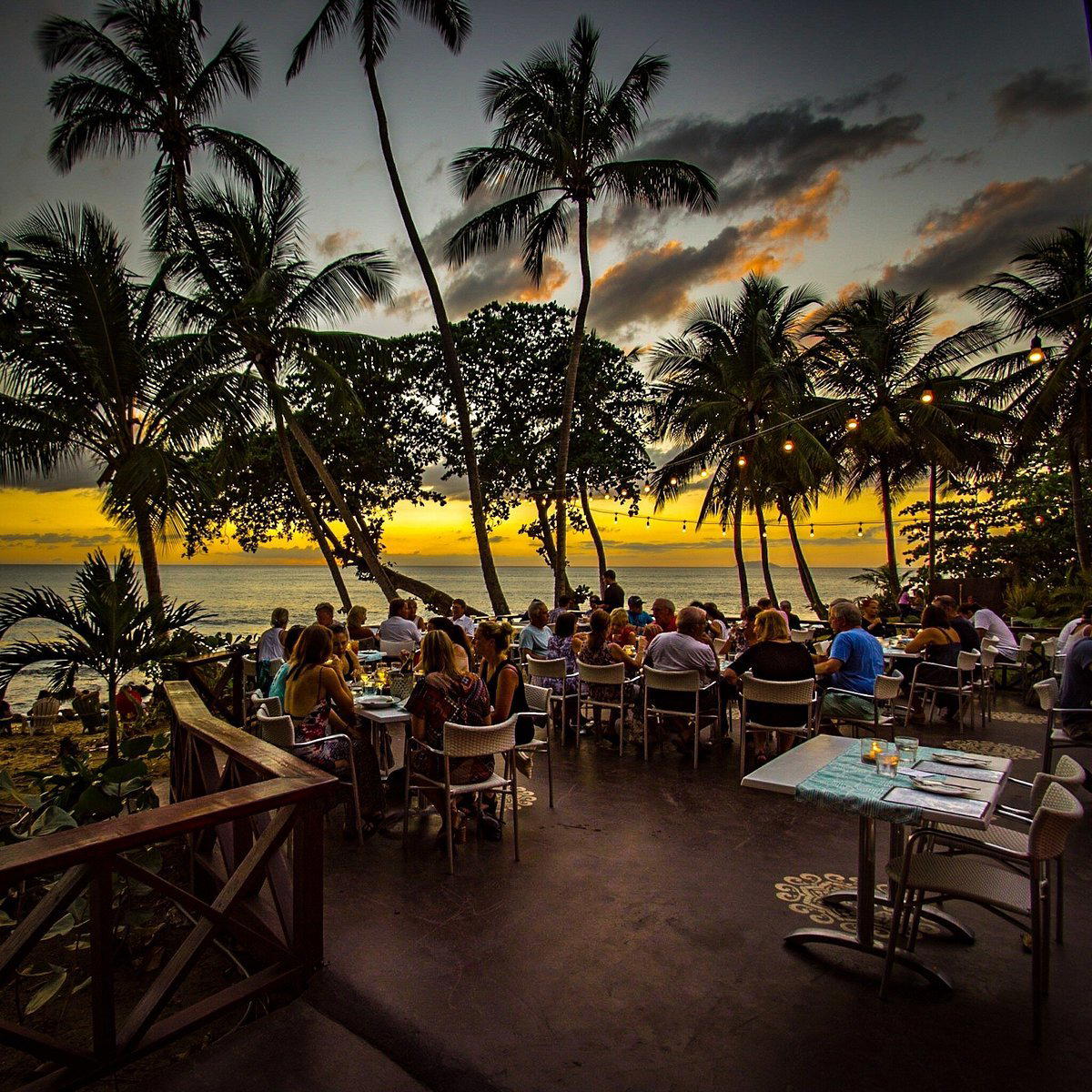
The menu
What to order
- Fresh local fish
- Char-grilled octopus
- Fish curry
Rincón's West-Coast Table
Puerto Rico's restaurant story has long been told from San Juan, with the capital's chefs drawing the critical attention and the reservation lists. But the island's west coast operates on a different register. Towns like Rincón have built a food culture anchored in proximity, to the Atlantic, to local farms, to a rotating community of surfers, expats, and islanders who treat the evening meal as a social event rather than a status exercise. La Copa Llena, on Black Eagle Road, occupies that social role in a town where the dining options are fewer but the expectations per plate run surprisingly high.
The name translates literally as 'the full cup,' a phrase that carries weight in a region where generosity of spirit defines the better restaurants. Across Puerto Rico's smaller municipalities, from the bakeries of Panaderia La Patria in Morovis to the waterside tables at La Parguera, the most durable spots earn their following not through formal accolades but through consistent, community-embedded service. La Copa Llena operates within that tradition.
Where the Cooking Fits in Puerto Rico's West
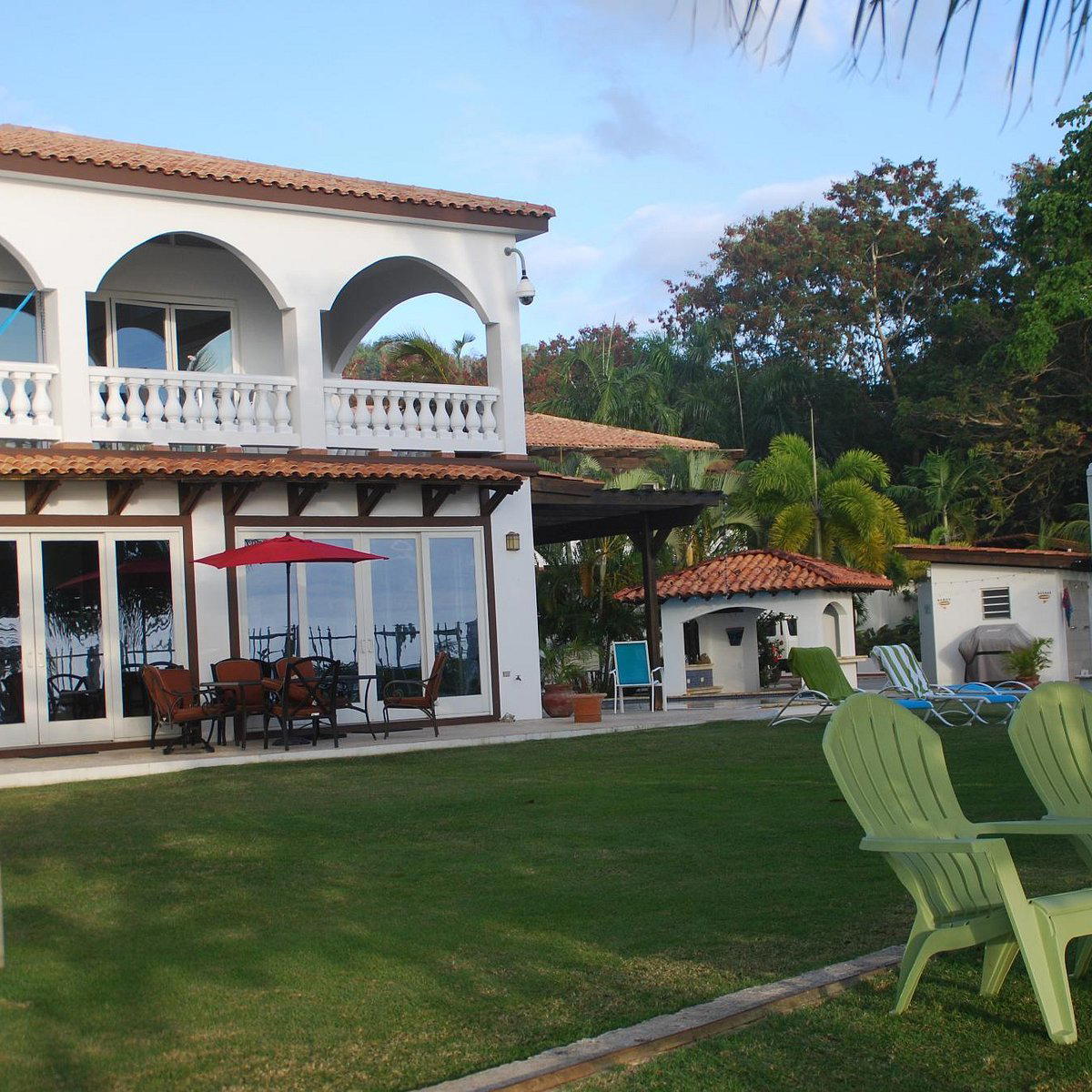
Rincón's dining scene is small enough that each restaurant occupies a distinct role. The town draws a surf crowd from October through March, when the Atlantic swell reliably arrives, and a quieter local clientele through the warmer months. Restaurants that survive across both seasons tend to read the room well: they are informal enough for sand-dusted post-surf dinners and considered enough for the slower, longer meals that the shoulder months invite. Compare that with the more resort-oriented model at places like Villa Playa Maria or the classically trained approach at Estela Restaurant in the same town, and a picture of Rincón's culinary range emerges: it is a place that hosts multiple registers simultaneously.
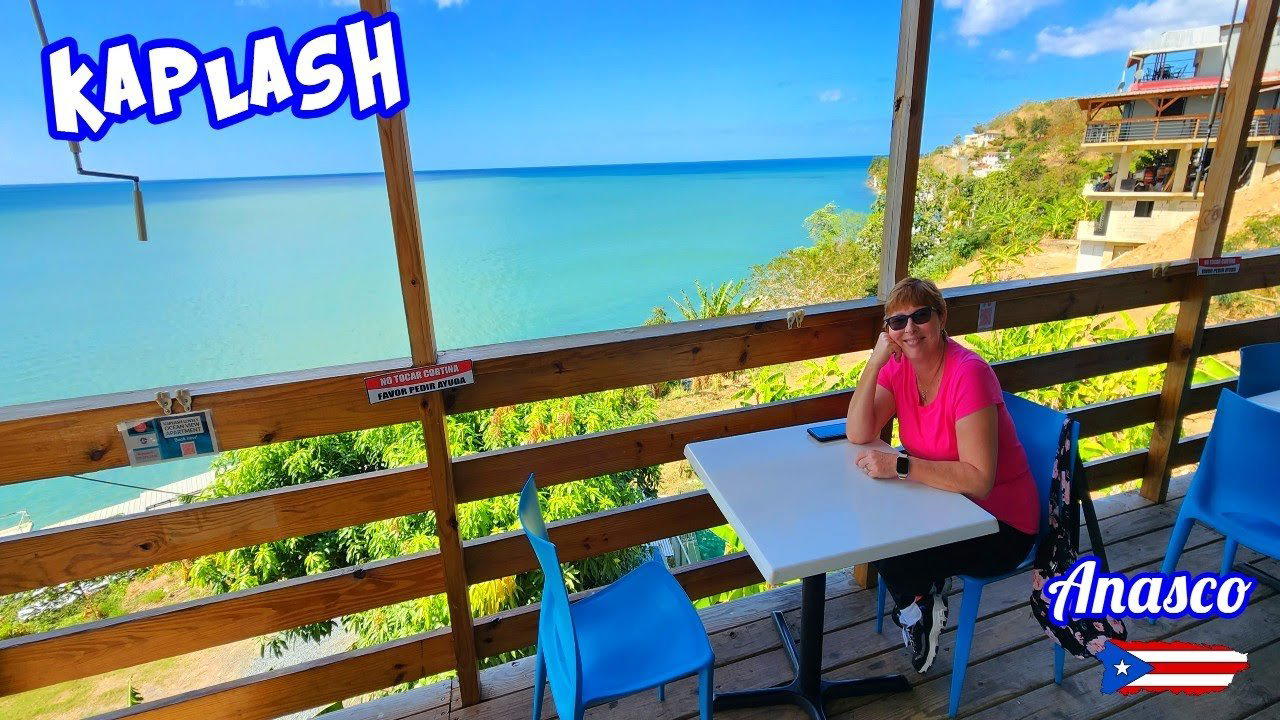
Across the west coast, that range extends further. Kaplash in Anasco and Brazo Gitano Franco in Mayaguez each represent a different facet of the region's food identity, the former rooted in local seafood, the latter in Puerto Rican pastry tradition. La Copa Llena's position on Black Eagle Road places it physically and culturally outside the town's immediate tourist corridor, which tends to self-select for a guest who is looking rather than stumbling in.
The Cultural Roots of the Puerto Rican Table
Puerto Rican cooking is a layered record of the island's history: the Taíno use of root vegetables and tropical produce, the Spanish colonial introduction of pork, sofrito, and rice-based preparations, and the West African influence that shaped the island's flavors as profoundly as any other. The result is a cuisine that does not map neatly onto Latin American categories. It is specific to the island's climate, its coastline, and its agricultural patchwork.
In towns like Rincón, that specificity tends to remain more intact than in San Juan's competitive fine-dining sector, where international influences and chef-driven experimentation push the cuisine into new territory. The west-coast kitchen more often works with what the sea and the mountain markets provide week to week. For context on how that kitchen tradition scales to urban ambition, Jose Enrique in San Juan offers the benchmark: a chef who built a nationally recognized restaurant by refusing to distance himself from the island's core ingredients. The smaller west-coast operators tend to hold the same philosophy at lower volume.
That connection to regional produce and local fishing is not sentimental, it is practical. The west coast's proximity to the Mona Passage means fresh catch is not a marketing claim but a logistical reality. Restaurants here source closer and shorter than their San Juan counterparts simply because the infrastructure supports it.
How Rincón Compares Across the Island
Puerto Rico's restaurant geography has diversified considerably in the past decade. The northeast corridor, anchored by Dorado and its resort dining (see COA in Dorado), operates at a different price point and guest profile than the west coast. The mountain towns, represented by places like Lago Dos Bocas in Arecibo and the outdoor lechoneras of Cayey, preserve a different thread of the island's food culture altogether, one built on whole-roasted pork and long Sunday lunches.
Rincón sits between those poles. It is accessible enough from San Juan (roughly two hours west by car along Route 2) to draw weekend visitors, but self-contained enough to have developed its own dining ecosystem. Charco Azul in Vega Baja and Da Bowls in Aguadilla bookend the corridor north of Rincón and illustrate how the west coast's food identity fragments by town and by the specific community each restaurant serves.
For international comparison, the format that La Copa Llena likely occupies, a neighborhood-rooted, community-embedded restaurant with no formal accolades but a reliable local following, has direct parallels at the opposite end of the fine-dining scale. The way Lazy Bear in San Francisco built credibility through community dinners before becoming a fixed address, or how Le Bernardin in New York City uses institutional consistency rather than novelty to sustain its position, illustrates the principle: longevity in dining comes from knowing your guest and delivering reliably, regardless of scale.
Planning a Visit
Rincón's peak surf season runs October through March, when accommodation and restaurant demand across the town rises sharply. Travelers visiting La Copa Llena outside that window will find the pace slower and the town easier. Black Eagle Road sits in the residential-coastal zone west of the town center, so arriving by car is the practical choice; Rincón has no public transit of note. Booking details and current hours are best confirmed directly, as the venue's contact information is not publicly listed in standard travel databases. For a full picture of what the town offers across price tiers and formats, the EP Club Rincón restaurants guide covers the broader scene. Those extending their Puerto Rico itinerary east should consult the Tin Box in Vieques and the Paros Restaurant pages for comparative context. The El Dorado in Playita is worth noting for those exploring the south coast.
Frequently asked questions
Where is La Copa Llena in Rincon?
La Copa Llena is located at Black Eagle Rd, Rincón, 00677, Puerto Rico, Rincon.
Is La Copa Llena a good option for dining in Rincón outside of peak surf season?
Rincón's peak demand window runs October through March, when the surf crowd arrives and table availability tightens across town. Outside that window, the west coast quiets considerably, and smaller venues like La Copa Llena on Black Eagle Road tend to be more accessible without advance planning. For travelers visiting in the shoulder or summer months, the town's dining scene offers a more relaxed pace than the capital's year-round competition for reservations.
What should I order at La Copa Llena?
What is clear is that La Copa Llena operates within Rincón's west-coast dining scene, where kitchens typically draw on Puerto Rico's layered culinary tradition, root vegetables, seafood, and Spanish-colonial techniques. Arrive with flexibility and ask your server what has come in fresh that day.
What's the best way to book La Copa Llena?
Local accommodation staff in Rincón are often a practical resource for securing same-day or next-day tables at smaller west-coast venues.
What do critics highlight about La Copa Llena?
Within Rincón's small dining scene, each restaurant occupies a distinct role, and the town's position outside San Juan's critical spotlight means west-coast venues frequently draw word-of-mouth recognition rather than formal awards coverage.
Can La Copa Llena adjust for dietary needs?
Puerto Rican kitchens generally work with produce, seafood, and meat-based preparations rooted in Taíno and Spanish culinary traditions, which means plant-forward or allergen-specific requests may require direct confirmation with the restaurant. check the venue's official channels before visiting if dietary adjustments are a priority.
Price Lens
Comparable venues nearby, for context on price, style, and recognition.
| Venue | Cuisine | Price | Notes |
|---|---|---|---|
| La Copa LlenaThis venue (the venue you are viewing) | Modern Caribbean Seafood | $30–50 | Not listed |
| Estela Restaurant | Modern Caribbean Fusion | $100–150 | Rincon, Modern Caribbean Fusion |
| Villa Playa Maria | Rincon, Dining | Not listed | Not listed |
| Ola Ocean Front Bistro | Oceanfront Puerto Rican Bistro | $30–50 | Condado, Oceanfront Puerto Rican Bistro |
| Miramar House Latin Cuisine | Modern Puerto Rican Latin Cuisine | Not listed | Miramar, Modern Puerto Rican Latin Cuisine |
Continue exploring
More in Rincon
Restaurants in Rincon
All restaurants in Rincon →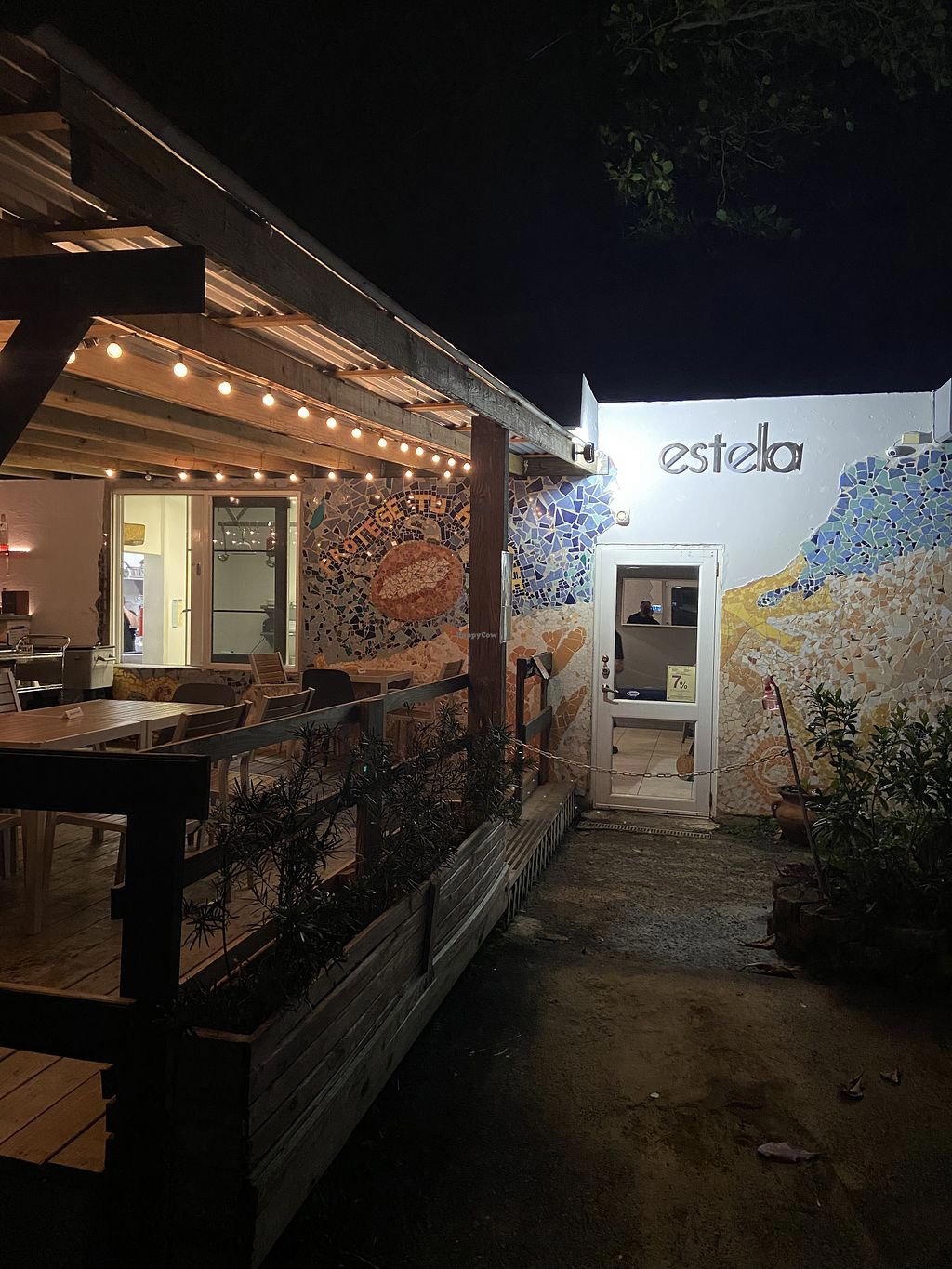
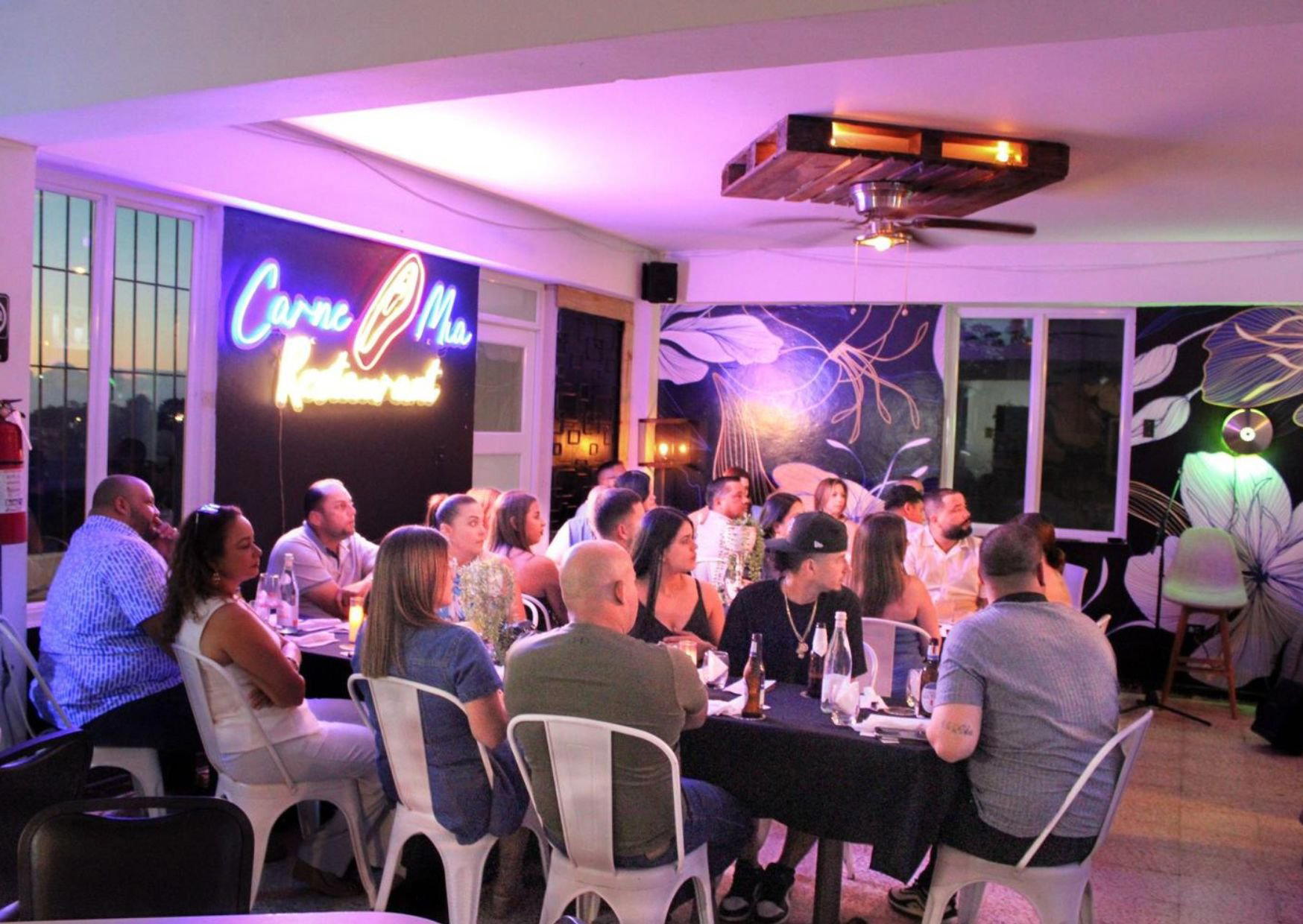
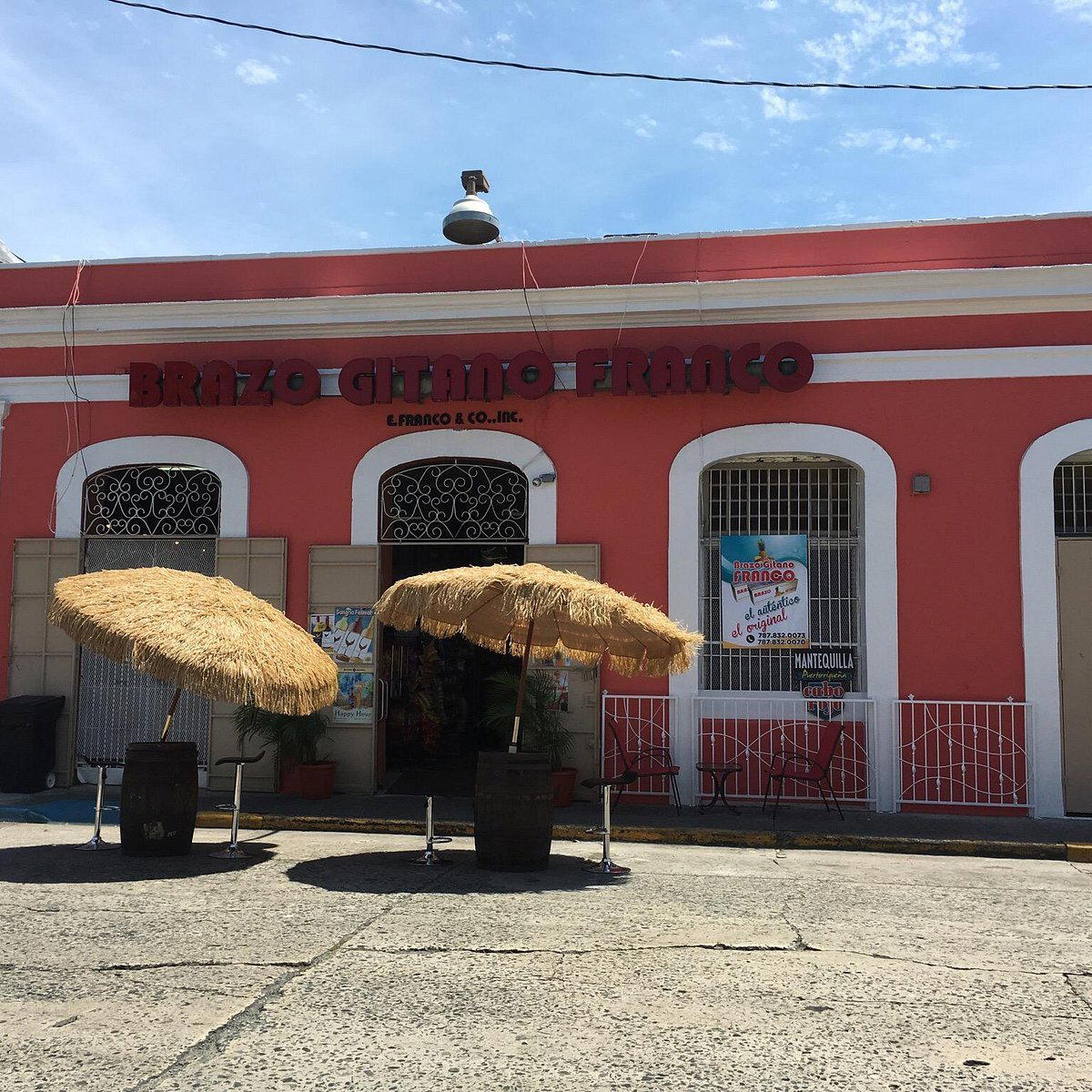
Bars in Rincon
Browse all →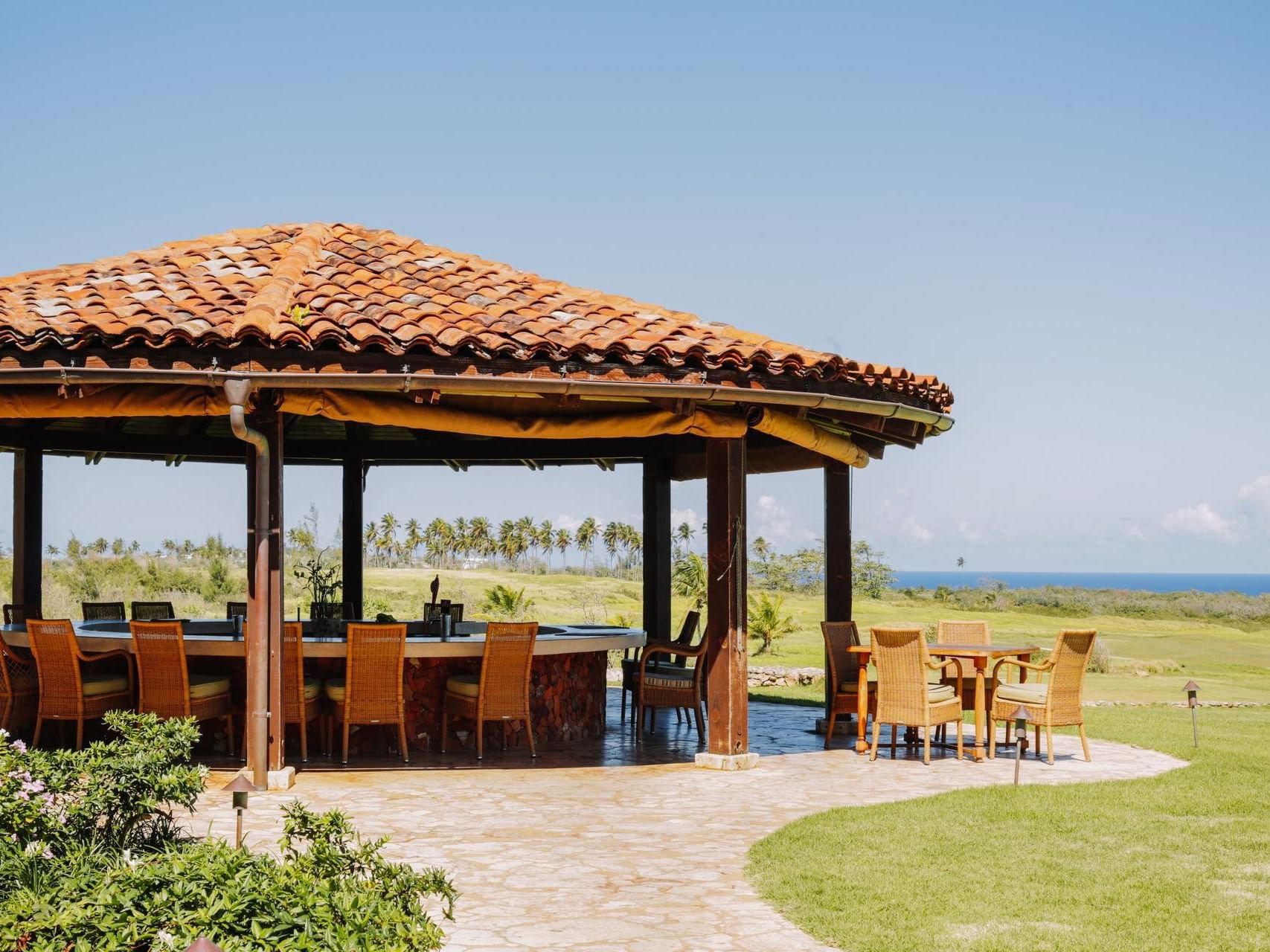
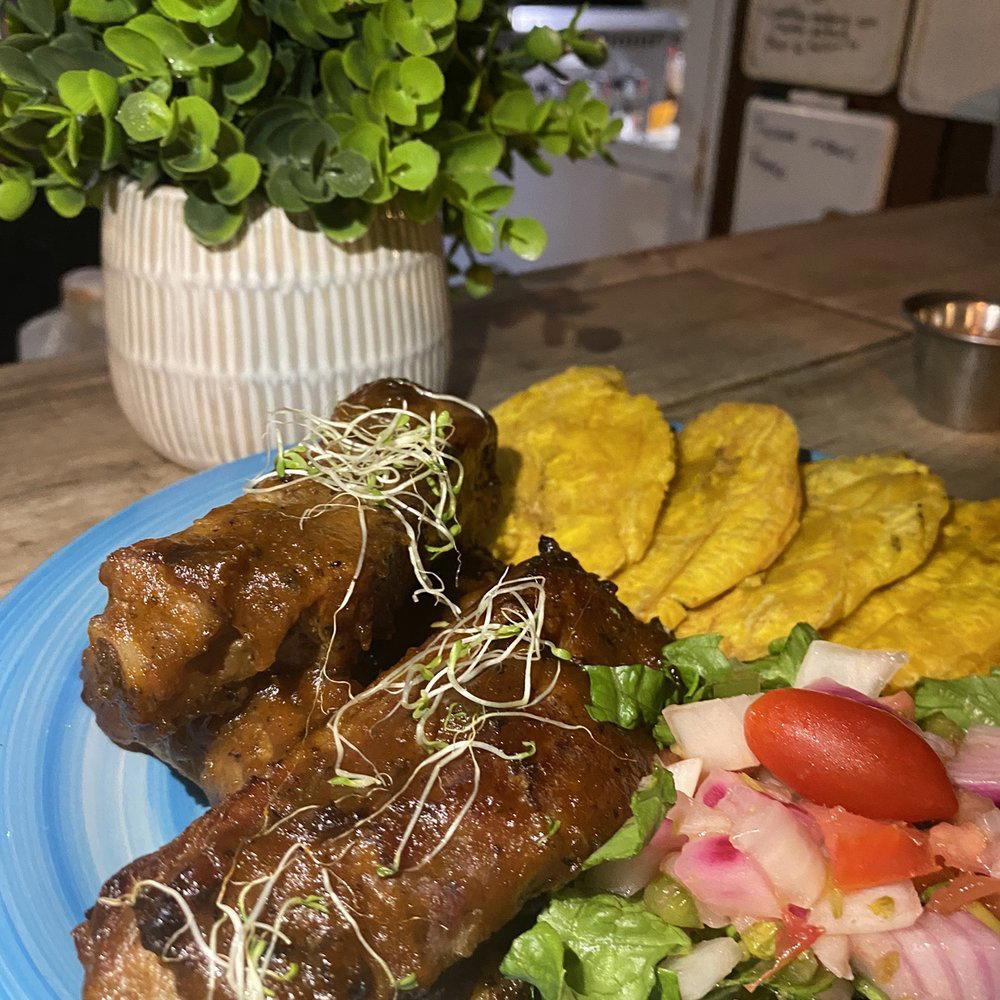
Details
- Lively
- Scenic
- Romantic
- Elegant
- Date Night
- Special Occasion
- Celebration
- Waterfront
- Live Music
- Terrace
- Craft Cocktails
- Local Sourcing
- Waterfront
- A La Carte
- Small Plates
- Cocktails
- Vegetarian Friendly
- Vegan Options
- Gluten Free Options
Current opening hours
- Monday
- Closed
- Tuesday
- 5–9 PM
- Wednesday
- 5–9 PM
- Thursday
- 5–9 PM
- Friday
- 5–9 PM
- Saturday
- 5–9 PM
- Sunday
- Closed
Hours can change for holidays and private events. Last verified .
Lively beachfront atmosphere with bistro lighting, Adirondack chairs in the sand, and twinkling patio lights well-suited for sunsets.