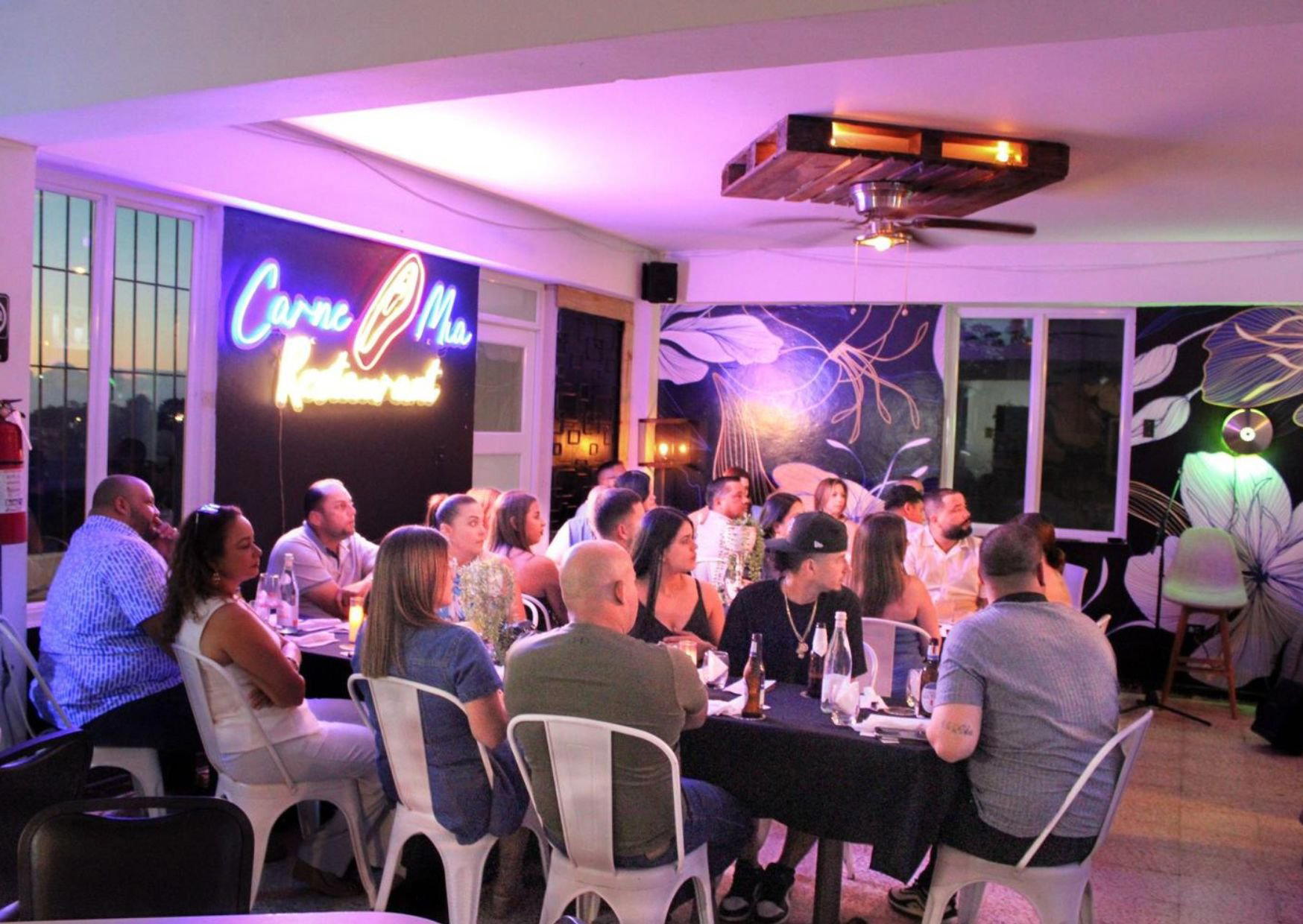
Carne Mía Restaurant
Meat on the West Coast: What Aguada's Table Says About the Island The western corridor of Puerto Rico, running from Aguadilla south through Aguada and down toward Mayaguez, has long operated at a different register than the capital. San Juan's...
 Discover on Pearl
Pearl is the En Primeur Club membership app — saves, bookings, and concierge access live there. Same editors, same standards.
Meat on the West Coast: What Aguada's Table Says About the Island
The western corridor of Puerto Rico, running from Aguadilla south through Aguada and down toward Mayaguez, has long operated at a different register than the capital. San Juan's dining scene tilts toward the hotel-adjacent and the internationally recognizable; out here, the reference points are local, the sourcing conversations are shorter because the supply chains are shorter, and a place named Carne Mía signals its position without ambiguity. In a region where roasted and grilled meats carry genuine cultural weight, that is not a modest claim.
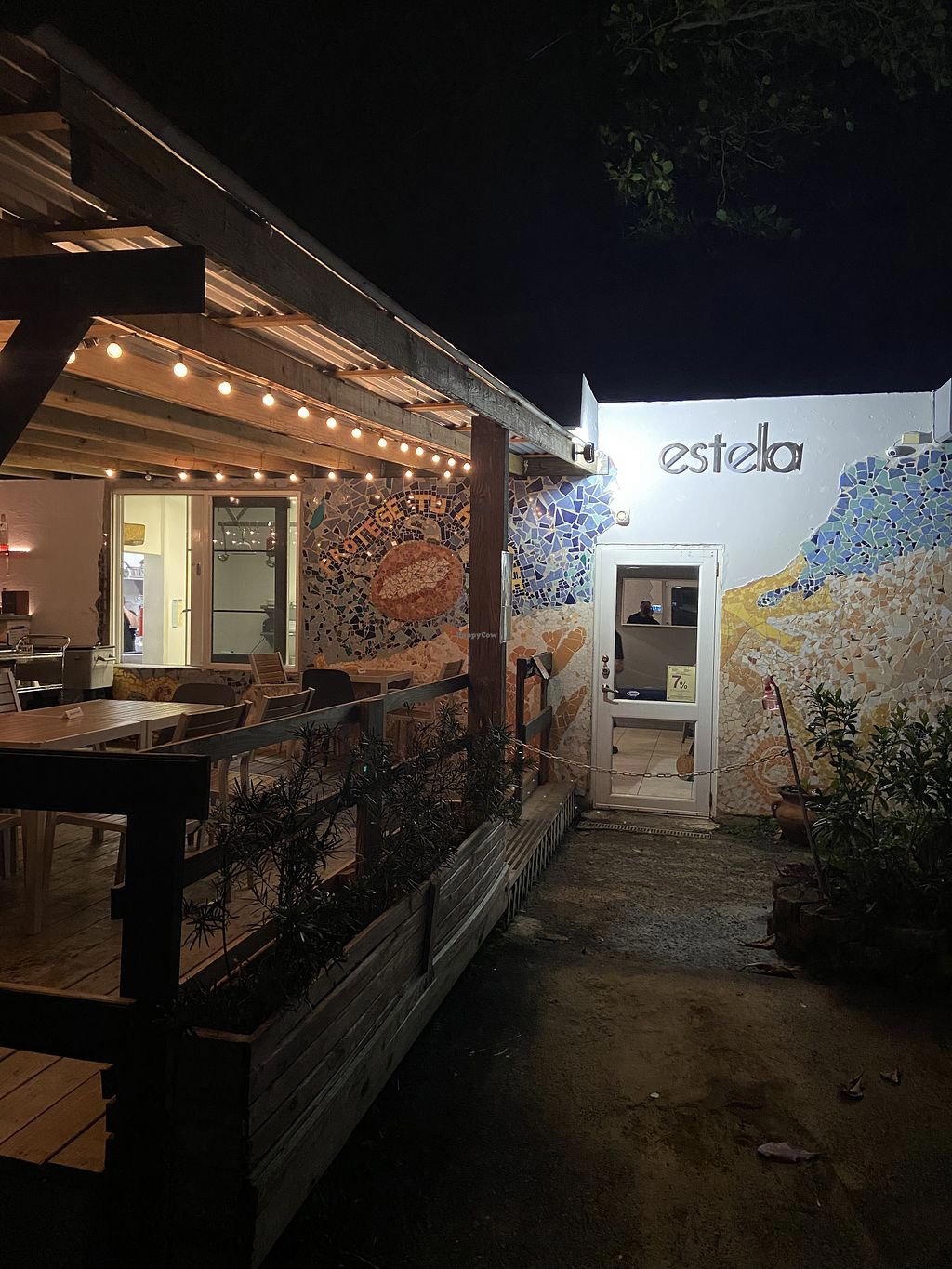
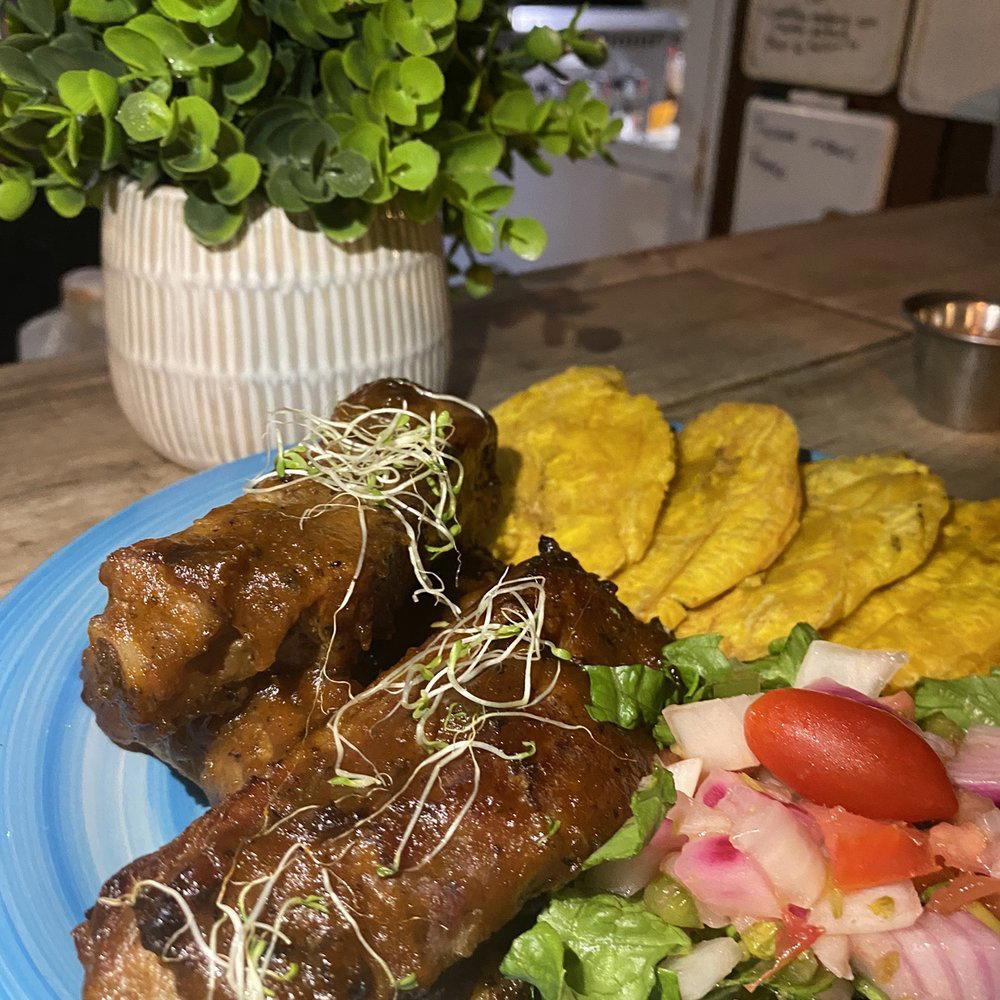
Carne Mía Restaurant is a Caribbean Steakhouse in Aguada, Puerto Rico, with a 4.8 Google rating and an average spend of about $35 per person. Aguada sits on Puerto Rico's northwest coast, roughly equidistant between the resort infrastructure of Rincon to the south and the commercial bustle of Aguadilla to the north. The town is not a dining destination in the way that Rincon has become, drawing surf travelers and food-conscious visitors to spots like Estela Restaurant in Rincon. Aguada draws from its own community first, which means a restaurant operating here is accountable to repeat local custom rather than the more forgiving tolerance of transient tourism.
The Sourcing Argument in Puerto Rican Meat Cookery
To understand what a name like Carne Mía promises, it helps to understand what meat sourcing means on an island. Puerto Rico imports a significant share of its protein, which means any operation emphasizing fresh, locally connected product is working against a logistical default, not with it. The island's interior municipalities have historically maintained small-scale livestock farming, and the west coast sits close enough to those agricultural zones to access product that doesn't pass through the island's more consolidated distribution networks. This geographic position is an advantage that a focused meat restaurant can press, provided its relationships with suppliers are direct and maintained.
The broader tradition this connects to is deep. Lechón, slow-roasted whole pig, remains Puerto Rico's most discussed meat preparation, and the corridor around Cayey in the central mountains is where the island's most established practitioners operate, including Lechonera Los Pinos in Cayey. But the west coast has its own grilling and roasting traditions, less documented and less exported to the tourist circuit, built around community gathering and product that moves from farm to fire within hours rather than days. A meat-focused restaurant in Aguada that takes this tradition seriously is offering something categorically different from what you would find at a hotel grill in San Juan or a concept restaurant in Dorado, such as COA in Dorado, which operates within a different competitive and geographic frame entirely.
The Scene Around the Table
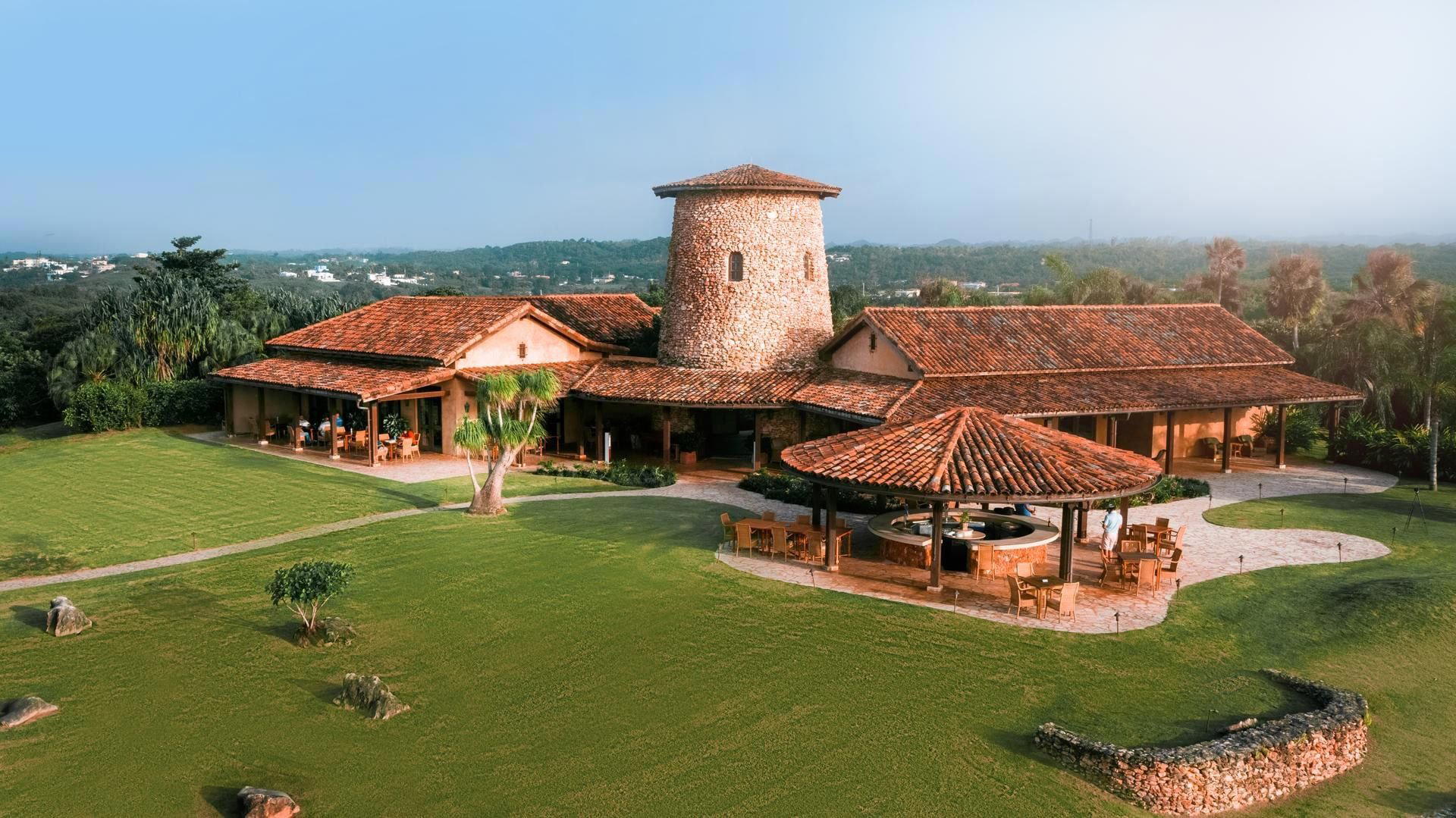
Restaurants along Puerto Rico's west coast tend to be physically unpretentious, with the emphasis placed on what arrives at the table rather than the staging around it. The approach reflects local values: seating arranged for conversation, portions calibrated for genuine appetite, and an absence of the self-conscious theatre that characterizes the more design-led venues on the metropolitan circuit. This matters for a visitor orienting toward the region's food culture rather than its Instagram geography. The contrast with, say, a polished San Juan restaurant like Jose Enrique, which has achieved national recognition precisely because it translated this same directness into a format legible to a wider critical audience, is instructive: both operate from the same underlying culinary logic, but in different registers and to different audiences.
Nearby, the west coast also supports a range of formats, from the beach-casual mode of Da Bowls in Aguadilla to the more traditional seafood positioning of Charco Azul in Vega Baja. Carne Mía's protein focus places it in a specific category within this ecosystem: not a full-service multi-protein restaurant, but a kitchen that has made a considered choice about where its expertise lies. That specificity is generally a reliable indicator of kitchen confidence.
How This Fits the Wider Puerto Rico Meat Tradition
Across the island, the clearest expressions of Puerto Rican food identity tend to cluster around a few preparations: mofongo as a starch base, seafood drawn from surrounding waters, and meat cooked through techniques that prioritize seasoning depth and rendered fat over quick-fire minimalism. The adobo and sofrito traditions that define Puerto Rican seasoning have their most natural expression in long-cooked and roasted meats, where the aromatics have time to integrate rather than sit on the surface. A restaurant whose identity is organized around this protein category is working from the deepest available register of the local culinary tradition. For comparison, Greek seafood specialists like Paros Restaurant occupy a different tradition entirely, drawing on Mediterranean sourcing logic rather than the island's own agricultural and culinary heritage.
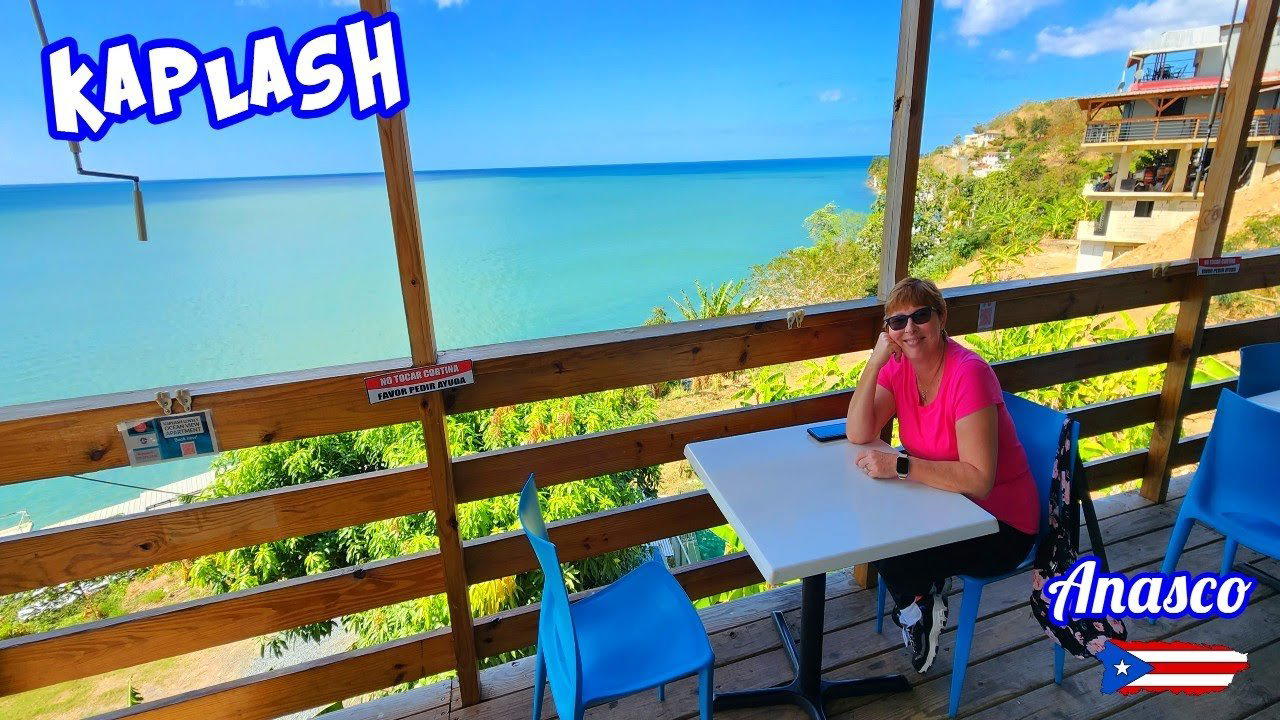
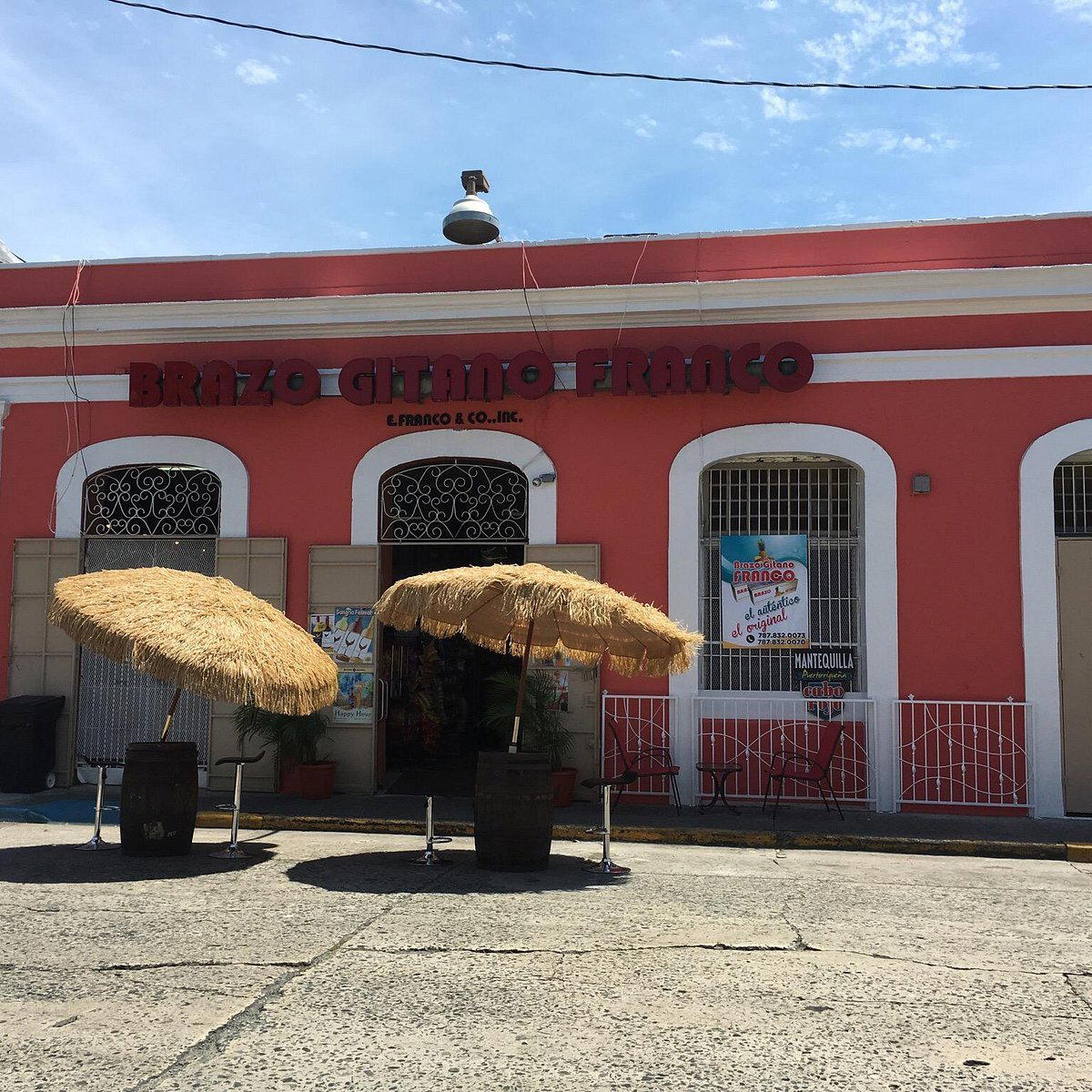
The regional west-coast dining scene also includes Kaplash in Anasco and Brazo Gitano Franco in Mayaguez, both operating within a few kilometers of Aguada and serving communities with similar expectations around value, portion, and authenticity of preparation. Together, these form a dining corridor worth mapping for any visitor spending time on the island's northwest arc rather than anchoring to the capital or the established resort towns.
Planning a Visit
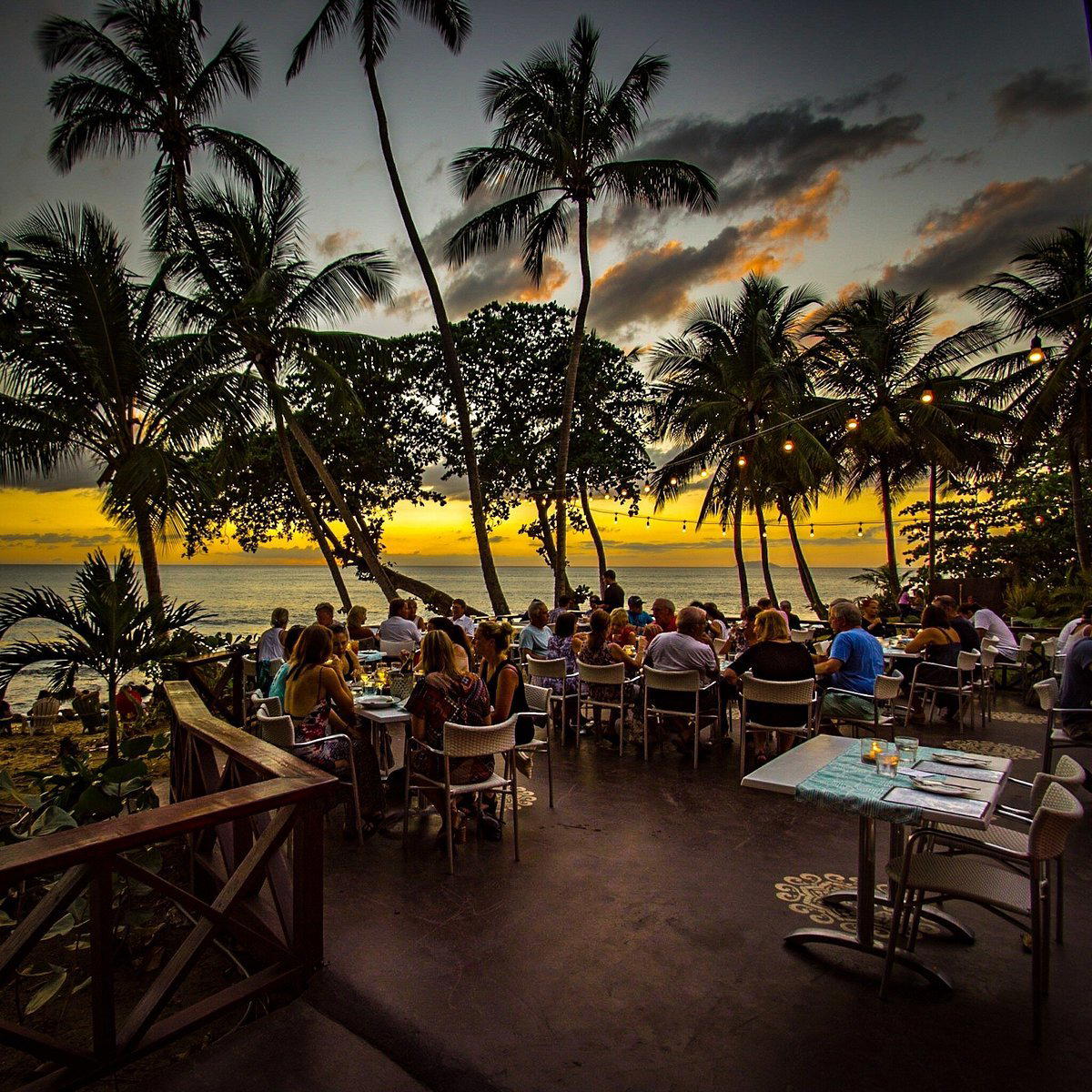
Aguada is approximately a 90-minute drive west of San Juan via Puerto Rico Highway 22, making it accessible as a day-trip from the metro area or as a natural stop for travelers already based along the northwest coast. For those building a broader itinerary around the island's food culture, the municipality connects naturally to the wider west-coast circuit covered in our full Aguada restaurants guide. Further afield but worth cross-referencing for a complete picture of the island's range: La Parguera on the southwest coast, Lago Dos Bocas in Arecibo on the north coast, and Tin Box in Vieques for the eastern island experience.
In Context: Similar Options
Comparable venues nearby, for context on price, style, and recognition.
| Venue | Cuisine | Price | Awards | Notes |
|---|---|---|---|---|
| Carne Mía RestaurantThis venue — the venue you are viewing | Caribbean Steakhouse | $$ | , | |
| La Parguera | Creole-International Fusion | $$ | , | La Parguera |
| KGB | Caribbean Fusion Bistro | $$ | , | Plaza Dorada |
| Los Yeyos Restaurant | Puerto Rican Mofongo House | $$ | , | San Francisco |
| Kaplash | Puerto Rican Seafood Empanadillas | $$ | , | Anasco |
| La Faena | Modern Puerto Rican Creole | $$ | , | Hato Nuevo |
At a Glance
- Scenic
- Date Night
- Special Occasion
- Panoramic View
- Mountain
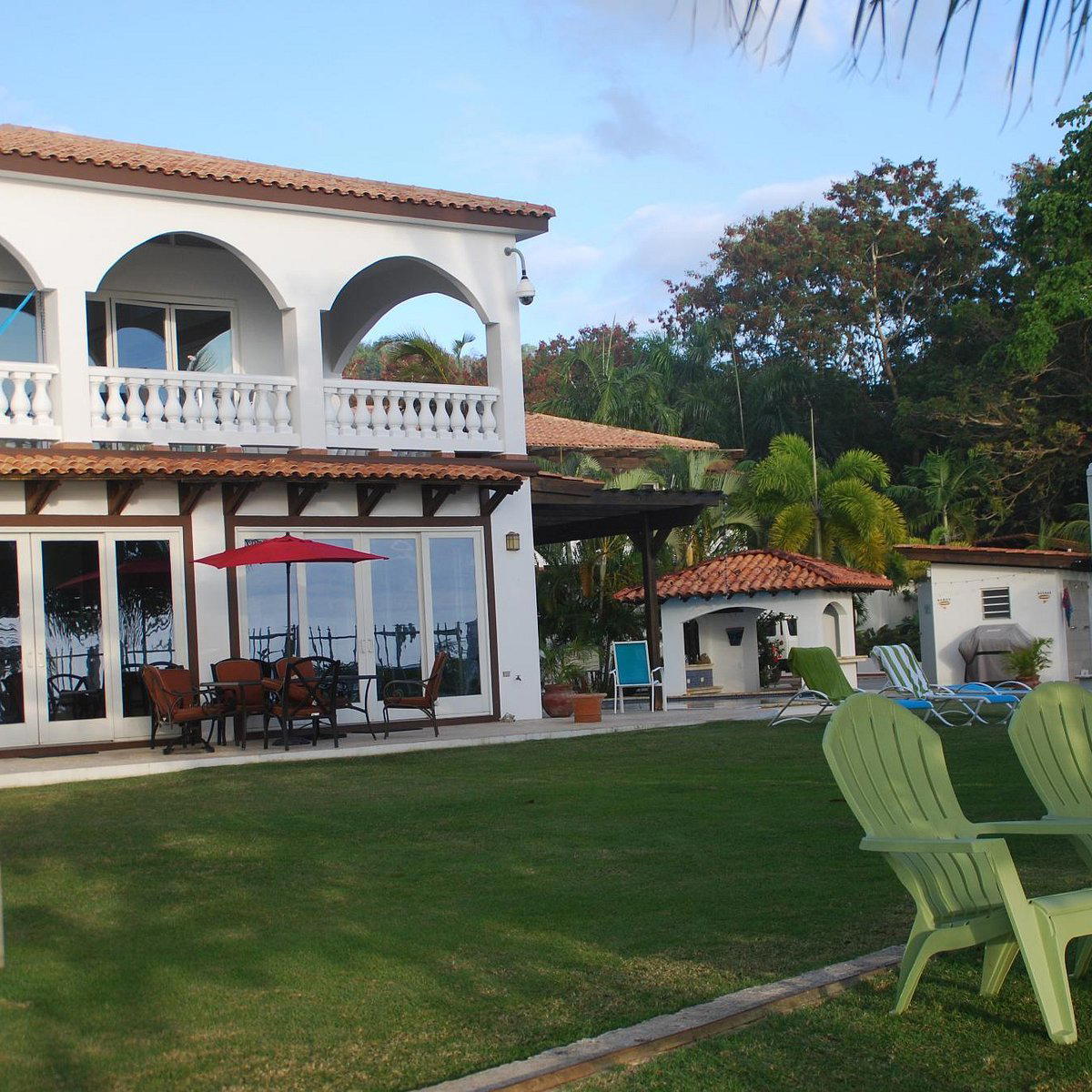
Scenic hilltop setting with a relaxed yet elegant atmosphere.