
A Pierre Gagnaire lineage restaurant in Azabu-Juban, La Maison Confortable holds a 2025 Michelin Plate and channels its founder's avant-garde training into a French menu built around unconventional ingredient pairings.
Pearl is the En Primeur Club membership app — saves, bookings, and concierge access live there. Same editors, same standards.
- Address
- Japan, 〒106-0045 Tokyo, Minato City, Azabujuban, 3 Chome−7−4 4F
- Phone
- +81 3-6809-4433
- Website
- maisonconfortable.jp
- Directions
- Get directions
 Saves & bookings on Pearl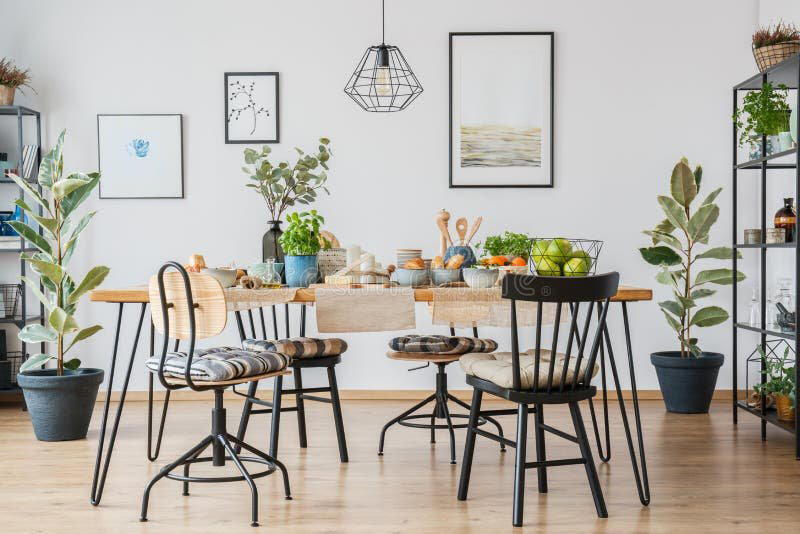
Tokyo's French Table: Where the Gagnaire School Takes Root
French fine dining in Tokyo has sorted itself into distinct tiers over the past two decades. At the summit sit houses like L'Effervescence, Sézanne, and Château Restaurant Joël Robuchon, each carrying three Michelin stars and price points to match. Below that ceiling, a second tier has developed: restaurants that carry serious culinary pedigree, earn recognition from Michelin's inspectors, and price at ¥¥¥ rather than ¥¥¥¥. La Maison Confortable, on the fourth floor of a low-key building in Azabu-Juban, operates in this tier, and its 2025 Michelin Plate confirms that it is being watched.
The relevant lineage here is Pierre Gagnaire. Among the French kitchens that have influenced Japanese chefs deeply over the past thirty years, Gagnaire's Paris operation ranks prominently. His approach, built on combining ingredients that don't obviously belong together and finding the unexpected quality that emerges when they meet, is technically demanding and philosophically distinct from classical French cuisine. Yosuke Akasaka trained under Gagnaire directly, and it is that school of thought, rather than any particular regional French tradition, that shapes what arrives at the tables here. Seafood paired with meat, fruit introduced alongside vegetables: the method is about searching for what ingredients reveal under pressure from an unlikely partner.
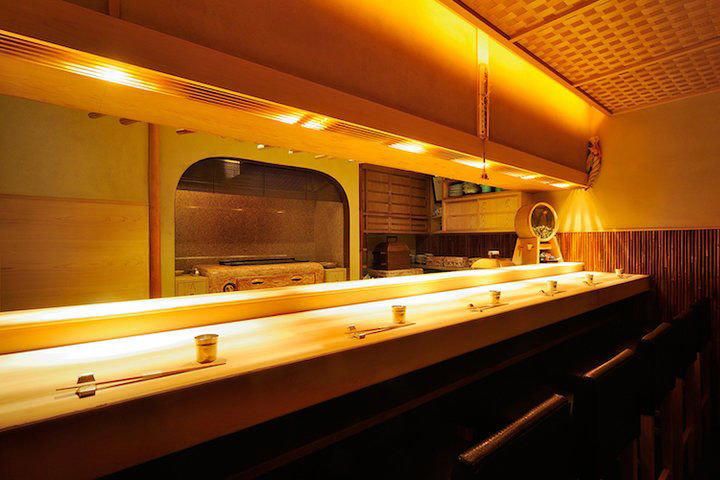
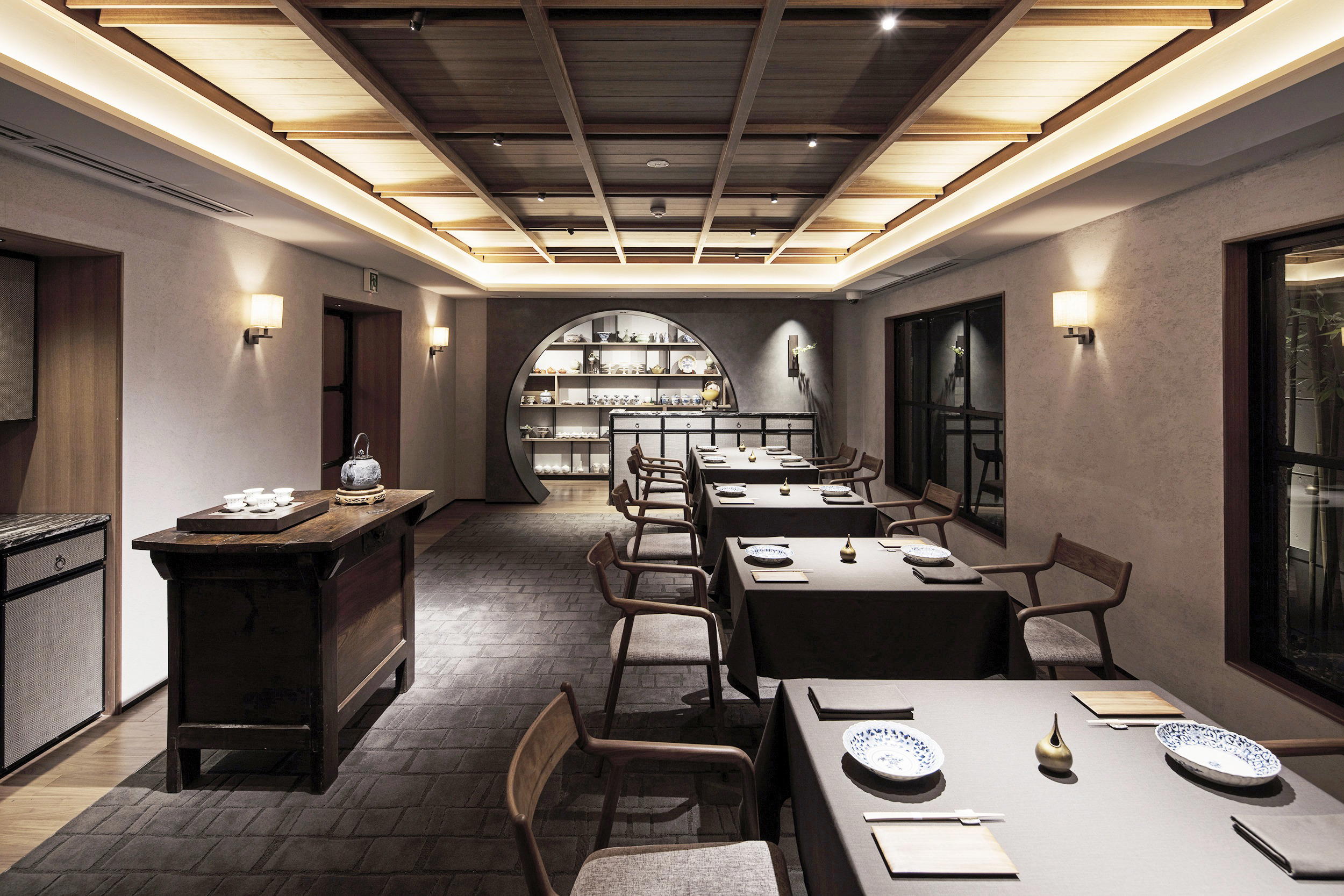
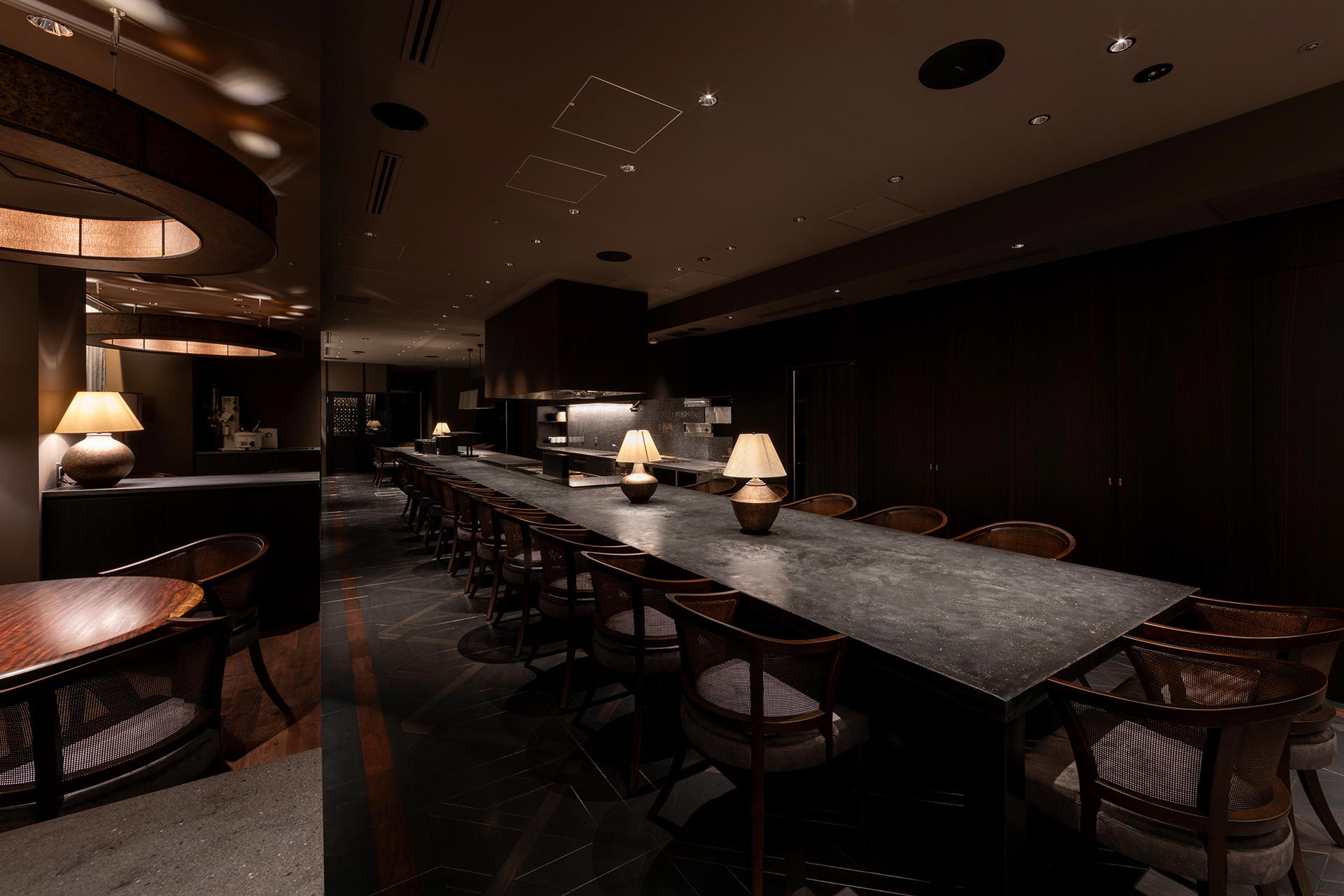
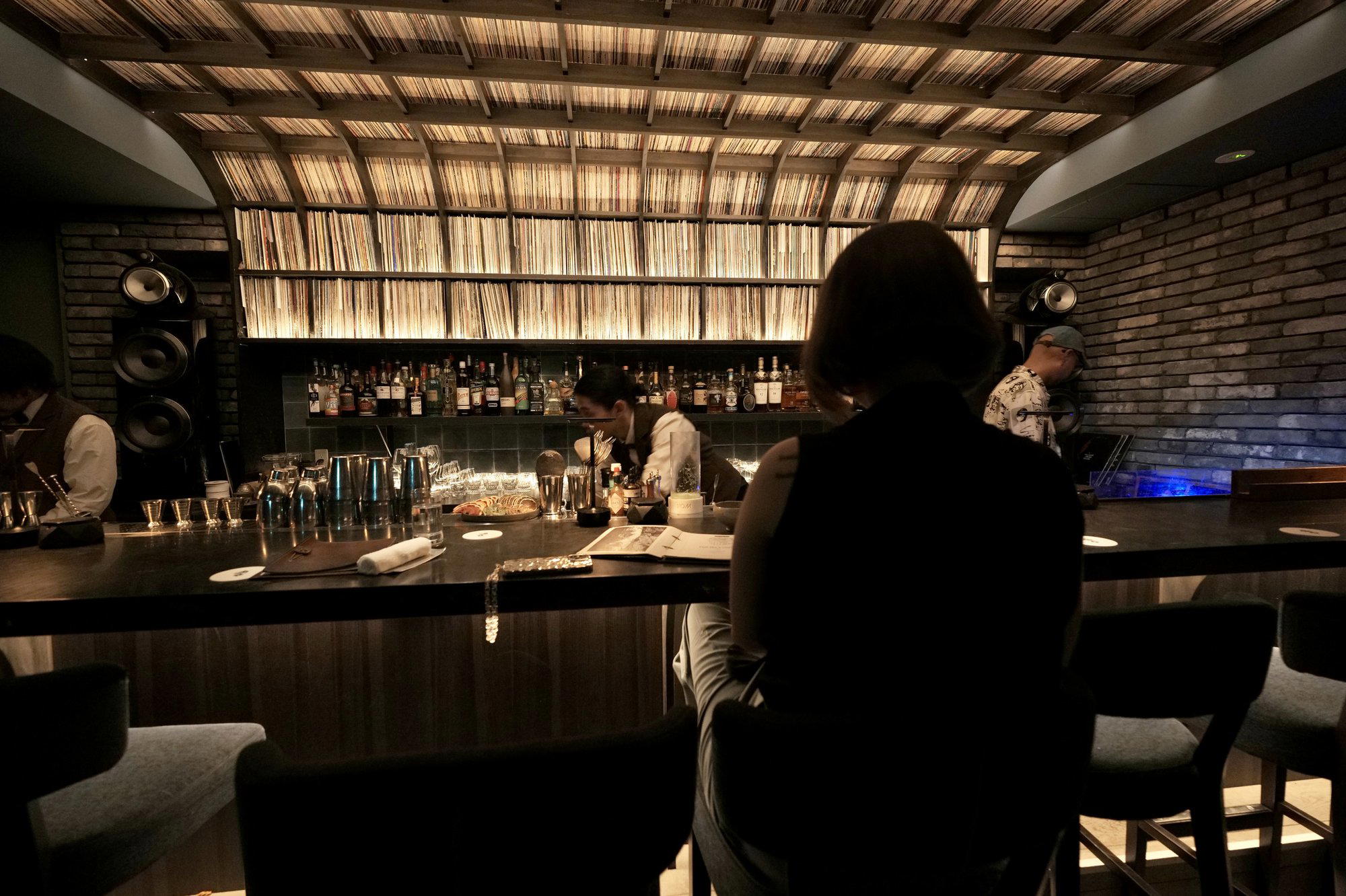
The Room and What It Signals
Azabu-Juban sits south of Roppongi, and its dining scene tends quieter and more residential than the blocks immediately around the Midtown complex. The neighbourhood has accumulated a concentration of European-influenced restaurants and specialist wine bars that serve a largely local professional clientele. A fourth-floor location without a ground-level presence means La Maison Confortable does not rely on foot traffic. That choice is consistent with a broader pattern across Tokyo's mid-tier fine dining: the room finds its audience through word-of-mouth and recommendation rather than visibility. For comparison, ESqUISSE in Ginza and Florilège in Omotesando follow a similar logic, occupying upper floors of unassuming buildings while maintaining rigorous culinary programs that earn sustained critical recognition.
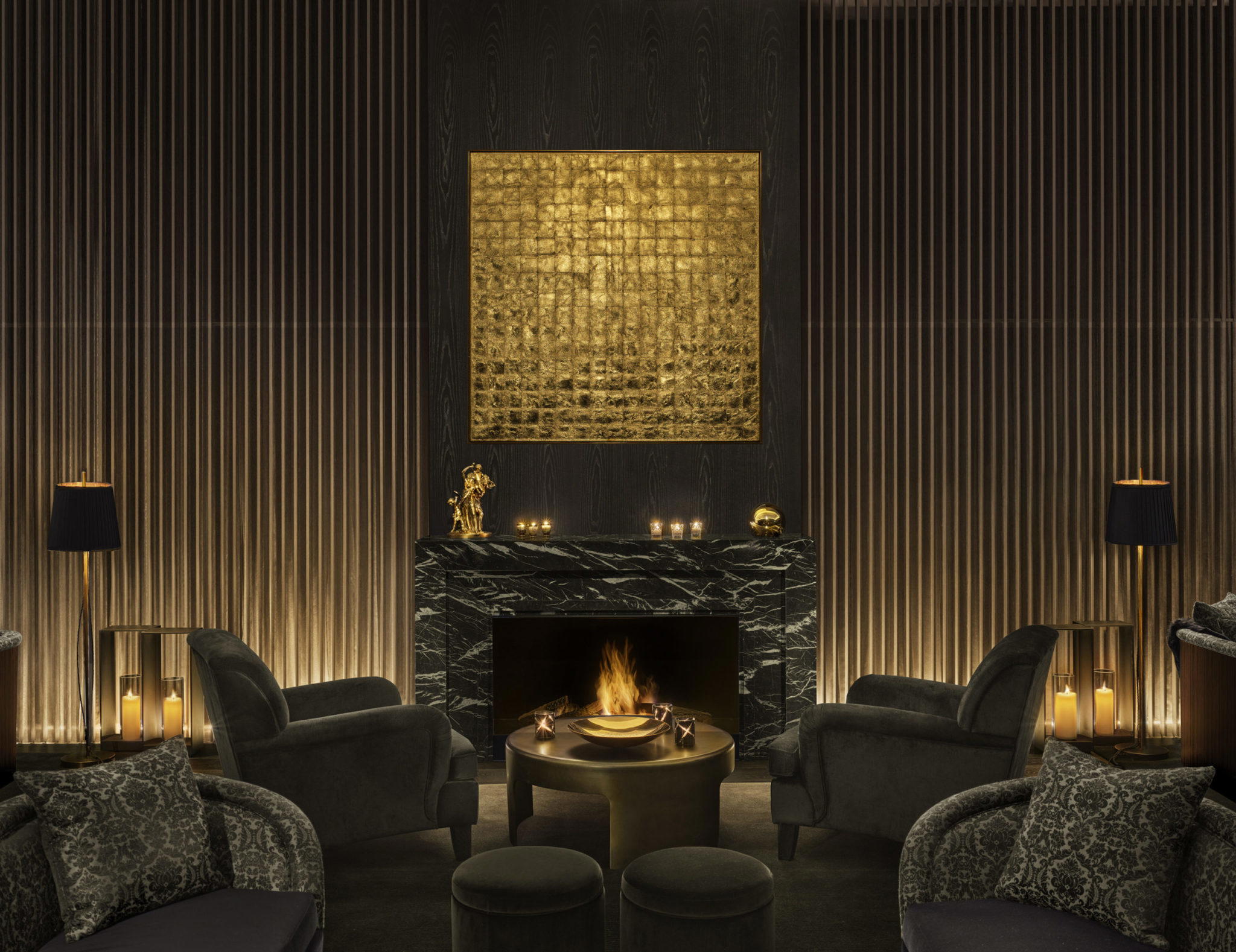
The name itself carries a deliberate subtext. Where Gagnaire chose a table as his emblem, Akasaka uses a house. The French word confortable translates directly but the concept extends further: the ambition is a room that reads as somewhere between a private residence and a formal dining space, with the warmth of the former and the precision of the latter. In French gastronomic culture, this register is familiar. In Tokyo's French dining scene, it positions the restaurant outside both the maximalist formality of three-star service and the deliberately spare aesthetic of some natural-leaning newer openings.
The Collaboration Behind the Counter
The editorial angle that matters at La Maison Confortable is the relationship between the kitchen's approach and the front-of-house's role in translating it. When the cooking method involves deliberately counterintuitive combinations, the team that presents those combinations to the guest carries significant interpretive weight. Sommelier and service staff at this level of the French canon in Tokyo are typically trained to explain not just what is on the plate but why the pairing logic holds, what the chef is trying to draw out of each ingredient by placing it against an unlikely partner. Whether the specific team here executes that translation with consistency is something the. The review count is still low enough that a single difficult evening would move the number.
That context matters for how you approach a booking. This is a restaurant where the interaction between guest and team is not incidental but constitutive of the experience. The Gagnaire method is conceptual enough that a table sitting in silence, plates arriving without explanation, would miss a substantial part of what's happening. Going in with questions, or signalling to the service team that you are interested in the thinking behind the combinations, is likely to yield a more complete meal.
Where It Sits in Japan's Broader French Conversation
Japan's appetite for French cuisine extends well beyond Tokyo. HAJIME in Osaka operates at the three-star level with a different philosophical orientation, drawing heavily on Japanese ingredient sourcing within a French structural framework. akordu in Nara represents a different strand again, applying European technique to a context defined by the particular character of that city. Internationally, the Gagnaire school has produced disciples across Asia and Europe. Les Amis in Singapore and Hotel de Ville Crissier in Crissier each represent high-level French cooking in non-French settings that have absorbed and adapted classical training rather than simply replicating it. The restaurant belongs to that conversation, though at an earlier stage of establishing its international reputation.
Within Tokyo, the comparison set at ¥¥¥ French includes venues like Florilège, which has two Michelin stars and a more explicitly Japanese-ingredient-driven approach. The restaurant's Michelin Plate indicates that inspectors find the cooking noteworthy without yet awarding star recognition. That gap can close as a restaurant matures, or it can represent the ceiling for a particular style. Given the Gagnaire training and the clarity of the conceptual approach, the former seems more probable.
Planning Your Visit
The restaurant is located at 3 Chome-7-4, Azabu-Juban, Minato City, Tokyo, on the fourth floor. The nearest station is Azabu-Juban on the Namboku and Oedo lines, which puts it within comfortable walking distance of the restaurant. The ¥¥¥ pricing bracket places it meaningfully below the ¥¥¥¥ tier occupied by the city's three-star French houses, making it a practical option for a serious dinner without committing to a flagship-level outlay.
A Credentials Check
Comparable venues nearby, for context on price, style, and recognition.
| Venue | Cuisine | Price | Awards | Notes |
|---|---|---|---|---|
| La Maison ConfortableThis venue — the venue you are viewing | Avant-Garde French Fine Dining | $$$$ | Michelin Plate | Not listed |
| Ne Quittez pas | French Fine Dining with Avant-Garde Soil Course | $$$$ | Michelin Plate | Shinagawa |
| Unis | Modern French | $$$$ | Not listed | Minato |
| L'EAU | Innovative French with Japanese Seasonal Ingredients | $$$$ | Michelin Plate | Minato |
| La Rochelle Minami Aoyama | French-Japanese Fusion Fine Dining | $$$$ | Michelin Plate | Chiyoda |
| Gendaisaryo Ginza Fugetsudo | Classic French with Seasonal Japanese Ingredients | $$$$ | Michelin Plate | Chūō |
Recognition history
Dated appearances from independent guides and award organizations, with the underlying list record or original source where available.
Michelin Plate
Michelin
Michelin Plate
Michelin










At a Glance
- Cozy
- Elegant
- Intimate
- Sophisticated
- Date Night
- Special Occasion
- Private Dining
- Sake Program
Current opening hours
- Monday
- Closed
- Tuesday
- 6–10 PM
- Wednesday
- 12–3 PM, 6–10 PM
- Thursday
- 12–3 PM, 6–10 PM
- Friday
- 12–3 PM, 6–10 PM
- Saturday
- 12–3 PM, 6–10 PM
- Sunday
- 12–3 PM, 6–10 PM
Hours can change for holidays and private events. Last verified .
Cozy and comforting atmosphere evoking home and belonging, with elegant and refined presentation.