
The Best Chef One Knife
Our verdict
Casa Mamá Luz operates out of La Candelaria, Bogotá's oldest colonial quarter, where home-kitchen traditions and neighbourhood sourcing define the format. Named for its presiding cook, the address sits at the intersection of community food culture and the city's growing interest in ingredients-first Colombian cooking. For visitors tracing Bogotá's dining scene beyond tasting-menu restaurants, it represents the grassroots end of that conversation.

Pearl is the En Primeur Club membership app, where members save venues, book tables and use the concierge.
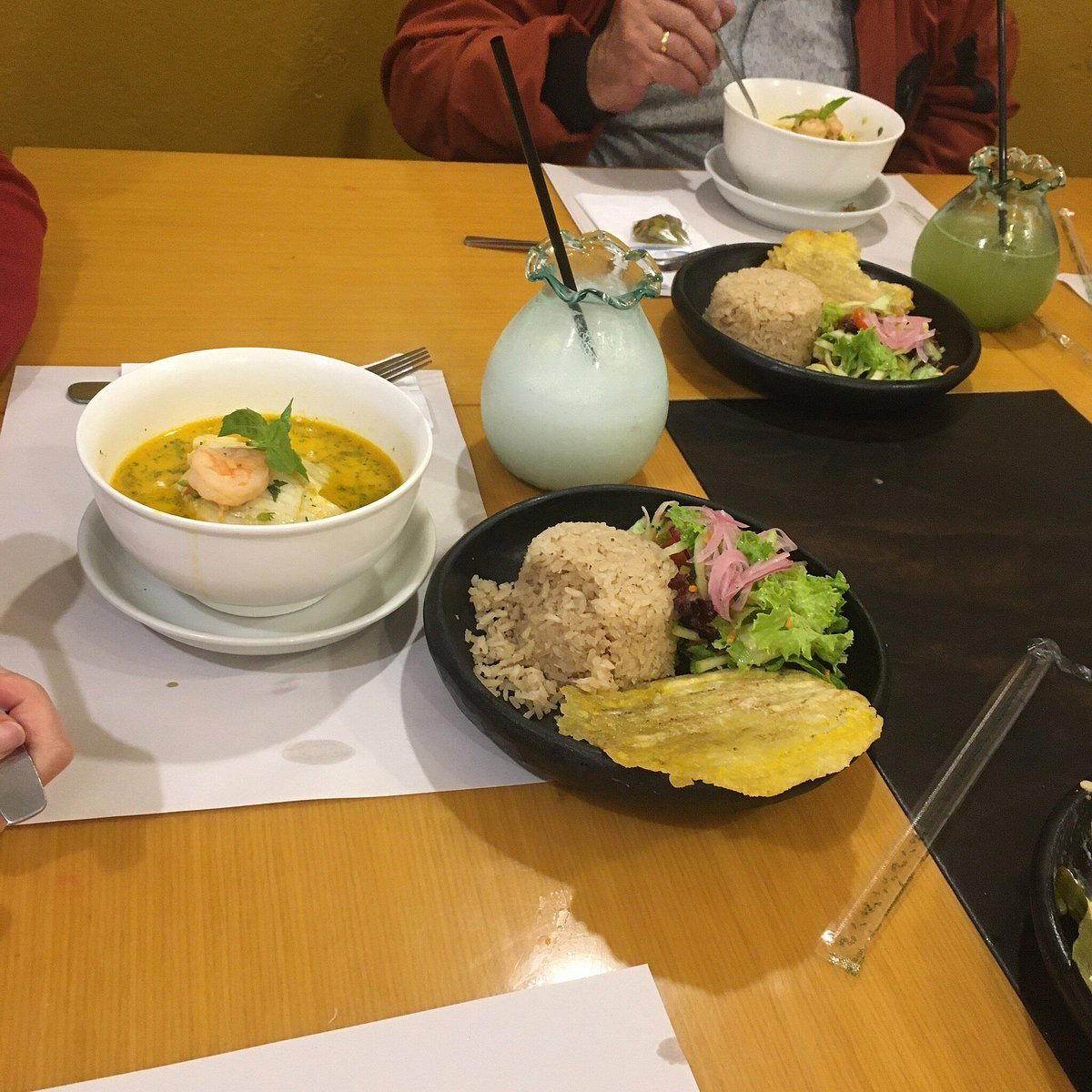
La Candelaria and the Case for Neighbourhood Cooking
Bogotá's dining conversation has, for the better part of a decade, been dominated by the modern Colombian tasting-menu format. Restaurants like El Chato (Modern Colombian) and Leo (Modern Colombian) have made the city legible to international food media by translating regional ingredients into technically ambitious formats. That work matters. But it has also made it easy to overlook the older, less-mediated layer of Bogotá's food culture, the one that never needed a tasting menu to justify itself.
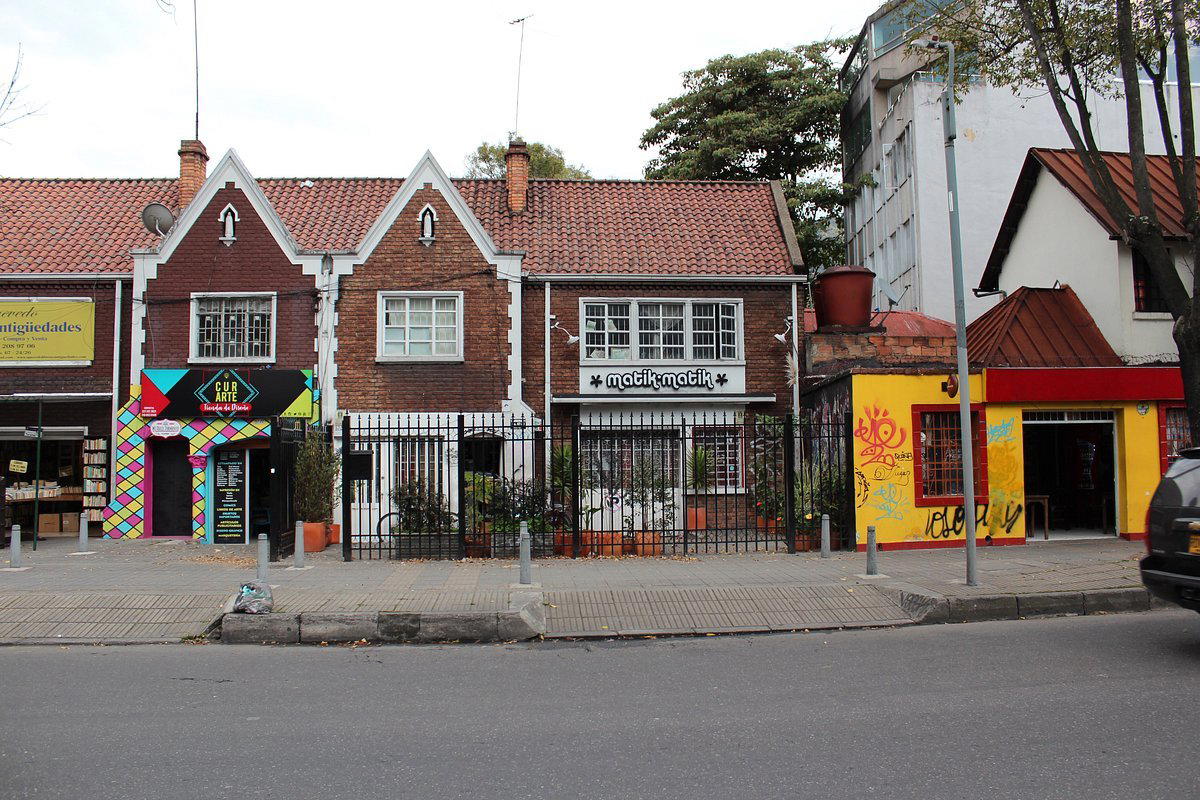
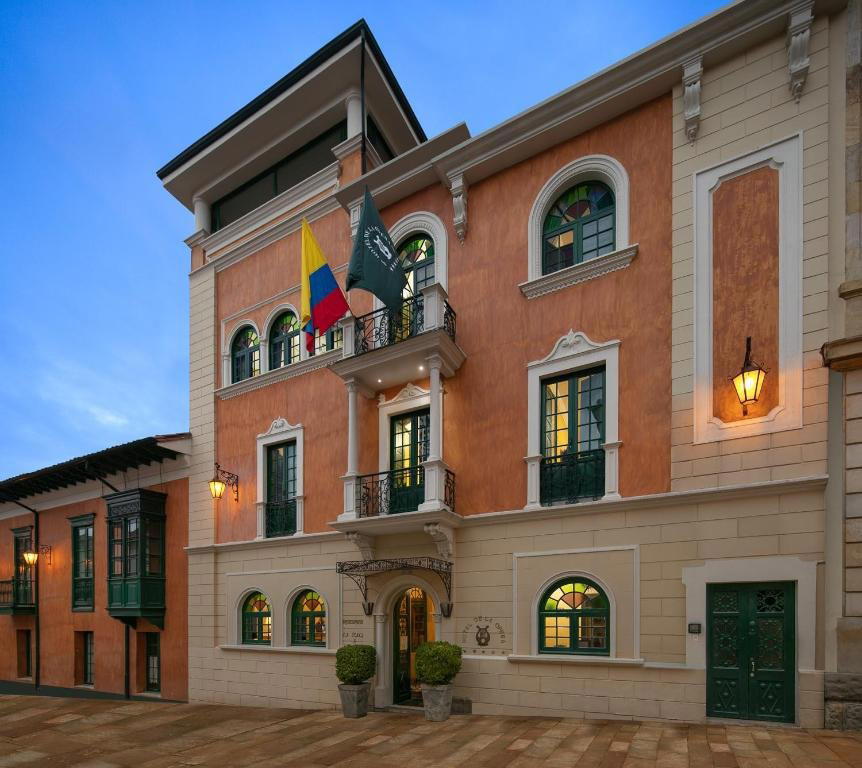
La Candelaria, the colonial grid of steeply pitched rooftops and ochre-washed walls that constitutes Bogotá's founding neighbourhood, sits largely outside the restaurant circuits favoured by visiting food journalists. The area around Calle 10 is more likely to produce a lunch for construction workers or students than a reservation-only dinner. That is precisely the context in which Casa Mamá Luz operates, and it is what makes the address worth understanding on its own terms rather than against the yardstick of Bogotá's fine-dining tier.
Ingredient Sourcing as the Governing Logic
In Colombian home cooking, ingredient provenance has always been structural rather than aspirational. The country's extraordinary altitudinal range, from Pacific lowlands through Andean plateaus to Amazonian basin, means that a cook in Bogotá drawing on nearby suppliers can access ingredients that change meaningfully with the week, the season, and the road conditions from particular growing regions. The sabana around the capital produces a specific register of potato varieties, legumes, and leafy herbs that form the backbone of Bogotá's cocina de olla tradition, the slow-cooked, pot-centred cooking that predates the city's restaurant culture by several generations.
This is the tradition that Casa Mamá Luz works within. The name itself signals the format: a presiding cook, a domestic scale, and a logic that puts the sourced ingredient ahead of the composed dish. Across Colombia's cities, the figure of the mamá as cook is also an implicit sourcing statement. Ingredients come from trusted, often local, suppliers; the menu follows what is available rather than dictating to the supply chain. Where restaurants like Afluente and Gamberro approach Colombian ingredients through a contemporary lens, the home-kitchen model operates on a different register entirely, one where seasonal availability shapes the plate without being announced as a concept.
Colombia's food sourcing geography rewards cooks who pay attention to it. The Boyacá highlands, an easy supply distance from Bogotá, produce tubers and grains that appear routinely in Andean Colombian cooking but rarely travel far enough to reach the tasting-menu kitchens concentrated in Zona Rosa or Usaquén. A neighbourhood address in La Candelaria, with its proximity to the Paloquemao market, one of Bogotá's largest and oldest fresh markets, is structurally positioned to access that supply with less intermediation than higher-end kitchens further north in the city.
The Home-Kitchen Format in a City Context
Bogotá has developed a multi-speed restaurant scene. At the upper tier, addresses like Harry Sasson in Bogotá and the modern Colombian operators compete on technique, presentation, and reservation difficulty. At the street and market level, the city's fritanga stands, arepas vendors, and juice counters operate with minimal friction. Between those two poles, the neighbourhood lunch-house format, known loosely as restaurante de menú or casa de comidas, has historically been the most common daily dining format for Bogotá residents who neither eat at home nor spend on restaurants.
Casa Mamá Luz occupies that middle register in a neighbourhood where it has genuine contextual logic. La Candelaria's population of students, workers at government institutions, and residents of Bogotá's oldest housing stock creates consistent daily demand for accessible, ingredient-led cooking at non-tasting-menu prices. The format does not require the booking window or dress-code protocols that apply at the city's tasting-menu tier. It requires showing up, ideally at lunch, when Colombian neighbourhood restaurants run at full capacity and the day's sourced ingredients are at their most immediate.
This is worth noting when comparing Colombian dining across cities. Carmen in Medellín and Domingo in Cali occupy the fine-dining end of their respective city's food culture. 1621 The Restaurant in Cartagena works within a coastal tourist-facing framework. Manuel in Barranquilla operates in the Caribbean culinary register. The neighbourhood lunch-house in Bogotá's colonial centre is a different category altogether, less visible internationally but directly connected to the sourcing patterns that fine-dining kitchens subsequently reframe.
Mamá Luz as Cultural Reference Point
The cook's name functions as both identifier and context. In Colombian food culture, the named matriarch cook carries a specific set of associations: accumulated technique passed through practice rather than formal training, recipe authority grounded in repetition and local knowledge, and a sourcing logic tied to long-standing supplier relationships rather than procurement systems. This is the food culture that internationally acclaimed Colombian restaurants frequently cite as their inspiration, while operating at a considerable remove from it in format, price, and neighbourhood.
The significance of that cultural origin point is visible in how Colombia's more prominent chefs discuss their backgrounds. The trajectory from home-kitchen tradition to technically accomplished restaurant cooking is a recurring pattern across Colombian fine dining, from Bogotá's modern Colombian scene through to Colombian chefs who have trained abroad. The home kitchen is where the ingredients and the techniques first cohered. Understanding that layer of the culture requires eating at places like Casa Mamá Luz rather than only at the restaurants that have processed that tradition through a fine-dining filter.
For reference against international parallels, the gap between Colombia's neighbourhood lunch-house tradition and its tasting-menu restaurants mirrors, in some respects, the gap between a Lyon bouchon and a Paris three-star, or between a New Orleans neighbourhood corner restaurant and Emeril's in New Orleans. The source material and the refined expression occupy different price points and contexts, but neither makes full sense without the other. Visitors to Bogotá who spend their entire dining budget at addresses like Debora Restaurante are seeing part of the picture.
Planning a Visit
Casa Mamá Luz is located at Calle 10 #2-23 in La Candelaria, Bogotá's colonial historic centre. The neighbourhood is walkable from the Gold Museum and the Plaza de Bolívar, and is most practically accessed by TransMilenio or taxi. La Candelaria operates on a daytime schedule, and the neighbourhood lunch-house format aligns with that rhythm: midday to early afternoon is when the format functions as intended, with fresh-sourced dishes served at full rotation. Arriving outside those hours reduces the likelihood of experiencing the menu at its most complete. No booking system or dress code applies at this format level. For visitors building a fuller picture of Bogotá's dining range, our full Bogota restaurants guide maps the city across format and price tiers, and our guides to Bogota hotels, Bogota bars, Bogota wineries, and Bogota experiences provide supporting context for a longer stay.
Frequently asked questions
Is Casa Mamá Luz award-winning?
Casa Mamá Luz has received recognition including: Chef: Mamá Luz.
Who is the chef or culinary lead at Casa Mamá Luz?
The chef associated with Casa Mamá Luz is Mamá Luz.
What's the signature dish at Casa Mamá Luz?
The kitchen operates on a home-cooking format under chef Mamá Luz, where the menu follows Colombian domestic tradition rather than a fixed signature dish. Expect regional preparations shaped by seasonal and altitudinal ingredient sourcing, the governing logic of Colombian home kitchens.
What's the address for Casa Mamá Luz?
Casa Mamá Luz is located at Cl. 10 #2-23, La Candelaria, Bogotá, Cundinamarca, Colombia, Bogota.
Should I book Casa Mamá Luz in advance?
Casa Mamá Luz operates from Calle 10 #2-23 in La Candelaria, Bogotá's colonial historic centre, within walking distance of major cultural landmarks. No online booking channel or phone number is publicly listed. Visiting in person or arriving early in the day is the most reliable approach for a home-kitchen operation of this type.
What do critics highlight about Casa Mamá Luz?
The venue's identity centres on chef Mamá Luz, a named matriarch cook whose format sits outside Bogotá's tasting-menu circuit. In a city where restaurants like El Chato and Harry Sasson define the modern Colombian conversation, Casa Mamá Luz represents the neighbourhood cooking register: ingredient-led, domestically framed, and rooted in La Candelaria's historic fabric.
Do they accommodate allergies at Casa Mamá Luz?
No allergy or dietary accommodation policy is documented for Casa Mamá Luz. Home-kitchen formats in Colombia typically prepare set daily menus with limited substitution capacity. Guests with specific dietary requirements should raise them directly on arrival at Calle 10 #2-23, La Candelaria.
A Pricing-First Comparison
Comparable venues nearby, for context on price, style, and recognition.
| Venue | Cuisine | Price | Awards | Notes |
|---|---|---|---|---|
| Casa Mamá LuzThis venue (the venue you are viewing) | Authentic Colombian Caribbean | $20–30 | The Best Chef One Knife | Not listed |
| Restaurante La Herencia | Authentic Colombian | $20–30 | Not listed | Quinta Camacho, Authentic Colombian |
| Quinua Y Amaranto | Andean Vegetarian | $10–20 | Not listed | Egipto, Andean Vegetarian |
| Mirador La Paloma | Colombian International Gastropub | $30–50 | Not listed | Seminario, Colombian International Gastropub |
| Restaurante Peruano - El Indio de Machu Picchu | Authentic Peruvian | $20–30 | Not listed | Porciuncula, Authentic Peruvian |
| Les Amis Pastry Shop | Argentine Bakery & French Pastries | $10–20 | Not listed | Antiguo Country, Argentine Bakery & French Pastries |
Recognition history
Dated appearances from independent guides and award organizations, with the underlying list record or original source where available.
The Best Chef One Knife
The Best Chef
Continue exploring
More in Bogotá
Restaurants in Bogotá
All restaurants in Bogotá →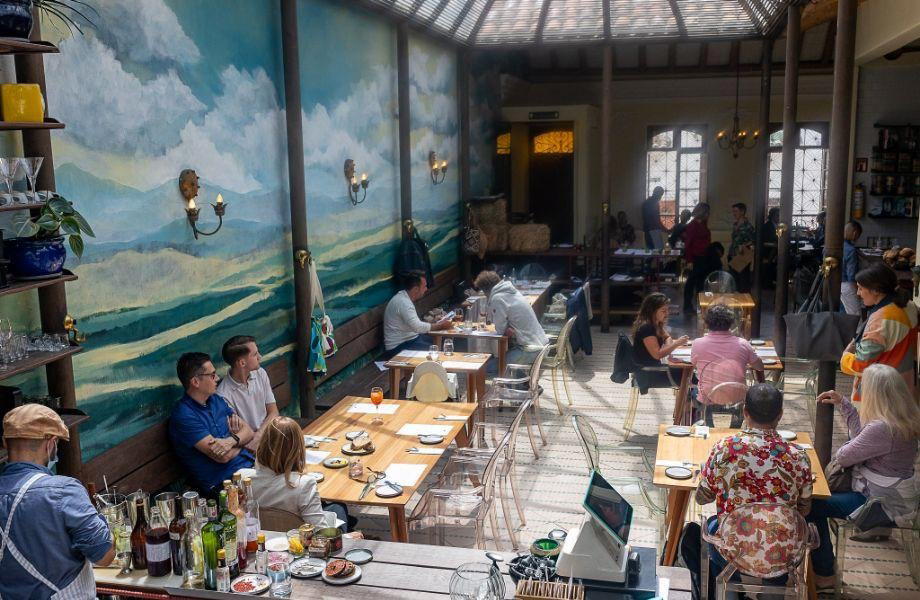
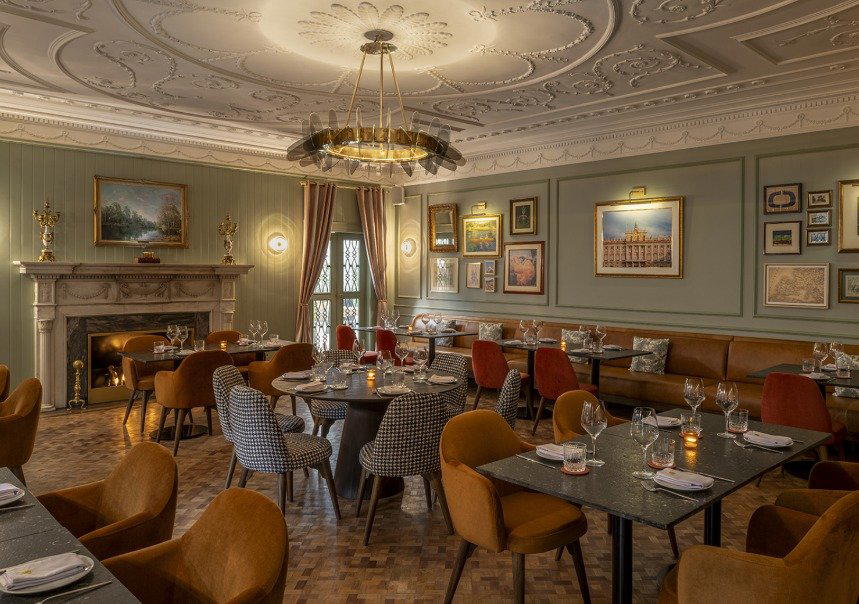
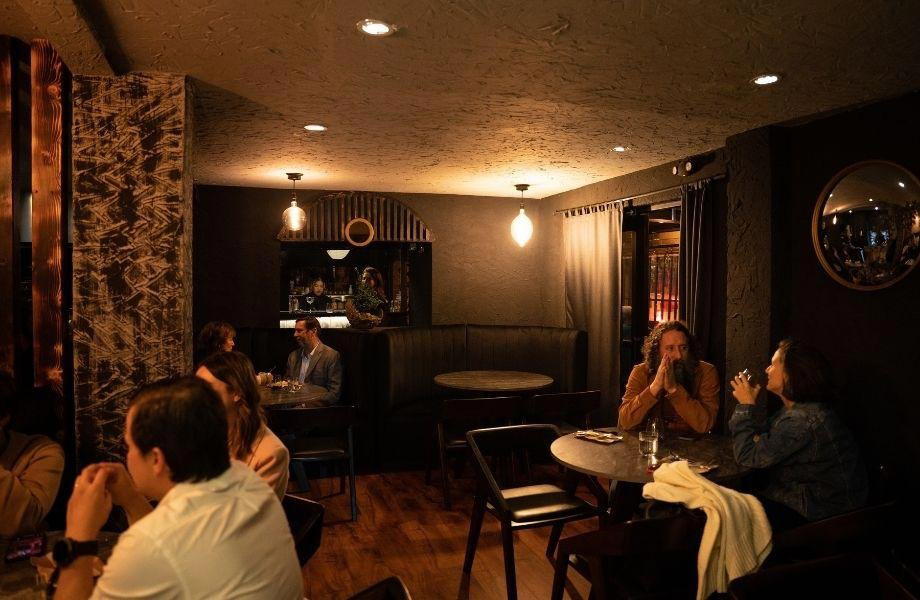
Bars in Bogotá
All bars in Bogotá →
Details
- Cozy
- Rustic
- Classic
- Family
- Casual Hangout
- Historic Building
- Craft Cocktails
- Local Sourcing
- Street Scene
- A La Carte
- Craft Cocktails
- Vegetarian Friendly
- Vegan Options
- Gluten Free Options
Current opening hours
- Monday
- Closed
- Tuesday
- 9 AM–5 PM
- Wednesday
- 9 AM–5 PM
- Thursday
- 12–4 PM
- Friday
- 12–4 PM
- Saturday
- 12–4 PM
- Sunday
- 12–4 PM
Hours can change for holidays and private events. Hours as of .
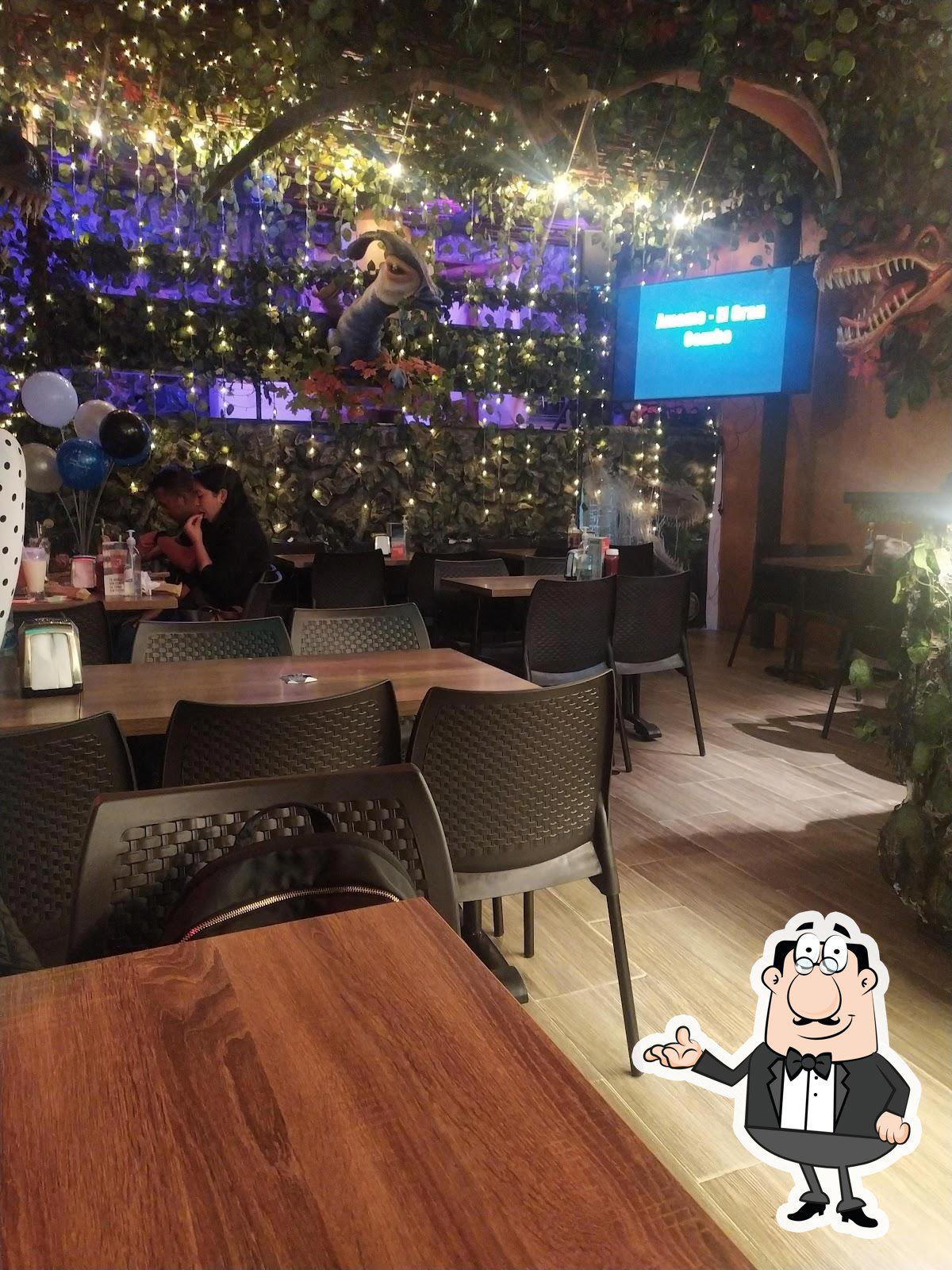
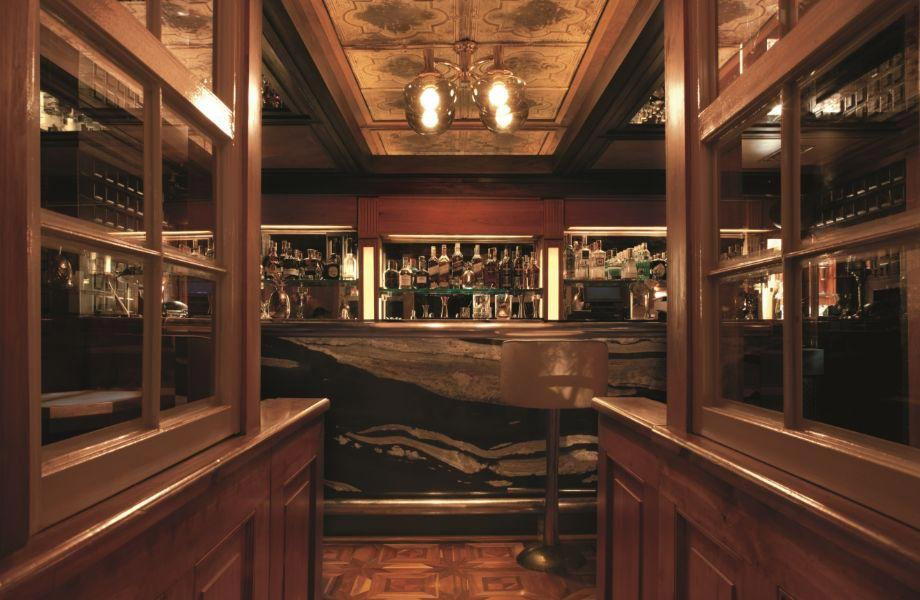
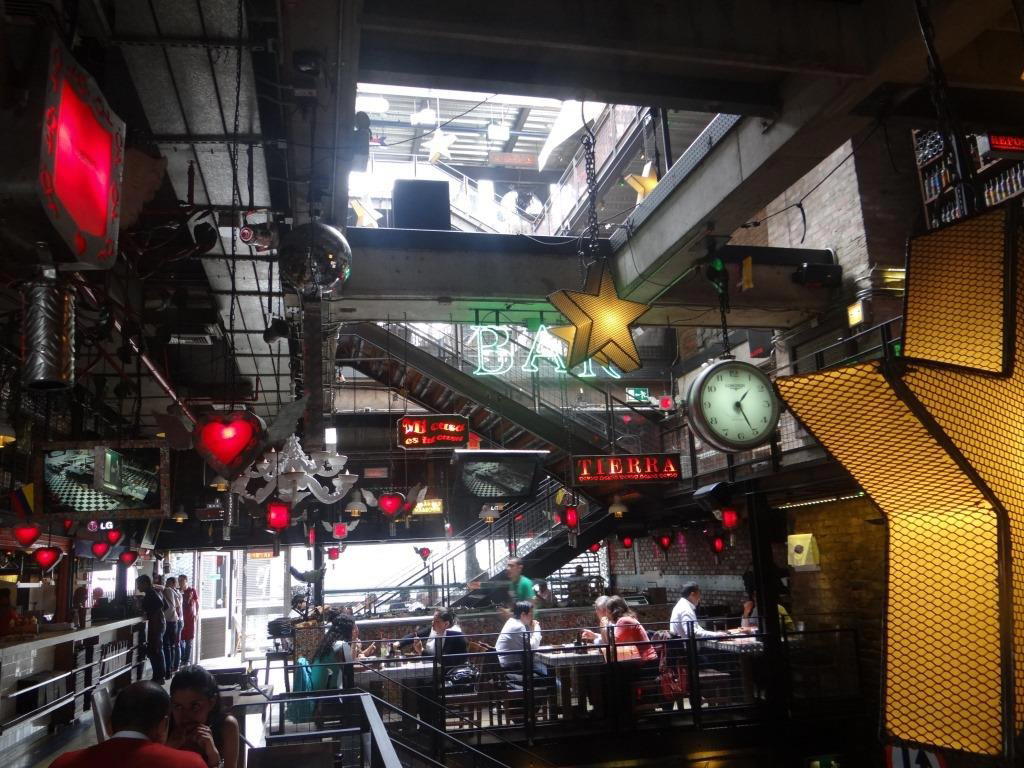
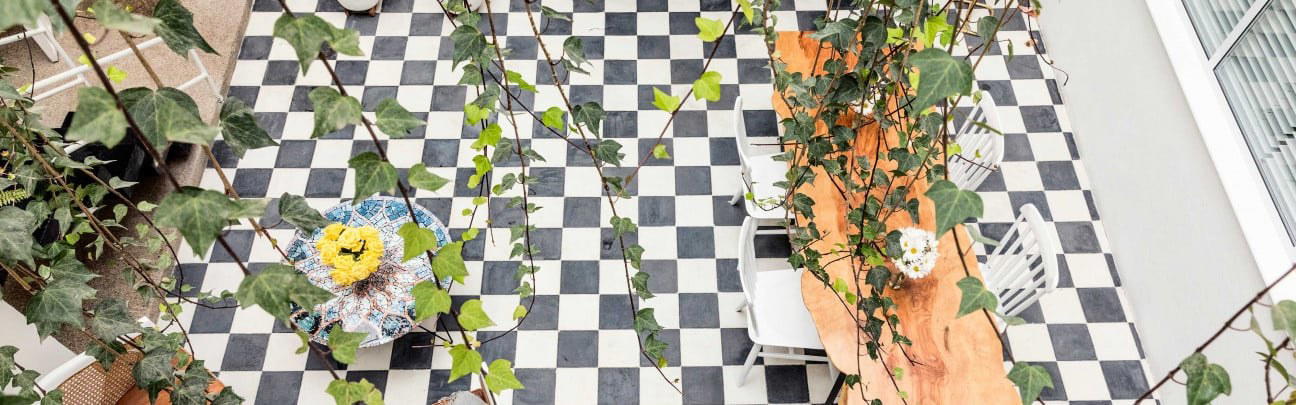
Warm and inviting with traditional Colombian decor featuring lively colors, creating a cozy cultural atmosphere.