Our verdict
On Calle de Ponzano, Chamberí's most closely watched dining street, La Florería occupies a spot in a neighbourhood that has become a reference point for Madrid's mid-to-upper casual dining scene. The address alone signals seriousness: Ponzano draws a local crowd that eats out often and has opinions about what lands on the plate. For visitors tracking ingredient-led cooking in the capital, it belongs on the research list.

Pearl is the En Primeur Club membership app — saves, bookings, and concierge access live there. Same editors, same standards.
- Address
- C/ de Ponzano, 42, Chamberí, 28003 Madrid, Spain
- Phone
- +34633336199
- Hours
- Mon–Wed 1–11 PMThu 1 PM–1 AMFri–Sat 1 PM–2:30 AMSun Closed
- Website
- lafloreriamadrid.com
- Directions
- Get directions
- Booking
- Book on CoverManager
The menu
What to order
- Gyozas de langostino
- Alcachofas confitadas
- French toast
Ponzano's Dining Logic and Where La Florería Sits
Calle de Ponzano has earned its reputation the slow way. Over the past decade, the street running through Chamberí has become one of Madrid's more reliable barometers for what the city's educated dining public actually wants: food that is sourced with some rigour, served without ceremony, and priced at a level that allows for regularity rather than occasion-only visits. The bars and restaurants that have lasted on Ponzano tend to share a common characteristic — they take the product seriously, even when the room stays relaxed.
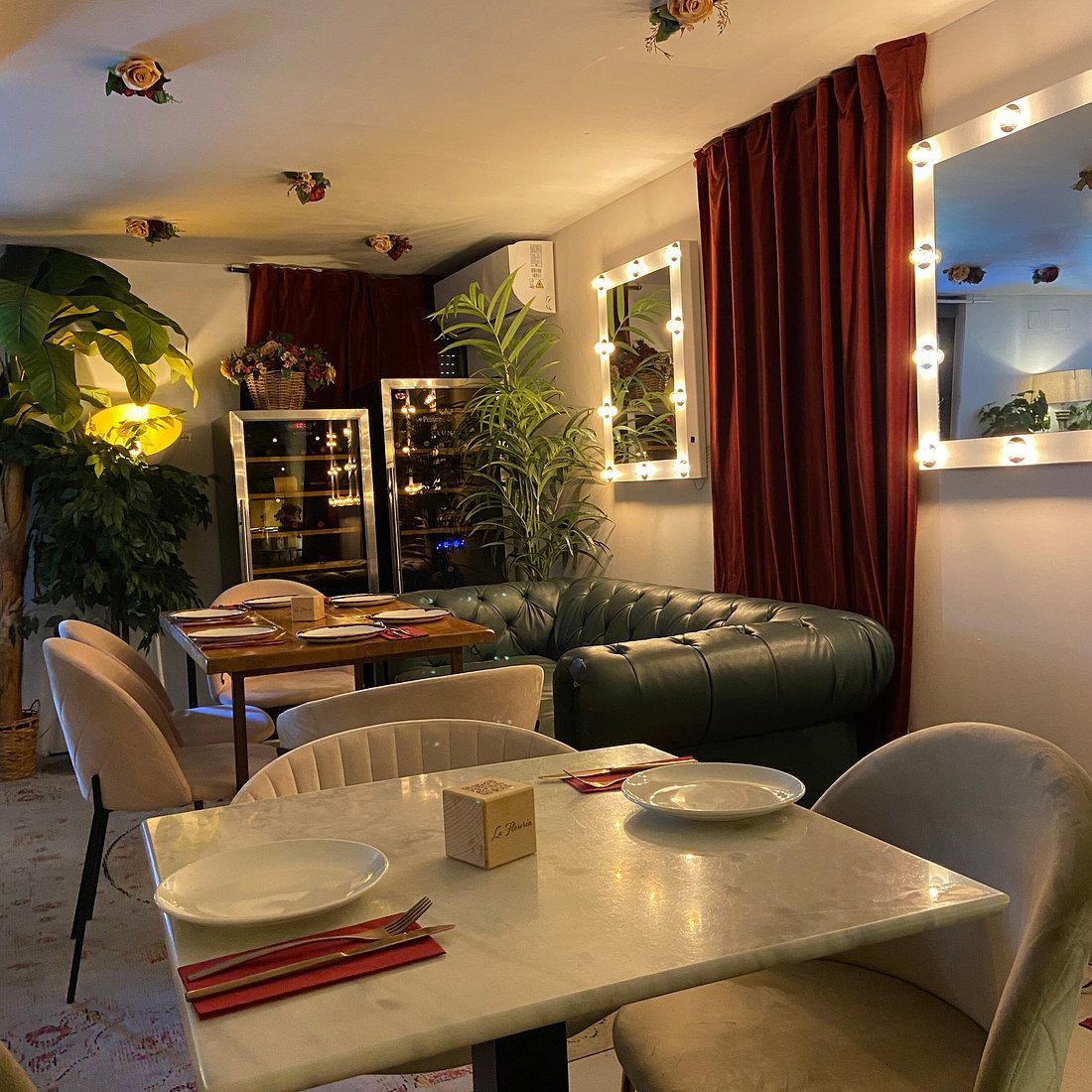
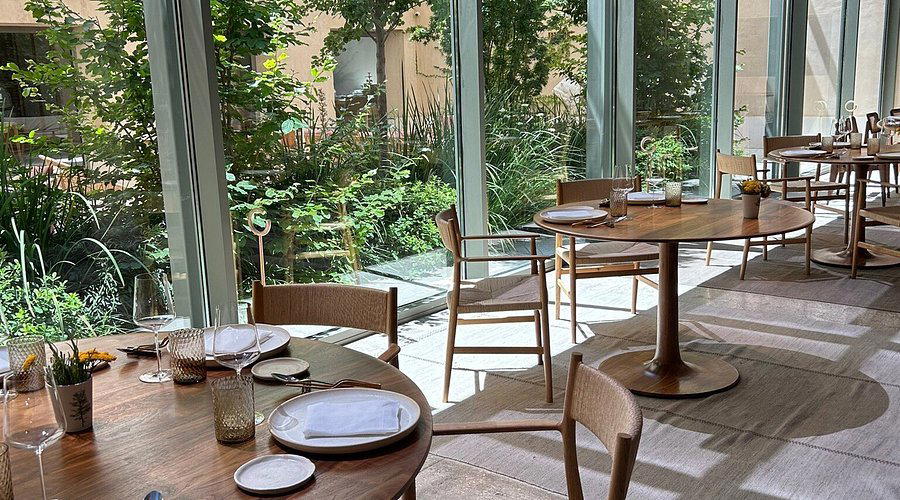
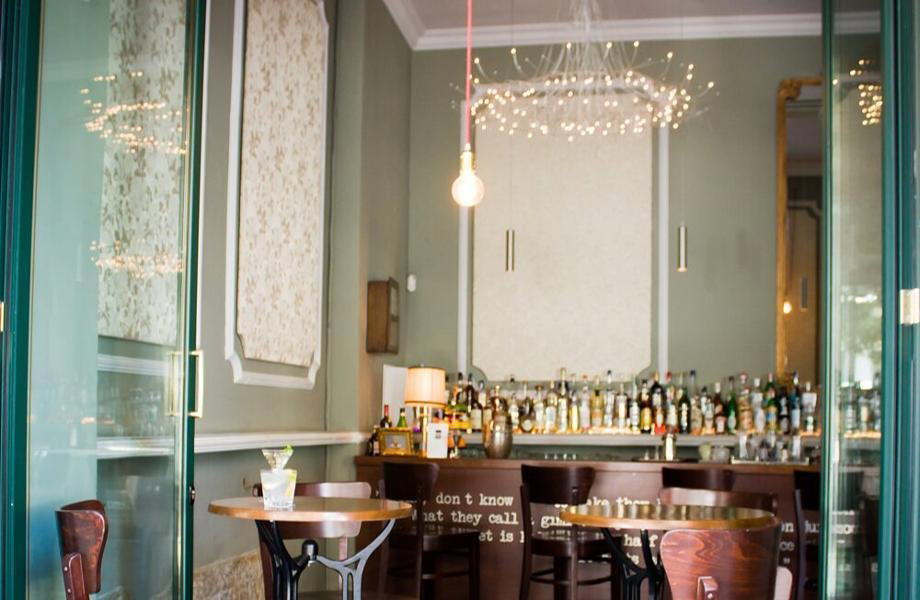
La Florería sits at number 42 on that street. The name references flowers, and the space carries that logic through in its aesthetic register: something between a neighbourhood bar and a curated botanical setting, where the visual language of the room signals care without tipping into the kind of design-forward staging that can make a place feel more like a concept than a kitchen. In a city where Madrid's top tier — DiverXO, Coque, Deessa, operates at the €€€€ level with tasting menus that require advance planning and significant commitment, venues like La Florería function in a different register: accessible enough for a mid-week dinner, considered enough to hold the attention of people who also eat at those higher tiers.
Sourcing as Editorial Position
Across Spain's serious dining scene, ingredient sourcing has become a credibility marker in the same way that wine provenance functions in the sommelier world. At the three-Michelin-star level, venues like Azurmendi in Larrabetzu have built entire operating philosophies around agricultural proximity, running kitchen gardens as working extensions of the menu rather than as decorative gestures. Aponiente in El Puerto de Santa María has done the same with marine biodiversity, turning overlooked sea species into a coherent sourcing argument. Further north, Arzak in San Sebastián and Martin Berasategui in Lasarte-Oria have maintained Basque terroir as a structural element of their cooking across decades.
That sourcing intelligence has filtered down through the levels of Spanish dining in a way that is now visible in Chamberí as much as in any three-star dining room. The question at the neighbourhood level is not whether a kitchen names its producers, that has become table stakes, but whether the sourcing logic actually shapes the menu or simply decorates the copy. La Florería's position on Ponzano places it in a peer group where that distinction matters to the people eating there. The Chamberí crowd is not easily impressed by provenance as decoration.
The Room and Its Register
Approaching La Florería on Ponzano, the street itself sets expectations. This is not a tourist corridor; the foot traffic on Ponzano skews local and purposeful, and the venues that line it are calibrated accordingly. The floral naming and the corresponding aesthetic create a particular kind of Madrid hospitality: warm without being performative, considered without the clinical distance that can make a high-design room feel transactional.
The interior reads as a deliberate counterpoint to the maximalist energy that characterises some of Madrid's more ambitious projects. Where DSTAgE and Paco Roncero operate in spaces built to signal ambition from the moment you cross the threshold, Ponzano addresses like La Florería tend to earn their standing through what arrives on the table rather than through the architecture of the room. That is a defensible position in a city where the dining public has seen enough theatrical interiors to discount them as a quality signal.
Madrid's Mid-Market and the Ingredient Question
Madrid's dining economy operates across a wider spread than its headline Michelin addresses suggest. The three-star tier, anchored by DiverXO, represents one extreme of ambition and pricing. The Ponzano corridor represents something different: a market segment where sourcing discipline, cooking skill, and neighbourhood atmosphere converge at a price point that supports genuine repeat visits. For context, comparable dynamics play out in other cities: Cocina Hermanos Torres in Barcelona operates at the formal end, while Barcelona's Eixample has its own version of the Ponzano phenomenon. In Girona, El Celler de Can Roca anchors fine dining at the city level while neighbourhood kitchens build their own credibility in its shadow.
The same pattern holds in Valencia, where Ricard Camarena sits at the formal apex and neighbourhood addresses carry the sourcing ethic at accessible price points. In Cáceres, Atrio operates as a destination in itself. And beyond Spain, ingredient-led mid-market cooking has established its own global vocabulary: Le Bernardin in New York City represents the formal ceiling of seafood sourcing, while venues like Atomix demonstrate how sourcing logic can anchor a tasting menu format at the highest level. La Florería operates in a different register from all of these, but it draws from the same broader conversation about what food should actually connect to before it reaches the plate.
Chamberí as Context
Chamberí is one of Madrid's older residential barrios, and its dining scene reflects that. This is not a neighbourhood built around tourism or nightlife in the sense that Malasaña or Chueca are; it is a place where people live and eat regularly, and where restaurants earn loyalty through consistency rather than novelty. Ponzano's emergence as a reference street within that context is partly about geography and partly about the clientele it has attracted: professionals in their thirties and forties who spend money on food but do so in the context of a functioning week rather than as a special event.
That context shapes what a venue on Ponzano needs to deliver. The room needs to work on a Tuesday as convincingly as it does on a Friday. The sourcing story needs to translate into what arrives on the plate, not just into the way the menu is written. For anyone building a Madrid itinerary that goes beyond the headline addresses, Chamberí and specifically Ponzano represents a necessary detour. See our full Madrid restaurants guide for broader coverage across the city's neighbourhoods and price tiers. Those planning to extend their Spanish dining circuit should also consider Mugaritz in Errenteria and Quique Dacosta in Dénia for a fuller picture of how ingredient philosophy plays out at different scales across the country.
Does La Florería justify its prices?
In the Ponzano context, the value proposition at the better addresses is generally strong relative to what the same spend would deliver in Madrid's more tourist-facing corridors. The neighbourhood operates on repeat-visit economics, which tends to keep pricing honest. For a formal fine-dining spend with confirmed award pedigree, venues like Coque or Paco Roncero offer a clearer value framework against their Michelin credentials.
How does La Florería fit into a wider Madrid neighbourhood dining itinerary?
For visitors who want to understand Madrid's mid-market dining scene beyond its Michelin headline addresses, Ponzano is the most efficient street to walk. La Florería at number 42 sits within a cluster of addresses that collectively represent how Chamberí's resident population eats when it is not making a special occasion of it. Pairing a Ponzano evening with a higher-tier booking elsewhere in the city, at DSTAgE or Deessa, for instance, gives a more complete picture of how Madrid's ingredient-sourcing conversation plays out across different price tiers and formats. See our full Madrid restaurants guide for a structured view of the city's dining geography.
Frequently asked questions
What part of town is La Florería in?
La Florería is located at C/ de Ponzano, 42, Chamberí, 28003 Madrid, Spain, Madrid.
How does La Florería compare to other restaurants on Calle de Ponzano?
Calle de Ponzano has functioned as one of Madrid's more coherent local dining streets for the better part of a decade, with a cluster of independently run addresses that compete on ingredient quality rather than concept novelty. That positioning is itself a credibility marker in a city where the gap between neighbourhood standby and tourist-facing operation is easy to read.
What's the must-try dish at La Florería?
What the Ponzano address does signal is a kitchen likely oriented around seasonal, sourcing-driven cooking — the model that has given this street its standing in Madrid's mid-market dining scene. Your best reference point is the menu on arrival or a direct call to the venue before visiting.
Should I book La Florería in advance?
Ponzano addresses with an established local following fill reliably from Thursday through Saturday, and La Florería at number 42 sits in the middle of that circuit. If your Madrid itinerary is fixed around a specific evening, contacting the venue ahead of time is the practical approach. Walk-in availability mid-week is more likely, though not guaranteed.
What is La Florería known for?
La Florería is associated with the ingredient-conscious approach that defines the stronger addresses on Calle de Ponzano in Chamberí. The street has built a genuine local reputation over the past decade, and venues here tend to be judged by sourcing quality rather than format or fanfare. Its position at number 42 places it in the heart of a stretch that Madrid residents treat as a reliable evening circuit rather than a destination for out-of-towners.
Is La Florería allergy-friendly?
Under Spanish law, allergen information must be available on request at any restaurant — so the kitchen is legally obliged to provide it. Contact La Florería directly at C/ de Ponzano, 42, Chamberí before your visit if specific allergies are a factor.
Does La Florería justify its prices?
Across the street's better addresses, the value argument generally rests on sourcing quality relative to what the same spend delivers in Madrid's tourist corridors or at the lower end of its Michelin tier. If pricing matters to your decision, the venue can confirm current figures before you commit.
The Essentials
Comparable venues nearby, for context on price, style, and recognition.
| Venue | Cuisine | Price | Notes |
|---|---|---|---|
| La FloreríaThis venue — the venue you are viewing | Mediterranean Fusion Café & Brunch | $20–30 | Not listed |
| GOXO | Global Fusion Fast Food | Not listed | Ciudad Jardin, Global Fusion Fast Food |
| Panamera Madrid | Spanish-Latin American Fusion | $30–50 | Rios Rosas, Spanish-Latin American Fusion |
| El Social | International Fusion | $20–30 | Chueca, International Fusion |
| Navaja Restaurante | Asian-Peruvian Fusion | Not listed | Malasana, Asian-Peruvian Fusion |
| CHUCK CHUCK CHICKEN | Asian Fried Chicken Bar | $20–30 | Cuatro Caminos, Asian Fried Chicken Bar |
Continue exploring
More in Madrid
Restaurants in Madrid
Browse all →
Bars in Madrid
Browse all →
Hotels in Madrid
Browse all →


Details
- Romantic
- Trendy
- Lively
- Modern
- Brunch
- Casual Hangout
- Date Night
- After Work
- Live Music
- Terrace
- Design Destination
- Craft Cocktails
- Beer Program
- A La Carte
- Small Plates
- Craft Cocktails
- Specialty Coffee
Current opening hours
- Monday
- 1–11 PM
- Tuesday
- 1–11 PM
- Wednesday
- 1–11 PM
- Thursday
- 1 PM–1 AM
- Friday
- 1 PM–2:30 AM
- Saturday
- 1 PM–2:30 AM
- Sunday
- Closed
Hours can change for holidays and private events. Last verified .
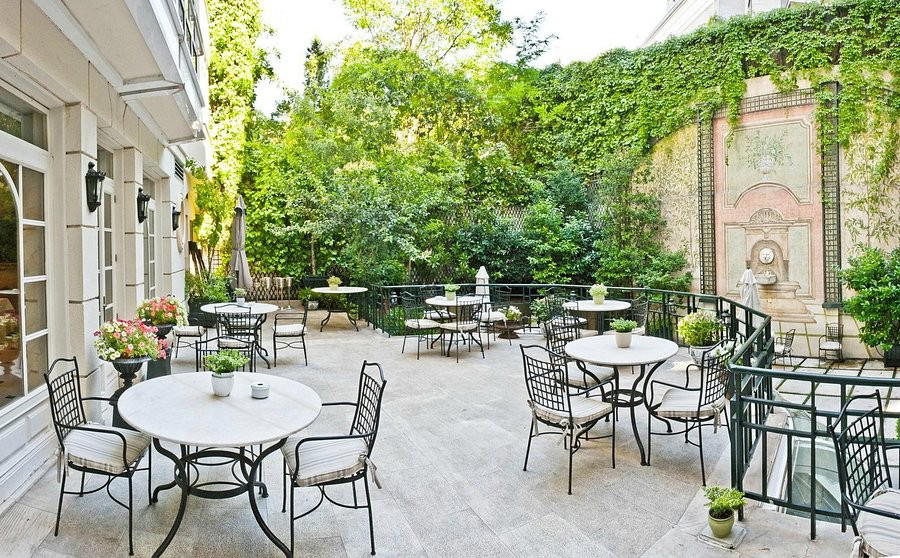
Romantic and captivating atmosphere with distinctive floral-inspired décor; warm and enchanting environment with excellent lighting and modern design elements.