La Collina
La Collina occupies a Capitol Hill address at 747 C St SE, placing it within a Washington dining scene that has grown increasingly serious about ingredient-led, course-driven formats. While specific menu and chef details remain closely held, its Southeast quadrant positioning puts it among a cohort of neighborhood restaurants pushing beyond the obvious power-dining corridors. For visitors and locals tracking D.C.'s evolving table culture, it warrants attention.
Pearl is the En Primeur Club membership app — saves, bookings, and concierge access live there. Same editors, same standards.
- Address
- 747 C St SE, Washington, DC 20003
- Phone
- +12029982799
- Website
- lacollinadc.com
- Directions
- Get directions
 Saves & bookings on Pearl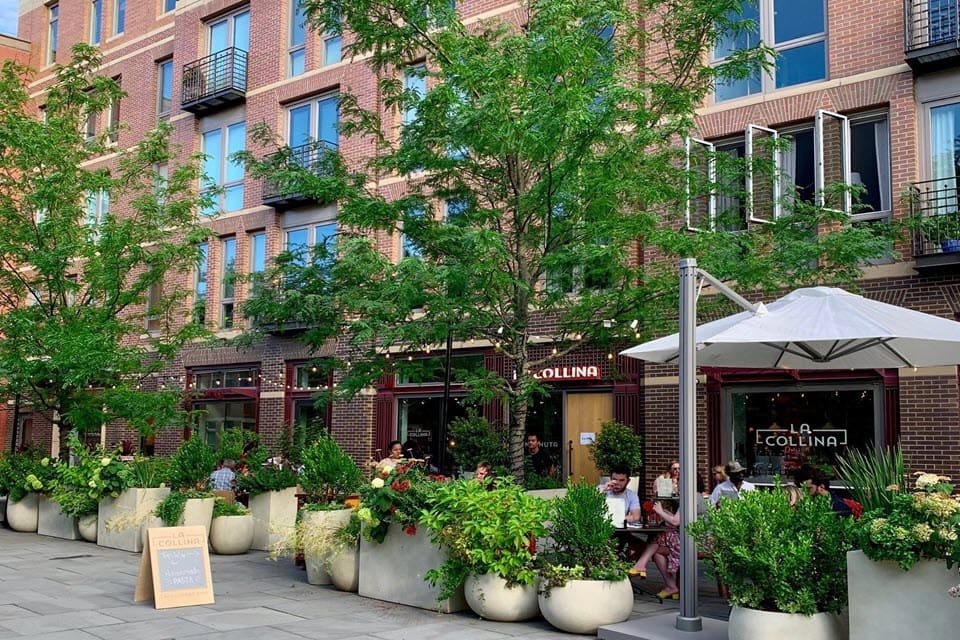
Capitol Hill's Quiet Shift Toward Serious Dining
Washington's dining reputation spent decades anchored to its northwest corridors, where expense-account steakhouses and French brasseries served the city's political class. That geography has been loosening for several years. The Southeast quadrant, anchored by the Capitol Hill neighborhood and its residential streets, has attracted a cohort of restaurants less interested in marble and ceremony than in focused, course-driven cooking. La Collina, at 747 C St SE, sits inside that shift. The address places it a short walk from Eastern Market, the neighborhood's long-running food market, and within the broader cluster that has made Capitol Hill one of the more interesting dining destinations in the city.
The movement away from D.C.'s traditional power-dining formats accelerated in the late 2010s, as chefs and operators began treating the city's neighborhoods as viable destinations rather than fallback options for those who couldn't secure a reservation on 14th Street or in the Penn Quarter. The result is a more distributed dining culture, where strong cooking turns up in residential blocks rather than concentrating in a handful of high-profile corridors. La Collina occupies a specific position in that distribution: a neighborhood address with the kind of locational specificity that rewards diners willing to move beyond the obvious.
The Architecture of a Meal: Thinking in Sequences
One useful lens for understanding where La Collina sits in Washington's current scene is the question of format. Across the city's upper-middle tier, restaurants have increasingly organized around progression rather than à la carte choice. The logic is consistent: a sequence of courses gives a kitchen more control over pacing, contrast, and narrative, and it gives diners a more coherent account of what a restaurant actually believes. This is the model that made venues like Jônt and minibar central reference points in D.C.'s fine-dining conversation, and it's a format pressure that has filtered down into the neighborhood tier as well.
For the diner, a progression-led meal asks for a different kind of attention than ordering from a menu. The early courses typically do orientation work: establishing the kitchen's register, signaling whether the cooking leans acid-forward or fat-forward, sparse or generous. Mid-sequence courses tend to carry the structural weight, with proteins and more complex preparations arriving once the palate has been calibrated. The closing moves, whether dessert or a pivot to cheese, function as resolution rather than afterthought. When this structure works, the meal has an arc. When it doesn't, the sequence feels arbitrary. The strongest kitchens in D.C.'s current scene think about this architecture deliberately.
That context matters for how to approach a meal at La Collina. The Capitol Hill address and neighborhood positioning suggest a restaurant operating in the register that values coherence and locality over spectacle. It sits between high-investment tasting menus and casual neighborhood spots. It occupies the middle distance where the cooking needs to justify the sequence without requiring the theatrical production values of D.C.'s most decorated counters.
Where La Collina Sits in a Competitive Field
Washington's current restaurant scene is more layered than its national reputation suggests. At the price-intensive end, venues like Causa and Albi have built strong national profiles around specific culinary identities, with Causa anchoring in Peruvian technique and Albi in Middle Eastern cooking traditions. At the sustainable-focused end, Oyster Oyster has made a case for plant-forward cooking as a serious fine-dining proposition. These venues have in common a clarity of focus: each has a defined culinary argument and a price and format built to support it.
The restaurant's Capitol Hill location places it in a different kind of competitive conversation: less about national positioning and more about neighborhood authority. The strongest restaurants in this register tend to develop a local following before they develop a broader reputation, and the booking patterns that follow from that trajectory look different from the three-months-out demand that characterizes D.C.'s most decorated venues. For the visitor, that can mean greater accessibility; for the local, it means a restaurant worth tracking as it builds its identity.
Compared to the national field of serious American restaurants, D.C.'s mid-tier has historically been underrepresented in major award cycles relative to New York, Chicago, or San Francisco. Venues like Le Bernardin in New York City, Alinea in Chicago, and The French Laundry in Napa set the reference points for the American fine-dining tier, while D.C. has contributed sporadically. That gap has been narrowing, partly because the city's neighborhood restaurant culture has strengthened the pipeline. The restaurant sits in that pipeline.
Planning a Visit to 747 C St SE
The restaurant is an Italian-ish Osteria at 747 C St SE, Washington, DC 20003, with a $30 price point and smart casual dress. The C Street SE block is residential in character, which means the approach is quiet relative to the busier restaurant corridors near Capitol South or Union Station. Diners arriving from further afield can cross-reference the neighborhood with the broader Capitol Hill dining cluster, which includes Eastern Market itself and several other independently operated restaurants within a few blocks.
The Broader American Dining Frame
The restaurant's positioning in Capitol Hill connects it to a wider pattern visible in American cities: serious cooking migrating from high-rent central districts into neighborhoods where operating costs allow for more considered, less volume-dependent formats. This is visible in San Francisco with venues like Lazy Bear, in New York with Atomix, and in the farm-integration model at Blue Hill at Stone Barns in Tarrytown. Each of these represents a different answer to the question of what a serious American restaurant can look like outside the traditional fine-dining template. The restaurant, in its Capitol Hill setting, asks a version of the same question from a neighborhood base. How that question gets answered over time will determine whether it joins the tier of D.C. venues with national standing, or remains a strong local reference point.
The Short List
Comparable venues nearby, for context on price, style, and recognition.
| Venue | Cuisine | Price | Notes |
|---|---|---|---|
| La CollinaThis venue — the venue you are viewing | Eastern Market, Italian-ish Osteria | $$$ | Not listed |
| Ama | Near Southeast, Northern Italian | $$$ | Not listed |
| OLIO E PIÙ | East End, Authentic Italian Trattoria | $$$ | Not listed |
| Tosca | East End, Contemporary Northern Italian | $$$ | Not listed |
| La Tomate | Dupont Circle, Regional Italian Bistro | $$ | Not listed |
| LiLLiES Italian | Not listed | $$ | National Zoological Park, Farm-Fresh Italian & Mediterranean |
Continue exploring
More in Washington DC
Restaurants in Washington DC
Browse all →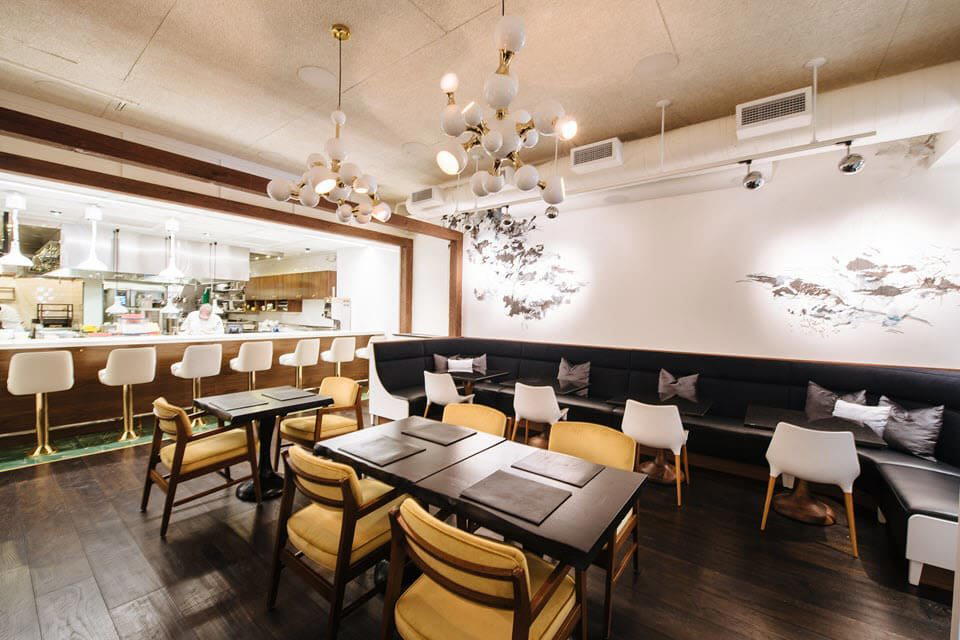
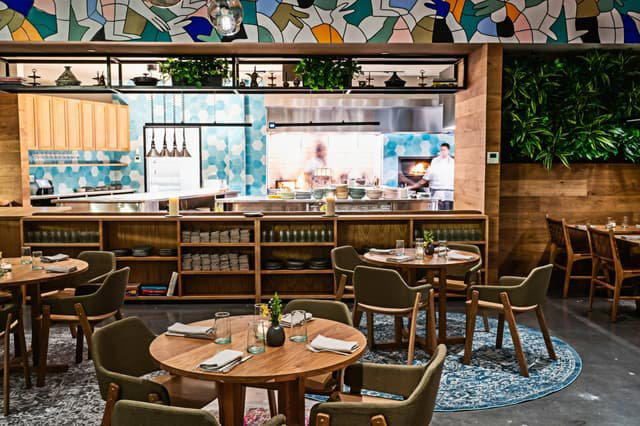
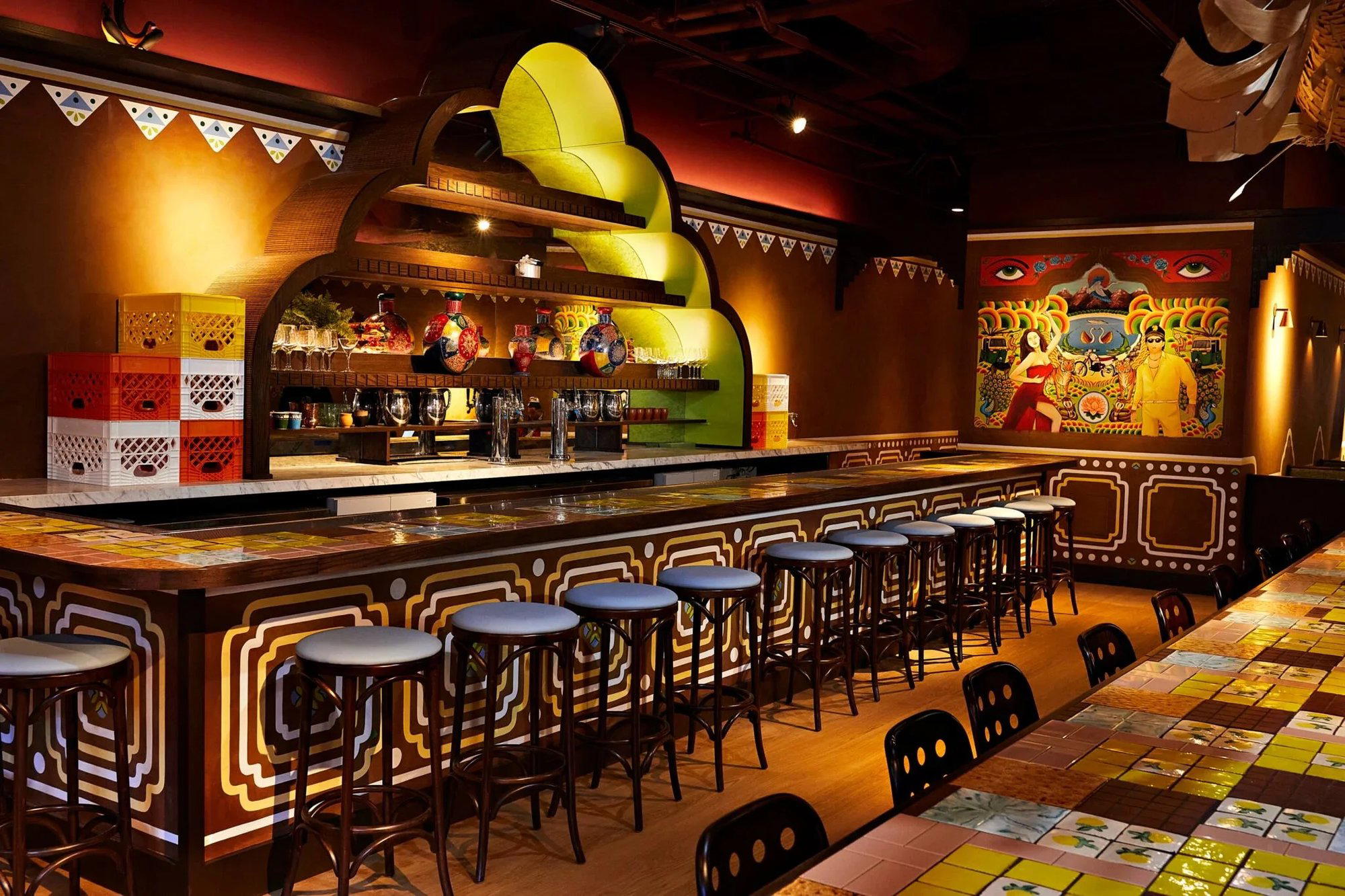
Bars in Washington DC
Browse all →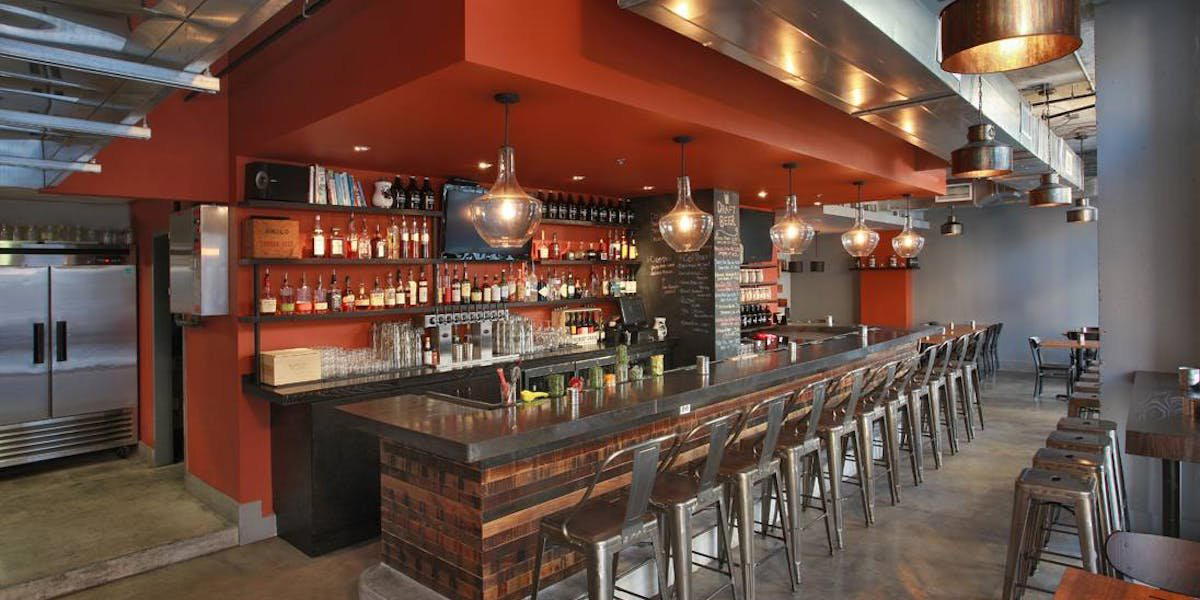
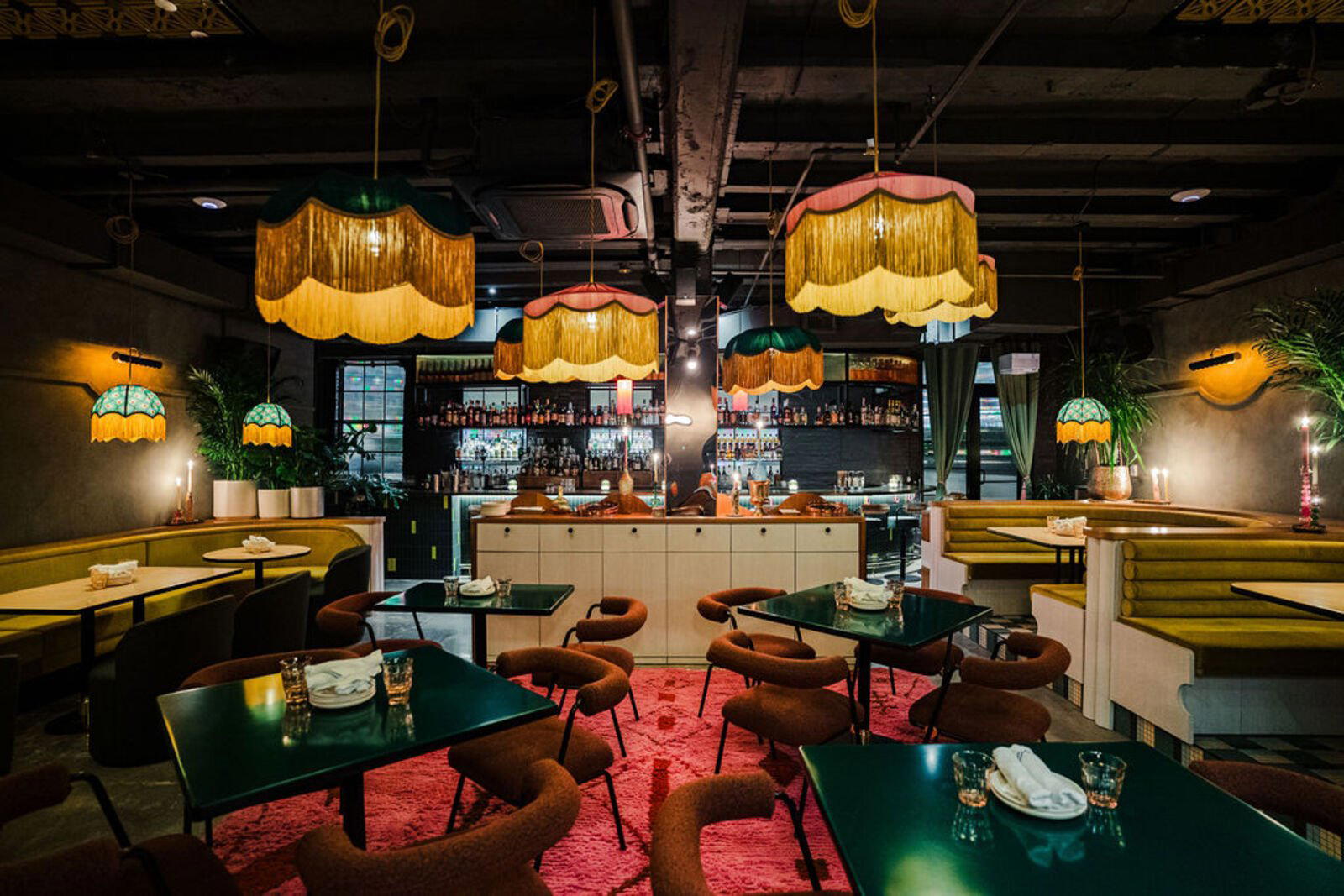
Hotels in Washington DC
Browse all →
At a Glance
- Cozy
- Modern
- Elegant
- Date Night
- Group Dining
- Casual Hangout
- Open Kitchen
- Craft Cocktails
Current opening hours
- Monday
- Closed
- Tuesday
- 11 AM–2 PM, 5–10 PM
- Wednesday
- 11 AM–2 PM, 5–10 PM
- Thursday
- 11 AM–2 PM, 5–10 PM
- Friday
- 11 AM–2 PM, 5–10:30 PM
- Saturday
- 11 AM–2 PM, 5–10:30 PM
- Sunday
- Closed
Hours can change for holidays and private events. Last verified .
Modern dining room with long wooden communal tables, bench seating, blonde-wood aesthetic, well-lit space, and pops of color from disassembled Fiat wall art creating a cozy and inviting neighborhood atmosphere.