Tosca
Tosca occupies a considered position in Washington D.C.'s fine-dining tier, bringing Italian-rooted cooking to the Penn Quarter corridor at 1112 F St NW. The room operates with the kind of front-of-house discipline that marks it apart from the city's newer, concept-driven openings, where the service team functions as a coherent unit rather than a backdrop. For visitors calibrating D.C.'s formal Italian options, Tosca sits in a specific and deliberate category.
Pearl is the En Primeur Club membership app — saves, bookings, and concierge access live there. Same editors, same standards.
- Address
- 1112 F St NW, Washington, DC 20004
- Phone
- +12023671990
- Website
- toscadc.com
- Directions
- Get directions
 Saves & bookings on Pearl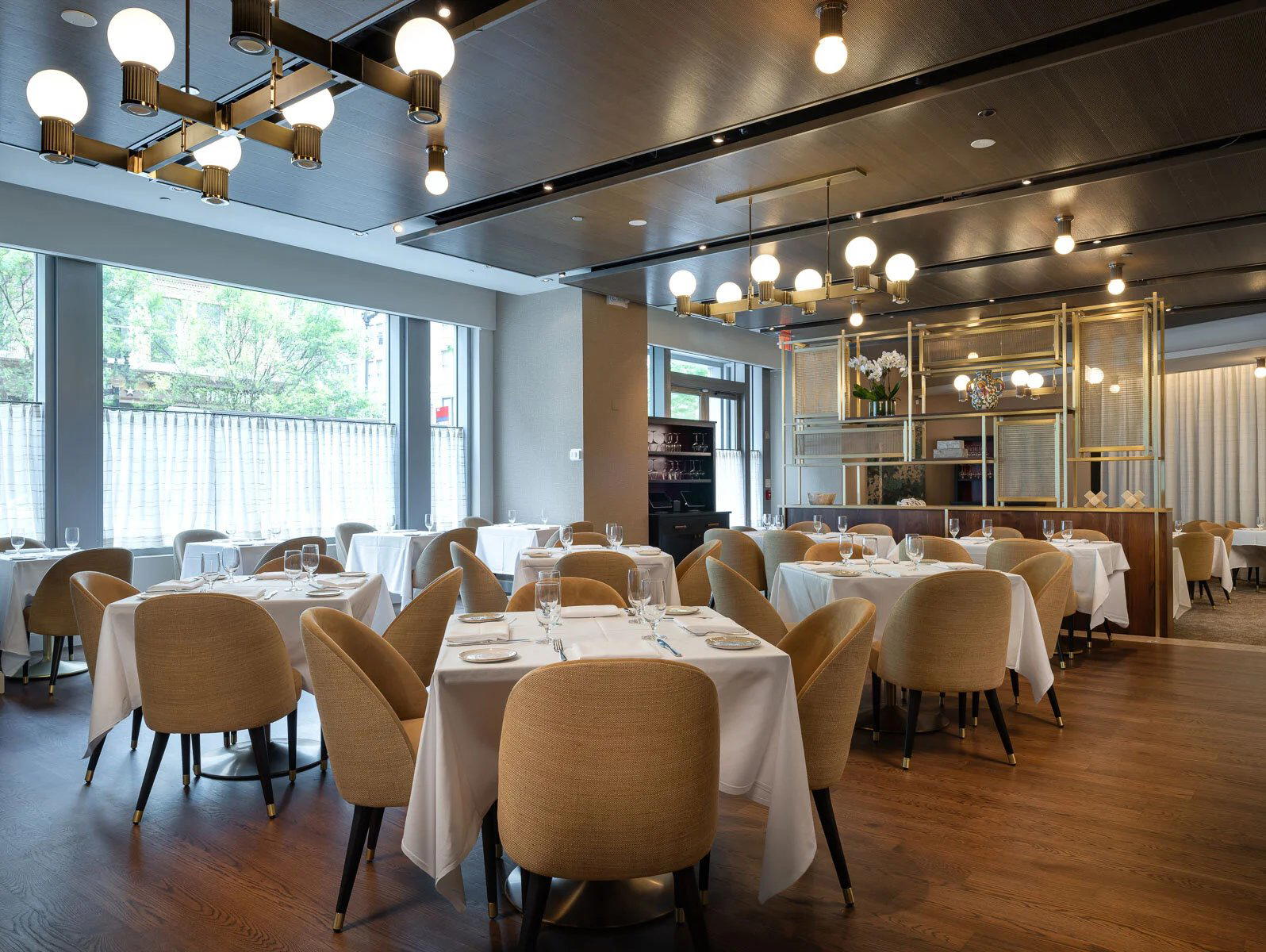
Penn Quarter's Formal Italian Tradition
Tosca is a Contemporary Northern Italian restaurant in Washington, D.C. Tosca, at 1112 F St NW in Penn Quarter, belongs to that tradition. It operates in a tier of the city's dining market that prioritizes consistency and front-of-house precision over the kind of high-concept experimentation that defines newer entrants like minibar or the tasting-menu formalism of Jônt.
Italian fine dining in American cities has undergone considerable repositioning over the past two decades. The category that once lived almost entirely in the white-tablecloth, red-sauce bracket has fractured into multiple tiers: trattorias with serious wine programs, modern Italian with Nordic or Japanese cross-referencing, and a smaller set of formal rooms that maintain the classical northern Italian model, with clean reductions, house-made pasta, and a service philosophy inherited from the continent rather than invented locally. Tosca belongs to this last group, and in D.C. that puts it in a relatively uncrowded position.
The Room and What It Tells You
Formal Italian dining rooms in America carry a specific atmospheric grammar: they tend toward warm lighting, spaced tables, and a ratio of front-of-house staff to covers that signals serious intent before a menu arrives. The F Street address places Tosca inside Penn Quarter's business-district density, steps from the galleries and theaters that give the neighborhood its after-dark traffic. That location shapes the room's function as much as its decor. It draws the kind of diner who arrives knowing what they want and expects the team around them to anticipate the rest.
The collaborative model between kitchen and floor matters enormously in rooms like this. Where newer D.C. restaurants like Oyster Oyster or Causa make the kitchen's sourcing and concept the primary hospitality narrative, classical Italian rooms put the service team in a more active role: guiding wine selections, managing pacing, reading a table's appetite for formality or warmth. When that collaboration functions well, it produces a dinner where the transitions between courses feel orchestrated rather than mechanical.
Where the Team Dynamic Carries the Experience
The editorial angle that separates rooms in Tosca's tier from the broader D.C. fine-dining field is how the front-of-house, sommelier, and kitchen function as a single hospitality unit rather than three departments operating in parallel. In practice, this means the wine program does not exist as a separate performance from the food: pairings are built around the kitchen's output, and the sommelier's role is to move between tables in a way that shortens the distance between the cellar and what arrives on the plate.
This model has strong antecedents in the formal Italian tradition. Northern Italian cooking, with its emphasis on technique over spectacle, creates space for the service team to participate in the dining experience without overwhelming it. A well-constructed risotto or a hand-rolled pasta does not announce itself through theatrical plating; the room around it has to carry some of the experiential weight. That division of labor between kitchen and floor is one of the things classical Italian fine dining, at its most disciplined, does well.
For comparison, D.C. restaurants operating at the boundary of classical and contemporary, like Albi, invest much of their hospitality identity in the sourcing story and the chef's cultural framework. Tosca's approach reads differently: the hospitality identity is procedural and relational rather than narrative-driven, which suits a different kind of diner and a different occasion type.
Positioning Against the D.C. Fine-Dining Field
D.C.'s fine-dining tier has expanded and diversified significantly since the mid-2000s. The city's restaurant scene now supports price-equivalent options across modern Middle Eastern, contemporary Peruvian, sustainable American, and classical European formats, all in the upper price brackets. Against that backdrop, formal Italian occupies a specific and slightly counterintuitive position: it is not the category most discussed in current food coverage, which tends to favor the newer formats, but it maintains a durable audience among the city's political and legal communities who schedule around it reliably.
Nationally, the formal Italian fine-dining category is well-illustrated by rooms like Le Bernardin in New York City and, at a different register, The French Laundry in Napa, where classical European technique and service discipline are the hospitality proposition. Tosca operates in that tradition at a D.C. scale, without the international profile of those rooms but with a similar underlying model. Visitors calibrating the D.C. field against American fine dining more broadly should place Tosca alongside that reference set rather than comparing it to the city's contemporary newcomers.
Closer to D.C. The Inn at Little Washington represents the region's most theatrically ambitious expression of the formal dining tradition, while Tosca represents its more urban, businesslike counterpart.
D.C.'s version of that grammar, as expressed by Tosca, is shaped by its proximity to institutions that value discretion and reliability above novelty.
Planning a Visit
Address: 1112 F St NW, Washington, DC 20004. Neighbourhood: Penn Quarter, walkable from the National Portrait Gallery and accessible from multiple Metro lines. Occasion type: Business dinners, formal celebrations, and occasion meals where service consistency matters as much as the food. Dress: Smart dress aligns with the room's tone. Related dining:
Recognition Snapshot
Comparable venues nearby, for context on price, style, and recognition.
| Venue | Cuisine | Price | Notes |
|---|---|---|---|
| ToscaThis venue — the venue you are viewing | Contemporary Northern Italian | $$$ | Not listed |
| Acqua Bistecca | Italian Seafood Steakhouse | $$$ | Tenleytown |
| Quattro Osteria | Modern Regional Italian | $$$ | Ledroit Park |
| Kingbird | Modern Italian Steakhouse | $$$ | Foggy Bottom |
| Capa Tosta | Modern Italian Bistro | $$ | Pleasant Plains |
| Menomale | Authentic Neapolitan Pizza & Italian | $$ | Brookland |
Continue exploring
More in Washington DC
Restaurants in Washington DC
Browse all →
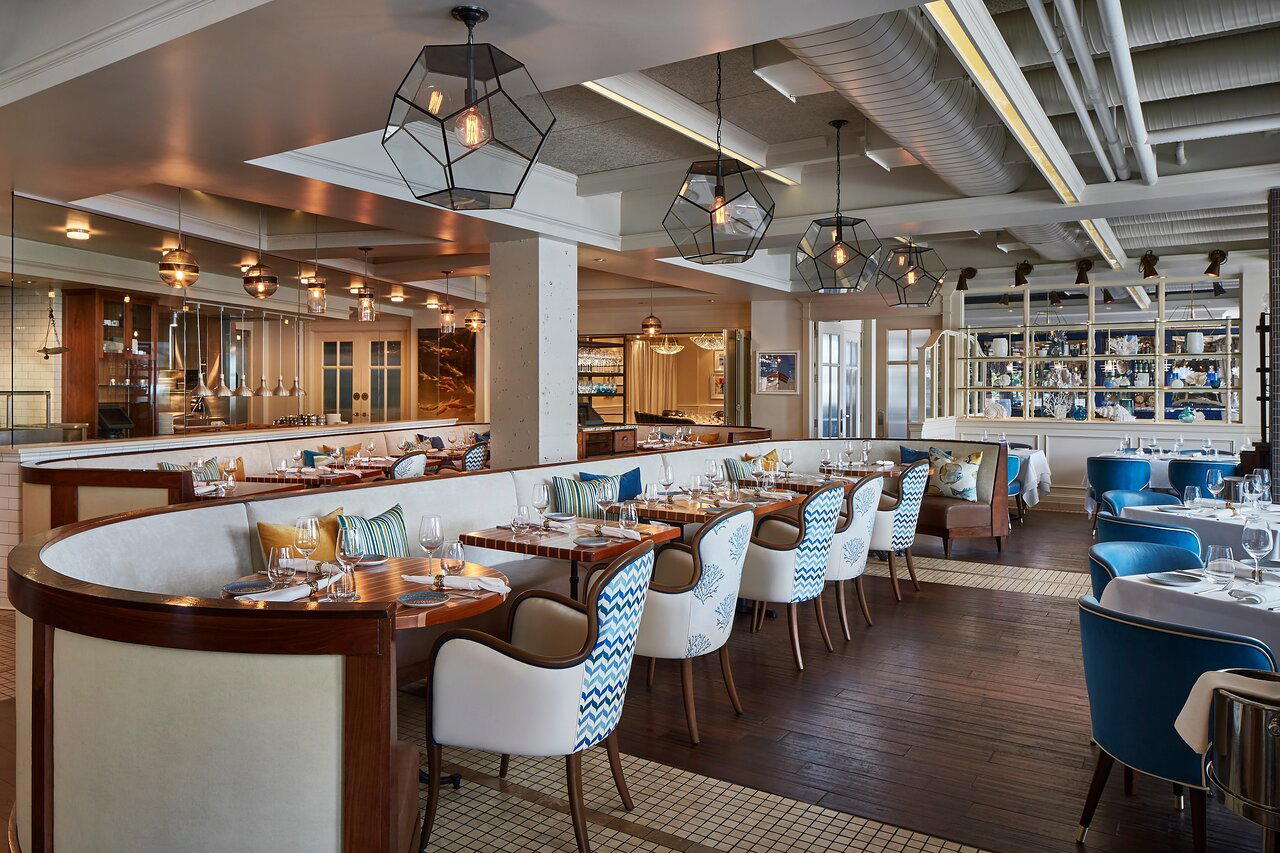
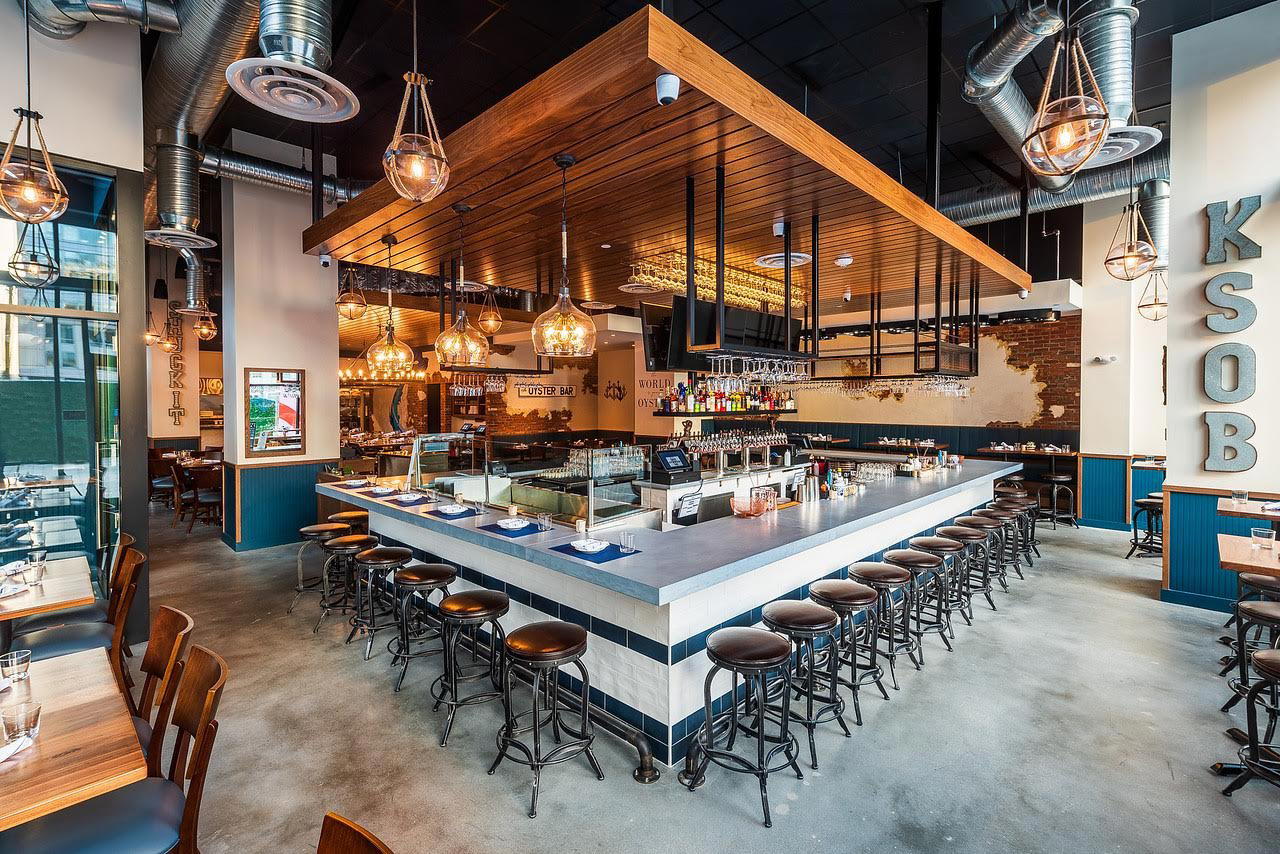
Bars in Washington DC
Browse all →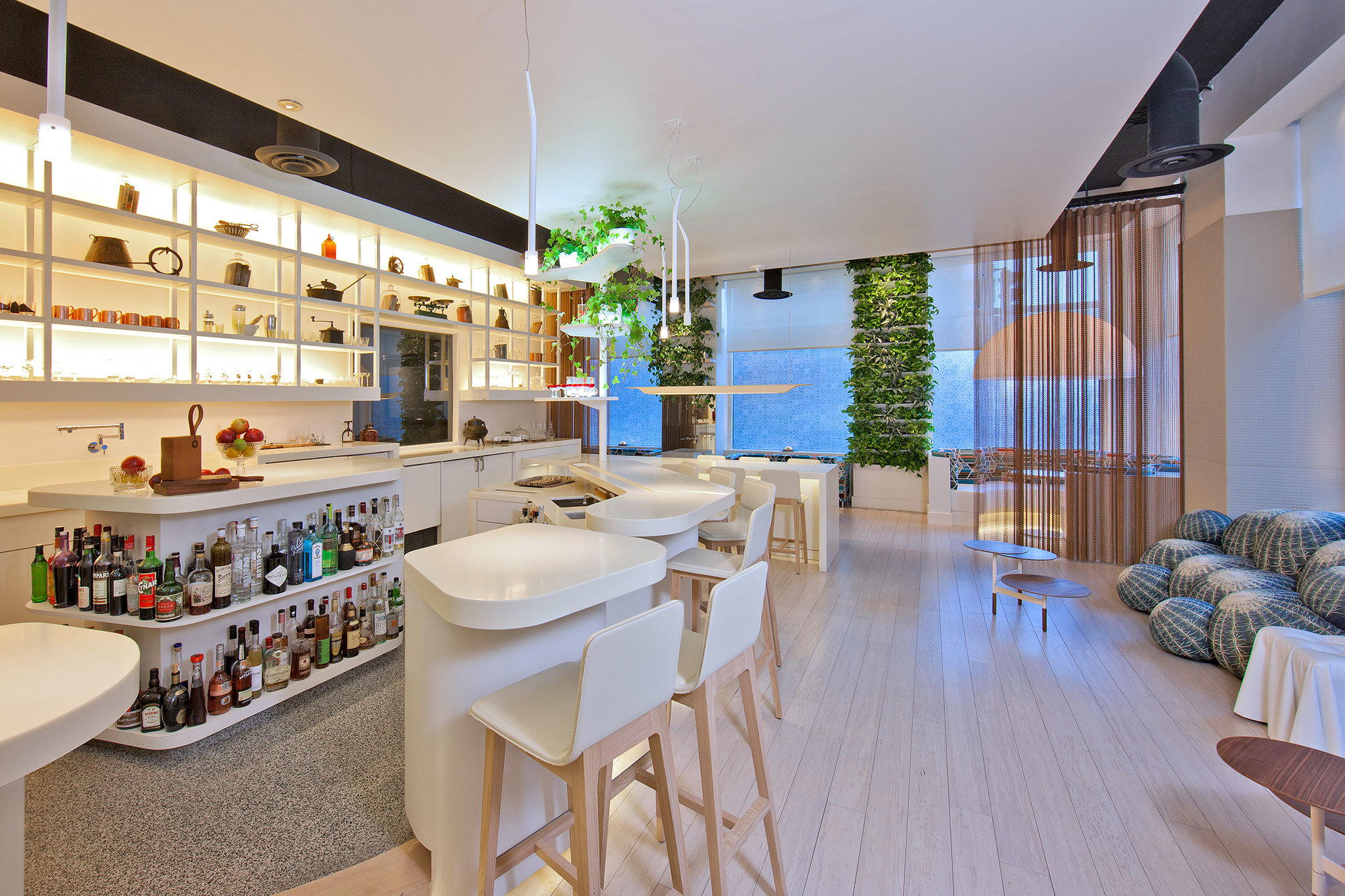
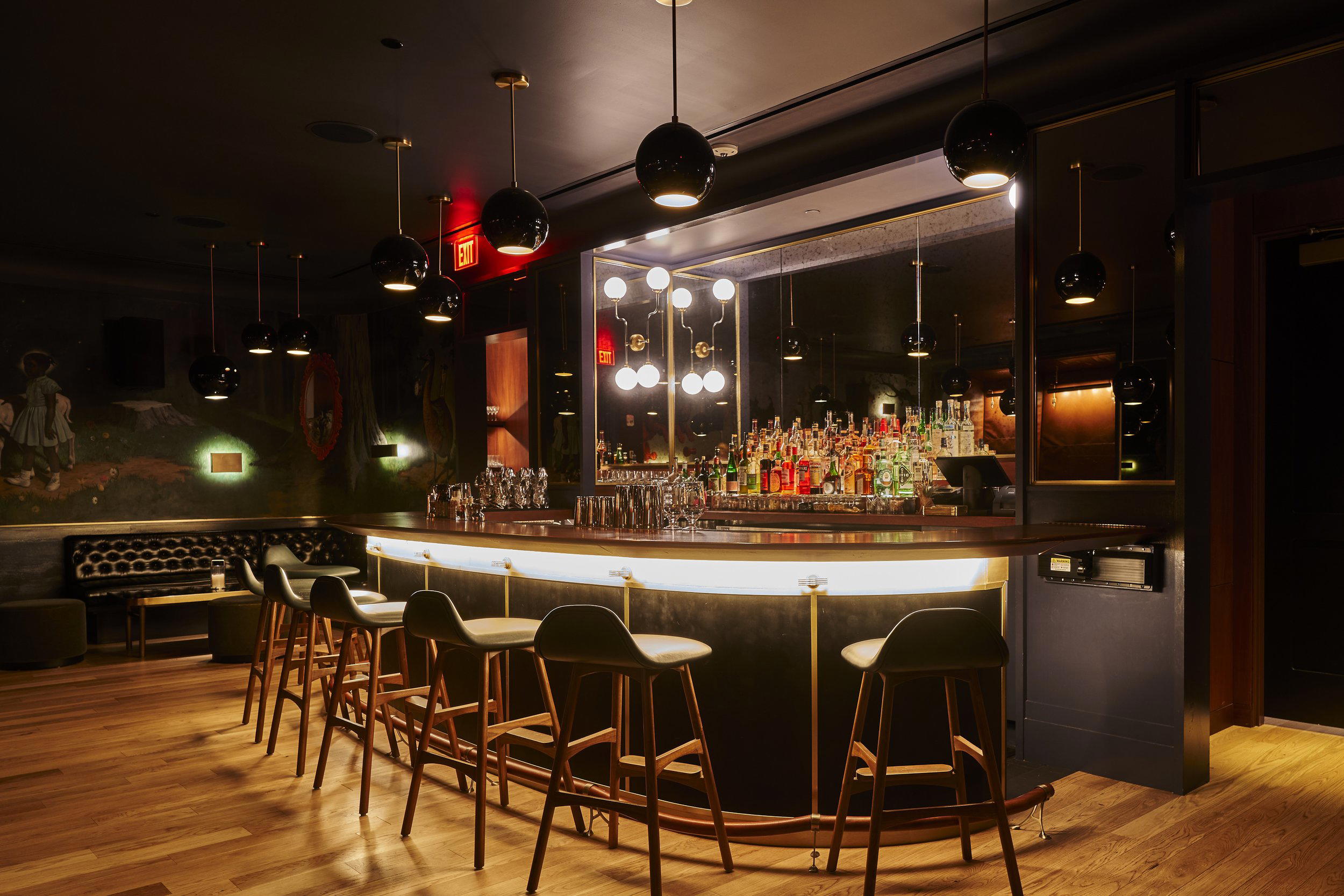
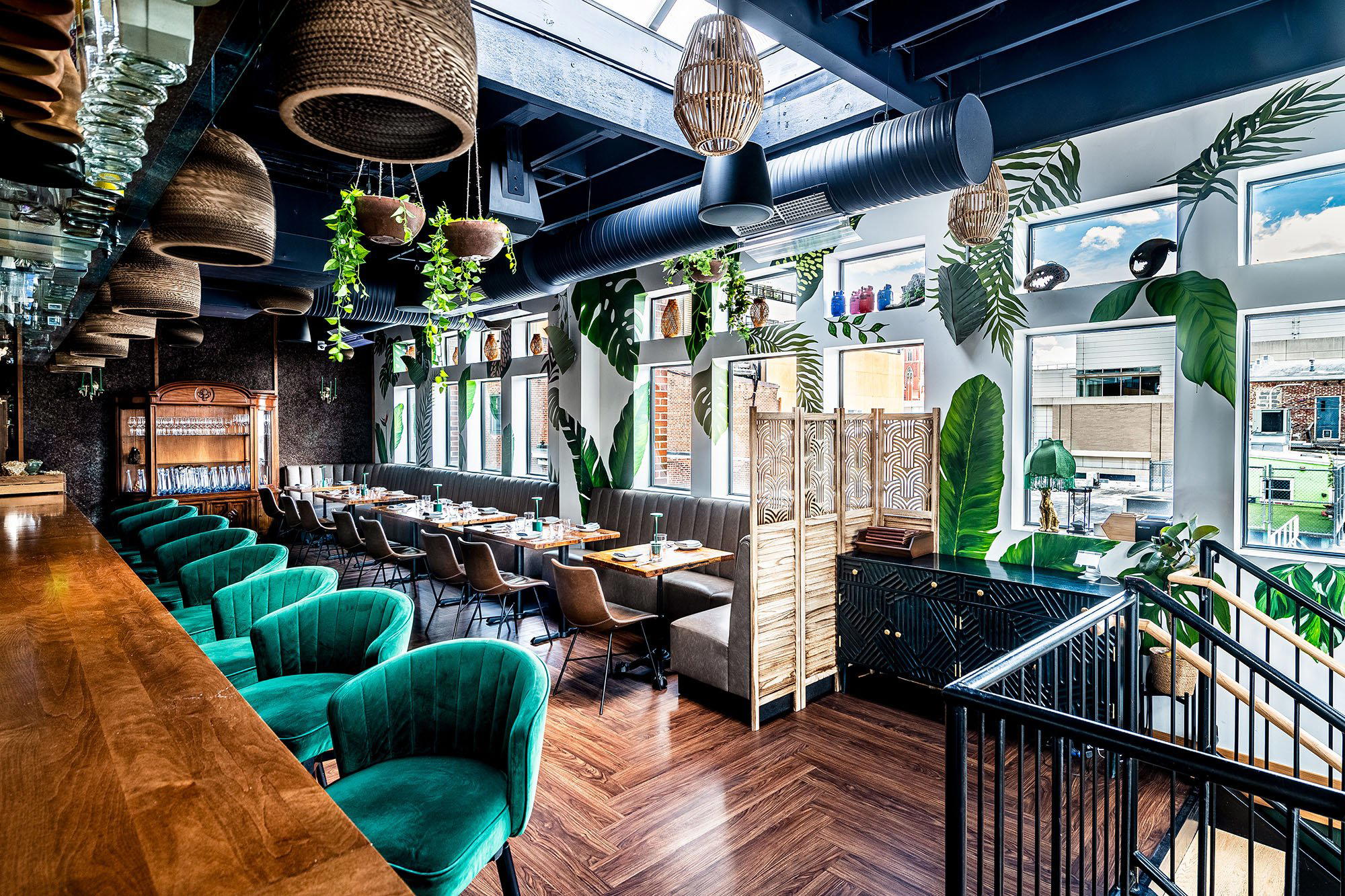
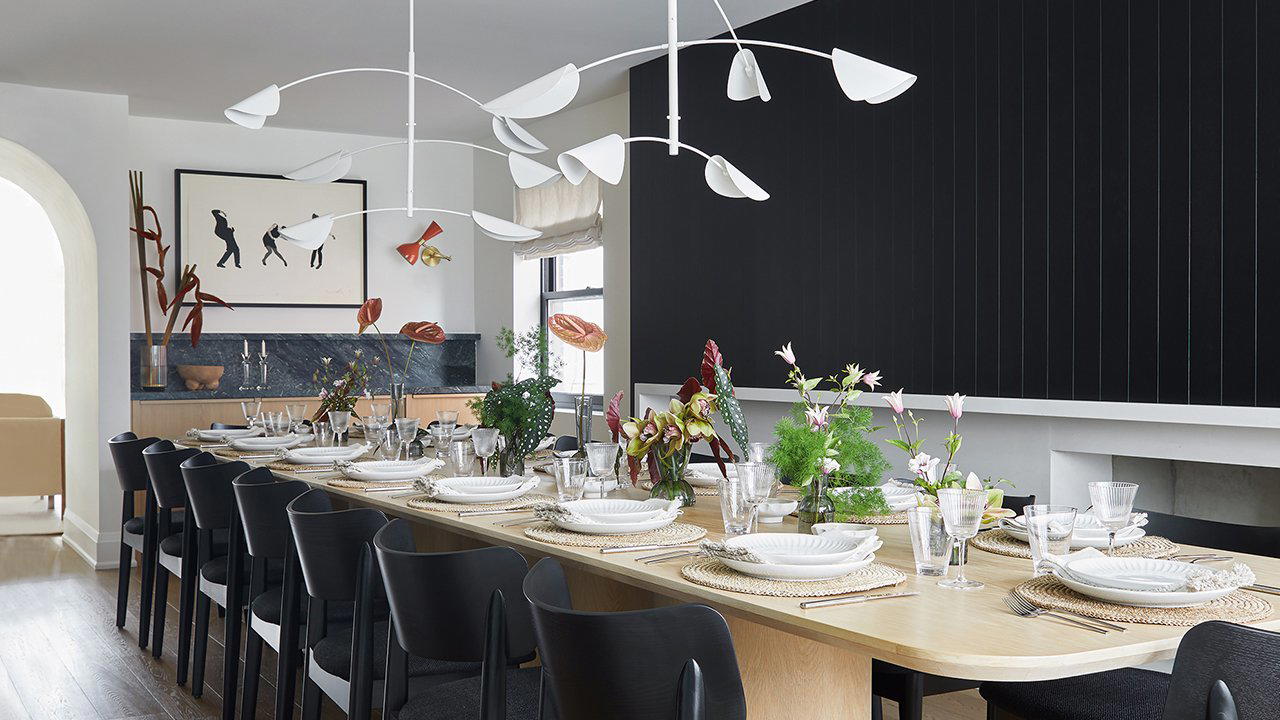
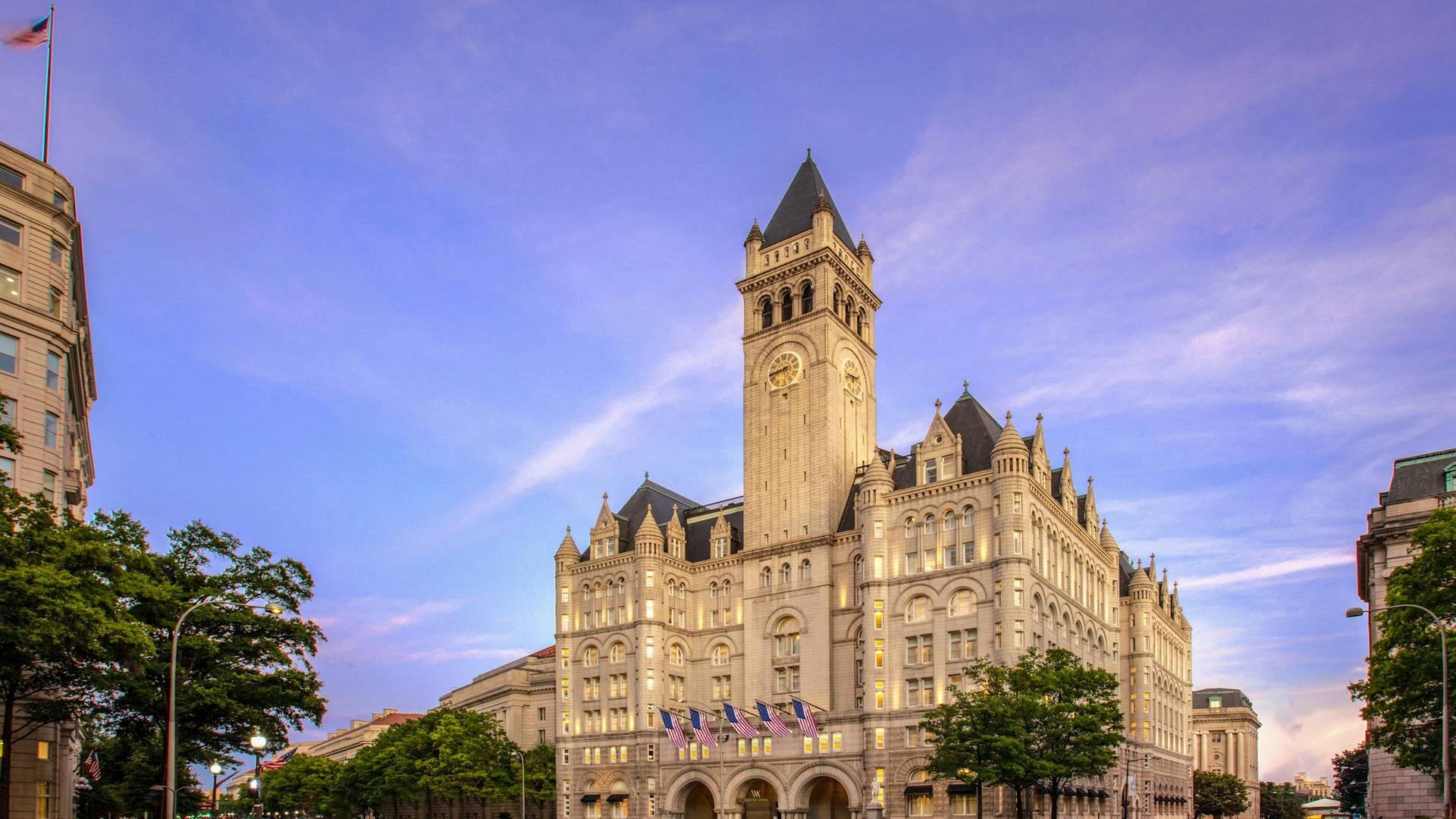
Hotels in Washington DC
Browse all →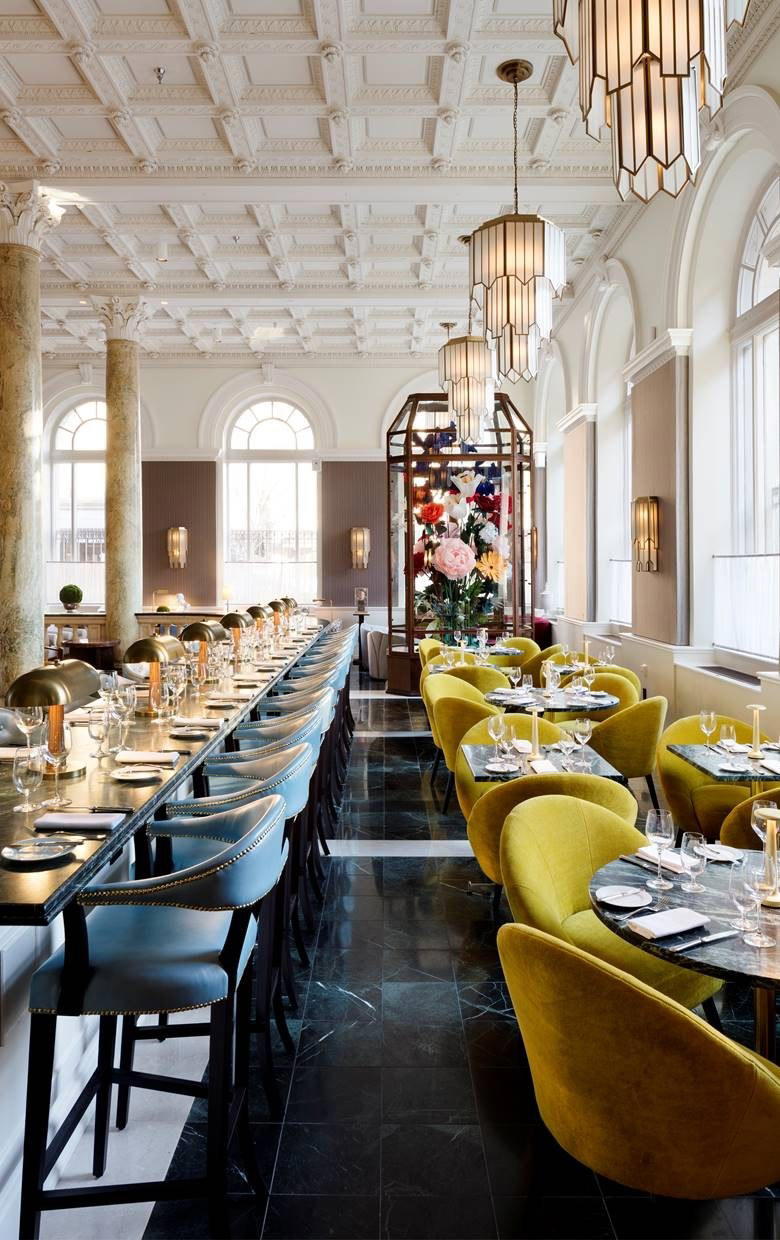
At a Glance
- Elegant
- Sophisticated
- Intimate
- Classic
- Business Dinner
- Special Occasion
- Date Night
- Private Dining
- Hotel Restaurant
- Extensive Wine List
- Local Sourcing
Current opening hours
- Monday
- 11:30 AM–2 PM, 5:30–9 PM
- Tuesday
- 11:30 AM–2 PM, 5:30–9 PM
- Wednesday
- 11:30 AM–2 PM, 5:30–9 PM
- Thursday
- 11:30 AM–2 PM, 5:30–9 PM
- Friday
- 11:30 AM–2 PM, 5:30–9:30 PM
- Saturday
- 5:30–9:30 PM
- Sunday
- Closed
Hours can change for holidays and private events. Last verified .
Serenely beautiful with soft velour chairs, white tablecloths, and well-suited table settings creating a refined, relaxed atmosphere.