OLIO E PIÙ
On a stretch of 14th Street NW where D.C.'s dining scene has grown increasingly global and ambitious, OLIO E PIÙ brings a straightforwardly Italian register to the neighborhood. The menu architecture follows the logic of a Roman trattoria scaled for an American city: antipasti, pasta, secondi, and a wine list built around the boot. It sits in a price tier and format that puts it alongside casual-to-mid Italian dining in comparable urban markets.
Pearl is the En Primeur Club membership app — saves, bookings, and concierge access live there. Same editors, same standards.
- Address
- 699 14th St NW, Washington, DC 20005
- Phone
- +17712084815
- Website
- olioepiu.com
- Directions
- Get directions
 Saves & bookings on Pearl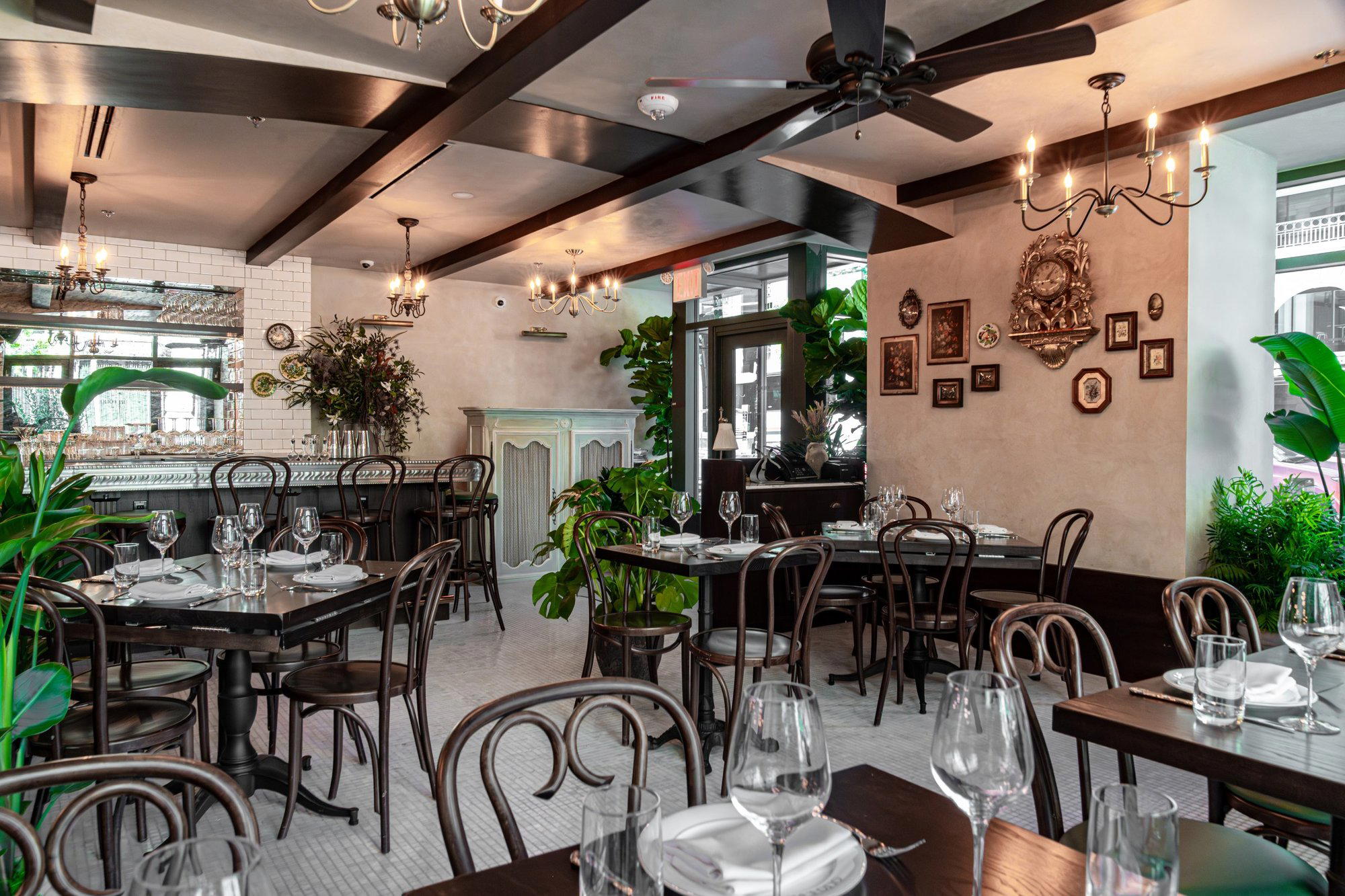
14th Street NW and the Italian Trattoria Format
Washington, D.C.'s 14th Street corridor has spent the past decade accumulating restaurants that range from neighborhood standbys to destination-level tasting counters. The Italian trattoria occupies a particular niche in that mix: a format that rewards repetition, that functions as much as a weekly ritual as a special-occasion destination, and that tends to be judged less by innovation than by consistency and sourcing honesty. OLIO E PIÙ, at 699 14th St NW, positions itself inside that format, drawing on a menu architecture that mirrors the structure of a Roman or Florentine meal rather than the more free-form small-plates approach that dominates much of the neighborhood's newer openings.
That structural choice is itself an editorial statement. In a city where tasting menus at places like Jônt or avant-garde formats like minibar define one end of the dining spectrum, and sustainability-driven concepts like Oyster Oyster and fire-focused kitchens like Albi define distinct niches, the traditional Italian progression of courses represents a deliberate return to a recognizable grammar. Diners know where they are. The menu tells them what to expect before a single dish arrives.
How the Menu Is Built
The Italian trattoria format organizes eating around a logic that predates the contemporary small-plates era: you begin with something light and acidic or cured, move through a carbohydrate middle section that is often the kitchen's true showcase, and arrive at a protein course before closing with something sweet. OLIO E PIÙ follows this sequence. The name itself signals the kitchen's orientation: olio, olive oil, the foundational fat of central Italian cooking; più, more, a word that implies abundance without excess.
Within that structure, pasta tends to do the heaviest lifting at restaurants of this type. In Italian-American dining as it has evolved in major U.S. cities, the pasta course is typically where a kitchen's technical range is most legible, and where sourcing decisions matter most: fresh versus dried, egg-rich versus semolina-based, long forms versus filled. The secondi section, by contrast, often reflects the kitchen's relationship with protein sourcing and preparation simplicity, since Italian tradition generally resists over-saucing at that stage of the meal.
The 14th Street Context
The address at 14th and G Street NW places OLIO E PIÙ at the southern end of the 14th Street corridor, closer to the Penn Quarter and Downtown core than to the denser residential-restaurant mix further north. That positioning matters for how the restaurant functions during the week: it draws proximity to office lunch traffic, pre-theater dining before nearby venues, and hotel guests from the surrounding blocks, in addition to the neighborhood dinner crowd that animates the strip on weekends.
That mixed clientele profile is typical of Italian restaurants in this part of any major American city. Compare it to how Italian formats function near comparable urban cores: the role that a reliable, mid-tier Italian restaurant plays near Times Square in New York differs from what the same format does in a residential neighborhood in Chicago. In D.C.'s Penn Quarter-adjacent zone, the format tends to serve a broad band of occasions rather than a single dining mode. It is not only a destination dinner; it is also a reliable Tuesday lunch, a family visit option, and a pre-event meal.
Where OLIO E PIÙ Sits in the Broader Italian Dining Conversation
American cities have seen Italian dining split into distinct tiers over the past two decades. At one end sit the red-sauce institutions that trade on nostalgia and volume. At the other sit the pasta-focused fine-dining rooms and the contemporary Italian concepts that draw on regional Italian tradition with the precision of a French kitchen. The middle tier, which is where the trattoria format lives, has become especially competitive: it requires enough technical competence in pasta to satisfy a dining public that now travels to Italy regularly and can compare, while also maintaining the kind of approachability that keeps seats filled across multiple dayparts.
Internationally, this is the category where restaurants like 8½ Otto e Mezzo Bombana in Hong Kong operate at a fine-dining register, while domestic peers across the American market occupy a wider range. Other upper-tier American restaurants that represent the broader range of ambitious dining against which D.C. measures itself include Le Bernardin in New York City, Alinea in Chicago, The French Laundry in Napa, and Blue Hill at Stone Barns in Tarrytown. The restaurant operates at a different register from those rooms, but the broader national conversation about what serious Italian cooking looks like in America shapes diner expectations at every price point.
Locally, the competition in the casual-to-mid Italian tier is real. D.C. diners comparing options in that bracket are not just choosing between Italian restaurants; they are choosing between Italian and the strong Peruvian program at Causa, or weighing the Italian option against the more globally inflected menus elsewhere on the corridor. That competitive pressure tends to sharpen kitchens that survive it.
For those planning a broader D.C. dining itinerary, regional American destination restaurants worth cross-referencing for contrast include Emeril's in New Orleans, Lazy Bear in San Francisco, Providence in Los Angeles, Single Thread Farm in Healdsburg, Addison in San Diego, Atomix in New York City, and Virginia's own The Inn at Little Washington.
Planning Your Visit
Reputation First
Comparable venues nearby, for context on price, style, and recognition.
| Venue | Cuisine | Price | Notes |
|---|---|---|---|
| OLIO E PIÙThis venue — the venue you are viewing | Authentic Italian Trattoria | $$$ | Not listed |
| Tosca | Contemporary Northern Italian | $$$ | East End |
| Alta Strada Embassy Row | Authentic Italian Trattoria | $$$ | Dupont Circle |
| Caruso's Grocery | Traditional Italian-American | $$$ | Capitol Hill |
| Centrolina | Seasonal Regional Italian | $$$ | East End |
| Capitano | Southern Coastal Italian | $$$ | Southwest Waterfront |
Continue exploring
More in Washington DC
Restaurants in Washington DC
Browse all →
Bars in Washington DC
Browse all →
Hotels in Washington DC
Browse all →

At a Glance
- Cozy
- Elegant
- Lively
- Rustic
- Date Night
- Brunch
- Historic Building
- Craft Cocktails
- Street Scene
Current opening hours
- Monday
- 11 AM–12 AM
- Tuesday
- 11 AM–12 AM
- Wednesday
- 11 AM–12 AM
- Thursday
- 11 AM–12 AM
- Friday
- 11 AM–1 AM
- Saturday
- 10 AM–1 AM
- Sunday
- 10 AM–12 AM
Hours can change for holidays and private events. Last verified .
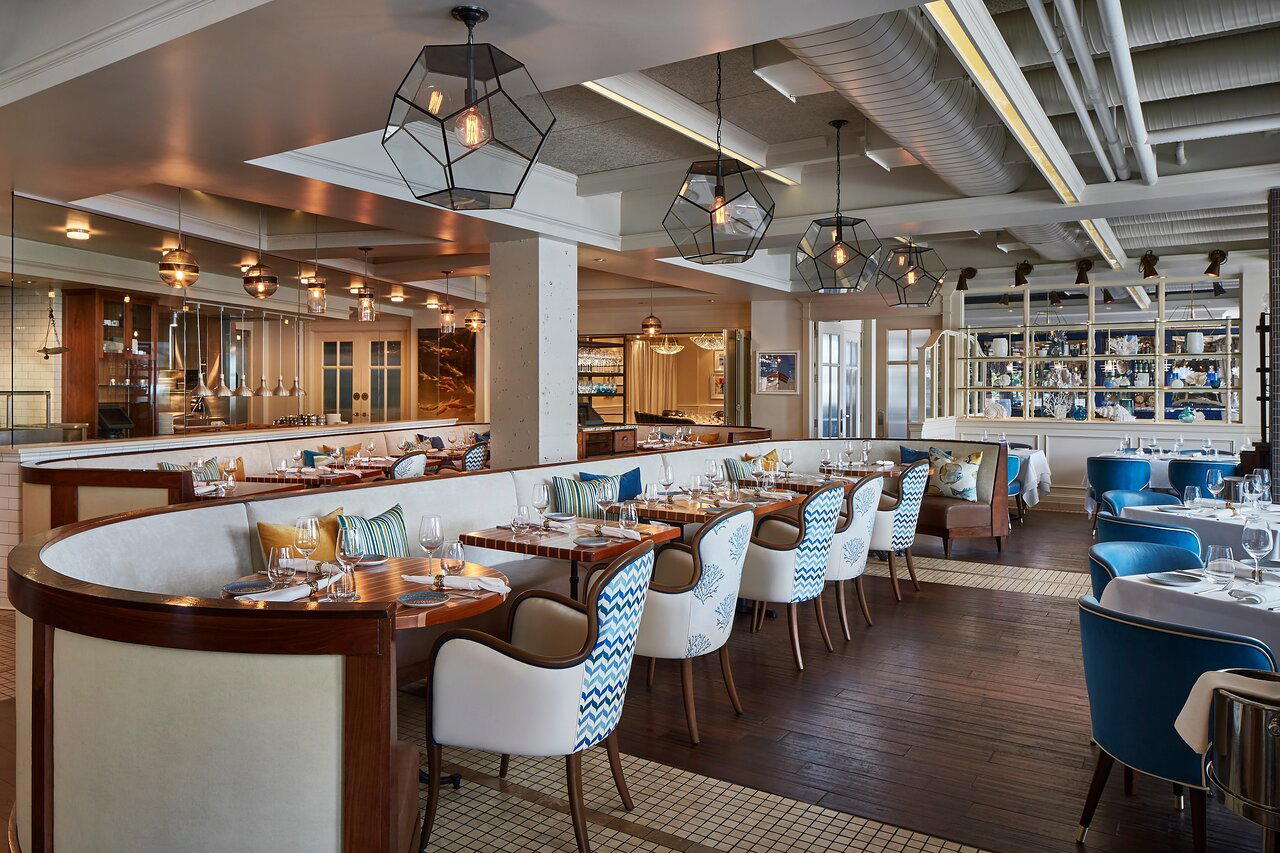
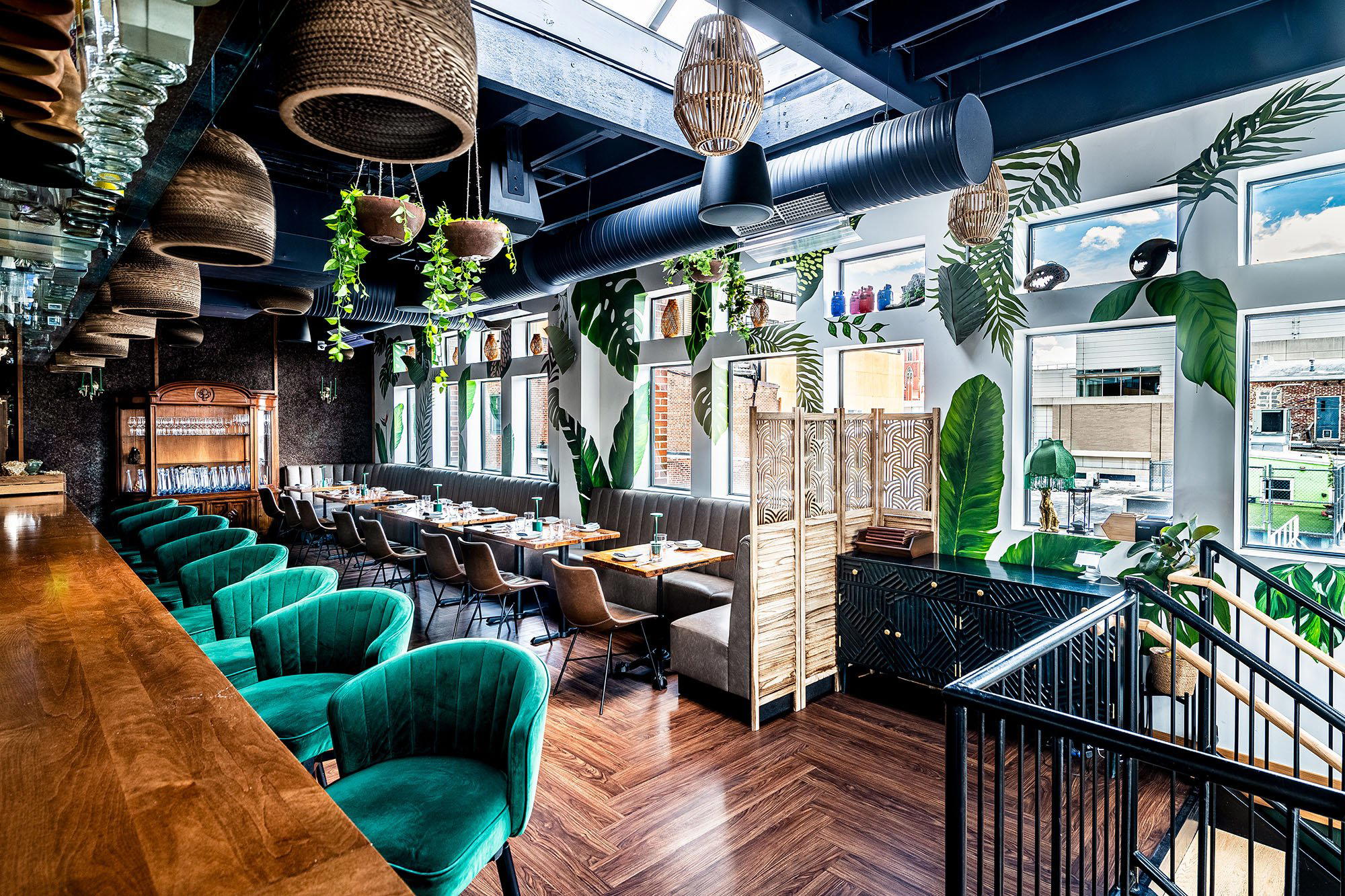
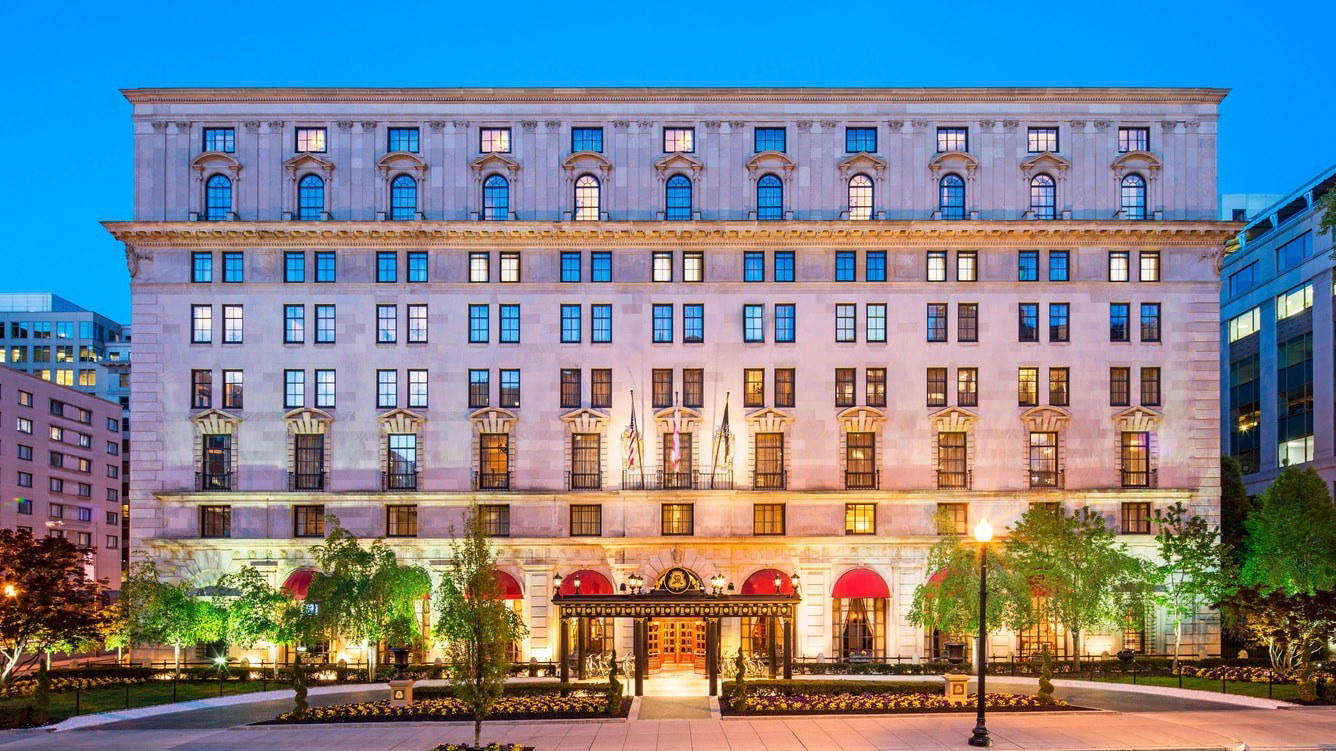
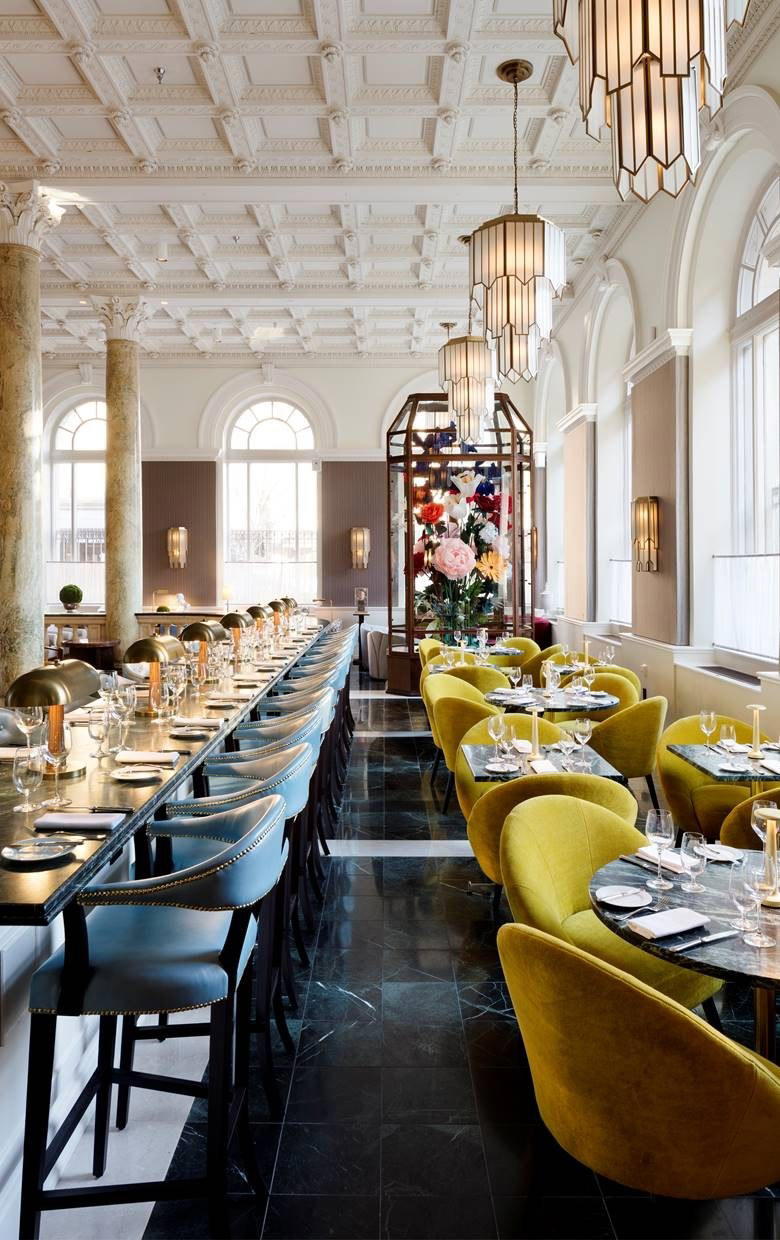
Cozy and lively atmosphere with rustic Italian interiors, elegant decor, and a sense of Mediterranean liveliness.