
James Beard Award Semi Finalist
Our verdict
Ama occupies a specific address in Washington D.C.'s Capitol Riverfront, a neighborhood that has shifted from post-industrial dormancy to one of the city's more deliberate dining corridors. Where peers at this end of the market compete on concept density and tasting-menu ambition, Ama's positioning reflects a quieter editorial logic, one that rewards visitors willing to look beyond the Penn Quarter axis.

Pearl is the En Primeur Club membership app, where members save venues, book tables and use the concierge.
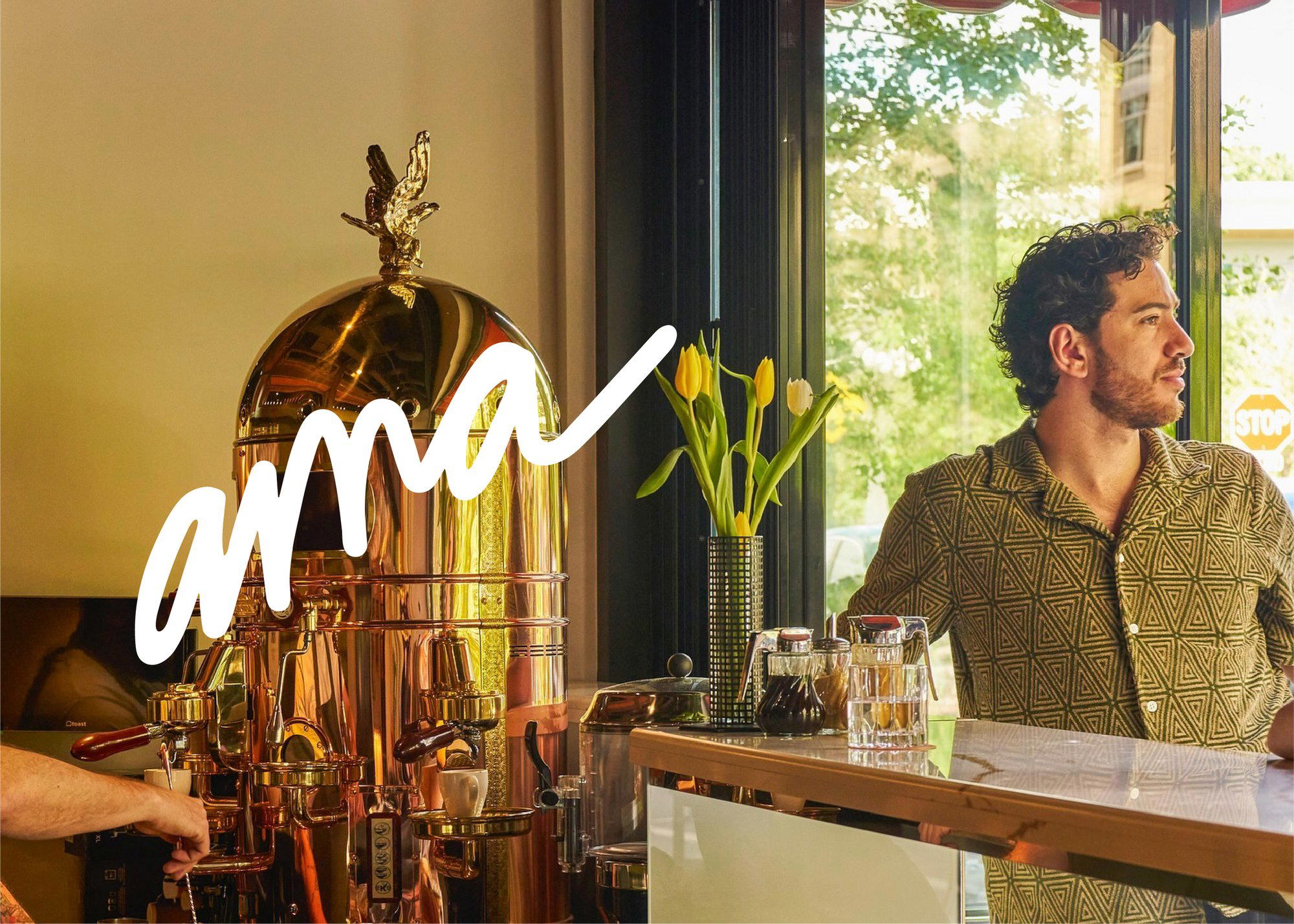
Capitol Riverfront and the Geometry of D.C. Dining
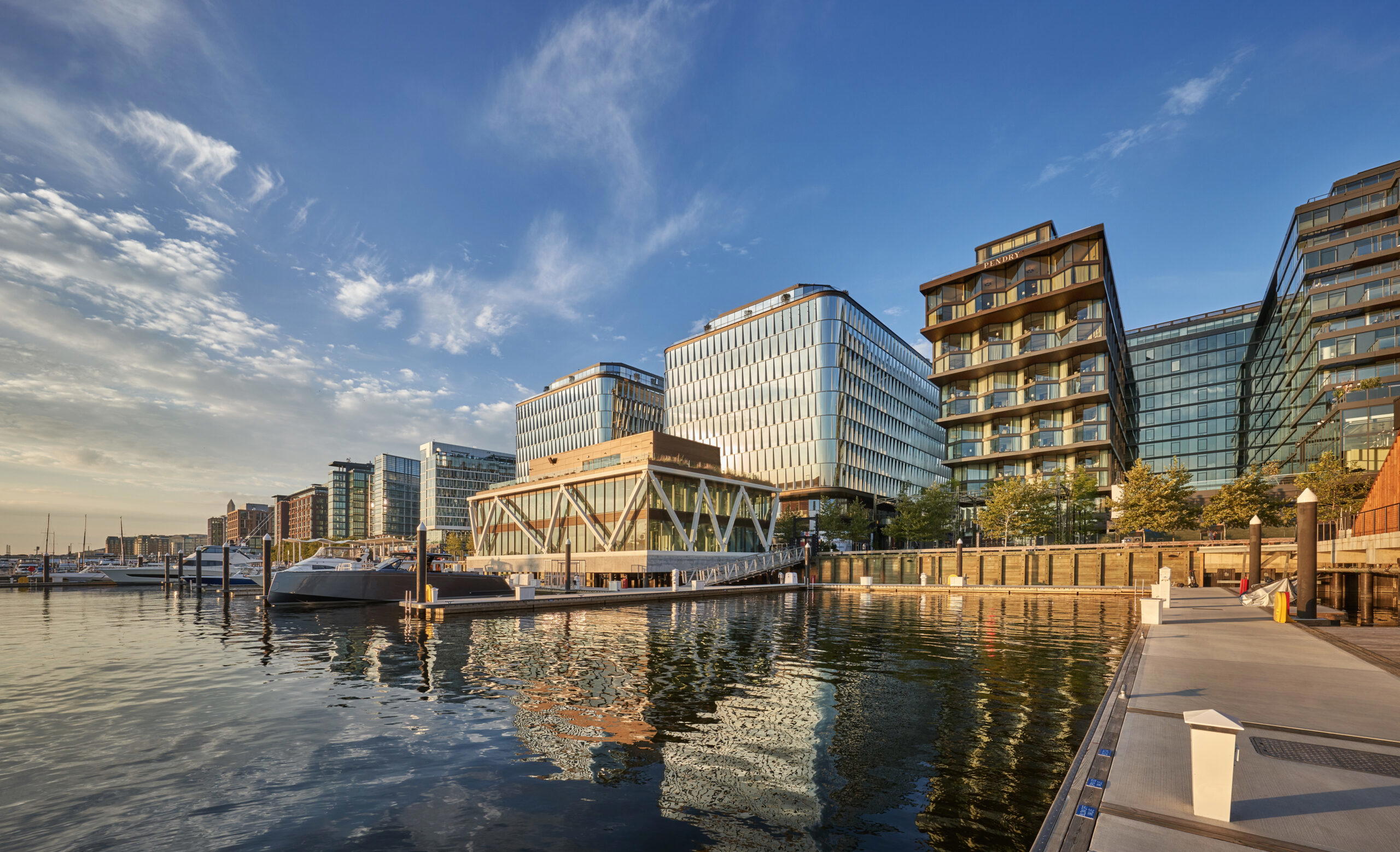
Washington D.C. has spent the better part of a decade redistributing its serious dining energy. For years, the Penn Quarter axis held the gravitational center: minibar setting the molecular benchmark, and a cluster of chef-driven rooms keeping that zip code as the default answer to questions about where to eat well in the capital. What has happened more recently is a lateral drift, with Capitol Riverfront emerging as a secondary corridor for restaurants that operate at similar price points and ambition levels but with considerably less foot traffic and name recognition. Ama, located at 885 New Jersey Ave SE, sits squarely in that redistribution.
The neighborhood itself frames the experience before the food does. Capitol Riverfront carries the texture of a district still finding its register: new residential construction beside older infrastructure, the Anacostia waterfront close enough to matter, and the density of Nationals Park drawing a crowd that is not always the crowd a careful restaurant is aiming for. The better rooms in this corridor have learned to operate somewhat apart from that noise, defining their own tempo. Whether Ama has fully solved that calibration is part of what makes it worth attention for anyone following our full Washington, D.C. restaurants guide.
The Sensory Architecture of the Room
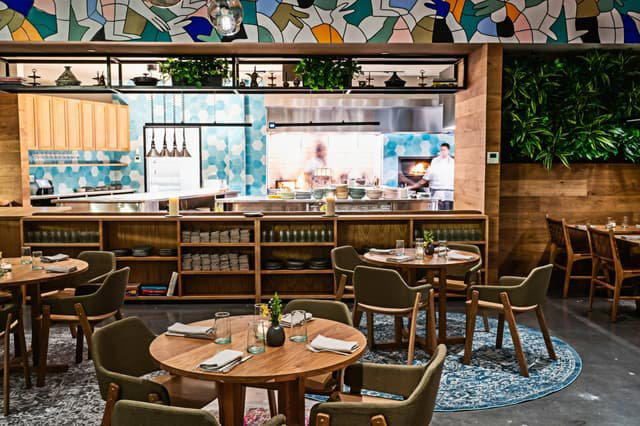
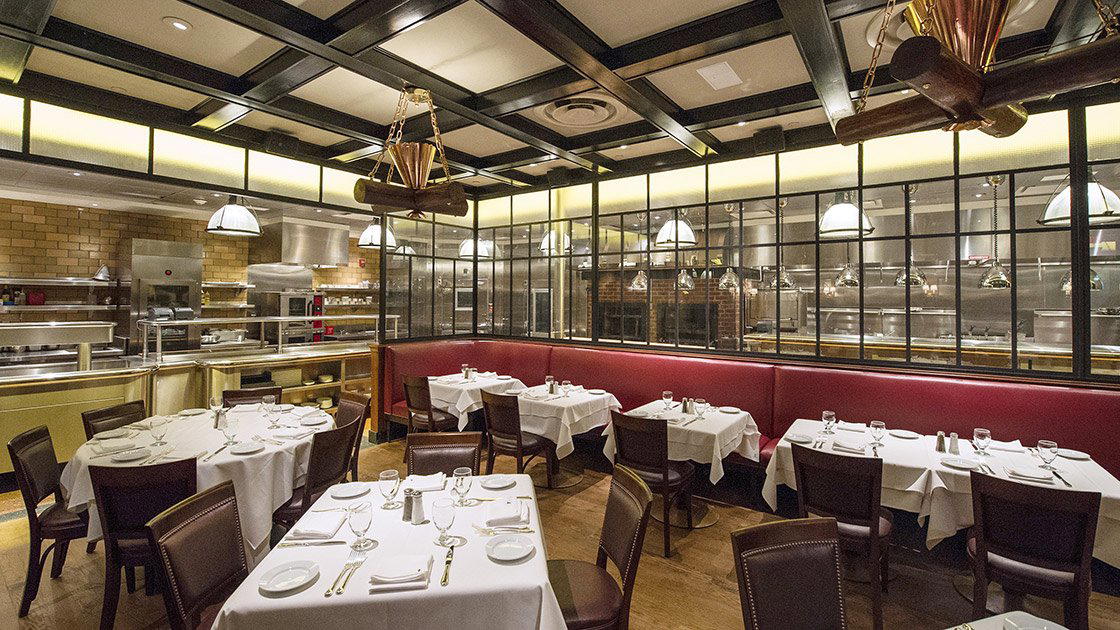
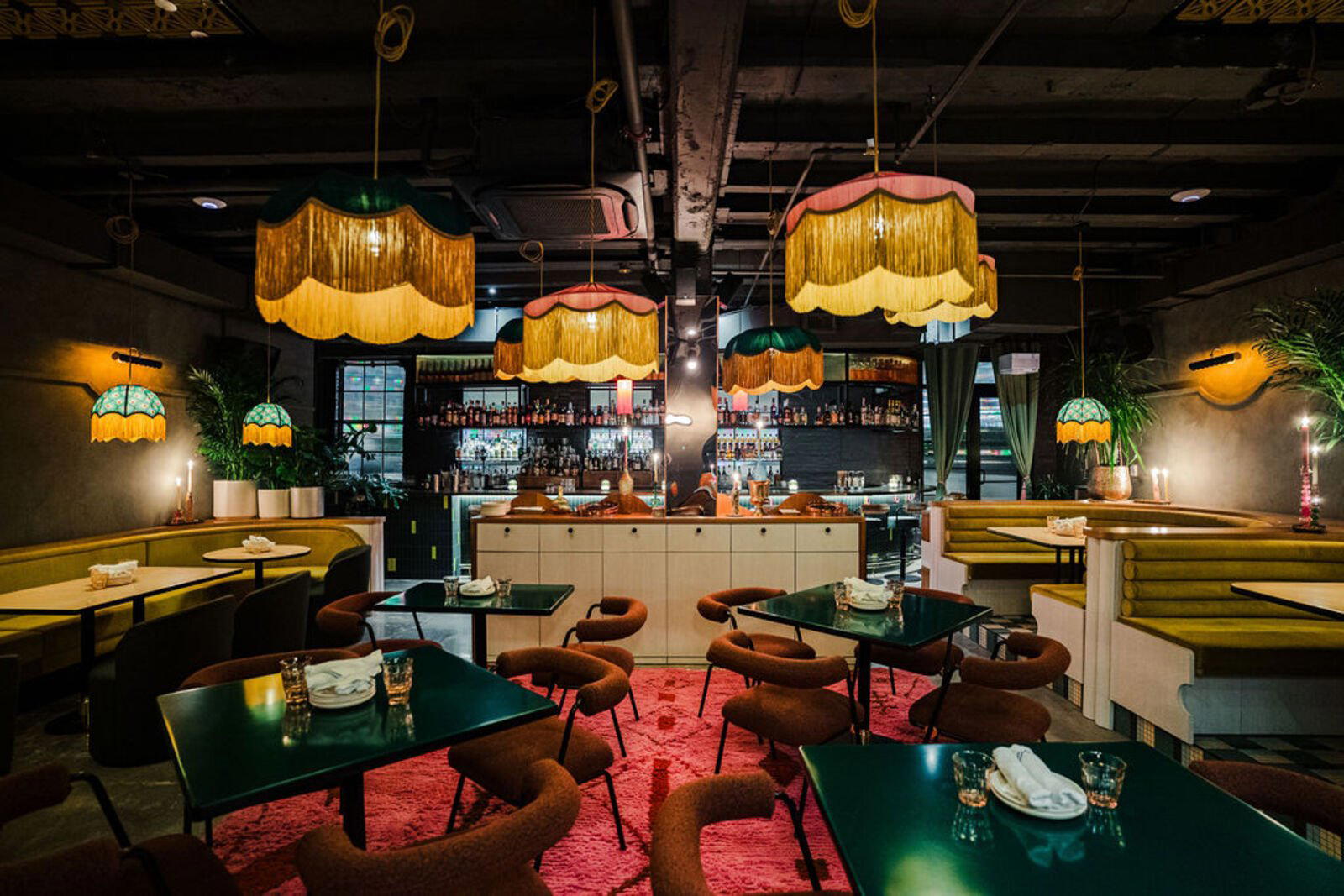
D.C.'s newer dining rooms in this price tier tend to make a statement about materiality. The approach contrasts with the older institutional heaviness of Capitol Hill dining, where wood paneling and leather seating signaled permanence above all else. Restaurants like Albi on Eighth Street SE have demonstrated that this neighborhood can carry a room with genuine visual intention, warm light, carefully sourced materials, a considered relationship between the open kitchen and the dining floor. Ama's address on New Jersey Ave places it in that same district conversation, where the physical environment either earns its context or disappears into it.
What D.C. dining at this level tends to reward is a particular kind of sensory restraint: rooms that don't shout, where the acoustic register is low enough for conversation, and where the lighting serves the food rather than the Instagram frame. The Capitol Riverfront has room for that approach. Compared to the louder registers at some of the Penn Quarter rooms, or the studied casualness of Oyster Oyster's sustainable New American format in Shaw, a well-executed Riverfront room can feel like a deliberate retreat from competition, which is, for certain diners, exactly the point.
Cuisine and Competitive Context
The D.C. restaurant market at the $$$-$$$$ tier is not short of formal ambition. Jônt operates a reservation-only counter experience that places it in a different structural category entirely. Causa has made a credible case for Peruvian tasting-menu cuisine at the premium end. Against that backdrop, any room at this price point in Capitol Riverfront is implicitly arguing that geography is not a disadvantage, that the experience justifies the extra ten minutes from the center of gravity.
This is a pressure that restaurants at comparable addresses in other cities know well. Smyth in Chicago's West Loop demonstrated that chef-driven rooms outside the traditional luxury corridors can build serious reputations by letting the food carry the argument. Lazy Bear in San Francisco's Mission district made a similar case. The logic is consistent: when the neighborhood doesn't deliver footfall, the program has to deliver conviction. Ama's position on New Jersey Ave SE requires exactly that kind of conviction to hold its own against better-trafficked peers.
D.C. Fine Dining in National Perspective
Washington has never quite resolved its relationship with the top tier of American fine dining. Rooms like The Inn at Little Washington operate in a category of their own, at a remove from the city proper. Within D.C. itself, the conversation about which restaurants belong in the same sentence as Le Bernardin in New York, Providence in Los Angeles, or Addison in San Diego remains genuinely open. The city's diplomatic and political dining culture has historically favored reliability over risk, which has sometimes kept the most interesting rooms from receiving the critical attention they warrant.
At the same time, there is a growing cohort of D.C. restaurants that seem less interested in that legacy conversation and more focused on the kind of sourcing-driven, place-specific cooking that has defined the most compelling American programs of the past decade. Blue Hill at Stone Barns and Single Thread Farm in Healdsburg are the reference points for that mode at its most developed. Atelier Moessmer Norbert Niederkofler in Brunico represents its most rigorous European expression. Whether D.C. restaurants in the Capitol Riverfront corridor are in genuine dialogue with those reference points, or whether they are operating at a more accessible register, is the relevant critical question.
Planning a Visit
Ama sits at 885 New Jersey Ave SE, accessible from Navy Yard-Ballpark Metro on the Green Line, which makes it considerably more practical for visitors than its address might suggest on first glance. Capitol Riverfront restaurants at this tier tend to operate with reservation-forward models, given the neighborhood's limited walk-in traffic. Checking the booking window in advance is advisable; the rooms that have built genuine followings in this corridor typically fill their better time slots several weeks out. For visitors building a D.C. itinerary that also includes Albi or Causa, sequencing Ama as part of a Riverfront evening makes geographic sense. Comparable high-commitment tasting experiences like Atomix in New York or Emeril's in New Orleans tend to require similar advance planning. The general principle holds: in a market where the leading seats are finite, the reservation window is the practical variable worth controlling.
Frequently asked questions
What dish is Ama famous for?
Do they take walk-ins at Ama?
What is Ama known for?
Is Ama allergy-friendly?
Does Ama justify its prices?
How does dining at Ama compare to other Capitol Riverfront restaurants in Washington D.C.?
A Lean Comparison
| Venue | Cuisine | Price | Awards | Notes |
|---|---|---|---|---|
| AmaThis venue (the venue you are viewing) | Northern Italian | $50–100 | James Beard Award Semi Finalist | Not listed |
| Oyster Oyster | Modern Vegetable-Focused Tasting Menu | Not listed | 1 Michelin Star · James Beard Award Outstanding Chef #1 | New American, Vegetarian, Vegetarian (Sustainable) |
| Albi | Modern Levantine Fine Dining | $300–500 | 1 Michelin Star · World's 50 Best #6 | United States, Middle Eastern |
| Causa | Modern Peruvian Fine Dining | $150–200 | 1 Michelin Star · James Beard Award Best Chef: Mid-Atlantic | Peruvian |
| Rooster & Owl | Modern Global Fusion Fine Dining | $50–100 | 1 Michelin Star · Washingtonian 100 Very Best Restaurants #65 | Contemporary |
| Rose’s Luxury | Modern American Fine Dining | $200–300 | 1 Michelin Star · James Beard Award Best Chefs | New American, Contemporary |
Recognition history
Dated appearances from independent guides and award organizations, with the underlying list record or original source where available.
James Beard Award Semi Finalist
James Beard Award


Continue exploring
More in Washington DC
Restaurants in Washington DC
All restaurants in Washington DC →
Bars in Washington DC
All bars in Washington DC →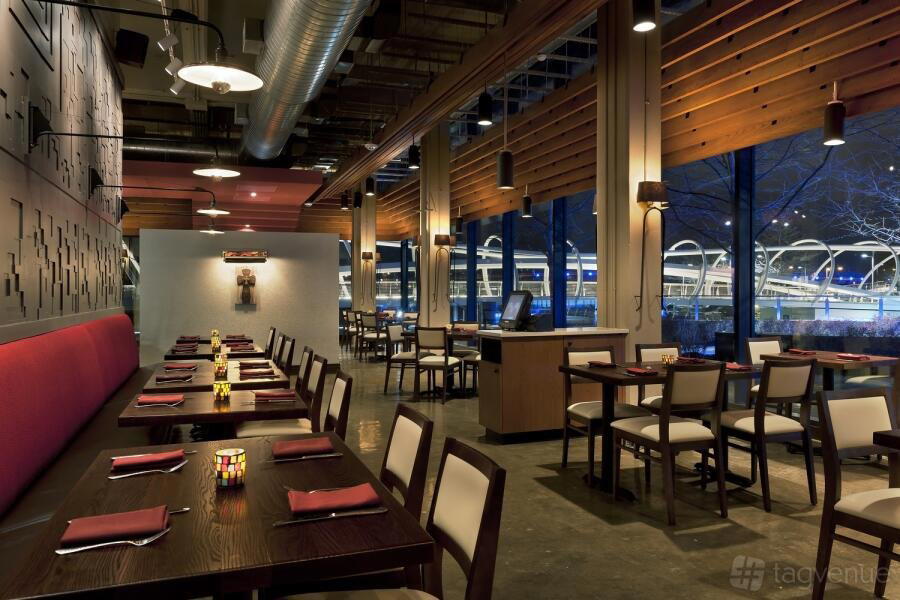
Details
- Cozy
- Elegant
- Modern
- Date Night
- Group Dining
- Special Occasion
- Open Kitchen
- Private Dining
- Craft Cocktails
- Sake Program
- Farm To Table
- Local Sourcing
- Organic
- A La Carte
- Small Plates
- Vegetarian Friendly
Current opening hours
- Monday
- 8 AM–10 PM
- Tuesday
- 8 AM–10 PM
- Wednesday
- 8 AM–10 PM
- Thursday
- 8 AM–10 PM
- Friday
- 8 AM–11 PM
- Saturday
- 8 AM–11 PM
- Sunday
- 8 AM–10 PM
Hours can change for holidays and private events. Hours as of .
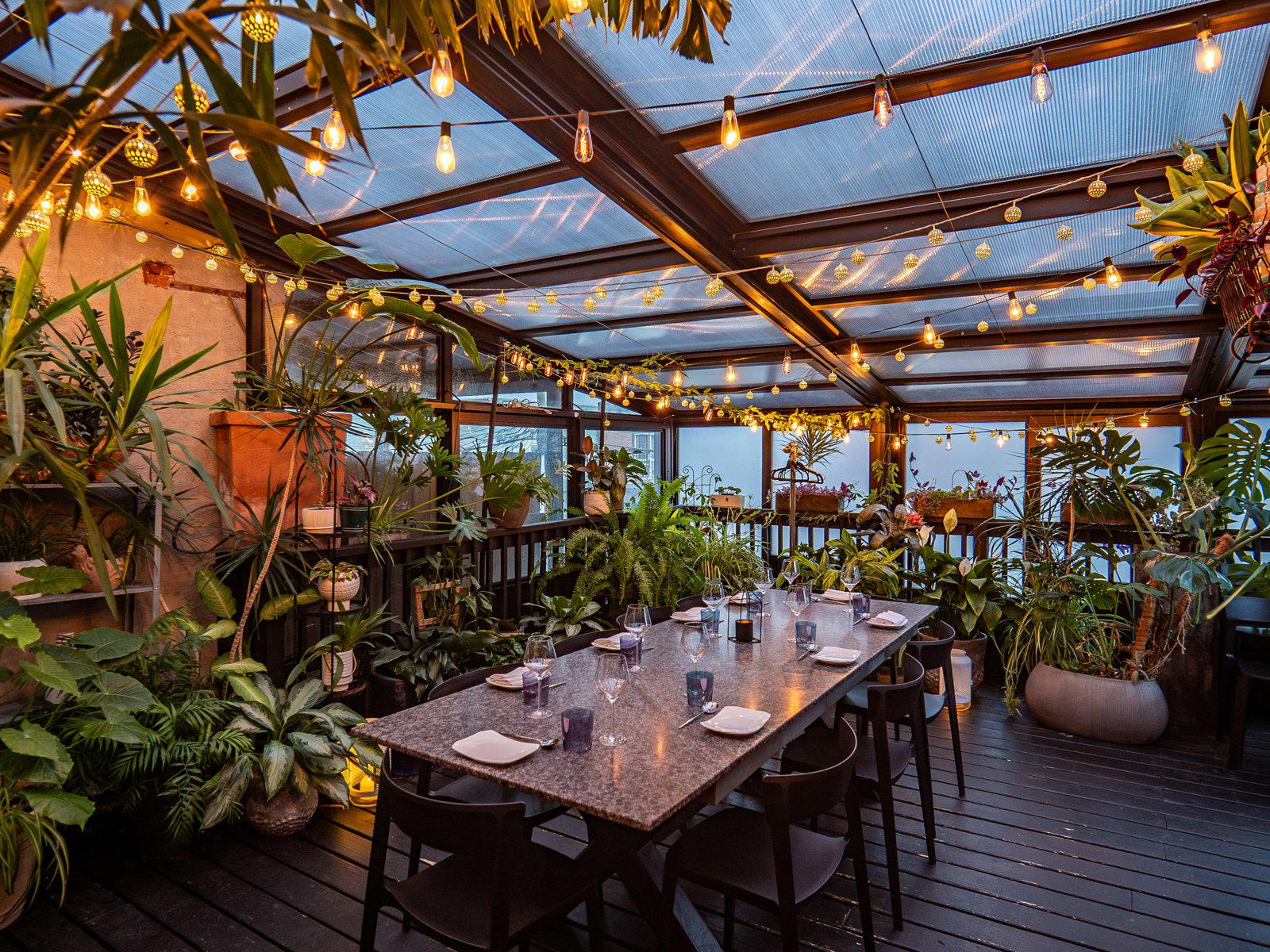
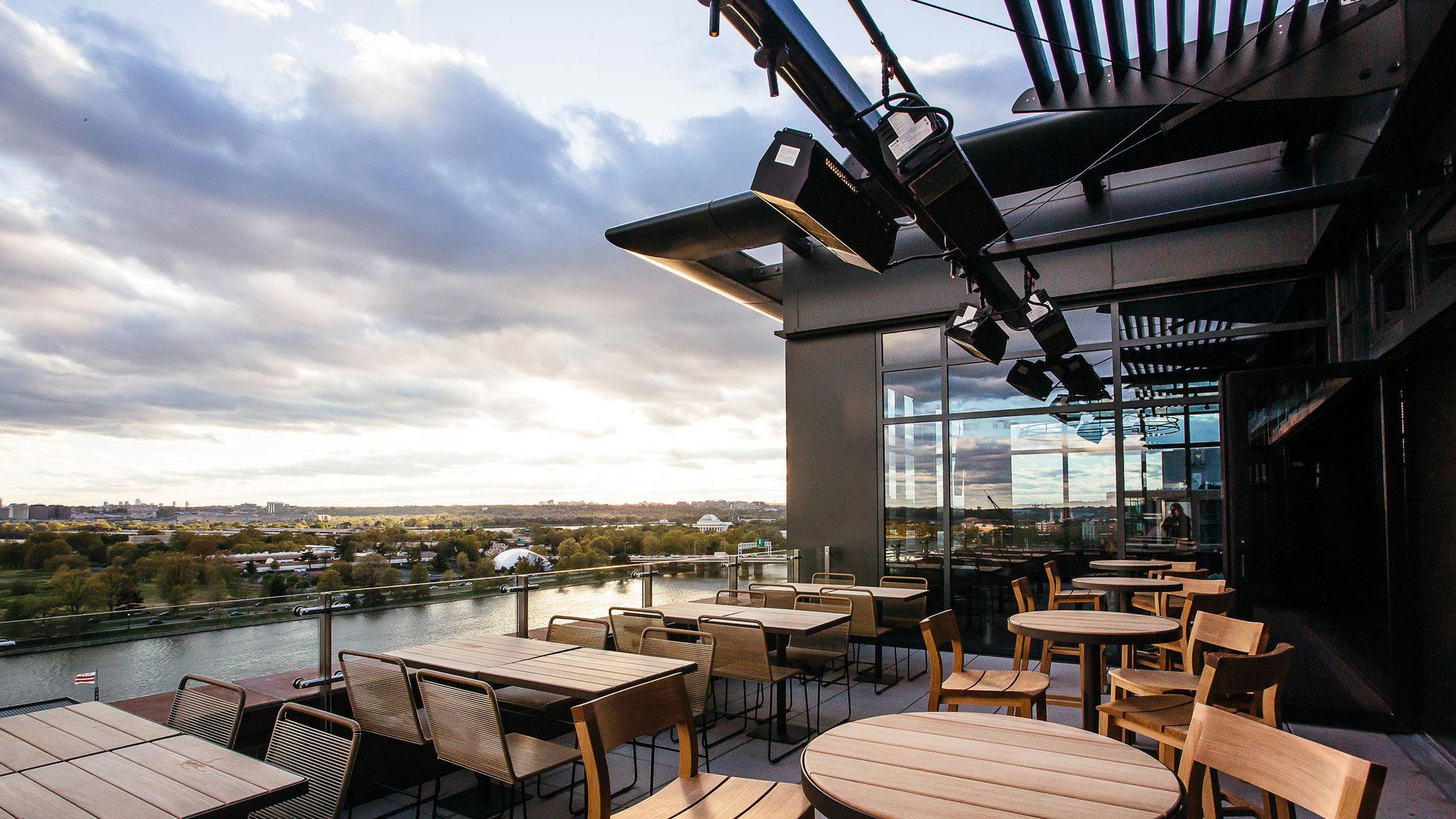
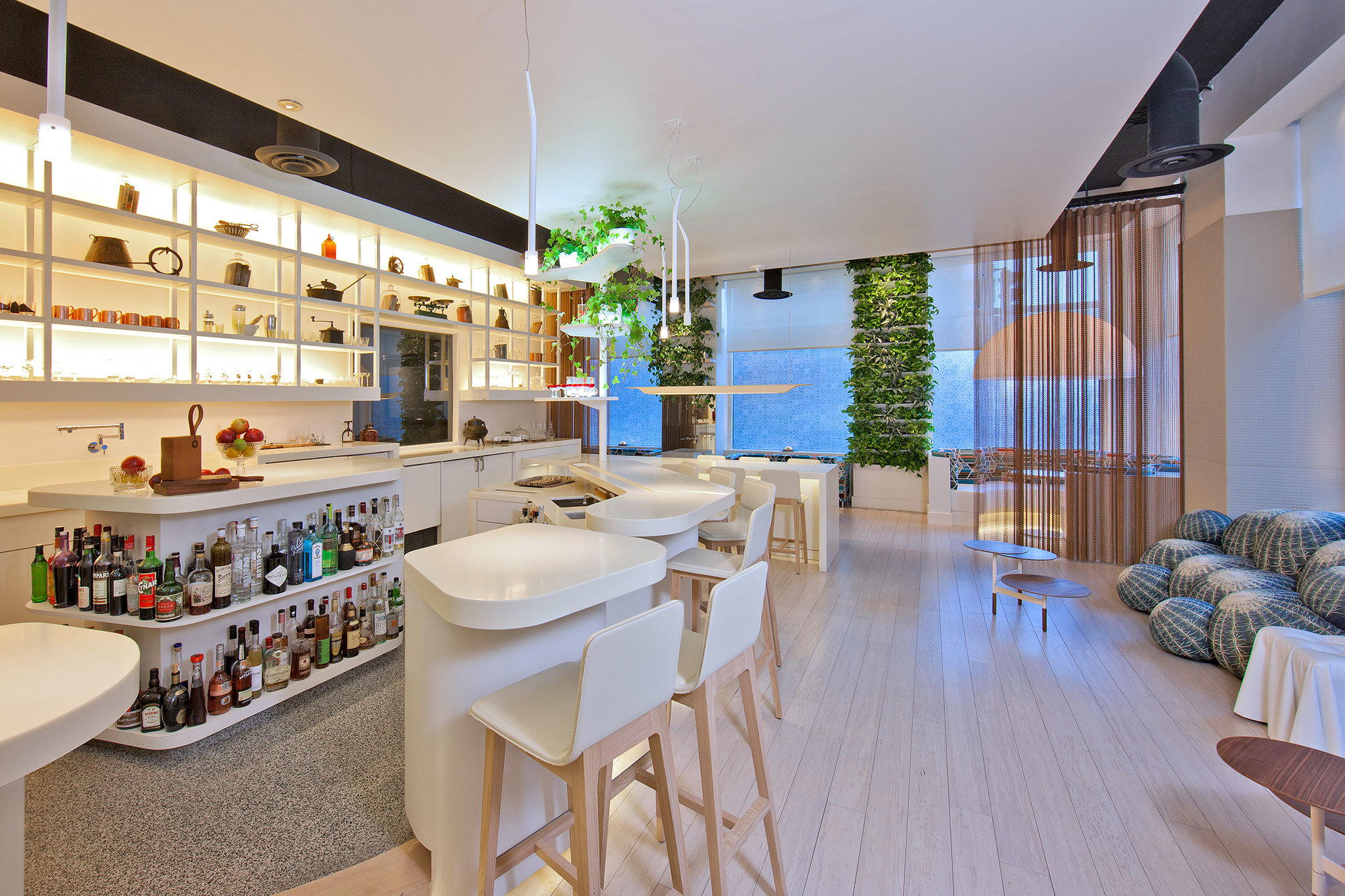
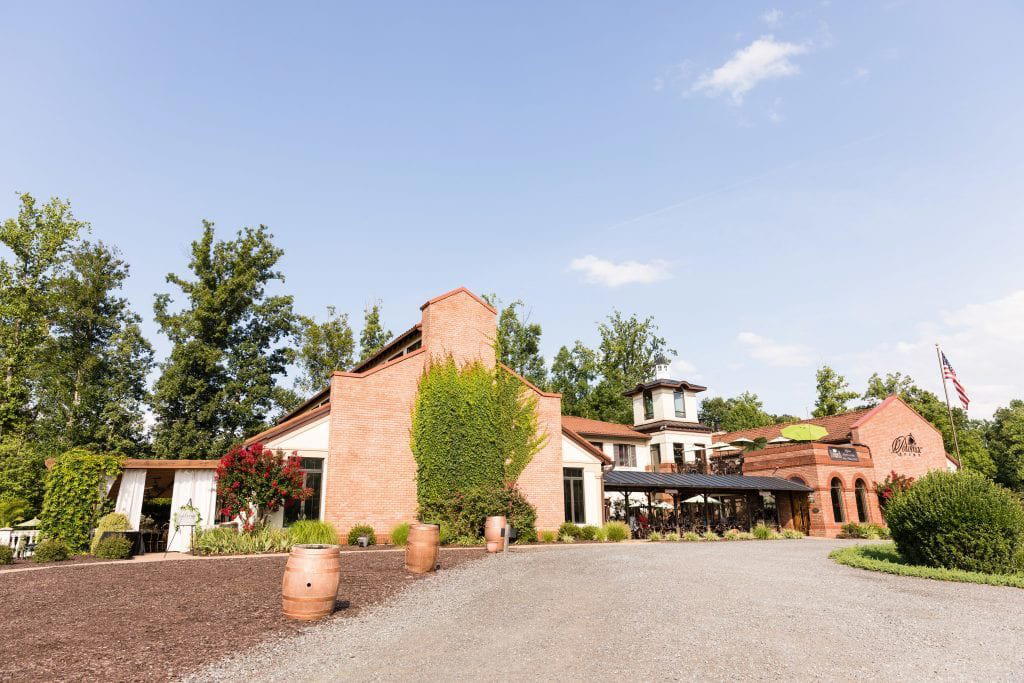
Warm, transportive indoor-outdoor space that shifts from cozy caffè by day to energetic aperitivo bar and convivial ristorante by night.