La Cicerchia occupies the third floor of the SUNYAMATO building in Kyomachibori, a district that has become one of Osaka's more considered addresses for European-influenced dining. The restaurant sits within a neighbourhood where refined Western concepts increasingly find their footing, placing it alongside a broader shift in how Osaka reads continental cuisine outside the usual tourist corridors.
 Discover on Pearl
Pearl is the En Primeur Club membership app — saves, bookings, and concierge access live there. Same editors, same standards.
- Address
- Japan, 〒550-0003 Osaka, Nishi Ward, Kyomachibori, 2 Chome−3−4 SUNYAMATO 3F
- Phone
- +81664410731
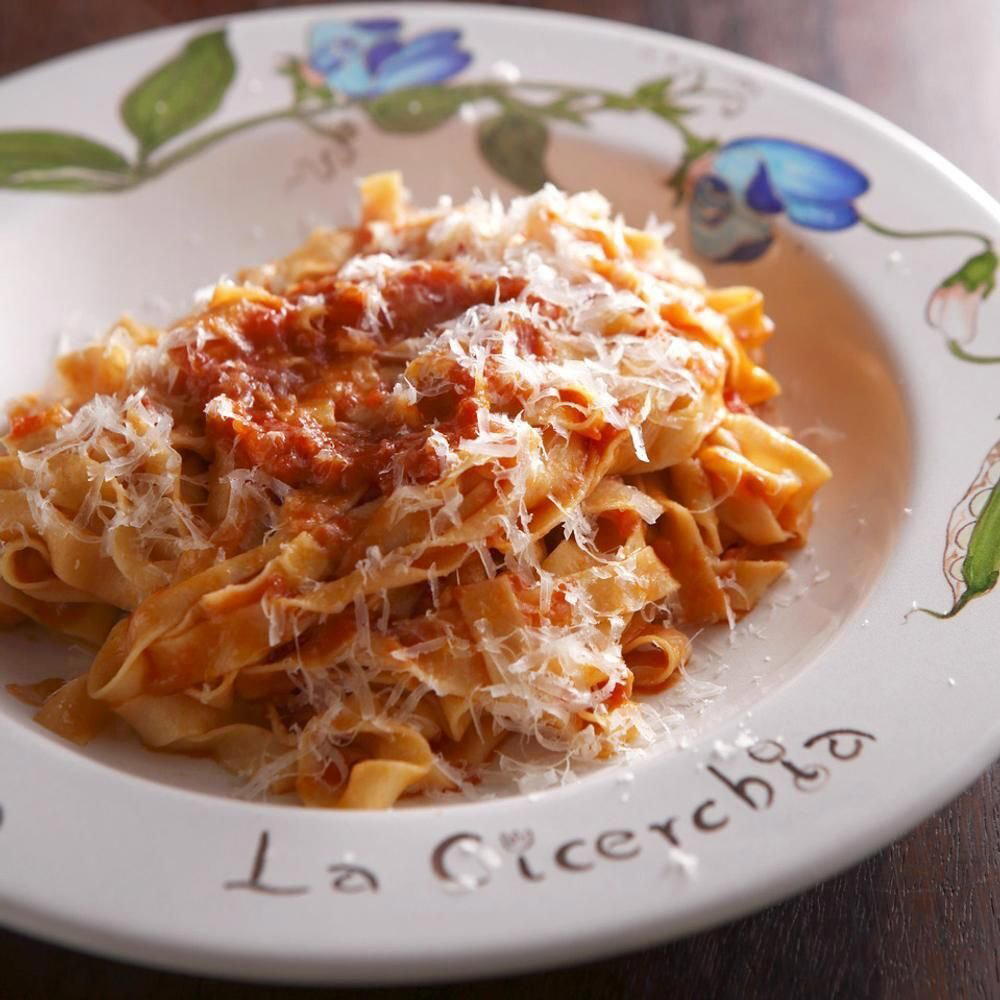
Kyomachibori and the European Dining Shift in Osaka's West
Osaka's western wards have historically played second string to Minami's density of celebrated counters and Kitashinchi's expense-account dining culture. Nishi Ward, and Kyomachibori specifically, represents something different: a quieter commercial stretch where canal-facing streets and low-rise office buildings have gradually attracted a cohort of restaurants that prize discretion over foot traffic. The dining that has taken root here tends to draw a local professional audience rather than the visiting circuit that cycles through Dotonbori or Shinsaibashi. La Cicerchia occupies a third-floor position within the SUNYAMATO building at 2-3-4 Kyomachibori, a placement that is architecturally characteristic of how this neighbourhood operates. The building above street level is a format common to Osaka's more considered dining rooms: you arrive at an address, take a lift or a staircase, and the restaurant reveals itself only once you have committed to finding it.
The Architecture of Arrival: Third-Floor Dining in Osaka
The vertical positioning of serious restaurants in Osaka is not incidental. Unlike Tokyo's basement-level omakase counters or the street-facing trattorie that define European dining in many Western cities, Osaka has a long tradition of placing its more focused dining rooms on upper floors of mixed-use buildings. The spatial logic is deliberate: separation from street noise, control over the atmosphere of arrival, and a natural filtering of the clientele to those who sought the address specifically. A third-floor room in Kyomachibori imposes a rhythm on the experience before anyone sits down. The journey from street to table functions as a transition. Venues that share this format tend to design their interiors around the intimacy that verticality creates. The street does not intrude. The room can be whatever the operator intends it to be. For a restaurant carrying an Italian name in a Japanese city, that architectural autonomy matters considerably. La Cicerchia's address within SUNYAMATO places it in a building that itself signals a certain commercial seriousness: not a converted machiya, not a retail strip development, but a compact urban structure of the kind that houses accountancy firms and small design studios alongside dining rooms that have made a considered choice about where to operate.
Italian Naming in an Osaka Context
The name La Cicerchia references the cicerchia, a legume cultivated across central Italy and closely associated with peasant cooking traditions in Lazio, Umbria, and Marche. It is a term that carries significant culinary specificity in Italian food culture: the cicerchia has a nuttier, firmer character than the chickpea and has been undergoing a modest revival among Italian producers focused on heritage varieties. That the name appears on a restaurant in Osaka's Nishi Ward rather than, say, a trattoria in Norcia or Castelluccio is itself an editorial statement about the level of Italian culinary literacy the venue assumes or aspires to. Osaka's relationship with Italian cooking runs deeper than the casual pasta-and-pizza infrastructure that exists across Japanese cities. The city has a tier of Italian restaurants, particularly in the wards west and southwest of the Yodogawa river corridor, that engage seriously with regional Italian traditions. Venues like Calendrier and Az represent the kind of focused European-influenced cooking that has established Osaka as a legitimate address for continental cuisine, sitting alongside more classically Japanese counters such as Ajihei Sonezaki and Ajikitcho Bunbuan. La Cicerchia's name locates it within that tradition of Italian-specific engagement rather than a generalised European positioning.
Osaka's Western Wards in the Broader Kansai Dining Picture
Positioning La Cicerchia within Osaka's dining scene requires acknowledging the competitive pressure that comes from Kansai's wider geography. Kyoto's kaiseki culture, represented at the highest level by addresses like Gion Sasaki, and the precision-led European cooking found at destinations like akordu in Nara, means that Osaka restaurants operate within a regional conversation about culinary standards, not just a local one. Within Osaka itself, the three-Michelin-star benchmark set by HAJIME establishes a reference point for what the city's dining can achieve at the upper tier. Further afield, the approaches seen at Goh in Fukuoka or the precision of Harutaka in Tokyo reflect how seriously Japan's regional cities now compete on culinary terms. La Cicerchia's address in Kyomachibori positions it within the neighbourhood stratum of that conversation: a restaurant that has chosen a specific urban location and, through its naming, signalled a specific culinary reference point. European-influenced restaurants in Osaka's western wards often draw local professionals who return regularly. For travellers approaching Osaka through the restaurant lens, Kyomachibori sits within the wider dining geography. Comparable western-ward European addresses, alongside Japanese-format restaurants such as Aka to Shiro, collectively form a dining corridor that rewards itinerary planning rather than spontaneous discovery.
Planning a Visit to Kyomachibori
The Kyomachibori area is accessible from Higobashi Station on the Osaka Metro Yotsubashi Line, placing it roughly ten minutes on foot from the more traffic-heavy Honmachi interchange. The neighbourhood's canal geography makes it navigable on foot, and the SUNYAMATO building's third-floor address means confirming exact access before arrival is advisable. Reservations are essential, and the restaurant is best reached through Japanese-language channels. The parallels are visible in how similarly positioned restaurants in other Japanese cities operate; a reference frame that extends even to the booking-depth intelligence that informs how Atomix in New York City or Le Bernardin manage their reservation flows at a different scale entirely.
Just the Basics
Comparable venues nearby, for context on price, style, and recognition.
| Venue | Cuisine | Price |
|---|---|---|
| La CicerchiaThis venue — the venue you are viewing | Nishi, Marche Regional Italian | $$$ |
| Pizzeria da Tigre | Nishi, Authentic Neapolitan Pizza | $$ |
| エキ ポンテベッキオ | Kita, Neapolitan Pizza Trattoria | $$ |
| タヴェルネッタ ダ キタヤマ | Tennōji, Authentic Italian Trattoria | $$$ |
| ラチェルバ | Kita, Modern Innovative Italian | $$$ |
| 焼鳥 YAMATO | Kita, Traditional Japanese Kaiseki | $$$ |
Continue exploring
More in Osaka Shi
Restaurants in Osaka Shi
Browse all →

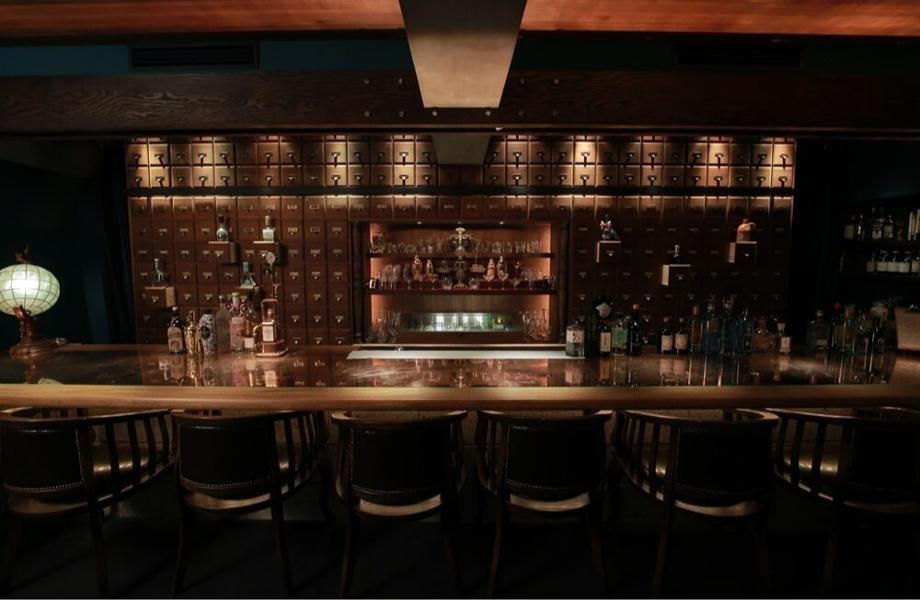
Bars in Osaka Shi
Browse all →


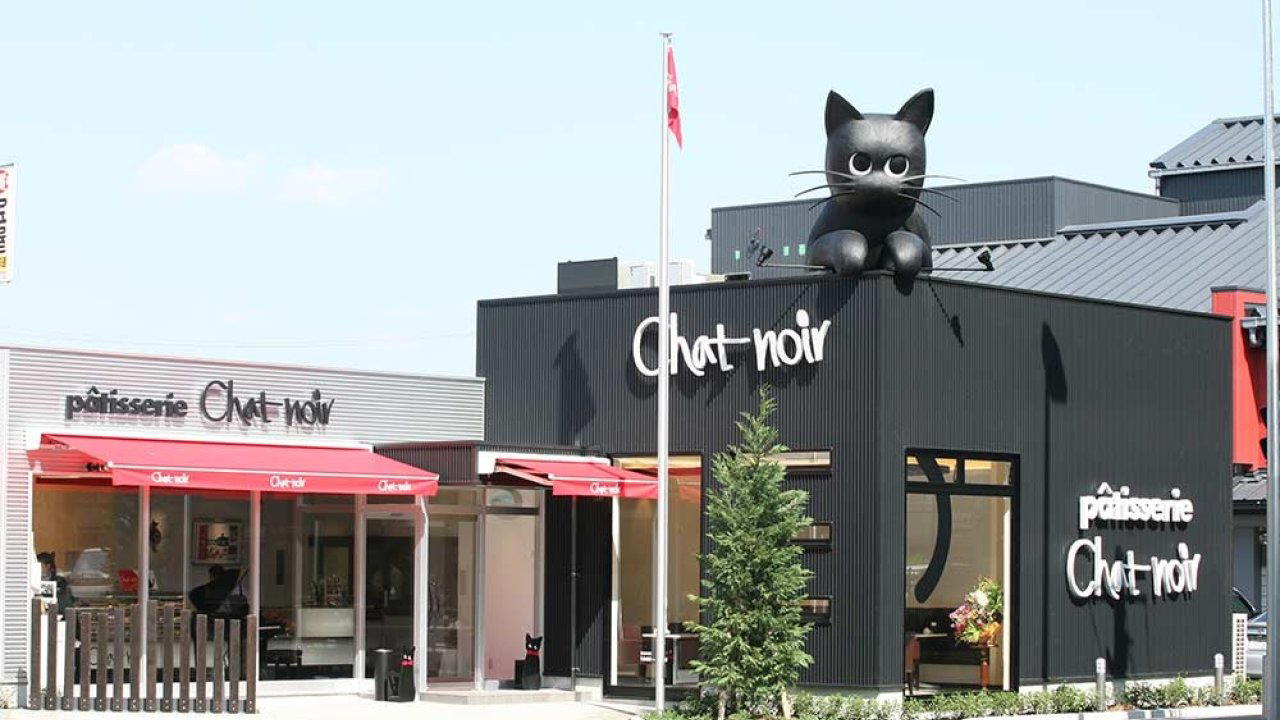
Hotels in Osaka Shi
Browse all →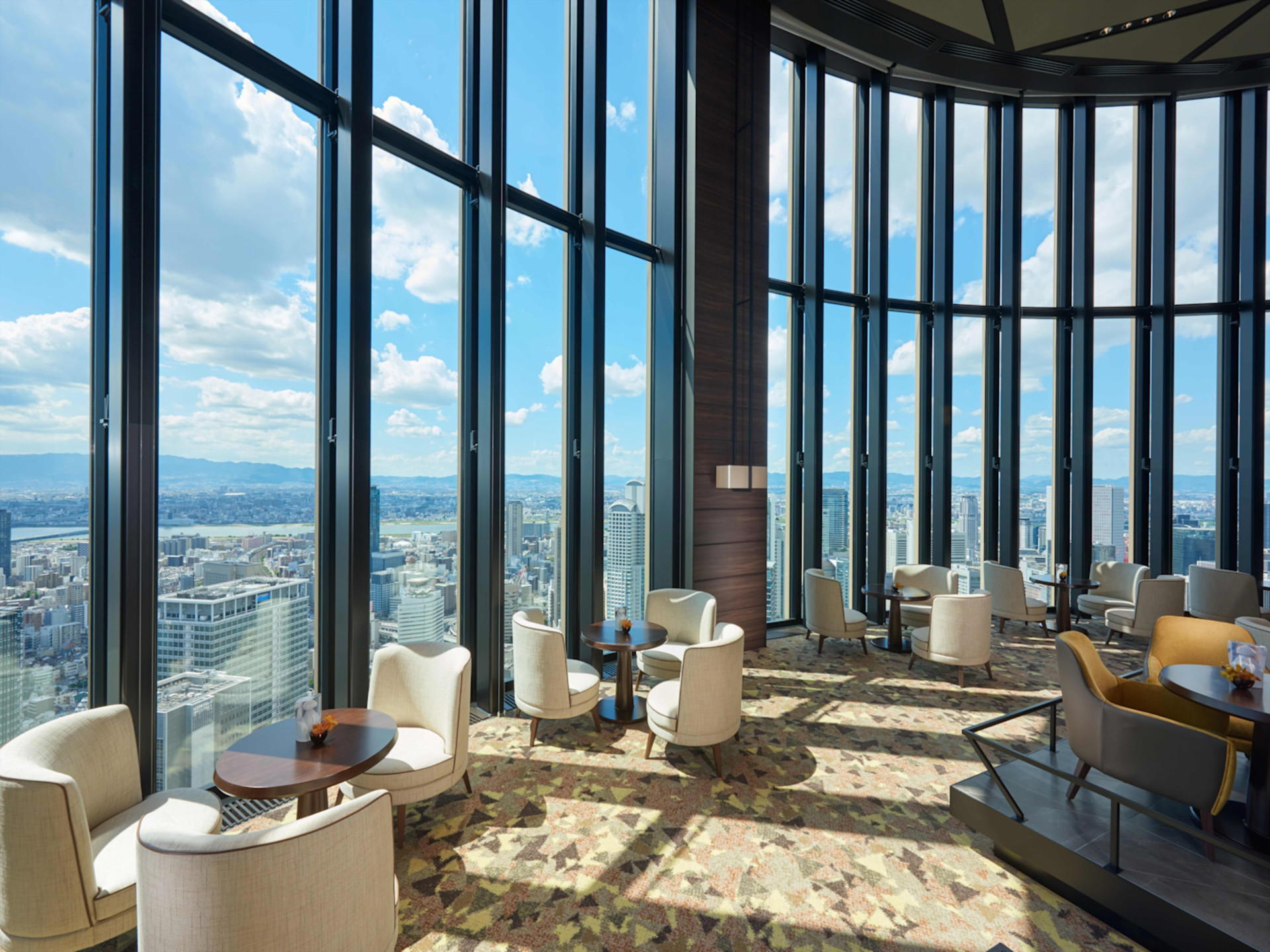




Wineries in Osaka Shi
Browse all →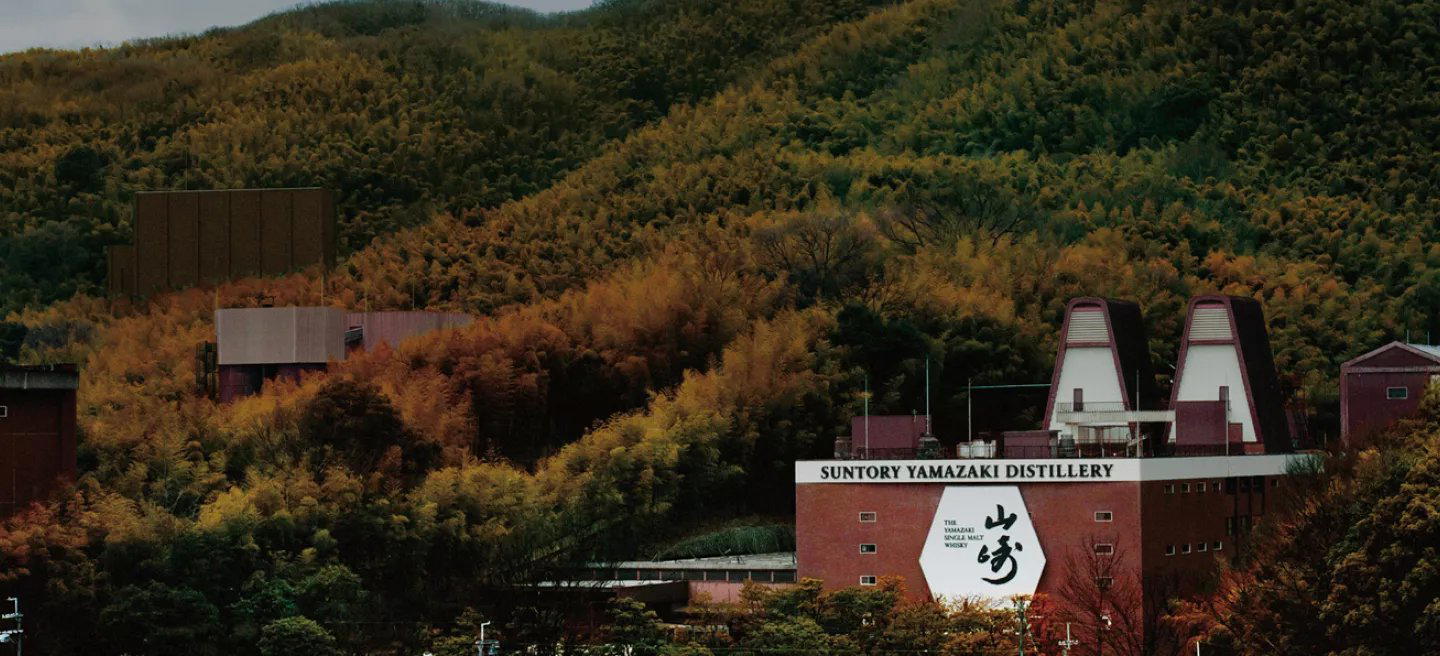
At a Glance
- Cozy
- Intimate
- Rustic
- Elegant
- Date Night
- Special Occasion
- Solo
- Open Kitchen
- Chefs Counter
- Private Dining
- Extensive Wine List
- Local Sourcing
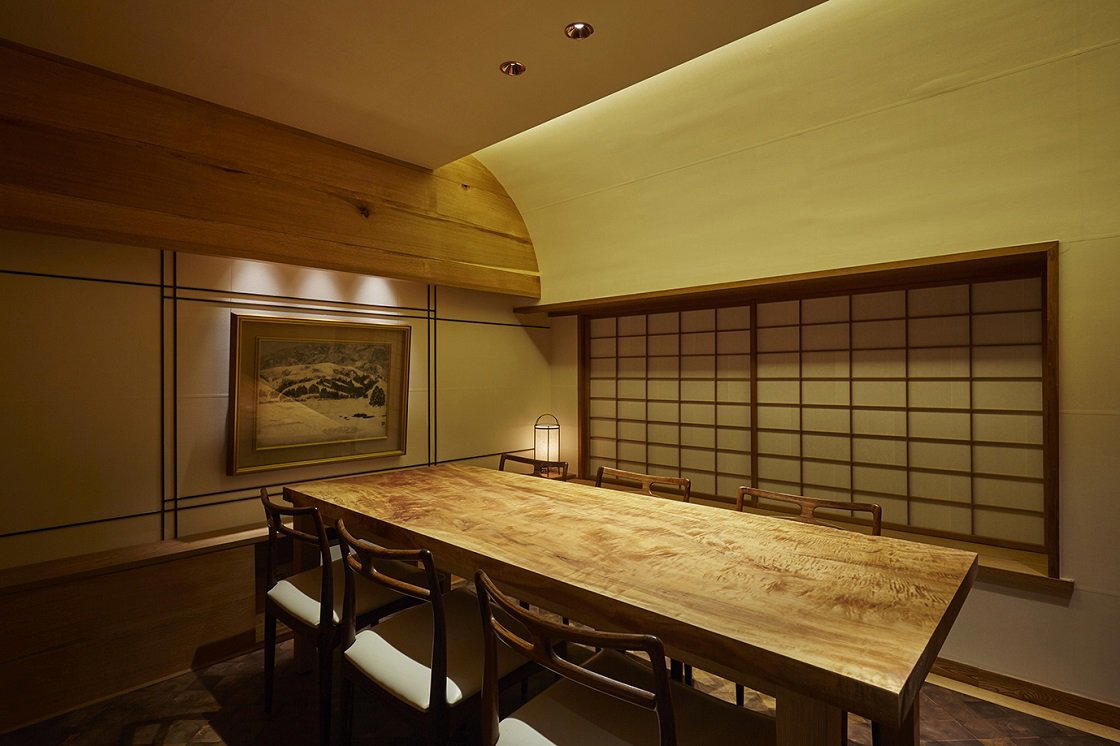
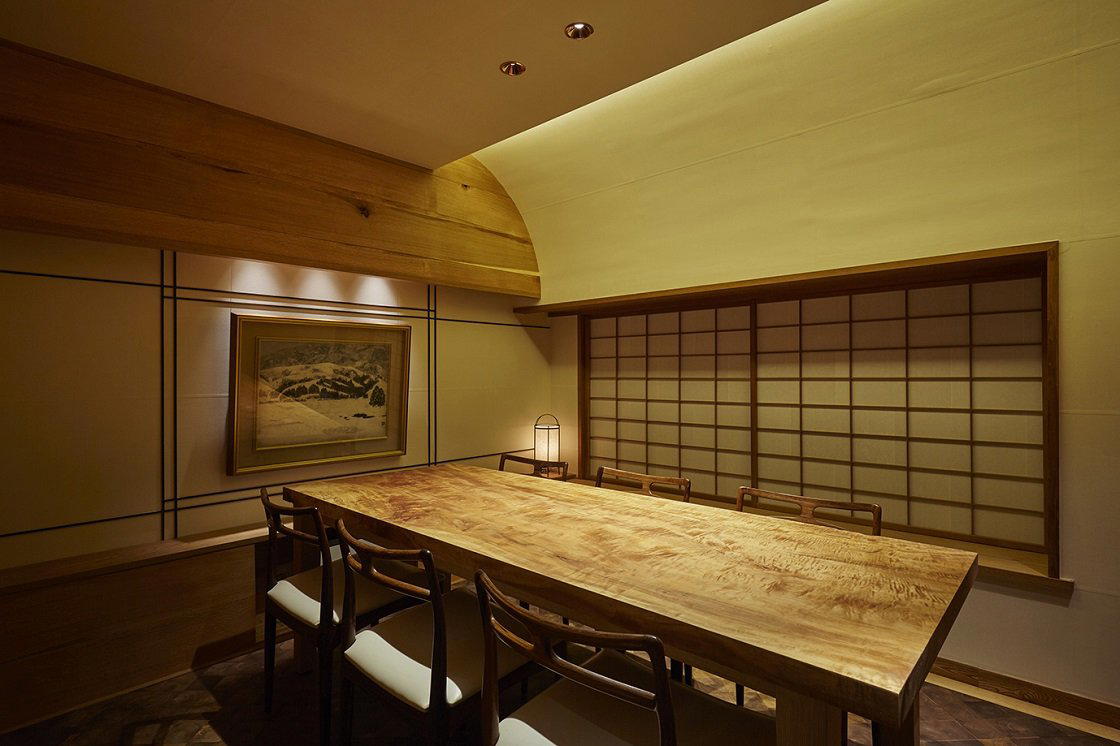
Charming and intimate with a stylish, relaxing counter-focused space tucked away on the third floor of a nondescript building; warm and welcoming despite its hidden location.