La Casa de Cristal occupies a quietly residential stretch of Chamartín, one of Madrid's more composed northern districts, placing it at a remove from the tourist-facing restaurant corridors of the city centre. The address alone signals a certain kind of intent: this is a venue that expects you to seek it out rather than stumble across it. Details on cuisine format and current kitchen leadership are best confirmed directly before visiting.
- Address
- C. Pedro Muguruza, 1, Chamartín, 28036 Madrid, Spain
- Phone
- +34912042425
- Directions
- Get directions
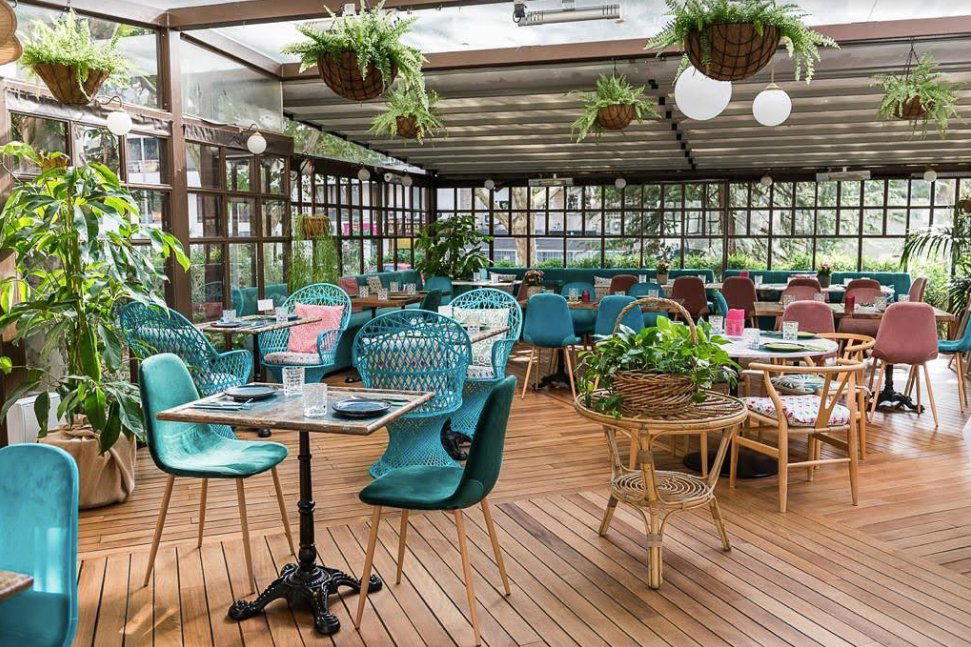
Chamartín and the Geography of Madrid's Dining Scene
Madrid's restaurant geography has never been uniform. The city's most-discussed addresses tend to cluster in Salamanca, Chueca, and the stretch of Castellana that feeds into the financial district, but a quieter constellation of serious dining rooms has always existed further north, in the more residential fabric of Chamartín. This is the district where embassies sit alongside family-run tabernas, where the noise level drops and the average table age rises. La Casa de Cristal is a restaurant in Chamartín, Madrid, serving modern Spanish cooking at an estimated price of about $30 per person. A venue at the corner of Calle Pedro Muguruza is not making a concession to convenience, it is making a statement about the kind of diner it wants.
That geographic choice matters more than it might initially appear. Madrid's premium dining tier has, over the past decade, bifurcated between high-profile destination restaurants with international media profiles, DiverXO, Coque, Deessa, and a smaller cohort of rooms that operate on local reputation and repeat clientele. The former category demands spectacle and delivers it. The latter tends to accumulate trust over years. La Casa de Cristal's Chamartín position places it in dialogue with the second tradition.
The Chamartín Dining Context
Chamartín is not a dining district in the way that Salamanca presents itself, with its polished terraces and visible wealth signalling. The neighbourhood's restaurants tend toward durability rather than fashionability, and the clientele that fills them is largely local, professional, and disinclined toward theatre. For a city as dining-obsessed as Madrid, where lunch remains a serious two-hour commitment and Sunday family meals are still treated as the week's most important ritual, Chamartín represents a particular kind of authenticity: the city eating for itself rather than for an audience.
This matters for understanding how a venue like La Casa de Cristal functions in the broader ecosystem. Madrid's creative fine dining tier, as represented by addresses like DSTAgE and Paco Roncero, has generally positioned itself as experiential and internationally legible. The quieter northern rooms operate on different terms: the relationship between kitchen and regular is understood rather than performed.
Spanish Fine Dining and Its Current Coordinates
To place any serious Madrid restaurant in context requires a brief accounting of where Spain's restaurant culture stands. The country's creative fine dining tradition is among Europe's most concentrated, with multiple three-Michelin-star addresses distributed across regions that in other countries would not appear on the international radar at all. El Celler de Can Roca in Girona, Martín Berasategui in Lasarte-Oria, Arzak in San Sebastián, Azurmendi in Larrabetzu, and Mugaritz in Errenteria have each built international profiles that make Spain's fine dining geography unusually competitive. Beyond the Basque Country and Catalonia, venues like Quique Dacosta in Dénia, Aponiente in El Puerto de Santa María, Atrio in Cáceres, and Ricard Camarena in València confirm that the creative cooking tradition now has genuine regional depth. Cocina Hermanos Torres in Barcelona represents the kind of large-format serious restaurant that Madrid has historically lacked.
Madrid's own contribution to this national picture has always been slightly different in character. The capital tends to favour polish and product quality over the more conceptual registers that dominate in San Sebastián or the Costa Blanca. The city's relationship with traditional Spanish cooking, cocido madrileño, roast lamb in the Castilian style, the full breadth of Iberian charcuterie, means that creative fine dining here is in constant conversation with a legible culinary heritage. That tension between tradition and innovation defines Madrid's better restaurants more than in any other Spanish city.
What the Address Signals About Format
A venue named La Casa de Cristal, the house of glass, occupies an address in a district defined by solid, mid-century residential architecture. The name implies transparency, lightness, an openness to the exterior. Whether that translates to literal architectural glass or a more metaphorical programming philosophy is something best assessed in person; the available information does not confirm specific design details, and extrapolating from a name alone would be a stretch. What can be said is that venues with this kind of name-and-neighbourhood combination in Madrid tend to operate in the mid-to-premium range, built around a dining room that rewards return visits over single-occasion spectacle.
This is standard practice for any serious Madrid restaurant, many of which maintain limited public web profiles while operating full books through word of mouth and phone reservations.
In New York, venues like Le Bernardin and Atomix have demonstrated that sustained critical recognition and word-of-mouth demand can coexist without constant media cycling. The Chamartín setting suits a restaurant that depends on repeat local diners more than on high-profile visibility.
Planning Your Visit
Chamartín is accessible from central Madrid via the Metro (line 10 serves the area via Santiago Bernabéu, roughly 15 minutes from Sol), and the neighbourhood's residential character means street parking is more available than in the centre, though arrival by taxi or ride-share remains one direct option for evening bookings. The district's pace suggests that dinner here is unlikely to feel rushed; the local dining culture tilts toward extended meals rather than efficient turnover.
At-a-Glance Comparison
Comparable venues nearby, for context on price, style, and recognition.
| Venue | Cuisine | Price | Notes |
|---|---|---|---|
| La Casa de CristalThis venue — the venue you are viewing | Modern Spanish | $$ | Not listed |
| "B de J" | Spanish Sandwich Bar | $$ | Chueca |
| La Taberna de La Copla | Traditional Spanish Tapas | $$ | Malasana |
| Can Bonet | Traditional Catalan Mediterranean | $$ | Ibiza |
| Restaurante Adrede | Traditional Spanish Tapas | $$ | Jeronimos |
| Casa Parrondo | Traditional Asturian Tapas & Seafood | $$ | Sol |
Continue exploring
More in Madrid
Restaurants in Madrid
Browse all →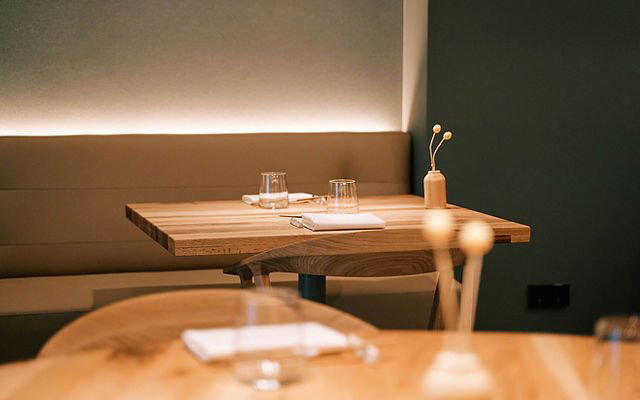
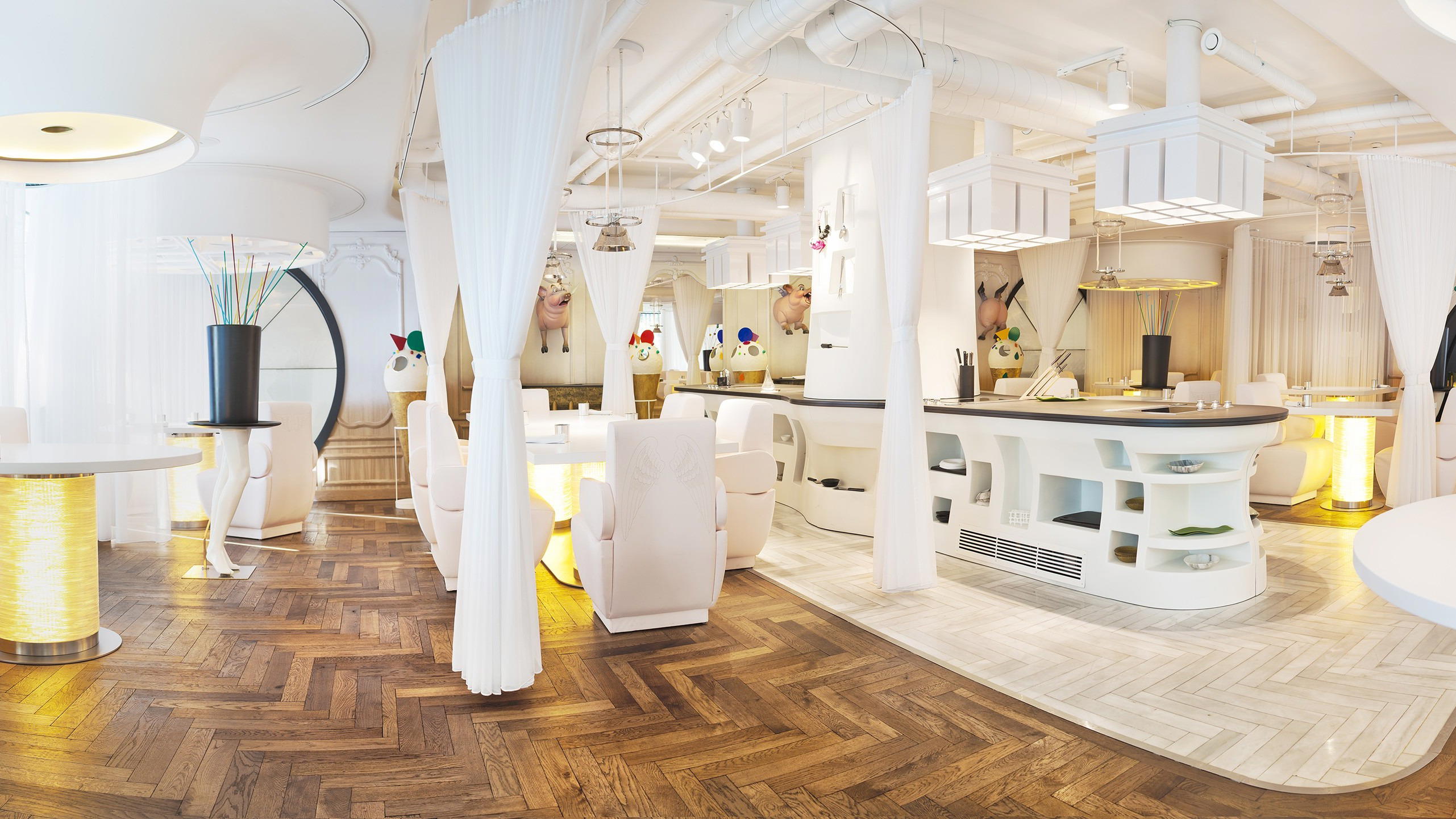
Bars in Madrid
Browse all →
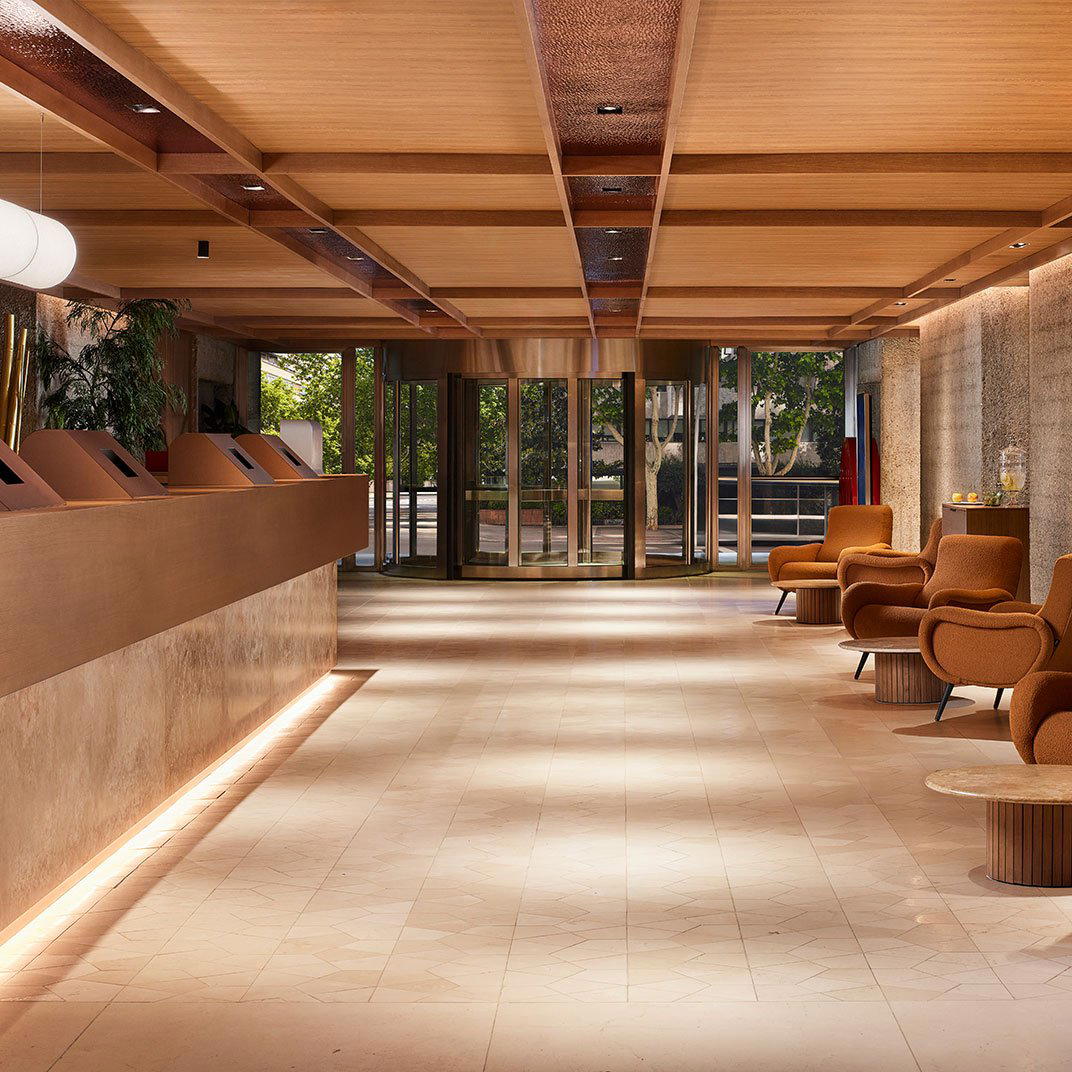
Hotels in Madrid
Browse all →

At a Glance
- Cozy
- Modern
- Family
- Group Dining
- Casual Hangout
- Terrace
- Extensive Wine List
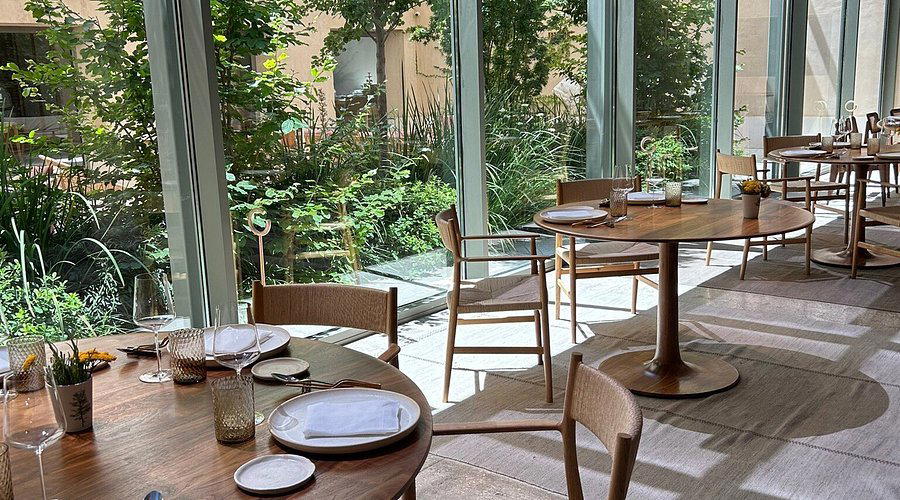
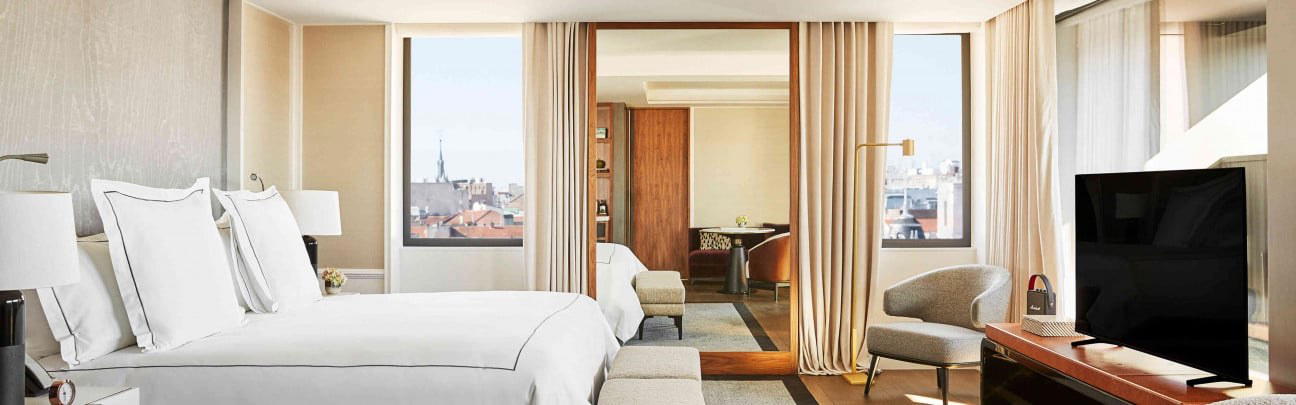
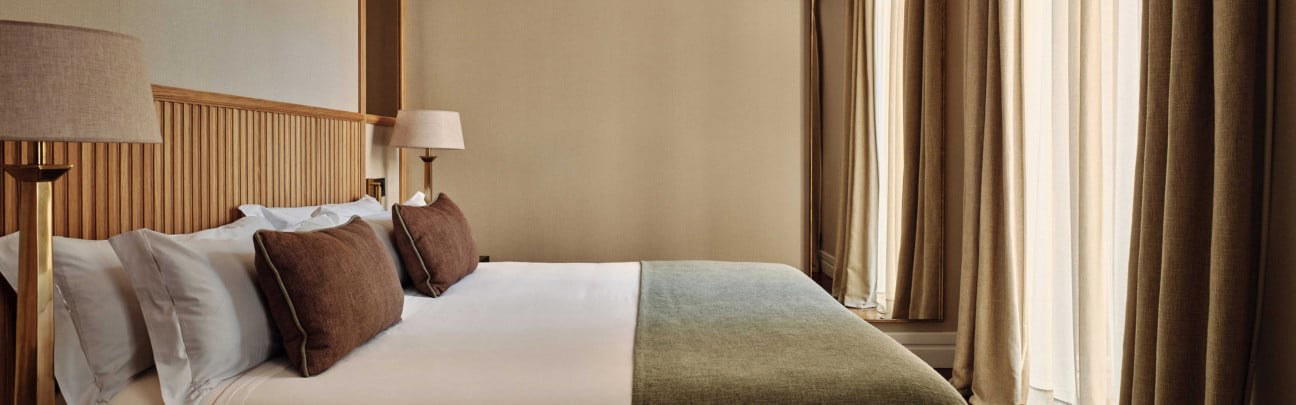
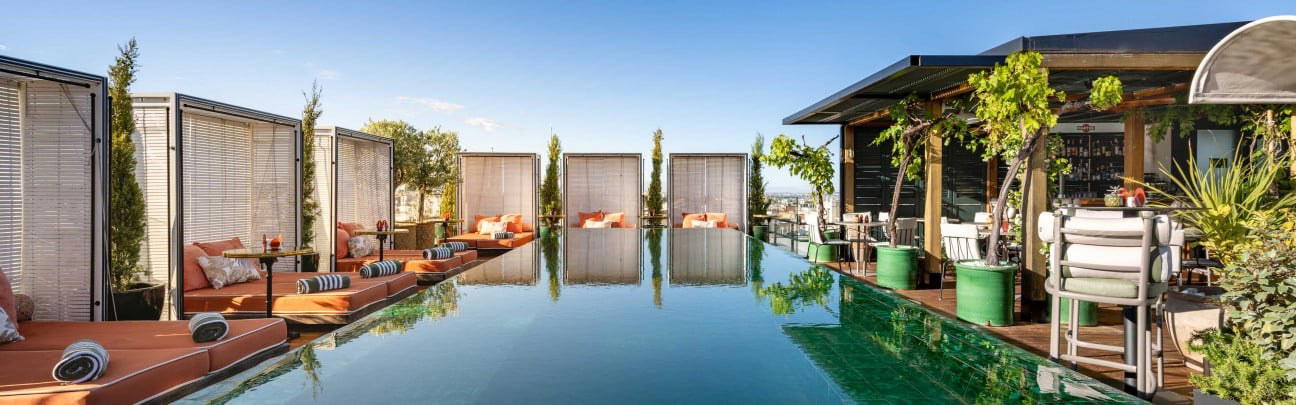
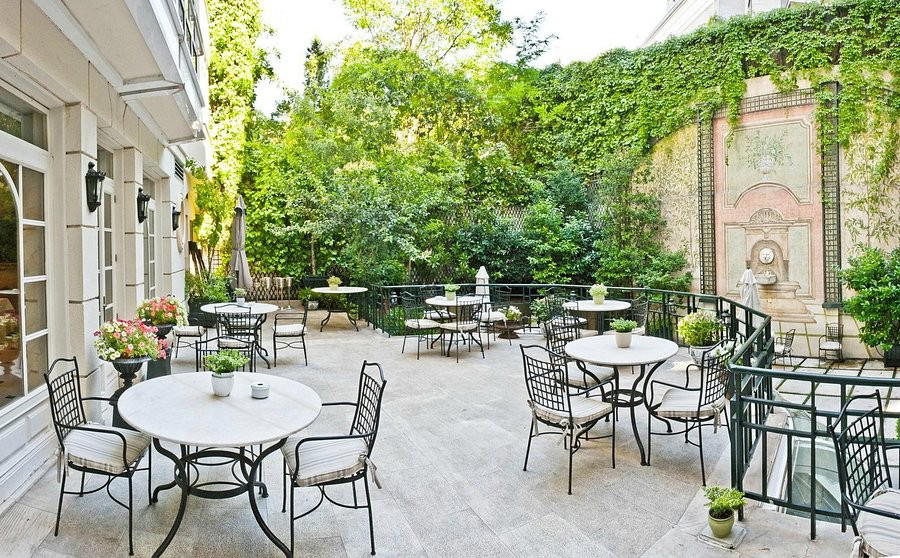
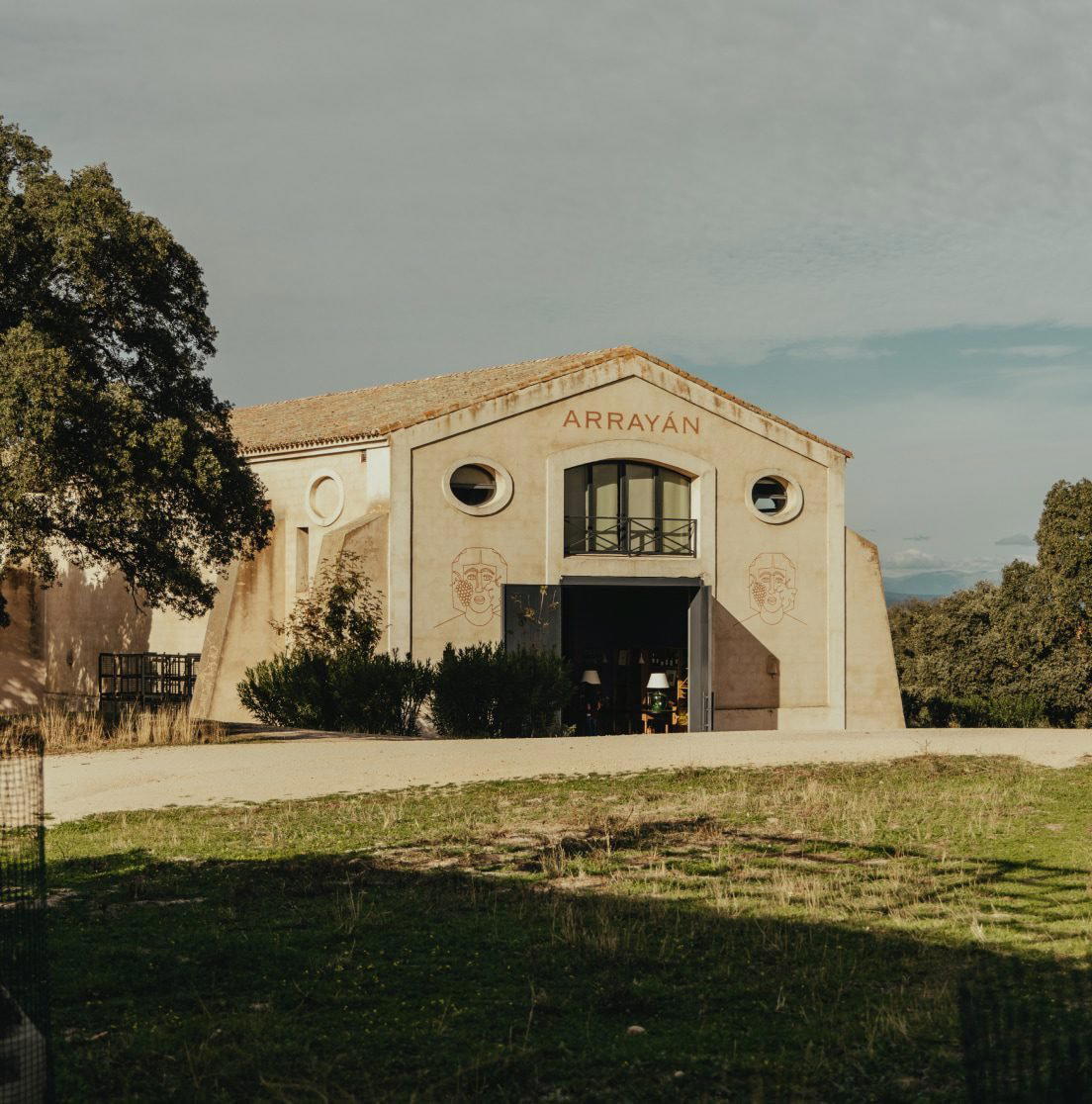
Bright and pleasant terrace atmosphere with wooden interiors and large windows creating a terrace-like feel.