On a quiet Retiro-facing street in central Madrid, Restaurante Adrede occupies a corner of the city's dining scene that rewards attention. The address places it among a neighbourhood defined by considered, mid-scale ambition rather than trophy-hunter spectacle, making it a reference point for how Madrid's less-publicised restaurants operate at their own terms.
Pearl is the En Primeur Club membership app — saves, bookings, and concierge access live there. Same editors, same standards.
- Address
- Restaurante Adrede, C. de Alfonso XI, 13, Retiro, 28014 Madrid, Spain
- Phone
- +34915319318
- Website
- restauranteadrede.com
- Directions
- Get directions
 Saves & bookings on Pearl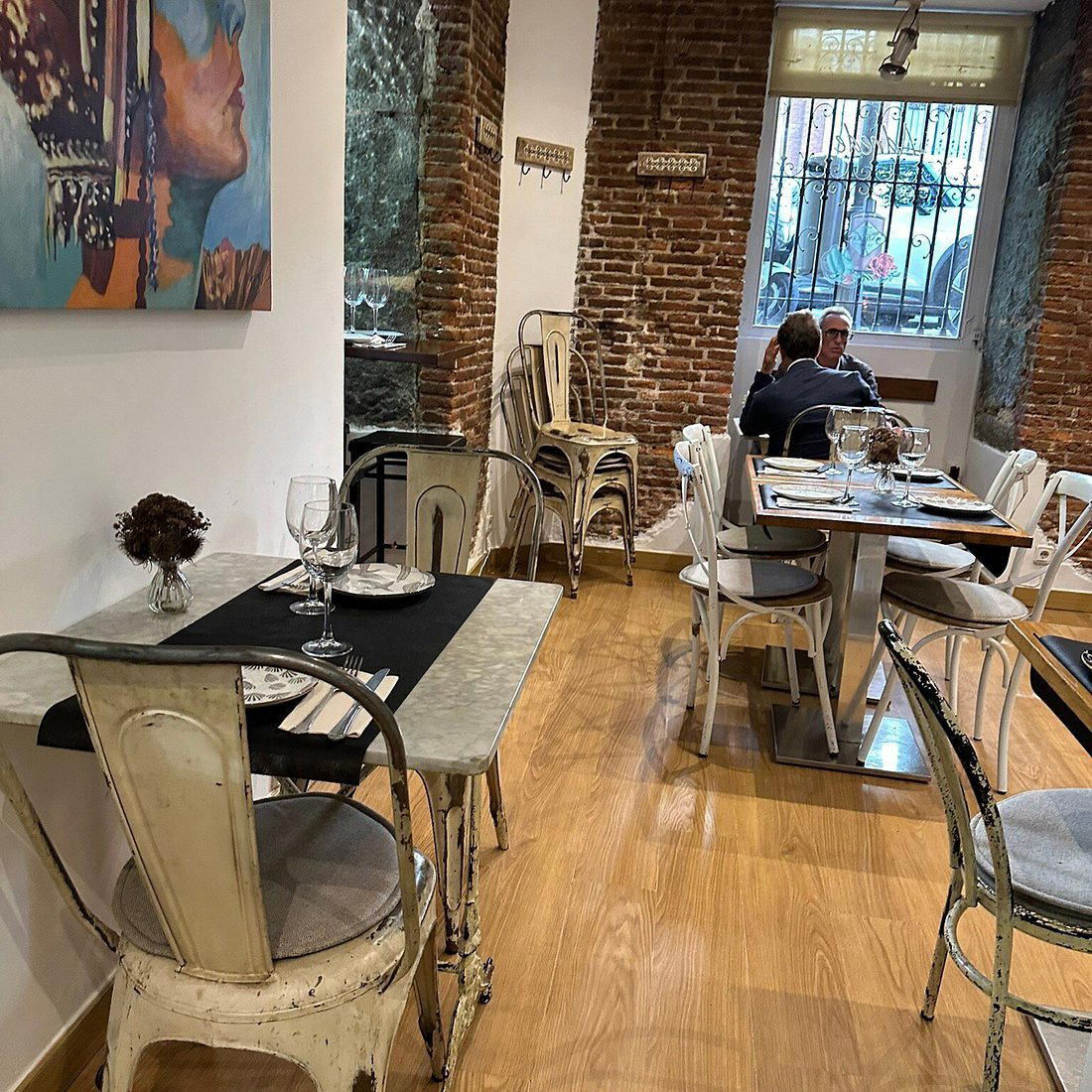
Retiro's Quieter Register
The Retiro district doesn't chase the dining press the way Salamanca or the centro historico do. Its restaurants tend toward a different kind of confidence: rooms that fill through reputation rather than foot traffic, kitchens that answer to a loyal local clientele rather than rotating tourist demand. Calle de Alfonso XI, where Restaurante Adrede sits at number 13, carries that character. The street runs close enough to the park that the surrounding architecture feels unhurried, residential in texture even when the city hums at full volume. Walking toward the address, the neighbourhood signals a place to pause for.
That positioning matters when reading Adrede against Madrid's broader restaurant moment. The city's most decorated addresses, from DiverXO and Coque to Deessa and DSTAgE, operate at the summit of a Michelin-calibrated tier where the experience is partly about the occasion of being there. Adrede sits in a different register, one where the measure is consistency and the relationship between a dining room and its neighbourhood.
The Madrid Context: What a Non-Trophy Room Tells You
Spain's fine dining conversation is dominated by a handful of reference points spread across the peninsula. El Celler de Can Roca in Girona, Arzak in San Sebastián, Azurmendi in Larrabetzu, Mugaritz in Errenteria, Martin Berasategui in Lasarte-Oria, Quique Dacosta in Dénia, and Aponiente in El Puerto de Santa María: these are venues where the kitchen's ambition is documented, debated, and benchmarked internationally. In Madrid specifically, Paco Roncero belongs to that same publicly credentialed tier.
Below that canopy, Madrid sustains a dense mid-layer of restaurants whose value to the city's dining culture is harder to quantify but no less real. These are the rooms that form the daily texture of eating well in the capital. Adrede belongs to this layer, and that placement is as much an editorial observation as a practical one. Madrid has grown its dining ambition considerably over the past decade, and the mid-tier has benefited from the talent and technique filtering down from heavily awarded kitchens. The net result is that a neighbourhood restaurant in Retiro now operates with culinary literacy that would have seemed aspirational for the category twenty years ago.
How the Room Works: Team as Architecture
In rooms that lack the external scaffolding of starred recognition, the internal dynamic between kitchen, floor, and wine program becomes the primary architecture of the experience. The editorial angle on Adrede is best understood through this lens. What holds a dining room together when the credit isn't arriving from guides and award bodies is the calibration between the people running it: who controls pace, who reads the table, who decides when to push and when to stay quiet.
That three-part dynamic, kitchen to sommelier to front-of-house, is something Spain's most scrutinised restaurants have refined to a visible discipline. At Cocina Hermanos Torres in Barcelona, the kitchen's openness to the room is almost theatrical in its transparency. At Ricard Camarena in València, the coordination between a restrained wine approach and produce-led cooking creates a particular internal logic. At Atrio in Cáceres, the sommelier's role is as much editorial as it is technical, shaping how the guest moves through a meal.
For a restaurant operating in Adrede's category, the equivalent question is whether the floor and kitchen share a common language. In rooms without a Michelin scaffold to explain the intention, the service dynamic either validates the food or undermines it. A room in Retiro with a committed local following suggests the internal coordination holds.
What the Address Signals
Calle de Alfonso XI sits between the park and the financial district's southern edge, close to the Casón del Buen Retiro and within easy walking distance of the Prado. This is not a dining strip in the conventional sense. Restaurants here are not competing for walk-in business from tourists consulting a map; they operate on the assumption that a guest has decided in advance. That pre-selection pressure changes how a room behaves. It selects for a particular kind of diner, one who has already committed before arrival, and it rewards the kitchen's ability to meet that expectation without the theatre of a high-profile address.
The comparison set for Adrede is therefore not the €€€€ creative tasting menus at the summit of Madrid's hierarchy, nor the casual tapas operations along Cava Baja. It is the considered mid-tier, the kind of restaurant that a Madrid resident with a specific occasion in mind will choose deliberately. That peer group matters for understanding what Adrede is built to do.
Spain's Broader Dining Conversation
Placing Adrede against Spain's internationally documented kitchens isn't about suggesting equivalence at the award level; it's about understanding the ecosystem. The peninsula's fine dining credibility, established through places like El Celler de Can Roca and sustained through newer voices, has created a baseline of technique and product literacy that filters through the entire restaurant culture. Madrid benefits from that in ways that are visible in rooms operating well below the Michelin threshold.
The same pattern is visible in cities like New York, where restaurants such as Le Bernardin and Atomix anchor a credentialed top tier while the mid-layer operates with technique and intention shaped by proximity to that standard. A neighbourhood restaurant doesn't need a starred peer to inherit the influence of one; it needs to exist in a city where that influence is part of the culinary conversation.
Recognition Snapshot
Comparable venues nearby, for context on price, style, and recognition.
| Venue | Cuisine | Price | Notes |
|---|---|---|---|
| Restaurante AdredeThis venue — the venue you are viewing | Traditional Spanish Tapas | $$ | Not listed |
| GOAT | Traditional Spanish Kid Goat | $$ | Malasana |
| Taberna del Alabardero Madrid | Traditional Basque Spanish Tapas & Fine Dining | $$ | Palacio |
| La Gruta Valdebernardo | Cocina Española de Autor | $$ | Casco Historico de Vicalvaro |
| La Burlona | Modern Spanish Tapas | $$ | Lavapies |
| Can Bonet | Traditional Catalan Mediterranean | $$ | Ibiza |
Continue exploring
More in Madrid
Restaurants in Madrid
Browse all →
Bars in Madrid
Browse all →
Hotels in Madrid
Browse all →

At a Glance
- Cozy
- Intimate
- Classic
- Date Night
- Casual Hangout
- Family
- Terrace
- Street Scene
Current opening hours
- Monday
- 1:30–4 PM
- Tuesday
- 1:30–4 PM
- Wednesday
- 1:30–4 PM
- Thursday
- 1:30–4 PM, 8:30–11 PM
- Friday
- 1:30–4 PM, 8:30–11 PM
- Saturday
- 2–4 PM, 8:30–11 PM
- Sunday
- Closed
Hours can change for holidays and private events. Last verified .
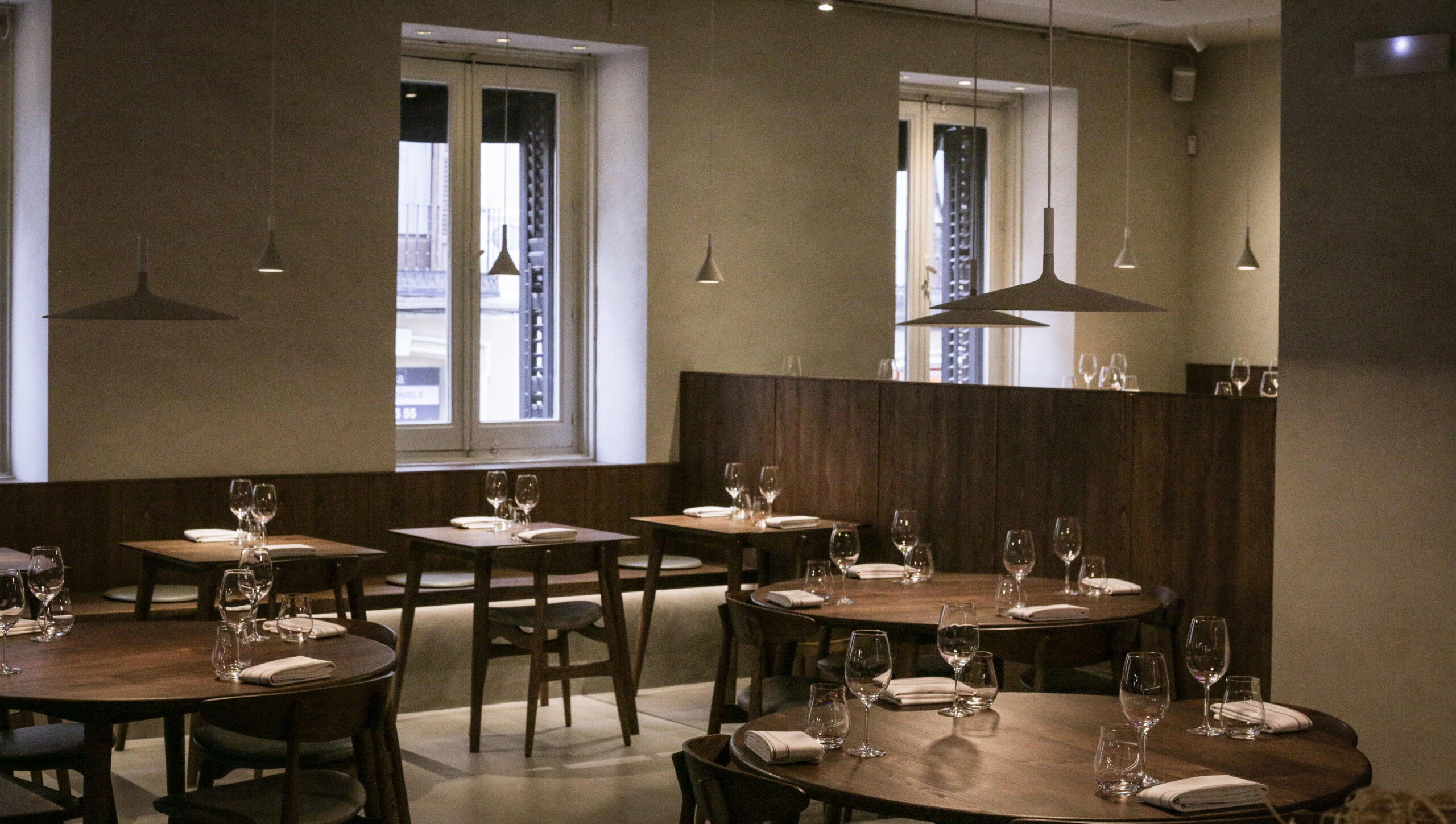
Cozy and welcoming with a relaxed, friendly vibe that makes diners feel at home, featuring stone nooks and street views.