
Can Bonet sits on Avenida de Menéndez Pelayo at the edge of Retiro, one of Madrid's most settled residential dining corridors. The address places it squarely in the neighbourhood-restaurant tier that Madrid does better than most European capitals: serious cooking without the performance overhead of the city's tasting-menu circuit. Lunch and dinner here operate on distinctly different rhythms, making the time of your visit a meaningful choice.
Pearl is the En Primeur Club membership app — saves, bookings, and concierge access live there. Same editors, same standards.
- Address
- Av. de Menéndez Pelayo, 15, Retiro, 28009 Madrid, Spain
- Phone
- +34910464408
- Website
- canbonetmadrid.com
- Directions
- Get directions
 Saves & bookings on Pearl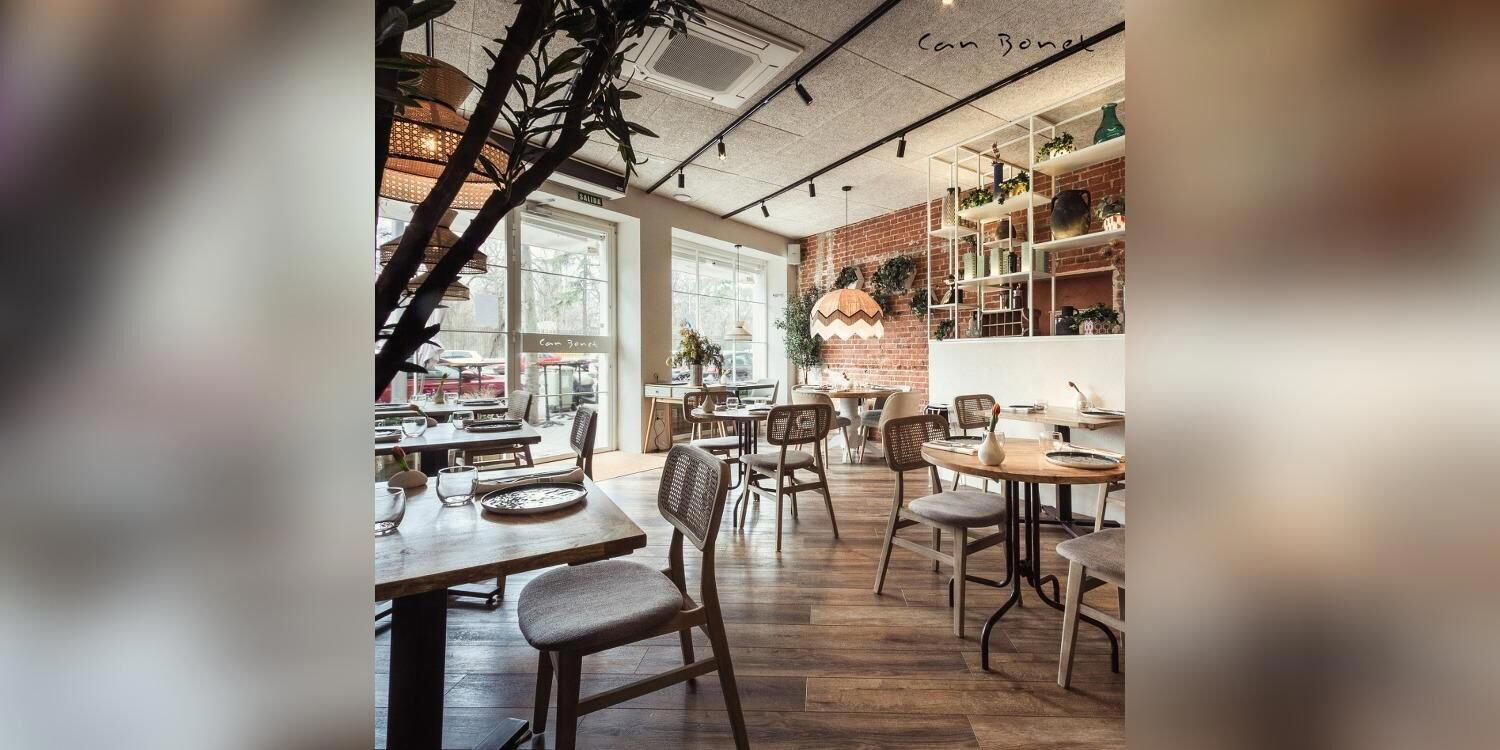
Retiro's Dining Corridor and Where Can Bonet Sits Within It
The stretch of Madrid that runs along Avenida de Menéndez Pelayo and into the Retiro district has long functioned as the city's counterweight to the high-production restaurant clusters of Salamanca and the centre. Where those areas attract visitors chasing tasting menus and Michelin footnotes, Retiro draws residents who eat out regularly and expect a kitchen that respects that repetition. Restaurants here are judged on consistency over months, not on a single marquee meal. Can Bonet is a traditional Catalan Mediterranean restaurant in Madrid's Retiro district, with. Can Bonet operates inside that expectation.
Madrid's restaurant scene has split cleanly over the past decade. At the summit of the market, venues like DiverXO and Coque compete on global terms, with multi-course formats, international press coverage, and pricing that reflects that ambition. A rung below, the creative modern-Spanish tier, represented by Deessa, DSTAgE, and Paco Roncero, operates on a similar performance logic but with more varied formats. The restaurant belongs to neither of those tiers. Its competitive set is the neighbourhood restaurant done with enough care to justify repeat visits from people who know the city well.
That positioning matters because it shapes everything from the booking window to the room's atmosphere at noon versus nine in the evening. Madrid residents eat late by northern European standards: a serious lunch runs from 2pm to 4pm, dinner rarely begins before 9pm, and kitchens that serve both services often function as near-separate operations in terms of clientele and pace.
The Lunch vs. Dinner Divide at Can Bonet
In Madrid's neighbourhood restaurant tier, the lunch service typically carries most of the value and most of the foot traffic. The menú del día format, a two- or three-course set lunch with wine at a fixed price, is a structural feature of the Spanish midday meal across all price points. It allows kitchens to move quality ingredients at volume and gives working Madrileños access to proper cooking at accessible prices. This format dominates lunch in Retiro as much as anywhere else in the city.
The dinner service at restaurants in this tier operates differently. Fewer covers, more time at the table, and a menu that leans toward à la carte ordering rather than the compressed set format. The pace matches Madrid's evening rhythm: unhurried, conversational, not oriented toward turning the room. If lunch at a Retiro restaurant is an exercise in efficient hospitality, dinner is closer to the extended social meal that Spanish dining culture prizes above almost everything else.
For visitors comparing options, the contrast with something like El Celler de Can Roca in Girona or Mugaritz in Errenteria is instructive: those experiences are built around a single, total visit. The restaurant is built around return.
Spanish Neighbourhood Cooking in European Context
Spain's neighbourhood restaurant culture sits at an unusual position in European dining. Unlike France, where the bistrot format has been romanticised and then frequently hollowed out, or Italy, where the trattoria has become a marketing category as much as a genuine type, Spain's mid-tier neighbourhood restaurants have largely preserved their function. They feed locals who eat out four or five times a week and have no patience for theatre without substance.
Retiro, as a residential district anchored by one of Europe's great urban parks, has the demographic density to support that kind of restaurant. The area's residents are not tourists looking for a single memorable meal before flying home. They are Madrileños with formed opinions, and the restaurants that survive in the neighbourhood earn their place through consistency rather than spectacle. The same pattern plays out across Spain's serious restaurant cities: in Barcelona, Cocina Hermanos Torres occupies a high-production tier, but the city's residential neighbourhoods sustain an equally dense mid-tier. In Valencia, Ricard Camarena represents the creative pinnacle, while the surrounding restaurant culture runs several levels below that without losing quality.
Spain's upper-tier destinations, from Quique Dacosta in Dénia to Arzak in San Sebastián, Azurmendi in Larrabetzu, Martin Berasategui in Lasarte-Oria, and Aponiente in El Puerto de Santa María, have shaped international perceptions of what Spanish cooking can be at its most ambitious. But that ambition rests on a base of serious everyday cooking. The restaurant sits within that base, in the part of Madrid's food culture that exists primarily for people who live there.
For international visitors accustomed to dining scenes where the neighbourhood restaurant tier is an afterthought, that structural integrity can itself be the discovery. Madrid's Retiro corridor operates with the same expectation of quality that its fine-dining counterparts project, just in a different register. Compared to, say, Le Bernardin in New York or Lazy Bear in San Francisco, which are designed around a single high-investment experience, the restaurant's value proposition is almost inverted: it works well across multiple visits, or at least across lunch and dinner on the same trip, to reveal how its two services differ.
Planning a Visit
Know Before You Go
- Address: Av. de Menéndez Pelayo, 15, Retiro, 28009 Madrid, Spain
- District: Retiro, adjacent to the park's western edge
- Lunch: The midday service is the format most aligned with how this tier of Madrid restaurant operates; arrive between 2pm and 3:30pm to sit within the main service window
- Dinner: Evening service runs later than northern European visitors typically expect; 9pm is a reasonable starting point
- Getting there: The Retiro metro station (Line 2) places the address within a short walk; the neighbourhood is also accessible by bus along Menéndez Pelayo
- Booking: Reservation policy: recommended
Recognition, Side-by-Side
Comparable venues nearby, for context on price, style, and recognition.
| Venue | Cuisine | Price | Notes |
|---|---|---|---|
| Can BonetThis venue — the venue you are viewing | Traditional Catalan Mediterranean | $$ | Not listed |
| perretxiCo Narváez | Basque Pintxos and Traditional Spanish | $$ | Ibiza |
| Arquibar Goya | Spanish Cafe-Bar with Brunch | $$ | Goya |
| Abacería Macarena | Modern Traditional Spanish | $$ | El Viso |
| Paellitas Tradición | Traditional Spanish Paella | $$ | Almagro |
| Ana la Santa | Modern Spanish Tapas | $$ | Barrio de las Letras |
Recognition history
Dated appearances from independent guides and award organizations, with the underlying list record or original source where available.
Macarfi 6.9 Food Rating
Macarfi
Continue exploring
More in Madrid
Restaurants in Madrid
Browse all →
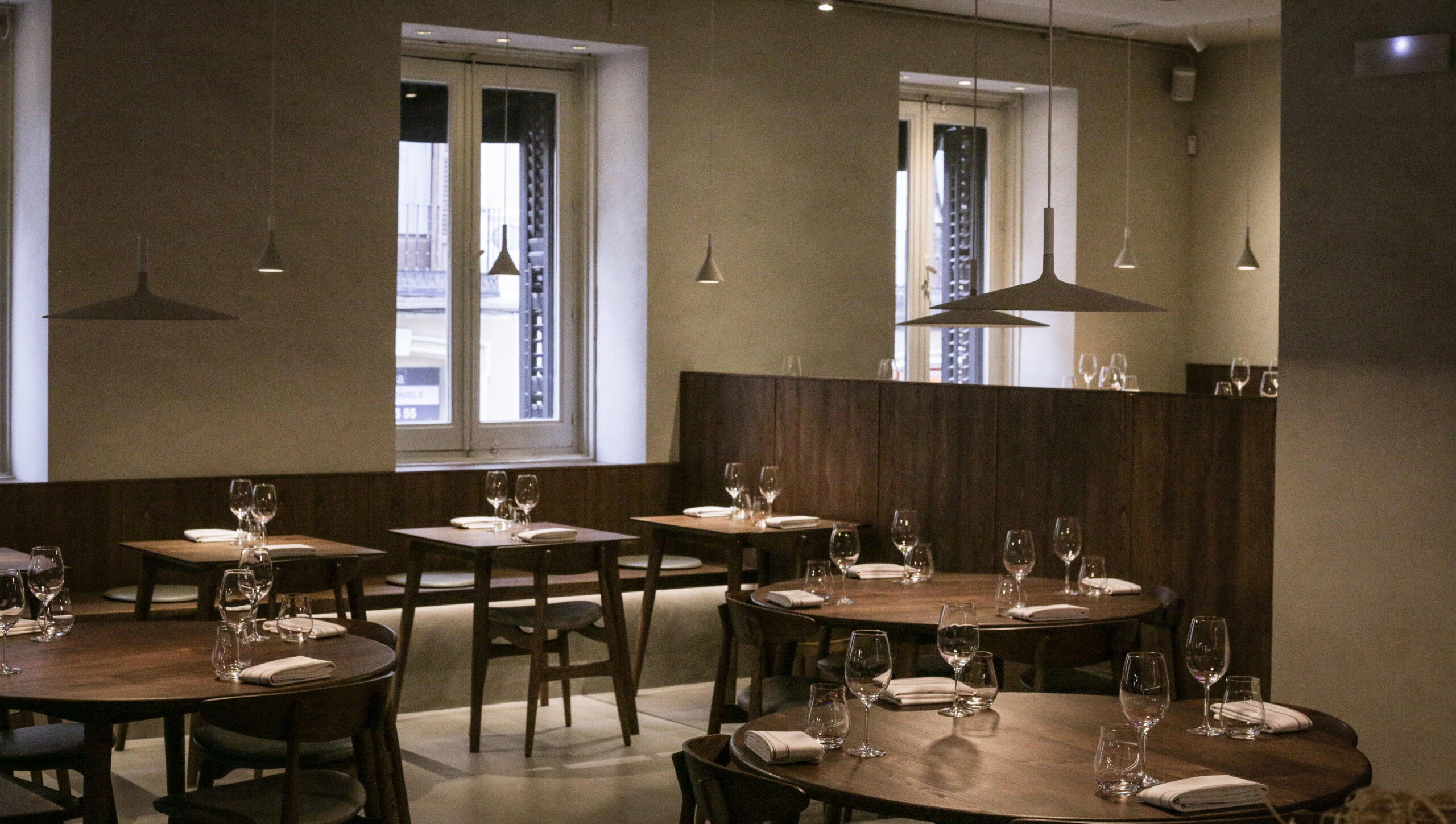
Bars in Madrid
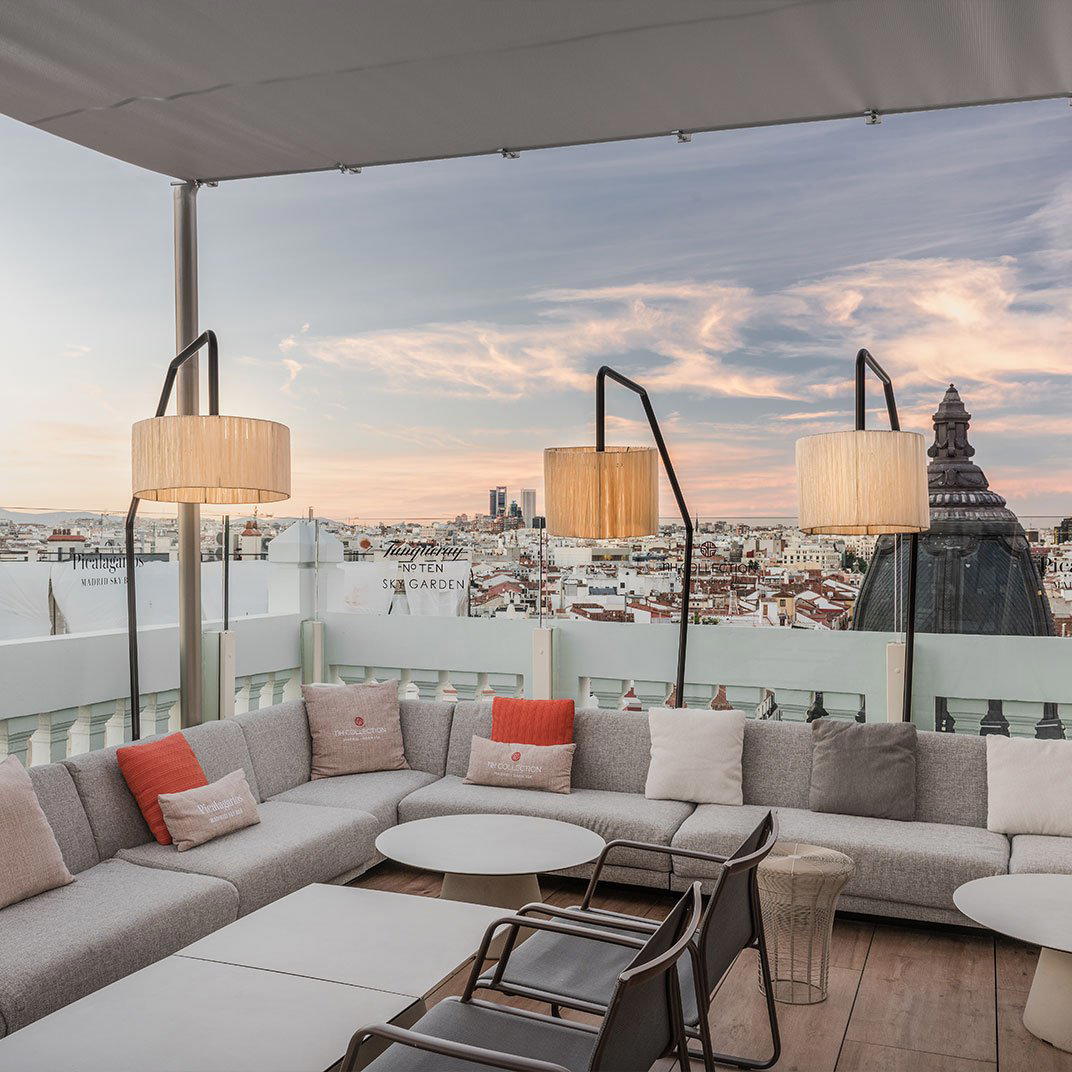
Browse all →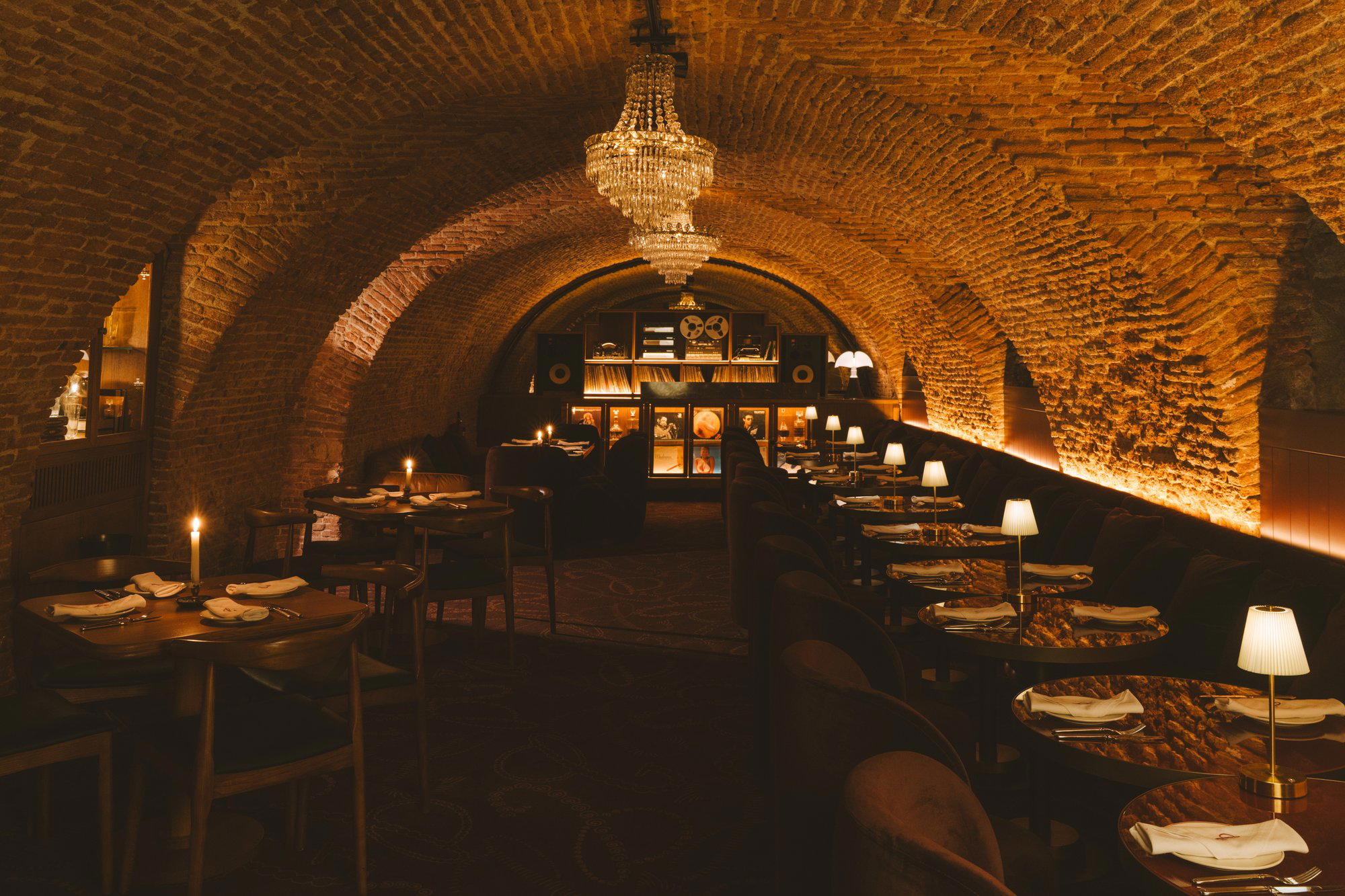
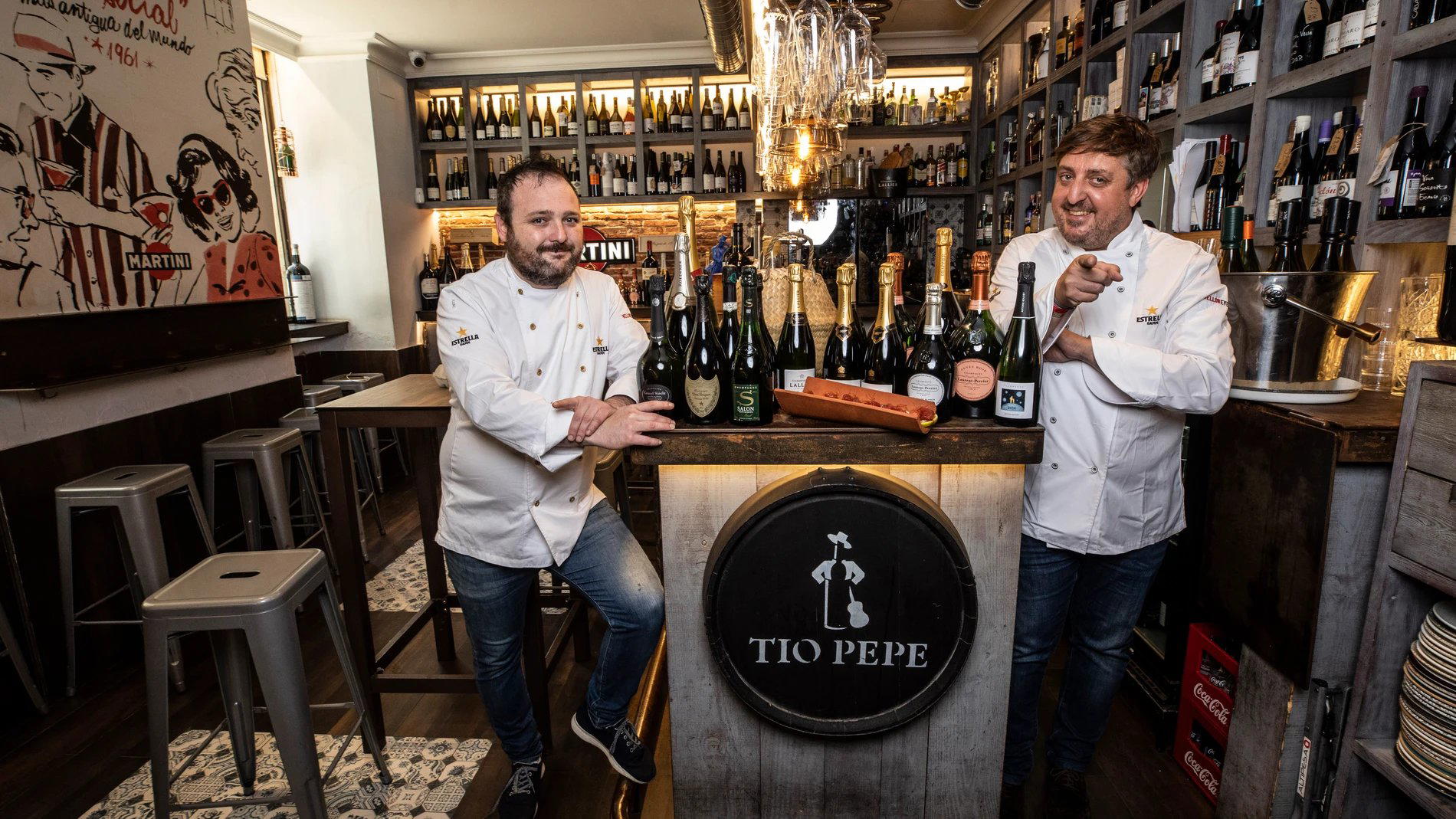
Hotels in Madrid
Browse all →


At a Glance
- Cozy
- Classic
- Casual Hangout
- Family
- Terrace
- Street Scene
Current opening hours
- Monday
- 1–4 PM, 8–11 PM
- Tuesday
- 1–4 PM, 8–11 PM
- Wednesday
- 1–4 PM, 8–11 PM
- Thursday
- 1–4 PM, 8–11 PM
- Friday
- 1–4 PM, 8–11 PM
- Saturday
- 1 PM–12:30 AM
- Sunday
- 1 PM–12:30 AM
Hours can change for holidays and private events. Last verified .
Small bright establishment with sunny terrace, cozy and welcoming atmosphere.