La Taberna de La Copla occupies a corner address in Madrid's Malasaña district, where the flamenco tradition of copla song meets the convivial character of a classic Spanish taberna. The room carries the weight of a neighbourhood that has absorbed and preserved Madrid's popular cultural heritage, making it a natural setting for milestone meals and celebrations rooted in the city's own identity.
Pearl is the En Primeur Club membership app — saves, bookings, and concierge access live there. Same editors, same standards.
- Address
- C/ de Jesús del Valle, 1, Centro, 28004 Madrid, Spain
- Phone
- +34916709355
- Website
- opentable.com
- Directions
- Get directions
 Saves & bookings on Pearl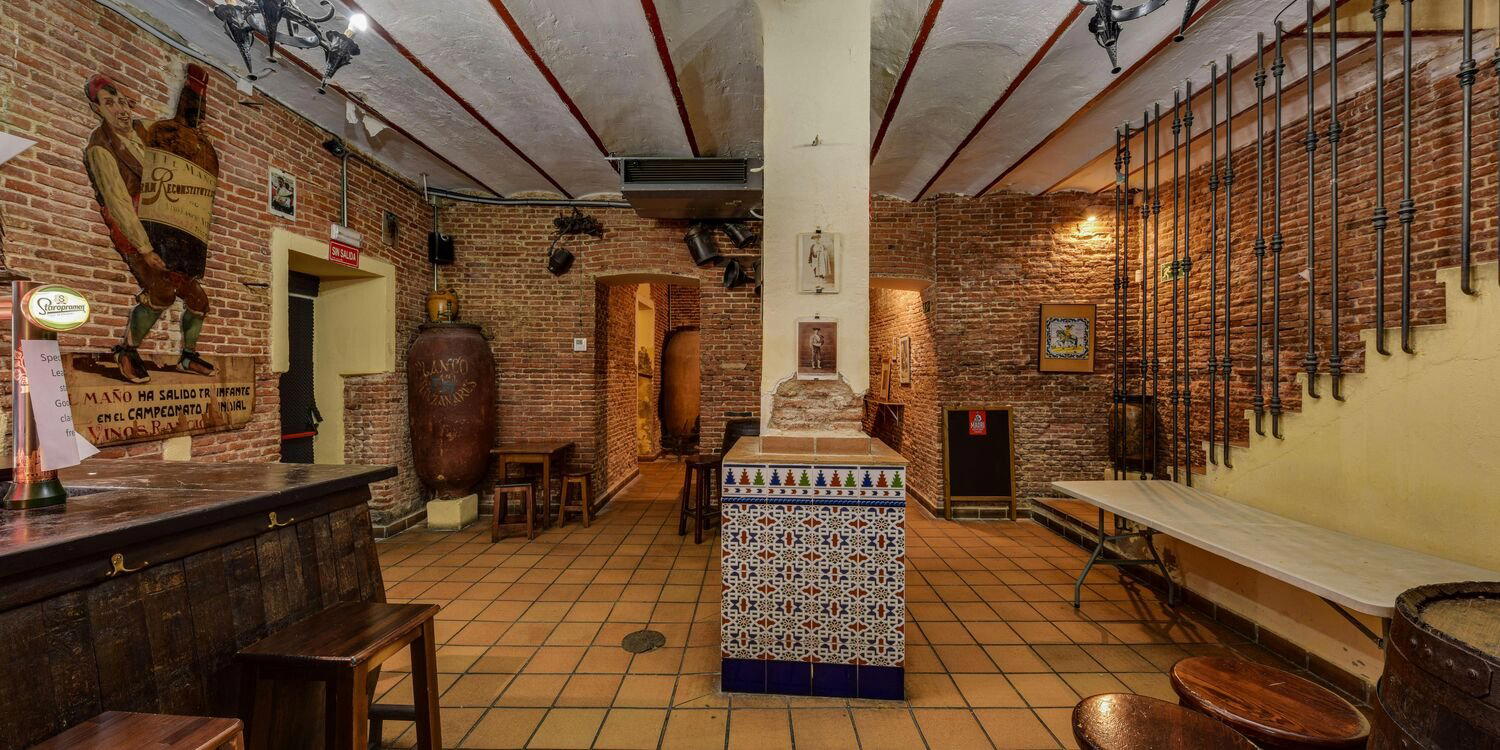
Where Flamenco Song and the Taberna Format Meet in Central Madrid
Along Calle de Jesús del Valle in the Centro district, the taberna as a dining format carries a different cultural charge than it does anywhere else in Spain. Madrid's traditional taverns were never purely about food; they were civic rooms where the copla, the popular song form closely tied to flamenco and the mid-century Spanish vocal tradition, provided a structural backbone to the evening. La Taberna de La Copla is a casual Traditional Spanish Tapas restaurant in Centro, Madrid,338 reviews and an approximate price of $25 per person.
The streets here are not museum pieces; they are still working, lived-in corridors where a taberna format that invokes copla sits alongside contemporary wine bars and small-plates kitchens. That context matters when you are thinking about occasion dining in Madrid: the city offers a spectrum running from the molecularly precise tasting menus at DiverXO through the creative Spanish cooking at Coque and the modern approach at Deessa, all the way down to rooms like this one, where the occasion is carried as much by atmosphere and cultural specificity as by the food itself.
The Case for Occasion Dining Outside the Tasting-Menu Tier
DSTAgE and Paco Roncero represent the creative-Spanish end of that conversation; both demand advance planning, significant spend, and a particular kind of attentiveness from the diner. Spain's broader fine dining geography extends that argument nationally, through rooms as demanding as El Celler de Can Roca in Girona, Mugaritz in Errenteria, Arzak in San Sebastián, and Martin Berasategui in Lasarte-Oria.
But milestone meals do not always call for that register. A significant birthday, an anniversary, or a gathering of people who share a connection to Spanish popular culture can find more resonance in a room that speaks directly to a living tradition than in one that foregrounds technical precision. The taberna format, when it is done with conviction, offers something the tasting-menu tier cannot: a long, unstructured evening shaped by the table itself rather than by kitchen sequencing. That is a genuine occasion-dining advantage, and it is underused in most travel editorial on Madrid.
What the Copla Tradition Adds to a Meal
The copla is not background music in the way that a curated playlist is background music. As a vocal form, it demands and rewards attention; its emotional register moves between the theatrical and the intimate in ways that shape a room's energy in real time. Tabernas that take this tradition seriously structure their evenings around it, which means the dining experience has a rhythm that is partially externally set. For occasion dining, this is an asset: the music provides a shared focal point that releases the table from the pressure of continuous conversation, creating natural pauses and moments of collective attention that anniversary dinners at quieter fine-dining rooms rarely produce.
Across Spain, this kind of culturally embedded dining is more common in Andalusia, where flamenco venues and tablaos have long combined serious food with live performance. In Madrid, which absorbed enormous waves of Andalusian migration through the twentieth century, gave the copla tradition a foothold in the taberna format that persists in pockets of Centro and Lavapiés. Venues that hold this line represent a specific kind of cultural continuity worth noting when planning a meal that should mean something beyond the plate.
Madrid's Occasion Dining in National Context
Spain's restaurant culture at the leading end is geographically distributed in ways that reward planning. The multi-starred experiences at Azurmendi in Larrabetzu, Aponiente in El Puerto de Santa María, Quique Dacosta in Dénia, Ricard Camarena in València, Cocina Hermanos Torres in Barcelona, and Atrio in Cáceres each require dedicated travel. Madrid, as the capital, absorbs some of that demand but also operates its own internal dining hierarchy in which the taberna tier serves a function that the starred restaurants cannot replicate. For international visitors structuring a trip around Madrid dining, the taberna format belongs in that conversation as a distinct option rather than a fallback.
For comparison, the tasting-menu format at this price tier in other capitals, such as Le Bernardin in New York City or the counter experience at Atomix, foregrounds precision and sequence. The Spanish taberna proposes something genuinely different: collective ease, cultural specificity, and an evening that extends well beyond any kitchen's closing signal.
Where the Accolades Land
Comparable venues nearby, for context on price, style, and recognition.
| Venue | Cuisine | Price | Notes |
|---|---|---|---|
| La Taberna de La CoplaThis venue — the venue you are viewing | Traditional Spanish Tapas | $$ | Not listed |
| Café Tatiana | Casual Spanish Café | $$ | Malasana |
| Taberna del Alabardero Madrid | Traditional Basque Spanish Tapas & Fine Dining | $$ | Palacio |
| DCorazon | Spanish Fusion in Historic Caves | $$ | Sol |
| Lateral Milaneses | Modern Spanish Tapas & European Gastrobar | $$ | Palacio |
| Cava de Illán | Traditional Spanish Tapas | $$ | Palacio |
Continue exploring
More in Madrid
Restaurants in Madrid
Browse all →
Bars in Madrid
Browse all →
Hotels in Madrid
Browse all →

At a Glance
- Rustic
- Cozy
- Classic
- Casual Hangout
- Historic Building
Current opening hours
- Monday
- Closed
- Tuesday
- 6:30 PM–12 AM
- Wednesday
- 6:30 PM–12 AM
- Thursday
- 6:30 PM–1 AM
- Friday
- 6:30 PM–1:30 AM
- Saturday
- 12:30 PM–1:30 AM
- Sunday
- 12:30–11:30 PM
Hours can change for holidays and private events. Last verified .
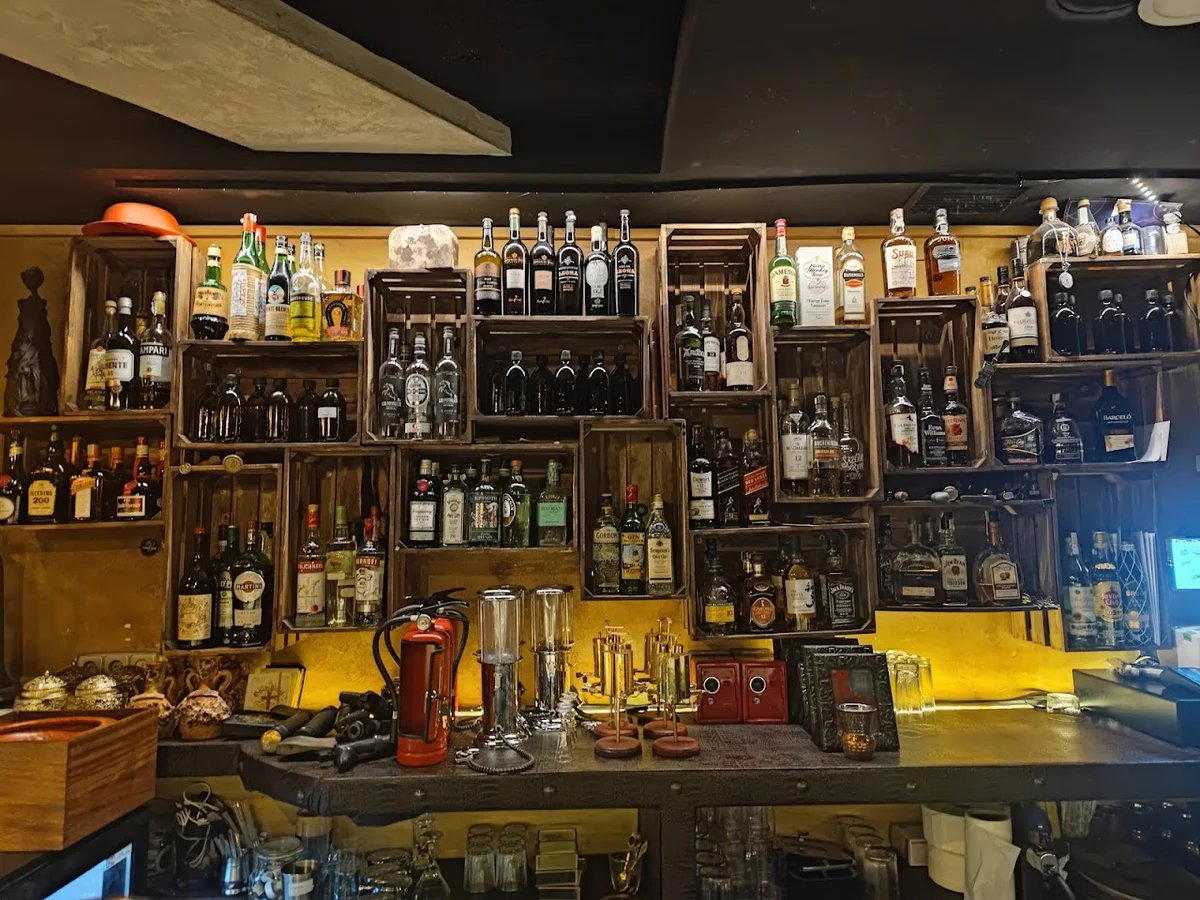
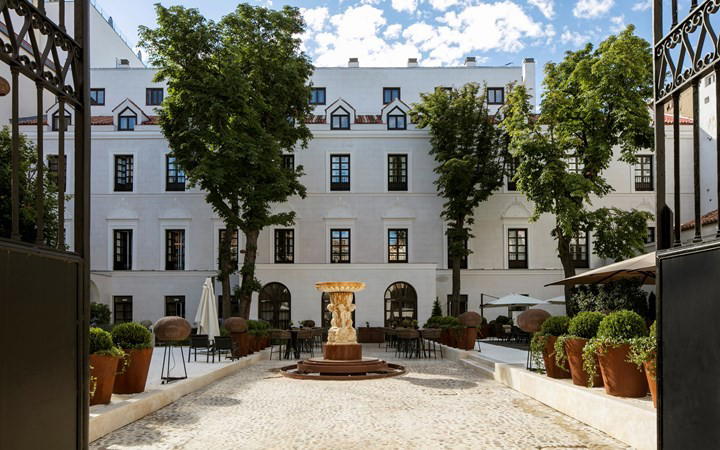
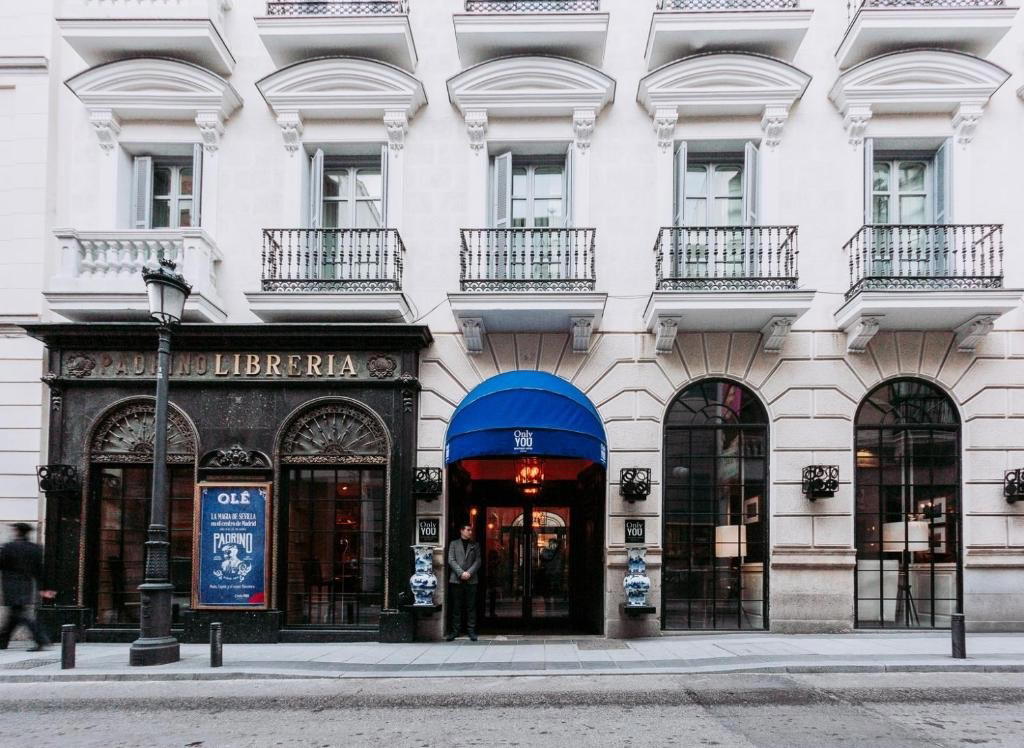
Cozy space with traditional Spanish charm, rustic elegance, wooden tables, aged walls, dim lighting, and vintage decor including Roman amphorae and photos of copla singers.