La Boheme Noblesse sits along Valea Glambocului in Bascov, a quiet commune just outside Pitești in Muntenia's agricultural heartland. Operating at a remove from Romania's main dining circuits, it draws on the region's produce traditions in a setting that reads more private residence than restaurant. For travellers passing through the Argeș corridor, it represents a considered alternative to the familiar urban formats.
Pearl is the En Primeur Club membership app — saves, bookings, and concierge access live there. Same editors, same standards.
- Address
- Valea Glambocului 43B, Bascov 117045, Romania
- Phone
- +40744514665
- Website
- restaurantlaboheme.com
- Directions
- Get directions
 Saves & bookings on Pearl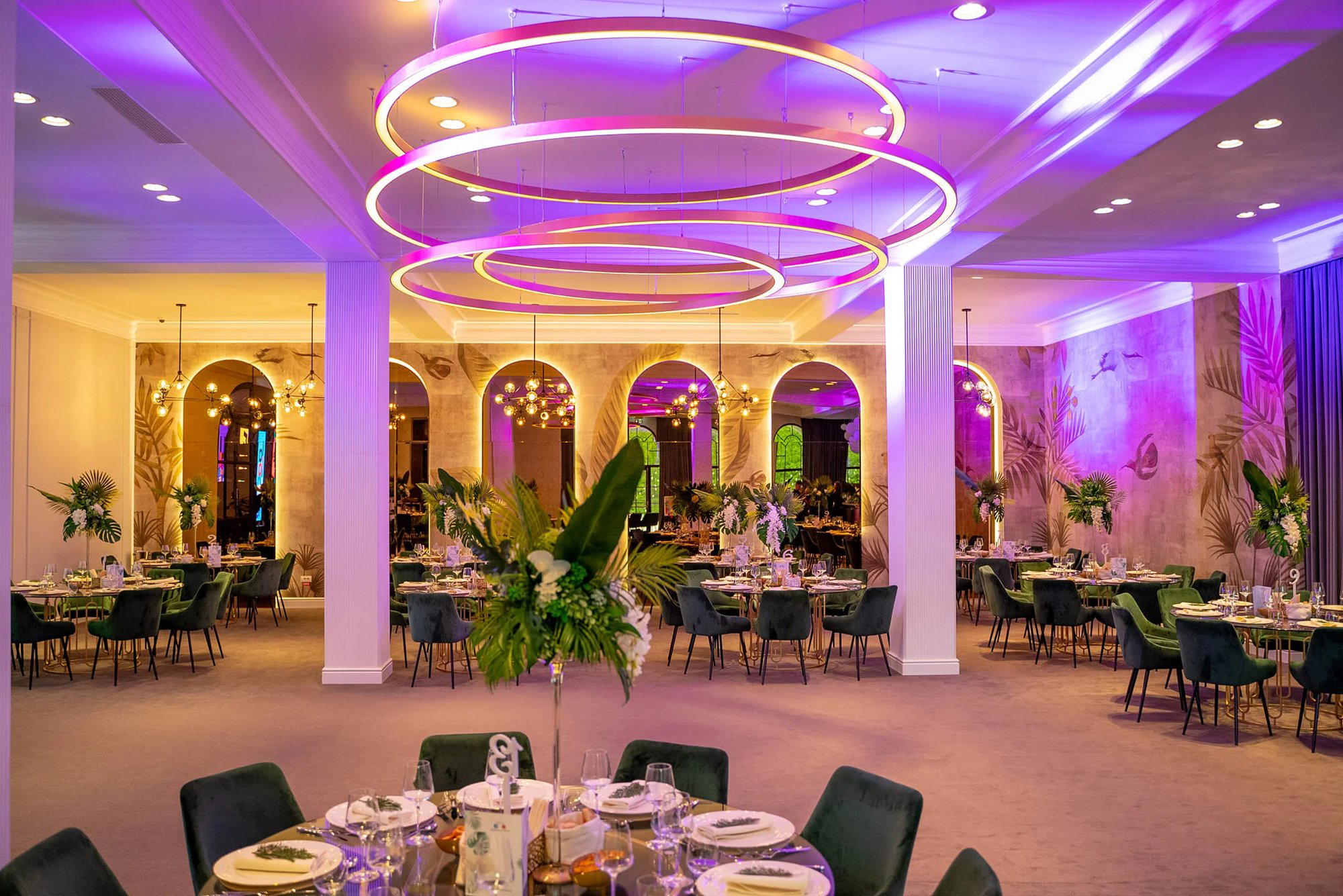
Dining at the Edge of Muntenia: What La Boheme Noblesse Signals About Romania's Peripheral Scene
La Boheme Noblesse is an event venue in Bascov, Romania, at Valea Glambocului 43B. Approach Bascov from Pitești and the urban grid dissolves quickly. Within a few kilometres, roadside commerce gives way to agricultural plots, low-slung houses, and the kind of landscape that feeds Romanian kitchens rather than appearing in them. La Boheme Noblesse occupies this in-between zone at Valea Glambocului 43B, a setting that frames the guest's arrival as a deliberate withdrawal from city-centre density rather than a compromise. The address is specific; the orientation is rural. That positioning is itself a statement about what kind of dining the venue is trying to host.
Romania's dining culture has concentrated heavily in Bucharest, Cluj-Napoca, and to a lesser extent Timișoara and Brașov. The capital supports formats ranging from historic beer halls like Caru' cu bere in Bucuresti to contemporary neighbourhood kitchens like Bogdania Bistro in Bucharest. Outside those corridors, serious dining venues operate with less critical infrastructure around them: fewer reviewers, less peer competition, and a guest base drawn more from local loyalty than destination travel. La Boheme Noblesse sits in that quieter tier, in a commune of roughly 12,000 people where the dining options are limited and the decision to operate under a name invoking bohemian aristocracy carries a particular kind of ambition.
Ingredient Provenance and the Argeș Agricultural Corridor
The Argeș region, of which Bascov is administratively part, is among the more productive agricultural zones in Muntenia. The county's farms supply significant volumes of vegetables, dairy, and grain to Bucharest, roughly 120 kilometres to the southeast. For a venue at this address, proximity to that supply chain is a structural advantage that urban restaurants in Romania's major cities pay a premium to replicate. The farm-to-table logic that has become a marketing exercise for many metropolitan restaurants is here a function of geography: producers are local not as a curated choice but as a physical fact.
Across Romania's more considered dining establishments, ingredient sourcing has become a key differentiator as the market matures. The gastro-brewery format explored by venues like Kombinat Gastro-Brewery in Sibiu and the gourmet casual positioning of Eat IT casual gourmet kitchen in Oradea both reflect a broader Romanian turn toward produce integrity as a point of difference. A venue in Bascov's agricultural belt is well-placed to make a credible version of that argument, provided the kitchen is disciplined enough to let the sourcing show.
Romanian culinary tradition in Muntenia draws on slow-cooked meats, fermented vegetables, and dairy preparations that carry regional specificity: mamaliga variations, smântână-based sauces, and preserved preparations that shift by season. The name the restaurant implies a certain elevation of that vernacular, a French-register framing applied to a Romanian agricultural base, which is a combination that other Romanian venues have pursued with varying degrees of success. Comparable tension between French refinement and local produce identity appears at venues like Lo Sfizio in Targu Mures and at the French-influenced segment of Bucharest's dining scene more broadly.
How This Address Fits Romania's Wider Dining Geography
Romania's secondary and tertiary cities have seen a gradual but measurable growth in dining ambition over the past decade. Venues in cities like Ploiești, Suceava, and Iași now occupy a middle tier between fast-casual and genuine fine dining: operations like Cafeneaua Nației in Ploiesti, Cartofisserie in Suceava, and CARTUF in Iasi each represent that upward movement in their respective markets. Bascov is smaller than any of those cities, which means the restaurant operates with a thinner local dining culture to draw from and a guest base that likely extends into Pitești proper.
That relationship with Pitești is worth noting. The city, with a population of roughly 155,000, functions as the commercial and administrative centre of Argeș County and is close enough to make Bascov effectively a suburb for dining purposes. Guests who might not travel to a rural address specifically can reasonably combine a visit with movement between Pitești and Bucharest along the A1 motorway corridor. The logistics, in other words, are more manageable than the Bascov address might initially suggest.
For context on what premium dining looks like at a global reference point, operations like Le Bernardin in New York City or Atomix in New York City illustrate how tightly defined sourcing philosophy and format discipline interact at the summit of the market. The Romanian scene is building toward its own version of that conversation, slowly and unevenly, with venues outside the capital forming part of that argument.
For a broader orientation to dining in this part of Romania, Bascov restaurants guide maps the available options across price points and formats. Comparable rural or peri-urban dining situations appear along the Black Sea corridor at Vatos Restaurant in Agigea and in event-format venues like Butterfly Events in Chiscani, both of which operate outside primary urban centres and rely on a similar mix of local loyalty and passing trade.
Planning a Visit
The restaurant is located at Valea Glambocului 43B in Bascov, reachable by car from Pitești in under fifteen minutes and from Bucharest in roughly ninety minutes via the A1. Confirm hours and reservation availability in advance before making the drive. The venue's positioning within a residential-agricultural zone means street-level discovery is less reliable than deliberate planning. For those already exploring the region's dining options, venues in nearby urban centres such as Cofeels in Cluj-Napoca or Cartofisserie in Brasov offer additional reference points for understanding the broader Romanian dining register, while Cocteleria Urban Garden in Floresti and Casa Baimareana in Baia Mare illustrate how peri-urban venues across the country are developing distinct identities within their local markets. Cartofisserie in Timisoara rounds out the picture of how format-driven concepts are spreading beyond the capital.
Comparison Snapshot
Comparable venues nearby, for context on price, style, and recognition.
| Venue | Cuisine | Price | Notes |
|---|---|---|---|
| La Boheme NoblesseThis venue — the venue you are viewing | Event Venue | $$$ | Not listed |
| Blank | Traditional Romanian | $$ | Old Town |
| Kaiamo | Modern Romanian Fine Dining | $$$$ | District 1, Dorobanți |
| Locanta Jaristea | Traditional Romanian | $$$ | :null |
| Restaurant Prime Steaks & Seafood | Premium Steakhouse & Seafood | $$$ | Sector 1, Calea Victoriei |
| Artegianale | Authentic Italian Bistro & Wine Bar | $$ | Brasov Old Town |
At a Glance
- Elegant
- Romantic
- Sophisticated
- Private Event
- Celebration
- Business Dinner
- Special Occasion
- Private Dining
- Garden
- Standalone
- Garden
Current opening hours
- Monday
- Closed
- Tuesday
- Closed
- Wednesday
- Closed
- Thursday
- Closed
- Friday
- Closed
- Saturday
- 9 AM–5 PM
- Sunday
- Closed
Hours can change for holidays and private events. Last verified .
Refined and sophisticated setting designed for upscale events with natural surroundings.