Artegianale sits on Strada Lucian Blaga in central Brașov, occupying a position within the city's growing tier of craft-focused dining rooms. The name signals an artisanal orientation, placing it alongside a local scene increasingly shaped by sourcing transparency and producer relationships. For visitors working through Brașov's restaurant options, it represents a stop where the emphasis is on what arrives at the table rather than how the room is dressed.
Pearl is the En Primeur Club membership app — saves, bookings, and concierge access live there. Same editors, same standards.
- Address
- Strada Lucian Blaga 13, Brașov 500008, Romania
- Phone
- +40775332211
- Website
- artegianale.com
- Directions
- Get directions
 Saves & bookings on Pearl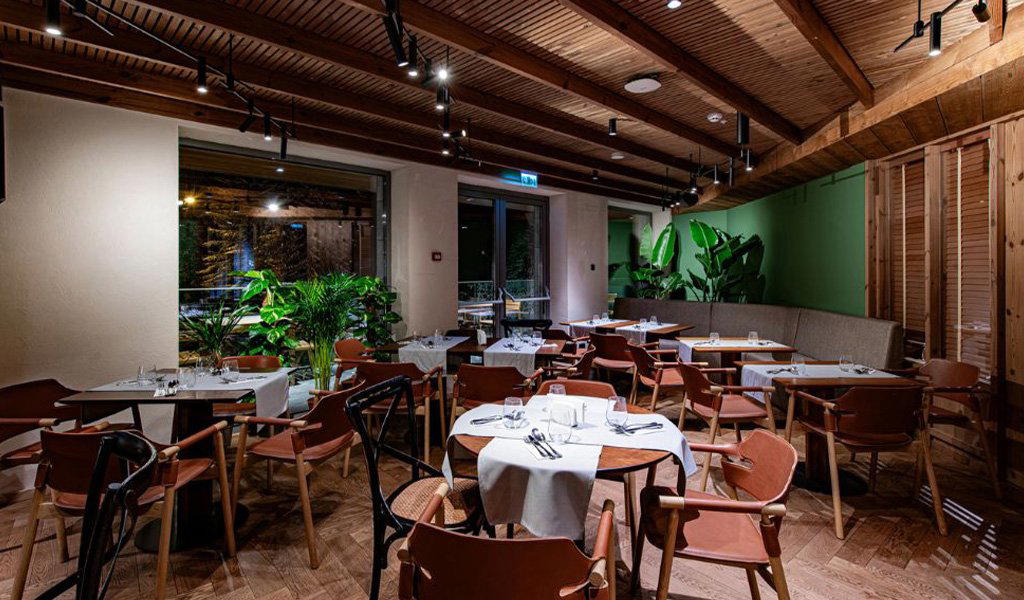
Where Brașov's Craft Dining Tradition Takes Shape
Strada Lucian Blaga runs through central Brașov, a few minutes from the medieval core but removed from the pedestrian-tourist circuit that drives most visitors toward the same handful of addresses. The street itself is unremarkable in the way that good neighbourhood restaurants tend to prefer: no canopy signage competing for attention, no queue-management rope at the door. What draws people to Artegianale is the kind of low-visibility reputation that builds through word of mouth in a city small enough for that to still work. Brașov's old town may be the postcard version of Transylvanian dining, but the more interesting culinary conversation is happening in exactly these side-street rooms.
The Sourcing Logic Behind the Name
The term artigianale, borrowed from Italian craft tradition, signals an orientation toward handmade process and ingredient provenance, a framing that has become shorthand across European cities for a specific kind of dining room: one where the supply chain matters as much as the technique. In Romania, this is a harder position to hold than in, say, the Piedmont valleys where it originated.
That difficulty is precisely what makes the model interesting to watch in Brașov. The Carpathian region surrounding the city has a legitimate agricultural identity: highland cheeses, foraged mushrooms and herbs, pasture-raised meat from smallholdings that have operated continuously for generations. Restaurants that build their menus around this geography are not simply performing farm-to-table rhetoric, they are working with a food culture that predates the trend by centuries. The question, always, is whether the kitchen has the discipline to let good sourcing lead rather than dress it up with unnecessary complexity.
Artegianale's address on Strada Lucian Blaga places it within walking distance of Brașov's main square without being caught inside it, which is a useful position for a room that seems to prioritise a regular local clientele over tourist throughput. That distinction matters for sourcing-focused restaurants: the regulars are the ones who notice when the supplier changes, when something is out of season and appears anyway, when the quality holds across multiple visits.
Brașov's Restaurant Tier in Context
To understand where Artegianale sits, it helps to note the broader dining structure that Brașov has developed over the last decade. The city has moved away from the post-communist template of heavy, meat-forward traditional Romanian cooking served in cavernous tourist restaurants, toward a more differentiated scene with distinct tiers and sensibilities.
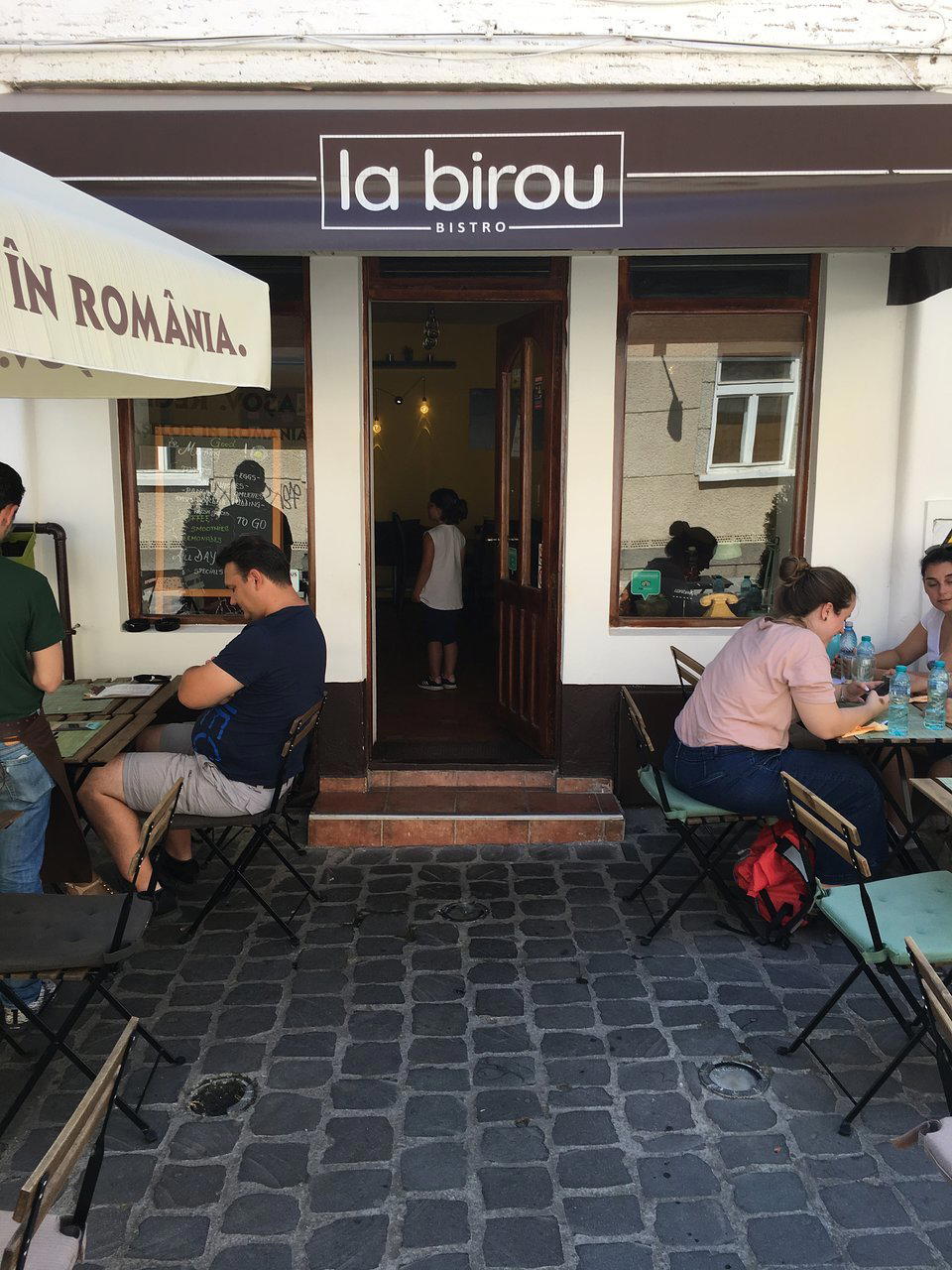
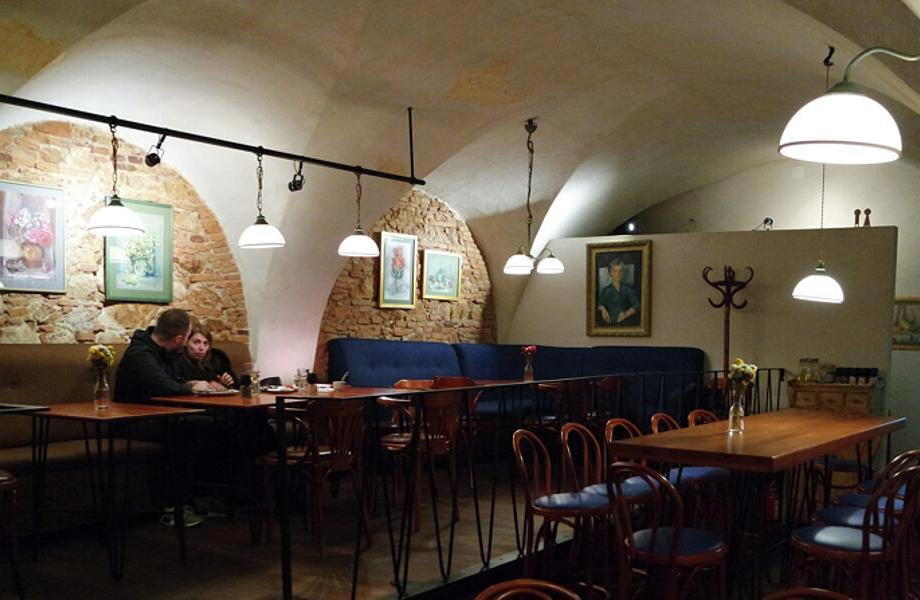
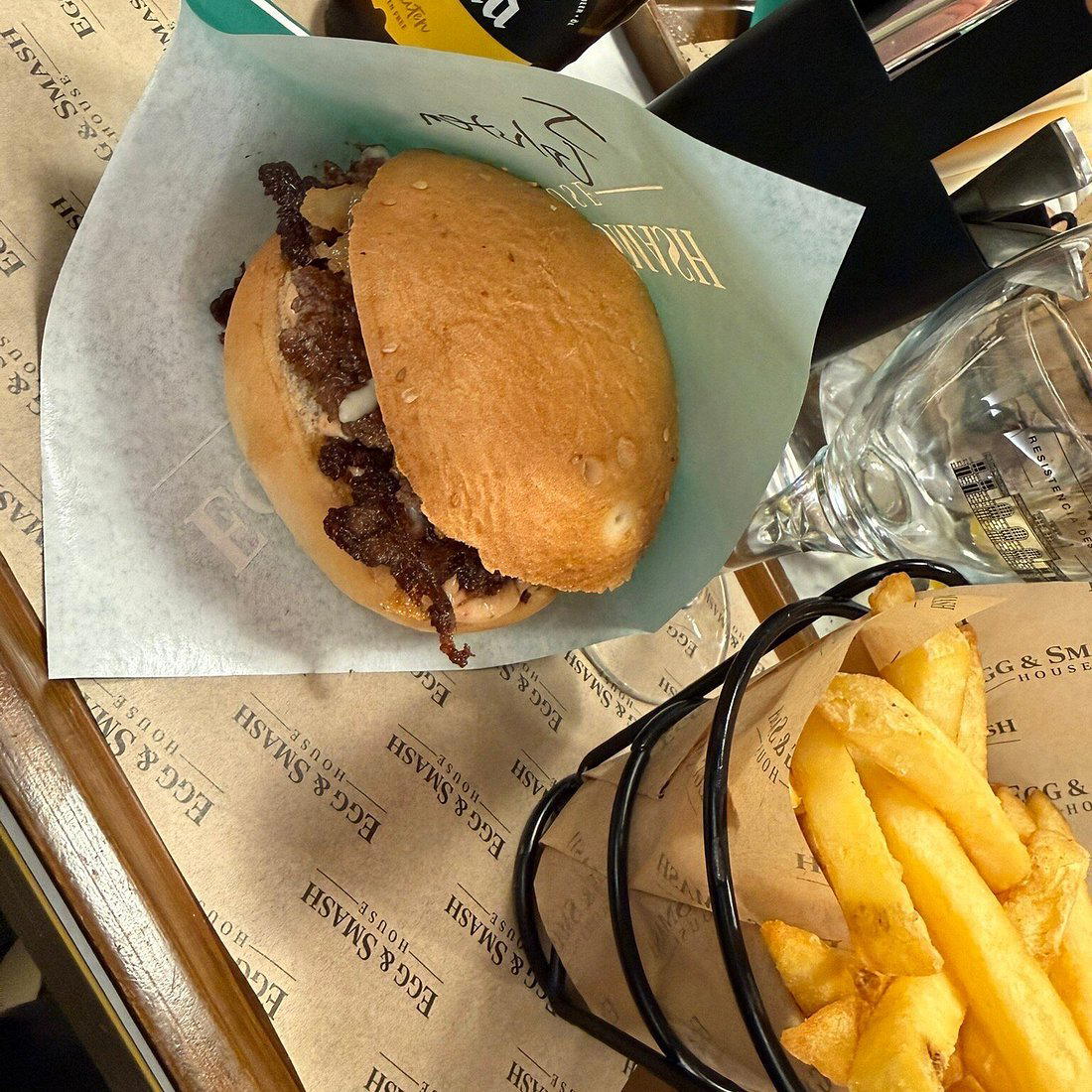
At the convivial end, Bistro de l'Arte has operated as a cultural gathering point as much as a restaurant, its walls hung with local art and its menu reflecting a casual approach to Romanian and European bistro cooking. La Birou Bistro occupies a similarly neighbourhood-anchored position, where the draw is atmosphere and approachability rather than culinary ambition. Egg & Smash House and K Food represent the city's appetite for format-driven, single-focus dining that has become standard in European cities of similar size. Cartofisserie brings a playful, product-specific angle to the mix.
Artegianale's craft positioning places it in a smaller subset: rooms where the menu is shaped by what was sourced that week rather than by a fixed laminated list. This approach connects it, in spirit if not in scale, to producer-anchored restaurants elsewhere in Romania. STUP in Simon, just outside Brașov, has built a reputation around direct relationships with local beekeepers and highland food producers. Kupaj Fine Wines and Gourmet Tapas in Cluj-Napoca and Andalu Gastrobar in Iasi represent similar positioning in Romania's other major cities, rooms where the sourcing story informs everything from the wine list to the daily specials.
Internationally, the craft-sourcing model at its most rigorous looks like Lazy Bear in San Francisco or Le Bernardin in New York City, rooms where procurement decisions are as deliberate as plating decisions. Artegianale operates in a different register and at a different scale, but the underlying logic of ingredient-forward cooking is the same regardless of the latitude or the price tier.
What the Romanian Craft Dining Wave Looks Like in Practice
The rise of artisanal-oriented restaurants in Romanian cities tracks a broader pattern visible across Central and Eastern Europe. Cities like Brașov, Sibiu, and Cluj-Napoca have developed dining identities that draw on local agricultural heritage while absorbing techniques and formats from Western European kitchen culture. The result is neither purely traditional nor purely international, it is something more hybrid, shaped by geography, post-accession travel patterns, and a generation of cooks who trained abroad and returned with both skills and opinions.
Comparable dynamics are at work in other Romanian cities with strong regional food identities. Epoca Steak house in Craiova anchors its menu in Romanian beef provenance. L'ATELIER in Bucharest represents the capital's more technically ambitious end of the craft-dining spectrum. Outside the main cities, places like Bistro Caffe Moțu in Baia Sprie and Cafeneaua Nației in Ploiesti demonstrate how the same sourcing-and-craft sensibility is spreading into smaller towns. The Cartofisserie brand itself has expanded to Suceava and Timisoara, reflecting how format-driven, product-specific concepts scale in Romania's current restaurant environment. Butterfly Events in Chiscani extends the picture further into event-format dining in smaller Romanian communities.
Planning a Visit
Artegianale is located at Strada Lucian Blaga 13, Brașov 500008. The address is walkable from the historic centre, making it a natural choice for visitors already spending time in the old town who want to step outside the immediate tourist radius. The restaurant is open daily from 10 AM to 11 PM, and reservations are recommended. Given the craft-dining format and the likelihood of a smaller room, confirming availability in advance is the sensible approach, particularly on weekends and during Brașov's busy summer and autumn seasons.
In Context: Similar Options
Comparable venues nearby, for context on price, style, and recognition.
| Venue | Cuisine | Price | Notes |
|---|---|---|---|
| ArtegianaleThis venue — the venue you are viewing | Authentic Italian Bistro & Wine Bar | $$ | Not listed |
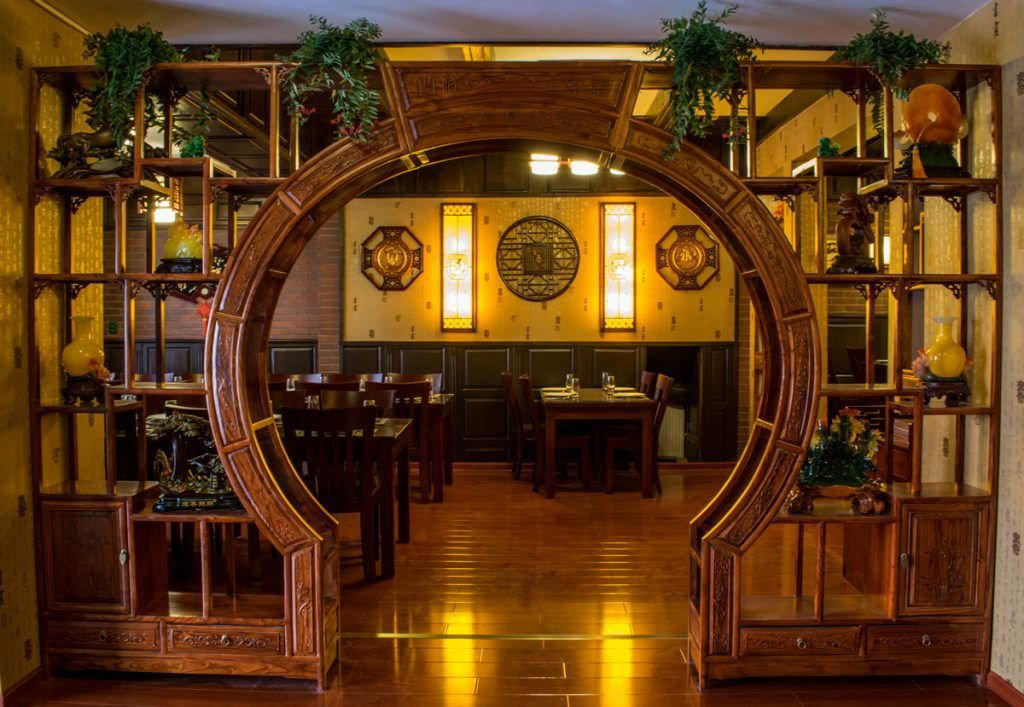
| Old Shanghai Restaurant | Authentic Shanghai Chinese | $$ | Centru |
| Egg & Smash House | American Smash Burgers & Breakfast | $$ | Cincsor |
| Rockstadt | Rock Bar Snacks | $$ | central Brasov |
| La Birou Bistro | European Breakfast Bistro | $$ | old town |
| Cartofisserie | Belgian Fries Street Food | $ | City Center |
Continue exploring
More in Brasov
Restaurants in Brasov
Browse all →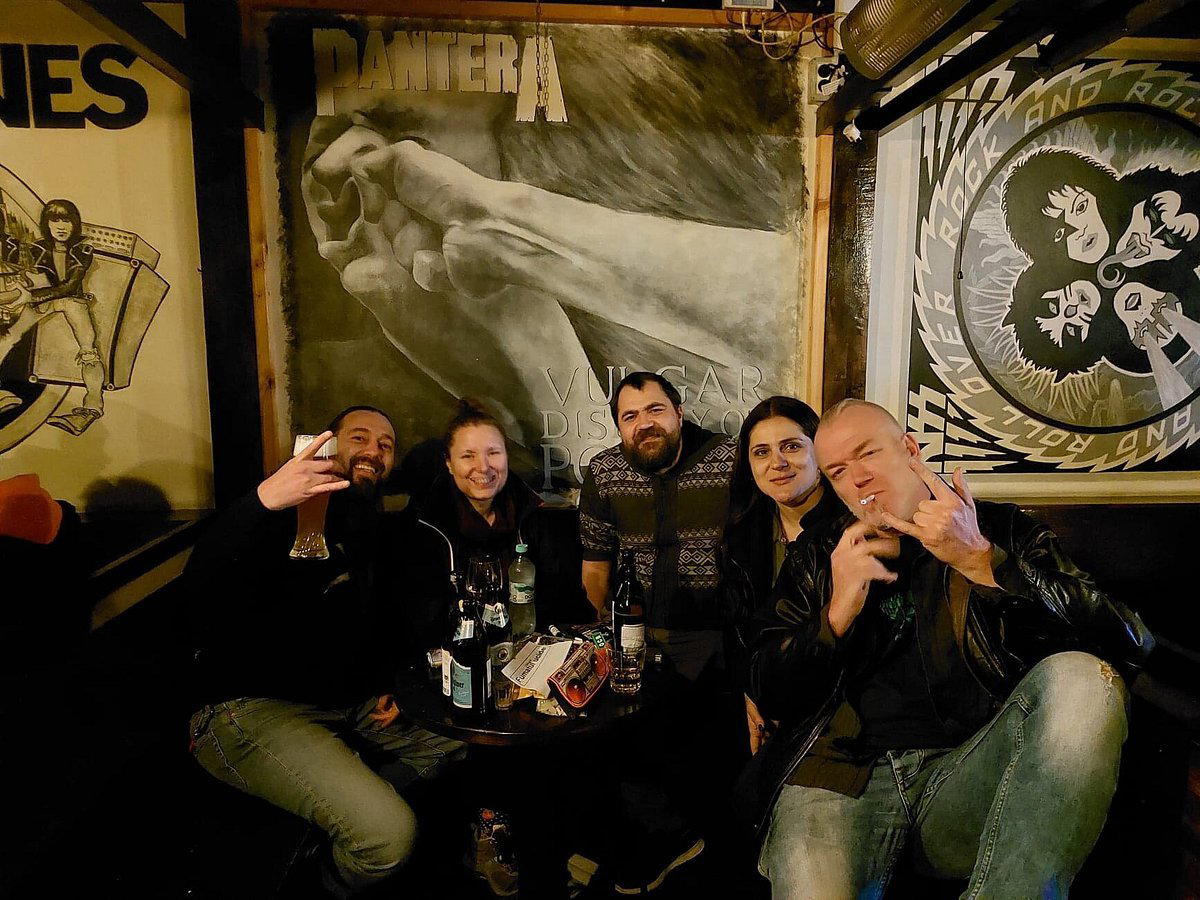
At a Glance
- Cozy
- Elegant
- Intimate
- Date Night
- Group Dining
- Casual Hangout
- Wine Cellar
- Extensive Wine List
- Local Sourcing
Current opening hours
- Monday
- 10 AM–11 PM
- Tuesday
- 10 AM–11 PM
- Wednesday
- 10 AM–11 PM
- Thursday
- 10 AM–11 PM
- Friday
- 10 AM–11 PM
- Saturday
- 10 AM–11 PM
- Sunday
- 10 AM–11 PM
Hours can change for holidays and private events. Last verified .
Cozy and elegant atmosphere with classic decor, premium look, good music, and intimate setting praised in guest reviews.