Our verdict
Casa Baimareana sits on Strada Vasile Alecsandri in the heart of Baia Mare, positioning itself within a city whose food culture is shaped by Maramureș's agricultural depth and cross-border Transylvanian influences. For visitors seeking a grounded sense of northern Romanian cooking, the address places them inside the city's older residential fabric, away from the tourist-facing strip.

Pearl is the En Primeur Club membership app — saves, bookings, and concierge access live there. Same editors, same standards.
- Address
- Strada Vasile Alecsandri 39, Baia Mare 430302, Romania
- Phone
- +40740914000
- Hours
- Mon–Thu 9 AM–8 PMFri 9 AM–5 PMSat–Sun Closed
- Website
- casa-baimareana.com.es
- Directions
- Get directions
- Booking
- Book on the venue's website
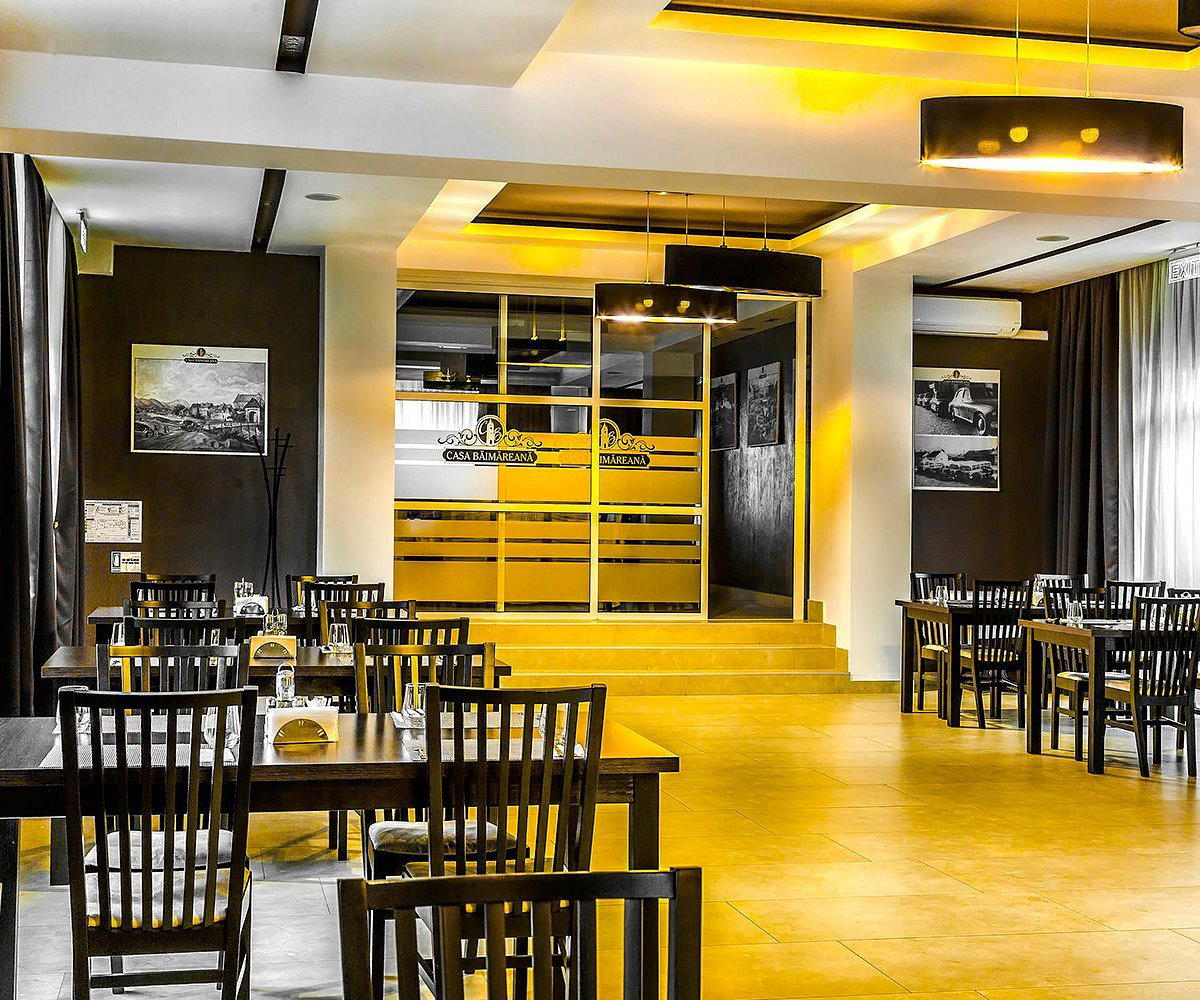
Where Northern Romanian Cooking Finds Its Footing
Baia Mare occupies a particular position in Romania's regional food story. Sitting at the southern edge of Maramureș county, the city draws from one of the country's most intact agricultural traditions: small-scale farms producing pork, dairy, and root vegetables that have supplied local tables for generations without much interruption from industrial supply chains. The surrounding villages still press their own tuică, salt their own pork, and smoke meats over fruit wood rather than gas. That agricultural continuity shapes what ends up on plates in Baia Mare in ways that differ noticeably from Bucharest's modernising restaurant scene or Cluj-Napoca's increasingly international dining offer. Casa Baimareana, at Strada Vasile Alecsandri 39, sits inside that local current rather than apart from it.
The address itself is telling. Strada Vasile Alecsandri runs through a quieter residential corridor of the city, the kind of street where the building stock retains its pre-communist character and the pace slows compared to the commercial centre. Arriving here, the surroundings signal a meal that is oriented toward neighbourhood life rather than tourist volume. In northern Romanian cities of this scale, that distinction matters: the restaurants that endure in these streets tend to cook for regulars rather than passing trade, which creates a different discipline around sourcing and consistency.
The Maramureș Larder and Why Provenance Drives the Plate
To understand what a kitchen like this is working with, it helps to spend time in the Maramureș markets. The Saturday market in Baia Mare pulls producers from the surrounding villages, and what they bring reflects an agricultural calendar that is still governed by season rather than supermarket demand. Smântână (sour cream) arrives thick and genuinely fermented, not stabilised. Cașcaval, the semi-hard sheep's or cow's milk cheese that appears across Romanian cooking, comes in wheels that vary in sharpness depending on the producer and the season. Cured meats carry the smoke character of the specific wood used in each household.
This is the supply context that defines northern Romanian cooking at its most grounded. Dishes built from these ingredients behave differently to versions assembled from commodity inputs: the sarmale (cabbage rolls) carry more acidity from the lacto-fermented leaves, the mămăligă (polenta) holds a coarser, more mineral texture from stone-ground corn, and the ciorbă soups develop a depth that comes from slow-cooked bones rather than stock powder. Across Romania, the gap between kitchen-sourced and factory-sourced versions of these staples is wide enough to be the primary editorial question when assessing any restaurant working in this tradition. For context on how Romanian kitchens elsewhere in the country are handling this same tension between tradition and modernisation, L'ATELIER in Bucharest represents one pole of the spectrum, and STUP in Simon offers another regional reference point with French-influenced technique applied to local produce.
Baia Mare's Dining Position Within the Romanian North
Romania's restaurant conversation is concentrated in Bucharest, Cluj-Napoca, and to a growing extent Sibiu and Brașov, where venues like Artegianale in Brasov and Kombinat Gastro-Brewery in Sibiu have built followings beyond their immediate cities. Baia Mare operates outside that circuit. It is not a city that draws food tourists in significant numbers, which means its better restaurants exist primarily in service of a local population that knows what Maramureș cooking should taste like and notices when it does not. That local accountability, absent in more tourist-dependent markets, is often a more reliable quality signal than awards alone.
The northwestern Romanian corridor that runs from Oradea through Cluj-Napoca and up toward Baia Mare has seen uneven investment in its restaurant stock. Eat IT casual gourmet kitchen in Oradea and Kupaj Fine Wines and Gourmet Tapas in Cluj-Napoca reflect the more developed dining scenes in their respective cities. Baia Mare sits at the northern end of this corridor with a quieter profile but an agricultural hinterland that gives its leading kitchens a genuine sourcing advantage. The nearby Bistro Caffe Moțu in Baia Sprie, just a short drive into the hills, suggests the same regional appetite for well-sourced, unfussy cooking in an area where the landscape provides the raw material.
For a broader sense of what Romania's regional restaurant culture looks like at different price points and city scales, the full Baia Mare restaurants guide maps the local options across categories. Elsewhere in Romania, Andalu Gastrobar in Iasi and Cafeneaua Nației in Ploiesti illustrate how regional cities outside the capital are building their own distinct dining identities.
Planning a Visit
Casa Baimareana is located at Strada Vasile Alecsandri 39, Baia Mare 430302, in a residential part of the city centre that is walkable from the main Piața Cetății square. Baia Mare is accessible by train from Cluj-Napoca (roughly two and a half hours) and by road from the E81 corridor. For visitors building a wider itinerary through northwestern Romania, the city pairs naturally with a drive into the Maramureș villages to the north, where the agricultural context for the cooking becomes visible firsthand. Those extending their Romanian circuit further south will find reference points in Epoca Steak house in Craiova and in Bucharest's more established scene, anchored by addresses like Caru' cu bere in Bucuresti, which represents a century-old anchor in the capital's dining history.
Frequently asked questions
Would Casa Baimareana be comfortable with kids?
The address on Strada Vasile Alecsandri 39 is in a residential part of Baia Mare's city centre, which tends to suit a relaxed, neighbourhood dining rhythm rather than a formal one. That setting is generally accommodating for families.
What is the atmosphere like at Casa Baimareana?
Casa Baimareana sits in a residential pocket of central Baia Mare, away from the main tourist-facing thoroughfares, which gives it the character of a local address rather than a destination-marketed venue. The name itself — Baimareana meaning 'of Baia Mare' — signals a place oriented toward the city and its own community. Expect an unpretentious setting shaped by that northern Romanian civic identity.
Is Casa Baimareana a good option for experiencing Maramureș regional cuisine in Baia Mare?
Baia Mare is the urban gateway to Maramureș county, a region recognised across Romania for preserving pre-industrial food traditions — cured meats, mountain dairy, and cornmeal cooking — better than most. Casa Baimareana's name directly claims that local identity, positioning it as a reference point for the city's own cooking rather than a generic Romanian menu. For travellers arriving from Cluj-Napoca or passing through northern Romania, it represents a grounded entry into Maramureș food culture without travelling deeper into the villages.
What should I eat at Casa Baimareana?
Maramureș county, where Baia Mare sits at the southern edge, produces some of Romania's most documented traditional foods: cured pork, dairy from highland farms, fermented preparations, and cornmeal-based dishes tied to peasant cooking traditions that predate the communist-era standardisation of Romanian menus. A kitchen drawing from that larder would logically centre those ingredients.
Where exactly is Casa Baimareana?
Casa Baimareana is located at Strada Vasile Alecsandri 39, Baia Mare 430302, Romania, Baia Mare.
A Quick Peer Check
| Venue | Cuisine | Price | Awards | Notes |
|---|---|---|---|---|
| Casa BaimareanaThis venue — the venue you are viewing | Authentic Romanian | Not listed | Not listed | Not listed |
| L’ATELIER | Modern Romanian Fine Dining | Not listed | Relais Chateaux Award · Wine Spectator Best of Award of Excellence | Romanian Modern |
| Le Bistrot Français | Modern French Bistro with Basque Influences | $50–100 | Star Wine List · Relais Chateaux Award | French Cuisine |
| STUP | Modern Transylvanian Fine Dining | Not listed | Relais Chateaux Award | French Fusion |
| NOUA | Neo-Romanian Fine Dining | $150–200 | The Best Chef One Knife | Not listed |
| Epoca Steak house | Steakhouse with Hot Stone Grills | $30–50 | Star Wine List | Not listed |
Continue exploring
More in Baia Mare
Restaurants in Baia Mare
Browse all →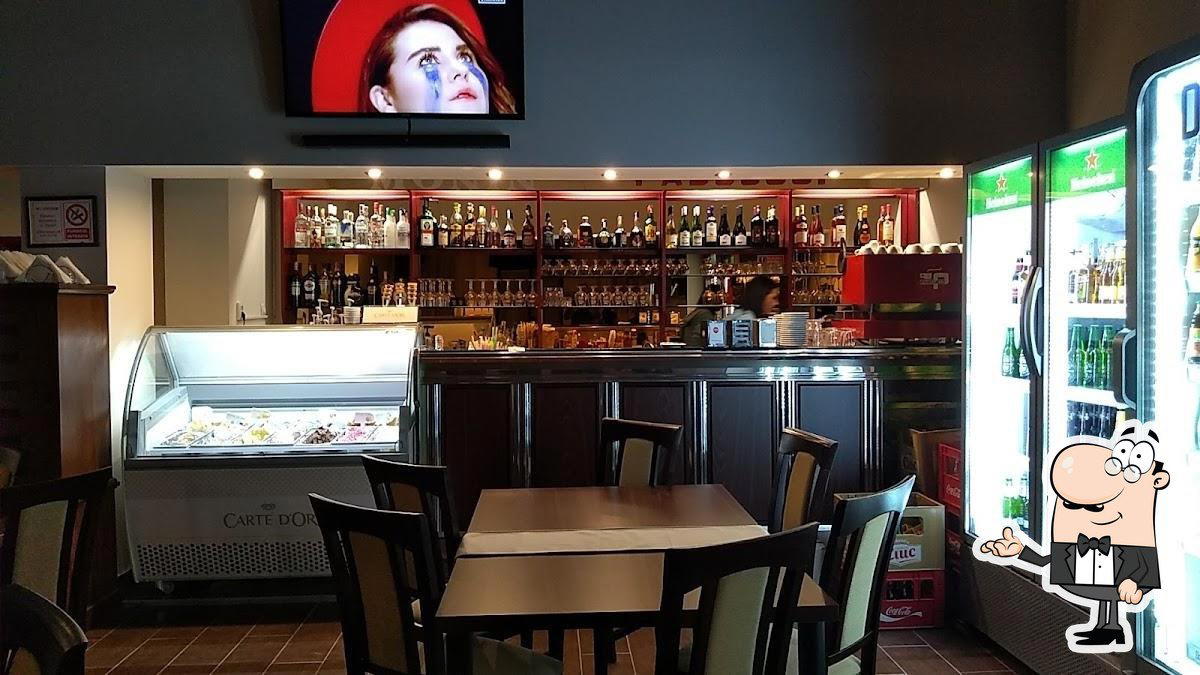
Details
- Modern
- Cozy
- Casual Hangout
- Family
- Terrace
- A La Carte
Current opening hours
- Monday
- 9 AM–8 PM
- Tuesday
- 9 AM–8 PM
- Wednesday
- 9 AM–8 PM
- Thursday
- 9 AM–8 PM
- Friday
- 9 AM–5 PM
- Saturday
- Closed
- Sunday
- Closed
Hours can change for holidays and private events. Last verified .
Clean room with modern furniture and a quiet, comfortable atmosphere.