Blank sits on Str. Doamnei in central Bucharest, a few steps from Calea Victoriei in a part of the city where pre-war architecture and the current wave of considered dining overlap. The address places it squarely in the conversation about what serious eating in the Romanian capital looks like today, in a neighbourhood where that conversation is most actively happening.
Pearl is the En Primeur Club membership app — saves, bookings, and concierge access live there. Same editors, same standards.
- Address
- Str. Doamnei nr. 2 (între Calea Victoriei și str. Eugeniu Carada), 030053 București
- Directions
- Get directions
 Saves & bookings on Pearl
Where Calea Victoriei Meets Its Side Streets
Blank is a restaurant in Bucharest serving Traditional Romanian cuisine, with a price tier of 2 and an average spend of about $20 per person. The stretch of Str. Doamnei between Calea Victoriei and Str. Eugeniu Carada is a useful lens for understanding how Bucharest's centre has changed. These blocks once held the administrative and commercial gravity of the city, and the architecture still carries that weight: facades with depth, proportions designed to impress, ground floors that have cycled through tenants as the city's priorities shifted. Blank occupies that address.
Arriving from Calea Victoriei, the approach is brief and direct. The main boulevard functions as a kind of editorial spine for central Bucharest dining, with the side streets offering a different register: less foot-traffic theatre, more intention required from the diner. This is the zone where Caru' cu bere established the template for grand, historically grounded dining a century ago, and where newer addresses are now working out what that inheritance means for a contemporary Romanian table.
Ingredient Sourcing as Editorial Position
Romanian cuisine's relationship with its own land is one of the more compelling and underreported stories in European food right now. The country's agricultural diversity, from the Danube Delta's fish and wetland produce to the market gardens of the Muntenia plain and the forest-edge foraging traditions of the Carpathian foothills, gives kitchens that pay attention a genuinely differentiated pantry. The question, for any serious address in Bucharest, is whether the menu reads as a product of that geography or as a performance of it.
The better operators in the capital have moved toward sourcing specificity as a point of distinction. Restaurants like Kaiamo have made the provenance argument central to their identity, and that shift has raised the baseline expectation for the tier of dining Blank inhabits. When a kitchen on Str. Doamnei can specify where its produce comes from, that specificity is no longer a bonus: it has become the standard by which the address is read. The same logic applies to kitchens across Romania, as seen in venues like Bogdania Bistro in Bucharest and Eat IT casual gourmet kitchen in Oradea, both of which have built their menus around local supply chains rather than generic European sourcing.
Across Romania's restaurant scene more broadly, the sourcing argument has also shaped how bars and more casual formats operate. Cocteleria Urban Garden in Floresti uses locally grown botanicals in its cocktail program, a signal that provenance thinking has moved well beyond the fine-dining tier. Kombinat Gastro-Brewery in Sibiu integrates local grain sourcing directly into its brewing process. The pattern is consistent: the kitchens and bars gaining traction in Romanian cities are the ones treating the supply chain as content, not logistics.
The Bucharest Tier This Address Occupies
Central Bucharest dining has stratified more clearly over the past several years. At the upper tier, addresses like Epoque Restaurant operate with the full formal apparatus: long tasting menus, elaborate wine programs, service teams trained to international standards. Below that, but sharing some of the same clientele, is a category of considered but less ceremonial dining, where the food carries weight but the format is more flexible. Blank's position on Str. Doamnei places it in a neighbourhood where both tiers coexist, and where the diner moving between them does so within a few hundred metres.
The city's appetite for international cuisine has also grown considerably. Restaurant Seoul represents the kind of specialist address that now has a credible audience in Bucharest, a city that a decade ago offered far fewer options at this level of ethnic-cuisine specificity. That shift matters for understanding Blank's context: diners who have developed expectations at a Korean specialist or a French-trained Romanian kitchen are the same diners this address is drawing on.
Comparable patterns are visible in cities across the region. Lo Sfizio in Targu Mures and Cafeneaua Nației in Ploiesti both reflect a broader Romanian trend toward venues that hold a specific culinary position rather than trying to be comprehensive. Specificity, whether in cuisine type, sourcing philosophy, or format, has become a legible signal of seriousness in the Romanian market.
The Neighbourhood Beyond the Plate
Str. Doamnei's proximity to Calea Victoriei means that a meal at Blank sits inside a broader evening that the neighbourhood supports well. The boulevard itself has enough cultural and architectural density to reward time before or after a reservation: the Athenaeum is within walking distance, the CEC Palace is on the same axis, and the concentration of pre-war buildings in this part of the centre gives the streets a scale that newer development zones in Bucharest lack.
For visitors arriving from outside Romania, the address is a reasonable point of entry into understanding what Bucharest's centre actually feels like at street level. The city's food scene has become an argument for spending more than a transit day here, and a neighbourhood like this one, where serious dining and significant architecture occupy the same few blocks, makes that argument more efficiently than any itinerary built around dispersed highlights. Venues like Vatos Restaurant in Agigea and Butterfly Events in Chiscani show how the country's hospitality offer extends well beyond the capital, but Bucharest's centre remains the densest concentration of the kind of considered dining that rewards a dedicated visit.
For those building a broader picture of what Romanian cities offer, Cartofisserie in Timisoara, Cartofisserie in Suceava, and Cofeels in Cluj-Napoca each illustrate how format-driven concepts are establishing themselves in secondary cities with growing dining cultures of their own.
Planning Your Visit
Blank is at Str. Doamnei nr. 2, between Calea Victoriei and Str. Eugeniu Carada in central Bucharest. The location is walkable from Piața Universității and from the main hotel cluster along Calea Victoriei, making it a practical option for visitors staying in the centre. Blank is recommended for reservations and has a smart casual dress code.
Le Bernardin in New York City or Atomix in New York City than it did five years ago, in the sense that sourcing specificity and format discipline have become baseline expectations rather than differentiators. The gap remains in execution depth and consistency, but the directional shift is clear.
A Quick Peer Check
Comparable venues nearby, for context on price, style, and recognition.
| Venue | Cuisine | Price | Notes |
|---|---|---|---|
| BlankThis venue — the venue you are viewing | Traditional Romanian | $$ | Not listed |
| Caru' cu bere | Traditional Romanian | $$ | Old Town |
| Kaiamo | Modern Romanian Fine Dining | $$$$ | District 1, Dorobanți |
| Epoque Restaurant | Modern Romanian | $$$$ | Sector 1 |
| Restaurant Seoul | Authentic Korean Barbecue | $$$ | Sector 1 |
| Cofeels | Specialty Coffee & Vegan Café | $$ | Cluj-Napoca city center |
Continue exploring
More in Bucharest
Restaurants in Bucharest
Browse all →
Bars in Bucharest
Browse all →
At a Glance
- Well Known
- Lively
- Classic
- Group Dining
- Celebration
- Casual Hangout
- Live Music
- Historic Building
- Beer Program
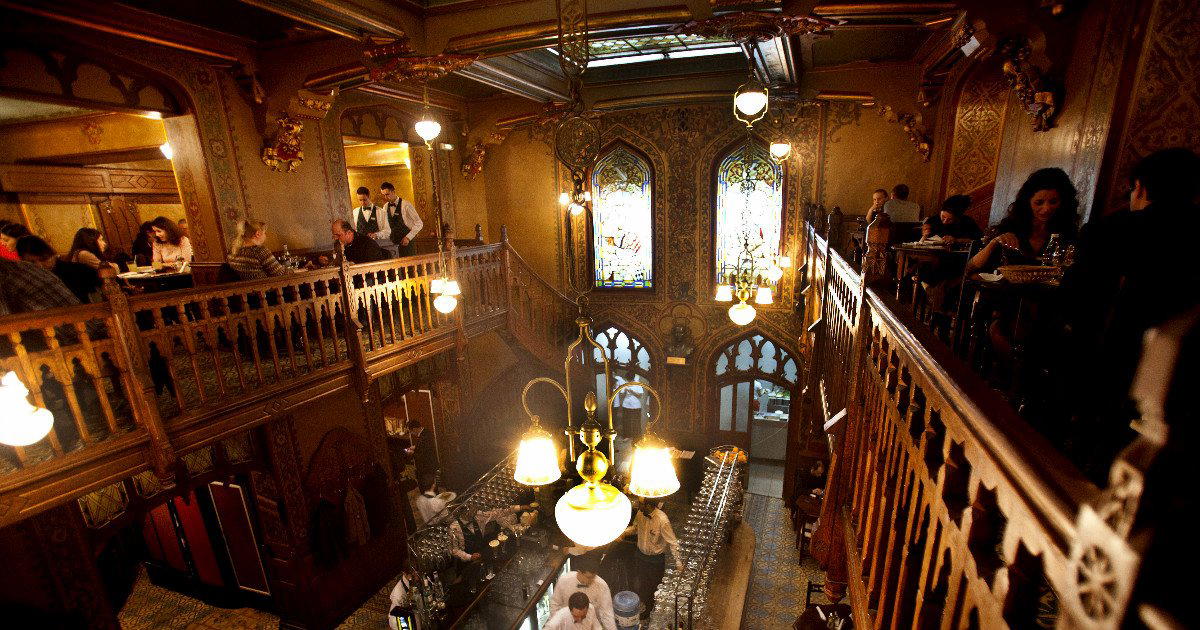
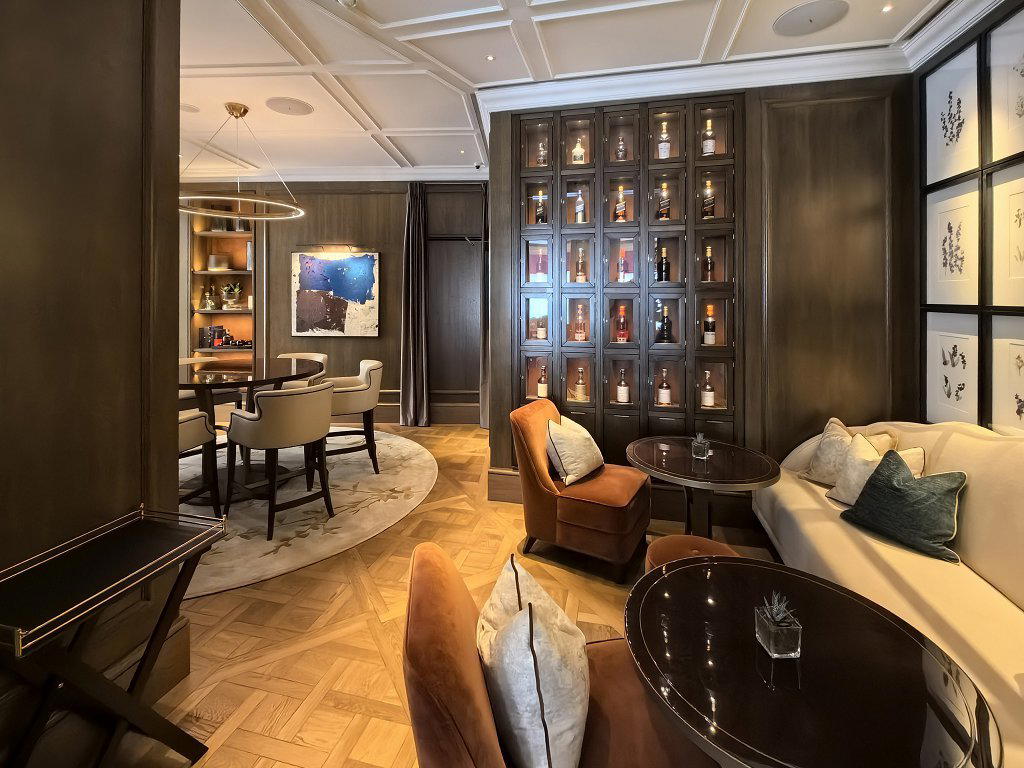
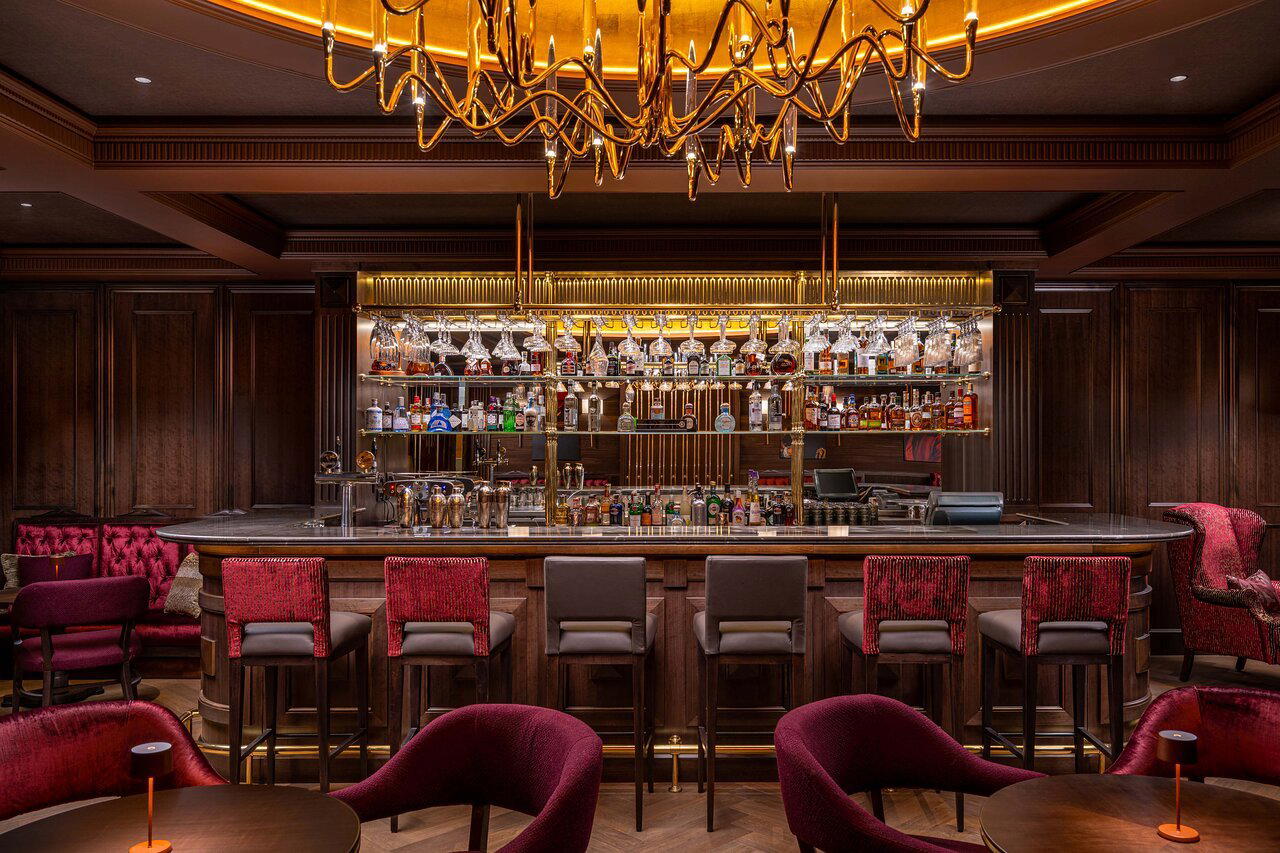
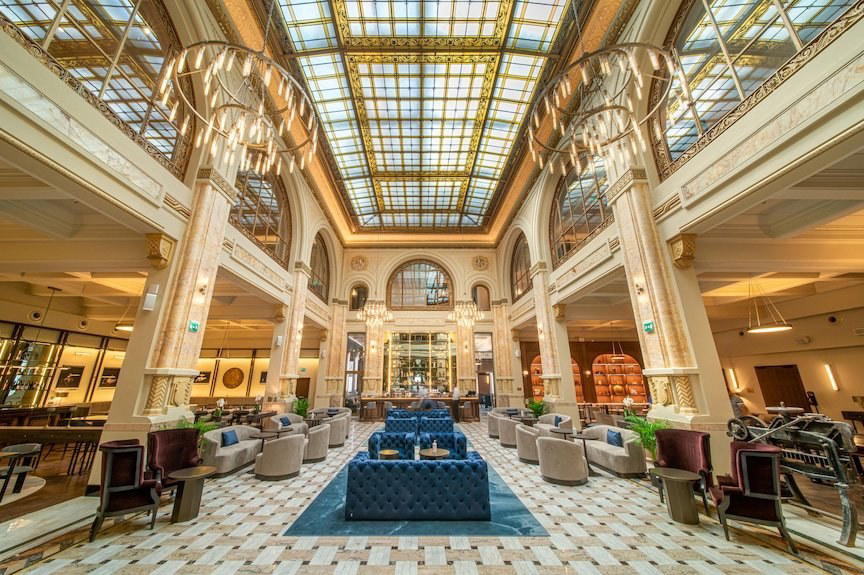
Sophisticated beer hall atmosphere with polished wood interiors, stained glass, mosaics, carved paneling, and festive traditional music.