Our verdict
Locanta Jaristea occupies a quiet address on Strada George Georgescu in Bucharest, where Romanian cooking traditions hold their ground against a city increasingly drawn to international formats. The restaurant draws a loyal local following that returns not for novelty but for consistency — a reliable marker in a dining scene where regulars are the sharpest critics. For visitors exploring Bucharest beyond its more prominent addresses, this is a name that locals mention without prompting.

Pearl is the En Primeur Club membership app — saves, bookings, and concierge access live there. Same editors, same standards.
- Address
- Strada George Georgescu 50-52, București 040133, Romania
- Phone
- +40721961936
- Hours
- Mon–Fri 11 AM–11 PMSat Open 24 hoursSun 11 AM–11 PM
- Website
- jaristea.ro
- Directions
- Get directions
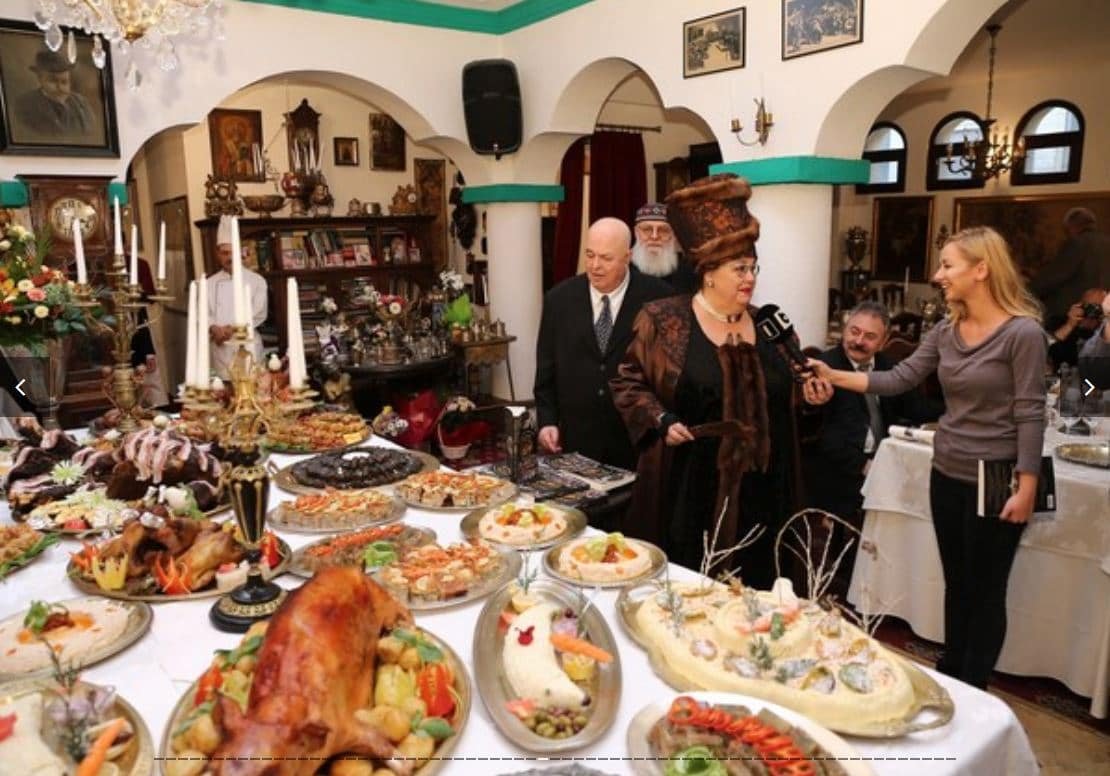
What Keeps the Regulars Coming Back
In Bucharest, the restaurants that earn genuine repeat custom tend to operate differently from those chasing first-time visitors. They hold a line on quality rather than rotating concepts for attention, they know their neighbourhood, and they develop a rhythm with the people who eat there week after week. Locanta Jaristea, on Strada George Georgescu in the southern residential fringe of the city centre, fits that pattern. The address is not one that tourists stumble across; it requires a decision to go there, which means the room tends to fill with people who already know what they want when they walk in.
That self-selecting audience is telling. In cities where dining options have multiplied rapidly — and Bucharest's restaurant scene has expanded considerably over the past decade — the venues that sustain a loyal core clientele are doing something that menus alone cannot explain. Atmosphere, consistency, and a certain legibility of purpose matter as much as any individual dish. Locanta Jaristea's position in a lower-traffic part of the city gives it a character that more central addresses struggle to maintain: the room is not performing for passing trade.
Romanian Cooking in Its Urban Register
Bucharest's relationship with its own culinary traditions is more complicated than it might appear from outside. The city spent decades under a regime that flattened food culture, and the recovery has been uneven. Some restaurants have pushed hard into modernised Romanian formats, applying European technique to local ingredients in a way that reads as aspirational. Others have held closer to the traditional register, treating ciorba, mici, and slow-braised meats as ends in themselves rather than starting points for reinvention. The comparison venues operating in Bucharest's more visible tier, L'Atelier with its Romanian Modern approach, NOUA with its ambitious contemporary positioning, represent the former tendency. Locanta Jaristea reads as something closer to the latter: a place where Romanian cooking is the subject, not the raw material for a concept.
That distinction matters more to regulars than to first-time visitors. A guest arriving once will assess the food on its own terms. A guest arriving for the fifteenth time is measuring something different: whether the kitchen holds to its commitments, whether the seasonal shifts feel honest, whether the room still feels like theirs. Restaurants in the traditional register earn that loyalty differently from concept-driven spaces, and the Bucharest dining scene needs both tiers to function with integrity. Venues like Bogdania Bistro and Caru' cu Bere anchor different points on that spectrum, each with its own loyal constituency.
The Neighbourhood and What It Asks of a Restaurant
Strada George Georgescu sits in a part of Bucharest that does not court restaurant tourism. The surrounding blocks are residential and institutional, removed from the concentrated dining activity of areas like Floreasca or the Old Town. A restaurant operating here succeeds or fails on local terms: it must work for the people who live within walking distance, who will visit on a Tuesday as readily as a Friday, and who will notice immediately if standards slip between visits.
This geography places Locanta Jaristea in a different competitive frame from Bucharest's more visible establishments. It is not competing for the same reservation against Alouette or Aubergine. It occupies a more specific niche: the neighbourhood restaurant that a particular slice of the city claims as its own. That kind of ownership is earned slowly and lost quickly, which is precisely why it signals quality more reliably than a single strong review.
Bucharest's dining map has grown complex enough that neighbourhood anchors matter in a new way. As the city's central addresses have become more competitive and more expensive, the outer-ring dining scene has developed genuine character. Venues in comparable positions across Romania, Eat IT casual gourmet kitchen in Oradea, Cartofisserie in Timisoara, demonstrate that serious food is not confined to capital-city centres or to internationally recognised addresses. The same logic applies within Bucharest itself.
The Unwritten Menu
Every restaurant with a strong regular following develops something beyond its printed menu: the dishes people order without looking, the timing preferences the kitchen accommodates without being asked, the table that a particular group considers theirs on a given night. At a venue like Locanta Jaristea, where the room tilts toward locals rather than tourists, that unwritten layer is thicker than usual.
Romanian cooking has always had a strong oral tradition around food, recipes passed between households, seasonal preparations that happen at fixed points in the year, dishes tied to occasion rather than menu cycle. A restaurant that taps into that tradition, even partially, creates a different kind of bond with its guests than a venue serving international formats. The regulars are not just returning because they enjoyed a meal; they are returning because the place carries a version of culinary memory that feels continuous rather than constructed.
This is the harder thing to achieve in a city that has seen rapid dining expansion. Newer venues in Bucharest, however accomplished technically, do not yet have the sediment of repeated visits. That depth accumulates only with time and consistency, which is why a restaurant with an established regular clientele carries a form of evidence that no award or press mention can replicate. For context on the broader Bucharest scene and how to build an itinerary around venues at different points in that development, our full Bucharest restaurants guide maps the city's current range with comparable depth.
Planning Your Visit
Locanta Jaristea's address on Strada George Georgescu places it south of the city centre, away from the main tourist corridors. Getting there from central Bucharest requires a short taxi or rideshare ride; the walk from the nearest metro points is possible but not direct. The neighbourhood character means the restaurant functions well for a mid-week dinner when central addresses feel performative or crowded. Booking ahead is advisable, particularly given the venue's local following; a room that fills with regulars has less tolerance for walk-in variation. Visitors exploring Romania's wider dining scene beyond the capital will find useful comparisons in places like Lo Sfizio in Targu Mures and Cofeels in Cluj-Napoca, each of which occupies a similar position of local authority in its respective city.
Frequently asked questions
What's the address for Locanta Jaristea?
Locanta Jaristea is located at Strada George Georgescu 50-52, București 040133, Romania, Bucharest.
Is Locanta Jaristea a good option for experiencing Romanian food in Bucharest without the tourist-area markup?
Locanta Jaristea's address on Strada George Georgescu places it in a part of Bucharest that functions as a working residential and institutional district, not a dining destination in the commercial sense. That positioning historically corresponds with restaurants that price for locals rather than visitors. For anyone interested in Romanian cooking as Bucharest actually eats it, the neighbourhood context is as relevant as anything on the plate.
What's the best thing to order at Locanta Jaristea?
The kitchen at Locanta Jaristea draws on Romanian culinary tradition rather than international reference points, so the dishes worth ordering are the ones rooted in that repertoire — slow-cooked meats, fermented and pickled preparations, and seasonal produce handled without cosmetic intervention. Regulars at this Strada George Georgescu address tend to know what they want before they sit down, which is itself a reliable signal about where the kitchen's strengths lie.
How hard is it to get a table at Locanta Jaristea?
Locanta Jaristea sits off the main tourist corridors in a residential part of Bucharest, which means its dining room fills with returning customers rather than passing trade. That kind of repeat-driven demand can make tables harder to secure than the address alone would suggest. Contacting the restaurant directly ahead of your visit is advisable, particularly for evenings and weekends.
What's the standout thing about Locanta Jaristea?
Its location on Strada George Georgescu, south of Bucharest's centre and well outside the zones most visitors cover, filters out the casual audience entirely. What remains is a room that operates on the logic of a neighbourhood restaurant with a committed regular following, where the cooking reflects Romanian urban tradition rather than a version of it packaged for outsiders.
Cuisine and Credentials
Comparable venues nearby, for context on price, style, and recognition.
| Venue | Cuisine | Price | Awards | Notes |
|---|---|---|---|---|
| Locanta JaristeaThis venue — the venue you are viewing | Traditional Romanian | $20–30 | Not listed | Not listed |
| Isoletta | Italian Seafood Fine Dining | $50–100 | Not listed | Herăstrău |
| Casa Doina | Traditional Romanian | $30–50 | Not listed | Sector 1 |
| Kaiamo | Modern Romanian Fine Dining | $50–100 | Wine Spectator Award of Excellence | Dorobanți |
| Bogdania Bistro | Balkan Bistro | $20–30 | Not listed | Lipscani/Old Town |
| Studio 80 | Asian-Mediterranean Fusion | $30–50 | Not listed | Pipera |
Continue exploring
More in Bucharest
Restaurants in Bucharest
Browse all →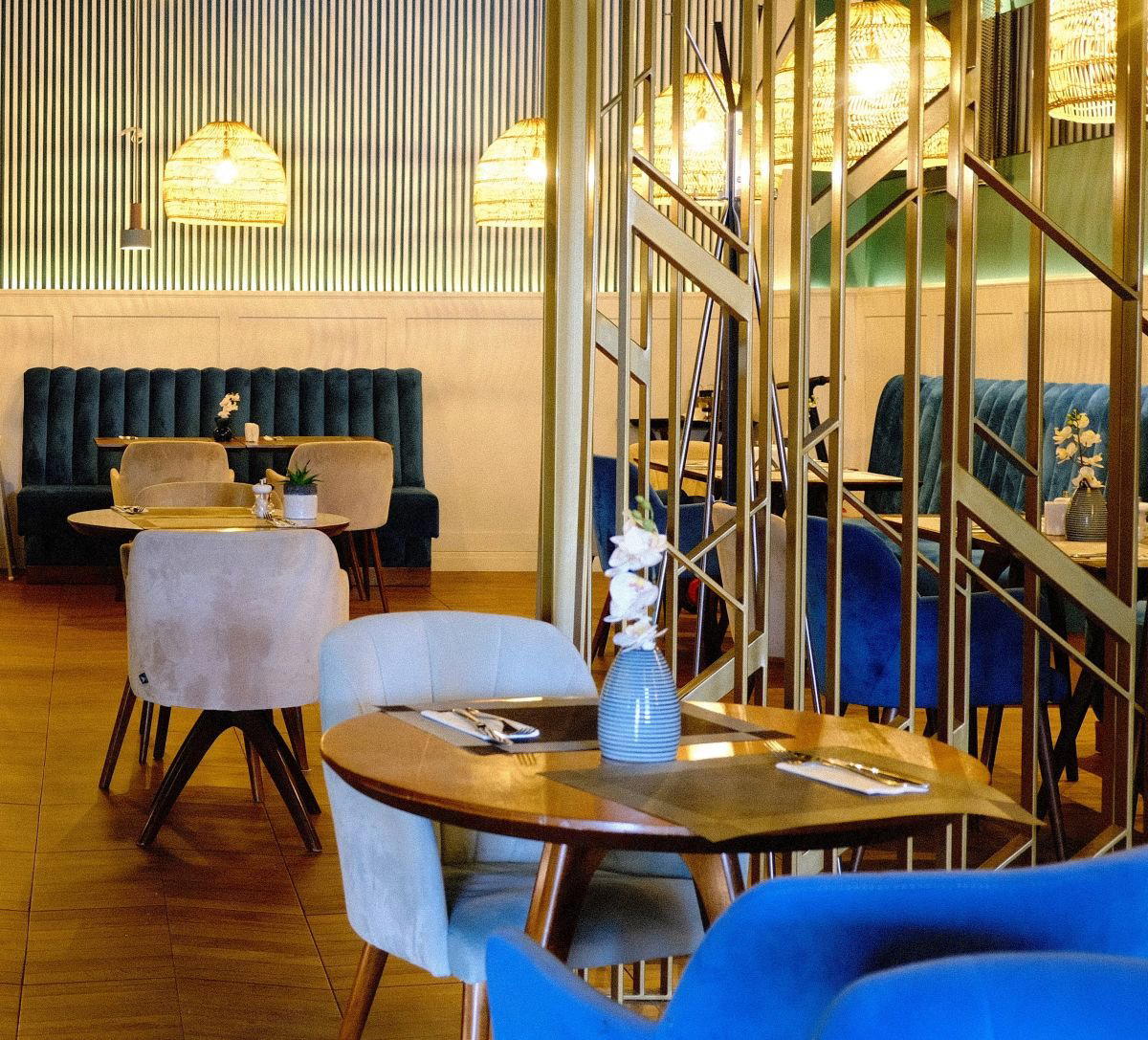
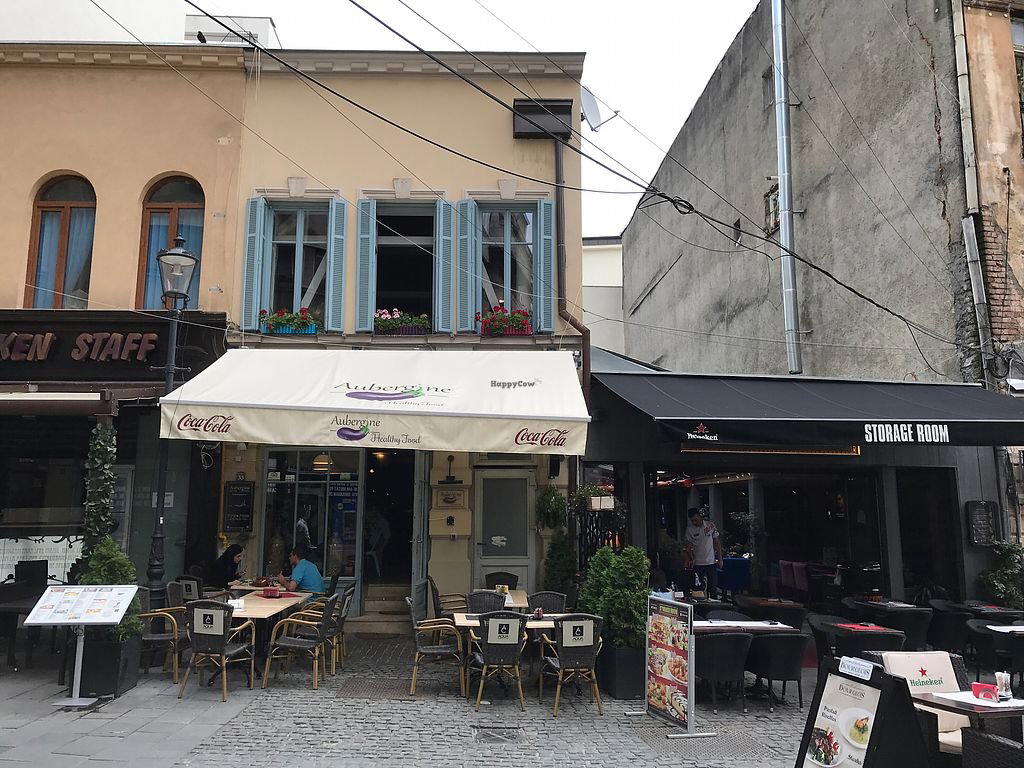
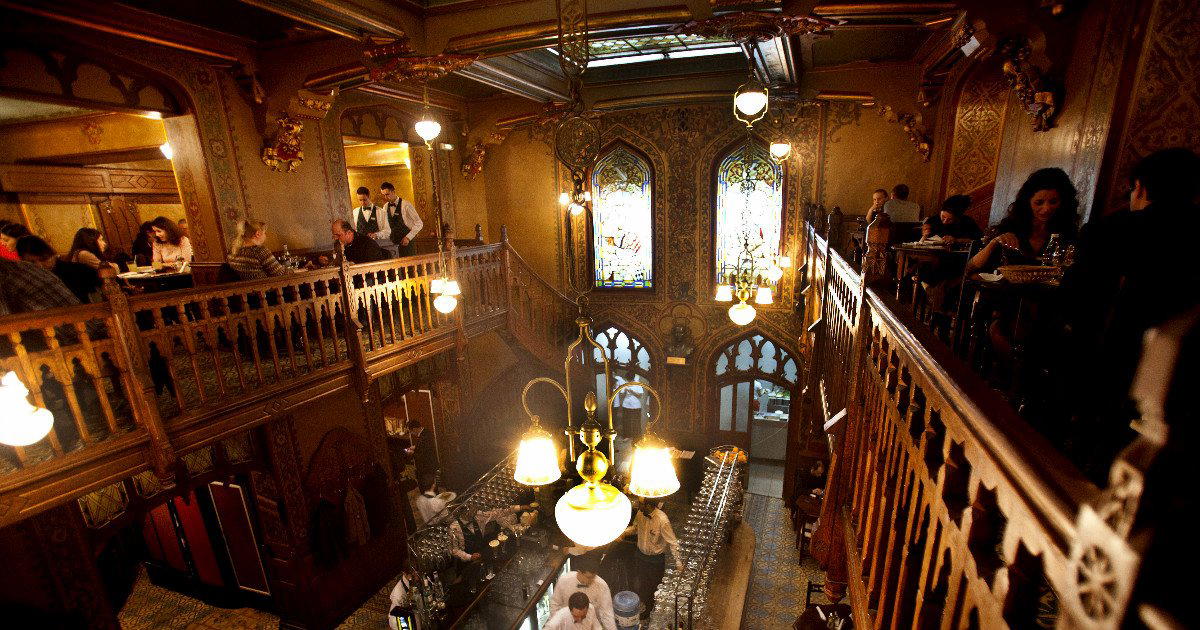
Bars in Bucharest
Browse all →

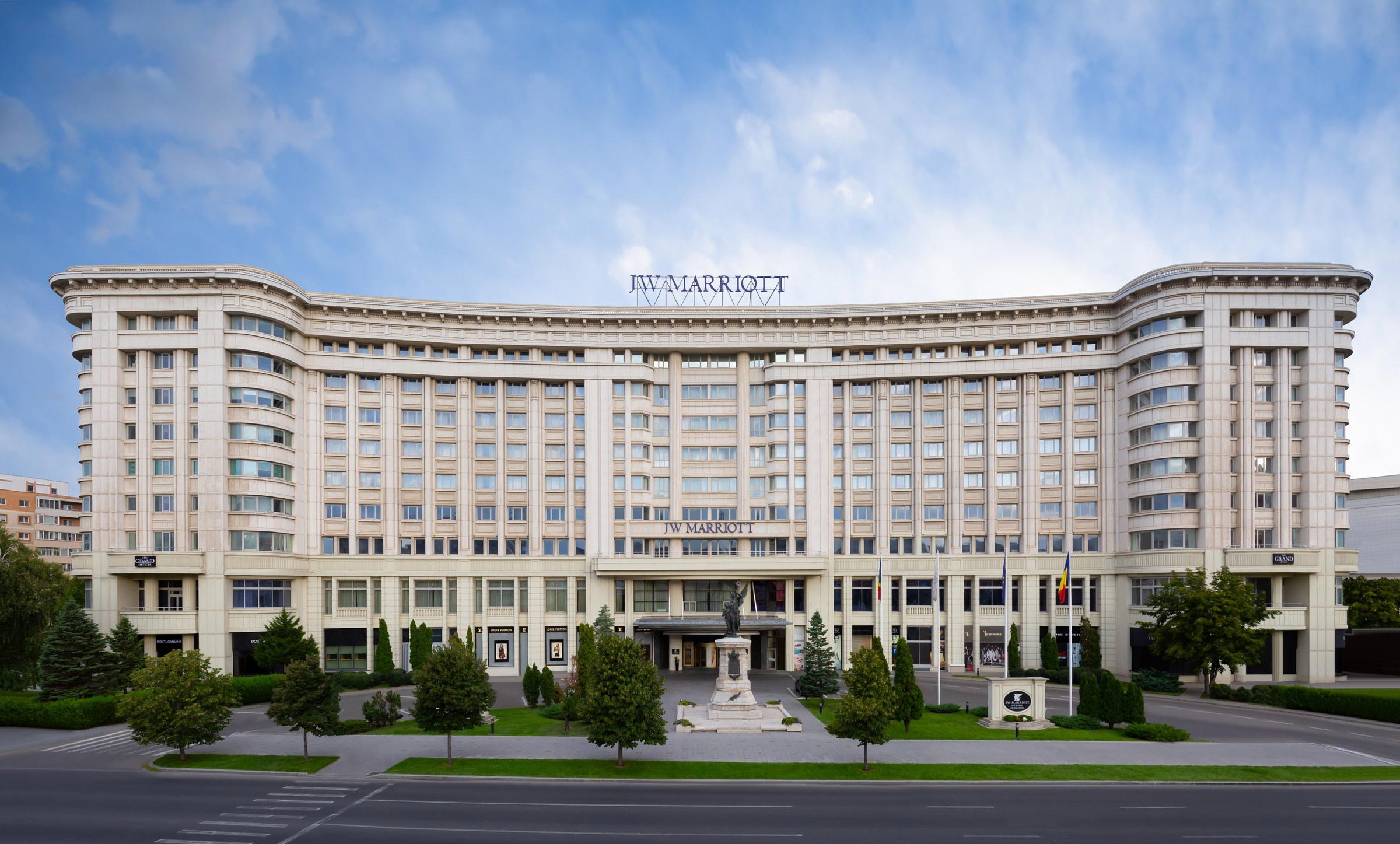
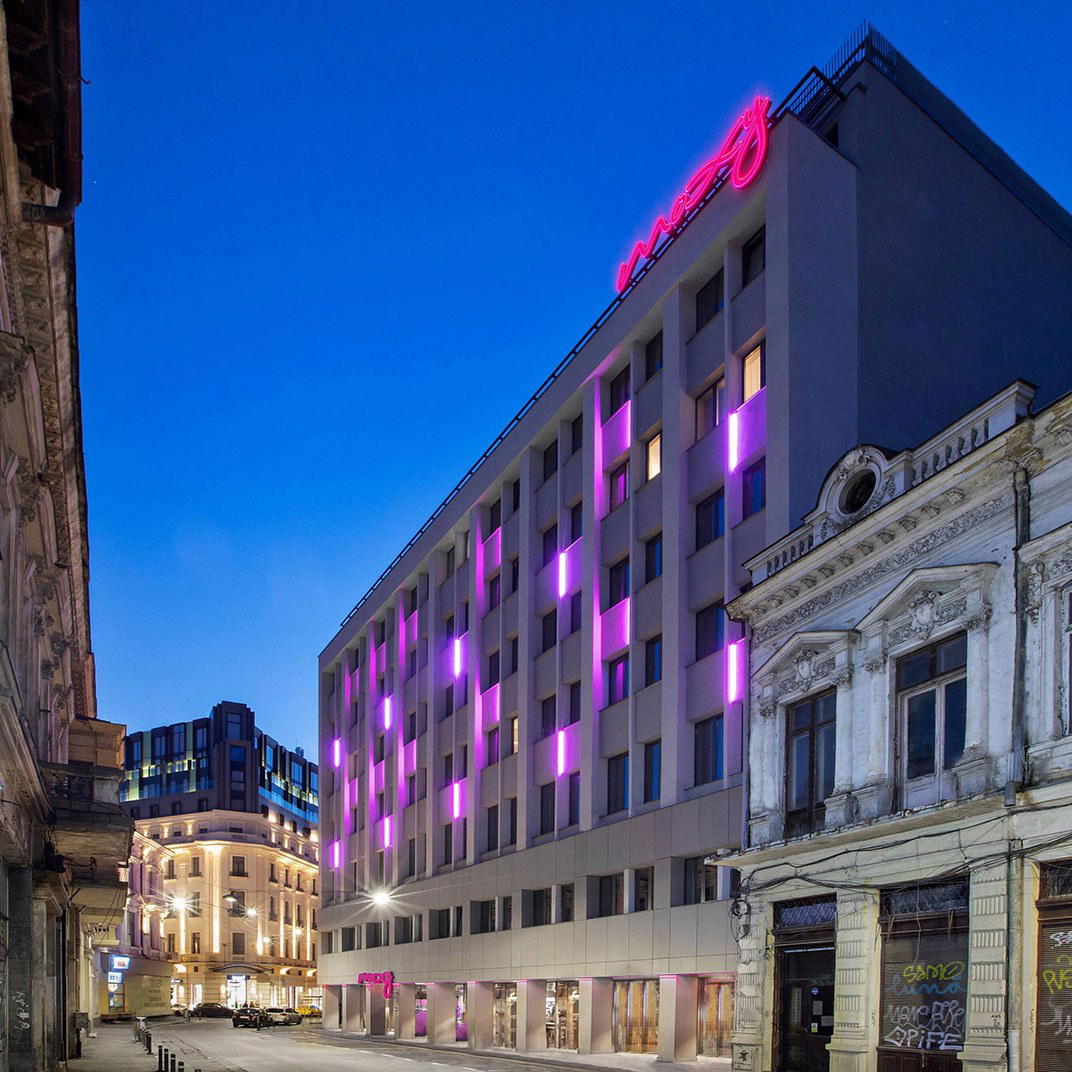
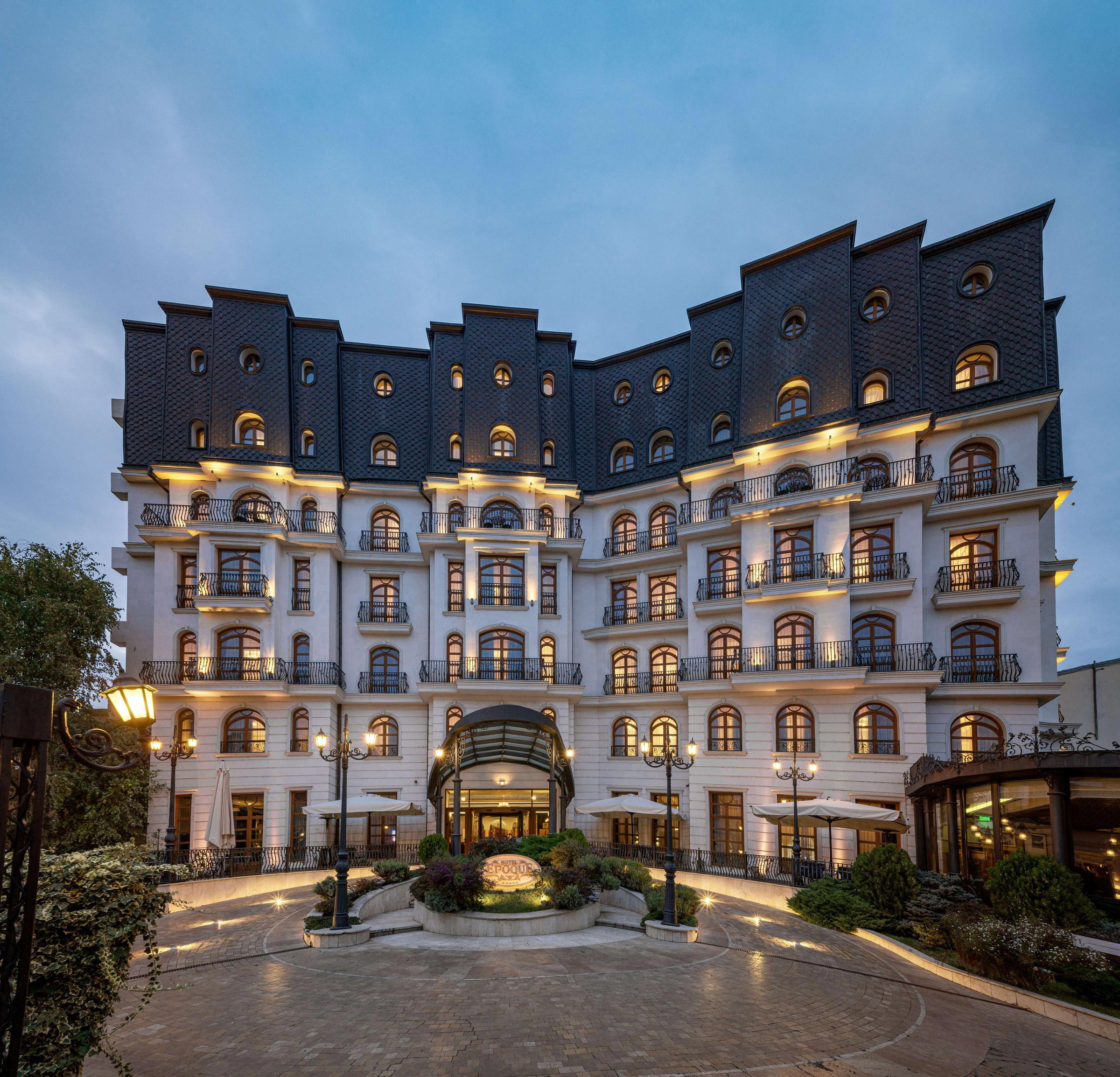
Locanta Jaristea
The wine
- Wine program
- Curated wine list
- Extensive wine list
Details
- Classic
- Cozy
- Intimate
- Rustic
- Celebration
- Special Occasion
- Live Music
- Extensive Wine List
- A La Carte
Current opening hours
- Monday
- 11 AM–11 PM
- Tuesday
- 11 AM–11 PM
- Wednesday
- 11 AM–11 PM
- Thursday
- 11 AM–11 PM
- Friday
- 11 AM–11 PM
- Saturday
- Open 24 hours
- Sunday
- 11 AM–11 PM
Hours can change for holidays and private events. Last verified .
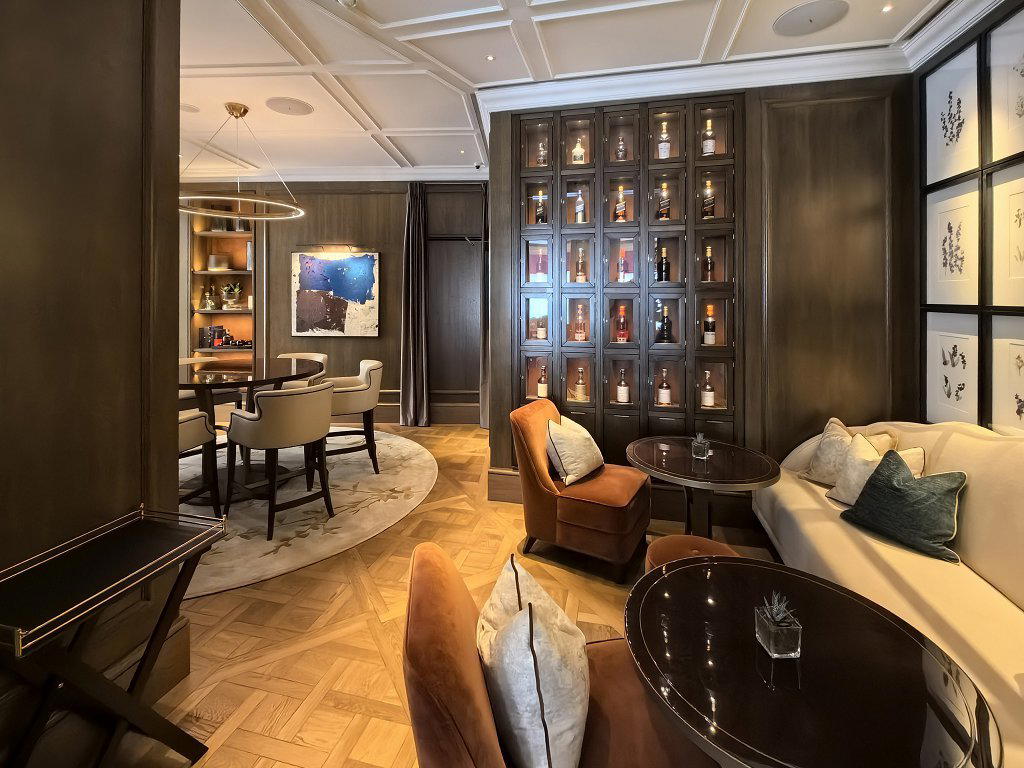
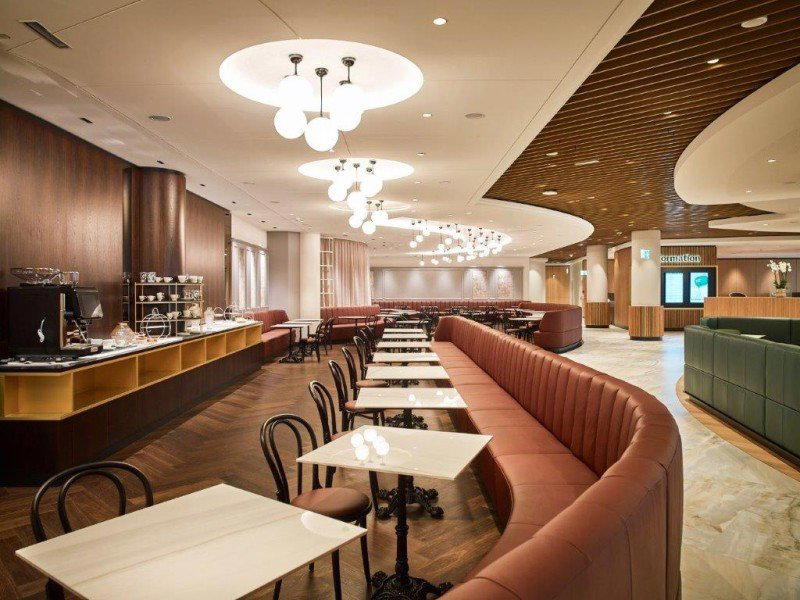
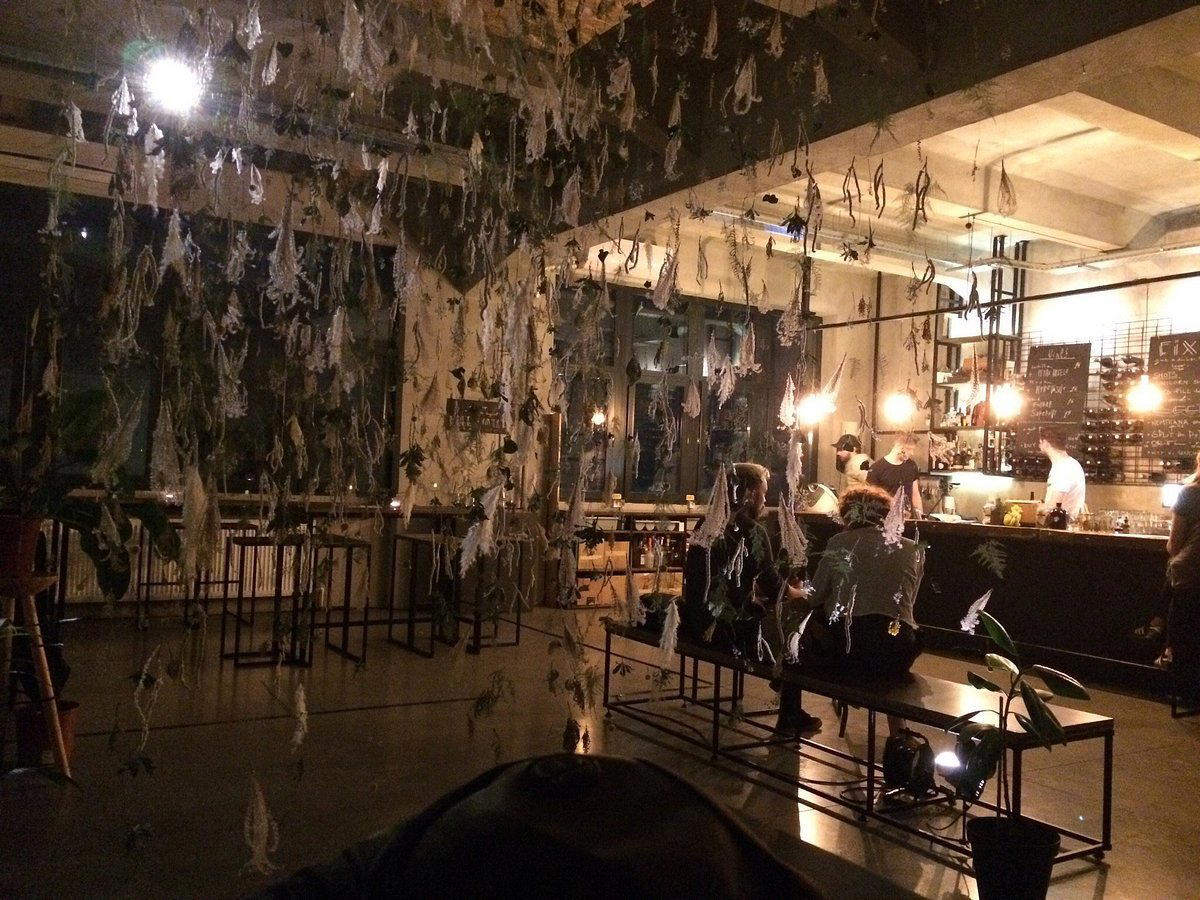
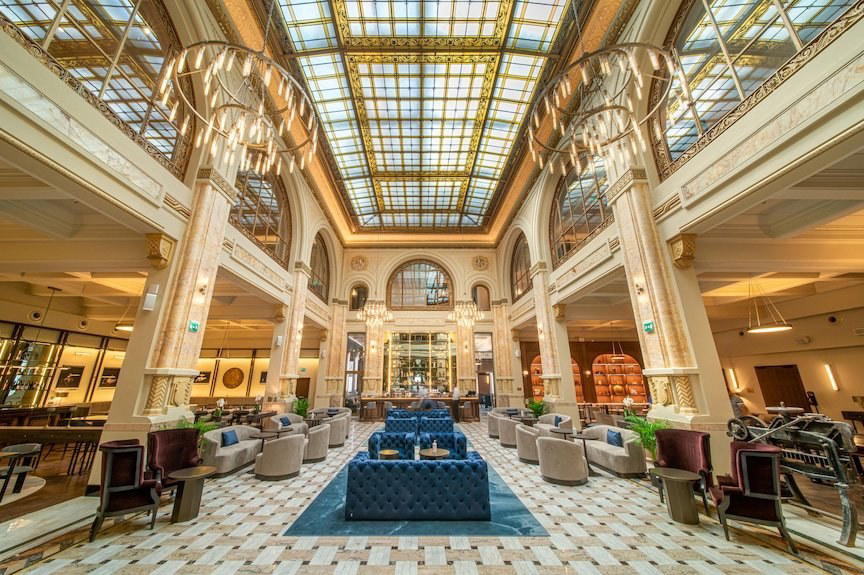
Dark wood furniture, black-and-white historical photos on walls, bric-a-brac, and lively atmosphere from local band encouraging diners to dance.