
Wine Spectator Award of Excellence
Our verdict
Kaiamo serves modern Romanian fine dining with an open kitchen, an extensive wine list, and an extended dinner format; the Wine Spectator Award of Excellence comes in 2026.

Pearl is the En Primeur Club membership app — saves, bookings, and concierge access live there. Same editors, same standards.
- Address
- Str. Ermil Pangratti nr. 30A, 011882 București
- Phone
- (40) 722-202-204
- Hours
- Mon ClosedTue–Sat 6–11 PMSun Closed
- Website
- kaiamo.com
- Directions
- Get directions
The menu
What to order
- Egg with carrot mousse and crispy chicken skin
- Snail with gnocchi and mushroom cream
- Octopus with carrot purée and citrus caramel
- Rosy sausage and mash
- Edible stones from Luncavăț river
- Duck with popcorn and elderflower
Romanian Cooking Reframed: What Kaiamo Represents in Bucharest's Current Dining Scene
There is a particular type of restaurant that surfaces in cities undergoing a culinary identity shift: one that takes the ingredients and techniques of a national tradition and treats them as a serious subject rather than a nostalgic backdrop. Bucharest has been building toward this moment for over a decade, and Kaiamo, at Str. Ermil Pangratti nr. 30A in the Dorobanți quarter, operates within that current. The address alone signals intent: away from the obvious tourist circuits, in a residential pocket that requires a deliberate choice to find.
Romanian Cuisine as a Living Tradition
To understand why a restaurant like Kaiamo carries weight in Bucharest, it helps to understand what Romanian cuisine actually is, and how long it has been misread. The country sits at a crossroads where Ottoman, Austro-Hungarian, and Byzantine food cultures overlapped for centuries, producing a larder that is simultaneously Balkan, Central European, and distinctly its own. Fermented dairy, slow-cooked meats, foraged herbs, dried legumes, and seasonal preservation techniques form the structural grammar of the tradition. What has changed in Bucharest's better kitchens over the past several years is the willingness to treat those ingredients with the same technical seriousness applied to French or Japanese produce in other capitals.
This matters because Romanian cuisine has historically been underrepresented in the international dining conversation, partly because the country's restaurant culture was suppressed for decades under communism, and partly because the post-1989 opening created an appetite for foreign formats rather than domestic ones. The generation of cooks now working in Bucharest's more considered restaurants has inherited a tradition they are actively rehabilitating. Kaiamo participates in that rehabilitation.
The Dorobanți Setting and What It Signals
Bucharest's dining map is not organised around a single high-status district the way Paris or Milan's are. Instead, quality concentrates in pockets: the Old Town hosts crowd-facing institutions like Caru' cu bere, whose 19th-century architecture makes it a reference point for the city's architectural heritage, while more considered contemporary addresses tend to migrate toward quieter residential zones. Dorobanți fits the latter pattern. The neighbourhood carries a legacy of interwar bourgeois architecture, and restaurants that settle here are, in effect, signalling that they expect guests to make the journey rather than catch passing foot traffic. That self-selection shapes the room's energy in ways that matter to the dining experience.
Other Bucharest restaurants that position themselves in this considered tier include Blank and Epoque Restaurant, both of which operate in the space between formal and accessible that defines the city's current upper-mid dining register. International additions like Restaurant Seoul show how much Bucharest has widened its frame of reference in a relatively short period. Kaiamo's positioning alongside these addresses places it in a competitive set defined less by price bracket than by intent: these are kitchens that have something to say.
Cultural Roots and the Question of Authenticity
The conversation about authenticity in Romanian cooking is complicated in ways that mirror similar debates in other Eastern European food cultures. What counts as traditional? The pre-communist peasant tradition? The interwar urban cuisine of Bucharest's café culture? The communist-era institutional cooking that became default for an entire generation? The answer, in practice, is all of them, layered and contradictory. Restaurants that engage seriously with Romanian culinary identity tend to navigate this by choosing a specific layer to excavate rather than attempting to represent everything at once.
The cultural logic behind this approach is sound. Romanian cuisine's strongest features, its understanding of fermentation, its use of offal and secondary cuts, its integration of foraged and preserved ingredients, are exactly the techniques that international fine dining has been rediscovering from a different direction. A kitchen that treats these not as rustic limitations but as sophisticated tools is working with the grain of contemporary culinary thinking, not against it. This is the frame through which Kaiamo's position in the Bucharest scene makes most sense.
Booking and Planning Your Visit
Kaiamo's address at Str. Ermil Pangratti nr. 30A places it in the northern part of central Bucharest. For visitors staying in the city centre, the Dorobanți area is reachable by taxi or rideshare in under fifteen minutes from most central hotels, and the neighbourhood warrants the short detour on its own terms. As with most independently operated Bucharest restaurants operating at this level, booking ahead is advisable rather than optional, particularly on weekends and during the autumn and spring seasons when the city's restaurant trade is at its most active.
For a broader sense of where Kaiamo sits within the city's dining options, the full Bucuresti restaurants guide provides a mapped view of the scene. Those exploring Romanian cooking across the country will find further reference points at Bogdania Bistro in Bucharest and, for a sense of how regional variations play out beyond the capital, at addresses like Cafeneaua Nației in Ploiesti and Kombinat Gastro-Brewery in Sibiu. Elsewhere in Romania, the range extends from Eat IT casual gourmet kitchen in Oradea and Lo Sfizio in Targu Mures to coastal options like Vatos Restaurant in Agigea, while Cocteleria Urban Garden in Floresti, Butterfly Events in Chiscani, Cartofisserie in Timisoara, Cartofisserie in Suceava, and Cofeels in Cluj-Napoca round out the country's wider picture. For context on what technically rigorous cooking looks like at the international level, the EP Club profiles of Le Bernardin in New York City and Atomix in New York City offer useful reference points for readers tracking this kind of culinary ambition across geographies.
Frequently asked questions
Would Kaiamo be comfortable with kids?
Kaiamo's position in the Dorobanți quarter places it among Bucharest's more intentional independent restaurants, which typically skew toward adult dining rather than family-casual settings. Nothing in the confirmed record explicitly prohibits younger guests, but the deliberate register of the neighbourhood's dining culture suggests it is better suited to adults or older children comfortable in a quieter, more structured environment.
What's the overall feel of Kaiamo?
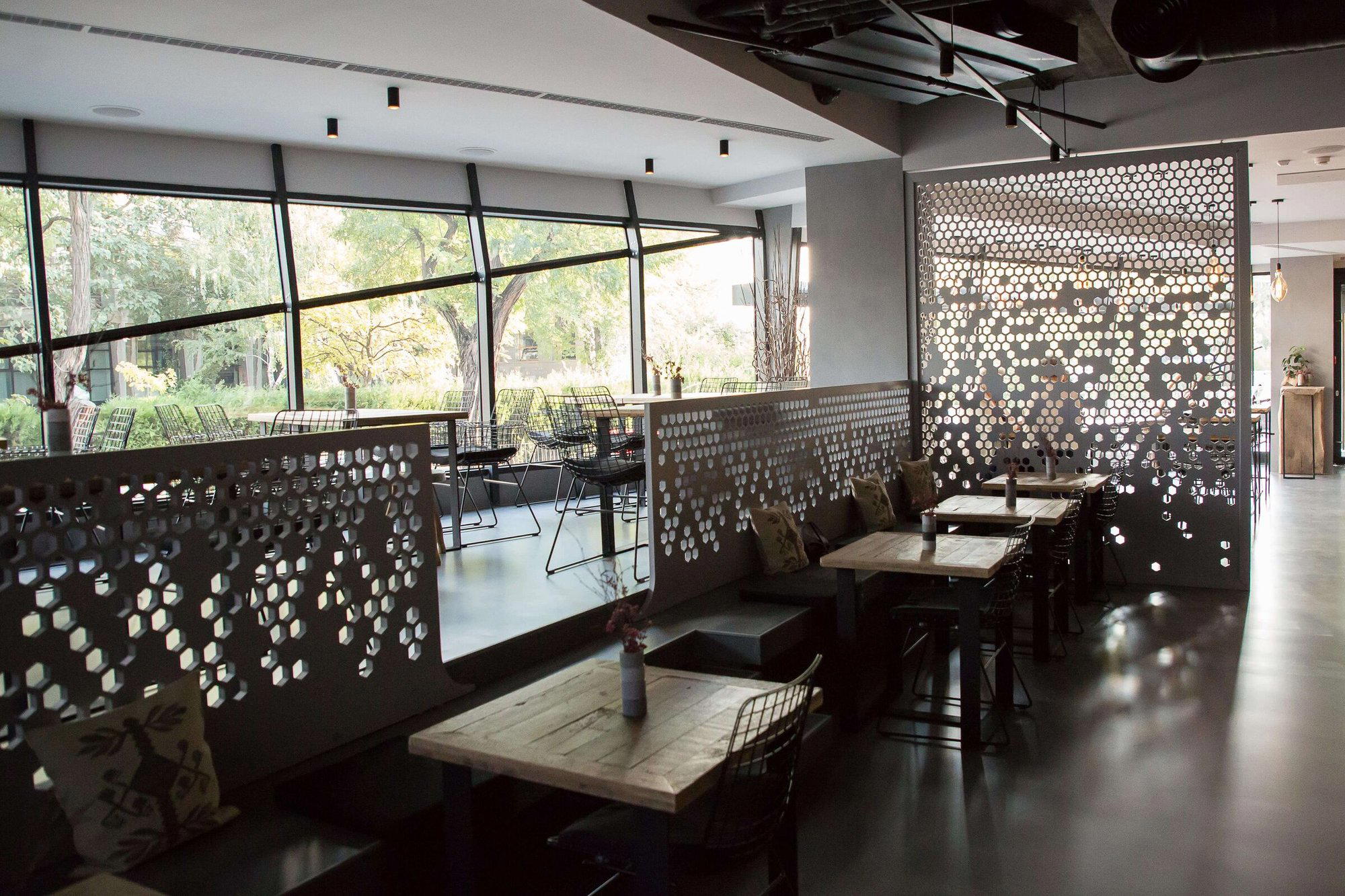
Kaiamo sits in the Dorobanți quarter at Str. Ermil Pangratti nr. 30A, a residential pocket of northern central Bucharest that has drawn some of the city's more considered independent dining addresses. The atmosphere runs deliberate rather than casual: this is not a drop-in neighbourhood spot but a restaurant with a point of view about Romanian cooking. Visitors should expect a focused, adult-oriented room rather than a loose, convivial one.
Is Kaiamo a good choice for experiencing contemporary Romanian cuisine in Bucharest?
Kaiamo is one of the addresses in Bucharest's Dorobanți quarter associated with the city's ongoing shift toward Romanian cooking treated as a serious, evolving tradition rather than a heritage artefact. For visitors whose itinerary is built around understanding Romanian food culture beyond the capital's tourist-facing restaurants, the Str. Ermil Pangratti address is a logical reference point in that conversation.
What dish is Kaiamo famous for?
What is documented is the restaurant's position within Bucharest's current wave of Romanian cooking reinterpreted through a modern lens, which generally means seasonal, locally rooted ingredients treated with a degree of technical consideration rather than straightforward folk-cooking reproduction.
What part of town is Kaiamo in?
Kaiamo is located at Str. Ermil Pangratti nr. 30A, 011882 București, Bucuresti.
Price Lens
Comparable venues nearby, for context on price, style, and recognition.
| Venue | Cuisine | Price | Awards | Notes |
|---|---|---|---|---|
| KaiamoThis venue — the venue you are viewing | Modern Romanian Fine Dining | $50–100 | Wine Spectator Award of Excellence | Not listed |
| Epoque Restaurant | Modern Romanian | $50–100 | Not listed | Sector 1, Modern Romanian |
| Caru' cu bere | Traditional Romanian | $20–30 | Not listed | Old Town, Traditional Romanian |
| Blank | Traditional Romanian | $20–30 | Not listed | Old Town, Traditional Romanian |
| Restaurant Seoul | Authentic Korean Barbecue | $20–30 | Not listed | Sector 1, Authentic Korean Barbecue |
| NOUA | Neo-Romanian Fine Dining | $150–200 | The Best Chef One Knife | Iancului, Neo-Romanian Fine Dining |
Recognition history
Dated appearances from independent guides and award organizations, with the underlying list record or original source where available.
Wine Spectator Award of Excellence
Wine Spectator
Continue exploring
More in Bucharest
Restaurants in Bucharest
Browse all →
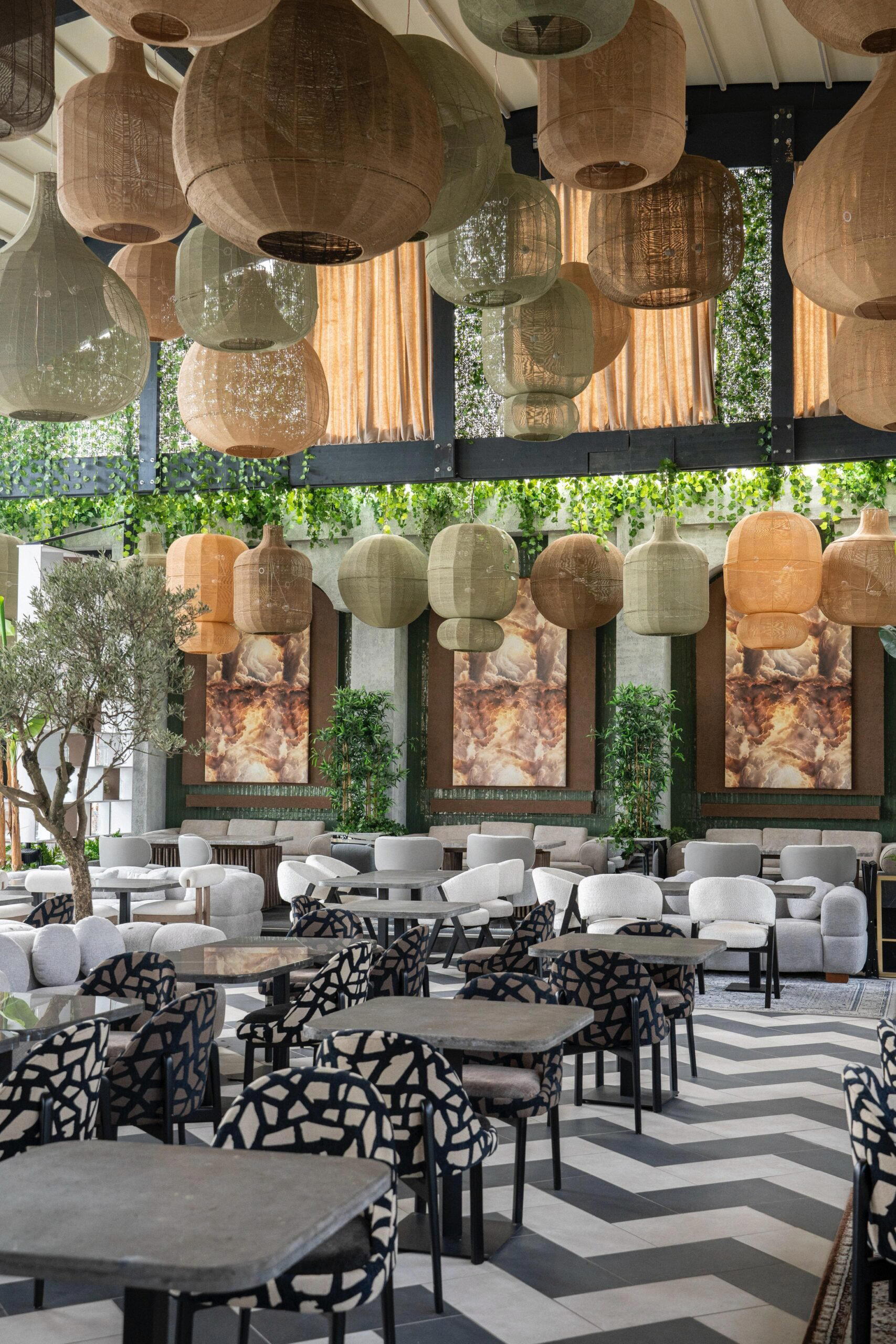
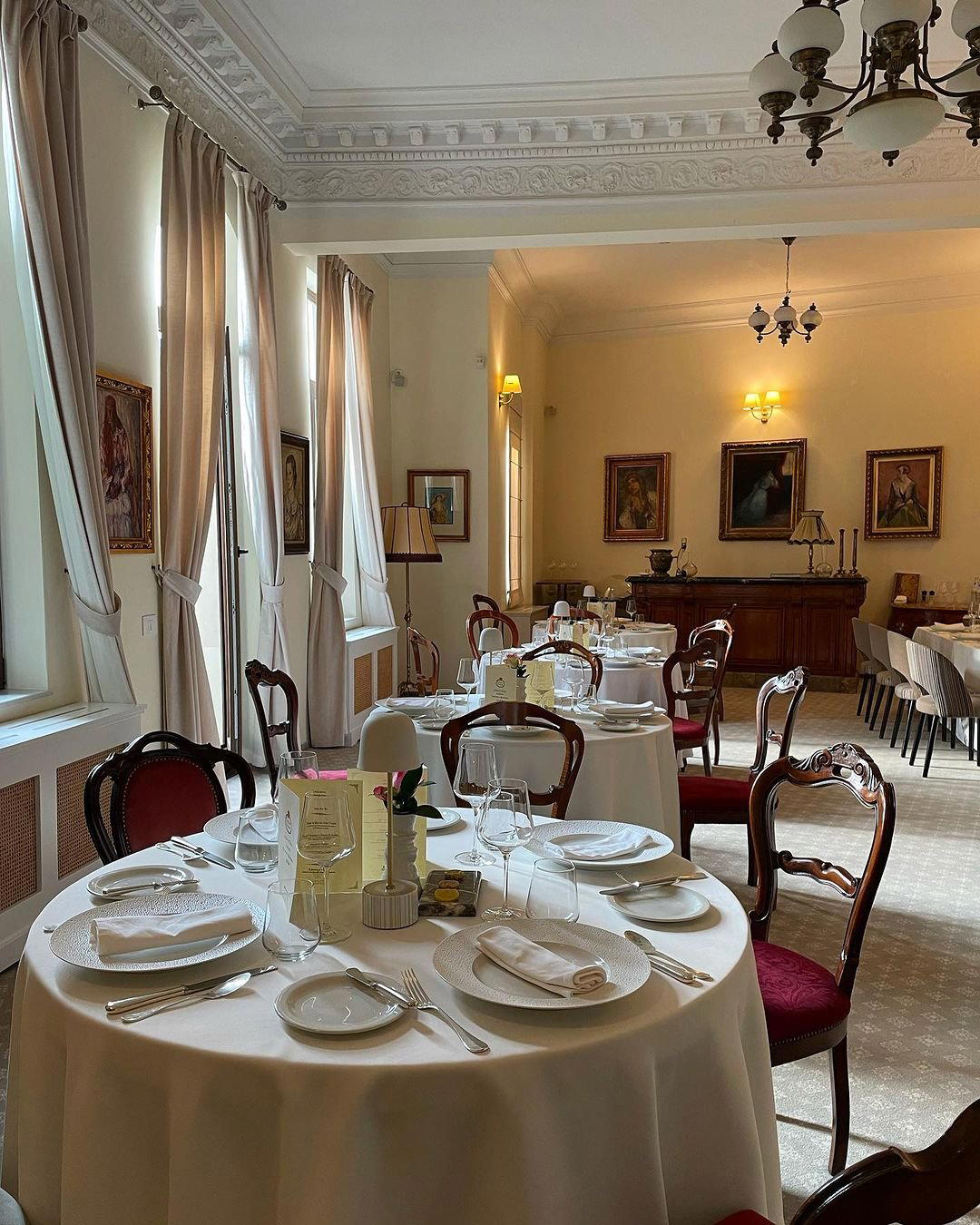
Bars in Bucharest
Browse all →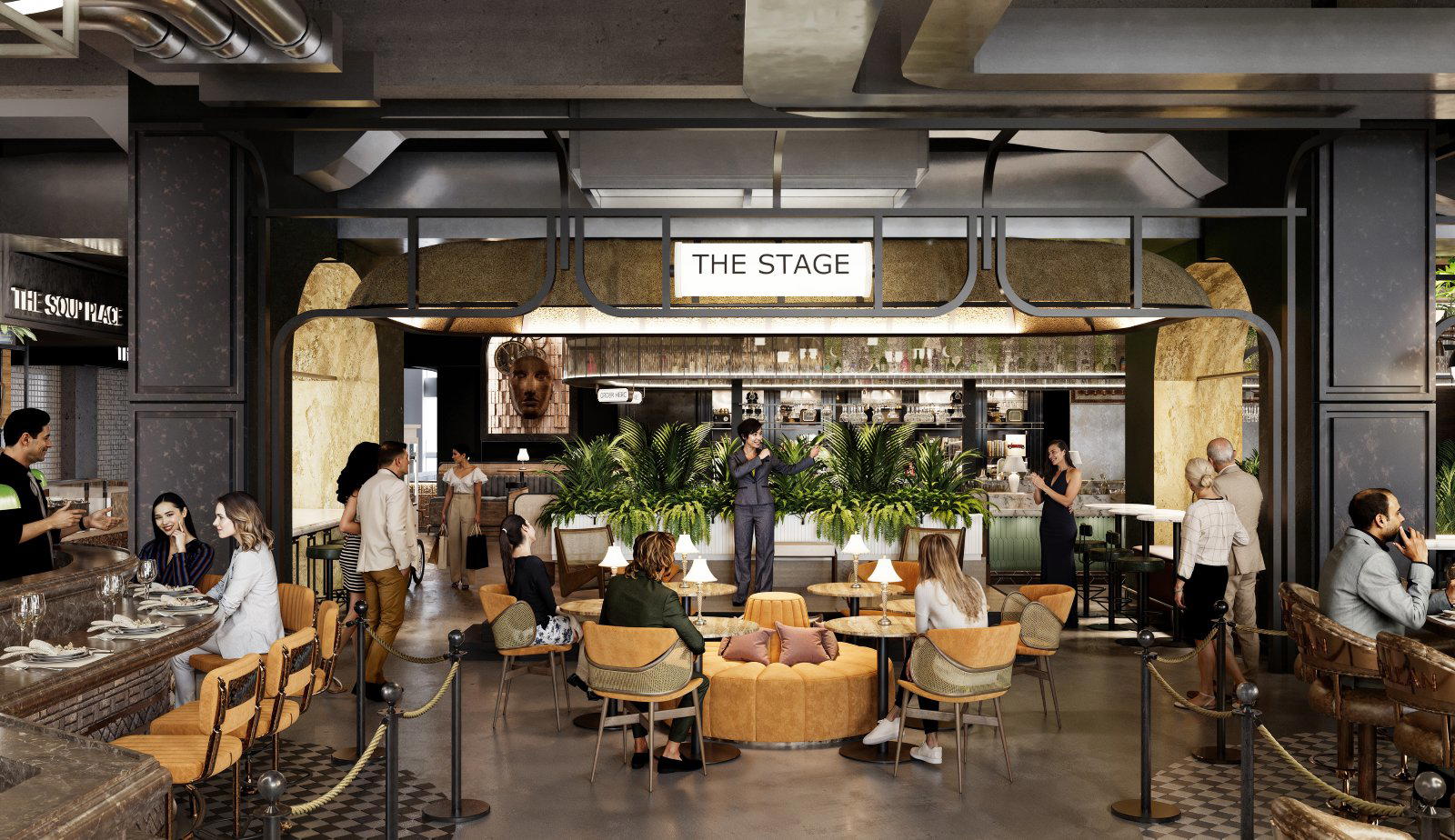
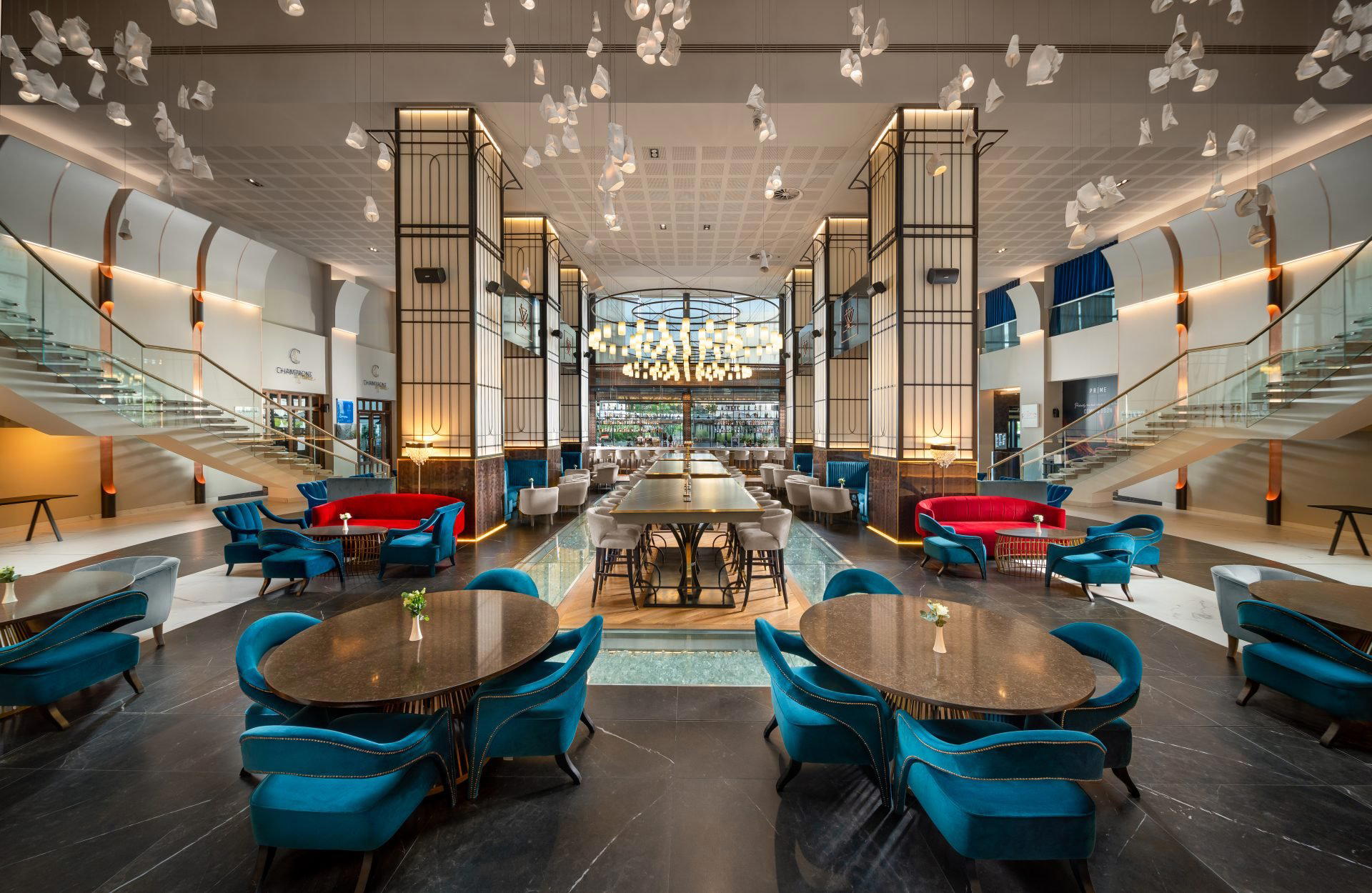

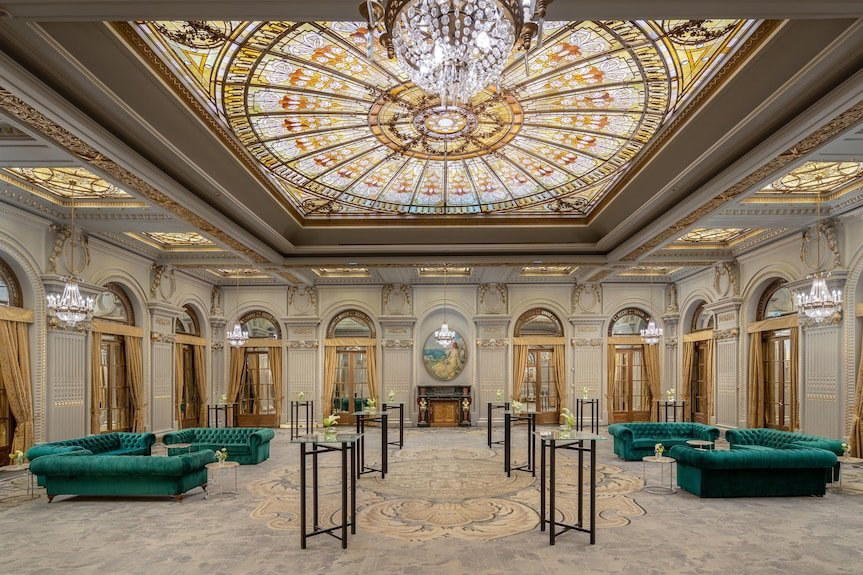
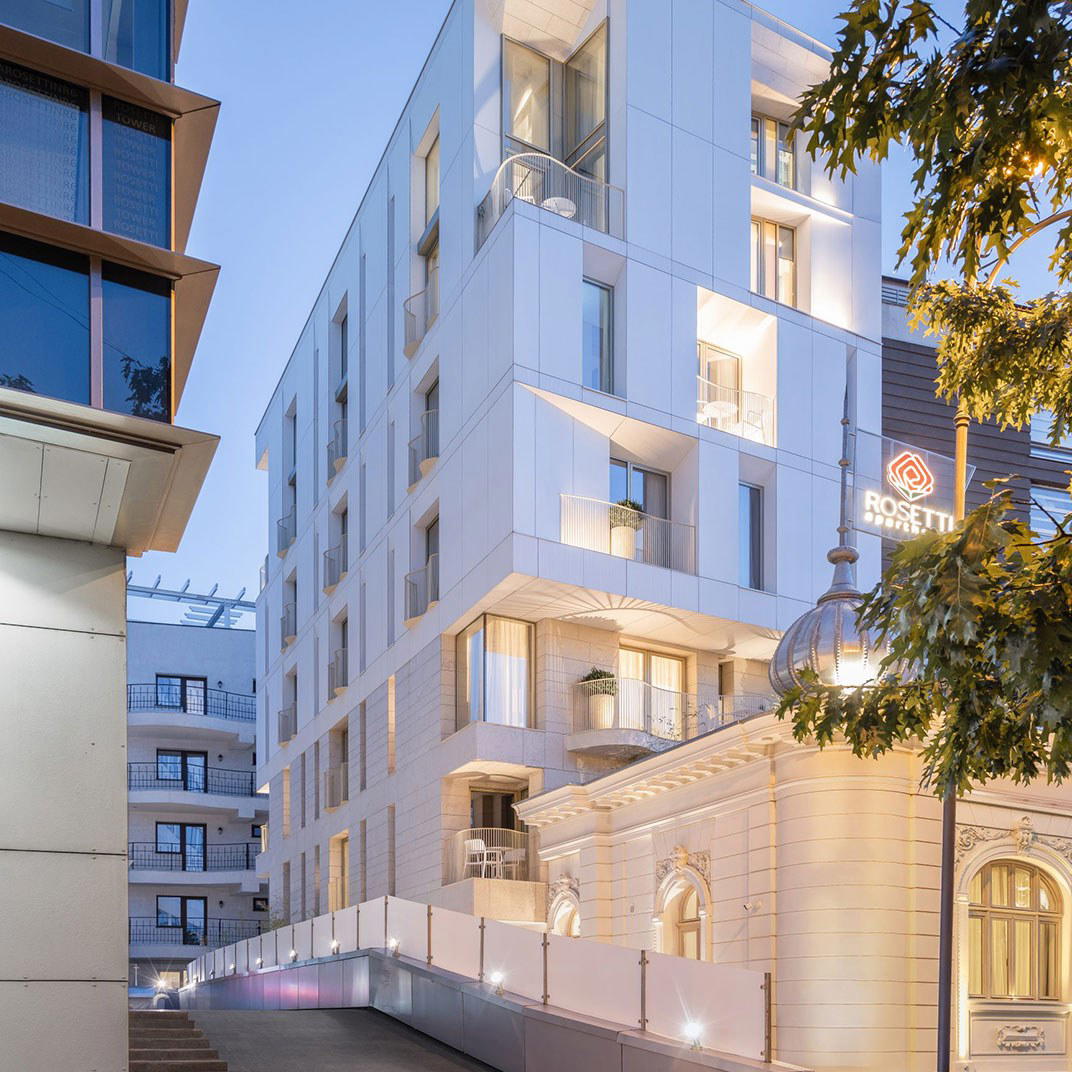
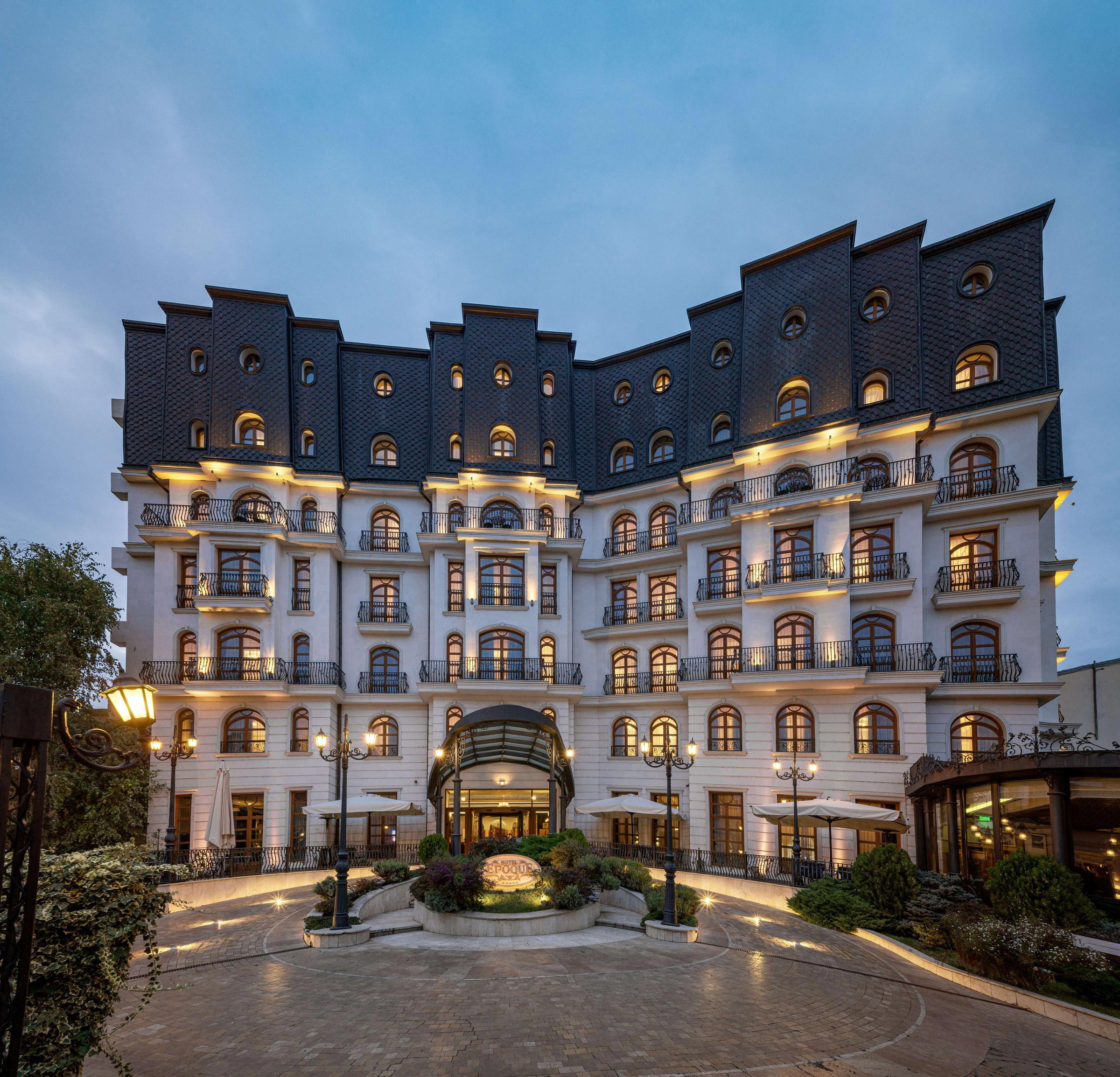
Kaiamo
The wine
Kaiamo holds the Wine Spectator Award of Excellence, which Wine Spectator gives to lists of usually 90 or more selections.
- Wine program
- Curated wine list
- Wine Spectator
- Wine Spectator Award of Excellence
- Extensive wine list
- Sommelier-led
Details
- Elegant
- Modern
- Sophisticated
- Date Night
- Special Occasion
- Celebration
- Open Kitchen
- Design Destination
- Standalone
- Extensive Wine List
- Sommelier Led
- Local Sourcing
- Tasting Menu
- Romanian Wines
- Local Wines
- International Wine Selection
- Vegetarian Friendly
Current opening hours
- Monday
- Closed
- Tuesday
- 6–11 PM
- Wednesday
- 6–11 PM
- Thursday
- 6–11 PM
- Friday
- 6–11 PM
- Saturday
- 6–11 PM
- Sunday
- Closed
Hours can change for holidays and private events. Last verified .
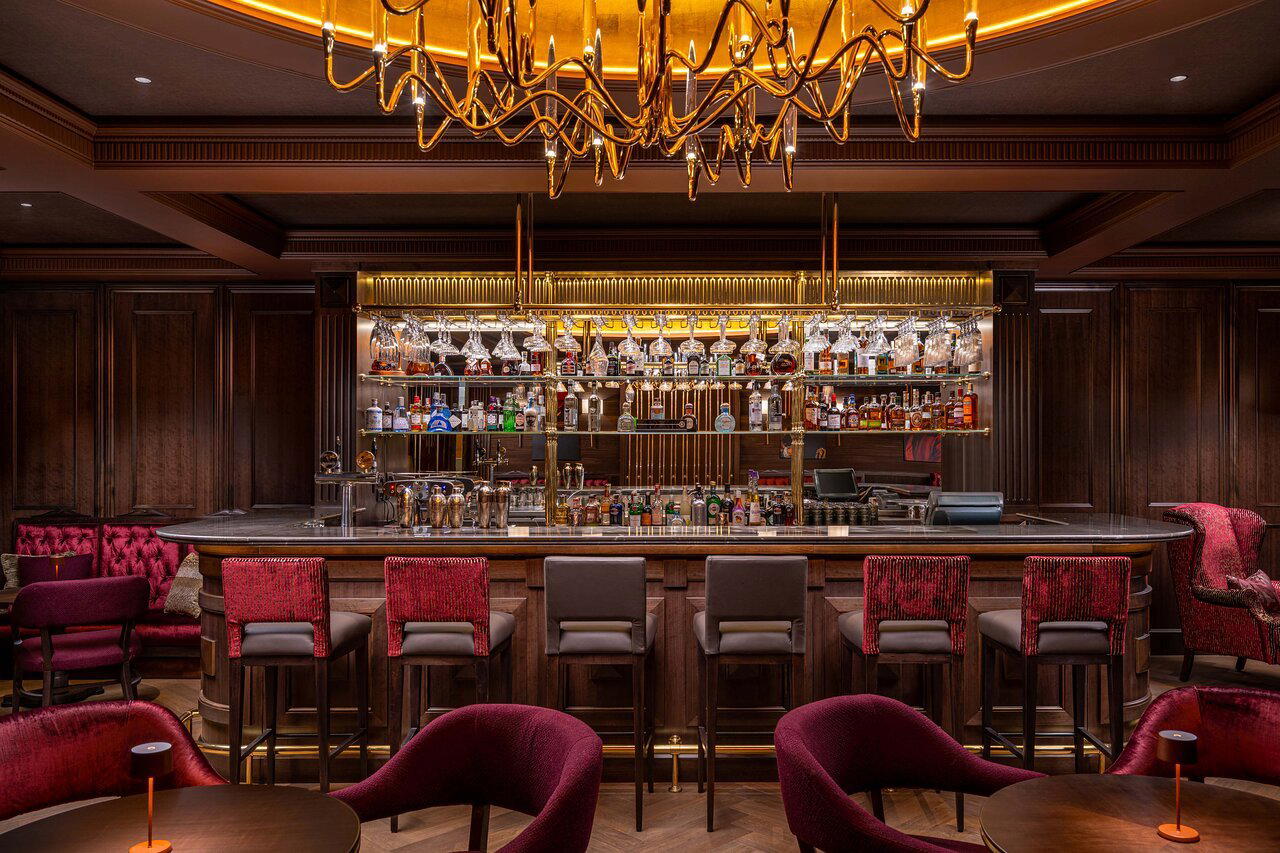
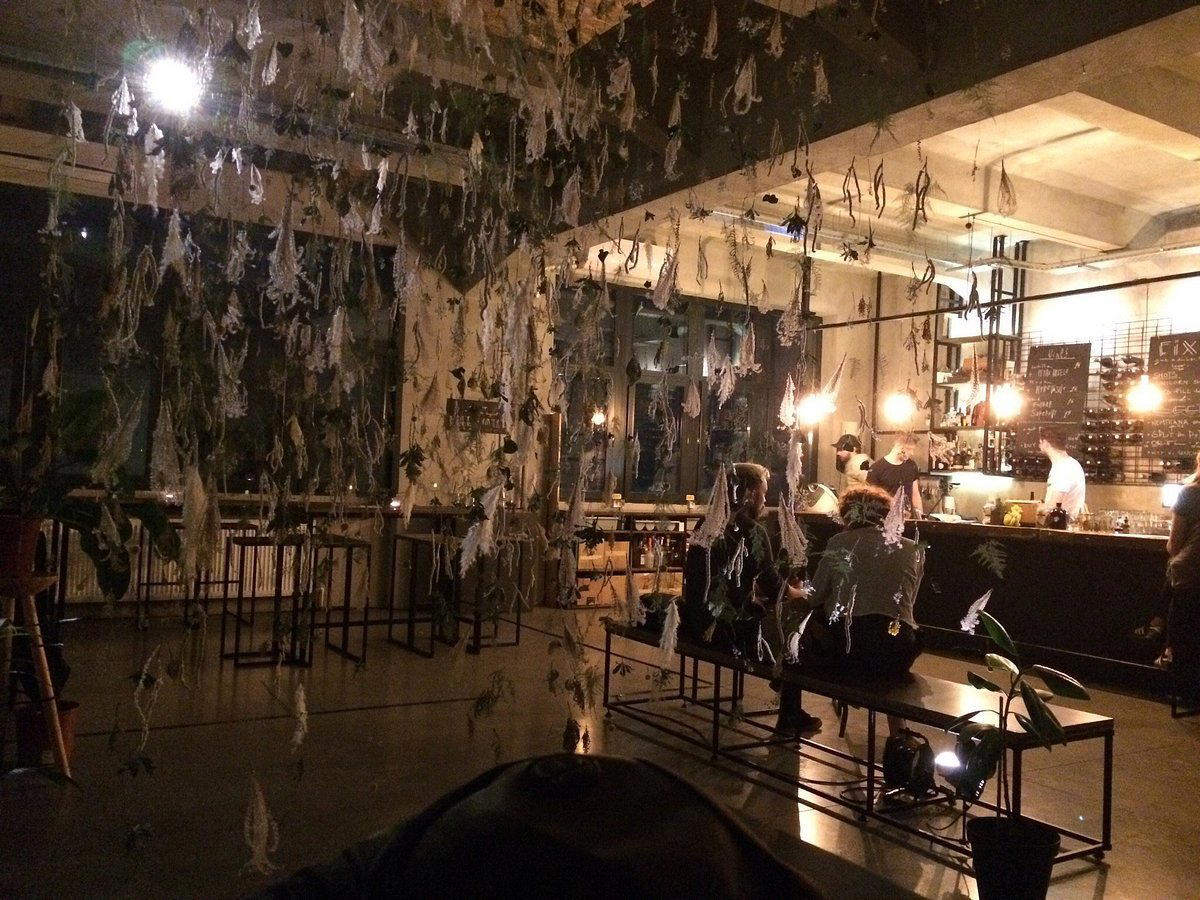
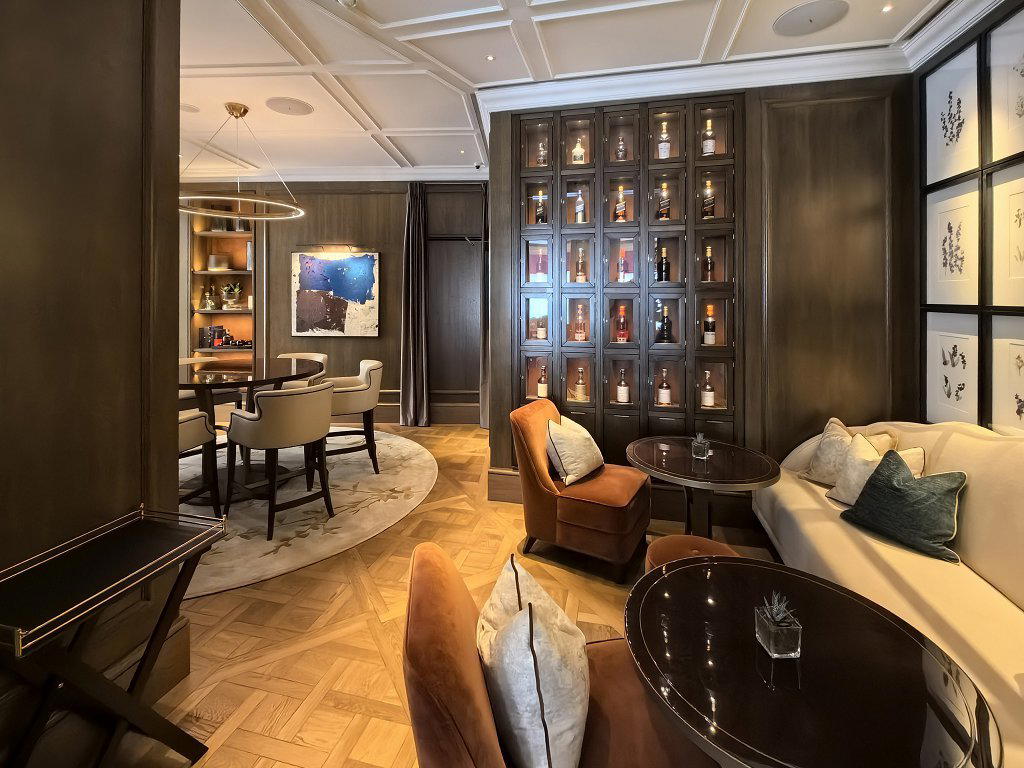
Warm wood accents and soft lighting blend rustic charm with elegant sophistication; modern art pieces and ethnic reinterpretations create an artistic atmosphere honoring the street's historical legacy as a sculptor and painter enclave.