
Holding a Michelin star since 2024, L'Ó operates within the Món Sant Benet hotel complex opposite a tenth-century Benedictine monastery in the Bages comarca. Chef Ivan Margalef's kitchen draws on locally sourced organic produce and the applied food science of the adjacent Fundación Alicia, producing contemporary tasting menus that map the agricultural and cultural identity of the surrounding region.
Pearl is the En Primeur Club membership app — saves, bookings, and concierge access live there. Same editors, same standards.
- Address
- Camí de Sant Benet de Bages, 08272 Sant Fruitós de Bages, Spain
- Phone
- +34 938 75 94 29
- Website
- monsantbenet.com
 Saves & bookings on Pearl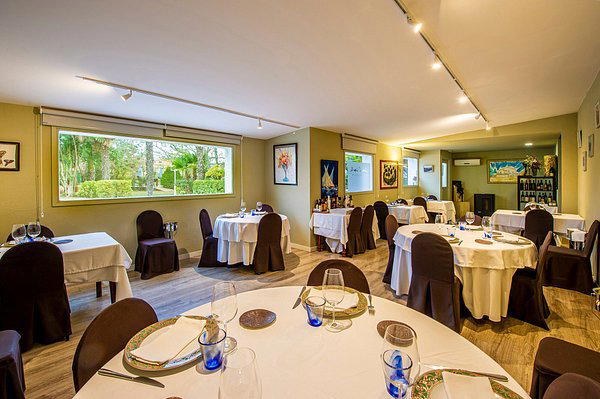
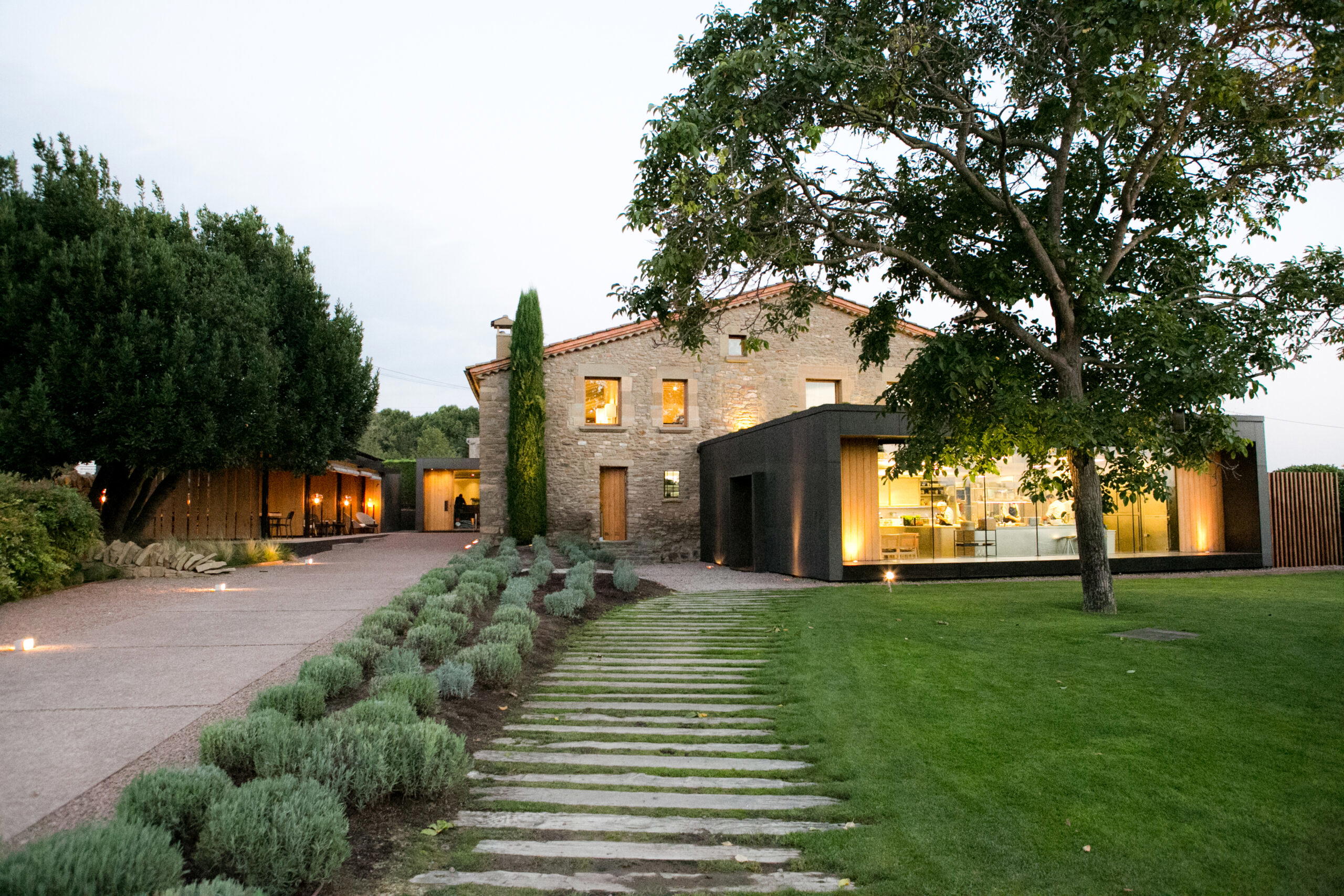
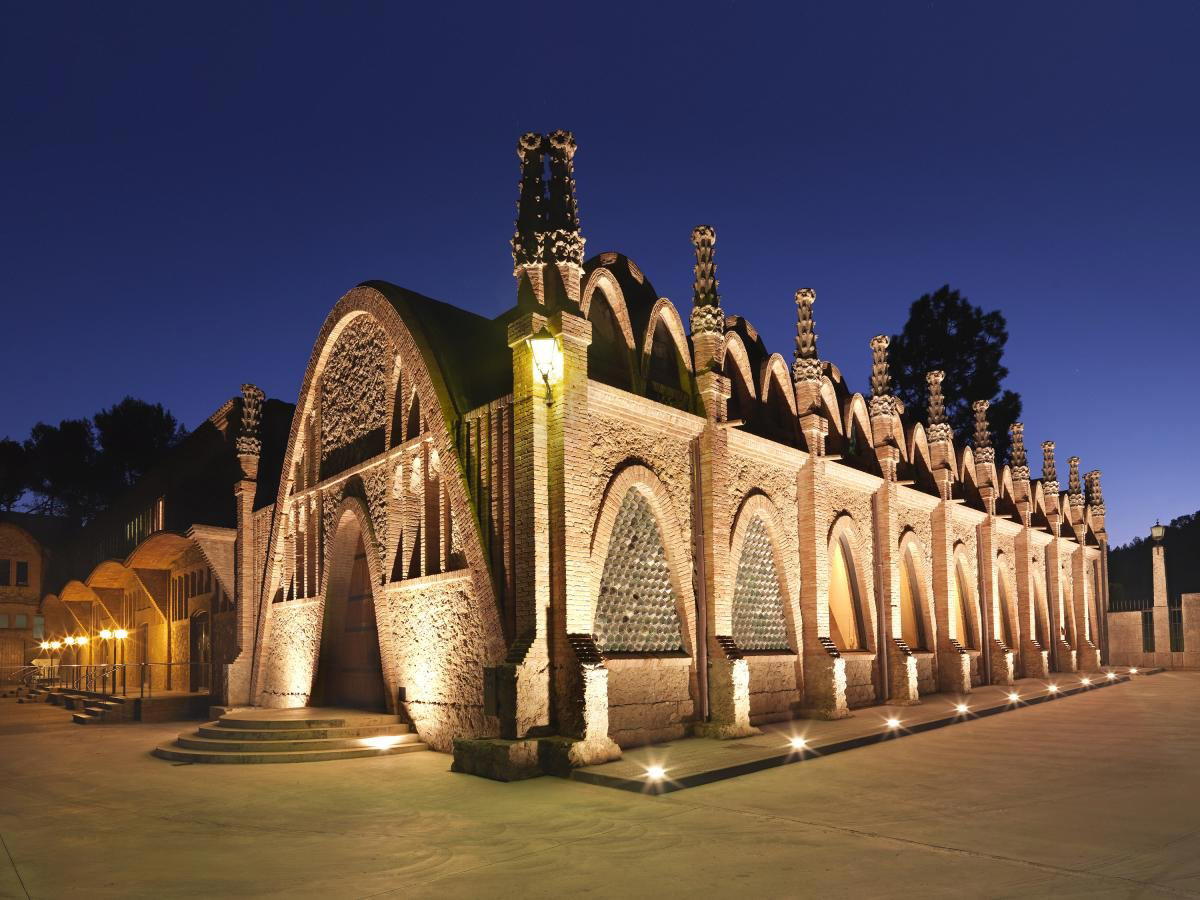
L'Ó is a 1-Michelin-star restaurant in Sant Fruitós de Bages, Barcelona, serving Modern Catalan Mediterranean cuisine. The Benedictine monastery still anchors the site; the Món Sant Benet hotel occupies the restored farm buildings alongside it. L'Ó sits within that hotel, and the physical setting is not incidental to what arrives on the plate. Dining here means eating within direct view of a millennium of agricultural and spiritual history, in a valley where the land has been worked continuously since the early medieval period.
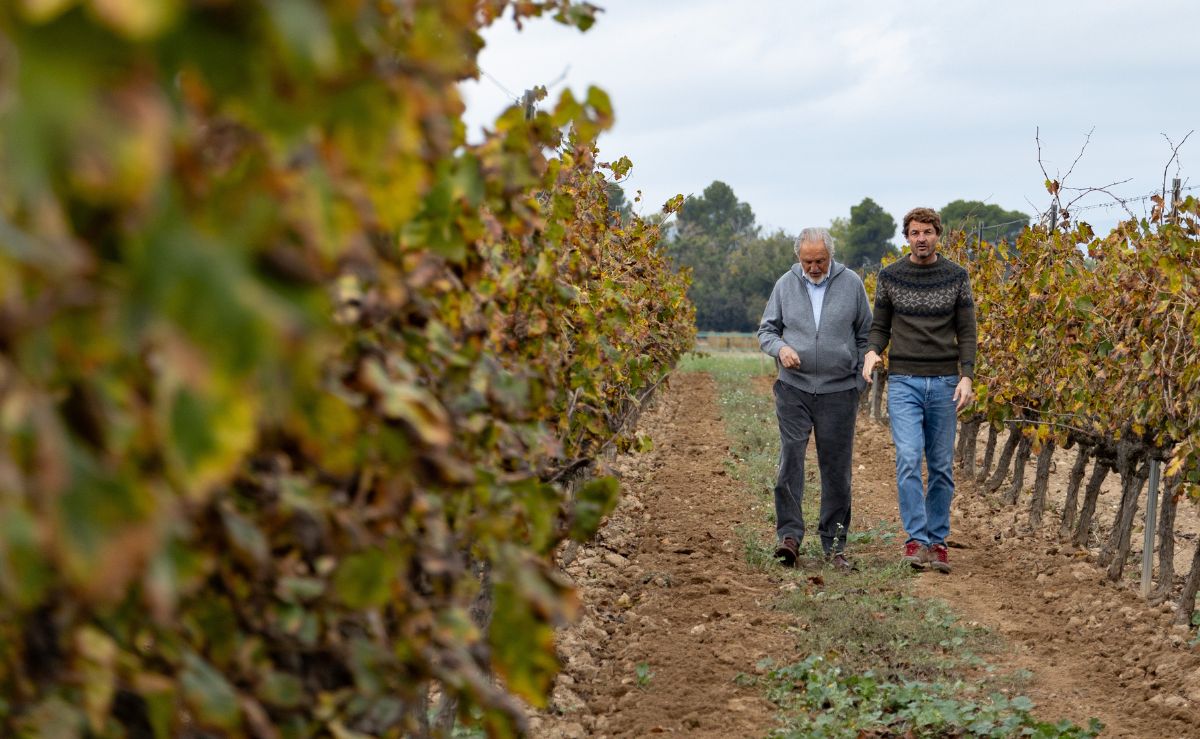
That context shapes everything about the restaurant's approach to ingredient sourcing, which is where L'Ó makes its most coherent argument. The Bages comarca sits at the intersection of pre-Pyrenean highlands and the Anoia basin, producing a range of cereals, legumes, stone fruits, and livestock that rarely appear on Barcelona restaurant menus forty kilometres to the south. L'Ó's kitchen treats that agricultural proximity as its primary asset, working with organic producers in the immediate area rather than drawing on the broader Catalan pantry that most contemporary Spanish kitchens rely on.
The Fundación Alicia Factor
What separates L'Ó from other rural Catalan restaurants with strong local sourcing credentials is its proximity to the Fundación Alicia, which operates from the same site. The foundation, whose name contracts ALI-mentación and cien-CIA (food and science), is a research centre jointly established by the Catalan government and the CaixaBank foundation to study the relationship between food, nutrition, and gastronomy. Its presence next door is not a marketing detail. Spanish fine dining at the three-star tier, including kitchens like Azurmendi in Larrabetzu and El Celler de Can Roca in Girona, has long maintained formal relationships with food science institutions. L'Ó operates within that same tradition at a different scale, using proximity to applied research to inform how local organic ingredients are handled and presented.
The broader pattern across Spain's Michelin-recognised restaurants points toward kitchens that treat terroir as a working methodology rather than a talking point. Ricard Camarena in València built his identity around the Albufera wetlands and the specific producers who work them. Quique Dacosta in Dénia has spent two decades cataloguing the marine and agricultural biodiversity of the Marina Alta. L'Ó applies that same discipline to the Bages, a comarca better known for its DO wine production and its Modernista heritage than for fine dining.
Menu Architecture
The restaurant runs two set menus alongside an à la carte, each available with a wine pairing option. The shorter menu, called "Un Paseo por Sant Benet," functions as an introduction to the site and its immediate agricultural surroundings. The longer version, "El Camino de Sant Benet," extends that survey across more courses, moving through the comarca's seasonal produce in greater depth. Both names are spatial metaphors: a walk, a path, the monastery complex as the literal and figurative origin point of what you eat.
This kind of menu naming convention, where the geography of the place becomes the structure of the meal, has become a recognisable signature of serious Spanish regional cooking. Arzak in San Sebastián pioneered the idea that a restaurant could function as an ongoing archive of a specific territory's flavours. L'Ó applies that logic to a comarca that has received far less international attention than the Basque Country or the Costa Brava, which is part of what makes the Michelin recognition in 2024 significant for the region's dining credibility.
Where L'Ó Sits in the Spanish Fine Dining Tier
Spain's Michelin map is densely concentrated at the upper end. The three-star tier includes DiverXO in Madrid, Cocina Hermanos Torres in Barcelona, Aponiente in El Puerto de Santa María, Martin Berasategui in Lasarte-Oria, and Mugaritz in Errenteria, among others. L'Ó's single star positions it at the entry point of that formal recognition system, in a tier where the kitchen is demonstrably consistent and the cooking makes a coherent case for itself, but where the full argument is still being developed. At €€€, the pricing places it in a higher price tier for a serious meal in a singular setting.
For international comparison, the model of a hotel-embedded, destination-rural fine dining room with strong institutional food science links has parallels beyond Spain. Frantzén in Stockholm represents the Nordic version of institutionalised ingredient rigour within a destination dining context. FZN by Björn Frantzén in Dubai shows how that methodology travels across geographies. L'Ó is doing something more geographically rooted: it is not exporting a technique, it is applying technique to a specific place that most of its international peers have not yet encountered.
The Bages as a Dining Destination
Sant Fruitós de Bages is not a restaurant town in the conventional sense. There is no cluster of ambitious kitchens competing for the same clientele, no neighbourhood dining scene to explore before or after. The draw is singular: the monastery complex, the hotel, the restaurant, and the surrounding comarca. This makes L'Ó a destination in the strict sense, not a stop within a broader itinerary but the reason for the journey itself.
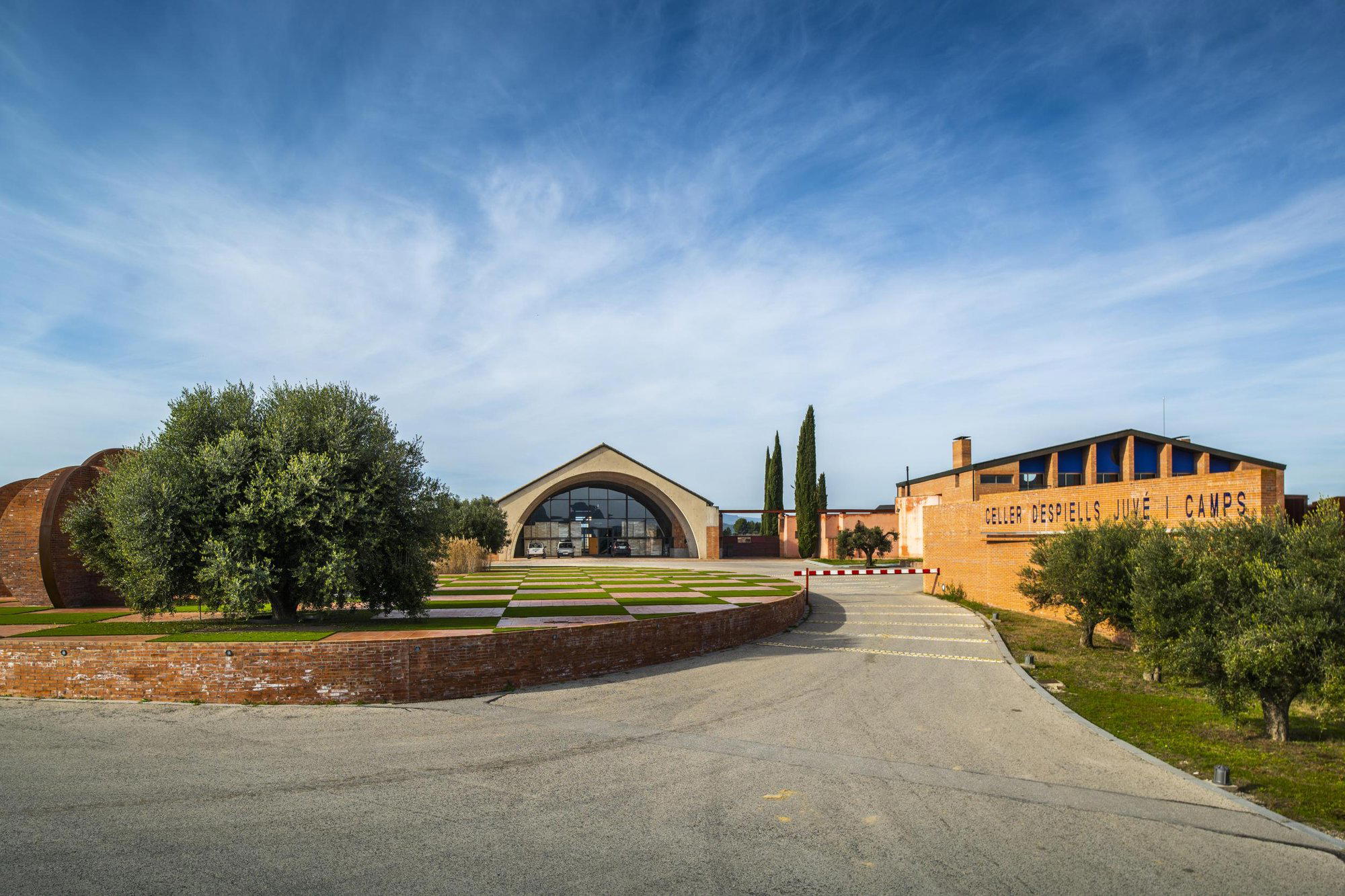
The Bages DO wine region, which surrounds the restaurant, produces Picapoll, Sumoll, and Abadal-branded bottlings that rarely appear on export markets. Any serious pairing option at L'Ó works naturally within this geography, though the specific wine list details are not available in our current data. For anyone building a deeper visit to the region, our full Sant Fruitós de Bages wineries guide maps the local production landscape, and our Sant Fruitós de Bages hotels guide covers accommodation options in the area, including Món Sant Benet itself.
Practically, the restaurant operates on a compressed weekly schedule: closed Monday and Tuesday, with lunch and dinner service Thursday and Friday, lunch and dinner on Saturday, and lunch only on Sunday. That Sunday lunch slot, ending at 2:30 PM, is worth noting for anyone travelling from Barcelona. Bookings are handled through the Món Sant Benet hotel; given the Michelin star awarded in 2024 and a Google rating of 4.7 across 381 reviews, advance reservation is advisable, particularly for weekend slots. The address is Camí de Sant Benet, s/n, Sant Fruitós de Bages, 08272.
What This Setting Demands of the Cooking
Restaurants embedded in heritage sites carry a particular pressure. The setting raises expectations before a single dish arrives, and kitchens that rely on the backdrop without matching it in the food quickly feel like they are coasting on context. The Michelin recognition for L'Ó suggests the cooking has earned its place within the site rather than merely borrowing the monastery's authority. The organic, locally sourced ingredient framework and the proximity to food science research at Fundación Alicia provide a methodology rigorous enough to stand independently of the view.
That independence, where the food would make a case for itself in a room with no view at all, is the measure that separates serious destination restaurants from scenic ones. Based on formal recognition, strong public ratings, and a clearly articulated sourcing philosophy, L'Ó is operating in the former category. Whether it eventually moves up the star tier will depend on how consistently and how ambitiously chef Margalef pushes the Bages ingredient vocabulary. For now, the single-star positioning within this specific geographical and institutional context makes it one of the more coherent arguments for a detour into a comarca that most international travellers pass through without stopping.
Frequently Asked Questions
Is L'Ó a family-friendly restaurant?
L'Ó is a Michelin-starred restaurant priced at €€€, which places it in a formal fine dining bracket where the pace and format, multi-course tasting menus with optional wine pairings, suit adults and older teenagers comfortable with extended table experiences. Sant Fruitós de Bages and the Món Sant Benet complex do offer broader family-oriented activities around the monastery and grounds, which may make the overall visit more suitable for mixed-age groups than the restaurant alone would imply.
What should I expect atmosphere-wise at L'Ó?
The atmosphere is shaped primarily by location rather than interior theatrics. Eating opposite a Benedictine monastery that dates to 960 AD, within a carefully restored hotel complex in the Bages countryside, produces a setting that is quiet, historically weighted, and physically removed from urban noise. The price point (€€€) and Michelin recognition (one star, 2024) place the service register in the attentive-without-being-theatrical tier that characterises Spain's mid-to-upper Michelin bracket. Guests arriving from Barcelona should expect a deliberate shift in pace.
What should I order at L'Ó?
The tasting menu format means ordering decisions reduce largely to menu length. "El Camino de Sant Benet," the longer of the two set menus, gives the fullest picture of how the kitchen maps the Bages comarca through its ingredient sourcing. Both menus are available with wine pairing. Given the restaurant's proximity to Bages DO wine country and the food science research environment of Fundación Alicia, the pairing option is the more contextually coherent choice for a first visit. Specific dishes are not confirmed in current data, so consulting the kitchen or current menu on booking is the practical approach.
Comparison Snapshot
Comparable venues nearby, for context on price, style, and recognition.
| Venue | Cuisine | Price | Awards | Notes |
|---|---|---|---|---|
| L'Ó | Modern Catalan Mediterranean | $$$$ | Michelin 1 Star | Sant Fruitós de Bages |
| Es Fum | Modern Mediterranean Fusion | $$$$ | Michelin 1 Star | Costa d'en Blanes |
| Fishølogy | Modern Seafood Tasting | $$$$ | Michelin 1 Star | la Nova Esquerra de l'Eixample |
| Caelis | Contemporary Mediterranean Fine Dining | $$$$ | Michelin 1 Star | Barri Gotic |
| Atempo | Contemporary French-Mediterranean Fine Dining | $$$$ | Michelin 1 Star | l'Antiga Esquerra de l'Eixample |
| Marc Fosh | Contemporary Mediterranean | $$$$ | Michelin 1 Star | old town |
Continue exploring
More in Sant Fruitós de Bages
Restaurants in Sant Fruitós de Bages
Browse all →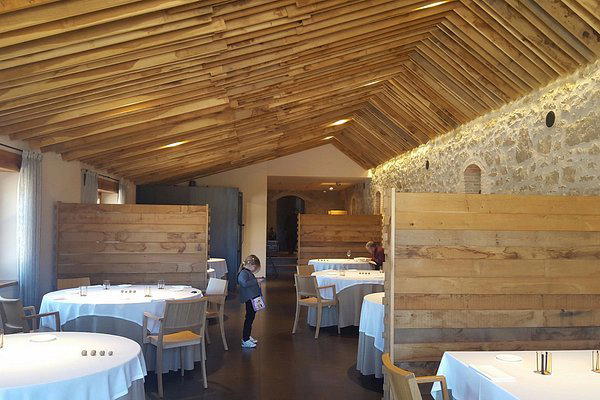
Bars in Sant Fruitós de Bages
Browse all →
Hotels in Sant Fruitós de Bages
Browse all →



At a Glance
- Elegant
- Sophisticated
- Scenic
- Intimate
- Date Night
- Special Occasion
- Historic Building
- Open Kitchen
- Extensive Wine List
- Local Sourcing
- Organic
- Garden
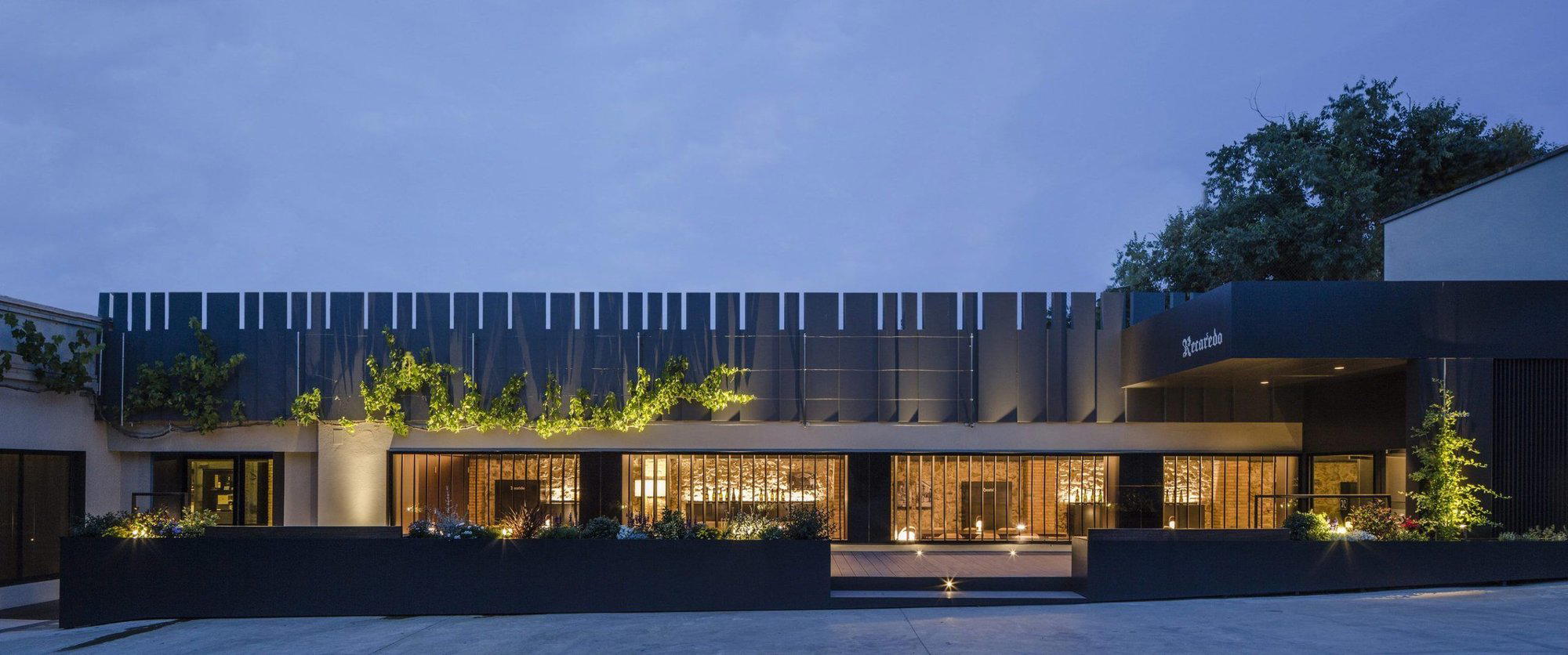
Elegant minimalist dining room with garden views, sober and discreet atmosphere featuring soft ambient music.