
L’etude places French technique inside rural Iga rather than a hotel dining room or urban restaurant district, which changes the terms of the meal. Its 2025 Tabelog French WEST 100 selection, 10-seat scale, wine focus, and house-restaurant setting make it a useful marker for how serious French dining in Mie now sits beside sushi, seafood, and destination ryokan cooking.
Pearl is the En Primeur Club membership app — saves, bookings, and concierge access live there. Same editors, same standards.
- Address
- 4826 Shimagahara, Iga, Mie 519-1711, Japan
- Phone
- +81 595-51-7498
- Website
- m.facebook.com
- Directions
- Get directions
 Saves & bookings on Pearl
Approaching a French restaurant in Mie is not the same proposition as walking into a glass-fronted dining room in a major city. The setting asks for a slower read: regional travel, a focused restaurant format, and a meal that should be considered on its own terms rather than as one more interchangeable stop. In that context, L’etude belongs to a particular Japanese tradition of regional French cooking, where the meal is shaped as much by place and pace as by imported technique.
Mie is often discussed through seafood, beef, pilgrimage routes, and destination travel, but its restaurants can tell more than one story. Away from the simplest luxury circuit, that difference matters. French cooking here does not need to mimic the big-city tasting-menu race; it can work with a quieter grammar of vegetables, meat, wine, and seasonality. The recognition that matters is not spectacle but selection: L’etude appears in Tabelog Hyakumeiten recognition for 2025, a signal that places it among watched French restaurants rather than a general local recommendation.
Rural French cooking, judged by sourcing rather than theater
Japan’s stronger regional French restaurants tend to make a practical argument: proximity to ingredients can be as valuable as proximity to luxury shopping streets. In Mie, that argument carries extra weight because the prefecture has both inland agriculture and a coastal larder, even if an individual restaurant does not need to advertise every supplier to make the point. The important distinction is format. A focused regional restaurant can make sourcing feel integrated into the meal rather than displayed as a catalogue of producers.
That places L’etude in a different lane from Mie’s better-known genre markers. Some dining rooms frame the prefecture through counter technique and fish, while other meals point toward coastal abundance or destination-hospitality polish. L’etude, by contrast, reads as a compact French answer to the same regional question: what does Mie taste like when filtered through Western technique rather than a more familiar local dining grammar?
The restaurant format also changes the guest’s expectations. There is less room for anonymity and less tolerance for imprecision. A smaller regional dining room puts pressure on pacing, wine service, and kitchen timing, and it also explains why this category can feel personal without needing a personality-driven narrative. The point is not a chef’s biography; it is the discipline required when a Mie restaurant competes for recognition on quality rather than convenience.
A small dining room inside Mie's wider destination circuit
For travelers, the useful comparison is not simply French versus Japanese. It is urban convenience versus regional intent. Mie has enough serious dining to support a short food-led itinerary, but the strongest version does not try to make every meal perform the same function. A French restaurant, a seafood meal, and other Mie dining rooms each reveal a different part of the prefecture’s food economy. That is why L’etude is better understood as a strategic stop in Mie than as a substitute for another style of destination dining.
Among the comparison points in the broader area, VILLA COMMUNICO sits in a higher-budget destination category, while Mutepou Souhon ten and regal+e offer different casual or regional reference points. That spread is instructive. Mie’s dining scene is not a single ladder from cheap to expensive; it is a set of separate formats with different reasons to travel. French in Mie asks for commitment, but not because it is chasing grandeur. It asks because the reward is context: a meal that makes more sense when paired with the region around it.
The 2025 Tabelog Hyakumeiten recognition gives the restaurant external weight, but the more telling signal is editorial fit. The listed category is French, and the budget places dinner in serious-occasion territory for Mie rather than casual neighborhood use: dinner is listed at JPY 10,000 - JPY 14,999, with lunch at JPY 6,000 - JPY 7,999. That does not make the restaurant formal in an old hotel sense; it makes it deliberate. Guests should treat the meal as an anchor of a Mie dining day, not an add-on squeezed between transfers.
How to place it within a Mie itinerary
The strongest itinerary logic is contrast. Pairing this kind of French meal with seafood, meat-focused dining, or another regional dining room gives a clearer view of the prefecture than repeating one genre. For broader planning, our full Mie restaurants guide is the broader index for building a sequence around the prefecture’s dining pockets. Travelers extending the trip beyond restaurants can cross-reference our full Mie hotels guide, our full Mie bars guide, our full Mie wineries guide, and our full Mie experiences guide.
Readers comparing Japan dining formats beyond Mie should use outside references only as calibration rather than direct peers. The more useful exercise is to compare formats generically: beef-led tradition, urban casual seafood, café culture, regional cooking, non-Japanese casual dining, and specialist comfort-food restaurants all serve different purposes. For readers tracking Japanese food culture outside Japan, similarly focused formats abroad can show how tightly defined ideas travel, but they should not be treated as direct comparisons to L’etude.
The editorial case for L’etude is clear: it is not the easiest way to eat French in Japan, and that is precisely the point. In a prefecture often framed by coast, beef, and shrine-bound travel, a Mie French restaurant with 2025 Tabelog Hyakumeiten recognition gives the prefecture another register. Go for the regional argument as much as the meal itself.
At-a-Glance Comparison
Comparable venues by cuisine and price in the same metro.
| Venue | Cuisine | Price | Notes |
|---|---|---|---|
| L’etude | French restaurant in Iga | $$ | Iga |
| restaurant Ryu | French-Japanese Fusion | $$ | Meiwa-cho |
| Hinome | Modern Vegetarian Japanese Fusion | $$$$ | Kameyama |
| Nikawa | Modern Yakitori Omakase | $$$ | Ichinoki |
| Hinode | Traditional Japanese Kaiseki with Kuwana Clams | $$$ | Kuwana |
| Wadakin | Traditional Matsusaka Beef Sukiyaki | $$$$ | Nakamachi |
Recognition history
Dated appearances from independent guides and award organizations, with the underlying list record or original source where available.
Tabelog 100 #48 · No. 48
Tabelog · Tabelog 100 - French - WEST - 2025
Continue exploring
More in Mie
Bars in Mie
Browse all →
Hotels in Mie
Browse all →
Wineries in Mie
Browse all →
At a Glance
- Cozy
- Quiet
- Date Night
- Solo
- Special Occasion
- Standalone
Current opening hours
- Monday
- Closed
- Tuesday
- Closed
- Wednesday
- 11:30 AM–1 PM, 6–9 PM
- Thursday
- 11:30 AM–2 PM, 6–9 PM
- Friday
- 11:30 AM–1 PM, 6–9 PM
- Saturday
- 11:30 AM–1 PM, 6–9 PM
- Sunday
- 11:30 AM–1 PM, 6–9 PM
Hours can change for holidays and private events. Last verified .
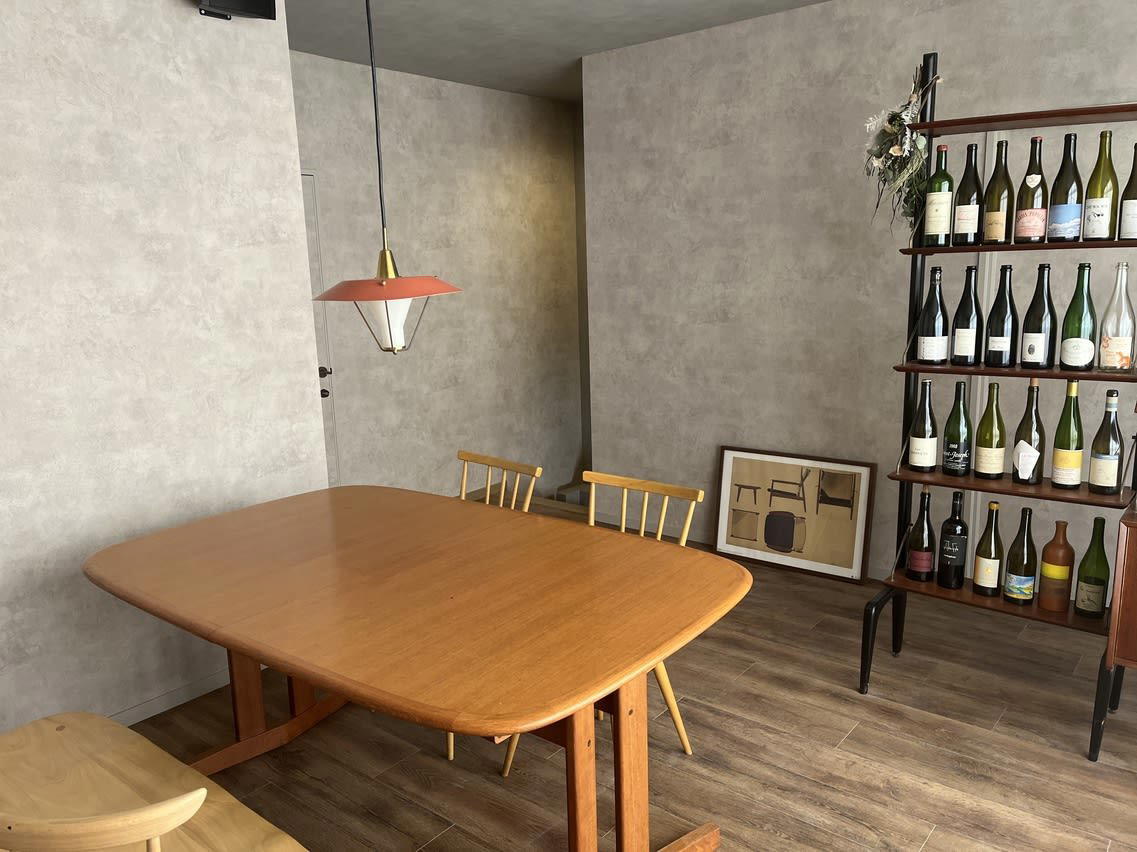
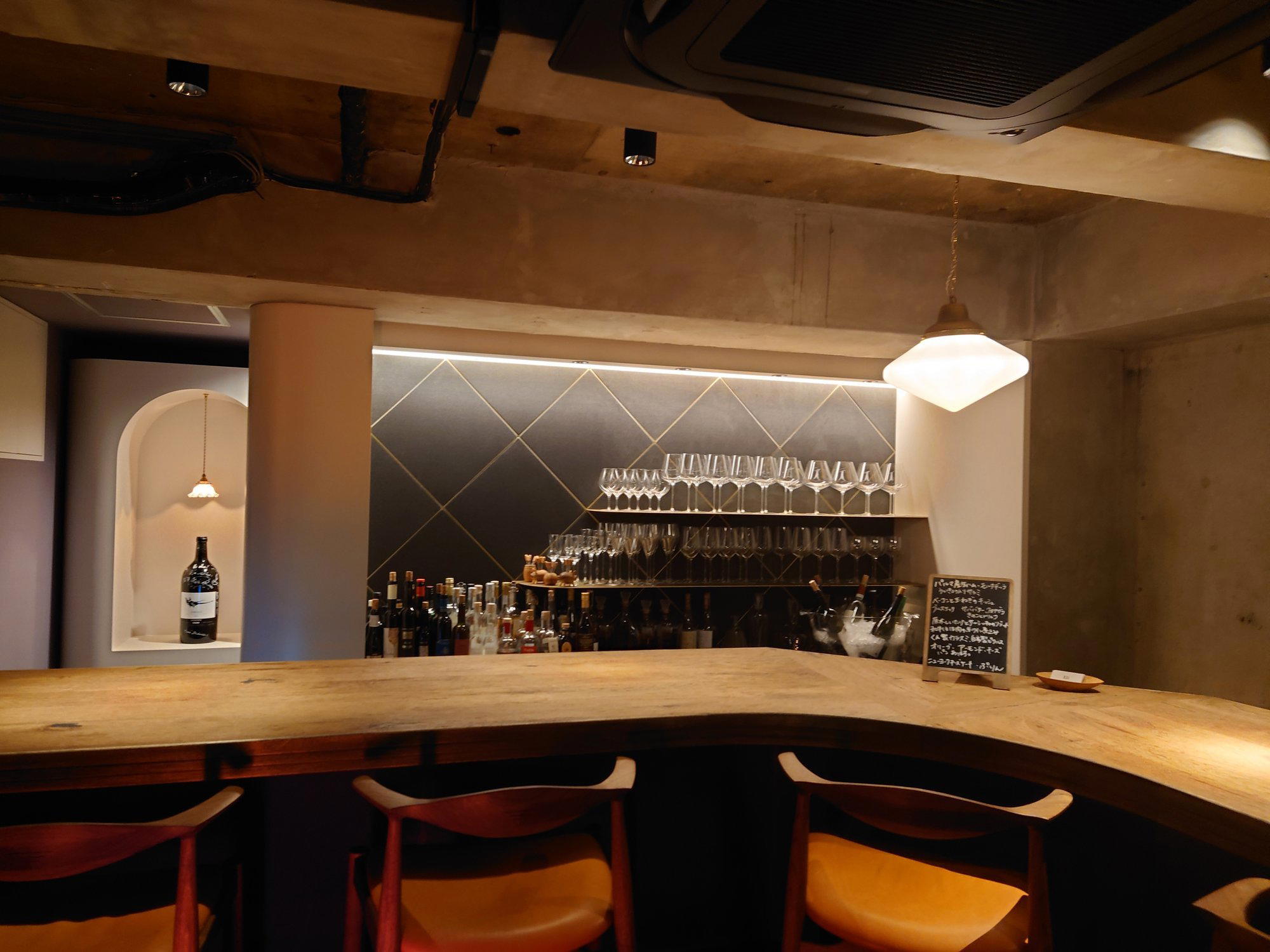
Reviews describe a calm, homey atmosphere with attentive hospitality and refined but unpretentious presentation, making it feel like a quiet countryside French bistro.
Know Before You Go
- Reservations
- Recommended
- Getting there
- 4826 Shimagahara, Iga, Mie 519-1711, Japan