
We're Smart World 4 Radishes
Our verdict
In Kameyama, Mie Prefecture, Hinome represents a disciplined approach to plant-based cooking that is rare in rural Japan. Chef Tomohiro Uetani works entirely with organic, locally sourced ingredients, producing a menu where the sourcing is the statement. EP Club recognises it as a restaurant at the early stages of a significant trajectory.

Pearl is the En Primeur Club membership app — saves, bookings, and concierge access live there. Same editors, same standards.
- Address
- 438 Nishimachi, Kameyama, Mie 519-0153, Japan
- Phone
- +81595834769
- Website
- instagram.com
- Directions
- Get directions
- Booking
- Book on TableCheck
Where the Ingredients Set the Terms
Kameyama sits in the interior of Mie Prefecture, a city better known for its position on the old Tokaido road than for contemporary dining. The surrounding farmland and forested hills feed a prefecture whose coastal reputation, anchored by Ise's seafood and Matsusaka's beef, tends to overshadow what grows inland. That agricultural context is precisely what makes Hinome legible. This is a restaurant whose entire logic flows from what the land around it produces, and that relationship between place and plate is more pointed here than in most of Japan's coastal dining rooms.
Plant-based dining in Japan occupies an unusual position. The country has a centuries-old shojin ryori tradition rooted in Buddhist temple cuisine, a form in which vegetables, tofu, and grains are handled with the same technical seriousness applied elsewhere to fish and meat. Outside of temple settings, however, fully plant-based menus remain rare in regional Japan, where multi-generational restaurants tend to anchor themselves to a local protein: the oysters of Hiroshima, the wagyu of Kobe, the tuna of Oma. Hinome, under Chef Tomohiro Uetani, operates as a counterpoint to that pattern, running a 100% plant-based menu in a prefecture where the dominant dining vocabulary is built around Ise lobster and Matsusaka beef.
Organic Sourcing as the Editorial Spine
The sourcing framework at Hinome is not a branding decision layered on top of the cooking. It functions as the cooking's foundational constraint. When a kitchen commits entirely to organic, locally produced plant ingredients, the seasonal calendar becomes absolute rather than advisory. What is available dictates what is cooked. That discipline separates restaurants with principled sourcing programs from those that use the language of locality as decoration.
This approach places Hinome in a small international cohort of ingredient-led restaurants where the provenance chain is the menu's primary organising principle. Venues in that tier, whether in Scandinavia, northern California, or Japan, tend to share certain structural characteristics: short menus that rotate frequently, close relationships with individual growers, and a kitchen discipline focused on amplifying rather than masking the character of raw materials. That framing matters: it positions Hinome not as a finished proposition but as one worth tracking, which is often more interesting than a destination that has already peaked.
For comparison within Mie's wider dining scene, the prefecture's most-discussed restaurants operate in very different registers. Edo Machi Sugimoto and Komada anchor their menus in precision seafood; Hinode works within Mie's seafood tradition; Nikawa takes a creative approach to yakitori. None occupy the plant-based register. Hinome has no direct local competition in its category, which has implications both for its positioning and for the kind of diner it attracts.
The Broader Context: Plant-Forward Cooking in Japan's Kansai-Adjacent Region
Mie Prefecture borders Nara, Kyoto, and Osaka, placing it within reach of the Kansai region's sophisticated dining public. That geography matters for understanding who Hinome's audience is likely to be. Visitors travelling through the region for broader culinary purposes, perhaps eating at Gion Sasaki in Kyoto, HAJIME in Osaka, or akordu in Nara, increasingly include regional detours into prefectures like Mie that offer something their primary destinations do not. A fully organic plant-based counter in a historic inland town is precisely the kind of detour that appeals to that traveller.
Further afield, the comparison set for this kind of cooking extends well beyond Japan. Ingredient-led, plant-forward restaurants at venues like Harutaka in Tokyo or internationally at Le Bernardin in New York City demonstrate how disciplined sourcing programs translate across different culinary traditions. Even meat-centred venues like Goh in Fukuoka or Bleston Court Yukawatan in Nagano have built reputations partly on sourcing specificity. The thread connecting those venues to Hinome is less about cuisine type than about the relationship to primary ingredients.
Planning a Visit: What to Know Before You Go
Hinome is located at 438 Nishimachi in Kameyama, Mie Prefecture, a city served by the JR Kisei and Kansai Main Lines with connections from Nagoya and the broader Kinki region. Kameyama is not a dining destination in the way that Ise or Toba are, so a visit to Hinome works well as part of a wider Mie itinerary rather than a standalone trip. The restaurant's address places it in a residential-commercial part of the city rather than a tourist corridor, which is consistent with the profile of a kitchen focused on its local supply chain rather than visitor traffic.
Because no direct booking channel, pricing information, or hours are published through EP Club's data at this time, the practical advice is to treat Hinome as a venue requiring advance research and direct contact before visiting. For broader trip planning across the prefecture, our full Mie restaurants guide covers the range of dining options, from high-end seafood to creative formats. Accommodation planning is covered in our Mie hotels guide, with additional resources across bars, wineries, and experiences in the prefecture.
Frequently asked questions
Does Hinome work for a family meal?
Hinome's 100% plant-based menu makes it a coherent choice for families where at least some members follow vegan or vegetarian diets. The kitchen's emphasis on simplicity and fresh organic produce from local suppliers tends to translate well across age groups. That said, the cooking operates at a level of considered restraint that suits a slower, more deliberate meal rather than a casual family outing. Confirm the format directly with the venue before booking a larger group.
How would you describe the vibe at Hinome?
Hinome sits in Kameyama, a city in the Mie interior with deep historical roots in the old Tokaido road rather than in contemporary dining culture. That setting shapes the atmosphere: this is not a destination built around spectacle. We're Smart's recognition of Chef Tomohiro Uetani reflects a kitchen focused on precision and organic sourcing over theatrical presentation. Expect considered, quiet hospitality rather than high-energy service.
Has Hinome won any awards?
Hinome has received recognition including: Chef Tomohiro Uetani Makes us happy! He brings a 100% pure plant menu in simplicity and high taste. Everything starts by good organic products, local and fresh. With proudness and professional knowledge the level of food you receive in Hino….
What's the must-try dish at Hinome?
Specific menu items are not published, which reflects the kitchen's commitment to seasonal and local organic produce — the menu shifts with what suppliers deliver. We're Smart credits Chef Tomohiro Uetani with a 100% plant menu where every dish begins with the quality of the ingredient rather than a fixed recipe. Arriving without a fixed expectation of a particular dish is, practically speaking, the right approach here.
What part of town is Hinome in?
Hinome is located at 438 Nishimachi, Kameyama, Mie 519-0153, Japan, Mie.
How hard is it to get a table at Hinome?
Given that Hinome operates in Kameyama rather than a major urban centre, it draws a more targeted audience than a city-based destination, but We're Smart recognition does attract visitors from across the Kansai-adjacent region. Contacting the venue directly through local channels or arrival inquiry is the practical route.
Comparable Venues
Comparable venues nearby, for context on price, style, and recognition.
| Venue | Cuisine | Price | Awards | Notes |
|---|---|---|---|---|
| HinomeThis venue — the venue you are viewing | Modern Vegetarian Japanese Fusion | $50–100 | We're Smart World 4 Radishes | Not listed |
| Edo Machi Sugimoto | Edo-style Sushi Omakase | $200–300 | Tabelog Bronze #427 | Nishi Kuwana |
| Komada | Edo-style Omakase Sushi | $300–500 | Tabelog Gold #14 | Kawasaki, Ise |
| Hinode | Traditional Japanese Kaiseki with Kuwana Clams | $150–200 | Tabelog Bronze #114 | Kuwana |
| Wadakin | Matsusaka Beef Japanese | Not listed | Tabelog Bronze #508 | Nakamachi |
| restaurant Ryu | French-Japanese Fusion | Not listed | Tabelog Bronze #363 | Meiwa-cho |
Recognition history
Dated appearances from independent guides and award organizations, with the underlying list record or original source where available.
We're Smart World 4 Radishes
We're Smart World




Details
- Quiet
- Elegant
- Cozy
- Intimate
- Modern
- Special Occasion
- Solo
- Private Dining
- Sake Program
- Set Menu
- Vegetarian Friendly
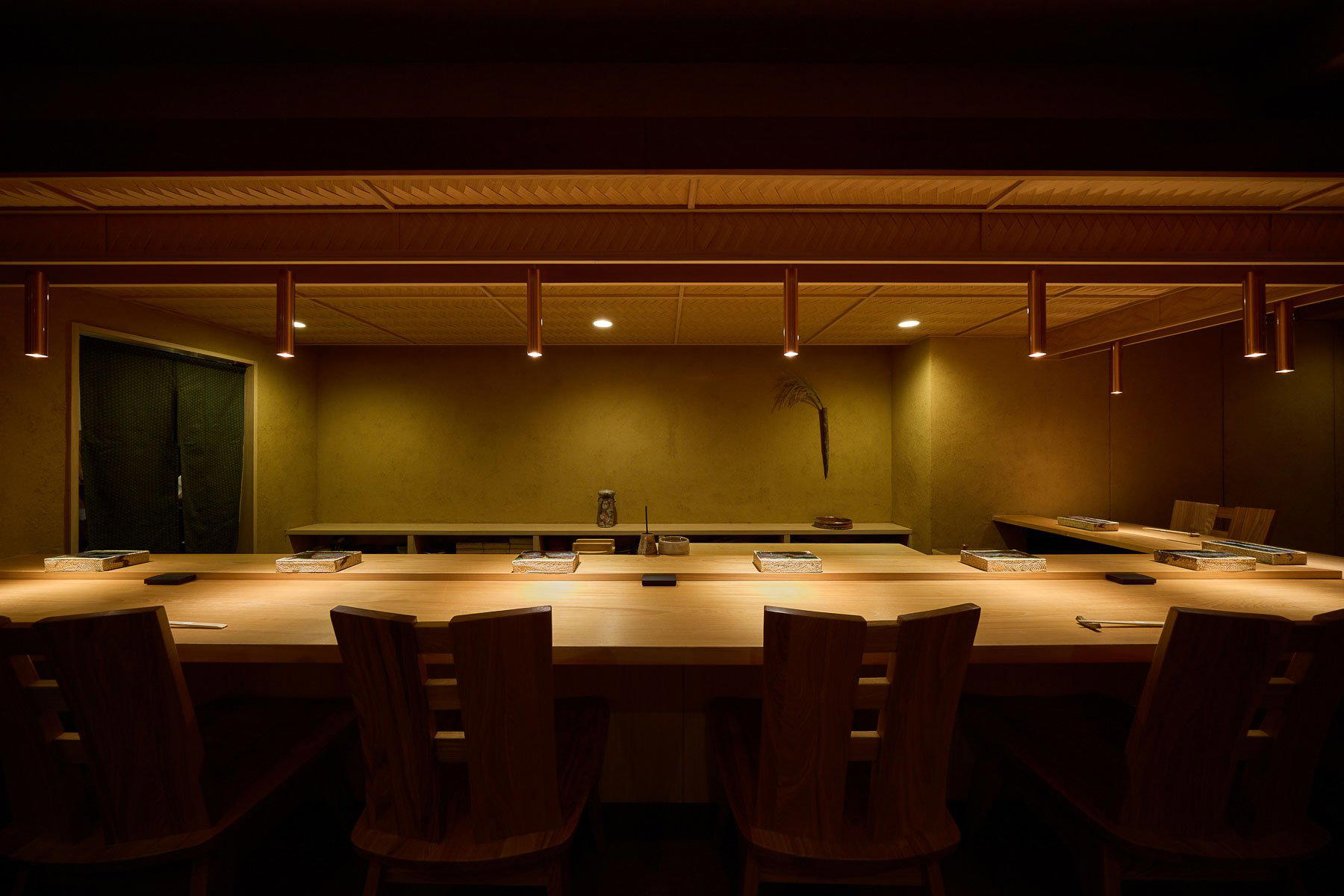
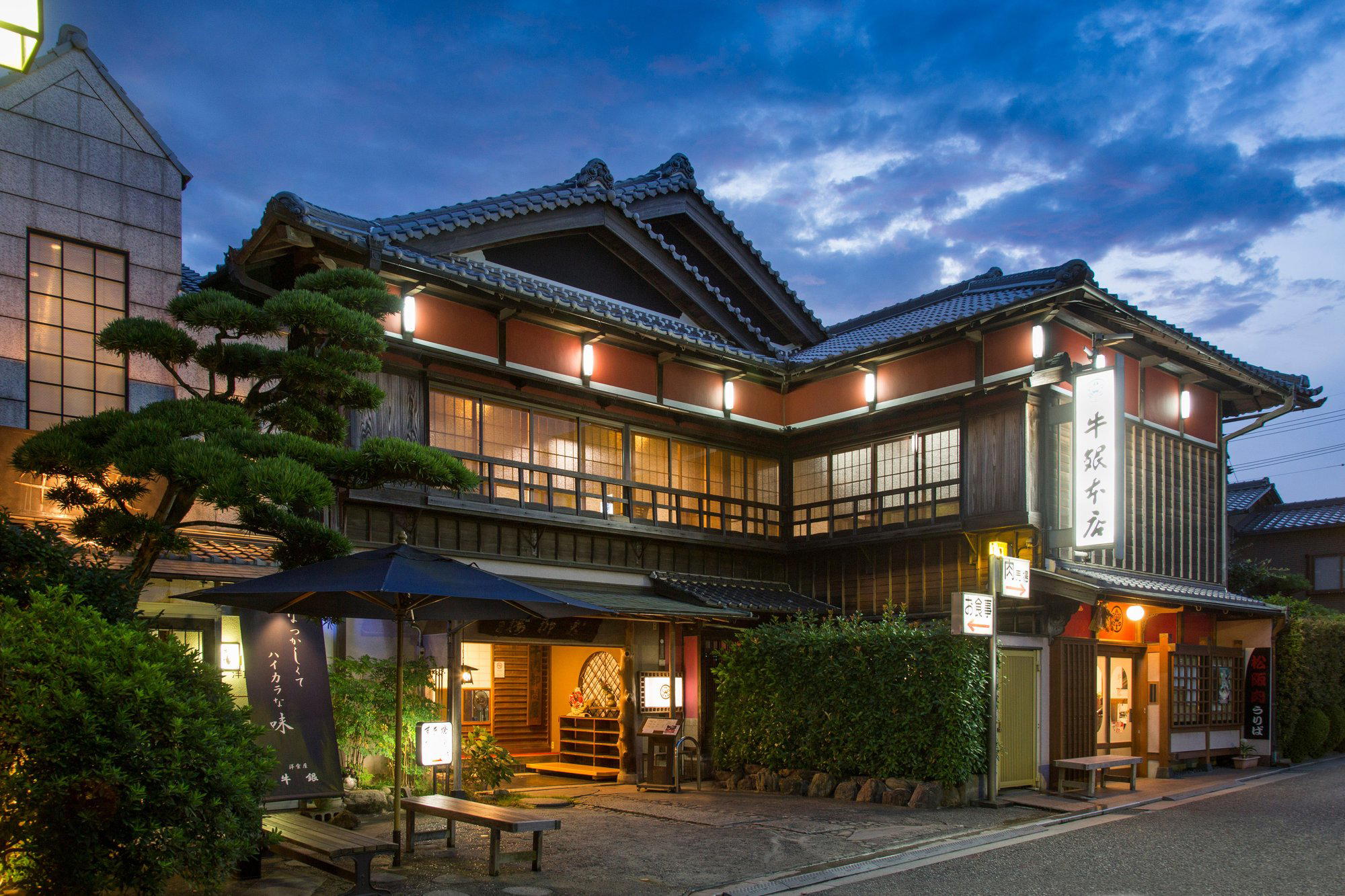
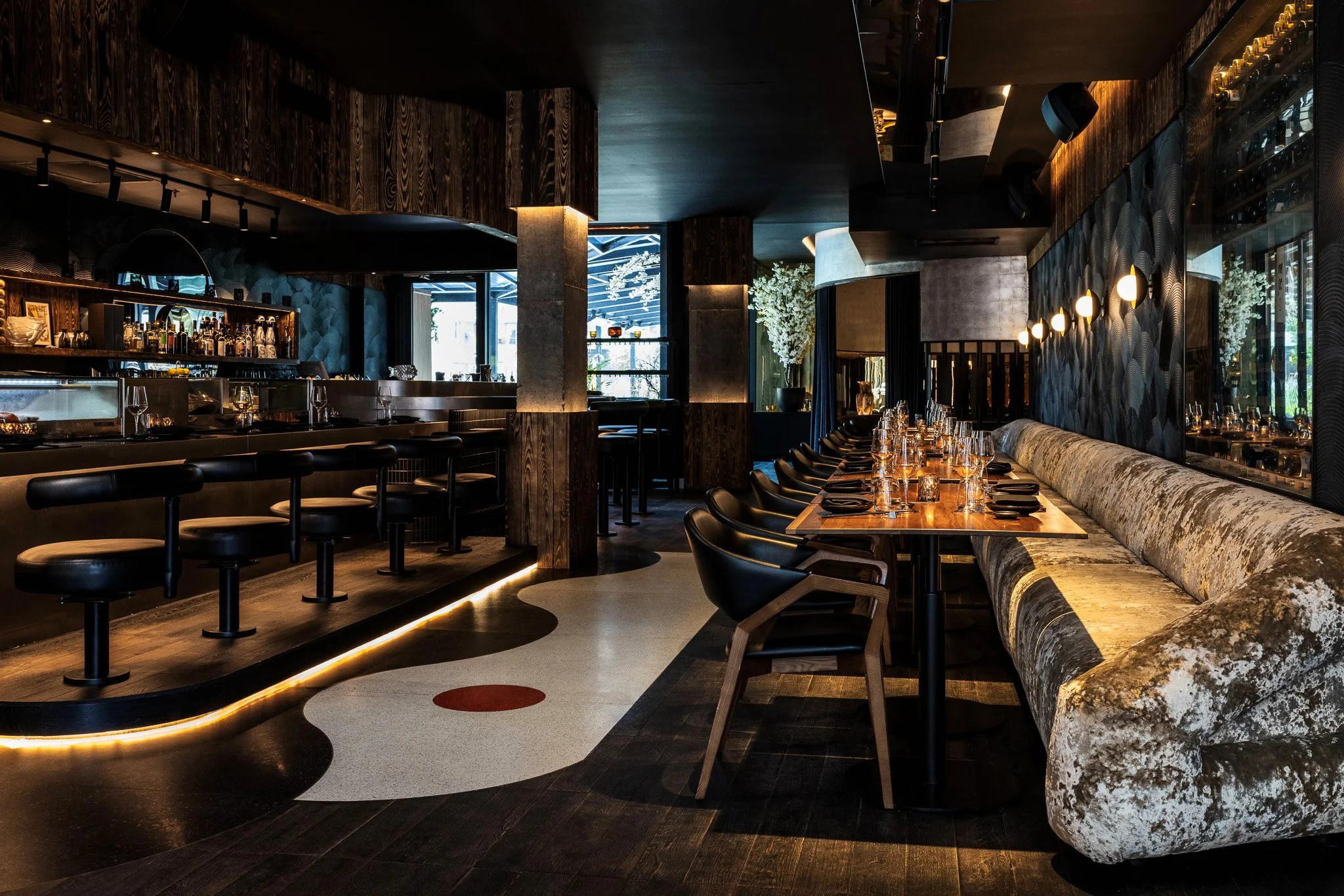
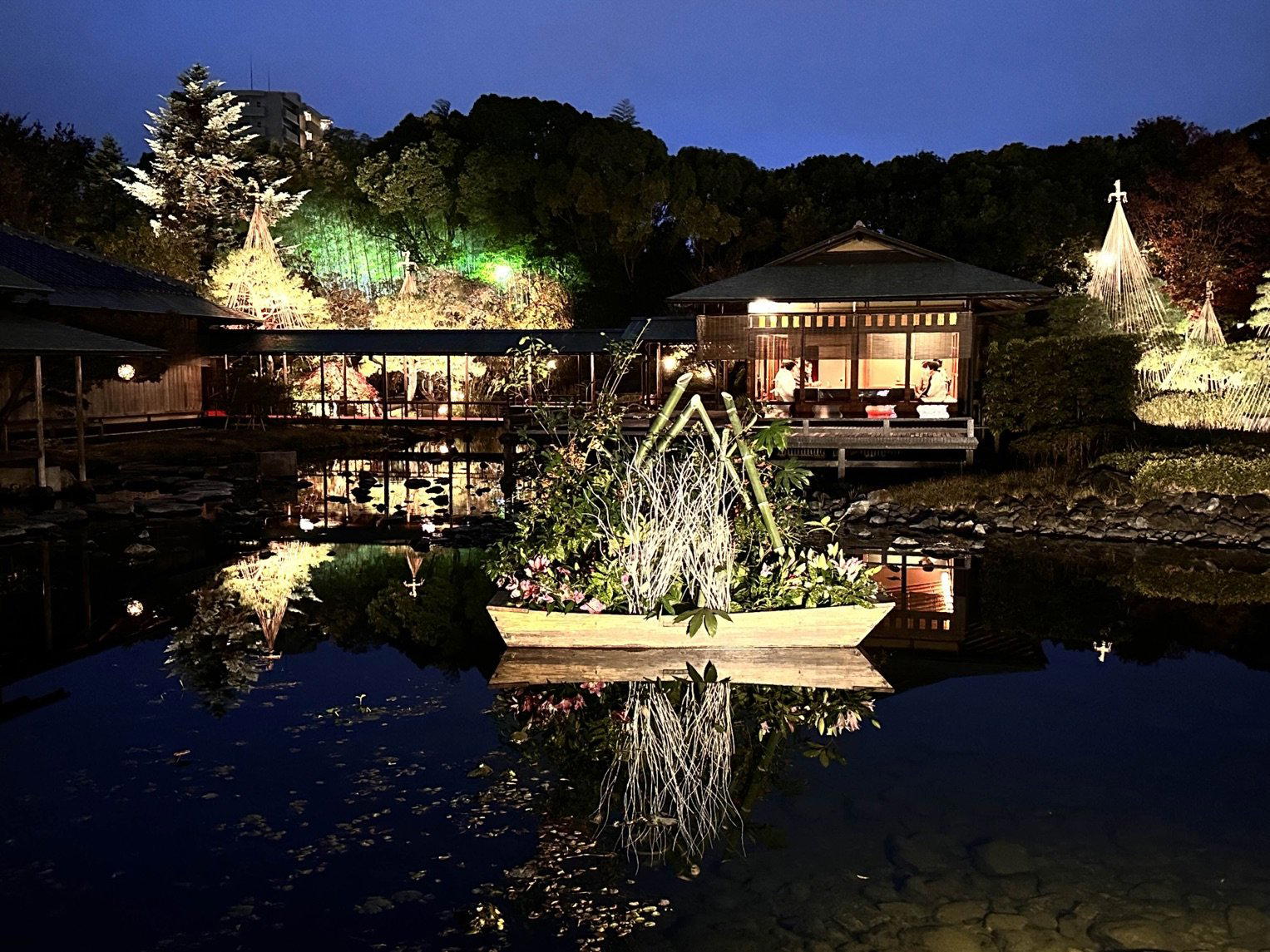
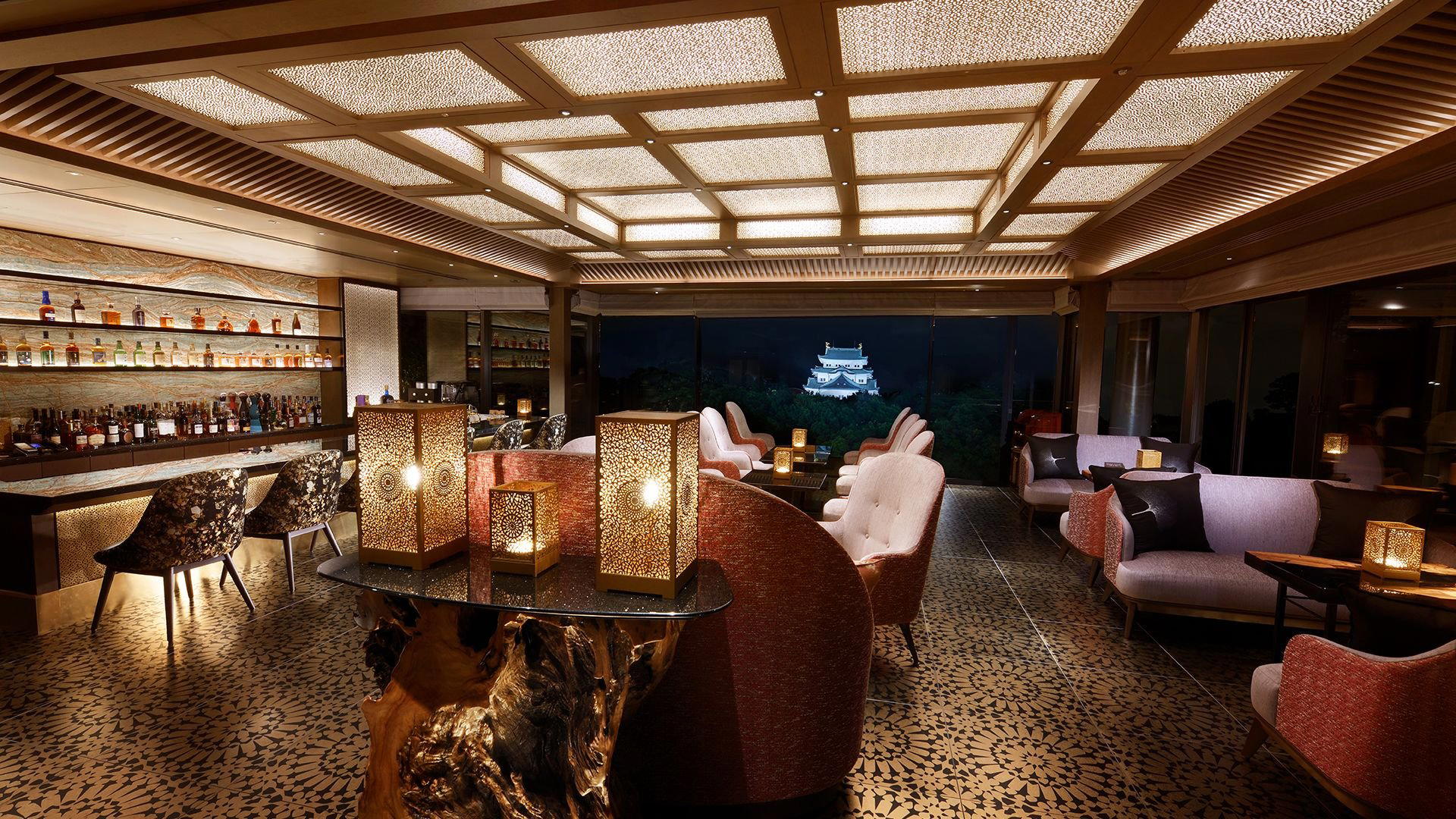
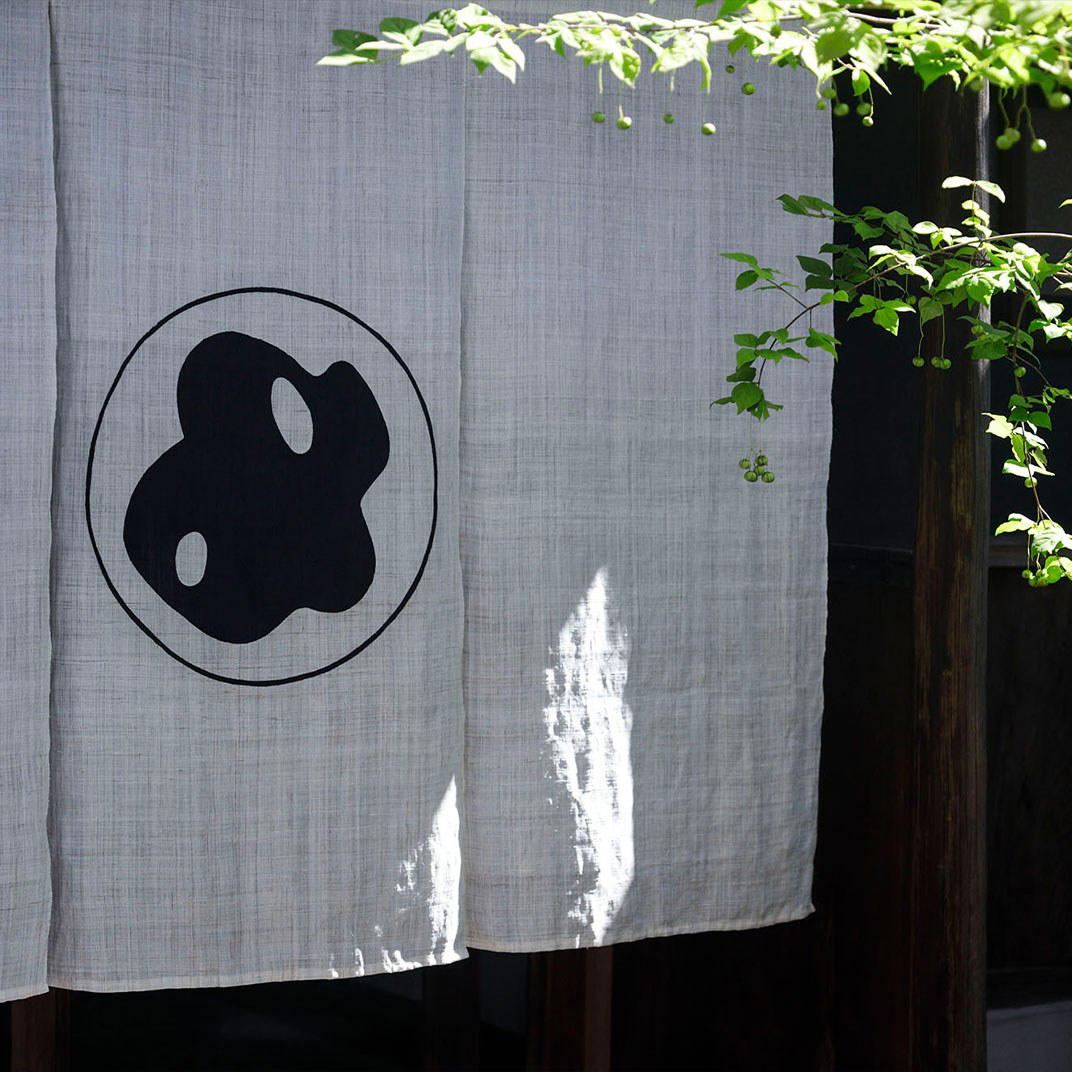
Calm and relaxing interior with a leisurely pace, well-suited for enjoying beautifully presented plant-based dishes.