On Clemens-Schultz-Straße in Hamburg's St. Pauli district, Köz-Antep brings the grilled-meat and spice traditions of southeastern Turkey to a city whose Turkish dining scene has long skewed toward Berlin-style döner and Anatolian generics. The name references both the cooking method and the city of Gaziantep, a UNESCO Creative City of Gastronomy, a provenance signal that separates this address from the broader kebab category.
Pearl is the En Primeur Club membership app — saves, bookings, and concierge access live there. Same editors, same standards.
- Address
- Clemens-Schultz-Straße 26, 20359 Hamburg, Germany
- Phone
- +494940316880
- Website
- koez-antep-hamburg.de
- Directions
- Get directions
 Saves & bookings on Pearl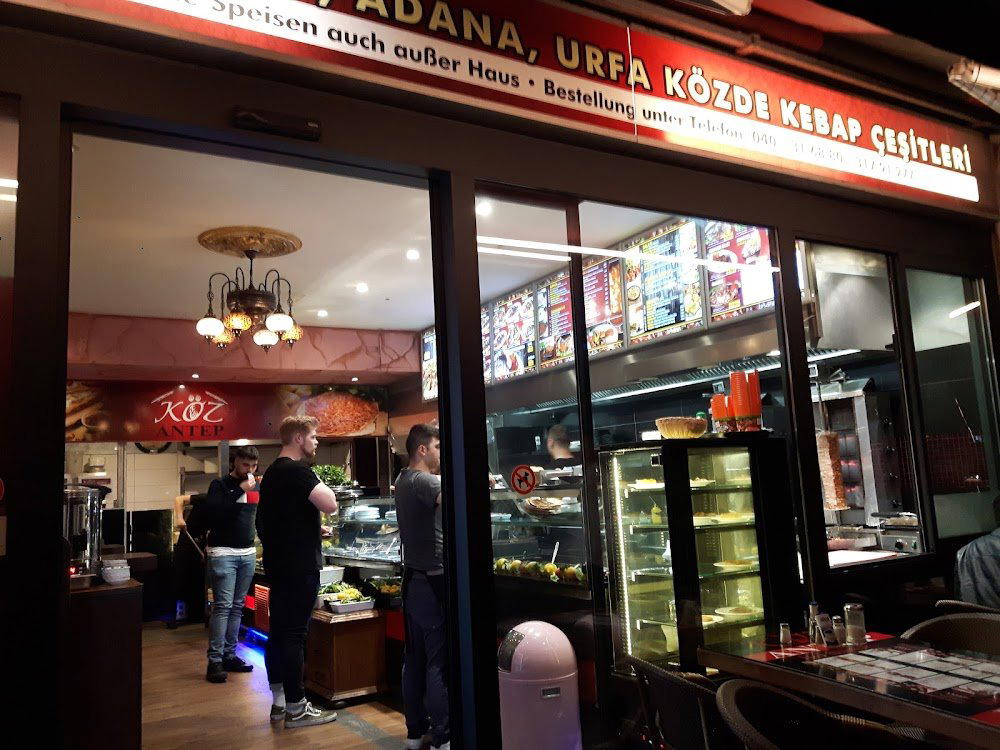
Where St. Pauli Meets the Gaziantep Grill Tradition
Clemens-Schultz-Straße sits in the interior of St. Pauli, a few blocks from the Reeperbahn's neon and closer in character to the quieter residential strips that have drawn independent restaurants and neighbourhood bars over the past decade. The street itself is the kind Hamburg food people know but visitors rarely find without a local pointer: low-signage, moderate foot traffic, and a concentration of operators who rely on return custom rather than passing trade. Köz-Antep occupies that context, and its name announces a specific culinary position before you reach the door. Köz refers to cooking over embers or live coals, a technique central to southeastern Turkish grilling, while Antep is the colloquial name for Gaziantep, a city in Turkey's Hatay-adjacent southeast that UNESCO recognised as a Creative City of Gastronomy. Köz-Antep is a casual, walk-in-friendly Turkish restaurant at Clemens-Schultz-Straße 26, 20359 Hamburg, Germany. That dual reference frames what to expect: this is not a generalised Turkish restaurant, but a house that has staked a position within a specific regional tradition.
Gaziantep on the Plate: What the Tradition Actually Means
Gaziantep's culinary reputation rests on a few specific pillars: charcoal-grilled meats with a bias toward lamb and offal, a spice culture built around dried chillies, cumin, and sumac rather than the tomato-forward sauces of western Turkey, and a pastry tradition that produces baklava considered by many Turkish food scholars to be the country's reference version. It is a cuisine where technique and provenance are inseparable. The distinction matters in a European city context because most Turkish restaurants here operate closer to the Ottoman-influenced Istanbul register, or the fast-casual Anatolian format that became Hamburg's default Turkish dining mode decades ago. A Gaziantep-specific address sits in a different category, closer in spirit to the regional Turkish specialists that have emerged in London's Dalston or Berlin's Neukölln in recent years, where first- and second-generation operators began narrowing their menus to the food of specific provinces rather than offering a greatest-hits pan-Turkish spread.
Within Hamburg's current restaurant picture, the comparison set for Köz-Antep is not the city's formal fine-dining tier, where addresses like Restaurant Haerlin, The Table Kevin Fehling, and 100/200 Kitchen operate at multi-course tasting-menu price points, but rather the neighbourhood specialists doing focused regional cooking at accessible prices. The same logic that draws diners to bianc for a committed Mediterranean register or to Lakeside for a specific German-lake-country sensibility applies here: the value is in the specificity, not the breadth.
The Collaborative Floor: How the Room Works
The editorial angle most relevant to Köz-Antep is not a single chef's biography but the interplay between the kitchen's grill-focused preparation and the front-of-house work required to translate a regional tradition for a mixed Hamburg audience. In Turkish regional cooking, the front of house carries an unusually large interpretive load: the vocabulary of cuts, the sourcing logic, the reason a particular spice paste appears with one protein and not another. These are not questions a menu description can fully answer, and they are the difference between a transactional dinner and a meal with context. Restaurants that handle this well, where the person pouring tea or setting down a flatbread can explain which district of Antep a preparation comes from, are doing something that requires rehearsal and genuine product knowledge, not just hospitality training. That coordination between kitchen craft and floor literacy is where the leading Turkish regional specialists in Europe have separated themselves from the generic category, and it is the standard against which a Gaziantep-positioned address in Hamburg should reasonably be assessed.
Germany's broader restaurant scene demonstrates how this works at its most developed: at properties like Aqua in Wolfsburg or JAN in Munich, the front-of-house program functions as a second interpretive layer on the kitchen's work. At the neighbourhood level, the same principle applies in a less formal register, and the restaurants that sustain reputation in St. Pauli's independent dining corridor tend to be those where floor knowledge keeps pace with kitchen ambition.
Hamburg's Broader Dining Map
Hamburg's restaurant scene has consolidated around a small cluster of destination addresses and a larger, less-documented tier of neighbourhood specialists doing focused, affordable cooking for a local customer base. The formal end of that spectrum is well-covered, including the city's Michelin-starred addresses and the tasting-menu formats that draw destination diners. But the neighbourhood tier is where the city's eating culture actually lives day-to-day, and it is increasingly where particularly interesting regional specificity appears. Turkish and Middle Eastern cooking traditions have a long presence in Hamburg through the city's substantial migrant communities, but the shift toward province-specific cooking is relatively recent and follows a pattern visible in several northern European cities: as the first-generation casual format matures, a second wave of operators narrows focus and raises technique, pulling the category toward something more legible to food-literate diners without abandoning the community roots that gave it credibility in the first place.
For context on how this plays out at the European fine-dining level, restaurants like Atomix in New York or Le Bernardin demonstrate how cuisine traditions travel and reform around specific commitments to technique and provenance. Closer to home, the trajectory of creative German cooking at places like Schwarzwaldstube, CODA Dessert Dining in Berlin, or Vendôme shows how deeply a kitchen can press into a specific culinary logic when the whole operation, floor included, commits to the same framework. The same discipline, applied to a Gaziantep register, is what separates a destination-worthy neighbourhood address from a good-enough local option. Other notable German addresses worth knowing across this spectrum include ES:SENZ in Grassau, Victor's Fine Dining by Christian Bau in Perl, Waldhotel Sonnora in Dreis, Schanz in Piesport, and Bagatelle in Trier, all operating in distinct registers but sharing the commitment to regional specificity over category-generic cooking.
Know Before You Go
- Address: Clemens-Schultz-Straße 26, 20359 Hamburg, Germany
- District: St. Pauli, Hamburg
- Phone: Not currently listed
- Website: Not currently listed
- Booking: Walk-in or call ahead; confirm current booking method on arrival or via local listings
- Price range: About €10 per person
- Hours: Mon: 12–4 AM, 8 AM–12 AM; Tue: 12–4 AM, 8 AM–12 AM; Wed: 12–4 AM, 8 AM–12 AM; Thu: 12–4 AM, 8 AM–12 AM; Fri: 12–4 AM, 8 AM–12 AM; Sat: 12–6 AM, 8 AM–12 AM; Sun: 12–6 AM, 8 AM–12 AM
Category Peers
Comparable venues nearby, for context on price, style, and recognition.
| Venue | Cuisine | Price | Notes |
|---|---|---|---|
| Köz-AntepThis venue — the venue you are viewing | Authentic Turkish Antep Kebab | $$ | Not listed |
| bona'me | Modern Kurdish-Turkish Cuisine | $$ | Hamburg-Altstadt |
| Saray Köz | Authentic Turkish Grill | $$ | St. Georg |
| Dubara | Turkish Street Food | $$ | Barmbek |
| Mr. Kebab | Turkish Kebab & Grill | $ | St. Pauli |
| Ata | Turkish Specialties | $$ | Farmsen |
Continue exploring
More in Hamburg
Restaurants in Hamburg
Browse all →
At a Glance
- Casual Hangout
Current opening hours
- Monday
- 12–4 AM, 8 AM–12 AM
- Tuesday
- 12–4 AM, 8 AM–12 AM
- Wednesday
- 12–4 AM, 8 AM–12 AM
- Thursday
- 12–4 AM, 8 AM–12 AM
- Friday
- 12–4 AM, 8 AM–12 AM
- Saturday
- 12–6 AM, 8 AM–12 AM
- Sunday
- 12–6 AM, 8 AM–12 AM
Hours can change for holidays and private events. Last verified .
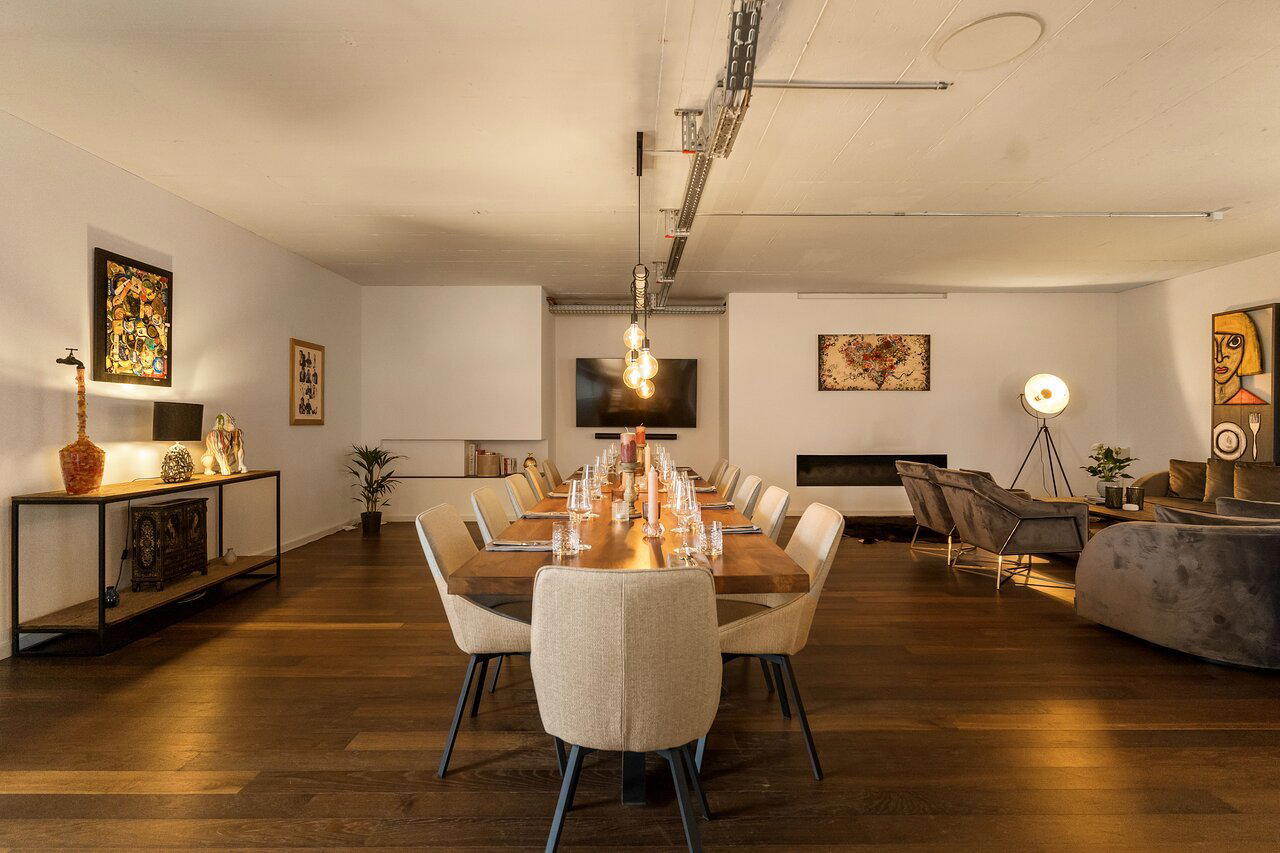
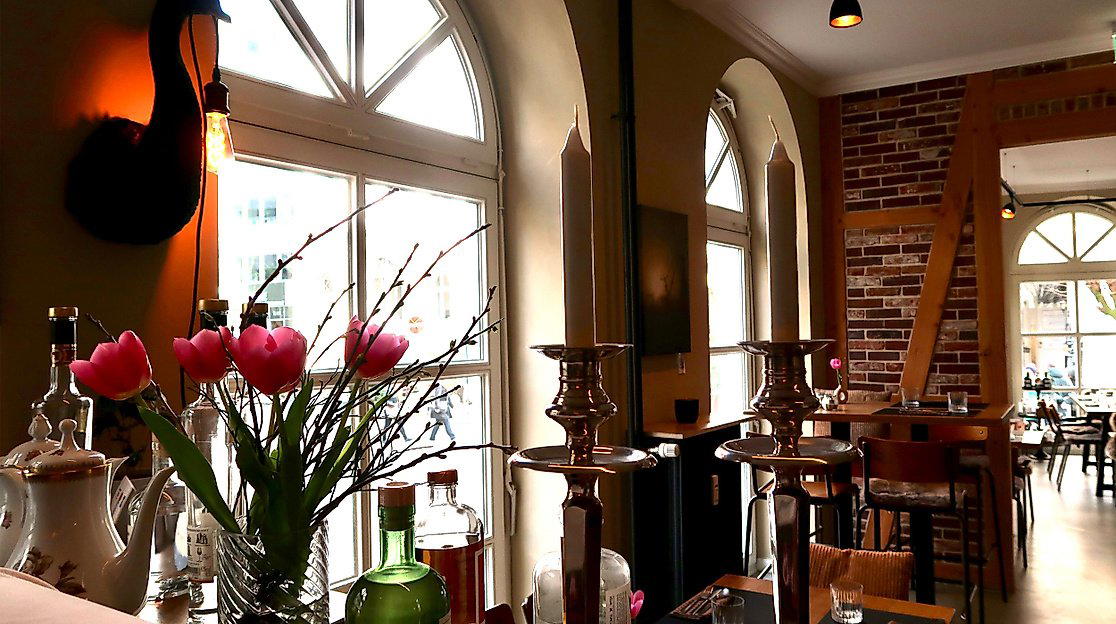
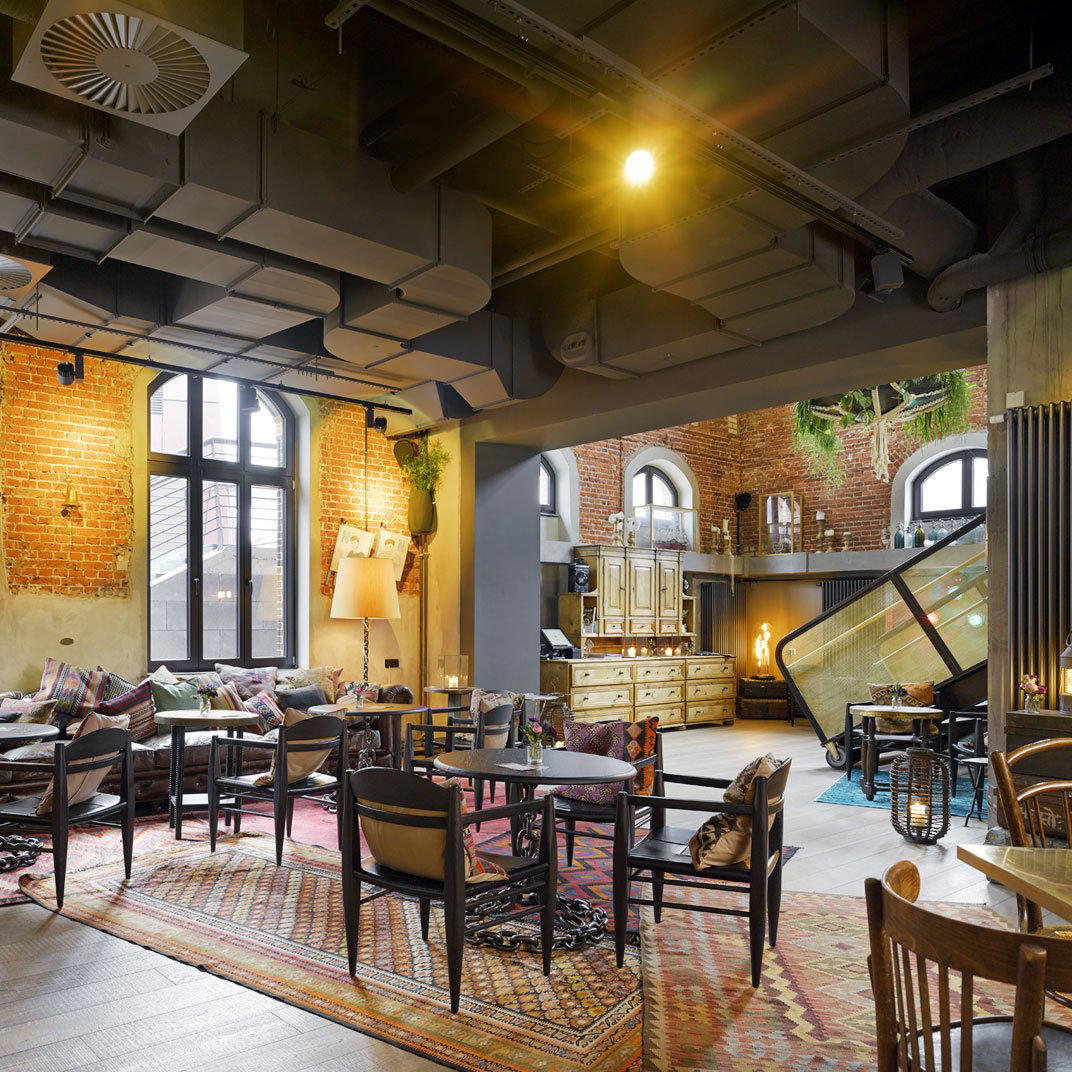
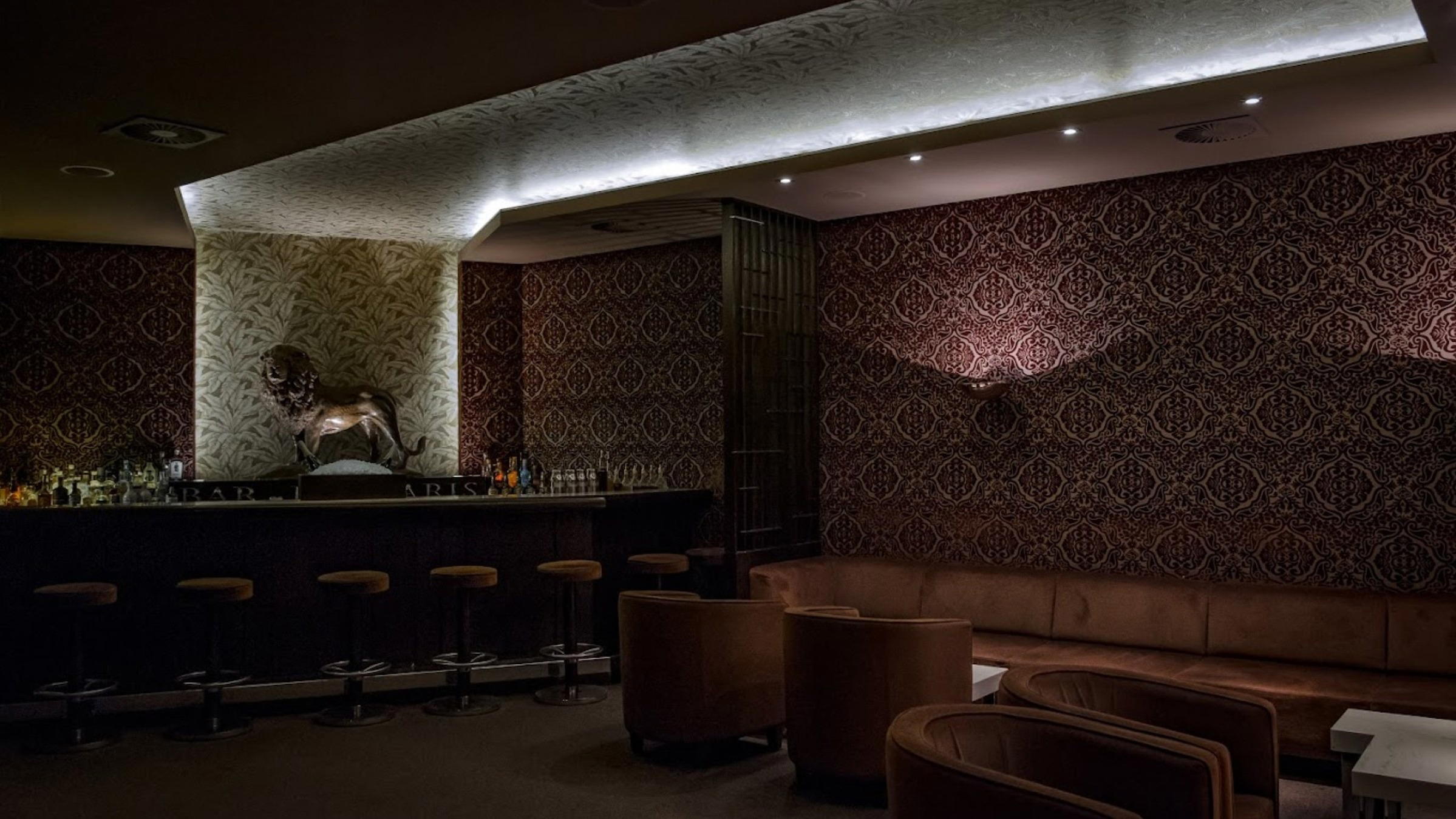
Casual and friendly atmosphere with great service.