At Kreuzweg 12 in Hamburg's St. Georg district, Saray Köz occupies a corner of the city where Middle Eastern and Turkish dining traditions have taken quiet root over decades. The restaurant draws a loyal neighbourhood following whose return visits say more about consistency than any award citation could. For travellers moving between Hamburg's fine-dining tier and its everyday restaurant scene, Saray Köz represents the kind of address that locals defend and visitors stumble upon.
Pearl is the En Primeur Club membership app — saves, bookings, and concierge access live there. Same editors, same standards.
- Address
- Kreuzweg 12, 20099 Hamburg, Germany
- Phone
- +494028408867
- Website
- saray-koez.de
- Directions
- Get directions
 Saves & bookings on Pearl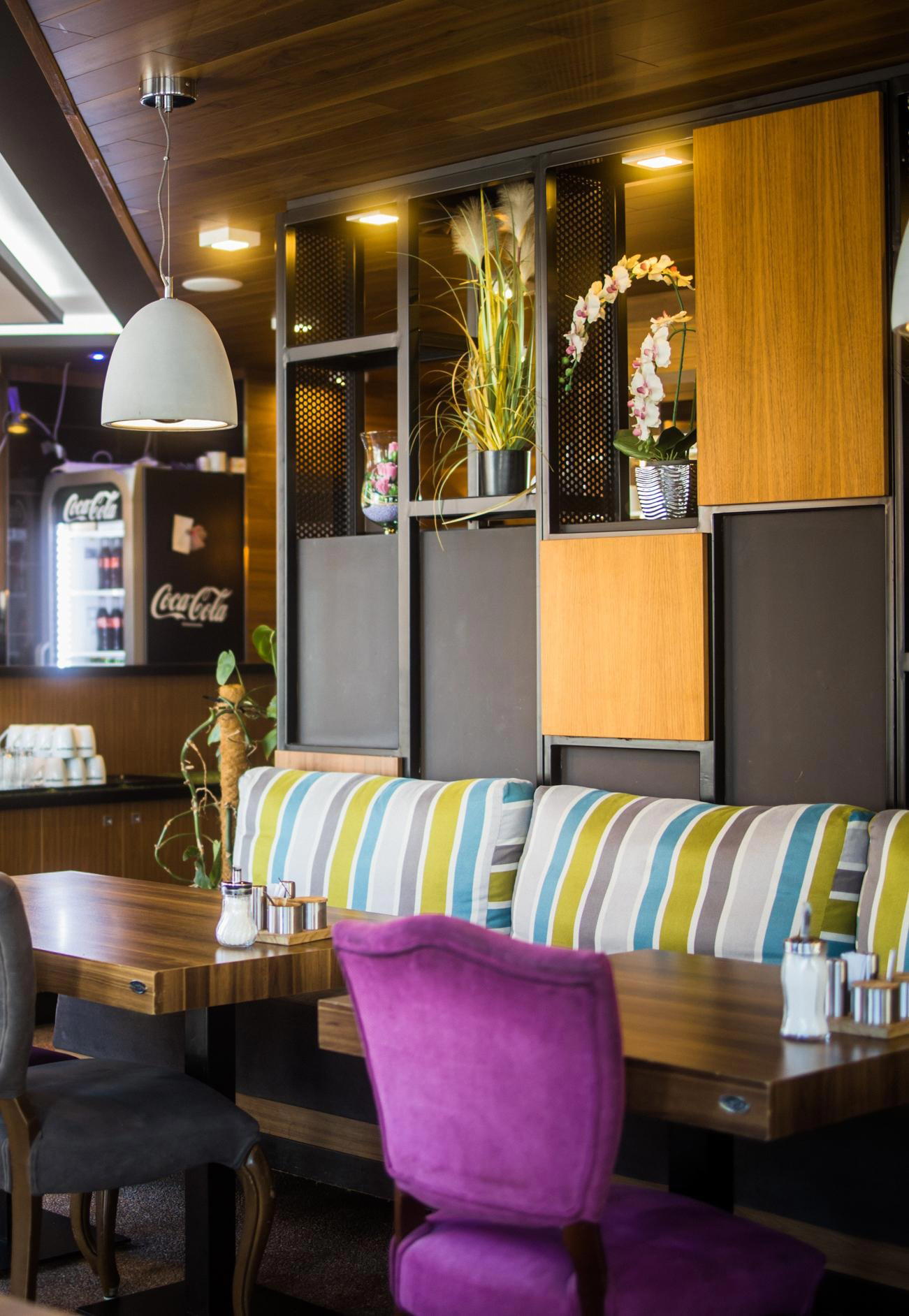
What the Regulars Already Know
Saray Köz is a casual Turkish grill at Kreuzweg 12 in Hamburg,230 reviews and an average spend of about $20 per person. Hamburg's restaurant conversation defaults quickly to the fine-dining end of the dial: three-Michelin-star counters like Restaurant Haerlin and The Table Kevin Fehling, or the creative Mediterranean work happening at bianc. That conversation is worth having, but it crowds out the tier of restaurant that a city's actual daily life runs on: the places where the same faces appear on Tuesday evenings, where orders are placed without consulting the menu, where the meal costs what dinner should cost and tastes like somebody cared about making it.
Saray Köz, at Kreuzweg 12 in the St. Georg neighbourhood, operates in that register. St. Georg sits just east of the Hauptbahnhof, and its dining character reflects decades of migration patterns that have made it one of Hamburg's most genuinely mixed quarters. Turkish and Middle Eastern restaurants have been part of the neighbourhood's fabric since the 1970s and 1980s, and the ones that survived did so not through novelty but through repetition of something worth repeating.
The Neighbourhood and Its Logic
St. Georg's restaurant density is high relative to its footprint. Lange Reihe is the street that gets most of the editorial attention, but the blocks around Kreuzweg and Steindamm have their own internal logic, one shaped less by tourism and more by the people who actually live nearby. In that context, a Turkish grill restaurant is not an exotic proposition, it is infrastructure. The question worth asking about any address in this part of Hamburg is not whether the cuisine is interesting but whether the kitchen has maintained the discipline to be the place regulars return to rather than the place visitors try once.
Saray Köz translates loosely as "ember corner" or "ember hearth", the köz in Turkish referring specifically to the glowing embers used in traditional charcoal cooking. That detail points toward a grill-centred kitchen where the cooking method is the technique, not a finishing flourish. Across Turkey, köz cooking is associated with dishes where ingredients are charred directly over or in embers: whole aubergines collapsed into smoke-laced purées, peppers blistered to sweetness, meats cooked over consistent, managed heat rather than the aggressive flare of a gas grill. Whether that technique is applied with the same rigour here is a question the regulars have already answered for themselves by returning.
What Keeps People Coming Back
The loyal-clientele signal is one of the more reliable indicators of a kitchen that delivers consistently. In Hamburg's middle tier, where restaurants compete without the insulation of Michelin recognition or major media coverage, repeat business is earned purely on performance. A venue like Lakeside operates with the advantage of a setting and a price bracket that carries some of the weight; a neighbourhood grill in St. Georg operates without those buffers.
What draws regulars to this type of address is usually a combination of factors: a menu that changes slowly enough to have signature items that feel owned rather than curated, service that recognises familiar faces, and pricing that makes the visit feel like a reasonable decision rather than an occasion requiring justification. Turkish grill restaurants in this category across German cities have generally maintained that proposition better than equivalent casual formats in other cuisines, partly because the cuisine itself scales well from everyday to considered dining without requiring a separate register.
The broader German context is worth noting here. Cities like Hamburg, Berlin, and Munich have Turkish restaurant communities that predate the current European interest in Anatolian and Levantine cooking by forty years. The restaurants that have stayed in operation through those decades represent a different kind of credential than a recently-awarded Bib Gourmand. They are places that cooked the same food before it was fashionable and kept cooking it after the trend moved on. For reference points in how serious German dining institutions build longevity, it is instructive to look at different price tiers: from Schwarzwaldstube in Baiersbronn to Vendôme in Bergisch Gladbach, the restaurants that endure do so through a consistent point of view, not through reinvention.
Saray Köz in Hamburg's Wider Dining Picture
Placing the restaurant against Hamburg's fine-dining tier is not the right frame. The more useful comparison set is the city's mid-range restaurants that have built genuine neighbourhood followings without formal recognition. Against that peer group, an address with a name that describes a specific cooking technique, a fixed location in a high-density residential and commercial quarter, and a clientele pattern that suggests repeat visits rather than single tourist transactions sits in a credible position.
Hamburg's higher-end creative restaurants, including 100/200 Kitchen, occupy a different function in the city's dining ecology. They serve a market of occasion dining, destination visits, and international travellers moving through the city. The restaurants that serve the city itself, that fill seats on ordinary weekday evenings, are a different category, and that category deserves its own critical attention. For international reference points on how ember-driven cooking has been treated at higher price points, Atomix in New York City and Le Bernardin demonstrate how technique-centred kitchens build identity, though the context and ambition differ substantially from a neighbourhood grill.
German fine-dining addresses beyond Hamburg, from Aqua in Wolfsburg to ES:SENZ in Grassau and Victor's Fine Dining by Christian Bau in Perl, represent the formal end of the national dining spectrum. CODA Dessert Dining in Berlin, JAN in Munich, Waldhotel Sonnora in Dreis, Schanz in Piesport, and Bagatelle in Trier round out a picture of German dining that spans from neighbourhood consistency to internationally recognised technical ambition. The restaurant belongs to the former category, which is neither a lesser position nor a higher one, it is simply a different function.
Cuisine-First Comparison
Comparable venues nearby, for context on price, style, and recognition.
| Venue | Cuisine | Price | Notes |
|---|---|---|---|
| Saray KözThis venue — the venue you are viewing | Authentic Turkish Grill | $$ | Not listed |
| bona'me | Modern Kurdish-Turkish Cuisine | $$ | Hamburg-Altstadt |
| Ata | Turkish Specialties | $$ | Farmsen |
| Köz Urfa | Authentic Turkish Grill | $$ | Altona-Nord |
| Ustam | Anatolian Turkish Grill | $$ | Sternschanze |
| Osho Ayu-Leela | Ayurvedic Indian | $$ | Uhlenhorst |
Continue exploring
More in Hamburg
Restaurants in Hamburg
Browse all →
At a Glance
- Cozy
- Casual Hangout
Current opening hours
- Monday
- 8 AM–12 AM
- Tuesday
- 8 AM–12 AM
- Wednesday
- 8 AM–12 AM
- Thursday
- 8 AM–12 AM
- Friday
- 8 AM–2 AM
- Saturday
- 8 AM–2 AM
- Sunday
- 8 AM–12 AM
Hours can change for holidays and private events. Last verified .
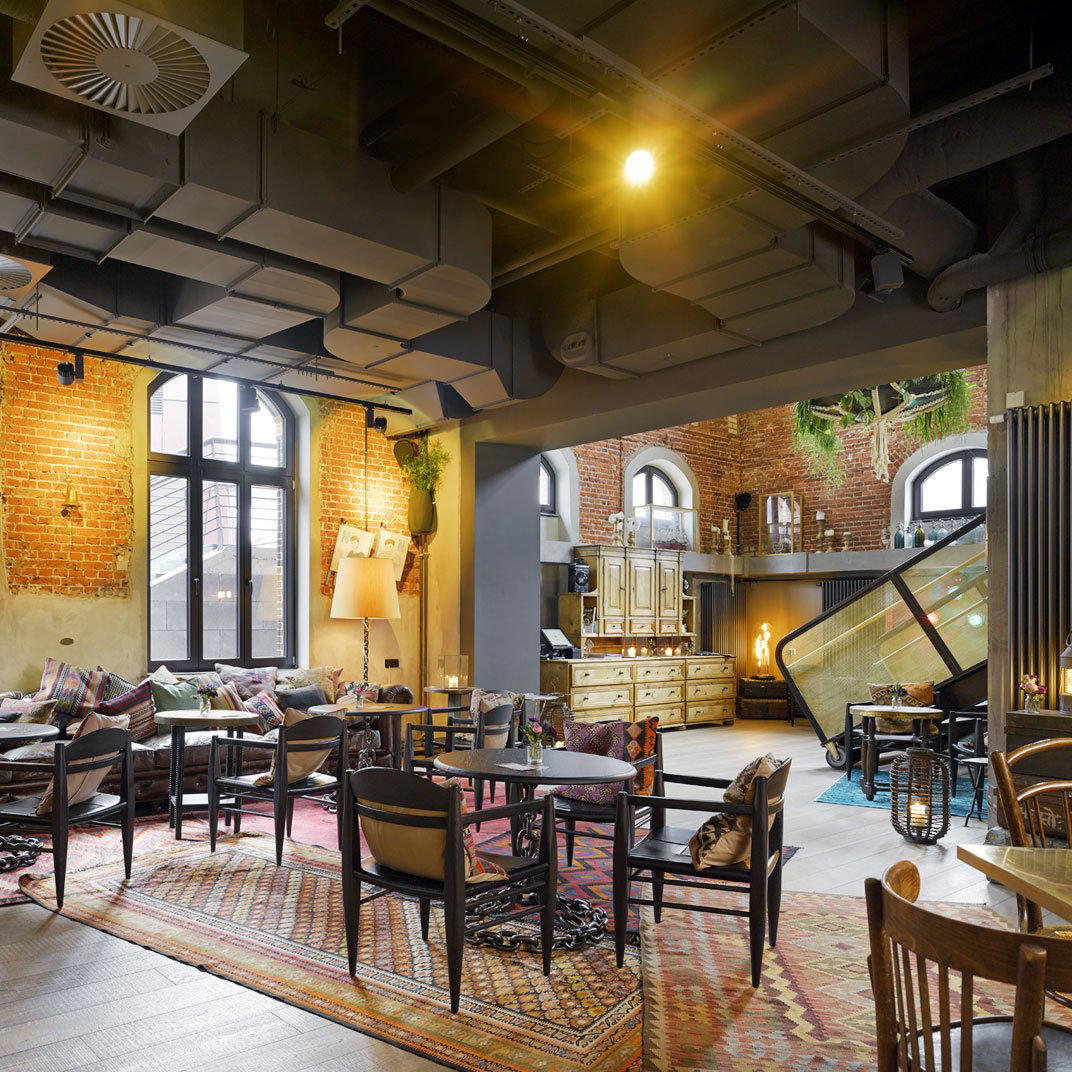
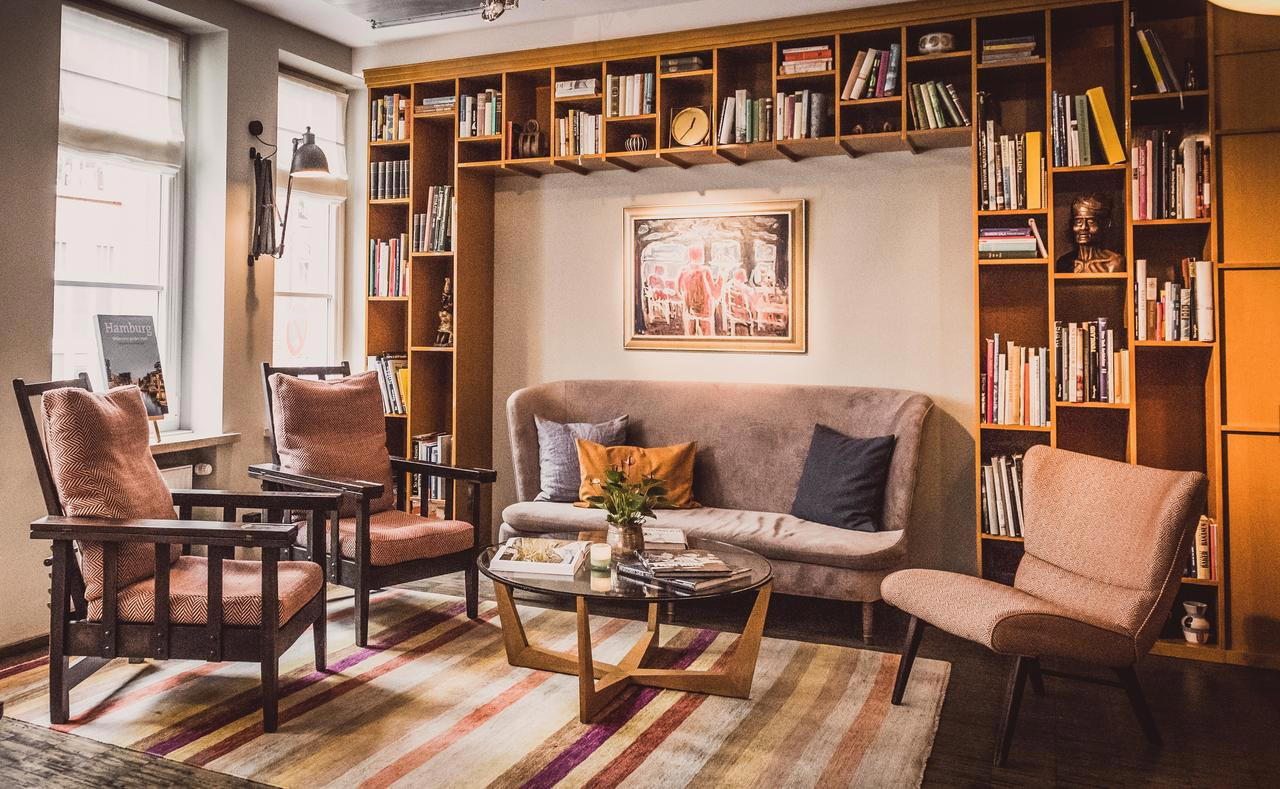
Cozy and clean environment with pleasant background music and welcoming staff.