
Kuwa Monpe places rural Hyogo pizza in a category usually dominated by city counters and Neapolitan specialists. Its Tabelog Pizza 100 selection in 2025, modest JPY 2,000–2,999 spend, and 36-seat indoor-terrace format make it a practical detour for travelers reading Kobe through the wider food culture of Tamba-Sasayama rather than only the city center.
Pearl is the En Primeur Club membership app — saves, bookings, and concierge access live there. Same editors, same standards.
- Address
- 586-7 Sojinaka, Tamba-Sasayama, Hyogo 669-2443, Japan
- Phone
- +81 79-556-3920
- Website
- kuwamonpe2010-7-7.com
 Saves & bookings on Pearl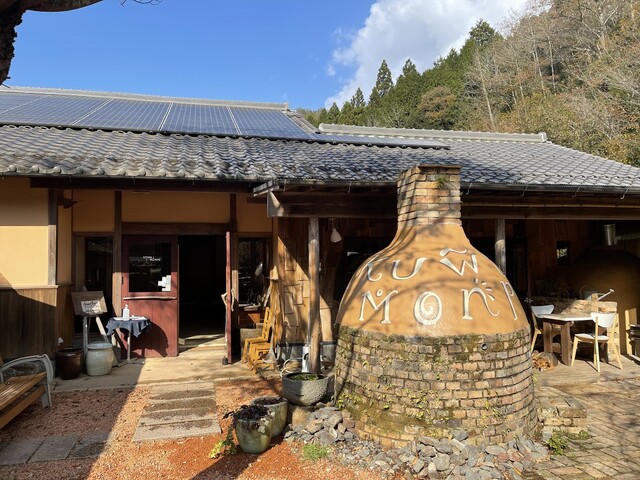
The approach to Tamba-Sasayama changes the meal before the first order. Kobe dining often starts with beef, port-city cafés, and polished urban rooms; inland Hyogo moves through longer roads, lower buildings, open air, and restaurants whose appeal depends on pacing as much as product. Kuwa Monpe belongs to the rural Japanese pizzeria category, where room, terrace, and staff timing create service less formal than a tasting counter but more coordinated than a casual roadside stop.
That matters because pizza in Japan has split into clear tiers: city pizzerias pursuing strict Neapolitan grammar, restaurant groups folding pizza into broader Italian menus, and destination rooms where the drive is part of the proposition. Kuwa Monpe sits in the third camp. Its selection for Tabelog 100 - Pizza - 2025 places it among a national set judged on pizza rather than general Italian cooking, while its listed categories, pizza, pasta, and Italian, keep the experience broader than a single-discipline counter.
Rural Hyogo pizza, measured against the city circuit
For travelers using Kobe as a base, this is not simply another pizza address. Central Kobe meals often cluster around beef houses, coffee rooms, and compact neighborhood restaurants; the wider region adds soba, country cooking, and destination Italian. That is why Kuwa Monpe reads differently from an urban meal at Aburi Niku Kobo Wakkoku Shinkobe ten or Aburi Niku Kobo Wakkoqu Kitano Sakamoto Ten, where Kobe beef narrows the evening around grilling, cuts, and counter-stage service.
The more useful comparison is regional and category-adjacent. Ichie An in Kobe sits at JPY 1,000–1,999, Soba Kiri Tsutaya at JPY 3,000–3,999, and Juuwari Soba Dokoro Yamadori at JPY 10,000–14,999 for one listed spend range and JPY 4,000–4,999 for another. Kuwa Monpe’s JPY 2,000–2,999 range puts it in a middle bracket: accessible for a lunch detour, serious enough that the award signal is not a novelty.
Recognition also separates it from countryside restaurants relying on scenery alone. Tabelog’s Pizza 100 list is category-specific, and the 2025 selection gives the restaurant a national reference point without making the meal ceremonial. This is neither a luxury dining play nor merely a scenic café; it is a pizza-led Hyogo destination structured enough to be evaluated alongside specialist pizzerias.
The service model is casual, but not loose
The format explains much of the appeal. There are 36 seats, divided between 20 indoors and 16 on the terrace, creating a hybrid room: part restaurant, part country stop, part fair-weather gathering place. In small restaurants like this, the kitchen and front-of-house relationship is visible because pacing cannot hide behind layers of staff. Orders, table turns, terrace seating, children, pets, and payment must move cleanly or charm becomes delay.
The 70-minute seating limit is revealing. It keeps the experience closer to disciplined lunch service than leisurely countryside sprawl, and signals demand can compress the room, especially when weather favors outdoor tables. Spring and autumn bring heavier visitor traffic, matching the Kansai pattern: rural food trips appeal more when heat and humidity ease, and terrace restaurants become day-trip anchors.
Family and accessibility details shape the service culture. Children are welcome, including babies, preschoolers, and school-age children; a kids menu is listed, strollers are accepted, and guests may bring a child chair. Wheelchair access is listed, and pets are accepted. Those facts suggest a front-of-house style built for mixed groups rather than hushed dining-room choreography. Approach it as a well-run casual restaurant, not a formal Italian room with extended table time.
For how this fits into Kobe’s broader dining spread, use Our full Kobe restaurants guide. Travelers building a regional itinerary can pair that with Our full Kobe hotels guide, Our full Kobe bars guide, Our full Kobe wineries guide, and Our full Kobe experiences guide, because this meal works better inside a day plan than as an isolated booking.
How to read the menu and the detour
The menu’s signal is breadth, not a named signature. Pizza leads, with pasta and Italian cooking alongside it, and wine plus cocktails available. That suits the countryside format: enough focus to justify Pizza 100 recognition, enough range for families and mixed groups who may not want a single-item meal. The absence of private rooms and private use keeps the atmosphere public and shared, closer to a lively daytime restaurant than a controlled special-occasion room.
Transport is the real filter. The restaurant is in Tamba-Sasayama rather than central Kobe, with parking listed as three spaces in front and about 20 spaces by the pond. The station walk is not a realistic urban stroll for most travelers, so the meal favors drivers or guests routing through inland Hyogo. Go for category-specific pizza recognition in a rural setting, not because it is the easiest Kobe meal between museums and cocktails.
Payment is less old-fashioned than the setting suggests. Credit cards are accepted, including Visa, Master, JCB, AMEX, and Diners, and electronic money such as transportation IC cards, iD, and QUICPay is accepted; QR code payments are not. Reservations are available, with phone reservations not accepted, and some Saturdays operate under specific reservation conditions. Treat the meal as a planned regional stop with buffers, especially in spring and autumn.
Within Kobe and the wider EP Club map, the contrast is instructive. A coffee-led pause at Akaneya Coffee Ten, neighborhood dining at Akari, or a different casual register at Ali's Halal Kitchen keeps the traveler inside the city’s daily food fabric. Kuwa Monpe asks for a wider lens: Hyogo as farmland, drive, terrace, and pizza oven, not only Kobe as port city.
Readers comparing Japanese casual formats beyond Hyogo can place it against -Grilled beef Sukiyaki- KAMAKURA TANUKIAN 鎌倉 たぬき庵 in Kamakura,. 鮪と炭火焼き うお炭 秋葉原店 in Tokyo,.cafe in Osaka,.know in Kumamoto, (Shoku) Vietnam in Kawasaki, and [Curry Senmon Ten] Maruyama Kyoju. in Sapporo. For a trans-Pacific contrast in Japanese casual culture, Jōdo Saké Bar in Los Angeles and Onigiri Time in Pasadena show how format, staff rhythm, and price band define the experience as much as the headline dish.
The Short List
Side-by-side context: comparable cuisine and price.
| Venue | Cuisine | Price | Notes |
|---|---|---|---|
| Kuwa MonpeThis venue — the venue you are viewing | $$ | ||
| GREEN HOUSE Wald | $$ | Chūō, Casual Italian cafe with Neapolitan pizza and sweets | |
| legno | Chūō, Wood-Fired Italian | $$$ | |
| Ristorante Hanatani | $$$ | Chūō, Seasonal Italian Chef’s Counter in Kobe | |
| Kisetsu Ippin Ryori Fujiwara | $$ | Chūō, Seasonal Japanese Izakaya & Seafood | |
| Stand Classic | $$ | Chūō, Japanese standing bar (tachinomi) with a sake focus |
Continue exploring
More in Kobe
Restaurants in Kobe
Browse all →
Bars in Kobe
Browse all →


Hotels in Kobe
Browse all →


At a Glance
- Scenic
- Cozy
- Rustic
- Hidden Gem
- Family
- Group Dining
- Casual Hangout
- Date Night
- Celebration
- Garden
- Standalone
- Local Sourcing
- Garden
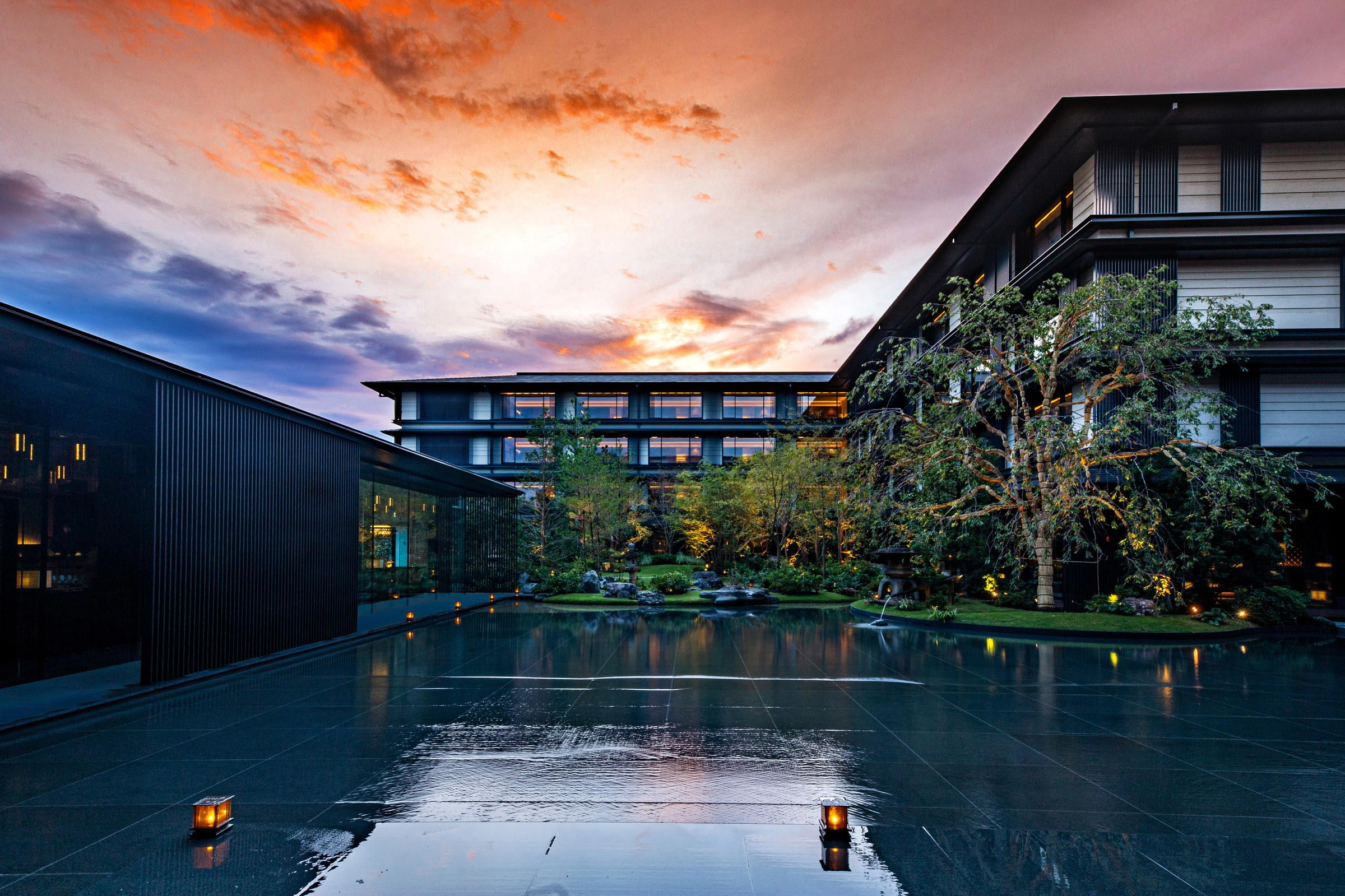
A relaxed, homey pizzeria surrounded by greenery, with thoughtful lighting and music creating a non-everyday, resort-like feel while remaining warm and family-friendly.