
legno places Kobe’s Italian dining in a Motomachi register: wood-fired cooking, wine, pizza and steak, with Tabelog 100 Italian WEST selections in 2023 and 2025. The draw is not ceremony for its own sake, but a compact, adult room where Kansai’s appetite for Italian food meets Kobe’s long habit of looking outward through the port.
Pearl is the En Primeur Club membership app — saves, bookings, and concierge access live there. Same editors, same standards.
- Address
- 兵庫県神戸市中央区元町通2-9-1 元町プラザ 201
- Phone
- +81783323560
- Website
- tabelog.com
 Saves & bookings on Pearl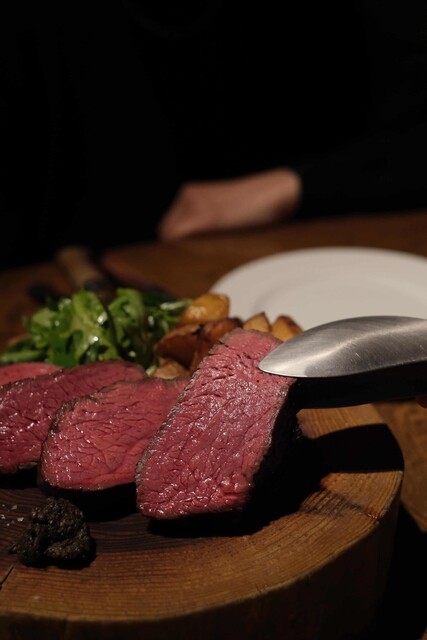
Motomachi changes scale quickly. The station edge is practical and commercial, then the side streets pull the tempo down into second-floor rooms, coffee shops, gyoza counters and small restaurants that depend on regulars as much as destination diners. In that setting, legno reads as part of a Kobe tradition rather than an isolated Italian address: imported technique filtered through a port city that has long absorbed outside food cultures and made them feel local.
Kobe’s Western dining history is not decorative background. The city’s appetite for yōshoku, beef rooms, coffee culture and European-leaning restaurants comes from its opening as an international port in the 19th century, then from decades of merchant, sailor and expatriate traffic. Italian cooking fits that pattern neatly. It is familiar enough for family meals, yet serious enough to support wine lists, wood fire and reservation-led dining. legno sits in that middle-high tier, above casual Motomachi lunch rooms and well below the formality of a long tasting-menu restaurant.
Wood fire, wine and Kobe's port-city version of Italian cooking
The useful way to read this kitchen is by category: Italian, pizza and steak, with wood-fired cooking as the organizing idea. That combination makes sense in Kobe. The city has a deep beef culture, but not every meal needs to become a beef-house ritual; it also has a strong café and Western-food lineage, but not every room has to be nostalgic. A wood-fired Italian format gives Kobe diners a third lane: char, dough, meat and wine without the heavy etiquette of formal French dining.
Recognition has followed. legno was selected for Tabelog’s Italian WEST “Tabelog 100” in 2023 and again in 2025, with a listed Tabelog score of 3.70. In Japan, that matters because Tabelog’s user culture is demanding at the upper end; scores in this range usually signal a restaurant with serious local traction rather than a room trading only on convenience. The WEST category also places it in a broader Kansai and western Japan conversation, not merely a neighborhood one.
The wine emphasis is part of the point. Italian restaurants in Japan often split between trattoria informality and chef-led tasting menus; Kobe’s better middle ground tends to reward rooms that can handle both food and drink with equal seriousness. The listed drinks program includes wine and cocktails, with a stated focus on wine. That supports the restaurant’s role as a dinner address rather than a pizza stop with a bottle list attached.
Motomachi keeps the comparison honest
Motomachi is a useful corrective to over-polished destination dining. Nearby, Grill Ippei Motomachi ten represents the city’s Western-style comfort-food lineage at a lower spend; Motomachi Santos works the old-school café register; Tachinomi ZUTTO reflects the standing-bar rhythm that makes Kobe evenings flexible rather than ceremonial. Gyoza Daigaku pulls the area back toward its Chinatown-adjacent casual appetite, while KOBE BEEF EiKiChi addresses the beef question more directly. Against that local spread, legno occupies a narrower but more polished lane: not the cheapest, not the grandest, and not trying to be a Kobe beef trophy meal.
That distinction matters for travelers. Kobe is often treated as a single-ingredient city from outside Japan, reduced to beef and harbor views. The more interesting read is a city of small formats: kissaten, counter bars, dumpling rooms, steak houses, yoshoku specialists and European-leaning dining rooms layered within short walking distances. For a visitor already planning meals around beef, legno adds texture to the itinerary by showing how Kobe’s Western palate has moved beyond the old binary of steakhouse or café.
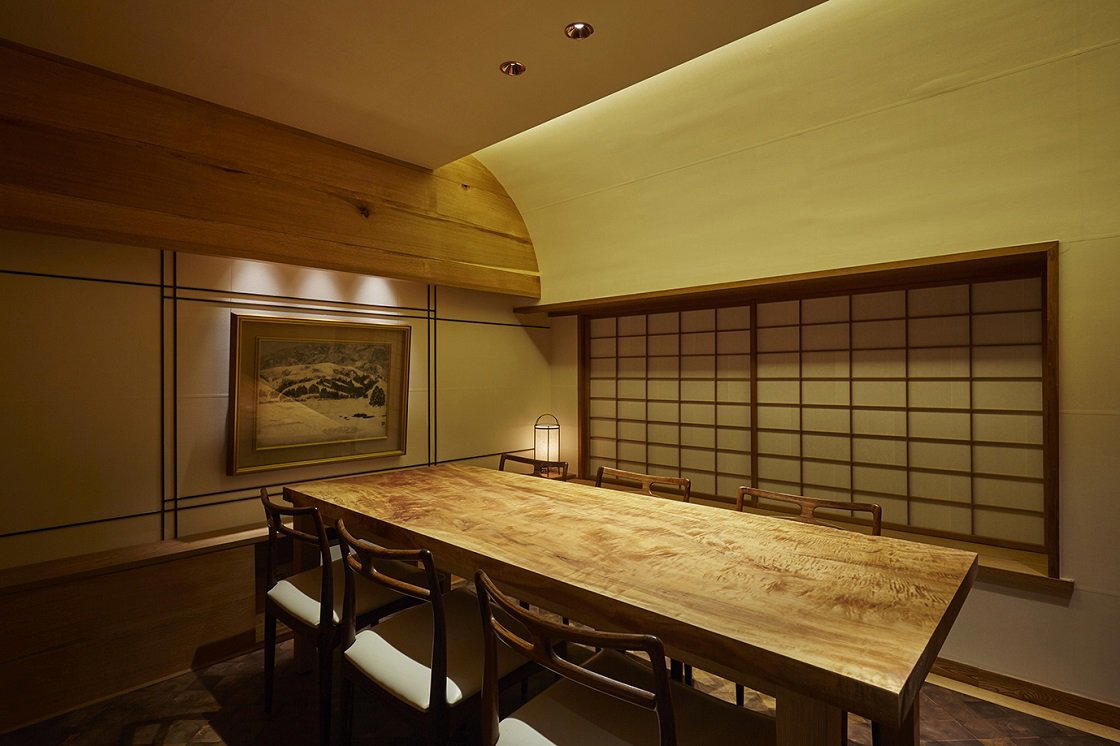
The room’s scale also shapes expectations. With 34 seats and no private rooms listed, this is not a sprawling restaurant designed for tour groups or corporate banquets. It is better understood as a compact urban dining room, suitable for diners who want wine, flame and a composed meal without turning the evening into an occasion built around spectacle. Children are welcomed, including preschool and school-age diners, which gives it a more flexible Kobe character than many scent-sensitive, wine-oriented rooms might suggest.
How to place it in a Kobe itinerary
The strongest use case is a Motomachi evening built around the area rather than a single landmark meal. Start with the neighborhood’s dense dining geography: Chinatown, station-side coffee culture, department-store streets and the port-side drift toward Meriken Park all sit close enough to make dinner part of a broader city walk. For travelers comparing categories, Our full Kobe restaurants guide gives the wider food map, while Our full Kobe bars guide, Our full Kobe hotels guide, Our full Kobe wineries guide and Our full Kobe experiences guide help place the meal in a full stay.
Within Kobe, cross-reference different appetites rather than chasing a single hierarchy. Beef-focused travelers can compare the city’s grill culture through Aburi Niku Kobo Wakkoku Shinkobe ten and Aburi Niku Kobo Wakkoqu Kitano Sakamoto Ten. For the older coffee thread, Akaneya Coffee Ten belongs in the same mental map. Akari and Ali's Halal Kitchen show how varied the city’s restaurant grid becomes once the beef shorthand is set aside.
For a Japan-wide comparison, the category shifts are revealing: -Grilled beef Sukiyaki- KAMAKURA TANUKIAN 鎌倉 たぬき庵 in Kamakura frames beef through a different regional lens;. 鮪と炭火焼き うお炭 秋葉原店 in Tokyo points toward charcoal and seafood in the capital;.cafe in Osaka.know in Kumamoto, (Shoku) Vietnam in Kawasaki and [Curry Senmon Ten] Maruyama Kyoju. in Sapporo underline how broad Japan’s casual and mid-range dining grammar has become. Abroad, Jōdo Saké Bar in Los Angeles and Onigiri Time in Pasadena reverse the view, showing Japanese formats translated for California.
The editorial verdict is simple: legno is for diners who want Kobe’s cosmopolitan food history in a contemporary, wine-capable Italian form. It is not the answer to every Kobe meal, and that is its strength. In a city too often flattened into beef tourism, this is the sort of address that reminds a traveler how much of Kobe’s dining identity lives in the spaces between categories.
Budget Reality Check
Side-by-side context: comparable cuisine and price.
| Venue | Cuisine | Price | Notes |
|---|---|---|---|
| legnoThis venue — the venue you are viewing | Chūō, Wood-Fired Italian | $$$ | Not listed |
| Ciccia | Not listed | $$$ | Chūō, Intimate Italian wine restaurant with chef’s course in Kobe |
| Daiei | Not listed | $$$ | Nada, Traditional Kobe Beef Teppanyaki Steakhouse |
| Kobe Beef Teppanyaki Restaurant Mikinao | Chūō, Kobe Beef Teppanyaki | $$$ | Not listed |
| Fushin | Chūō, Traditional Chinese | $$$ | Not listed |
| Tonkatsu to Wine Nichigetsu | Chūō, Tonkatsu and Wine | $$$ | Not listed |
Recognition history
Dated appearances from independent guides and award organizations, with the underlying list record or original source where available.
Tabelog 100 #11 · No. 11
Tabelog · Tabelog 100 - Italian - WEST - 2025
Continue exploring
More in Kobe
Restaurants in Kobe
Browse all →
Bars in Kobe
Browse all →


Hotels in Kobe
Browse all →


At a Glance
- Cozy
- Sophisticated
- Intimate
- Rustic
- Group Dining
- Celebration
- Casual Hangout
- Special Occasion
- Family
- Standalone
- Historic Building
- Extensive Wine List
- Craft Cocktails
- Local Sourcing
- Street Scene
Stylish, relaxing, and slightly hidden, with a dimly lit, adult-oriented feel in an old building on the second floor.