
Kobe’s Italian dining scene is strongest when it resists imitation and reads through the city’s own habits: compact rooms, wine-led pacing, and a quiet appetite for craft. Ristorante Hanatani fits that register, with counter seating, pasta and Italian cooking, and repeat selection for Tabelog Italian WEST 100 in 2021, 2023, and 2025.
Pearl is the En Primeur Club membership app — saves, bookings, and concierge access live there. Same editors, same standards.
- Address
- 兵庫県神戸市中央区中山手通1-27-12 富士産業ビル1F
- Phone
- +81782425778
- Website
- hanatani-kobe.jp
 Saves & bookings on Pearl
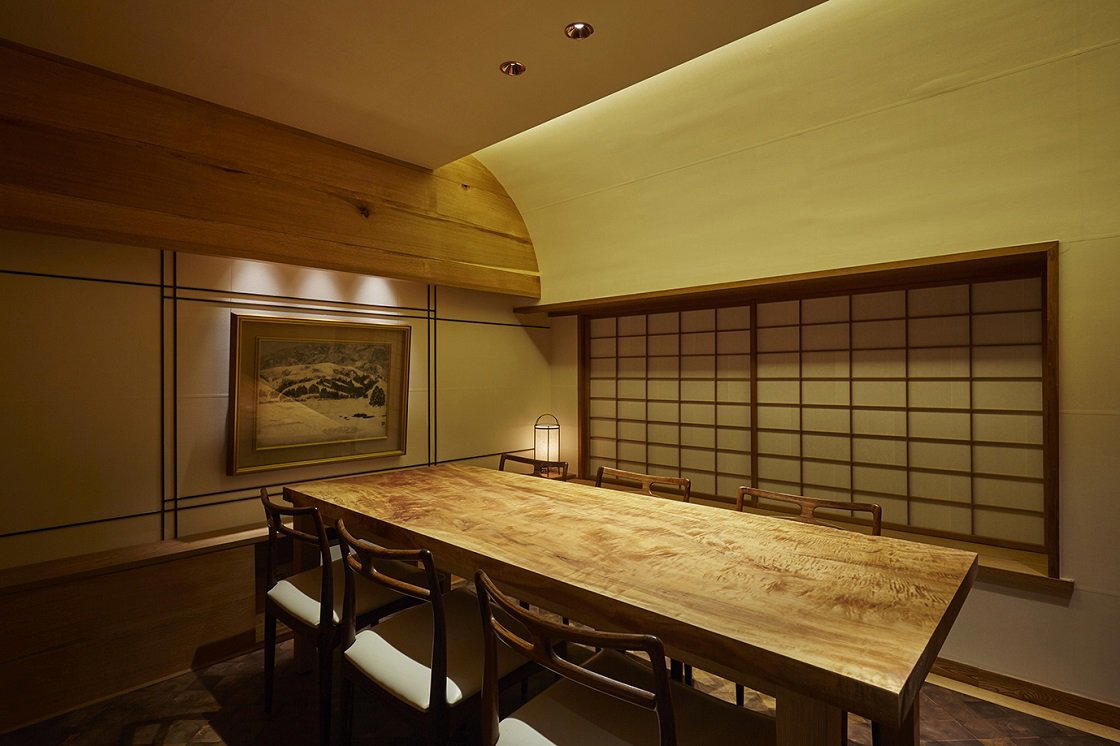
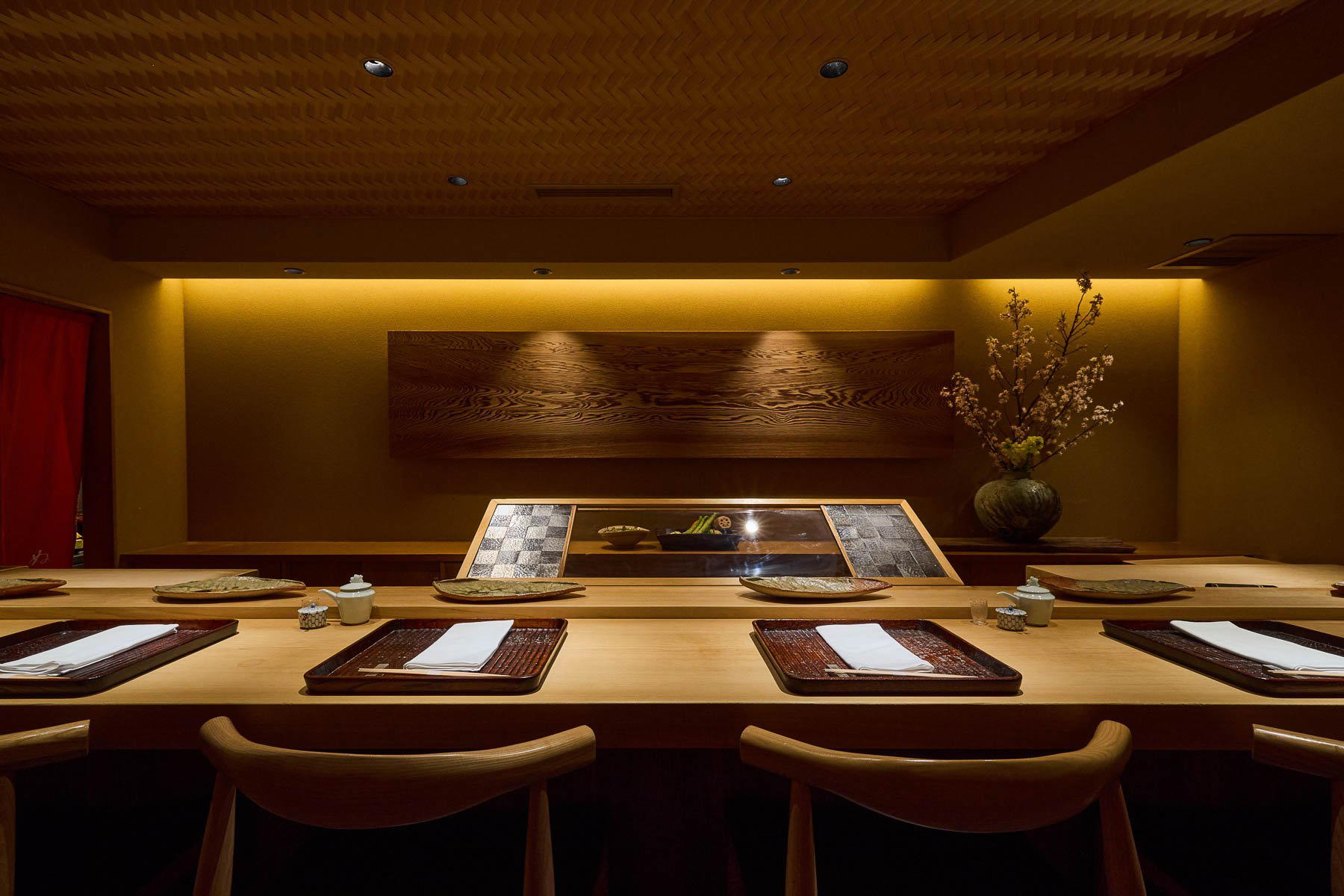
In Kobe, the route to serious dining often begins in compact rooms rather than grand dining rooms. Sannomiya and Kitano compress a great deal into a small radius: beef specialists, coffee houses, wine bars, European-leaning counters, and restaurants that treat silence and spacing as part of the meal. Ristorante Hanatani belongs to that Kobe register. The room is built around counter seating, so the experience reads at close range: glassware, plates crossing the pass, low conversation, and the rhythm of a kitchen that does not need theatrical volume to hold attention.
Italian cooking in Japan has long split into two broad modes. One follows the trattoria model, generous and familiar. The other behaves more like a kappo or counter restaurant, borrowing the intimacy of Japanese service culture while keeping pasta, wine, and Italian structure at the centre. Kobe is suited to the second style. The city has a long history of Western food, a port-city instinct for imported technique, and a dining public that understands small restaurants with serious ambitions. Hanatani’s selection for Tabelog Italian WEST 100 in 2021, 2023, and 2025 places it within that more disciplined tier of western Japan’s Italian scene.
Counter Italian in a city trained by beef, wine, and Western kitchens
Kobe’s reputation can flatten into beef shorthand, but the more interesting reading is broader: yoshoku, bakeries, coffee culture, hotel dining, and wine bars all feed into how the city eats. That helps explain why an Italian restaurant can feel native here without chasing local clichés. The category listed for Hanatani is Italian, wine bar, and pasta, a useful combination because it signals a meal paced around both kitchen and cellar rather than a pasta shop with incidental bottles.
The comparison set around Kobe shows how sharply the city’s premium dining divides by mood. Aburi Niku Kobo Wakkoku Shinkobe ten and Aburi Niku Kobo Wakkoqu Kitano Sakamoto Ten speak to Kobe’s beef-counter gravity, while baron prices itself in a higher dinner bracket and Bar Le Salon sits in the city’s bar-led night economy. Hanatani occupies a different lane: smaller, wine-conscious Italian with pasta as a core marker. That distinction matters for travellers choosing between a Kobe meal that performs local fame and one that shows how the city absorbs European formats.
The 16-seat counter format also changes the social temperature. In larger Italian rooms, the table is the unit of experience; here, the counter makes timing visible. That does not mean a chef biography needs to carry the story. The more useful point is structural: small counter restaurants in Japan often turn European cuisines into something more precise, because pacing, portioning, and service choreography are exposed. A dish arriving too early or a glass poured out of step has fewer places to hide.
What the Tabelog Italian WEST 100 signal means here
Tabelog’s Italian WEST 100 list is not a Michelin-style star system, but in Japan it carries practical weight because it reflects sustained attention within a category and region. Repeated selection across 2021, 2023, and 2025 is the relevant signal. It suggests Hanatani is not a single-season discovery, but part of the stable conversation around Italian dining in western Japan. For visitors, that matters more than a vague claim of popularity. Kobe has plenty of competent European restaurants; the ones worth planning around usually show either a clear format, a strong cellar identity, or continued recognition beyond neighbourhood loyalty.
Price also frames the experience. Hanatani’s listed budgets place lunch below dinner, with dinner in a serious but not trophy-priced band for Kobe Italian. That makes it a useful alternative to the city’s more expensive steak and European rooms, including comparison venues such as Arakawa, where the spend sits in a higher range. The value question is not whether Italian is cheaper than beef; it is whether the meal gives a traveller another view of Kobe’s Western dining inheritance. In that sense, Hanatani is better read as a counterpoint to the beef circuit than as a substitute for it.
The wine emphasis is another clue. Kobe diners are accustomed to meals where drinks are not an afterthought, from compact bars to restaurants built around pairing logic. A place categorized as both Italian and wine bar asks to be judged on pacing as much as plate composition. That is why the room’s restraint matters: the sensory register is closer to controlled warmth than spectacle, with conversation, service movement, and the counter shaping the evening.
How to place it in a Kobe itinerary
For a short Kobe stay, Hanatani makes the strongest sense when the trip already includes the city’s better-known signatures. A visitor can build one day around beef, coffee, and port-city wandering, then use an Italian counter meal to see the city from a less obvious angle. Akaneya Coffee Ten gives a different expression of Kobe’s old Western-facing café culture, while Akari, Ali's Halal Kitchen, and the wider Kobe restaurants guide show how varied the city becomes once the beef narrative is put in proportion.
The broader planning map matters because Kobe rewards tight geography. Dining, bars, hotels, and cultural stops can be paired without turning the day into transit management. Use our Kobe hotels guide for base decisions, our Kobe bars guide for post-dinner drinking, our Kobe wineries guide for regional wine context, and our Kobe experiences guide for non-restaurant planning. For Japan-wide contrast, the archive ranges from -Grilled beef Sukiyaki- KAMAKURA TANUKIAN 鎌倉 たぬき庵 in Kamakura and. 鮪と炭火焼き うお炭 秋葉原店 in Tokyo to.cafe in Osaka.know in Kumamoto, (Shoku) Vietnam in Kawasaki, and [Curry Senmon Ten] Maruyama Kyoju. in Sapporo. The overseas links, including Jōdo Saké Bar in Los Angeles and Onigiri Time in Pasadena, are useful reminders that Japanese dining culture travels, but Kobe’s counter Italian remains rooted in a local habit of quiet precision.
Snapshot
Side-by-side context: comparable cuisine and price.
| Venue | Cuisine | Price | Notes |
|---|---|---|---|
| Ristorante Hanatani | Seasonal Italian Chef’s Counter in Kobe | $$$ | Chūō |
| Pizzeria Azzurri | Traditional Neapolitan Pizzeria | $$ | Chūō |
| Yakiniku Zen | Traditional Kobe Yakiniku | $$$ | Chūō |
| Yakitori Bonsan | Yakitori | $$$ | Chūō |
| Bar Ciccia | Casual Italian Bar & Trattoria | $$ | Chūō |
| éº¤ç® | Traditional Japanese Kaiseki | $$$ | Chūō |
Recognition history
Dated appearances from independent guides and award organizations, with the underlying list record or original source where available.
Tabelog 100 #75 · No. 75
Tabelog · Tabelog 100 - Italian - WEST - 2025
Continue exploring
More in Kobe
Restaurants in Kobe
Browse all →
Bars in Kobe
Browse all →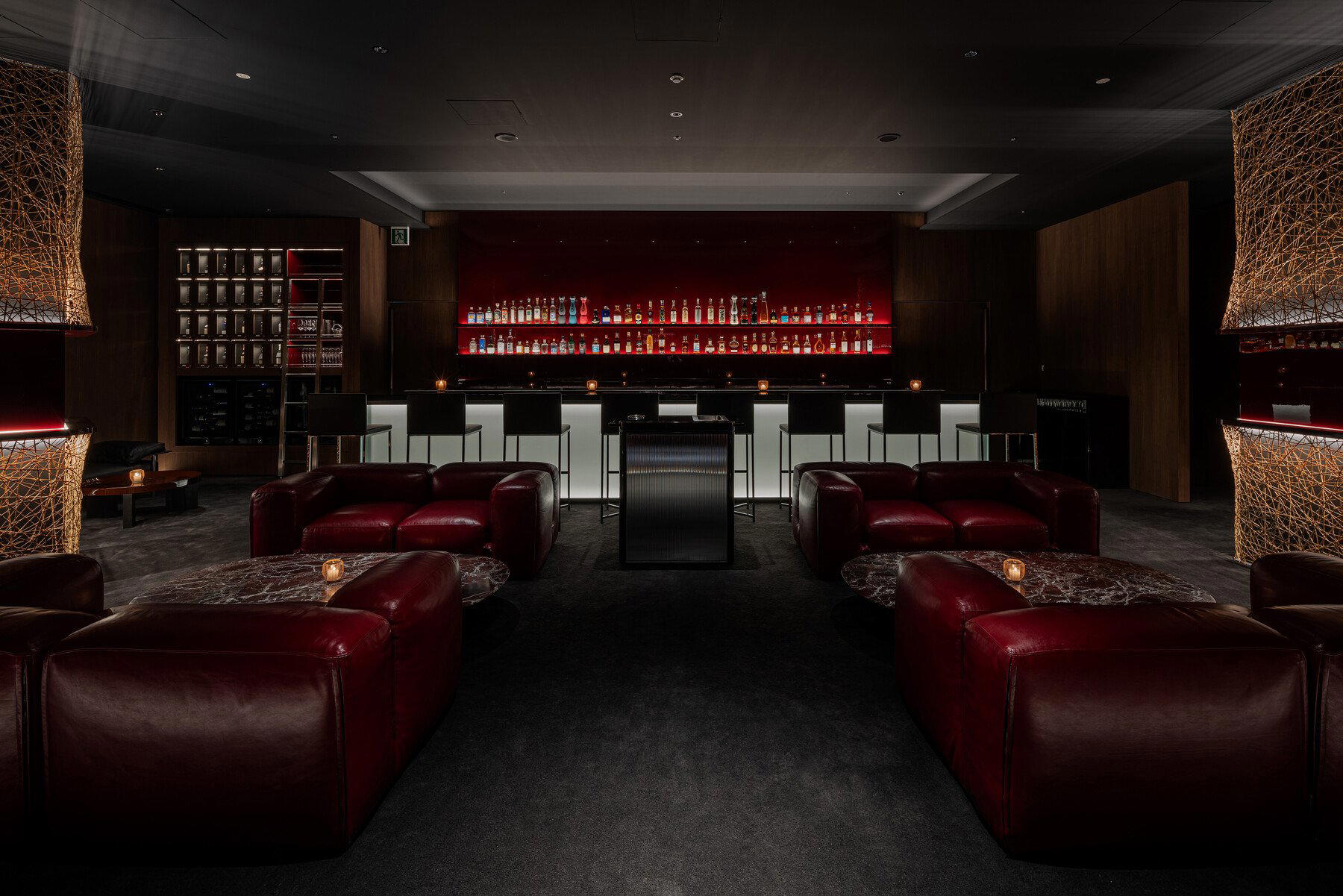



Hotels in Kobe
Browse all →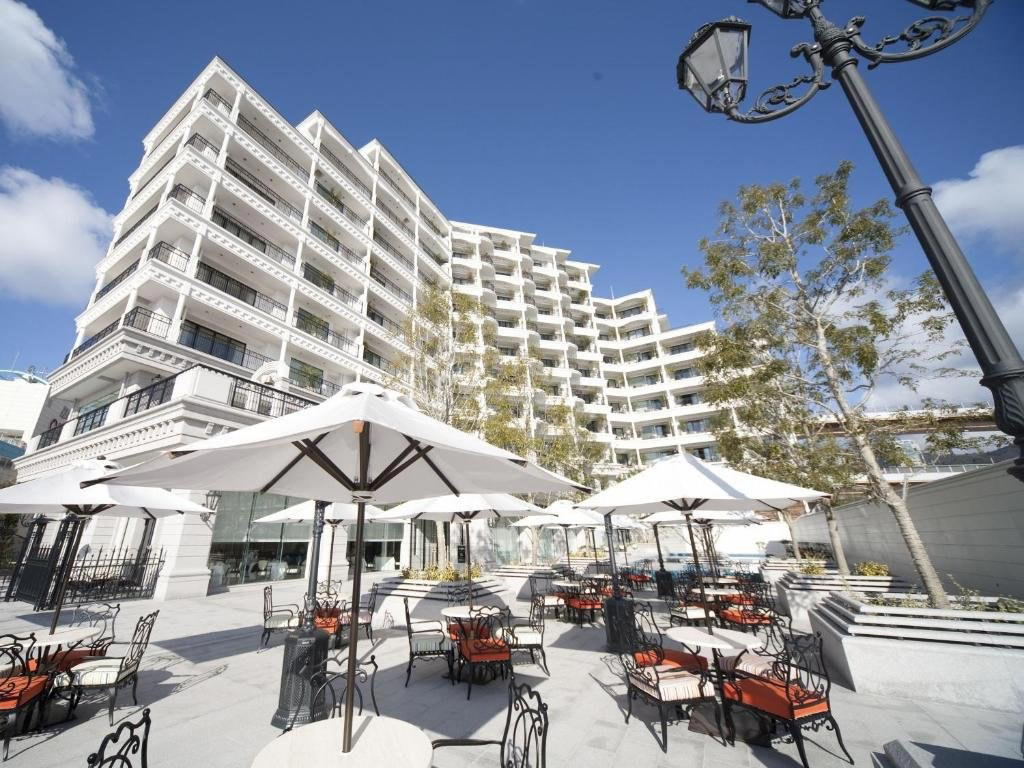


At a Glance
- Elegant
- Intimate
- Quiet
- Sophisticated
- Date Night
- Special Occasion
- Business Dinner
- Solo
- Chefs Counter
- Open Kitchen
- Standalone
- Design Destination
- Sake Program
- Extensive Wine List
- Natural Wine
- Local Sourcing
- Organic
- Natural Wine
- Sustainable Seafood
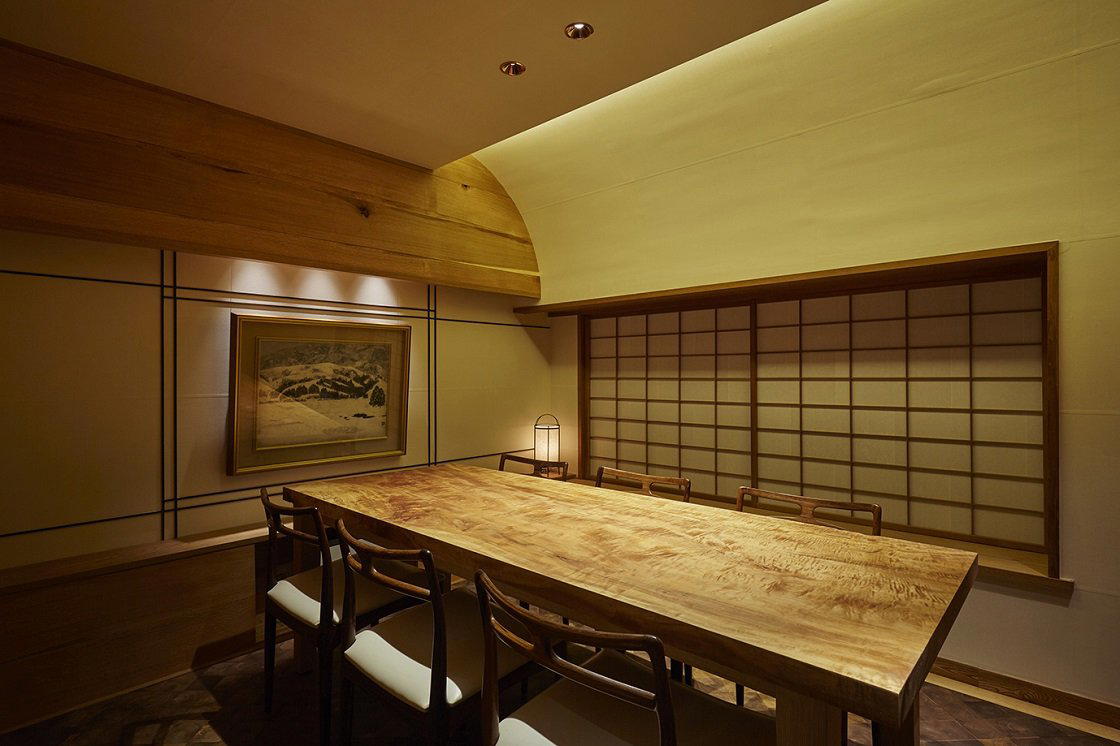
Chic and serene with a calm, adult atmosphere; guests sit mainly at a long counter facing the open kitchen, with soft lighting and minimalist decor that feels refined yet relaxed rather than formal.