
A Michelin Bib Gourmand recipient for 2025, Wang Ri Shun Hao sits on Hangzhou's historic Hefang Street serving small eats at street-food prices. The format rewards grazing over courses, and the. At the single-¥ price tier, it represents the accessible end of Hangzhou's recognised dining scene.
Pearl is the En Primeur Club membership app — saves, bookings, and concierge access live there. Same editors, same standards.
- Address
- 35 Hefang St, Shangcheng District, Hangzhou, Zhejiang, China, 310002
- Phone
- +86 153 2571 8598
- Directions
- Get directions
 Saves & bookings on Pearl
Hefang Street and the Case for Small Eats
Hefang Street has been a commercial artery in Hangzhou's Shangcheng District since the Song Dynasty, when the city served as the Southern Song capital and its street markets fed an imperial population. Today the street operates as a pedestrianised heritage corridor lined with tea shops, apothecaries, and snack vendors. It is the kind of place where the eating is done standing or walking, where a single visit might involve four or five stops, and where the point is accumulation rather than any single dish. Wang Ri Shun Hao sits at number 35 within this context, a small-eats counter operating inside a format the street has supported for centuries.
That historical backdrop matters when placing the Michelin Bib Gourmand recognition, awarded in 2025, in perspective. The Bib Gourmand category, which the Michelin Guide uses to flag good food at moderate prices, is a natural fit for a street like Hefang. The award signals consistent cooking at accessible prices. At the single-¥ price tier, Wang Ri Shun Hao sits well below Hangzhou venues like Ru Yuan (Zhejiang) at ¥¥¥¥ or Guiyu (Xihu) (Zhejiang), which represent the formal, banquet-oriented face of Zhejiang cuisine. The comparison is not hierarchical so much as categorical: those restaurants ask you to sit, order, and commit. This one asks you to stop, eat, and move.
The Daytime Logic of Hefang Street
Daytime on Hefang Street is when the format works well. The foot traffic peaks in late morning and through the afternoon, when tourists, retirees, and local residents move through the corridor at a pace that suits grazing. Small-eats venues like Wang Ri Shun Hao are built for this tempo: items are portioned for one or two bites, prices are low enough to encourage repeat visits, and queues, if they form, are short enough to absorb without planning. The 2025 Bib Gourmand recognition is likely to increase midday pressure, particularly during weekends and public holidays.
Evening on Hefang shifts the dynamic. The street takes on a more performative, tourist-facing character as dusk arrives, with lighting and atmosphere that suit photographs more than eating. The crowds skew toward visitors rather than locals, and the context for small eats changes from casual snacking to deliberate sightseeing. Neither mode is wrong, but the value of a Bib Gourmand counter is clearest in the daytime, when the experience mirrors its intended function: affordable, repeatable, local.
For comparison, other street-food counters in the region share this daytime bias. A Cun Beef Soup (Baoan Road) in Tainan and A Hai Taiwanese Oden, both operating in similar small-eats formats, follow the same pattern: the earlier you arrive, the closer you get to the intended experience.
Hangzhou's Small-Eats Tier in Context
Hangzhou's recognised dining scene spans a wide price range. At the formal end, venues like Hangzhou House (Zhejiang) and Ambré Ciel (Innovative) represent the city's international-facing ambitions, longer menus, dedicated service, and price points that reflect both ingredient quality and room investment. Further down the spectrum, venues such as Wang Shi Shao Bing on the same Hefang Street corridor occupy a similar single-¥ tier with comparable recognition signals.
The small-eats category in Hangzhou draws from a Zhejiang culinary tradition that prizes freshness, light seasoning, and seasonal alignment, characteristics that translate well to snack-scale portions. Lotus root, osmanthus sugar, and rice-based preparations appear across the street's vendors, and the Hangzhou preference for subtle, clean flavours differs sharply from the bolder, oilier profiles of Sichuan or Hunan street food. Visitors arriving from cities like Chengdu, where Xin Rong Ji anchors a different flavour register, will find Hangzhou's street eating restrained by comparison.
The Bib Gourmand for the restaurant in 2025 places it among a small peer group of Hangzhou street-food venues that have attracted formal recognition. For the city's broader Michelin presence, see our full Hangzhou restaurants guide.
Placing Wang Ri Shun Hao in the Wider Chinese Small-Eats Map
Bib Gourmand tier for small eats in China's eastern cities follows a recognisable logic: the award tends to land on counters with a defined specialism, consistent repetition over volume, and a price point that keeps the category honest. Across formal restaurant tiers in the region, venues like Xin Rong Ji (Xinyuan South Road) in Beijing, 102 House in Shanghai, Chef Tam's Seasons in Macau, Imperial Treasure Fine Chinese Cuisine in Guangzhou, and Dai Yuet Heen in Nanjing represent the starred and premium end of Chinese regional cooking. The restaurant occupies a different position entirely: the street-level, single-serving format that feeds the city between meals rather than marking a destination occasion.
That positioning is not a limitation. The Bib Gourmand exists precisely to map this tier, and the award's presence on Hefang Street reflects the guide's recognition that Hangzhou's eating culture does not begin and end with banquet tables. The street-food tradition here is as embedded in local identity as the West Lake landscape that surrounds it.
Know Before You Go
Cost and Credentials
Comparable venues nearby, for context on price, style, and recognition.
| Venue | Cuisine | Price | Awards |
|---|---|---|---|
| Wang Ri Shun HaoThis venue — the venue you are viewing | Hangzhoushi, Traditional Jinhua Snacks | $$ | Bib Gourmand |
| Xiao Lao Hun Tun | Hangzhoushi, Handmade Wonton Specialist | $$ | Bib Gourmand |
| Fu Yuan Ju (Shangcheng) | Hangzhoushi, Home-style Hangzhou Cuisine | $$ | Bib Gourmand |
| Hao Shi Tang 1987 (Wensan Road) | Hangzhoushi, Authentic Hangzhou Cuisine | $$ | Bib Gourmand |
| Lanxi Gourmet | Hangzhoushi, Zhejiang Cuisine | $$ | Bib Gourmand |
| Definitely Fresh | Hangzhoushi, Zhejiang Seafood | $$ | Bib Gourmand |
Recognition history
Dated appearances from independent guides and award organizations, with the underlying list record or original source where available.
Michelin Bib Gourmand
Michelin


At a Glance
- Intimate
- Elegant
- Cozy
- Casual Hangout
- Local Sourcing
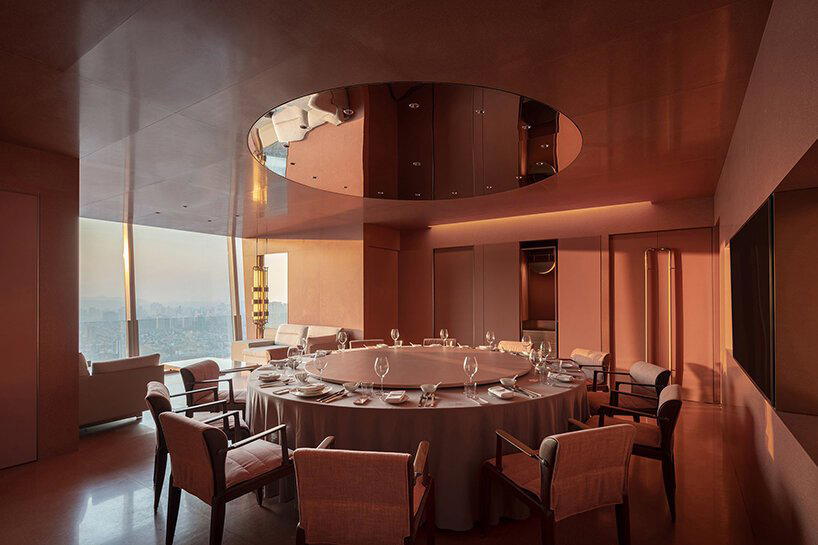
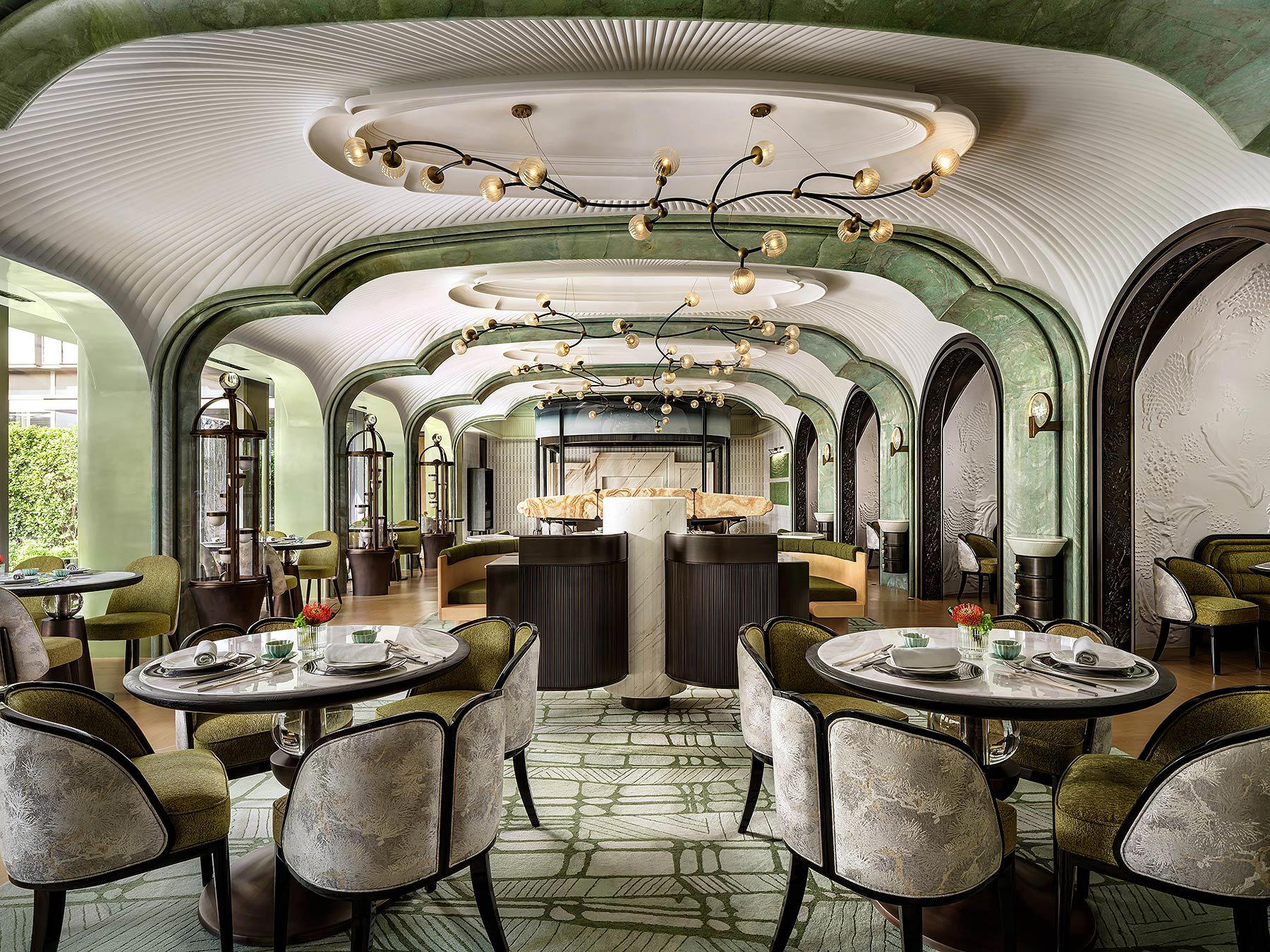
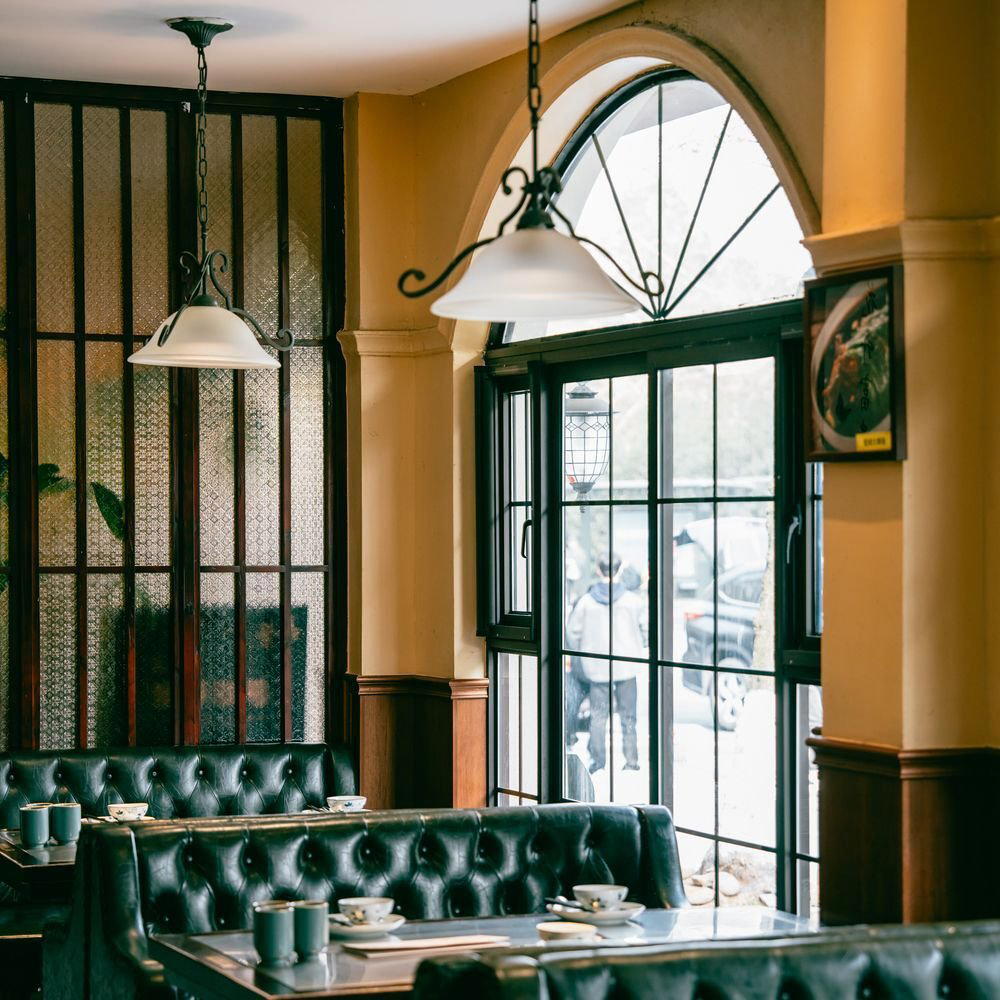
Understated elegance with brass glow and soft hush of conversation.