On Venloer Strasse in Cologne's Ehrenfeld district, Kudret Kebap House occupies a stretch of the street that has long served as a practical dining corridor for the neighbourhood's mixed residential and commercial population. The cooking sits within the Turkish kebab tradition that has shaped everyday eating in German cities for decades, offered at the kind of accessible price point that keeps the room reliably busy across lunch and dinner.
Pearl is the En Primeur Club membership app — saves, bookings, and concierge access live there. Same editors, same standards.
- Address
- Venloer Str. 280, 50823 Köln, Germany
- Phone
- +4922142329567
- Website
- kudr-et.de
- Directions
- Get directions
 Saves & bookings on Pearl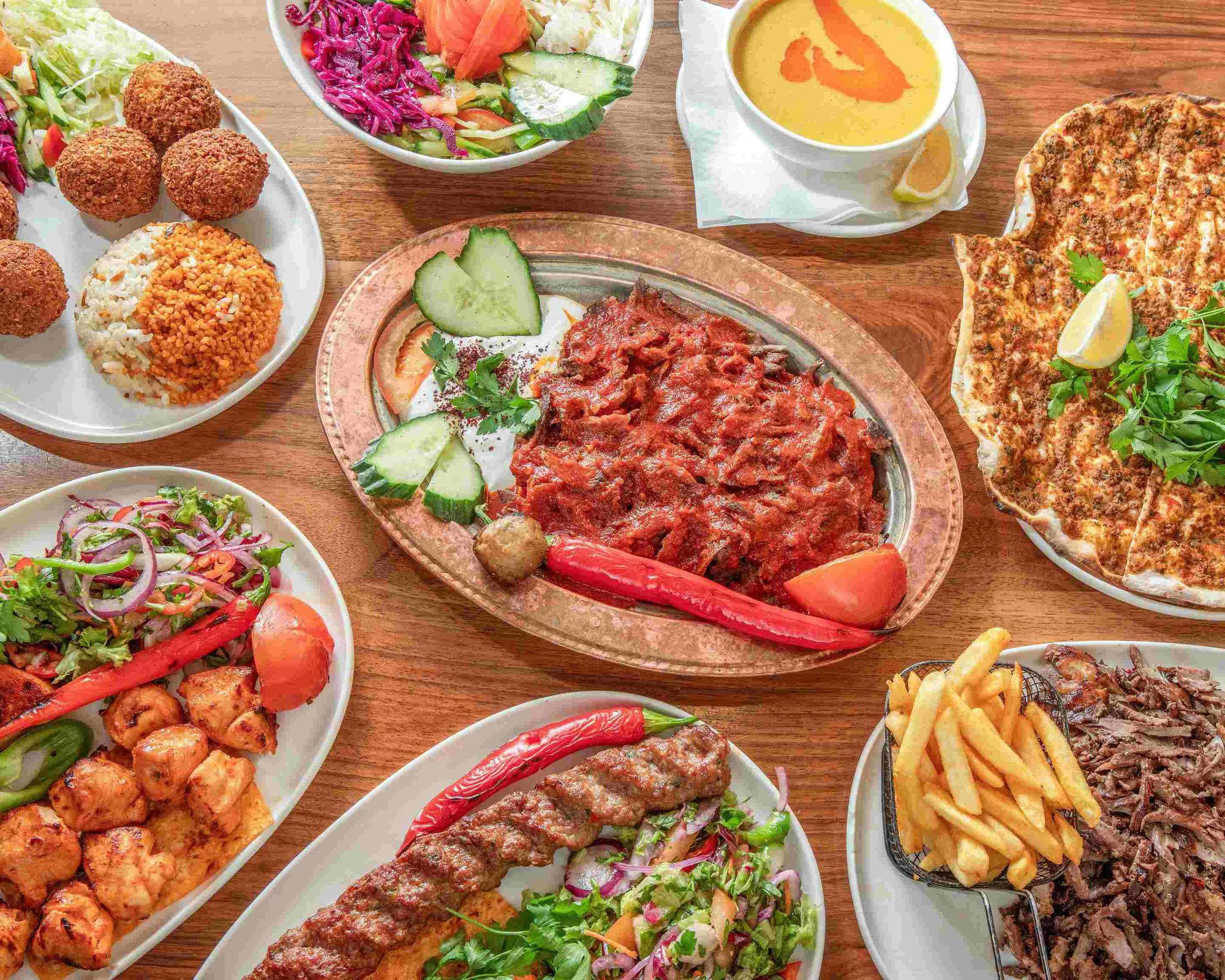
Venloer Strasse and the Kebab Tradition That Shaped German Urban Eating
Venloer Strasse runs through Ehrenfeld with the kind of purposeful density that distinguishes working-class Cologne from the polished Rhine-side neighbourhoods further east. The street is lined with phone repair shops, bakeries, hairdressers, and a long succession of food spots that have served the district's Turkish, German, and increasingly younger creative-class population for the better part of four decades. Kudret Kebap House at number 280 sits in that corridor, occupying a spot on one of the city's most reliably fed stretches of pavement. The context matters because this is not a restaurant district in the fine-dining sense, it is a neighbourhood artery, and the kebab house is part of its infrastructure.
The Turkish kebab tradition in German cities is not a marginal phenomenon. It is, by most measures, among the more consequential food migrations in modern European culinary history. The döner kebab as it evolved in West Berlin in the early 1970s, adapted from Anatolian rotating-spit traditions into a portable, bread-wrapped format suited to German working hours and appetites, became the template for a category that now generates several billion euros annually across Germany. Cities like Cologne, with substantial Turkish communities established from the Gastarbeiter period of the 1960s and 70s, developed their own local variations on the format. Ehrenfeld has been part of that story. The neighbourhood's demographic mix and relatively low commercial rents made it hospitable to independent food operations, and the kebab house became as fundamental to the local eating pattern as the Kölsch brewery to other parts of the city.
What the Room Signals
Venues like Kudret operate within a format that is almost entirely defined by its function: fast production, high throughput, accessible price, and proximity to foot traffic. The physical environment on Venloer Strasse reflects those priorities. The street-facing position at number 280 places the venue in direct visual contact with passing pedestrians and cyclists, which is the primary discovery mechanism for this category. Walk-ins rather than advance bookings define the tempo of service. The format is lean by design, not by accident, the kebab house as a category has always competed on speed, value, and consistency rather than on atmosphere or occasion.
That is a different competitive logic from Cologne's formal restaurant tier. The city has a strong fine-dining and contemporary bistro scene, anchored by venues like Ox & Klee (Modern Cuisine), La Cuisine Rademacher (Modern French), and La Société (Modern Cuisine), alongside relaxed but considered options such as Le Moissonnier Bistro (French) and maiBeck (Modern Cuisine). Kudret does not compete with any of those. It competes with the other kebab and grilled-meat spots on the same street and the surrounding blocks. The reader deciding between those two tiers is making a different kind of choice: occasion versus refuelling, planning versus spontaneity.
Ehrenfeld as a Dining Context
Ehrenfeld's identity has shifted considerably since the 1990s. What was once primarily a working-class and immigrant neighbourhood has become one of Cologne's more culturally active districts, with a music venue cluster, a concentration of independent galleries, and a food scene that runs from Turkish and Lebanese staples through to natural wine bars and ramen shops. The Venloer Strasse spine connects the neighbourhood across several kilometres, and the section around number 280 retains more of the original residential-commercial character than the gentrified pockets closer to the Ehrenfeld S-Bahn station. That means the dining population here skews local and regular rather than destination-seeking.
For anyone spending time in Ehrenfeld, at the nearby Helios cultural complex, or moving through the district on foot, the practical eating question is often about what is open, what is nearby, and what costs a reasonable amount. The kebab house answers all three. It is the kind of venue that locals return to without much deliberation, which in a neighbourhood food context is its own form of endorsement.
Situating Kudret in the Broader German Kebab Tier
Germany's kebab category has developed considerable internal differentiation over the past decade. At one end, small producers and specialist kebab venues have attracted food media attention and begun competing on ingredient provenance and bread quality in ways that were rare fifteen years ago. At the other end, the fast-production model remains dominant: rotating spits, standard bread formats, and a sauce-and-salad structure that has changed little since the 1980s. Kudret sits in the everyday production category rather than the artisan-differentiated tier, which is consistent with its Venloer Strasse address and the surrounding neighbourhood's expectations.
Across Germany, the cities with particularly developed kebab cultures tend to be those with the oldest Turkish community presences: Berlin, Hamburg, Cologne, Frankfurt, Duisburg. Cologne's scene is mature, with independent operations spread across Ehrenfeld, Mülheim, and Deutz. The competition within that tier is based primarily on repeat customer loyalty and word-of-mouth within the local community, rather than on awards or editorial recognition.
For context on the upper end of Germany's restaurant spectrum, the country's Michelin-recognised kitchens include operations like Aqua in Wolfsburg, JAN in Munich, Schwarzwaldstube in Baiersbronn, and Vendôme in Bergisch Gladbach. Further afield, ES:SENZ in Grassau, Victor's Fine Dining by christian bau in Perl, Waldhotel Sonnora in Dreis, Restaurant Haerlin in Hamburg, and Schanz in Piesport represent the formal fine-dining tier. Berlin's CODA Dessert Dining sits at the experimental end of the German scene. Internationally, the precision of Le Bernardin in New York City or the tasting-menu discipline of Atomix in New York City defines a different set of expectations entirely. These comparisons are not hierarchical judgements, they map the territory that any informed reader of Cologne's dining scene should have in view.
Planning a Visit
Kudret Kebap House is at Venloer Str. 280, 50823 Köln, in the Ehrenfeld district. No advance booking is required or typical for the format, this is a walk-in operation.
Cuisine and Awards Snapshot
Comparable venues nearby, for context on price, style, and recognition.
| Venue | Cuisine | Price | Notes |
|---|---|---|---|
| Kudret Kebap HouseThis venue — the venue you are viewing | Authentic Turkish Kebab | $ | Not listed |
| MEM-ET | Turkish Kebab | $ | Neustadt/Nord |
| Adana Et Restaurant | Turkish Grill | $ | Neustadt/Nord |
| Govardhan | Authentic Vegan Indian Ayurvedic | $ | Neustadt/Süd |
| Weltmeister | German Currywurst & Fries | $ | Neustadt/Nord |
| Lezizel Manti | Turkish Manti Dumplings | $$ | Ehrenfeld |
Continue exploring
More in Cologne
Restaurants in Cologne
Browse all →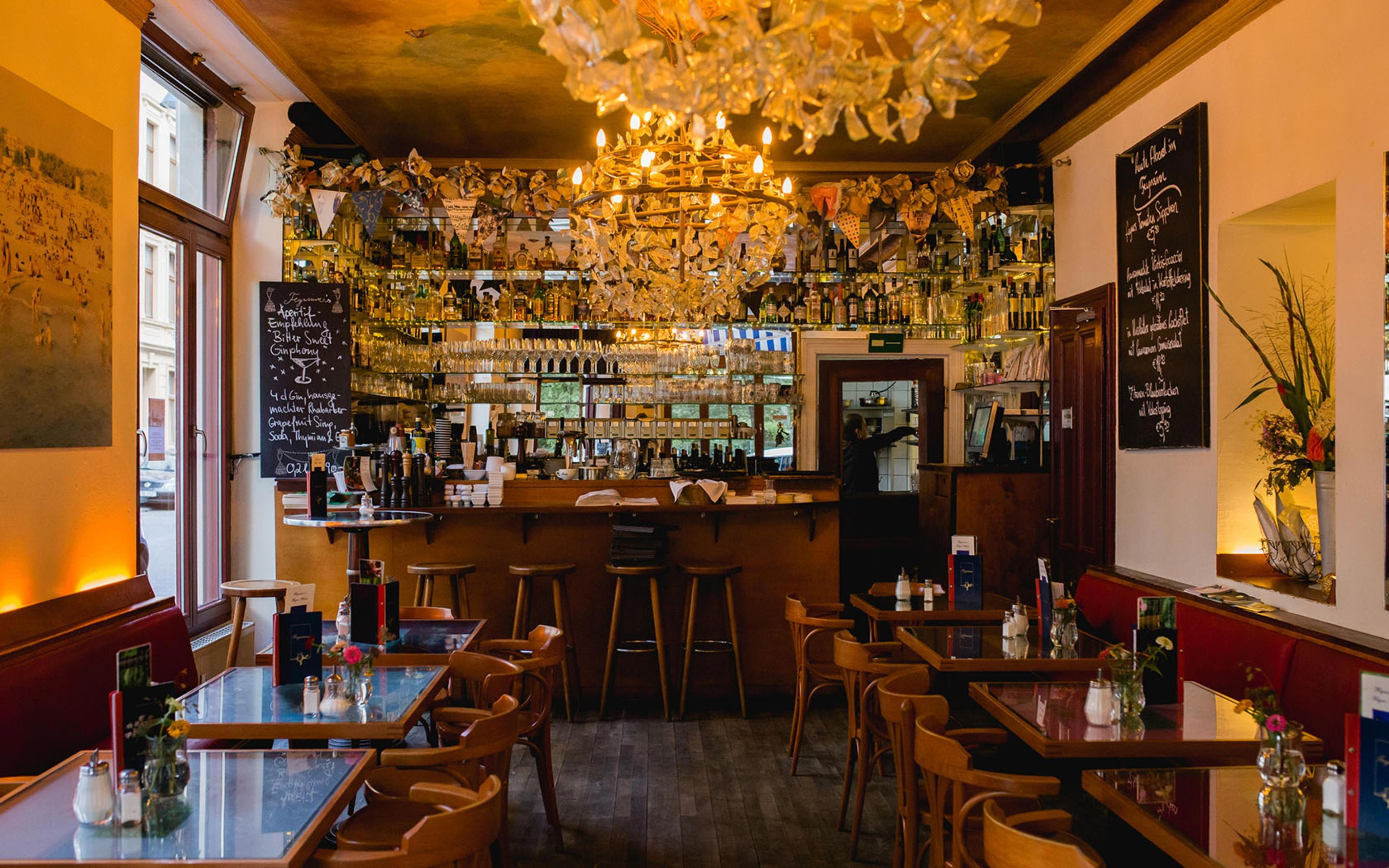
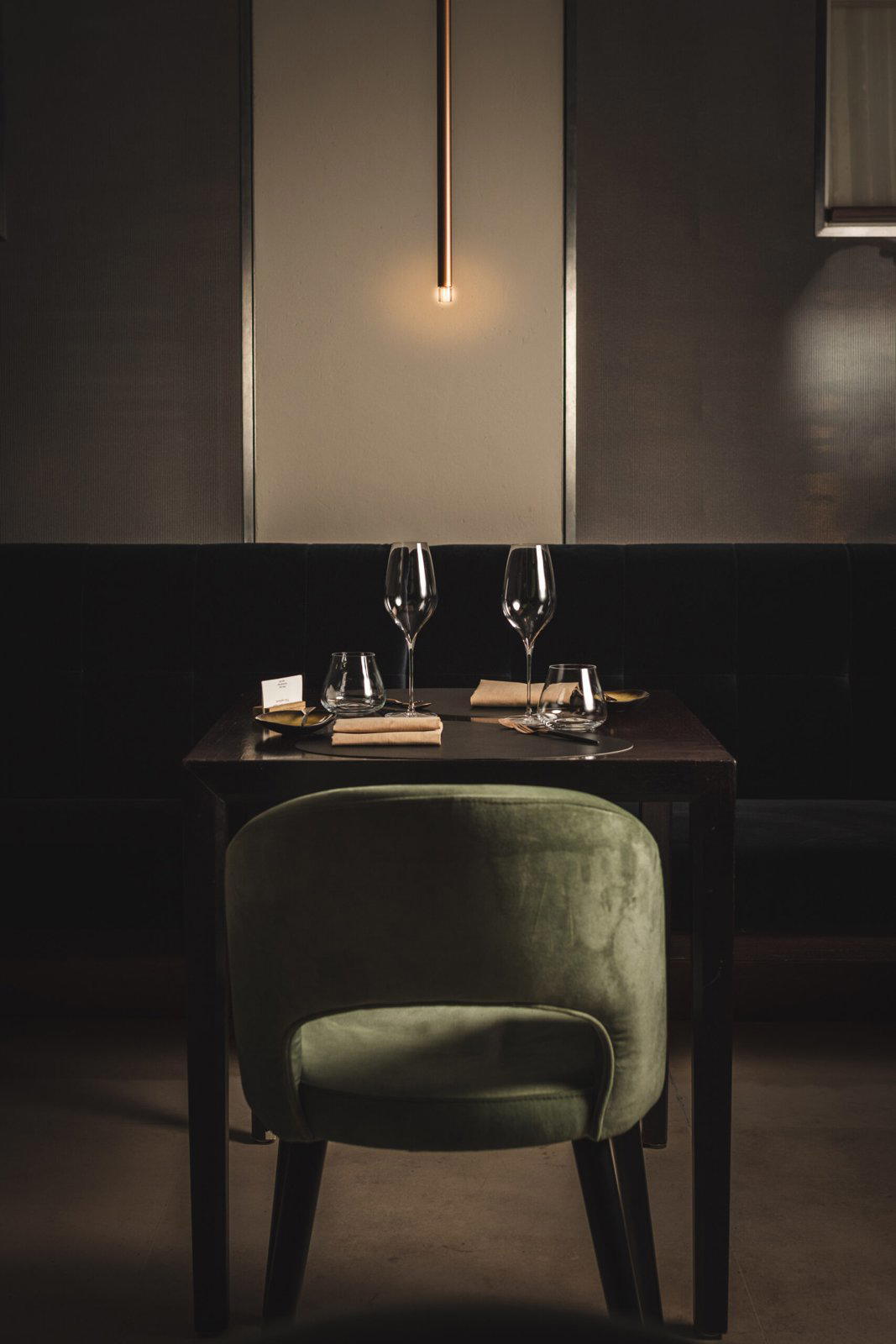
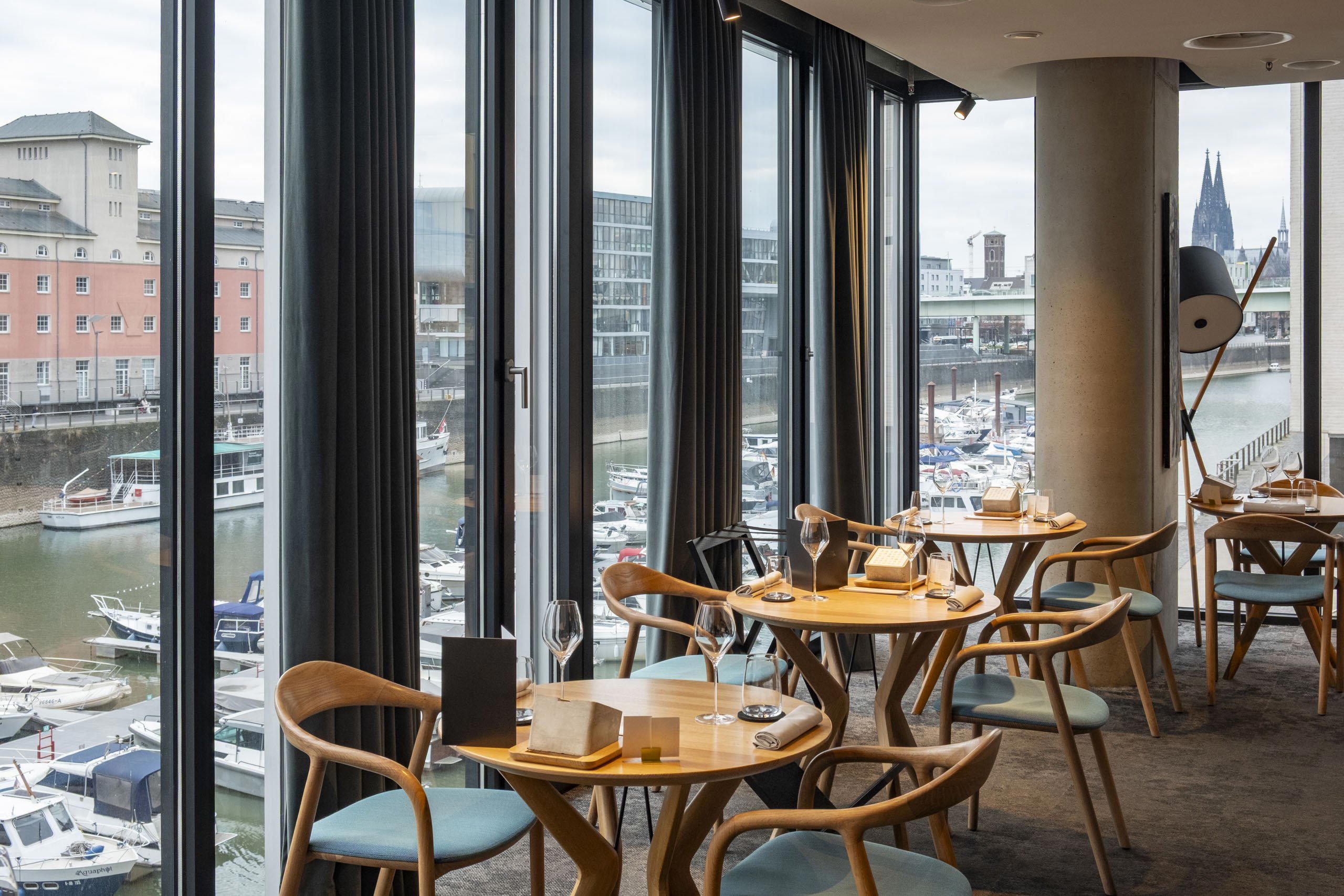
Bars in Cologne
Browse all →
Hotels in Cologne
Browse all →

At a Glance
- Cozy
- Casual
- Casual Hangout
- Solo
- Group Dining
- Standalone
Current opening hours
- Monday
- 9 AM–12 AM
- Tuesday
- 9 AM–12 AM
- Wednesday
- 9 AM–12 AM
- Thursday
- 9 AM–12 AM
- Friday
- 9 AM–2 AM
- Saturday
- 9 AM–2 AM
- Sunday
- 9 AM–12 AM
Hours can change for holidays and private events. Last verified .
Cozy and welcoming environment with warm hospitality that contributes positively to the dining experience.