Our verdict
The address places it within reach of the Rhine's left bank and a cluster of kitchens that define contemporary Cologne cooking. Specific menu details and booking logistics are best confirmed directly with the venue.

Pearl is the En Primeur Club membership app, where members save venues, book tables and use the concierge.

That neighbourhood positioning matters editorially. Cologne's dining scene has split in recognisable ways over the past decade: there are the restaurants that pitch to visiting expense accounts, and there are the ones that survive on repeat local custom, accumulated word of mouth, and the kind of trust a regular neighbourhood builds slowly. Weltmeister's address signals the latter orientation.
How the Meal Takes Shape
The editorial angle that makes most sense for a restaurant with Weltmeister's positioning is the progression of the meal itself: not as a list of courses, but as a narrative arc through which the kitchen communicates its priorities. In German fine dining broadly, the opening sequence tends to do significant work. The first few bites establish whether the kitchen is interested in contrast, in accumulation, in restraint, or in provocation. Restaurants like CODA Dessert Dining in Berlin have made the sequencing logic so central to the experience that the meal's architecture is the point. Others, like ES:SENZ in Grassau, use alpine ingredients to build a regional coherence across courses. The most compelling German tasting menus tend to have a clear structural argument, even when that argument is never stated explicitly. Whether the kitchen plays into that resonance or subverts it, the name sets a tone before the first course arrives.
Cologne's Competitive Set
Understanding where Weltmeister sits requires mapping the Cologne dining context with some precision. The city's most-discussed kitchens currently include Ox & Klee, which has built recognition around modern cuisine with local-sourcing discipline, and La Cuisine Rademacher, which operates in the modern French register at the upper price bracket. La Société occupies a different register entirely, more brasserie-adjacent in its social function even at fine dining price points, while Le Moissonnier Bistro represents the city's French bistro tradition with a seriousness that consistently draws diners from outside the city. maiBeck has held its position as one of the more food-focused modern kitchens on the Rhine, with a menu approach that prioritises the seasonal over the structural.
Within that competitive set, the interesting question is where Weltmeister draws its peer comparisons. The Eigelstein address suggests a restaurant that is not competing directly with the city's most formally recognised kitchens but is making a case for a different kind of authority: the authority of the specific, the local, the repeatable experience rather than the singular event. Vendôme in Bergisch Gladbach, just east of Cologne, has long represented the three-star benchmark for the region. Aqua in Wolfsburg and Schwarzwaldstube in Baiersbronn hold comparable recognition in their respective geographies.
What's instructive about that peer group is how varied the approaches have become. Internationally, kitchens like Le Bernardin in New York City and Atomix in New York City demonstrate how rigorous sequencing and a coherent culinary argument can sustain a kitchen's position across years and across different critical frameworks. In Munich, JAN has built a case for ingredient-led cooking that tracks seasonal availability with unusual discipline. Cologne's dining scene watches these national and international benchmarks and responds in its own register.
Weltmeister operates inside that broader context without, as far as current public record reflects, carrying the formal award signals that would locate it definitively within the recognised upper tier. That absence is itself an editorial point: in Cologne as in most German cities, the most interesting eating is not always where the plaques are. The surrounding blocks are mixed in the way that Cologne's inner-north residential zones tend to be: converted industrial buildings alongside postwar housing, with enough independent retail to signal that the neighbourhood supports local enterprise. A restaurant on this street is making a bet on that local support network.
For a broader picture of where Weltmeister fits among Cologne's dining options, EP Club's full Cologne restaurants guide maps the city's scene by neighbourhood and format, including the kitchens that have accumulated formal recognition and those that operate more quietly inside their local communities.
What the Cologne context does suggest is that kitchens at this address and in this neighbourhood tier tend to work with seasonal German produce and respond to the city's appetite for cooking that is precise without being formal. Comparable kitchens in the city, including maiBeck and Ox & Klee, offer a useful frame for what Cologne's modern dining tier is currently producing.
How hard is it to get a table at Weltmeister?
In Cologne's mid-to-upper dining tier, tables at neighbourhood restaurants with local followings often require a week or two of lead time on weekends, less so midweek. Given the venue's location in a residential quarter rather than a high-traffic destination zone, walk-in availability may exist on quieter evenings, but this is worth confirming directly rather than assuming.
What's the signature at Weltmeister?
The kitchen's defining approach, whether organised around a particular ingredient, technique, or regional identity, is leading understood by checking the current menu at time of booking. Restaurants in the Cologne scene at comparable positioning, including La Cuisine Rademacher, tend to build identity around a coherent multi-course progression rather than a single reference dish.
Is Weltmeister suitable for a special occasion dinner in Cologne?
The Eigelstein address positions Weltmeister as a neighbourhood restaurant with a local character rather than a formal event-dining destination in the manner of Vendôme in nearby Bergisch Gladbach. For a special occasion that suits an intimate, less ceremony-driven setting, that neighbourhood orientation can be precisely the right fit. Confirm the current format, including whether tasting menus or à la carte options are available, before committing to a reservation.
Frequently asked questions
What part of town is Weltmeister in?
Weltmeister is located at Maybachstraße 22, 50670 Köln, Germany, Cologne.
Is Weltmeister worth the trip from central Cologne?
Maybachstraße 22 is within walking distance of the Hansaring tram stop, making it straightforward to reach from the city centre without a car. Cologne distributes its serious dining across districts rather than concentrating it in one area, and Eigelstein has established itself as a credible neighbourhood for this kind of local restaurant. The address alone positions Weltmeister as a destination for Cologne residents and visitors already spending time on the city's north side.
What should I eat at Weltmeister?
Weltmeister sits on Maybachstraße 22 in Cologne's Eigelstein district, a neighbourhood that tends to favour focused, ingredient-led cooking over sprawling tasting menus. Until the kitchen's current menu is documented in confirmed sources, the most practical approach is to arrive without fixed expectations and let the day's selection guide the order. Asking the room what they're running that evening has never been bad advice in this part of Cologne.
How hard is it to get a table at Weltmeister?
The Maybachstraße 22 address places it in a walkable, transit-accessible part of Cologne near Hansaring, which tends to make neighbourhood restaurants here busier on weekday evenings than their postcode might suggest. Contacting the venue directly remains the most reliable route to a reservation.
What's the signature at Weltmeister?
Cologne's stronger neighbourhood kitchens in the Eigelstein area typically build identity around a particular produce relationship or a concise, rotating format rather than a fixed hero dish. Visiting during the week, when kitchen teams often have more room to run their more considered plates, tends to give the clearest read on what a room is actually about.
A Pricing-First Comparison
Comparable venues nearby, for context on price, style, and recognition.
| Venue | Cuisine | Price | Notes |
|---|---|---|---|
| WeltmeisterThis venue (the venue you are viewing) | German Currywurst & Fries | $10–20 | Not listed |
| Mayer, M. u. M. | German Cafe Fast Food | Not listed | Neustadt/Nord, German Cafe Fast Food |
| Markthalle Körnerstraße | German Market Hall Bistro with Turkish Döner | $10–20 | Ehrenfeld, German Market Hall Bistro with Turkish Döner |
| Reibekuchen Heinz | Traditional German Potato Pancakes | Not listed | Brück, Traditional German Potato Pancakes |
| Bon Frites | German Street Food | $10–20 | Deutz, German Street Food |
| Curry Rico | Vegan Currywurst | $1–10 | Altstadt/Nord, Vegan Currywurst |
Continue exploring
More in Cologne
Restaurants in Cologne
All restaurants in Cologne →
Bars in Cologne
All bars in Cologne →

Details
- Lively
- Modern
- Casual Hangout
- Beer Program
- A La Carte
- Vegan Options
Current opening hours
- Monday
- 10:30 AM–8:30 PM
- Tuesday
- 10:30 AM–8:30 PM
- Wednesday
- 10:30 AM–8:30 PM
- Thursday
- 10:30 AM–8:30 PM
- Friday
- 10:30 AM–8:30 PM
- Saturday
- 10:30 AM–8:30 PM
- Sunday
- 11:30 AM–8 PM
Hours can change for holidays and private events. Hours as of .
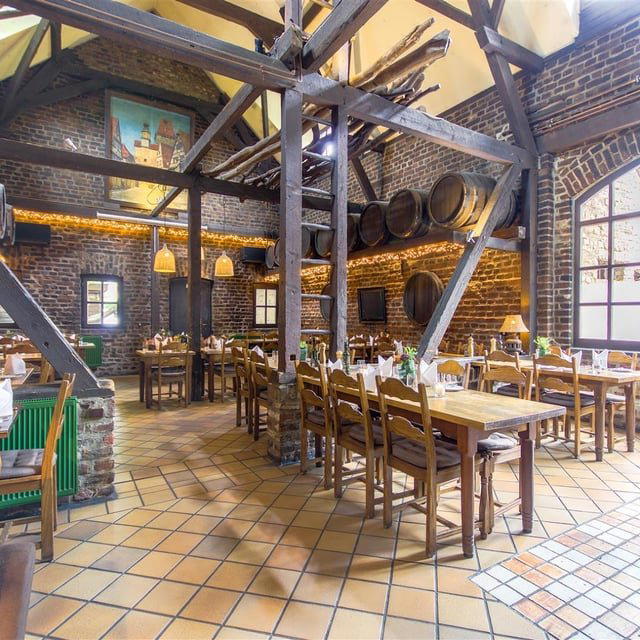
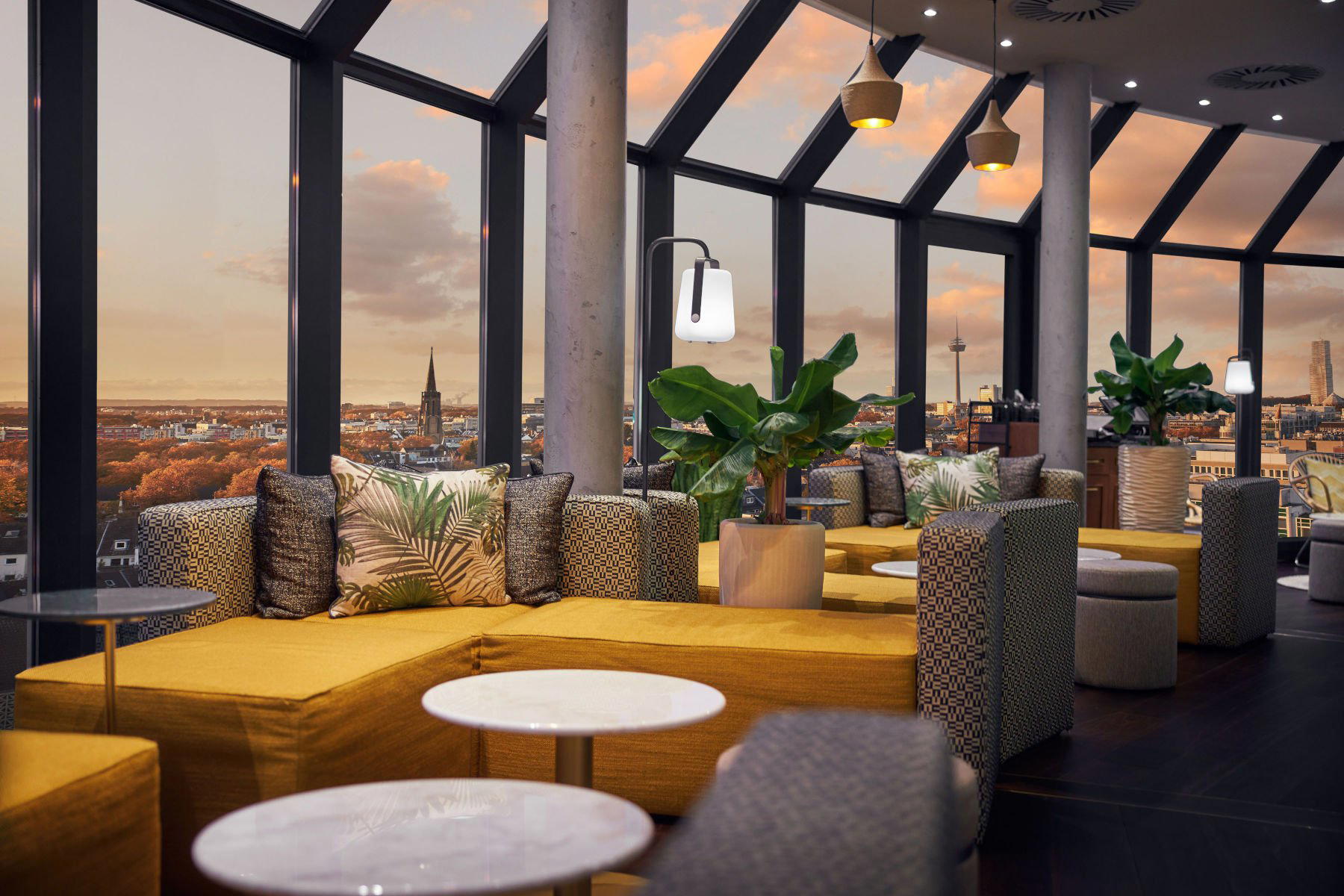
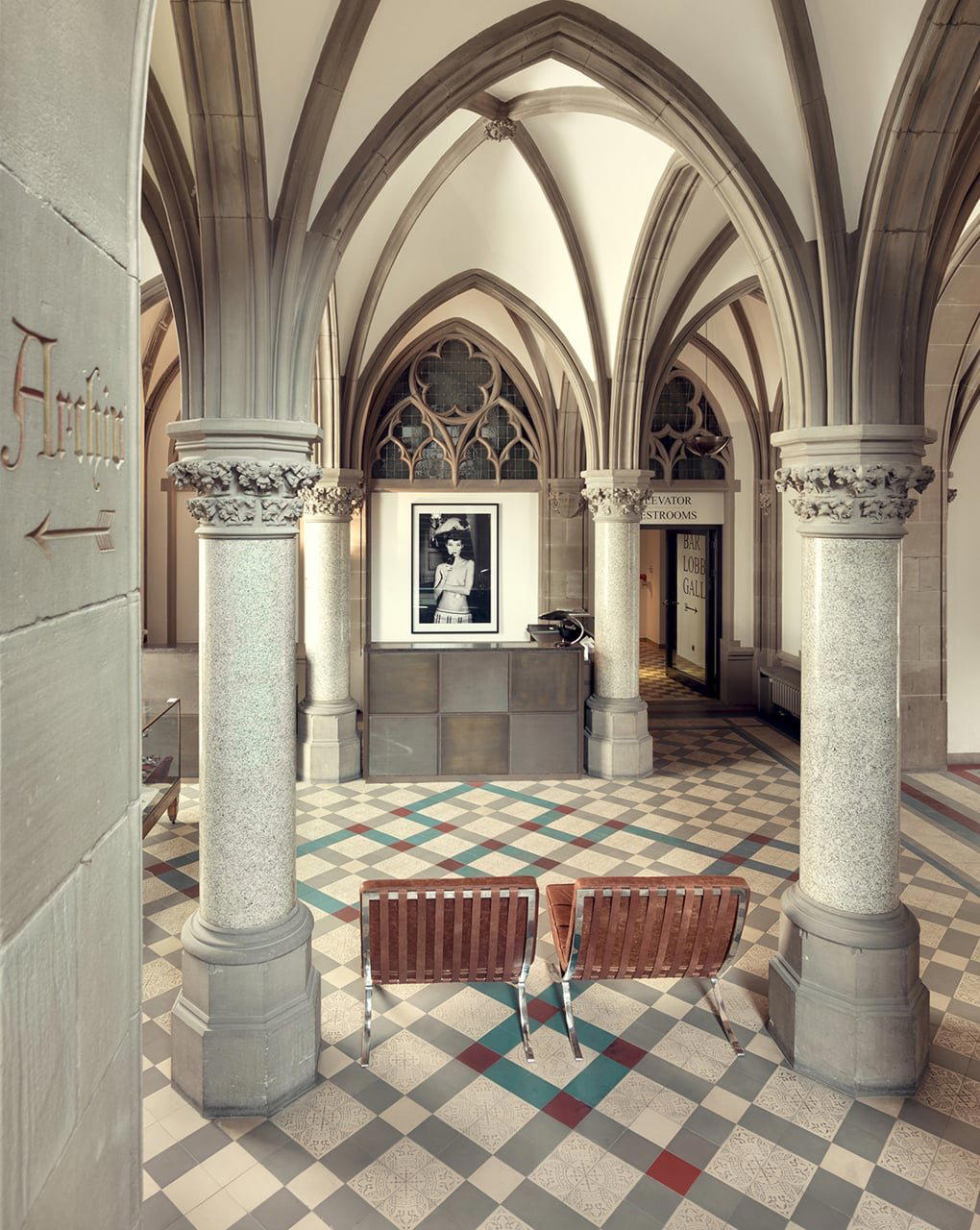
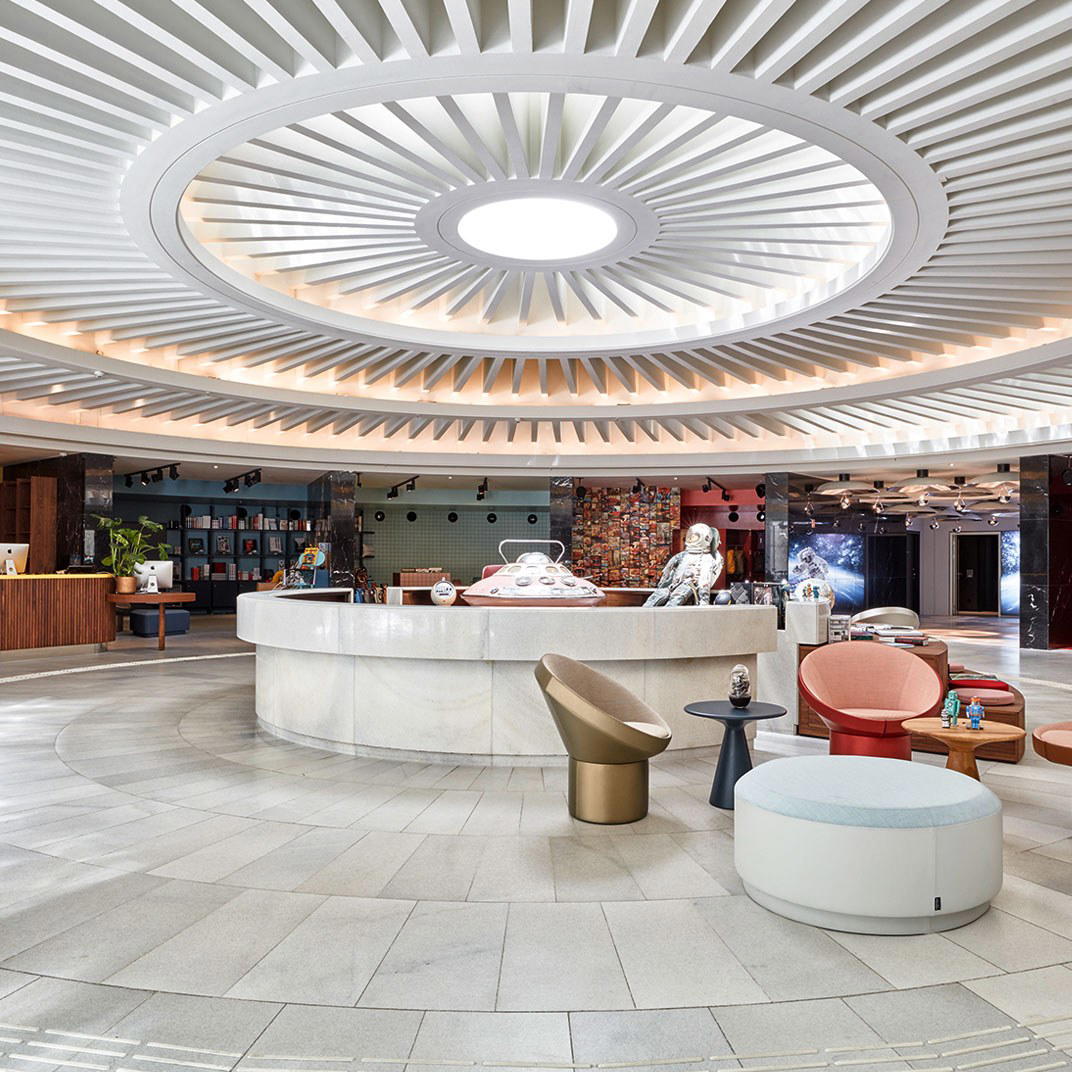
Light and airy interior with superb decor, neat furnishings, and a homey, positive atmosphere.