Koordinata Street operates out of Zemunska pijaca, Belgrade's Zemun market, placing it squarely in the tradition of Serbian market eating where provenance and place are inseparable. The setting is the argument: an address inside a working food market signals a kitchen that sources by proximity rather than by catalogue. For visitors tracing Belgrade's street food and everyday dining culture, this is a reliable reference point on Masarikov trg.
Pearl is the En Primeur Club membership app — saves, bookings, and concierge access live there. Same editors, same standards.
- Address
- Zemunska pijaca, Masarikov trg 17, Beograd 11080, Serbia
- Phone
- +381645939352
- Website
- instagram.com
- Directions
- Get directions
 Saves & bookings on Pearl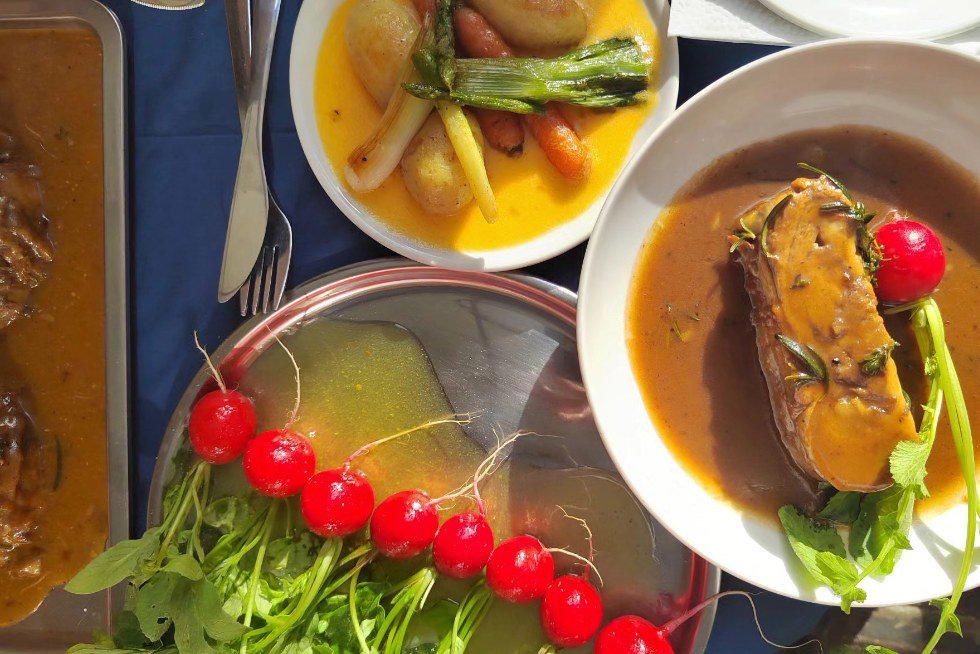
Where the Market Is the Menu
Belgrade's food markets have always operated as informal arbiters of what the city actually eats, as opposed to what its restaurant industry would like it to eat. At Zemunska pijaca, the Zemun market on Masarikov trg, the logic is especially clear. The stalls, the noise, the seasonal rhythm of produce moving from the Danube lowlands into the city: these are not backdrop. They are the supply chain made visible. Koordinata Street sits inside this structure, at an address where the distinction between sourcing and serving collapses into a single transaction.
Zemun itself occupies a particular position in Belgrade's urban geography. Technically absorbed into the city but historically a separate Austro-Hungarian town, its market square retains the texture of a provincial trading post more than a capital city amenity. The pijaca culture here, open-air, cash-forward, seasonal by default, represents a strand of Serbian food culture that predates the kafana tradition and operates independently of the country's restaurant industry. A venue embedded in that structure is making a statement about alignment with everyday provisioning rather than gastronomic programming.
Serbian Market Eating as a Category
To understand what Koordinata Street is doing, it helps to understand what market-embedded eating means in the Serbian context. The pijaca has historically been the site where slaughterhouse-fresh meat, farmer-direct dairy, and foraged seasonal produce converge with minimal mediation. The cooked food that emerges from these settings tends to reflect that supply: heavy on grilled meats, offal preparations, and fermented or preserved vegetables that signal the agricultural calendar rather than a chef's menu design.
This is a distinct tier from the kafana, which carries its own set of social and culinary conventions, and from the modern Balkan restaurants now appearing across Belgrade's centre. Venues like Ambar and Avala represent a curated, often nostalgic reading of Serbian cuisine aimed partly at international visitors. The market eating tradition runs in a different direction: unsentimental, local-facing, priced against the incomes of the people who have been shopping at the same stalls for decades. The two traditions coexist in Belgrade without much friction, but they serve different functions in the city's food culture.
At the higher end of Belgrade's current restaurant scene, kitchens like Langouste and The Square are building elaborate arguments about what Serbian or European ingredients can become when subjected to serious technique. Koordinata Street's address inside the Zemun market implicitly makes the opposite argument: that the ingredient, unmediated, is the point. Neither position is wrong. They describe a city with enough range to sustain both simultaneously.
The Zemun Address and What It Means Logistically
Masarikov trg 17 places the restaurant at the Zemun market, which sits across the Sava from Belgrade's central districts. For visitors based near Skadarlija, the Old Town, or the Savamala quarter, Zemun is a deliberate half-day destination rather than a casual drop-in. The distance frames the experience differently from central Belgrade eating: you are travelling to the market, not passing through it. That journey is worth factoring into any planning, particularly since market operations in Serbian cities follow their own hours, typically running strongest in the morning and early afternoon before tapering off.
Serbia's broader dining geography rewards this kind of purposeful travel. Regional destinations like Kod Brana in Cacak, Lovački dom in Valjevo, and Etno Kuća Dinar in Vrsac operate on similar logic: you go to where the food is rooted rather than waiting for it to come to you in a more convenient form. The restaurant's Zemun location fits that pattern at a smaller, more accessible scale for anyone based in Belgrade.
The venue's current data footprint, no published phone, no website, no confirmed hours, is itself characteristic of this tier of Serbian hospitality. Market vendors and market-adjacent kitchens have rarely needed the apparatus of online presence to fill their tables. Word of mouth, physical proximity, and the regularity of the market calendar have historically been sufficient. For international visitors, this means checking current operating status through local contacts or by arriving at the market during peak hours.
Reading Koordinata Street Against the Regional Scene
The pattern of market-embedded eating extends well beyond Belgrade. Across Serbia, particularly direct encounters with regional cuisine happen in market settings or their equivalent: roadside restaurants, rural konobas, and river-edge čardas that operate on proximity to agricultural supply. Čarda Zlatna Kruna in Apatin follows Danube river fish logic in the same way that a Zemun market kitchen follows lowland produce logic. Kafana Dukat in Pirot and Kafe Restoran Maša in Novi Sad occupy related positions in their respective cities: local-facing, format-honest, aligned with what the immediate region produces rather than what a national restaurant trend requires.
That regional coherence is one of the things that distinguishes Serbian dining from more internationally consolidated food cultures. The distance from Le Bernardin in New York City or Atomix in New York City is not just geographic; it is a difference in what the meal is understood to be doing. In Serbia, the market-adjacent restaurant is not a nostalgic recreation of something lost. It is a functioning format that never stopped operating, which gives it a different kind of authority than a revival project would carry.
Other Belgrade options for visitors working through the city's range include Barrel House, which approaches the local dining scene from a different format angle. Outside Belgrade, Windmill in Pancevo, Kod poštara in Aran Elovac, Aleksandar Gold in Uzice, and Grand in Kopaonik illustrate how Serbian hospitality scales across geography and format without losing its essential character.
Planning Your Visit
The restaurant's address at Zemunska pijaca, Masarikov trg 17, places it in Zemun, accessible from central Belgrade by taxi. As with most market-format venues in the region, arriving earlier in the day aligns with peak market activity and the freshest available produce. Visitors should plan around the published opening hours.
Price Lens
Comparable venues nearby, for context on price, style, and recognition.
| Venue | Cuisine | Price | Notes |
|---|---|---|---|
| KOORDINATA STREETThis venue — the venue you are viewing | Not listed | $$ | Not listed |
| Znak pitanja (?) | Stari Grad, Traditional Serbian Kafana | $$ | Not listed |
| Restoran Tri | Not listed | $$ | Stari Grad, Creative Balkan-Italian Fusion |
| Lorenzo & Kakalamba | Belgrade center, Florentine-Pirot Fusion | $$ | Not listed |
| Restoran Kolo | Not listed | $$ | Belgrade Waterfront, Modern Serbian Balkan |
| Filter | Belgrade, Modern Cafe & Breakfast | $$ | Not listed |
At a Glance
- Cozy
- Intimate
- Trendy
- Casual Hangout
- Date Night
- Open Kitchen
- Farm To Table
- Organic
- Local Sourcing
- Street Scene
Current opening hours
- Monday
- Closed
- Tuesday
- Closed
- Wednesday
- 2–10 PM
- Thursday
- 2–10 PM
- Friday
- 2–10 PM
- Saturday
- 12–10 PM
- Sunday
- Closed
Hours can change for holidays and private events. Last verified .
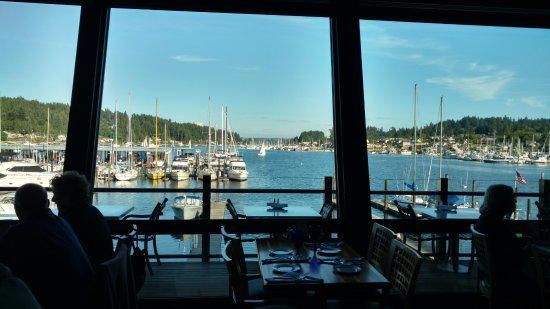
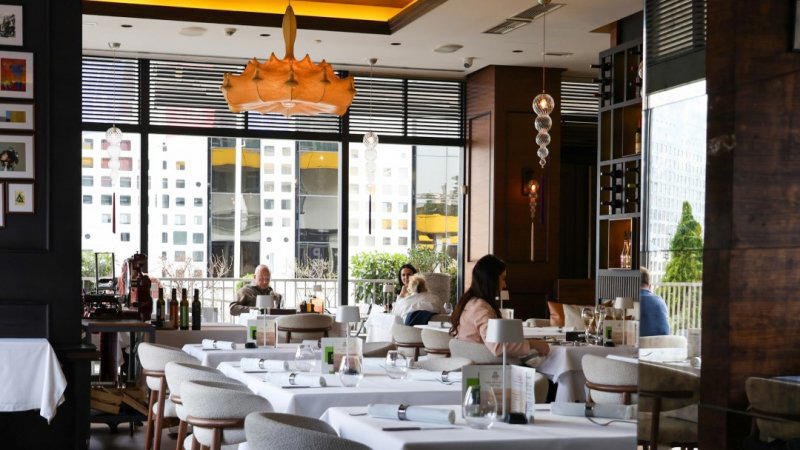
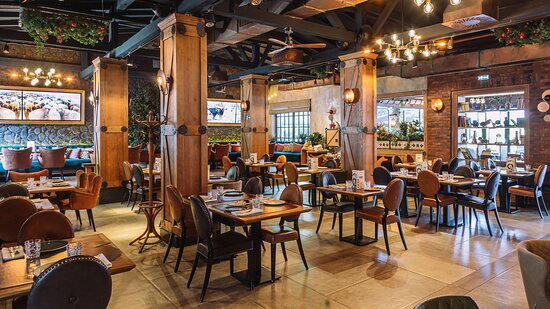
Cool, lively, and cozy atmosphere in a market setting with friendly service.