Konsulat occupies a Charlottenburg address on Leibnizstraße that places it within one of Berlin's more composed, less performatively hip dining corridors. The venue sits in the city's premium tier alongside Michelin-recognised neighbours, where the meal's architecture, its sequencing, pacing, and internal logic, does the critical work. For visitors mapping Berlin's serious dining scene, it belongs on the research list.
Pearl is the En Primeur Club membership app — saves, bookings, and concierge access live there. Same editors, same standards.
- Address
- Leibnizstraße 46, 10629 Berlin, Germany
- Phone
- +49 30 28645269
- Website
- konsulat.berlin
- Directions
- Get directions
 Saves & bookings on Pearl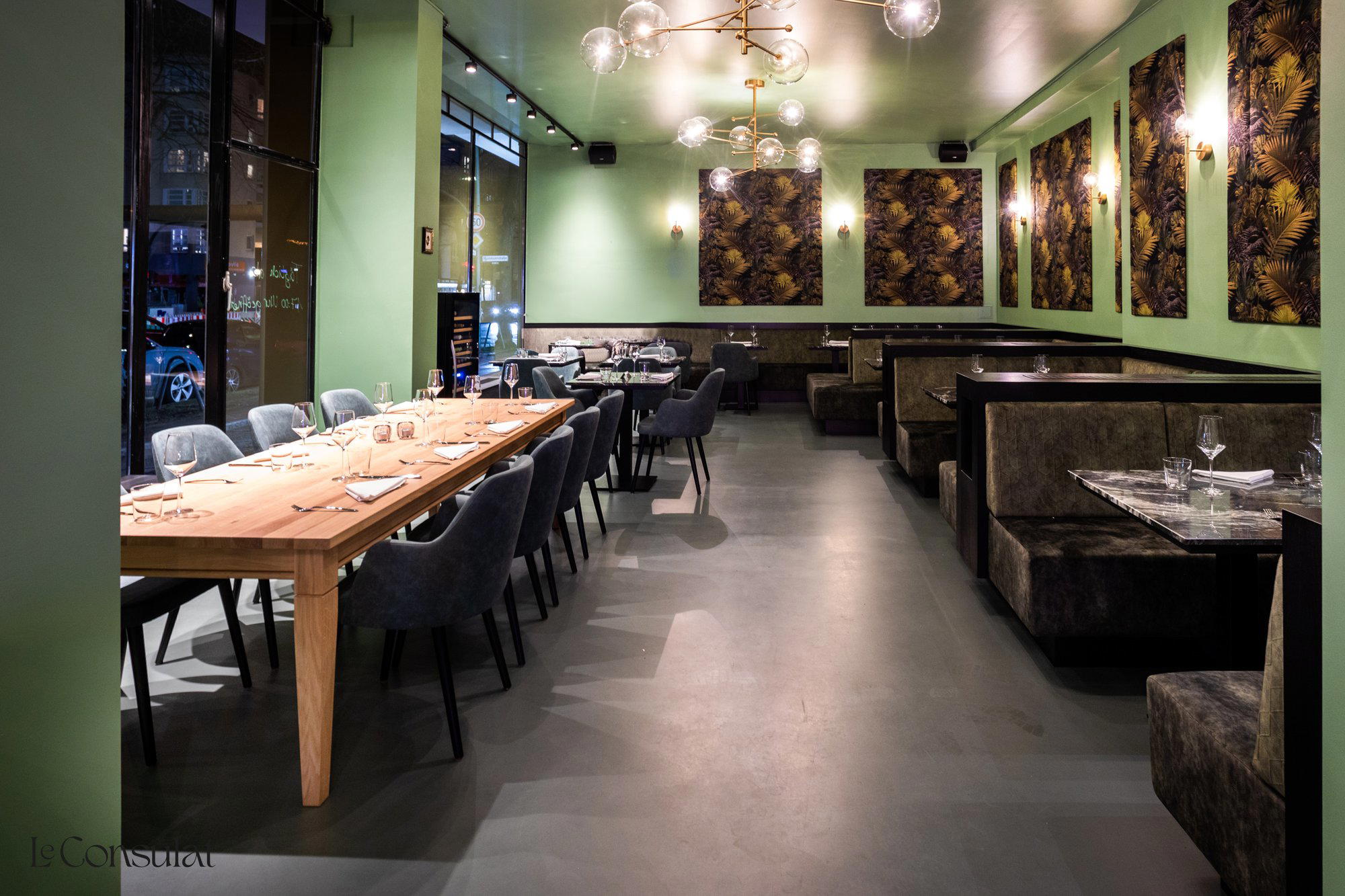
Charlottenburg's Quieter Frequency
Berlin's fine dining conversation tends to cluster around Mitte and Kreuzberg, where press attention and foot traffic reinforce each other in a familiar loop. Charlottenburg operates differently. The western district's dining rooms, particularly along and around the Leibnizstraße corridor, attract a clientele that tends to be local, repeat, and unhurried, conditions that allow kitchens to develop in a lower-pressure register. Konsulat, at Leibnizstraße 46, sits inside that dynamic. The address alone signals something about the intended audience: this is a restaurant positioning itself for local regulars as much as for destination diners.
Charlottenburg's culinary position within Berlin reflects a familiar pattern in large cities, where some districts draw more attention while others sustain a steadier dining culture. The venues that survive and develop in that environment tend to do so on the strength of the food and the room, not on narrative momentum.
How the Meal Builds
In Berlin's premium dining tier, one useful way to read a restaurant is through its sequencing logic: how the kitchen structures a meal from first bite to last and where it places its formal ambitions. This matters more than any single dish, because a kitchen's intelligence shows in the architecture of the experience, the calibration between courses, the decision about where to apply technique and where to let an ingredient carry the weight.
Berlin has developed a range of kitchens that think carefully about this structure. Nobelhart & Schmutzig, on Friedrichstraße, imposes a strict localism discipline across its menu, every course is shaped by what the region produces, and the meal's arc is inseparable from that constraint. Rutz, with two Michelin stars, runs a wine-integrated progression where the pairing logic actively shapes the sequence of the food. FACIL, in the Mandala Hotel, operates with a refined Mediterranean discipline that tends toward clarity and restraint across its courses. CODA Dessert Dining inverts the usual arc entirely, building its tasting menu around the grammar of pastry and sugar rather than treating dessert as a coda in the conventional sense.
Each of these represents a different answer to the same question: what does a meal mean as a sequence, and not just as a collection of dishes? Konsulat enters that conversation from its Charlottenburg position.
Berlin in the Broader German Fine Dining Map
Understanding where Konsulat fits requires some perspective on Berlin's position within Germany's fine dining geography. The country's most densely decorated kitchens are disproportionately located outside the capital, in the Black Forest (Schwarzwaldstube in Baiersbronn), in the Rhineland (Vendôme in Bergisch Gladbach), in rural Piesport (Schanz), in Wolfsburg (Aqua), in Grassau (ES:SENZ), and in Perl (Victor's Fine Dining by Christian Bau). Even Waldhotel Sonnora in Dreis holds a position that Berlin's restaurant scene, for all its energy, has not consistently matched in Michelin terms.
Berlin's contribution to German fine dining is real but operates differently, it skews toward creativity, conceptual ambition, and a certain willingness to experiment that the country's more established culinary destinations sometimes resist. Restaurant Tim Raue, with its two Michelin stars and a menu built around Asian technique applied through a German sensibility, exemplifies this tendency. So does CODA's radical restructuring of what a tasting menu can be. Hamburg, meanwhile, maintains its own serious dining culture through venues like Restaurant Haerlin, and Munich through JAN, both occupying more conventionally defined luxury dining positions.
Konsulat, based in Charlottenburg rather than the more internationally profiled parts of the city, draws on a tradition of serious, neighbourhood-rooted dining.
International Reference Points
For visitors arriving in Berlin from cities with their own established fine dining cultures, some calibration helps. The multi-course format that defines Berlin's premium tier operates with a similar structural logic to tasting menus at Le Bernardin in New York, where the progression is deliberate and the kitchen's discipline is the primary communicative act, or at Atomix, where course-by-course annotation gives the meal an almost curatorial quality. Berlin kitchens tend to wear their structure more quietly, but the underlying seriousness of intent is comparable. And in Bagatelle in Trier, there's a useful regional parallel: a venue that occupies a smaller city's premium dining position and does so by investing in the meal's internal architecture rather than in external visibility.
Planning a Visit
Charlottenburg's dining rooms are generally more accessible by reservation than the high-demand counters in Mitte, but the Leibnizstraße area still rewards advance planning.
| Venue | Area | Format | Price Tier | Booking Lead Time |
|---|---|---|---|---|
| Konsulat | Charlottenburg | Not confirmed | Not confirmed | Advance recommended |
| Rutz | Mitte | Tasting menu / à la carte | €€€€ | Several weeks |
| Nobelhart & Schmutzig | Friedrichstraße | Fixed menu | €€€€ | Several weeks |
| FACIL | Mitte (hotel) | Tasting / à la carte | €€€€ | 1-3 weeks |
| CODA Dessert Dining | Neukölln | Tasting menu | €€€€ | Several weeks |
Cuisine and Recognition
Comparable venues nearby, for context on price, style, and recognition.
| Venue | Cuisine | Price | Notes |
|---|---|---|---|
| KonsulatThis venue — the venue you are viewing | Modern German Farm-to-Table | $$$ | Not listed |
| Panama | Modern German | $$$ | Tiergarten |
| Katz Orange | Modern German with North African Influences | $$$ | Mitte |
| DAS KÖSTLICH-Berlin Charlottenburg | Modern German | $$$ | Charlottenburg |
| Brauhaus Spandau | Traditional German Brewery | $$ | Spandau |
| Stock & Stein | German Stone Grill Steakhouse | $$ | Friedrichshain |
Continue exploring
More in Berlin
Restaurants in Berlin
Browse all →
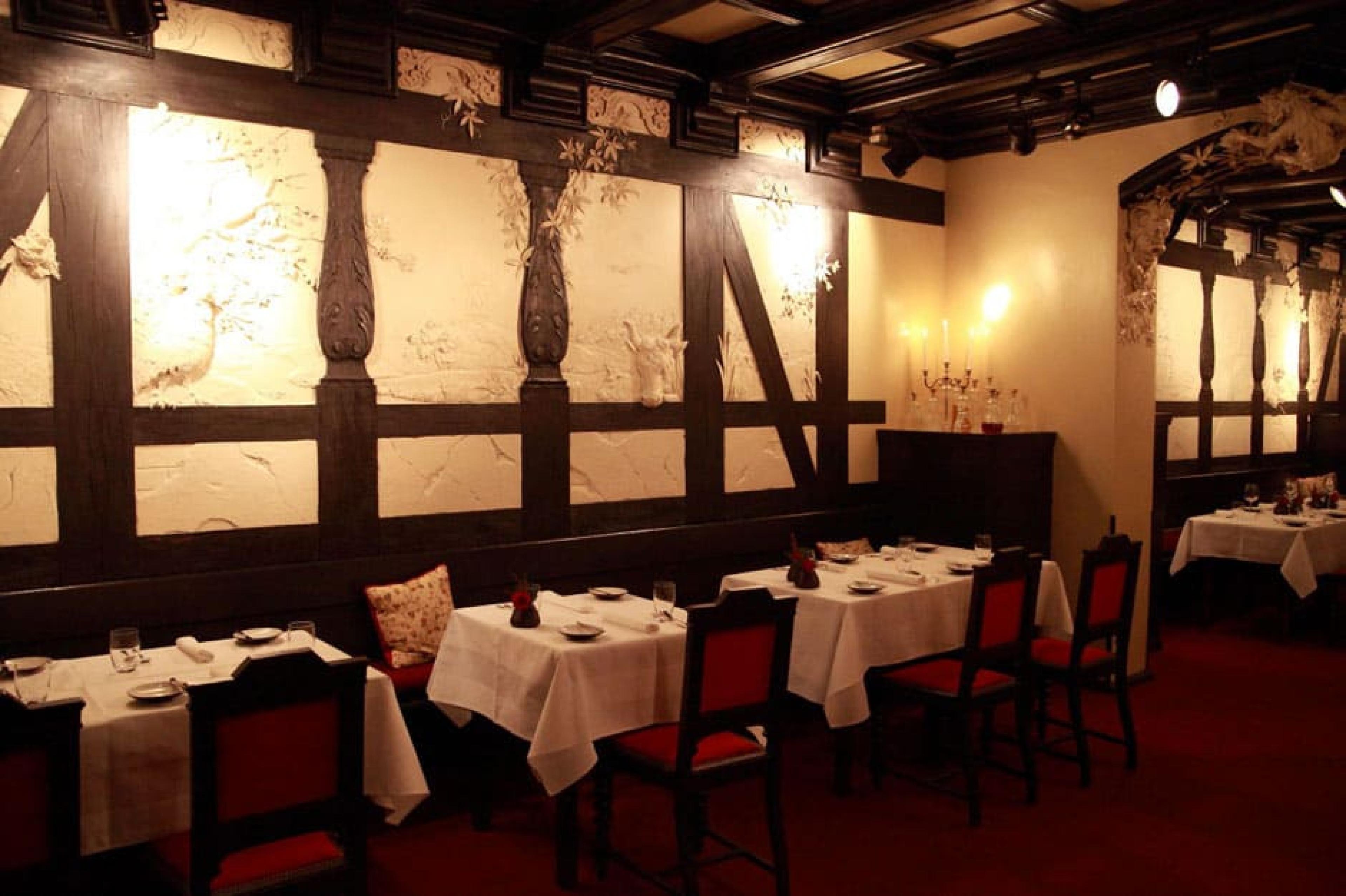
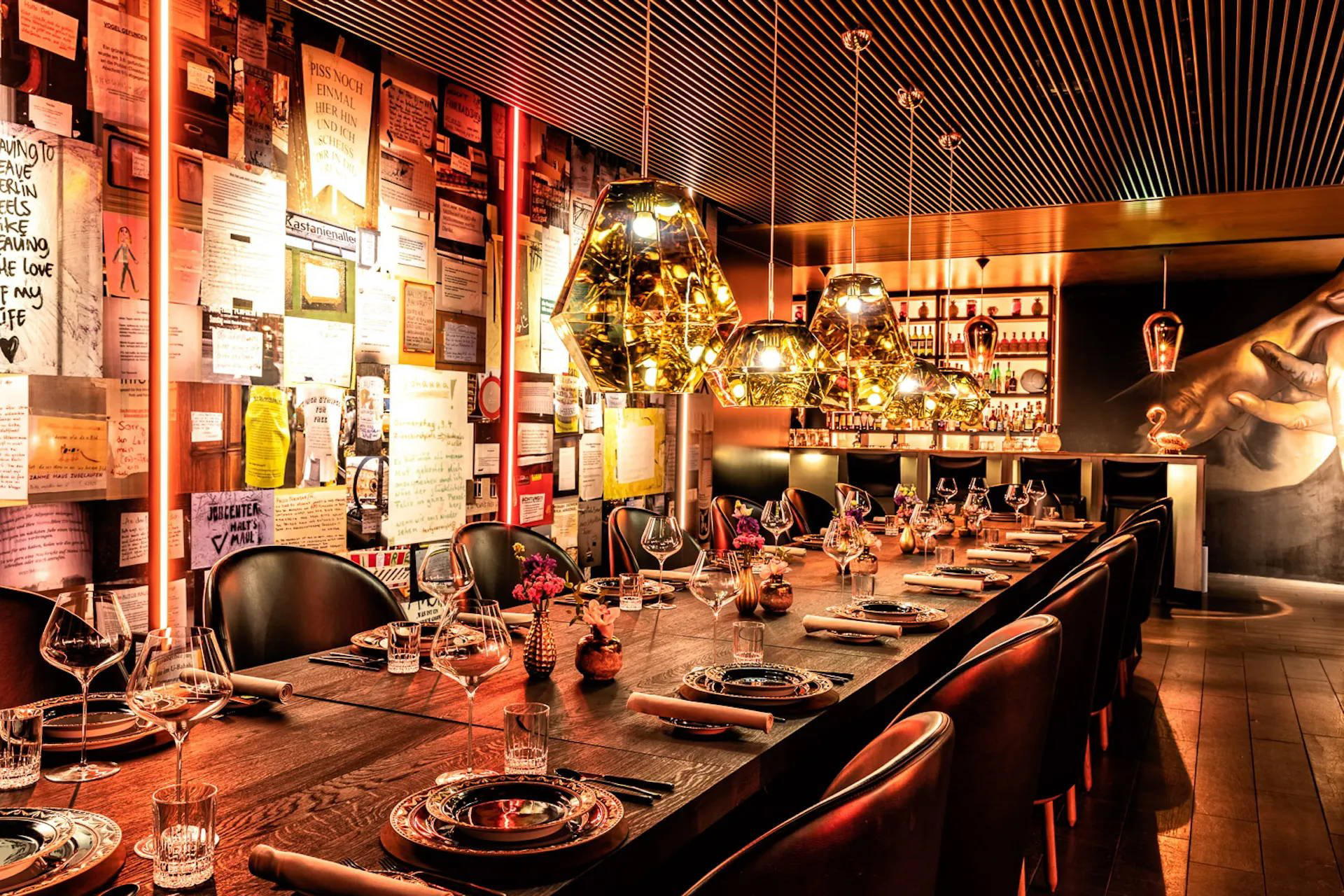
Bars in Berlin
Browse all →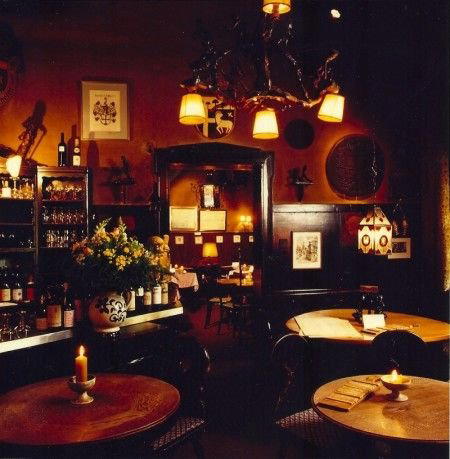
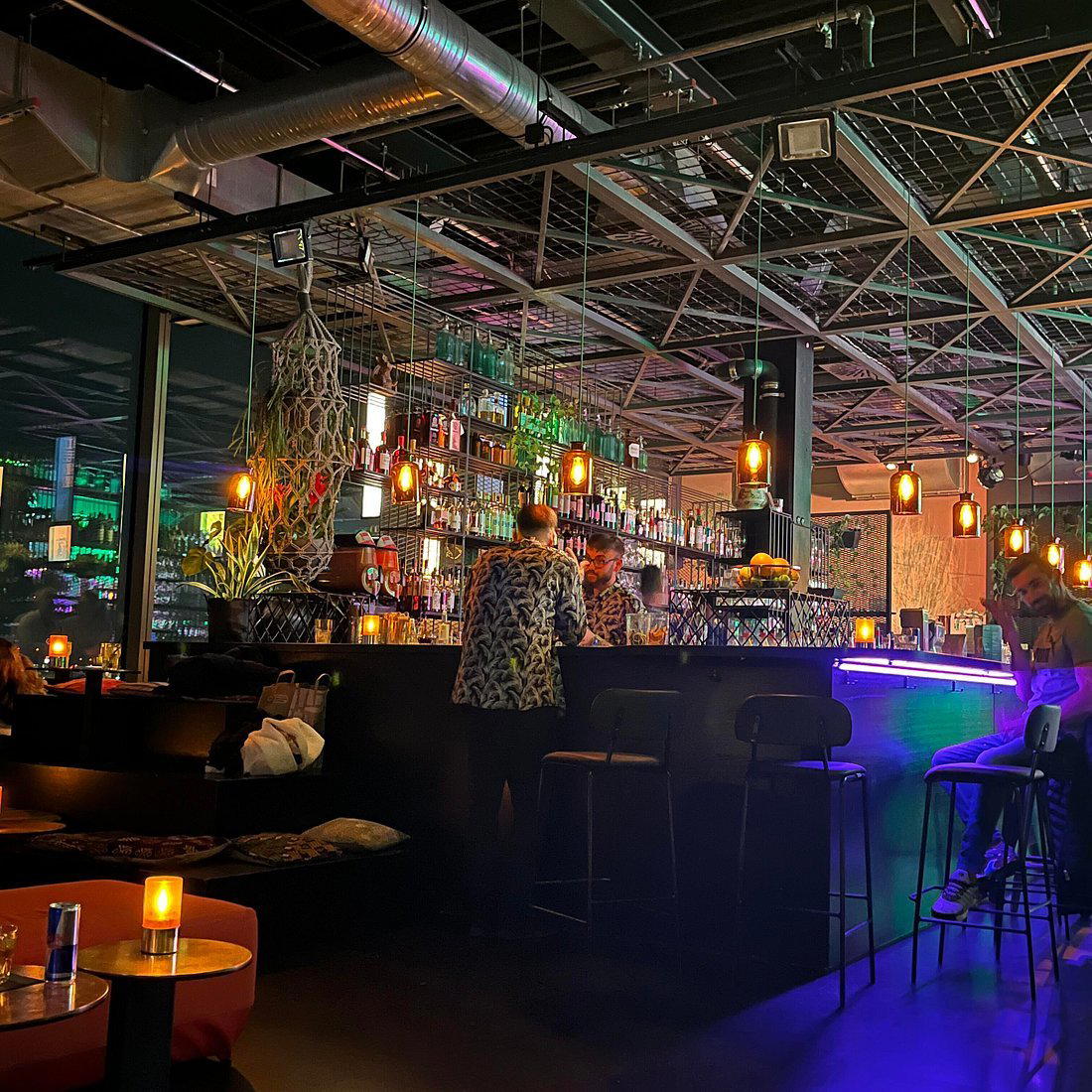
Hotels in Berlin
Browse all →

At a Glance
- Modern
- Elegant
- Cozy
- Sophisticated
- Special Occasion
- Open Kitchen
- Natural Wine
- Farm To Table
- Local Sourcing
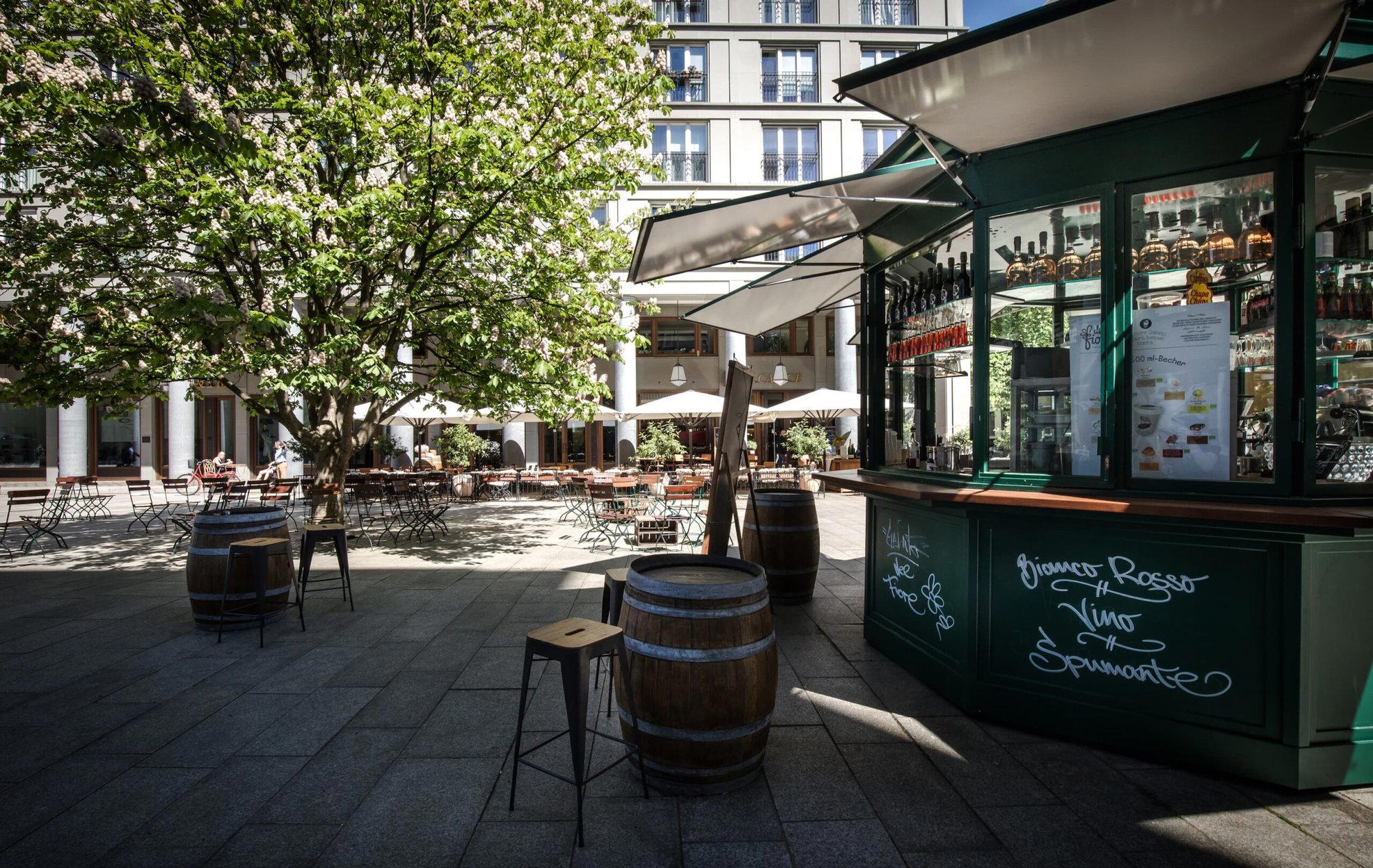
Elegant glamour with green tones, smartly dressed waiters, and a handcrafted, sensory atmosphere.