
Katz Orange occupies a converted courtyard building in Mitte, where the rooms feel assembled rather than designed, mismatched furniture, warm light, and the kind of deliberate imperfection that signals someone cared deeply about comfort over spectacle. The kitchen draws on seasonal German produce with a farm-to-table sensibility that sets it apart from Berlin's more technically driven fine-dining tier. Booking ahead is strongly advised, particularly for weekend evenings.
Pearl is the En Primeur Club membership app — saves, bookings, and concierge access live there. Same editors, same standards.
- Address
- Bergstraße 22, 10115 Berlin, Germany
- Phone
- +49 30 983208430
- Website
- katzorange.com
- Directions
- Get directions
 Saves & bookings on Pearl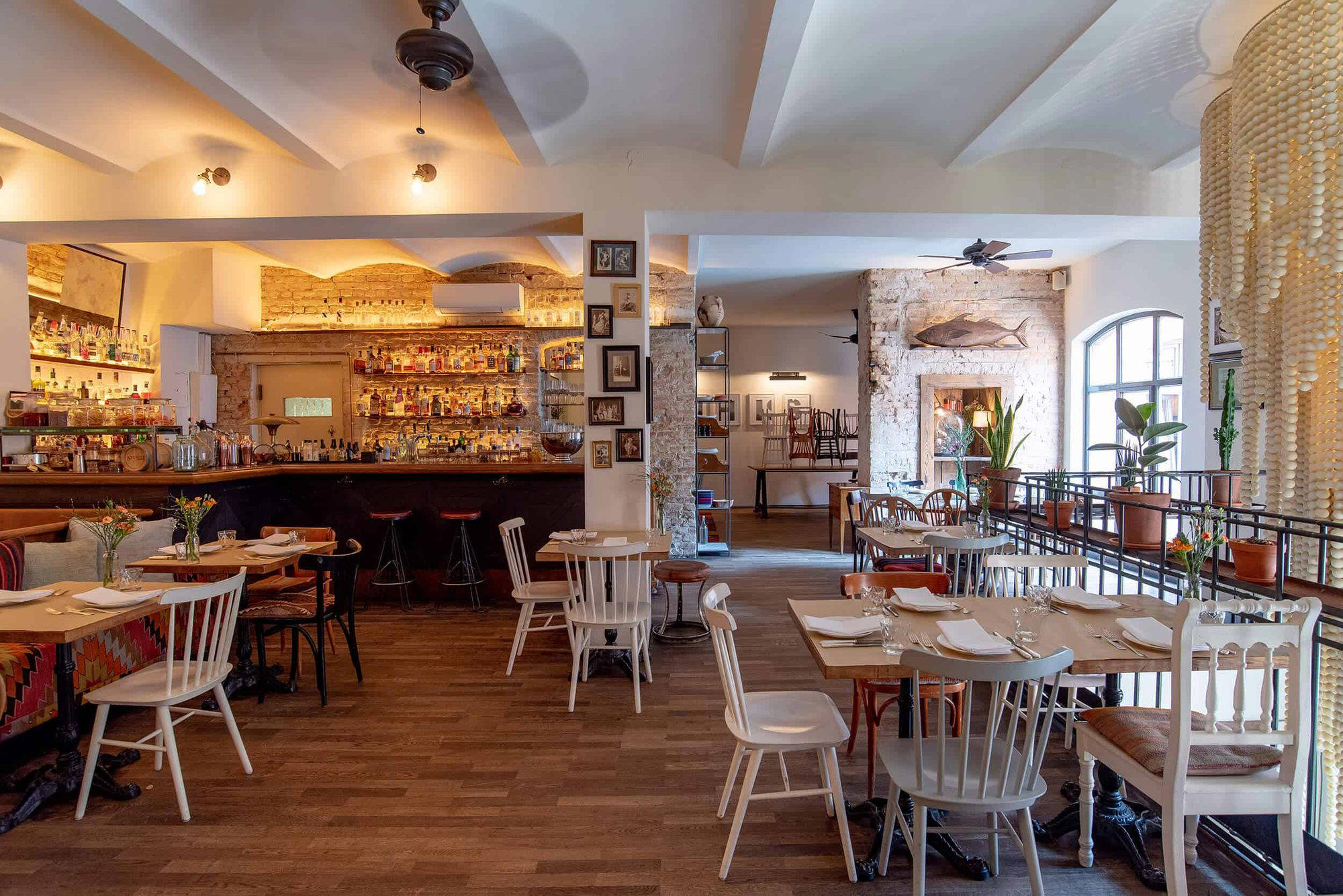
A Mitte Address Built for Staying, Not Impressing
Berlin's restaurant scene has fractured into increasingly distinct camps over the past decade. At one end, a concentration of technically precise, modernist kitchens, Nobelhart & Schmutzig, Rutz, FACIL, that have aligned themselves with Michelin's expectations and priced accordingly into the €€€€ tier. At the other, a softer, more domestic register that resists ceremony in favour of warmth, where the design reads less like a concept and more like a lived-in room. Katz Orange at Bergstraße 22 sits firmly in this second camp.
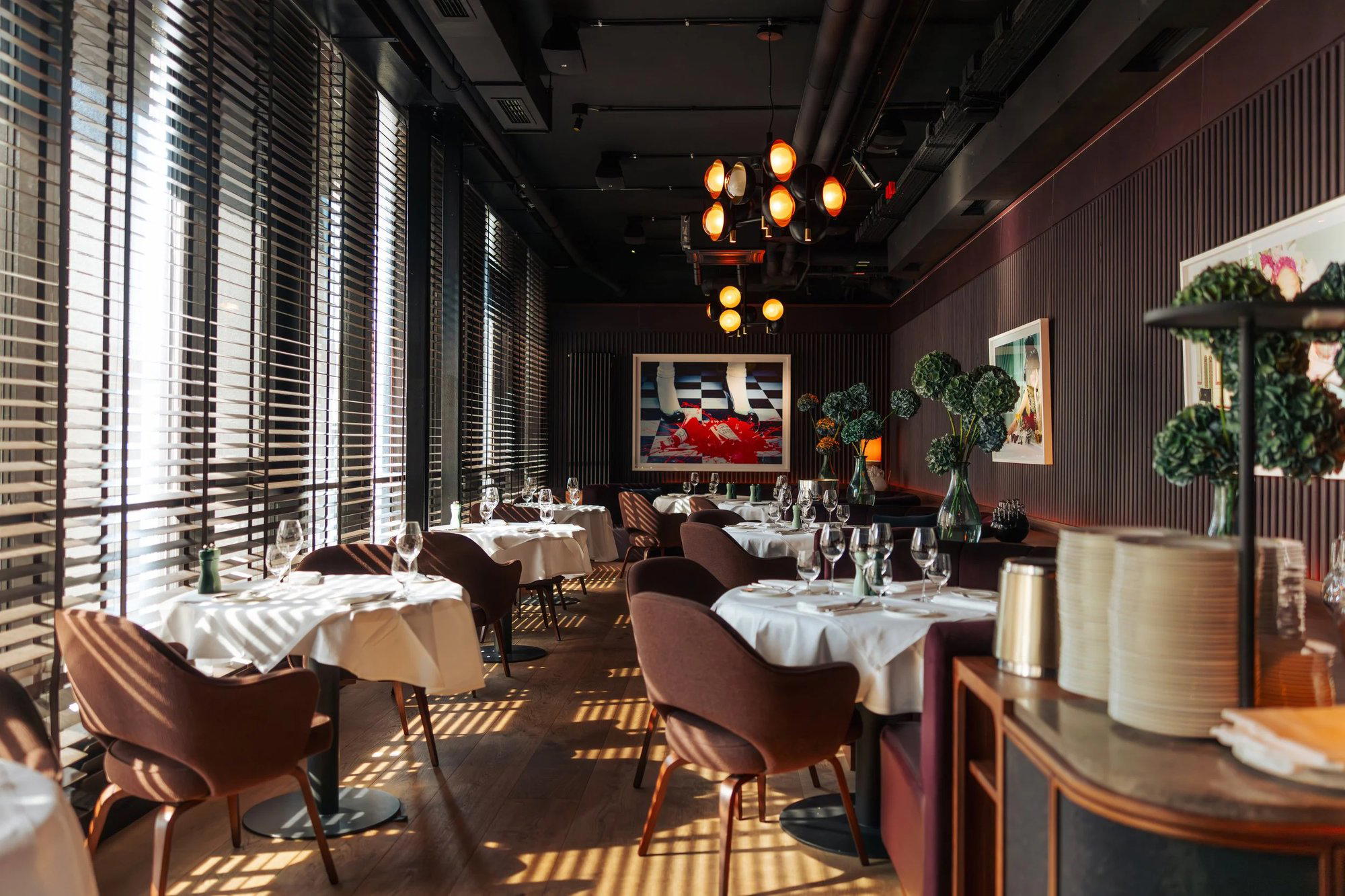
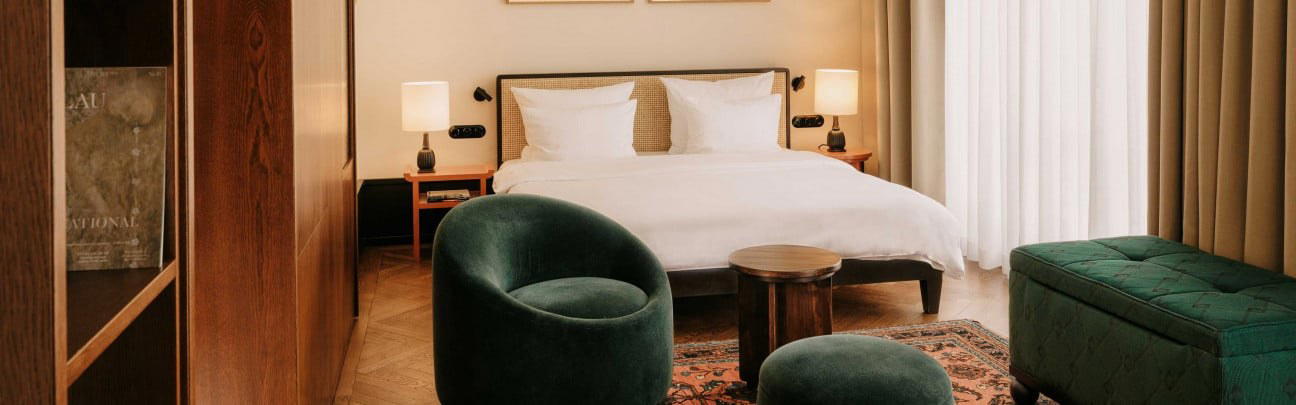
The building itself, a restored courtyard structure typical of nineteenth-century Mitte construction, signals the tone before you reach the door. Once inside, each space is furnished with the kind of deliberate eclecticism that takes genuine effort to pull off without looking accidental. Mismatched chairs, warm lighting calibrated closer to a domestic lamp than a restaurant fixture, objects placed as if someone actually lives here. The effect is not rustic nostalgia, but something more considered: a deliberate argument that a meal should feel like an occasion at someone's table, not a performance in someone's theatre.
How the Meal Tends to Unfold
The tasting progression at Katz Orange reflects the same philosophy that governs the space. The kitchen works with seasonal German produce and a farm-to-table methodology that places sourcing ahead of technique as the primary editorial statement. This approach puts Katz Orange in a different competitive conversation than the high-abstraction kitchens at CODA Dessert Dining or Restaurant Tim Raue, where the chef's vocabulary is the point. Here, the ingredient is the point, and the kitchen's role is to avoid obscuring it.
Early courses tend to reward attention to texture and provenance rather than structural complexity. The meal builds gradually, with proteins arriving at a pace that feels conversational rather than choreographed. This rhythm is part of the identity: the restaurant does not rush. The pacing and the room share the same grammar, unhurried, attentive, with space between things. For guests accustomed to the tight sequencing of modernist tasting menus, this can initially read as looseness. It is not. It is a different kind of discipline, one oriented around table comfort rather than kitchen control.
The wine list has historically supported the farm-driven kitchen with a selection weighted toward natural and low-intervention producers, though the specific offering changes with the season and what the sourcing relationships allow. This aligns the restaurant with a broader European dining movement that treats the cellar as an extension of the kitchen's ingredient philosophy rather than a separate prestige category.
Where Katz Orange Sits in the Berlin Dining Picture
Berlin's €€€€ tier is increasingly dominated by kitchens with Michelin recognition, a list that includes Rutz, Nobelhart & Schmutzig, and FACIL among others. The restaurant operates outside that specific recognition framework and has built its reputation on repeat clientele and word-of-mouth rather than award cycles. This is a meaningful distinction. Venues that sustain themselves through loyalty rather than trophy-chasing tend to price and pace their hospitality differently.
Compared to the broader German fine-dining map, where kitchens like Aqua in Wolfsburg, Schwarzwaldstube in Baiersbronn, or Vendôme in Bergisch Gladbach represent the formal prestige end, the restaurant occupies a more intimate register. It shares more DNA with smaller, produce-led European tables than with the white-tablecloth formality of Germany's most decorated addresses. Even within Berlin, the contrast with technically driven peers is instructive: where CODA makes dessert-only tasting menus into a conceptual statement, and Tim Raue applies precise Asian technique to German-sourced ingredients, the restaurant's kitchen treats seasonal produce as the argument in itself.
Internationally, the comparison set is closer to bistronomy-inflected tables in Paris or neighbourhood-anchored seasonal restaurants in London than to the high-concept European dining rooms that attract international culinary tourism, the kind of evening you might associate with Le Bernardin in New York City or JAN in Munich.
Seasonality and When to Go
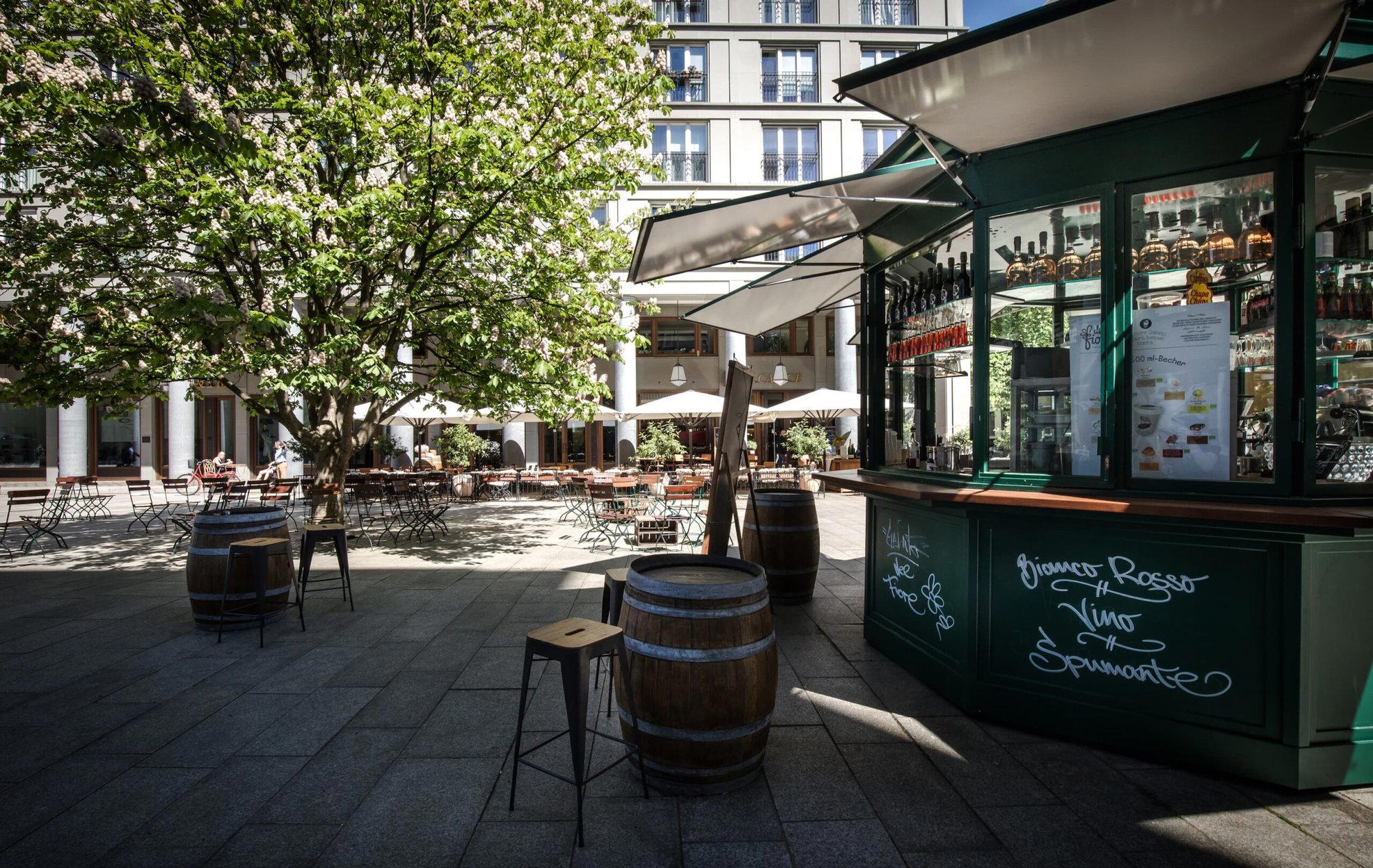
The farm-to-table sourcing model means the menu shifts meaningfully across the year, which makes timing matter. Autumn and winter tend to bring the kitchen's sensibility into sharpest focus: root vegetables, game, preserved and fermented elements that suit both the season and the warm, amber-lit rooms. Spring opens up the sourcing into lighter territory, and the courtyard space becomes relevant as an option during Berlin's warmer months. The experience of sitting in a Mitte courtyard garden in June is substantively different from the enclosed warmth of a January dinner inside, and both have advocates.
Weekend evenings at the restaurant fill weeks in advance, the venue's loyal following and relatively modest footprint create a supply constraint that affects planning. Weekday dinners offer more flexibility, and the atmosphere on a Tuesday evening has the quality of a neighbourhood local rather than a destination booking, which some guests actively prefer.
Planning Your Visit
The restaurant is located at Bergstraße 22 in Mitte, a neighbourhood well served by public transport and within walking distance of several of Berlin's better-known courtyard addresses. The S-Bahn connections at Oranienburger Straße put the restaurant roughly ten minutes from central Mitte landmarks. Reservations are handled online and should be made well in advance for weekend slots. The format suits groups as well as couples, given the multi-room layout and the unhurried pacing.
Same-City Peers
Comparable venues nearby, for context on price, style, and recognition.
| Venue | Cuisine | Price | Notes |
|---|---|---|---|
| Katz OrangeThis venue — the venue you are viewing | Modern German with North African Influences | $$$ | Not listed |
| Grosz | Classic German/French Brasserie | $$$ | Charlottenburg |
| Schmidt Z&KO | Modern German with International Influences | $$ | Friedenau |
| Merold | Modern German | $$$ | Neukolln |
| HOLIs | Traditional German Home Cooking | $$$ | Rummelsburg |
| Knödelwirtschaft NORD | German Knödel Dumplings | $$ | Prenzlauer Berg |
Recognition history
Dated appearances from independent guides and award organizations, with the underlying list record or original source where available.
Star Wine List
Star Wine List
Continue exploring
More in Berlin
Restaurants in Berlin
Browse all →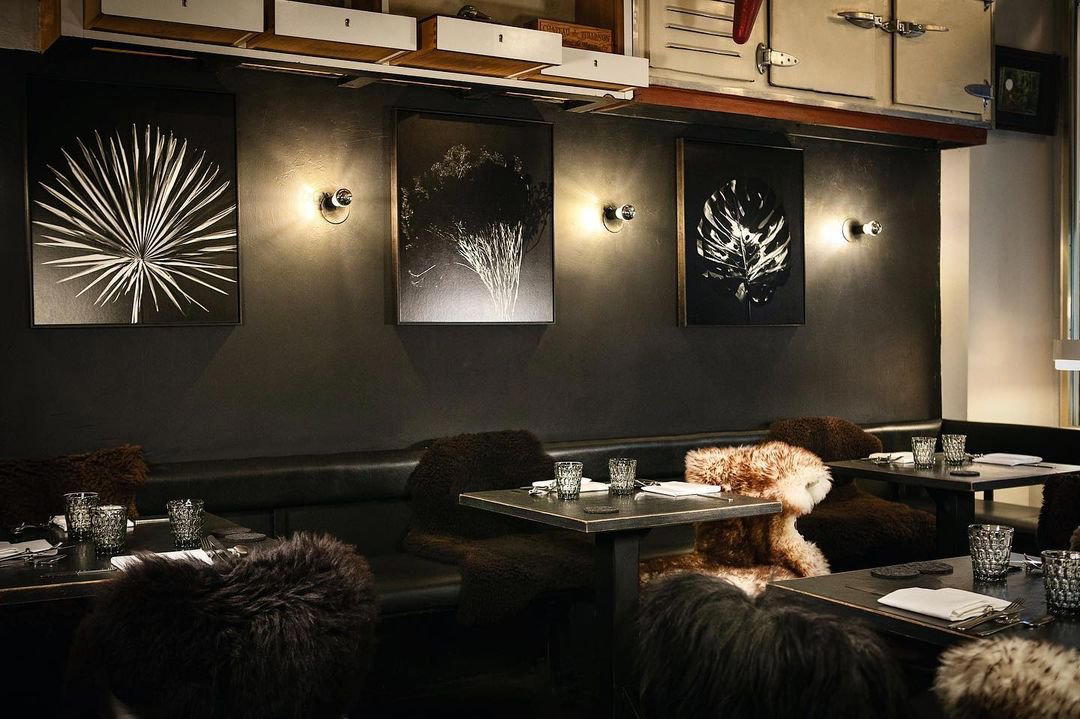
Bars in Berlin
Browse all →
Hotels in Berlin
Browse all →

At a Glance
- Rustic
- Elegant
- Lively
- Cozy
- Trendy
- Sophisticated
- Date Night
- Celebration
- Group Dining
- Special Occasion
- Courtyard
- Historic Building
- Design Destination
- Standalone
- Extensive Wine List
- Craft Cocktails
- Natural Wine
- Local Sourcing
- Farm To Table
- Garden
Current opening hours
- Monday
- 6 PM–1 AM
- Tuesday
- 6 PM–1 AM
- Wednesday
- 6 PM–1 AM
- Thursday
- 6 PM–1 AM
- Friday
- 6 PM–1 AM
- Saturday
- 6 PM–1 AM
- Sunday
- 6 PM–1 AM
Hours can change for holidays and private events. Last verified .
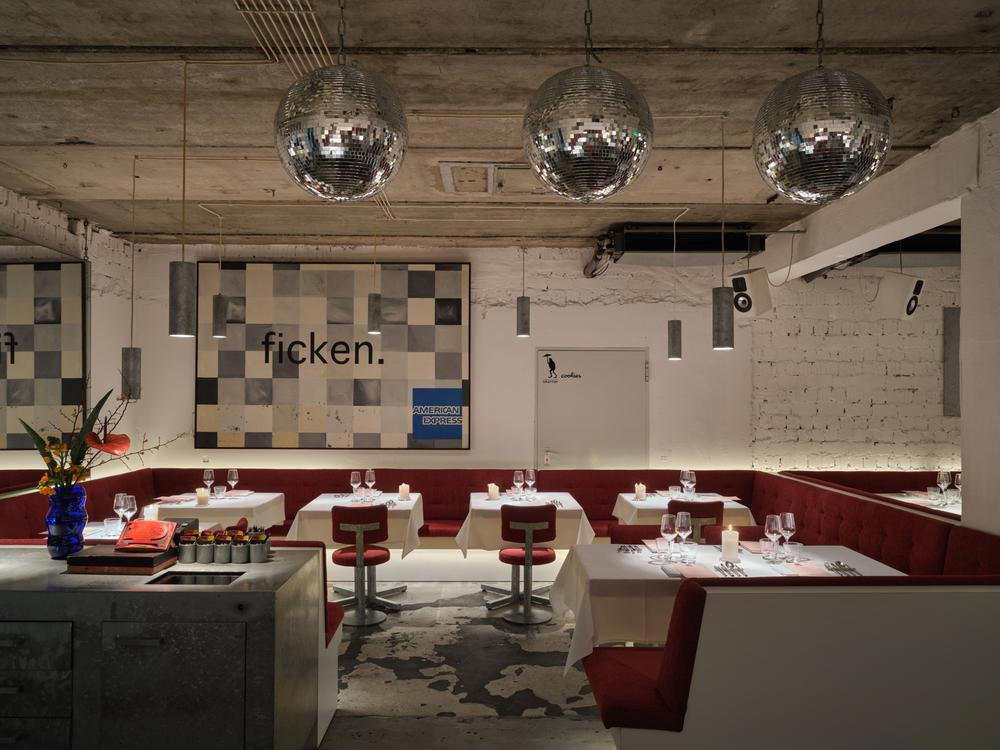
Warm, characterful lighting with exposed brick and rustic decor; the courtyard is tastefully decorated and busy with energy, though some interior rooms feature less pleasant red lighting and loud music.