In Charlottenburg's quieter residential grid, DAS KÖSTLICH occupies a address that rewards those already familiar with Berlin's western dining corridors. The restaurant sits in a neighbourhood where the dining tempo differs sharply from Mitte's trophy-hunting circuit, making it a reference point for locals who treat the area's restaurants as regular haunts rather than occasions.
Pearl is the En Primeur Club membership app — saves, bookings, and concierge access live there. Same editors, same standards.
- Address
- Gervinusstraße 43, 10629 Berlin, Germany
- Phone
- +493047903007
- Website
- daskoestlich.de
- Directions
- Get directions
 Saves & bookings on Pearl
Charlottenburg and the Western Dining Corridor
Berlin's dining conversation tends to anchor itself east: Kreuzberg, Mitte, and Prenzlauer Berg absorb most of the critical attention and the Michelin-starred addresses that attract food-focused travellers. Charlottenburg operates differently. The western district, historically the cultural and commercial heart of West Berlin, runs on a quieter register. Its restaurants serve a residential clientele as much as a destination one, and the neighbourhood's dining character leans toward continuity over spectacle. DAS KÖSTLICH, on Gervinusstraße in the southern part of the district, sits inside that pattern: a street-level address in a low-traffic residential block, far from the tourist circuits that animate Kurfürstendamm's immediate surroundings.
That context matters when assessing what this kind of address offers. Charlottenburg's better-regarded restaurants compete less directly with the city's trophy tier, represented in Berlin by venues like Rutz, Nobelhart & Schmutzig, and FACIL, all of which carry Michelin recognition and operate within a different price and formality tier. A neighbourhood address in Charlottenburg typically signals a reliable local institution: consistent cooking, reasonable pacing, and a room where regulars are recognised.
The Lunch and Dinner Divide in Neighbourhood Berlin
Across Berlin's mid-tier and neighbourhood restaurants, the gap between daytime and evening service is often more pronounced than the menu suggests. At lunch, the tone in residential districts like Charlottenburg tends toward the functional: faster pacing, shorter menus, a clientele of local workers and nearby residents who return weekly. Evenings shift the dynamic toward longer sittings, more deliberate courses, and tables that have been booked with intent rather than convenience. This divide is particularly legible in western Berlin, where the concentration of older residents and long-established businesses keeps lunchtime trade steady without the weekend tourist peaks that reshape service patterns in Mitte.
For first-time visitors, lunchtime usually offers better access and a lower-pressure setting, while dinner is where the kitchen typically shows more range. Berlin's neighbourhood dining culture has historically been less precious about this distinction than, say, the formal lunch traditions of Paris or the kaiseki sequencing expectations in Tokyo, but the divide still exists and shapes the experience in measurable ways. Comparable creative dining venues in Berlin, including CODA Dessert Dining, operate almost exclusively in evening formats, which is itself an editorial position about when the cooking deserves full attention. A neighbourhood address like DAS KÖSTLICH, by contrast, serves both dayparts, with lunch functioning as the lower-commitment entry point.
What the Address Tells You
Gervinusstraße 43 sits in a residential block roughly equidistant from the Savignyplatz area to the north and the Wilmersdorf border to the south. Savignyplatz has been Charlottenburg's most recognisable dining cluster for decades, hosting a mix of traditional German restaurants, wine bars, and the kind of neighbourhood bistros that have survived multiple Berlin reinventions. The surrounding streets support a secondary tier of smaller, less-publicised establishments that local residents tend to treat as personal discoveries rather than shared references. An address in this zone carries a particular social logic: the room is not performing for critics or tourists, which can mean either refreshing directness or, depending on the kitchen, a certain complacency about standards.
Germany's broader fine dining context is worth holding in mind when approaching any Berlin restaurant. The country's starred tier is notably decentralised: particularly acclaimed tables are concentrated outside the capital, in addresses like Schwarzwaldstube in Baiersbronn, Aqua in Wolfsburg, and Vendôme in Bergisch Gladbach. That gap has shaped the city's dining culture: without a deep concentration of starred competition setting the baseline, neighbourhood restaurants carry more of the functional dining load, and quality variance across the mid-tier is correspondingly wider. JAN in Munich and Restaurant Haerlin in Hamburg illustrate how Germany's other major cities have developed more cohesive high-end scenes than the capital.
Visiting Charlottenburg: Practical Orientation
The district is direct to reach by S-Bahn, with Savignyplatz and Charlottenburg stations both within reasonable walking distance of the Gervinusstraße address. The neighbourhood rewards pedestrian exploration: the blocks between the station and the restaurant pass through a mix of independent bookshops, wine merchants, and small bakeries that reflect the area's historically bourgeois residential character. Parking is available in the surrounding streets, which is more practical here than in the denser central districts.
Visitors planning a broader Berlin restaurant itinerary from a Charlottenburg base should factor in that the city's most-discussed creative addresses are mostly concentrated 20 to 40 minutes east by public transport. Restaurant Tim Raue and the creative formats clustered in Kreuzberg and Mitte require advance planning and early booking. Charlottenburg itself offers a more relaxed entry point, with neighbourhood restaurants that typically carry shorter booking lead times.
For readers building a German fine dining itinerary beyond Berlin, Victor's Fine Dining by Christian Bau in Perl, ES:SENZ in Grassau, Schanz in Piesport, Waldhotel Sonnora in Dreis, and Bagatelle in Trier represent the range of serious cooking available outside the capital. For comparison at an international level, Le Bernardin in New York City and Lazy Bear in San Francisco illustrate how neighbourhood-positioned fine dining operates in cities with denser critical ecosystems.
Know Before You Go
- Address: Gervinusstraße 43, 10629 Berlin, Germany
- District: Charlottenburg, western Berlin
- Phone: not listed, contact via direct visit or search current listings
- Website: Not confirmed at time of publication
- Booking: Method not confirmed; walk-in availability likely higher than eastern Berlin's starred venues
- Transport: S-Bahn to Savignyplatz or Charlottenburg station; both within walking distance
- Price range: about $35 per person
- Hours: Mon: 12–11 PM; Tue: 12–11 PM; Wed: 12–11 PM; Thu: 12–10:30 PM; Fri: 12–11 PM; Sat: 12–11 PM; Sun: 12–10:30 PM
The Minimal Set
Comparable venues nearby, for context on price, style, and recognition.
| Venue | Cuisine | Price | Notes |
|---|---|---|---|
| DAS KÖSTLICH-Berlin CharlottenburgThis venue — the venue you are viewing | Charlottenburg, Modern German | $$$ | Not listed |
| Fleischerei | Not listed | $$$ | Prenzlauer Berg, Modern German Meat Cuisine |
| Restaurant HessenWinkel | Not listed | $$$ | Rahnsdorf, Regional German with Seasonal Specialties |
| Lebenswelten im Humboldt Forum | Not listed | $$ | Mitte, Sustainable German Bistro with Vegetarian Focus |
| Restaurant Hackescher Hof | Mitte, Modern German Regional | $$ | Not listed |
| Fischer & Lustig | Mitte, Traditional German Fish & Meat | $$ | Not listed |
Continue exploring
More in Berlin
Restaurants in Berlin
Browse all →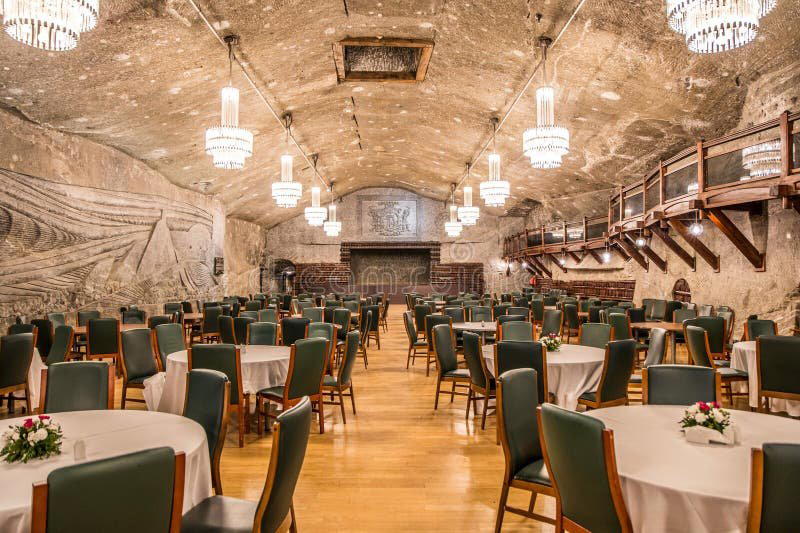
Bars in Berlin
Browse all →
Hotels in Berlin
Browse all →

At a Glance
- Cozy
- Lively
- Modern
- Casual Hangout
- Open Kitchen
- Terrace
- Extensive Wine List
- Local Sourcing
Current opening hours
- Monday
- 12–11 PM
- Tuesday
- 12–11 PM
- Wednesday
- 12–11 PM
- Thursday
- 12–10:30 PM
- Friday
- 12–11 PM
- Saturday
- 12–11 PM
- Sunday
- 12–10:30 PM
Hours can change for holidays and private events. Last verified .
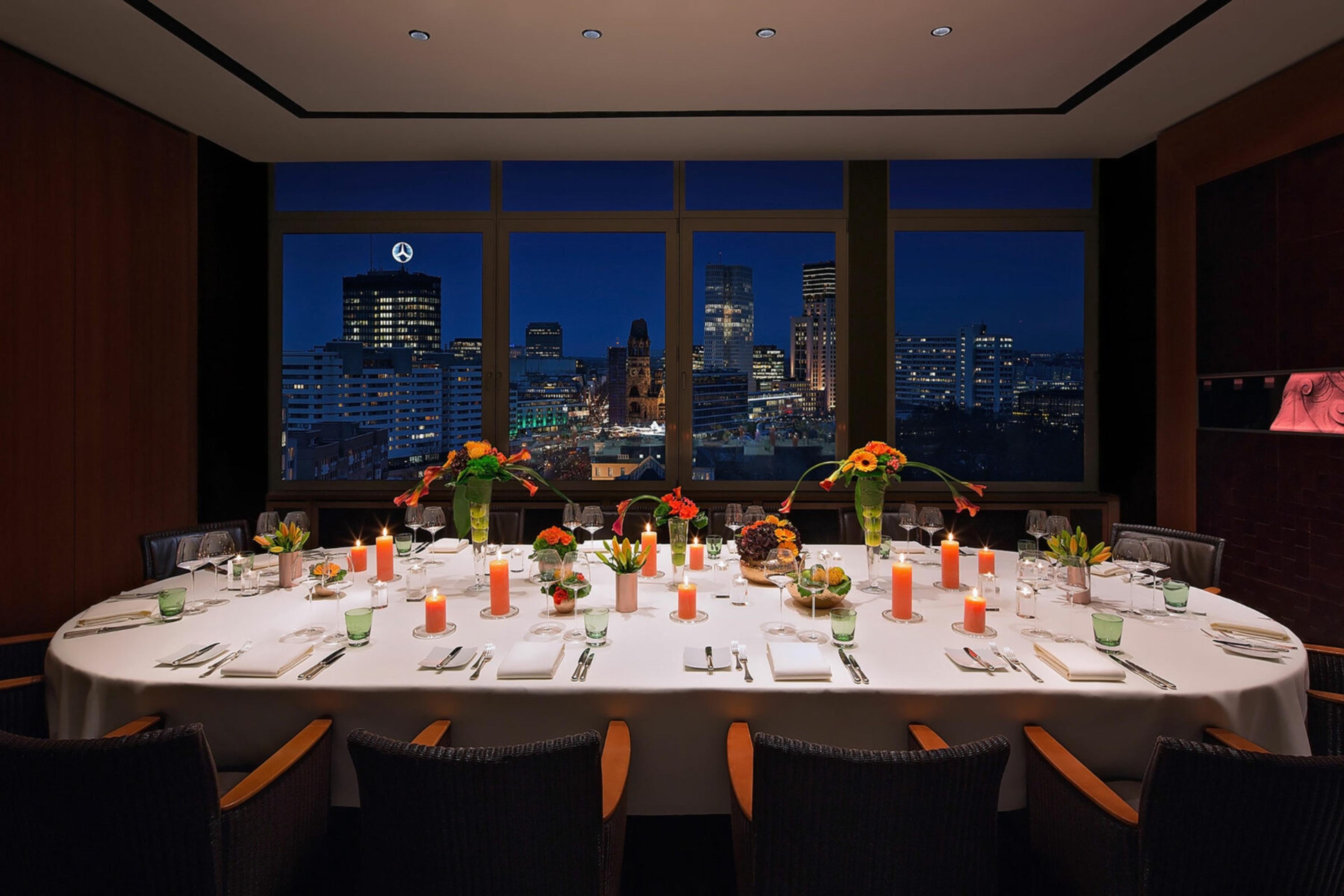
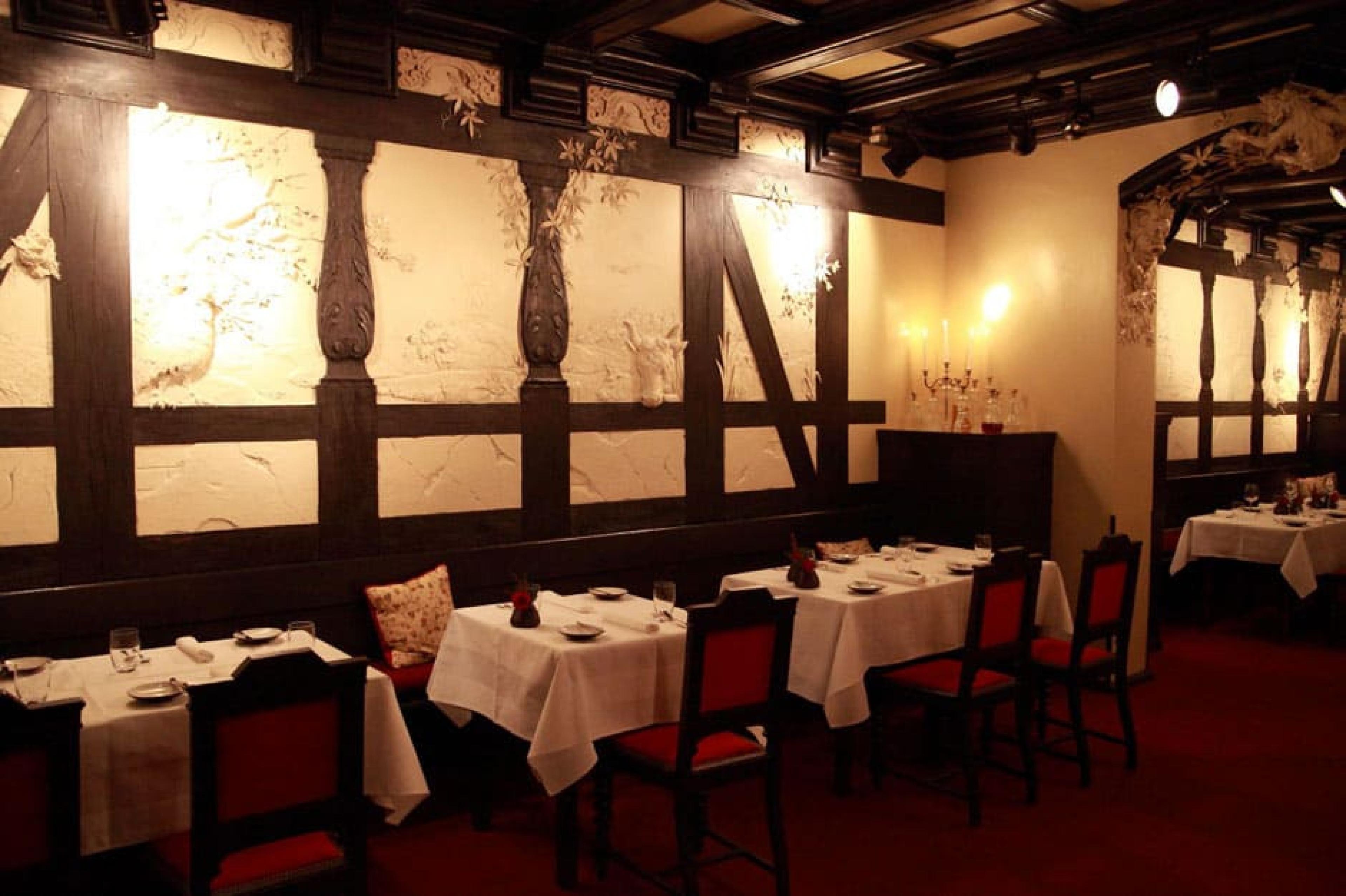
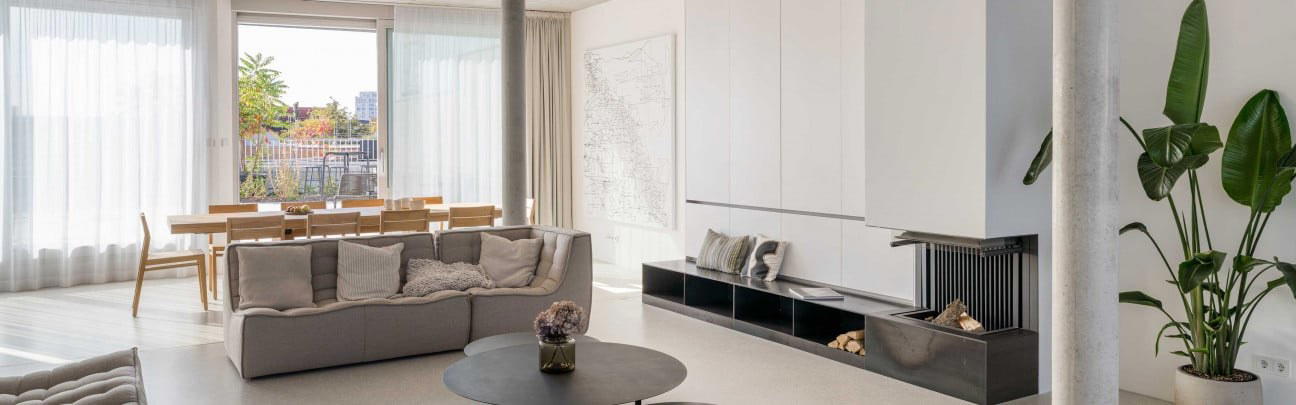
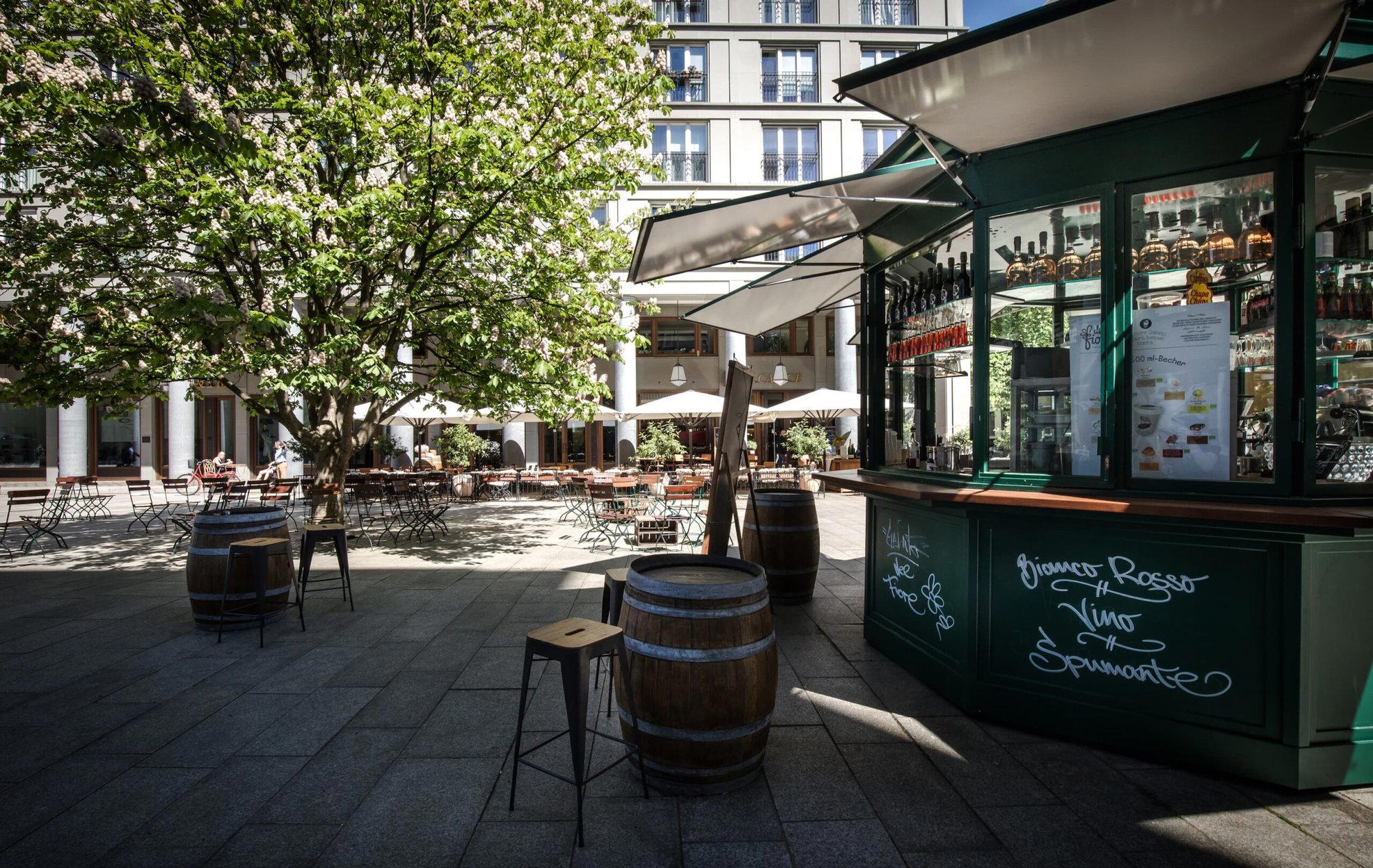
Relaxed and welcoming with two distinct areas: cozy COCOON and lively AMBER with warm, sociable lighting and energy.