Our verdict
Stock & Stein sits on Wühlischstraße in Berlin's Friedrichshain, a neighbourhood where the gap between rough-edged street life and serious cooking has narrowed considerably over the past decade. The address places it inside a local dining culture that prizes technique without ceremony, making it a reference point for understanding how Berlin's mid-tier restaurant scene has matured beyond its post-reunification informality.

Pearl is the En Primeur Club membership app, where members save venues, book tables and use the concierge.

Friedrichshain and the New Seriousness of Berlin's Neighbourhood Restaurants
There is a useful way to read Berlin's current restaurant scene: not through its Michelin-decorated addresses in Mitte or along the Kurfürstendamm, but through the quieter ambition accumulating in its eastern neighbourhoods. Friedrichshain, once defined almost entirely by its nightlife economy, has over the past several years produced a cluster of restaurants that treat cooking as a discipline rather than a backdrop. Wühlischstraße, the street where Stock & Stein occupies number 43, sits a short walk from the Boxhagener Platz market, in a stretch of the neighbourhood where independent cafés, natural wine bars, and ingredient-led kitchens have replaced the kebab-and-cocktail monoculture that dominated the early 2010s.
That geographical context matters. Restaurants in this part of Berlin compete on a different axis than the high-format dining rooms reviewed in Rutz or FACIL. The expectation here is not ceremony but consistency: the ability to deliver serious cooking in a room that doesn't ask the diner to dress for it. That is a harder balance to strike than it looks, and it defines the category Stock & Stein operates within.
Local Ingredients, Continental Technique
The editorial angle worth holding in Friedrichshain's better kitchens is the collision between what northern Germany produces and what European professional kitchens have spent decades learning to do with it. Brandenburg supplies some of Germany's most underrated agricultural output: wild boar, freshwater fish from the Spreewald, root vegetables that genuinely improve with the cold, late-season brassicas, and foraged mushrooms that appear on market stalls through October and November. The region's proximity to Poland also means an informal cross-border ingredient flow that rarely gets named on menus but shapes what cooks have access to.
This is the context in which the Nobelhart & Schmutzig model became so influential: a kitchen that made the sourcing logic explicit and built a menu architecture around it. That approach has filtered into a wider set of Berlin restaurants at lower price points, where the technique is European in training but the product is resolutely local. At its finest, this produces cooking that reads as grounded rather than derivative, the kind of food that makes sense when you understand what's growing an hour east of the city.
Stock & Stein's address in Friedrichshain places it inside that tendency. The name itself signals a kitchen orientation: stock, as in the base of serious cooking, and Stein, the German word for stone, suggesting weight and material directness. Whether that translates to a menu built around slow-cooked stocks and mineral-led ingredients is consistent with the neighbourhood's better kitchens, where umami patience and local sourcing are the two most reliable markers of intent.
How This Address Sits in the Berlin Dining Conversation
Berlin's fine dining tier is heavily documented: Restaurant Tim Raue's two Michelin stars and Asian-influenced precision, CODA Dessert Dining's creative dessert-led format, the rigorous localism of Nobelhart & Schmutzig. Below that tier, the city's mid-market is less systematically reviewed but arguably more interesting as an indicator of where serious cooking is actually spreading. Restaurants that can't rely on awards recognition to drive bookings have to deliver on the plate, every service, without the safety net of a Michelin star keeping the room full on quiet Tuesdays.
Wühlischstraße 43 puts Stock & Stein in a position to speak to that mid-market seriously. The street has enough foot traffic from the Boxhagener Platz weekend market to deliver casual walk-in trade, but the neighbourhood's evolving dining literacy means the kitchen is also cooking for guests who will notice the difference between a stock made in-house and one reconstituted from a packet. That dual audience is a useful pressure: it tends to produce kitchens that stay honest.
For readers calibrating this address against Germany's wider fine dining circuit, the reference points are instructive. Properties like Aqua in Wolfsburg, Schwarzwaldstube in Baiersbronn, or Victor's Fine Dining in Perl represent Germany's formal fine dining ceiling, operating with three Michelin stars and the full apparatus of luxury service. Stock & Stein is not in that conversation. It belongs to a different and arguably more socially useful layer: the neighbourhood restaurant that takes cooking seriously without requiring the diner to plan a destination trip or dress accordingly. Similarly, JAN in Munich, Schanz in Piesport, and Restaurant Haerlin in Hamburg each anchor their respective cities' mid-to-upper tier, showing how seriously regional German cooking has been taken beyond Berlin. Within the capital itself, the more instructive peer comparison is with addresses like Bagatelle in Trier or Vendôme in Bergisch Gladbach for understanding how German kitchen ambition disperses outside the major metropolitan centres.
Internationally, the technique-over-spectacle approach in neighbourhoods like Friedrichshain has parallels in New York's shift away from theatrical fine dining: Atomix and Le Bernardin both sustain serious technical programs without needing theatrical room design to justify the booking. Berlin's version of that restraint tends to be less polished and more materially direct, which is partly a function of the city's culture and partly a function of the economics of a neighbourhood like Friedrichshain.
Planning Your Visit
Stock & Stein is located at Wühlischstraße 43, 10245 Berlin, in Friedrichshain. The nearest U-Bahn stop is Samariterstraße on the U5 line, or Frankfurter Tor, also U5, with both providing a short walk to the address. Reservations: Dress: Friedrichshain operates without formal dress codes; neighbourhood standards lean casual. Budget: For broader planning across the city's restaurant options, see our full Berlin restaurants guide. Those extending beyond Berlin may also want to cross-reference ES:SENZ in Grassau and Waldhotel Sonnora in Dreis as data points for Germany's rural fine dining tier, which provides useful calibration for what the city's neighbourhood kitchens are working against.
Frequently asked questions
What's the must-try dish at Stock & Stein?
Do they take walk-ins at Stock & Stein?
How does Stock & Stein fit into Friedrichshain's dining scene compared to Berlin's Michelin-recognised restaurants?
Quick Comparison
Comparable venues nearby, for context on price, style, and recognition.
| Venue | Cuisine | Price | Awards | Notes |
|---|---|---|---|---|
| Stock & SteinThis venue (the venue you are viewing) | German Stone Grill Steakhouse | Not listed | Not listed | Not listed |
| Schalander Hausbrauerei | German Hausbrauerei with Flammkuchen | $20–30 | Not listed | Friedrichshain |
| Wiener Conditorei Caffeehaus | Viennese Bakery Café | $10–20 | Not listed | Grunewald |
| Gut Kerkow Bio-Metzgerei | Organic German Butcher Lunch | $10–20 | Not listed | Mitte |
| Diener Tattersall | Traditional Berlin Hausmannskost | $20–30 | Not listed | Charlottenburg |
| Ezsra | Modern Berlin Wine Bistro | $30–50 | Star Wine List · Falstaff Wine Bar - 87 Falstaff Points | Neukolln |
Stock & Stein
Featured Guides
Continue exploring
More in Berlin
Restaurants in Berlin
All restaurants in Berlin →
Bars in Berlin
All bars in Berlin →


Details
- Industrial
- Trendy
- Group Dining
- Casual Hangout
- Open Kitchen
- A La Carte
- Vegetarian Friendly
- Vegan Options
Current opening hours
- Monday
- Closed
- Tuesday
- 6–11 PM
- Wednesday
- 6–11 PM
- Thursday
- 6–11 PM
- Friday
- 6 PM–1 AM
- Saturday
- 6 PM–1 AM
- Sunday
- Closed
Hours can change for holidays and private events. Hours as of .
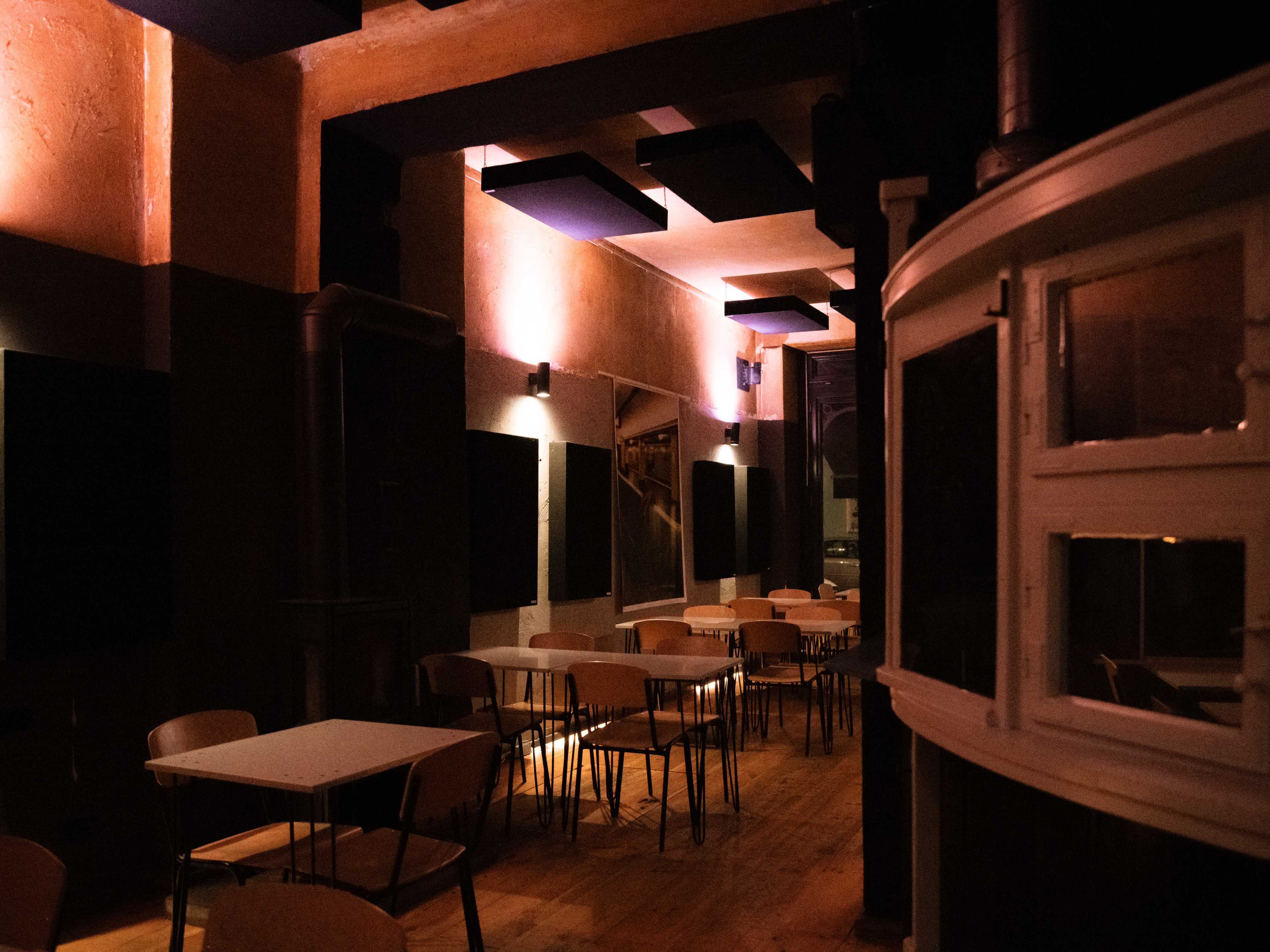
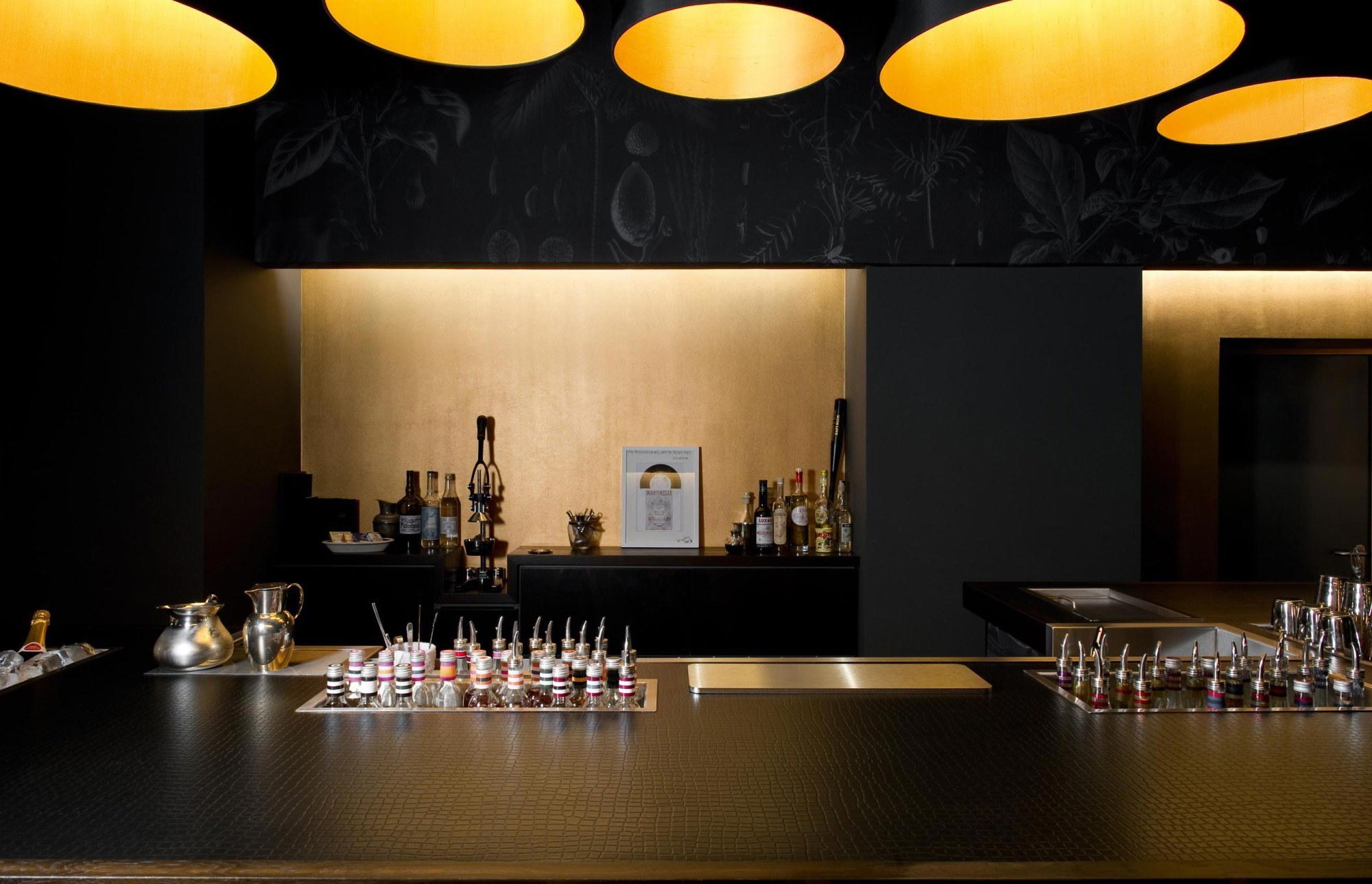
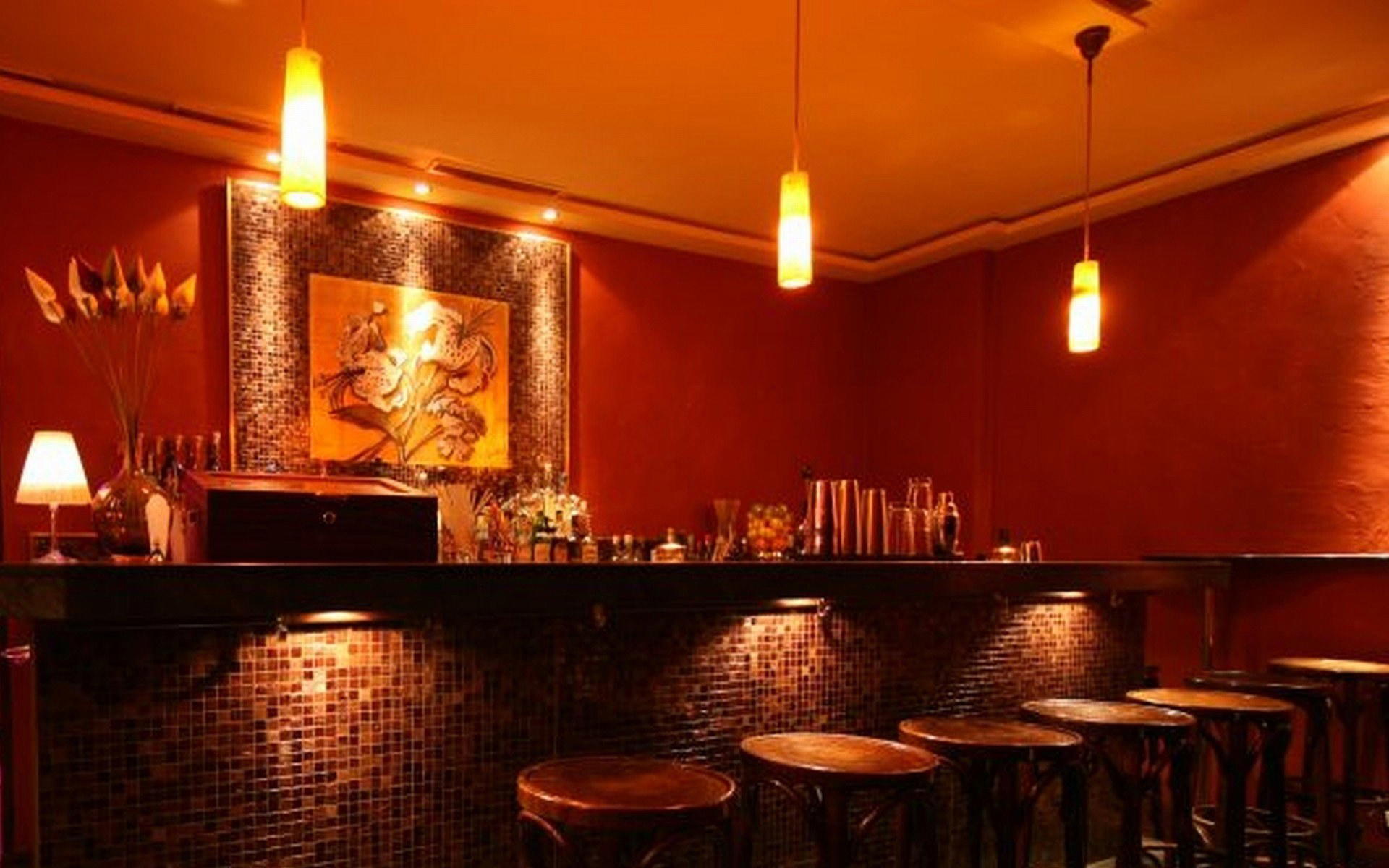
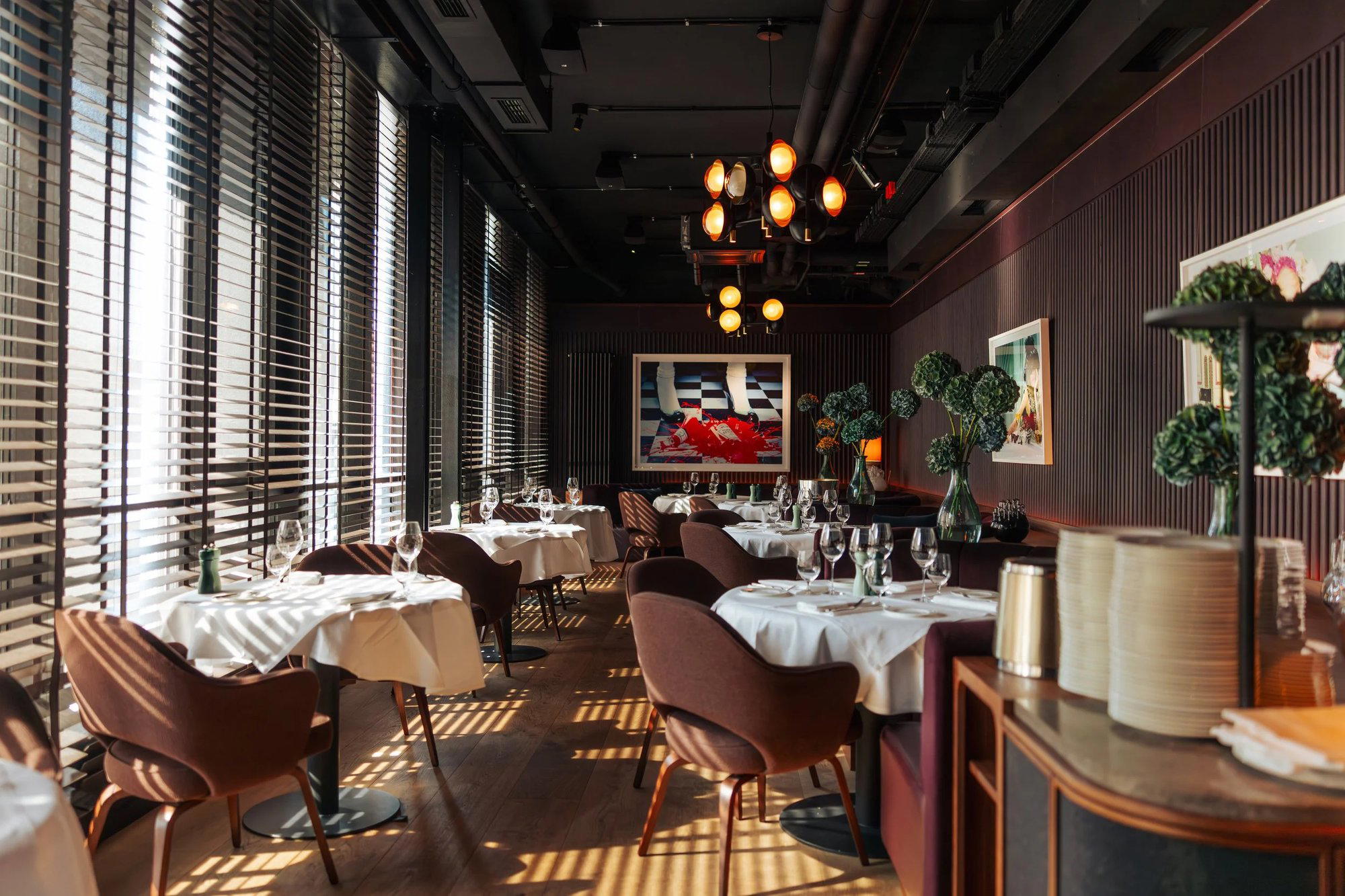
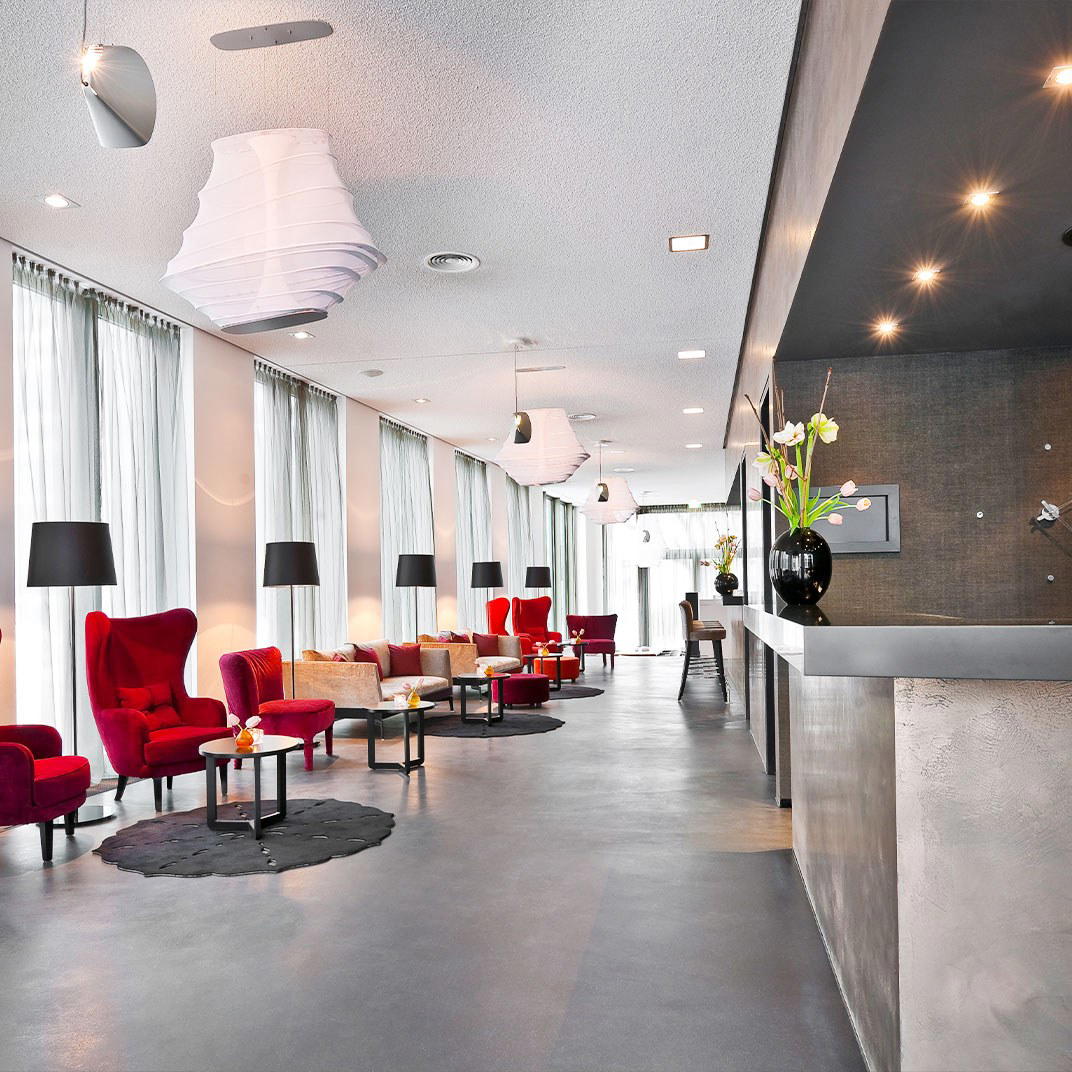
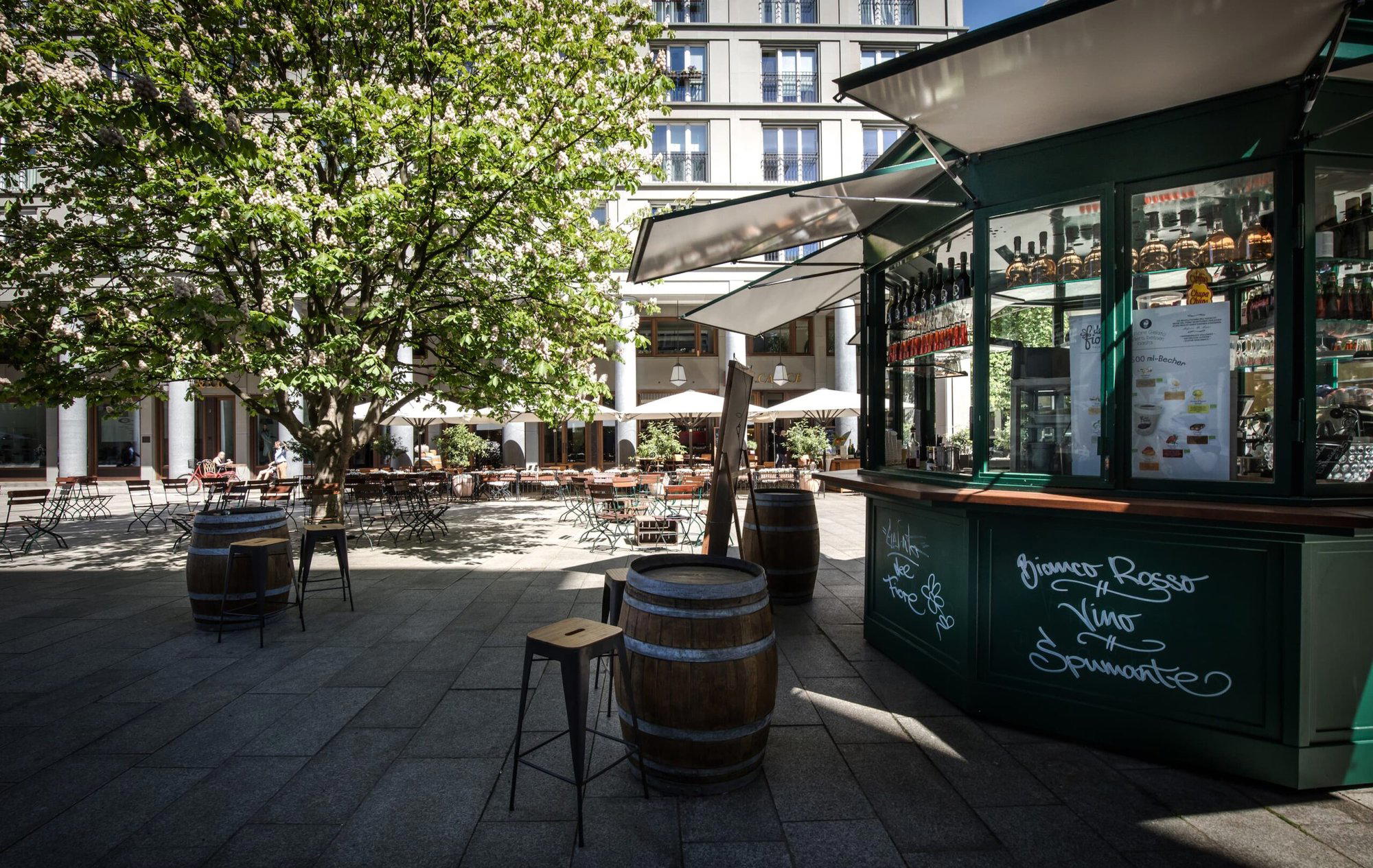
Lively atmosphere with a 1920s-style separate bar, suitable for groups and events in a trendy Friedrichshain setting.