Our verdict
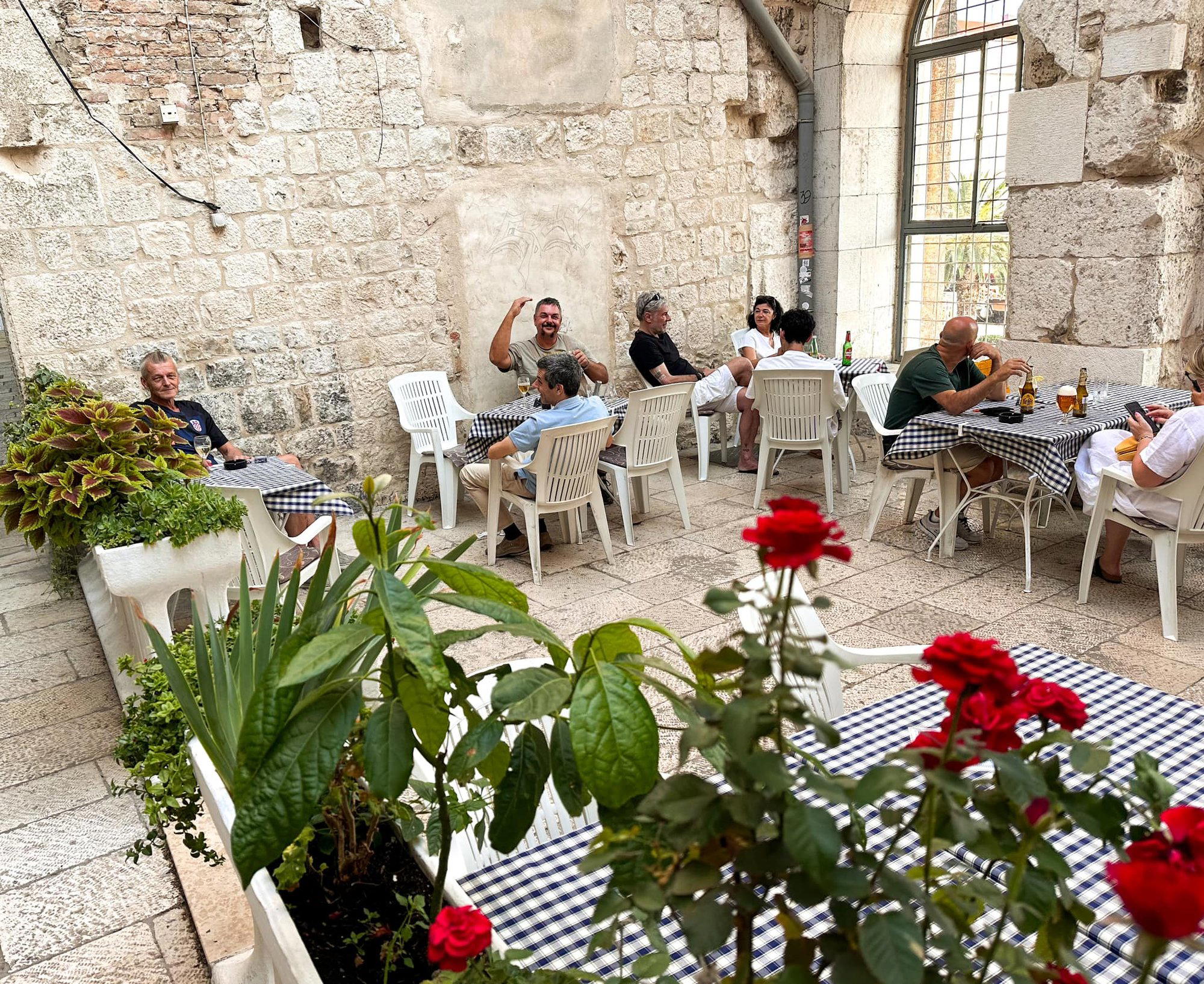
Konoba Bokun occupies a stone-walled address in Trogir's medieval core, serving the Dalmatian konoba tradition of simply prepared seafood and slow-cooked meat dishes. The format is direct: local catch, regional wine, and a setting shaped by centuries of the same cooking logic. For visitors working through the town's dining options, it represents the category's foundational register.

Pearl is the En Primeur Club membership app, where members save venues, book tables and use the concierge.
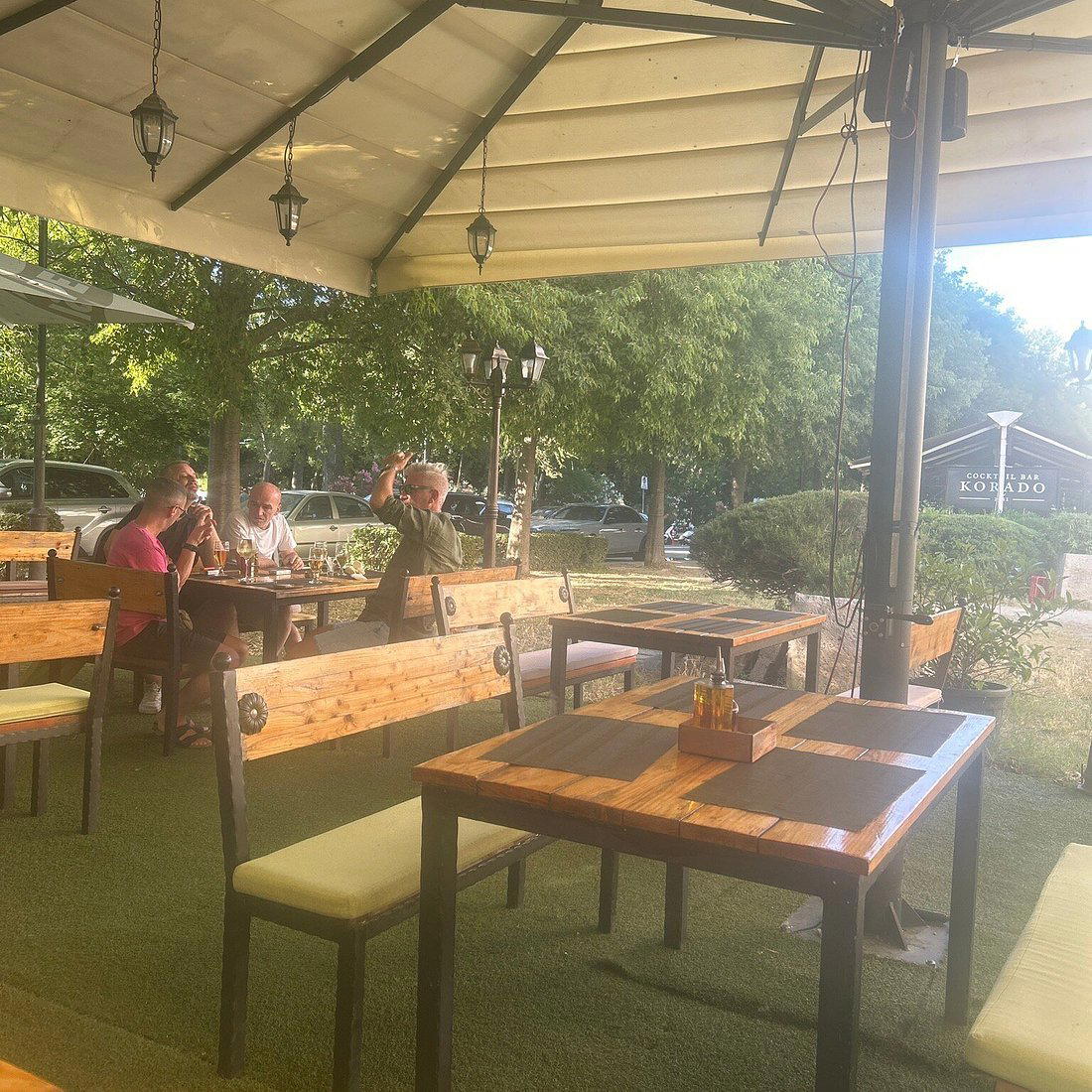
Stone Walls and Salt Air: The Konoba Tradition in Trogir
Trogir's old town is a UNESCO-listed island of limestone lanes and Romanesque facades, compact enough to cross in ten minutes but dense with the kind of architectural sediment that takes a millennium to accumulate. Within that fabric, the konoba sits as a specific institution: part tavern, part family dining room, descended from a coastal tradition of feeding fishermen and neighbours from whatever the Adriatic produced that morning. Konoba Bokun, on Ul. Hrvatskih mučenika, occupies this lineage without apology.
The konoba format across Dalmatia operates differently from the tourist-facing restaurants that cluster near ferry landings and cathedral squares. It prizes repetition over novelty: a short menu anchored to what the sea and the nearby hinterland supply, dishes that require hours of preparation but arrive without fanfare, and a room that looks largely the same whether you arrive in June or October. That consistency is the product, not an oversight. Across the Croatian coast, from the islands of Korčula to the port city of Šibenik, the strongest konobes hold their format across decades while the dining culture around them shifts.
Dalmatian Cooking as Cultural Document
Understanding what a konoba serves means understanding the geography that shaped it. The Dalmatian diet sits at the intersection of the Adriatic's fish-rich waters and a rocky limestone interior that favoured lamb, goat, slow-cooked beef, and wild herbs over the grain-heavy cuisines further north. The result is a cuisine built on patience: peka, the bell-shaped iron lid under which meat and vegetables braise for hours in their own fat and smoke; brodetto, the fisherman's stew that varies by port and by catch; prstaci, date mussels once harvested from coastal rocks and now protected; and grilled fish served with nothing more than olive oil, salt, and a wedge of lemon.
This is not food that benefits from elaboration. The contemporary Croatian dining scene has produced technically ambitious restaurants on both ends of the coast, from Agli Amici Rovinj in Rovinj to Restaurant 360 in Dubrovnik, and Michelin-recognised operations like Pelegrini in Šibenik and Nebo by Deni Srdoč in Rijeka that treat Dalmatian ingredients as raw material for a more international culinary conversation. The konoba occupies the opposite position in that hierarchy, and intentionally so. Its authority comes from faithfulness to method rather than innovation on top of it.
Where Bokun Sits in Trogir's Dining Structure
Trogir's restaurant set divides broadly into three registers. At the upper end, addresses like Franka and Il Ponte work a contemporary Mediterranean register at €€€ price points, with composed plating and a self-consciously modern sensibility. In the middle, places like Calebotta and ALKA occupy more varied terrain. Then there is the konoba tier, where Konoba Mirakul and Konoba Bokun operate from the same structural premise: traditional Dalmatian food in an unadorned setting, priced to reflect the format rather than the address.
For visitors who have already covered the contemporary end of the local dining scene, or who arrive specifically wanting the foundational register of Croatian coastal cooking, the konoba tier is where that experience lives. It also holds a practical advantage: the atmosphere inside a working konoba, with its stone walls and shared tables, delivers the sense of place that sleeker rooms can dilute.
Across the broader Croatian dining map, the contrast between konoba-format cooking and the fine dining tier is sharp. Properties like Boskinac in Novalja and LD Restaurant in Korčula operate at the intersection of local produce and international technique, while the interior Croatian tradition surfaces in places like Dubravkin Put in Zagreb and Korak in Jastrebarsko. Against that national panorama, the Dalmatian konoba represents the coast's most direct expression: technique that developed from necessity and geography, not from culinary influence imported from elsewhere.
For an account of the full dining range in the city, the EP Club Trogir restaurants guide maps all tiers and neighbourhoods. For points of comparison on technical ambition, Alfred Keller in Mali Lošinj and Krug in Split show where Croatian coastal cooking goes when chefs engage with the broader European fine dining conversation.
Planning Your Visit
Konoba Bokun is located at Ul. Hrvatskih mučenika 6 in Trogir's old town, reachable on foot from any point within the historic core in under five minutes. The old island is car-free, so access is by foot from the bridge connecting the old town to the mainland. Trogir itself is about 27 kilometres west of Split, served by regular local bus and accessible from Split Airport in under 30 minutes by road, making it a practical half-day or full-day stop from Split rather than a destination requiring overnight stay, though the town has accommodation of its own for those choosing to base here.
Phone and online booking details are not publicly listed for Konoba Bokun, and the konoba format in Dalmatia generally skews toward walk-in culture rather than advance reservation systems. In high summer, particularly July and August, when Trogir's pedestrian lanes fill with visitors, arriving early for lunch or before the main dinner wave is the practical approach for any konoba in the old town. Shoulder months, specifically May, June, and September, offer more room and a local clientele that tends to show up when tourist pressure eases.
Frequently asked questions
What's Konoba Bokun's location?
Konoba Bokun is located at Ul. Hrvatskih mučenika 6, 21220, Trogir, Croatia, Trogir.
Is Konoba Bokun suitable for a long, unhurried dinner in the Dalmatian style?
The konoba format in Dalmatia is specifically built around extended, course-by-course meals rather than quick service, making it well suited to an evening without a fixed endpoint. Trogir's old town setting at Ul. Hrvatskih mučenika 6 reinforces that pace: the surrounding limestone lanes are quieter after the day-trip crowds leave, which is when the city's konobe typically come into their own.
What do regulars order at Konoba Bokun?
At a konoba operating inside Trogir's historic core, the kitchen typically anchors its menu in the Dalmatian canon: grilled fish by weight, peka-cooked lamb or veal slow-roasted under a bell lid, and seasonal vegetable sides dressed in local olive oil. The peka dishes generally require advance notice of at least a few hours, so calling ahead or arranging with the venue when you arrive is standard practice across this category.
Do they take walk-ins at Konoba Bokun?
Konoba Bokun is located at Ul. Hrvatskih mučenika 6 in Trogir's old town, within the compact UNESCO-protected island where foot traffic peaks sharply in summer. Traditional konobe in this district tend to accommodate walk-ins outside peak season, but during July and August a same-day reservation, arranged in person or through your accommodation, is the more reliable approach.
What makes Konoba Bokun worth seeking out?
Trogir's dining scene splits between contemporary Mediterranean addresses and tourist-facing terrace restaurants; Konoba Bokun sits in neither camp, operating as a traditional konoba grounded in the stone-lane character of the UNESCO-listed old town at Ul. Hrvatskih mučenika 6. That positioning, neighbourhood-facing, cooking-led rather than concept-led, is increasingly scarce inside the historic core, where tourism pressure has pushed many kitchens toward broader, less specific menus.
Price and Recognition
Comparable venues nearby, for context on price, style, and recognition.
| Venue | Cuisine | Price | Awards | Notes |
|---|---|---|---|---|
| Konoba BokunThis venue (the venue you are viewing) | Dalmatian Mediterranean Seafood | $20–30 | Not listed | Not listed |
| ALKA | Traditional Dalmatian Mediterranean Seafood | $20–30 | Not listed | Old Town, Traditional Dalmatian Mediterranean Seafood |
| Konoba Mirakul | Traditional Dalmatian Seafood | $20–30 | Not listed | Trogir old town, Traditional Dalmatian Seafood |
| Konoba Toma | Traditional Dalmatian Seafood | $20–30 | Not listed | historic_center, Traditional Dalmatian Seafood |
| Konoba TRS | Mediterranean Fine Dining with Dalmatian Influences | $50–100 | Michelin Plate | Old Town Trogir, Mediterranean Fine Dining with Dalmatian Influences |
| Calebotta | Modern Dalmatian Mediterranean | $20–30 | Not listed | Old Town, Modern Dalmatian Mediterranean |
Continue exploring
More in Trogir
Restaurants in Trogir
All restaurants in Trogir →
Bars in Trogir
Browse all →

Details
- Rustic
- Cozy
- Scenic
- Family
- Casual Hangout
- Terrace
- Garden
- Local Sourcing
- Garden
- A La Carte
- Vegetarian Friendly
- Gluten Free Options
Current opening hours
- Monday
- 10 AM–12 AM
- Tuesday
- 10 AM–12 AM
- Wednesday
- 10 AM–12 AM
- Thursday
- 10 AM–12 AM
- Friday
- 10 AM–12 AM
- Saturday
- 10 AM–12 AM
- Sunday
- 10 AM–12 AM
Hours can change for holidays and private events. Hours as of .
Lovely garden setting surrounded by greenery with attentive service and relaxed atmosphere