
Michelin Plate
Our verdict
Restaurant Mare sits on the Trogir waterfront at Lučica 11, holding a Michelin Plate in both 2024 and 2025 while pricing at the accessible end of the town's dining tier. Its modern cuisine approach sets it apart from the traditional konoba format that dominates the old town, making it a reference point for contemporary cooking within a UNESCO-listed medieval setting.

Pearl is the En Primeur Club membership app, where members save venues, book tables and use the concierge.
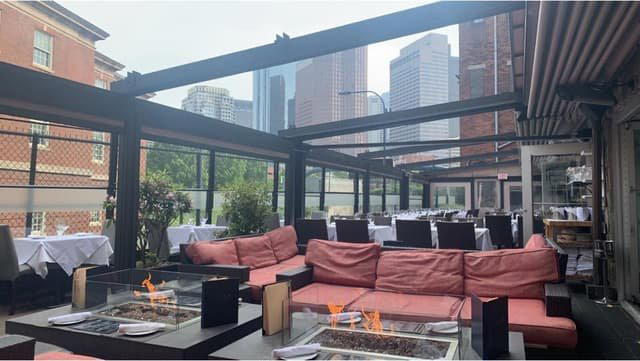
Stone Walls, Open Water, Modern Plate
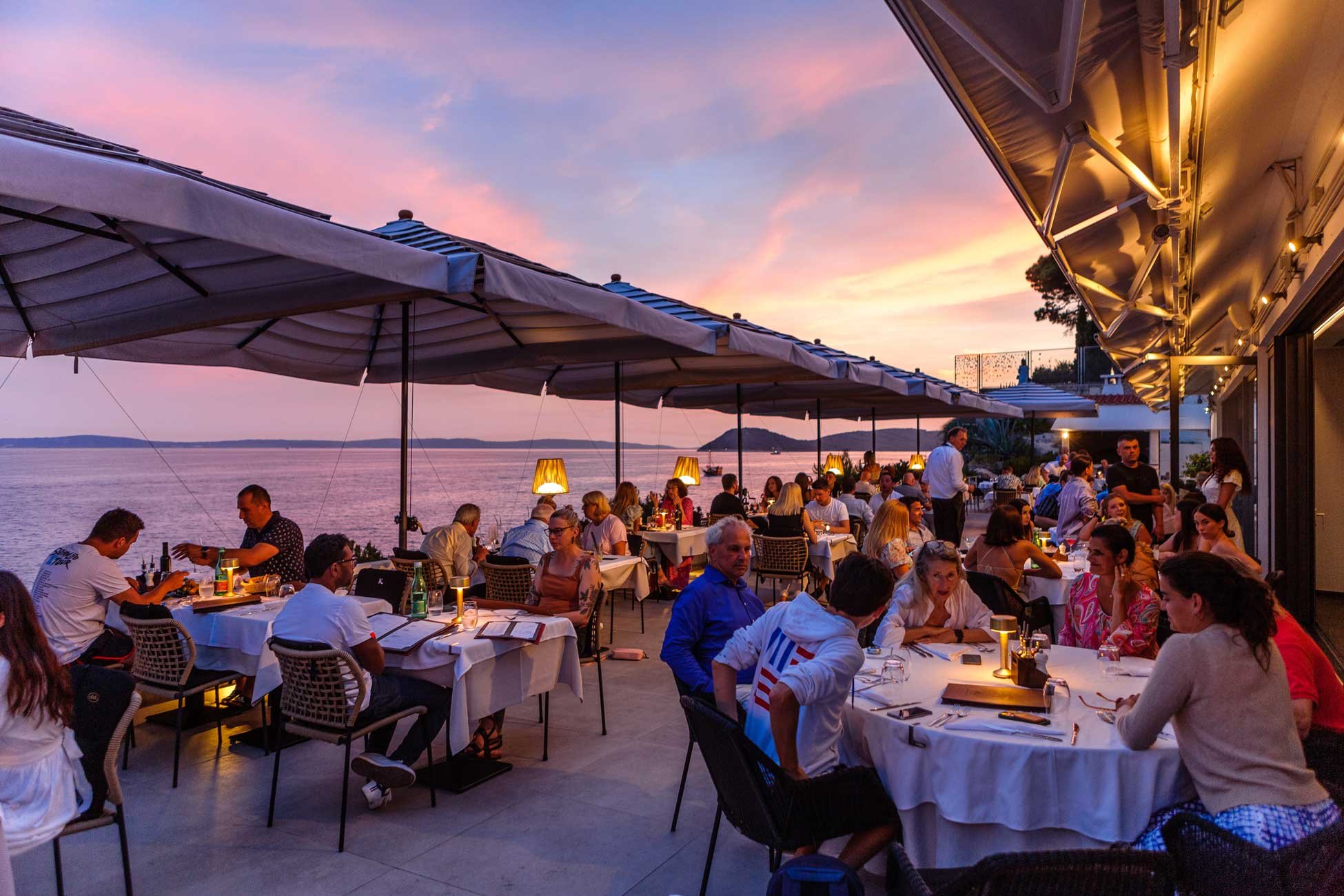
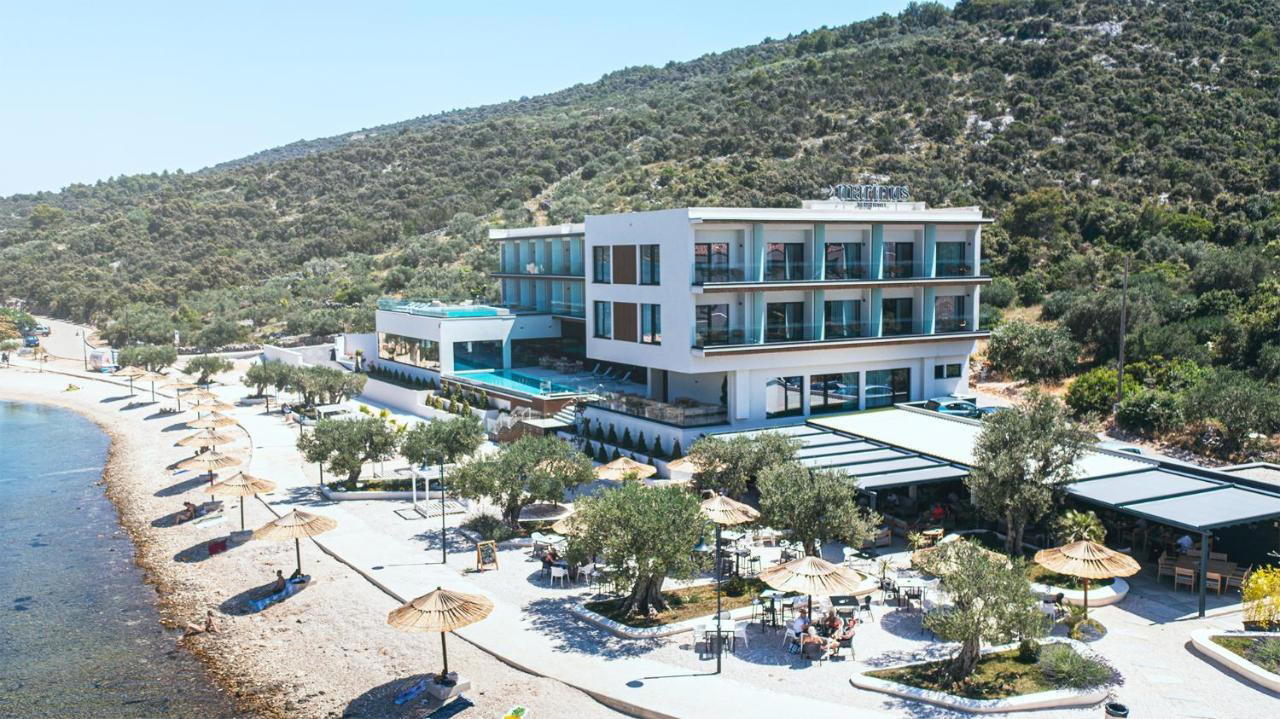
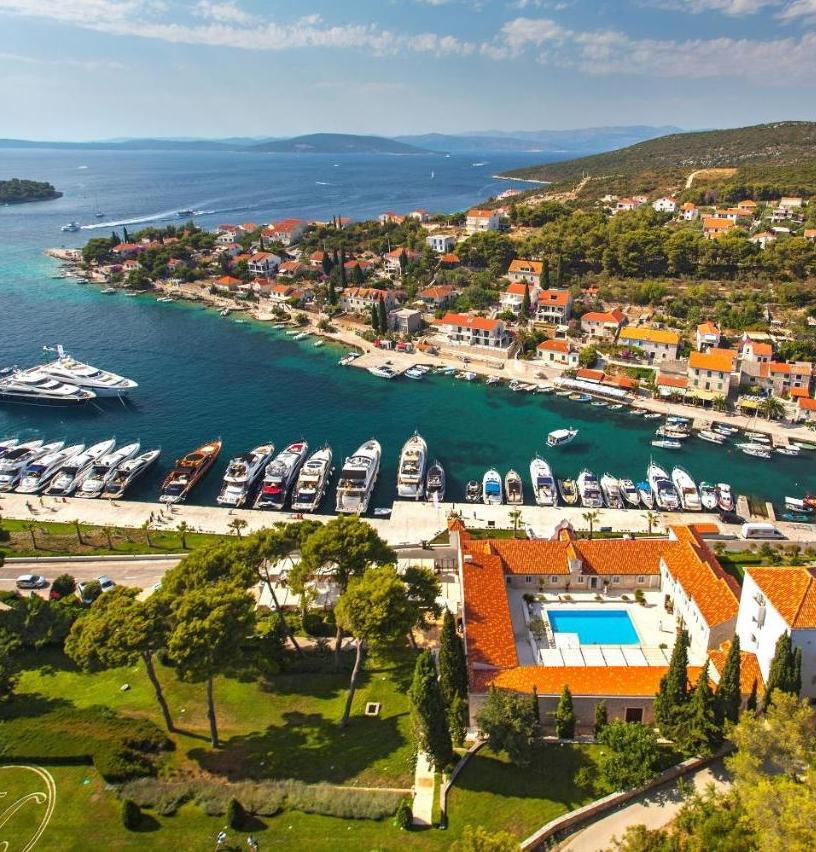
Trogir's old town sits on a small island connected to the mainland by a short bridge, its medieval streetplan largely unchanged since Venetian rule. Dining here carries a specific spatial logic: the leading tables are either deep inside limestone alleys or hard against the sea wall, and the choice between them shapes the entire experience before a dish arrives. Restaurant Mare, addressed at Lučica 11, occupies the waterfront side of that equation, where the Adriatic light in the early evening moves from white to amber across the harbour and the noise of the old town softens into something closer to background texture.
That physical setting matters because it frames what Mare is attempting. Trogir's dining scene divides fairly cleanly between traditional konoba kitchens, which lean on grilled fish, peka-roasted meats, and local Dalmatian wine lists, and a smaller tier of restaurants applying modern technique to similar Adriatic ingredients. Mare sits in the latter group, holding a Michelin Plate for 2024 and retaining it through 2025, a signal that the Michelin inspectors regard the kitchen as operating at a consistent standard worth noting, even if not yet at star level.
Where Mare Sits in Trogir's Competitive Set
Pricing at the €€ tier, Restaurant Mare positions itself a bracket below the higher-spend options in Trogir. Franka, Il Ponte, and Konoba TRS all operate at €€€, making Mare the more accessible entry point into serious cooking within the town. That price gap is not trivial in a destination where tourist-facing restaurants frequently over-charge for mediocre output. The Michelin Plate at the €€ level suggests the kitchen is generating genuine value relative to its price point, rather than coasting on location.
The cuisine classification, modern, signals a departure from strict regional tradition. Dalmatian cooking at its core is product-led and lightly intervened: fresh fish from the Adriatic, olive oil from the islands, local herbs, and stone-oven technique. Modern cuisine in this context typically means a kitchen applying contemporary plating, sauce work, and possibly some non-local technique to that same raw material base.
For context on how Croatian coastal restaurants at the Michelin Plate level operate across the region, Krug in Split and LD Restaurant in Korčula offer comparable reference points along the Dalmatian coast. Further afield, Boskinac in Novalja and Alfred Keller in Mali Lošinj represent the island-based interpretation of serious Croatian cooking, while Agli Amici Rovinj in Rovinj and Nebo by Deni Srdoč in Rijeka show how the Istrian and Kvarner coasts approach the same tier differently. Inland, Dubravkin Put in Zagreb and Korak in Jastrebarsko illustrate how continental Croatian cooking diverges from the coastal model entirely.
The Place as Context for the Plate
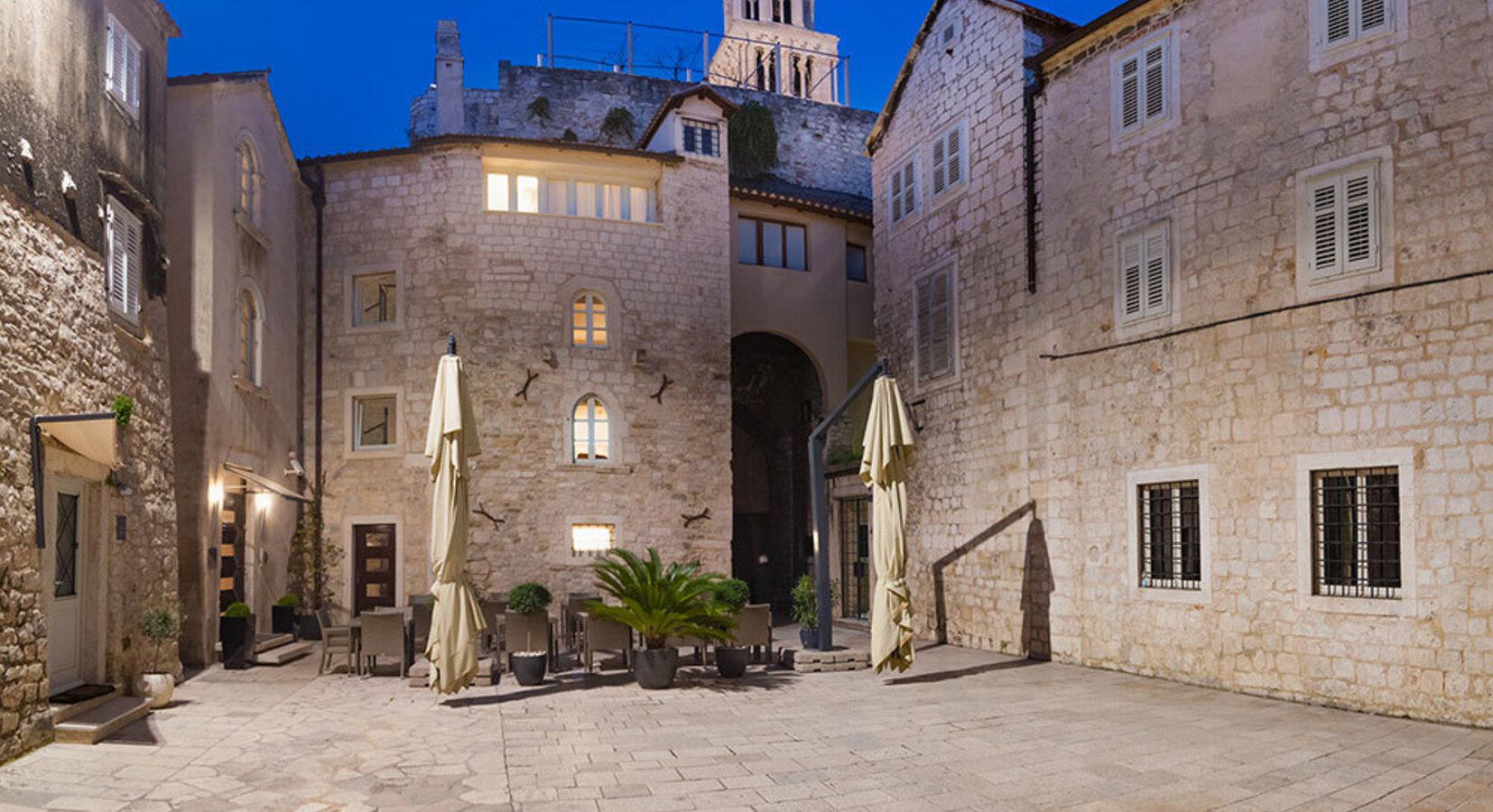
Trogir's UNESCO World Heritage status means the built environment is heavily protected and largely resistant to the kind of glossy renovation that transforms dining rooms in younger cities. Restaurants here work within stone buildings, narrow doorways, and low ceilings or they work outside, on terraces that press against the sea wall or spill into small squares. The effect on dining is more than aesthetic: it produces a specific sense of unhurried time, reinforced by the absence of through-traffic and the steady rhythm of boats in the harbour.
Mare's address on Lučica puts it on the southern edge of the island, the water-facing strip that draws the most foot traffic in summer but thins out considerably in the shoulder months of April, May, September, and October. Those quieter periods are when the dynamic between kitchen and diner shifts most perceptibly. Peak summer in Trogir means a high proportion of one-visit tourists making decisions under the influence of heat and impulse; the shoulder season brings a slower, more deliberate guest who is more likely to have booked ahead and more likely to be engaged with what the kitchen is doing.
For practical planning: Trogir is accessible from Split Airport in roughly 30 minutes by road, which makes it a viable destination for a dedicated dinner even for guests based in Split proper. The town is small enough that Lučica 11 is reachable on foot from any point within the old town in under ten minutes. Booking ahead is advisable in July and August, when harbour-side tables across all price tiers tend to fill early in the evening.
How Mare Compares Beyond Croatia
The Michelin Plate is a credential worth contextualizing. It does not indicate star-level cooking, but it does place a restaurant inside Michelin's editorial view, meaning inspectors have visited, assessed, and found consistent quality. In markets like Stockholm or Dubai, the Plate can sit beneath a crowded field of starred restaurants; in a compact medieval town like Trogir, it carries more relative weight simply because the field is smaller. For comparison, Frantzén in Stockholm and FZN by Björn Frantzén in Dubai represent the far end of what modern cuisine achieves in highly competitive markets, which helps calibrate what the Plate means in a different competitive environment.
Mare is not competing in those fields. It is competing for the attention of a traveller who has arrived in one of the Adriatic's most architecturally compelling small towns and wants to eat well without defaulting to whichever konoba has the most aggressive street presence. For that reader, a consecutively held Michelin Plate at the middle price tier is a clear signal.
For a broader view of where to eat and stay in the area, see our full Trogir restaurants guide, our full Trogir hotels guide, our full Trogir bars guide, our full Trogir wineries guide, and our full Trogir experiences guide.
Practical Details
Restaurant Mare is at Lučica 11, 21220 Trogir, Croatia. The price tier is €€, which places it below the €€€ bracket occupied by most of the town's other recognised restaurants.
Frequently asked questions
Is Restaurant Mare a family-friendly restaurant?
At €€ pricing, Mare sits a bracket below most of Trogir's other Michelin-recognised options, making it accessible for a mixed-age table without the formality of higher-spend venues. The modern cuisine format is relaxed enough for families, though it is not a dedicated children's menu operation. Its Lučica 11 waterfront address also gives younger diners an open, outdoor-adjacent setting that softens any sense of occasion.
What should I expect atmosphere-wise at Restaurant Mare?
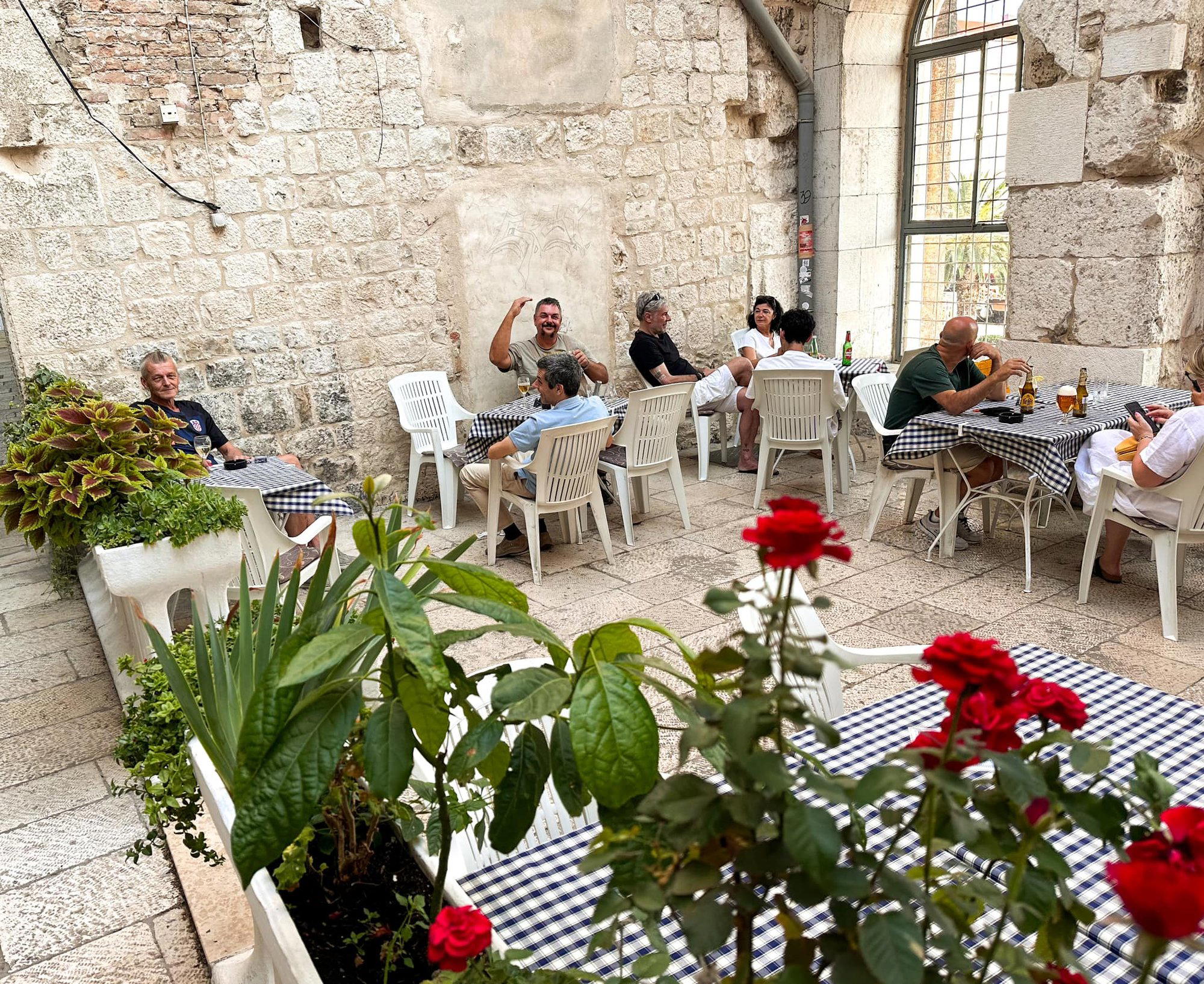
The physical context does a great deal of the work here: Lučica 11 places the restaurant within Trogir's UNESCO-protected old town, where medieval stonework and Adriatic water are the backdrop rather than interior design choices. The €€ price tier suggests a setting that is comfortable and considered rather than ceremonial. Arrive expecting an atmosphere shaped by the town itself as much as by anything specific to the room.
What distinctions does Restaurant Mare have?
Restaurant Mare has received recognition including: Michelin Plate (2025); Michelin Plate (2024).
What do people recommend at Restaurant Mare?
Given the modern cuisine designation, ordering around the catch of the day or the kitchen's current seasonal proteins is the standard approach at this tier in coastal Croatia.
| Venue | Cuisine | Price | Awards | Notes |
|---|---|---|---|---|
| Restaurant MareThis venue (the venue you are viewing) | Modern Seafood Fine Dining | Not listed | Michelin Plate | Not listed |
| Franka | Contemporary Mediterranean | $50–100 | Michelin Plate | Mediterranean Cuisine |
| Il Ponte | Contemporary Mediterranean | $50–100 | Michelin Plate | Contemporary |
| Konoba TRS | Mediterranean Fine Dining with Dalmatian Influences | $50–100 | Michelin Plate | Mediterranean Cuisine |
Recognition history
Dated appearances from independent guides and award organizations, with the underlying list record or original source where available.
Michelin Plate
Michelin · 2026 Michelin Plate
Full recognition history (3 entries)
Michelin Plate
Michelin
Michelin Plate
Michelin
Continue exploring
More in Trogir
Restaurants in Trogir
All restaurants in Trogir →
Bars in Trogir
Browse all →

Details
- Intimate
- Elegant
- Romantic
- Cozy
- Date Night
- Special Occasion
- Courtyard
- Tasting Menu
- A La Carte
- Vegetarian Friendly
- Vegan Options
Relaxed and intimate atmosphere in a pretty stone courtyard patio, well-suited for summer dining with professional and welcoming service.