Our verdict
ALKA occupies a quiet address in Trogir's old town, where Dalmatian ingredient sourcing and the rhythms of the Adriatic coast shape what arrives at the table. The restaurant sits within a dining scene that rewards those who move past the harbour-front terraces and into the stone-walled streets behind the cathedral. For visitors who want to eat in step with the season and the territory, ALKA is worth finding.

Pearl is the En Primeur Club membership app, where members save venues, book tables and use the concierge.
The menu
What to order
- Scampi risotto
- Pašticada
- Grilled fish
Stone Streets and What Grows Behind Them
Trogir's UNESCO-listed old town is small enough to cross in ten minutes, yet its dining scene divides sharply between the waterfront terraces aimed at passing ferry traffic and a quieter inland tier that serves a different kind of visitor. ALKA sits on Ul. Blaženog Augustina Kažotića, a street that runs behind the main cathedral square and belongs firmly to the second category. Arriving here on foot, the drop in ambient noise from the promenade is immediate. The stone facades close in, the crowds thin, and the logic shifts from spectacle to neighbourhood.
That physical separation from the harbour is not incidental. Across Dalmatia, the restaurants that have built the most durable reputations tend to operate slightly off the tourist axis, where the pressure to produce approximations of local cooking for undiscriminating audiences is lower. ALKA operates in that tradition, on a street where the pedestrian rhythm belongs to people with a destination in mind rather than those still deciding.
The Sourcing Logic of the Dalmatian Coast
Central Dalmatia's ingredient geography is among the more compelling in the Mediterranean. The Adriatic yields bream, dentex, sea bass, and a rotating cast of shellfish depending on season and depth. The hinterland behind Split and Trogir produces olive oil from centuries-old groves, sheep cheese in styles that vary village to village, and lamb raised on rocky karst pasture that gives the meat a distinct mineral quality absent from lowland alternatives. Fig, pomegranate, capers from the islands, and dried figs from the Neretva valley round out a larder that requires very little augmentation to produce food of genuine character.
In this context, the most informative question you can ask about any Dalmatian restaurant is not what they cook, but where they source. A kitchen that works directly with fishing boats out of Trogir or Kaštela bay is operating on a fundamentally different ingredient timeline than one drawing from the wholesale market in Split. The difference lands on the plate as texture and sweetness in fish that has been out of the water for hours rather than days. ALKA's location within Trogir's old town places it within easy reach of both the local fish market and the producers who supply the town's more serious kitchens.
Broader Dalmatian dining patterns, documented across the restaurant scene from Pelegrini in Sibenik to LD Restaurant in Korčula, show a consistent emphasis on provenance as the primary editorial statement. The cooking style tends to frame, rather than transform, the ingredient. Grilling over wood or charcoal, slow braising, olive oil used with confidence rather than restraint, and the occasional incursion of Italian technique that reflects centuries of Venetian influence. It is a cuisine built on restraint and raw material, which means sourcing is where quality is either won or lost before the kitchen even begins.
How ALKA Sits Within Trogir's Dining Tier
Trogir's restaurant options, for a town of its size, span a surprisingly wide range. On the contemporary end, Il Ponte and Franka both operate at the €€€ price point with Mediterranean and contemporary menus pitched at visitors who want something beyond the standard grilled-fish format. At the konoba end, Konoba Bokun and Konoba Mirakul hold the more traditional ground, where the cooking is tied closely to local practice and the setting is deliberately unfussy. Calebotta adds another point of reference within the town.
ALKA's address in the old town's interior places it in the company of kitchens that rely on word of mouth and repeat visitors rather than walk-in harbour traffic. In a small city where genuine restaurant density is limited, that positioning carries weight. The restaurants that succeed off the main drag do so because the food makes the walk worthwhile. For the broader context of what the Trogir dining scene offers and how to plan around it, our full Trogir restaurants guide maps the options by tier and style.
The Croatian Adriatic as a Reference Point
Trogir's fine dining conversations sit within a wider Croatian coastal scene that has grown considerably in ambition over the past decade. Further north along the coast, Nebo by Deni Srdoč in Rijeka and Agli Amici Rovinj in Rovinj operate at a Michelin-recognised level. In the islands, Alfred Keller in Mali Lošinj and Boskinac in Novalja have established that Croatian island cooking can carry serious culinary intent. Inland, Korak in Jastrebarsko and Dubravkin Put in Zagreb show the continental register. In Split itself, Krug operates at the sharper end of the city's dining offer. At the southern end of the coast, Restaurant 360 in Dubrovnik has long anchored that city's premium tier.
The cumulative picture is of a national dining scene that now generates genuine reference points rather than merely competent regional cooking. Trogir, 27 kilometres west of Split and directly on the route between Split airport and the northern Dalmatian coast, sits at a crossroads in this geography. Its restaurants benefit from proximity to Split's supply infrastructure while operating at a smaller scale that keeps sourcing relationships tight.
Planning a Visit
Trogir's old town is pedestrianised, and ALKA's address on Ul. Blaženog Augustina Kažotića 15 is reachable on foot from the main bridge in a few minutes. The summer season runs from May through September, when the town's population swells and tables at any serious restaurant require advance planning. Arriving in May or October puts you in Trogir during shoulder season, when ingredient quality remains high, the pace is slower, and the competitive pressure on tables eases. For those driving from Split airport, Trogir is roughly 25 minutes west, making it a natural first or last stop on a Dalmatian itinerary. Booking ahead is advisable during the core summer months; contact details should be confirmed directly, as phone and online booking availability can change seasonally.
Frequently asked questions
Can I bring kids to ALKA?
Trogir's old town dining scene generally accommodates families, particularly at earlier sittings before peak evening service. ALKA sits on Ul. Blaženog Augustina Kažotića 15, a quieter interior street away from the busier waterfront terraces, which makes the setting calmer than most tourist-facing options in the area. For families, arriving before 7pm gives the most flexibility.
What is the atmosphere like at ALKA?
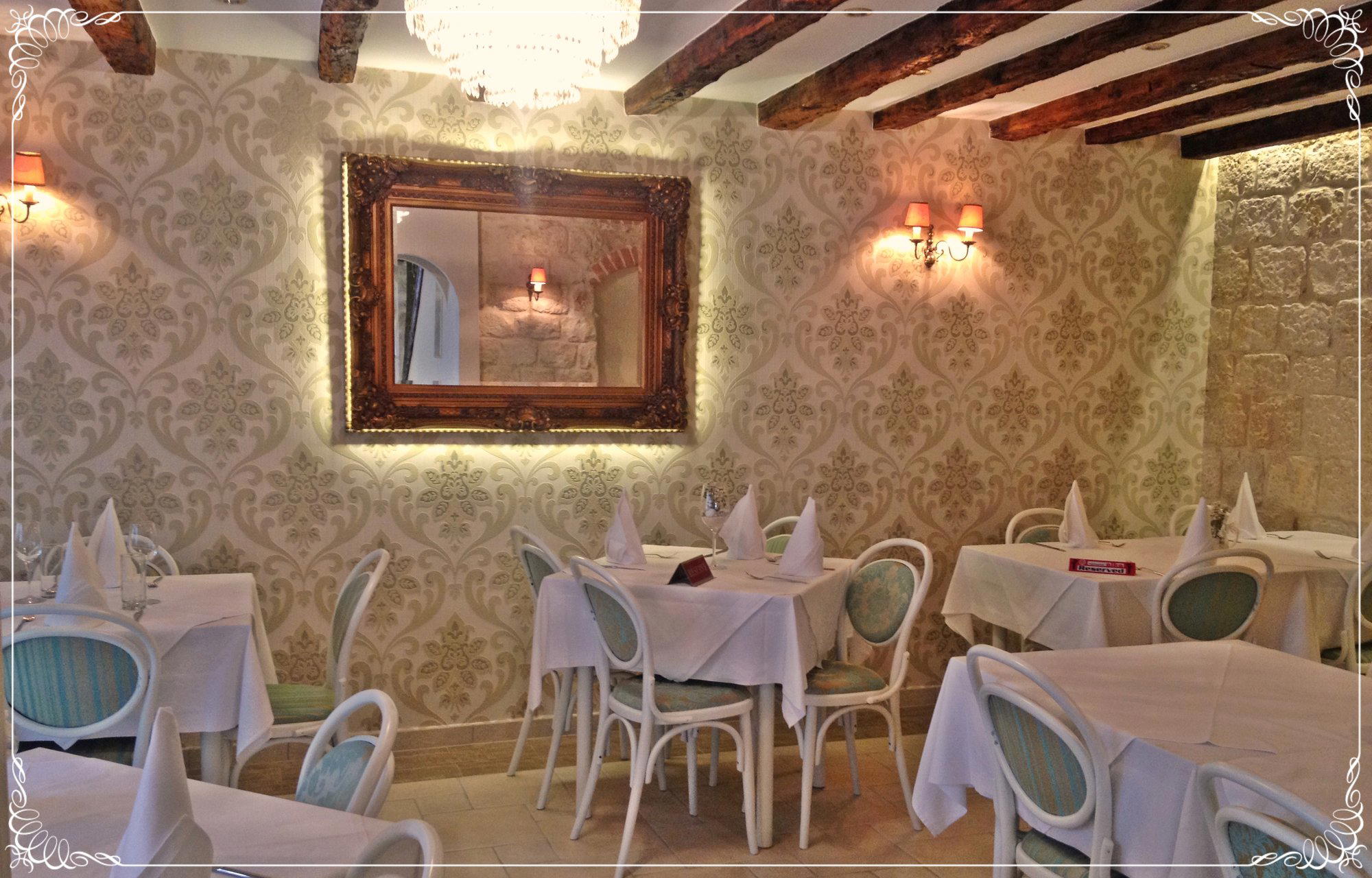
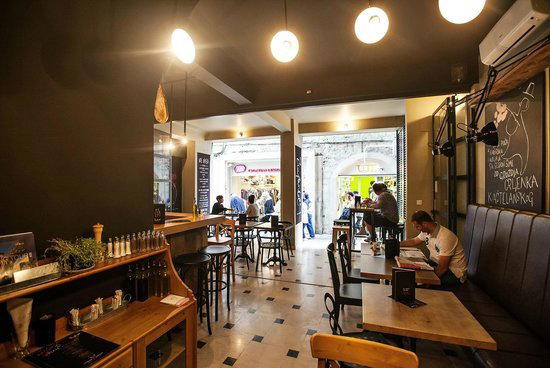
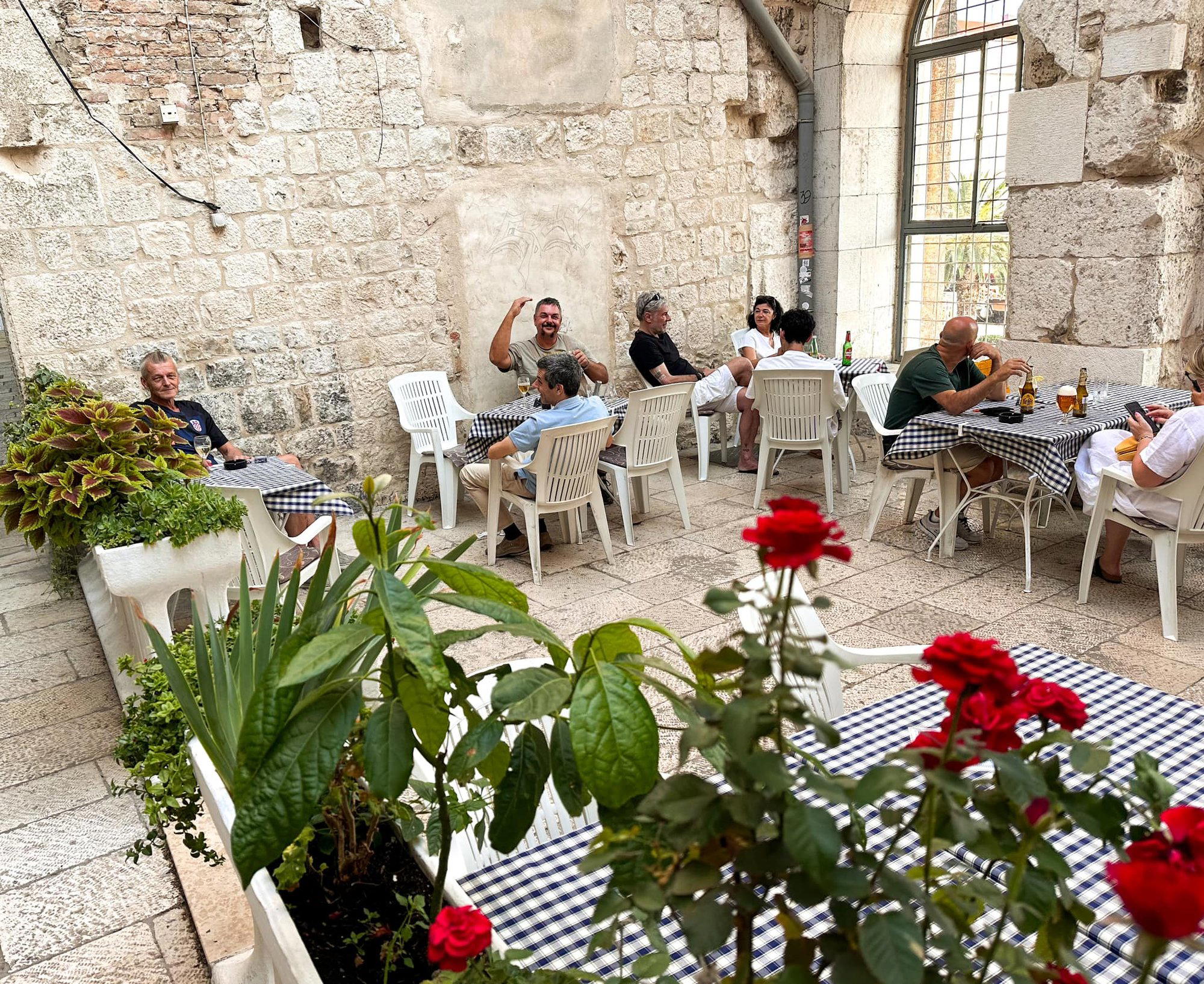
ALKA's address on a quiet interior street of Trogir's UNESCO-listed old town shapes the experience from the moment you arrive. The surrounding architecture is pale Dalmatian limestone, built densely enough that the streets stay cool and shaded even in summer. This part of the old town sees far less foot traffic than the waterfront promenade, giving meals here a noticeably different pace. The setting reads as considered rather than casual.
How does ALKA compare to other restaurants in Trogir's old town?
Trogir's restaurant options divide between waterfront terraces oriented toward passing tourist trade and a smaller set of interior addresses with more deliberate cooking. ALKA's position on Ul. Blaženog Augustina Kažotića 15, away from the main promenade, places it in the latter category alongside contemporaries such as Il Ponte and Franka, which operate at the more considered end of the town's dining range. For a town of its size within the Splitsko-dalmatinska region, that interior tier represents a meaningfully different proposition from the harbour-facing options.
What's the best thing to order at ALKA?
Along the Dalmatian coast, the reliable editorial principle is to order whatever was caught or harvested closest to where you are sitting. Central Dalmatia's Adriatic waters yield bream, dentex, and sea bass with a regularity that makes locally sourced fish the reference point for any serious meal in Trogir.
Comparison Snapshot
Comparable venues nearby, for context on price, style, and recognition.
| Venue | Cuisine | Price | Awards | Notes |
|---|---|---|---|---|
| ALKAThis venue (the venue you are viewing) | Traditional Dalmatian Mediterranean Seafood | $20–30 | Not listed | Not listed |
| Konoba Toma | Traditional Dalmatian Seafood | $20–30 | Not listed | historic_center |
| Konoba Mirakul | Traditional Dalmatian Seafood | $20–30 | Not listed | Trogir old town |
| Franka | Contemporary Mediterranean | $50–100 | Michelin Plate | old city center |
| Konoba Bokun | Dalmatian Mediterranean Seafood | $20–30 | Not listed | Trogir |
| Konoba TRS | Mediterranean Fine Dining with Dalmatian Influences | $50–100 | Michelin Plate | Old Town Trogir |
ALKA
Featured Guides
Continue exploring
More in Trogir
Restaurants in Trogir
All restaurants in Trogir →
Bars in Trogir
Browse all →

Details
- Cozy
- Classic
- Intimate
- Date Night
- Family
- Group Dining
- Terrace
- Extensive Wine List
- A La Carte
- Vegetarian Friendly
- Vegan Options
- Gluten Free Options
Current opening hours
- Monday
- 10 AM–11:30 PM
- Tuesday
- 10 AM–11:30 PM
- Wednesday
- 10 AM–11:30 PM
- Thursday
- 10 AM–11:30 PM
- Friday
- 10 AM–11 PM
- Saturday
- 10 AM–11:30 PM
- Sunday
- 10 AM–11:30 PM
Hours can change for holidays and private events. Hours as of .
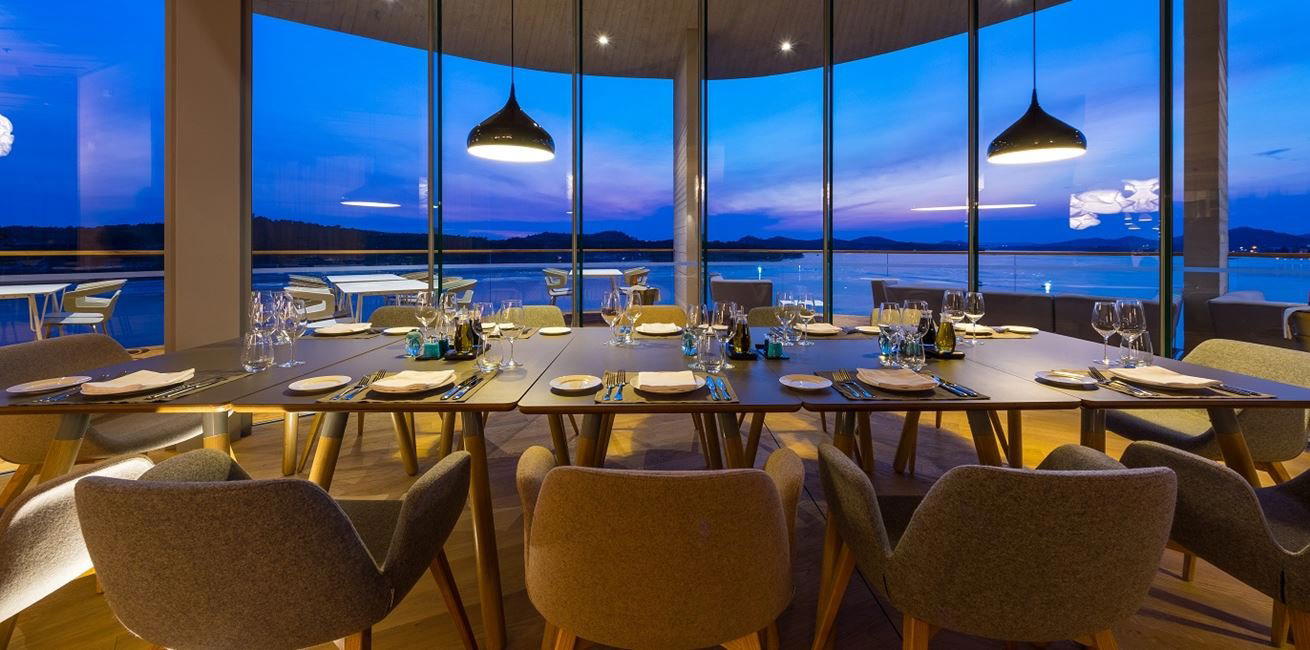
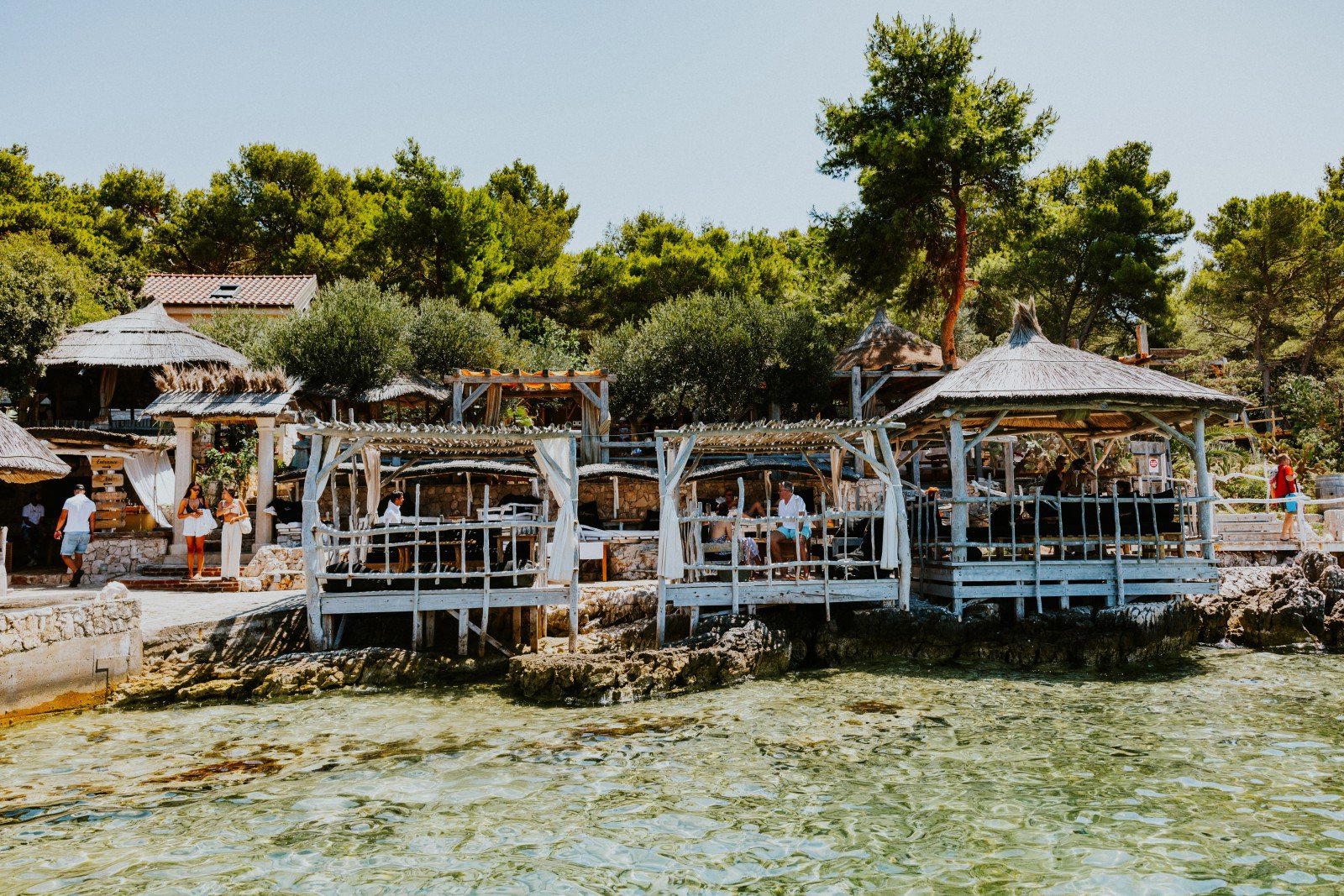
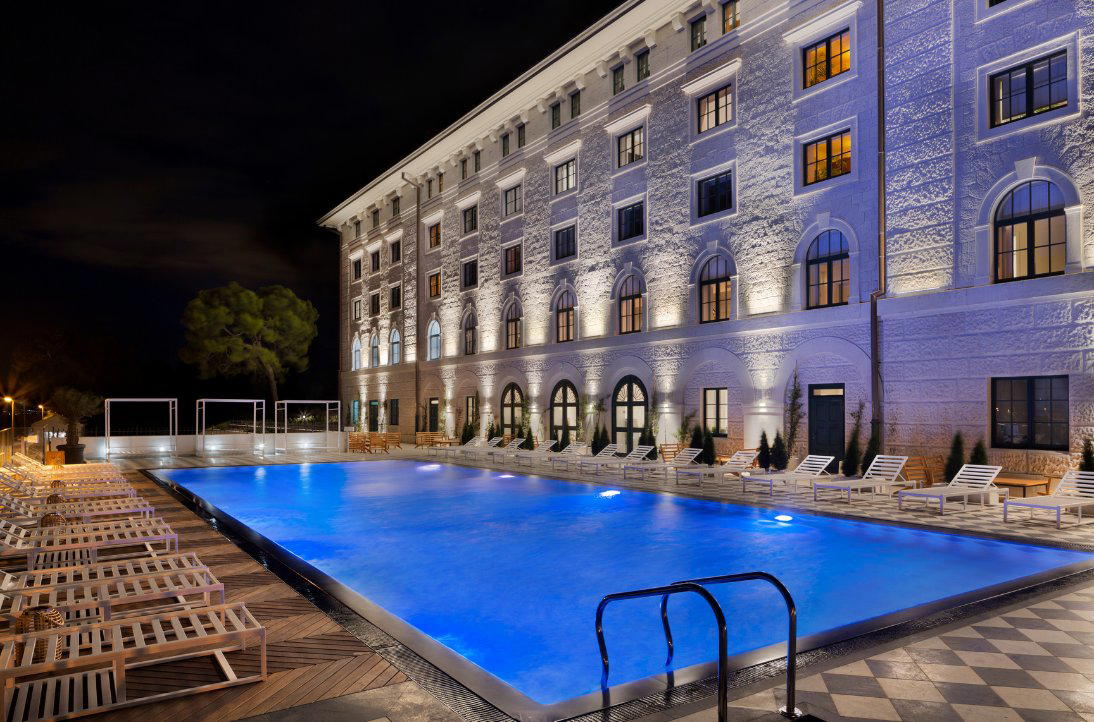
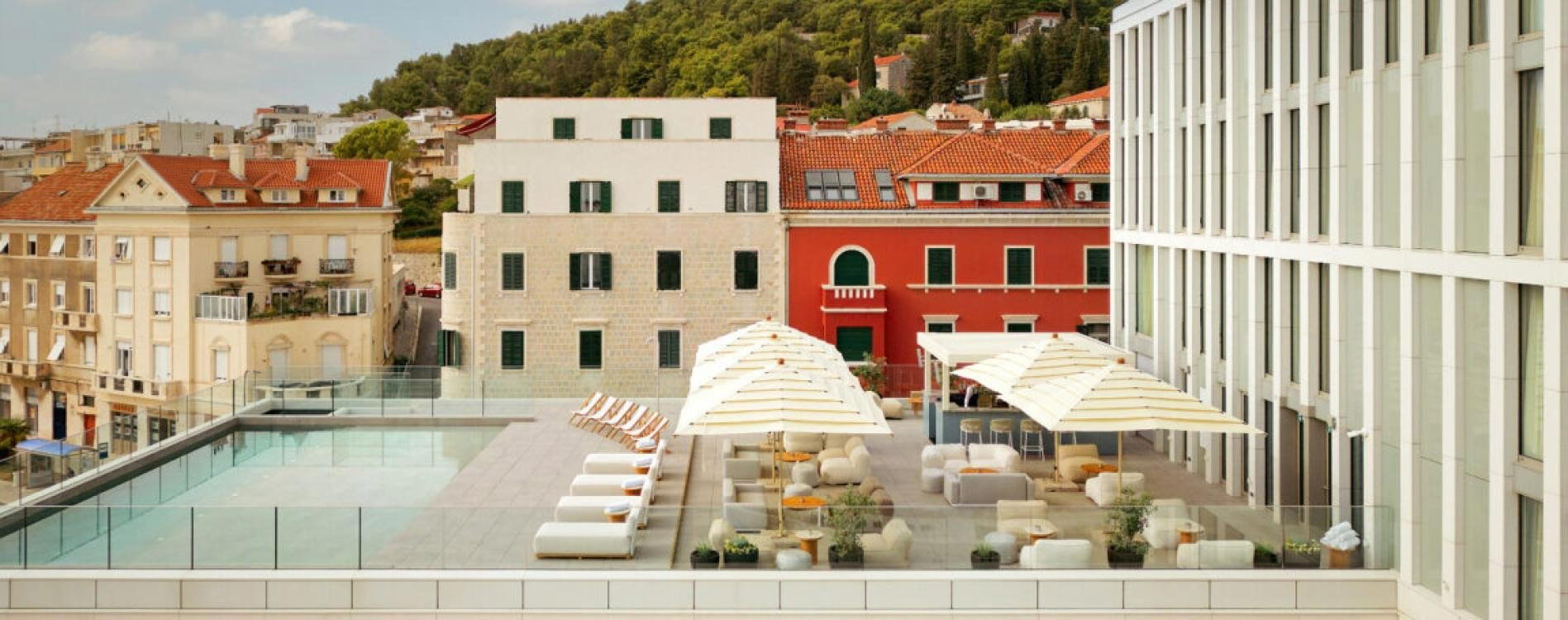
Cozy and inviting with a lovely rooftop terrace and garden courtyard, offering a quiet and picturesque setting praised for its warm, family-run vibe.