Our verdict
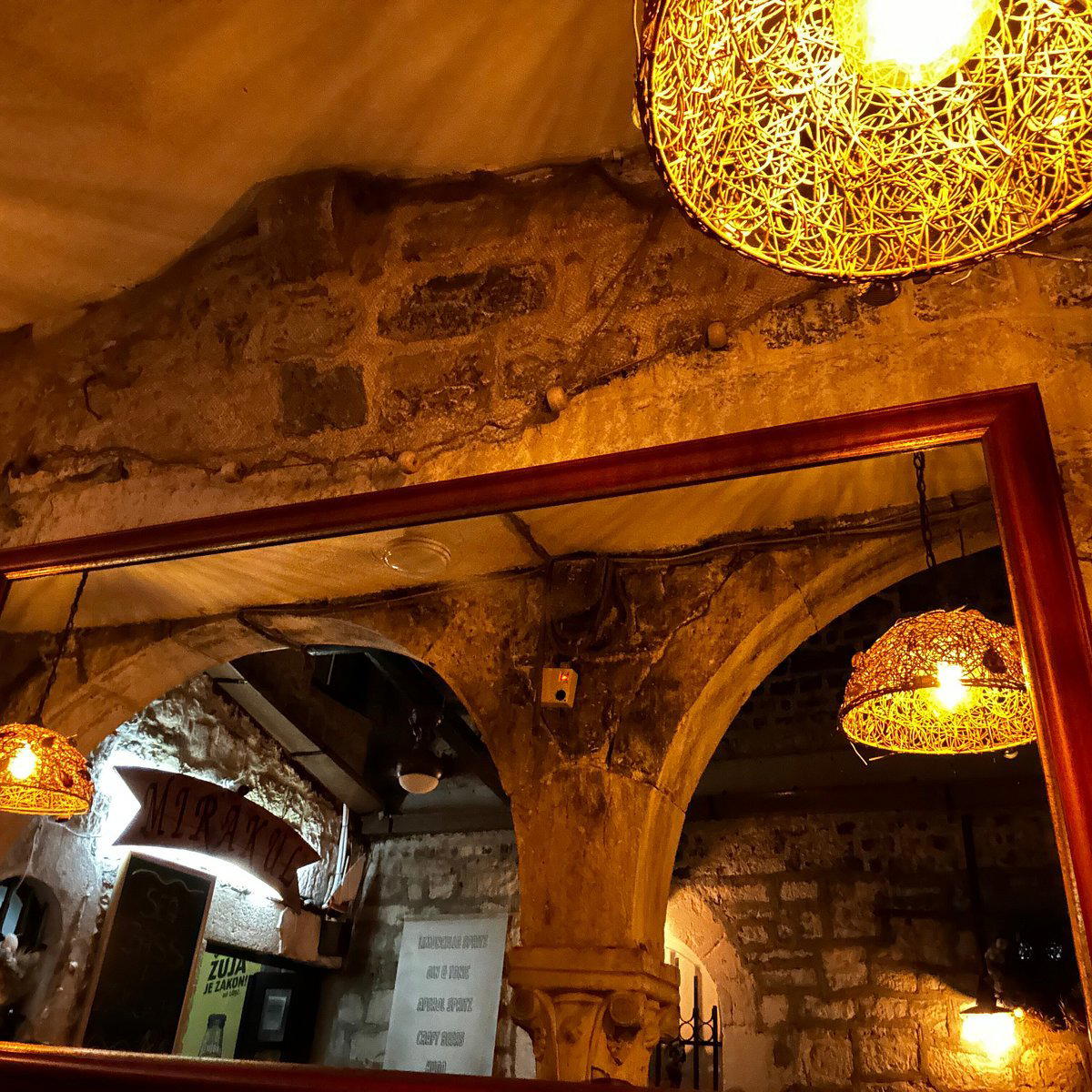
Konoba Mirakul fits Trogir’s old-town konoba tradition: compact, stone-lined, and better understood through Dalmatia’s market-and-coast cooking than through chef-led theatrics. Its appeal sits in the local grammar of grilled seafood, olive oil, seasonal vegetables, and simple meat dishes, with the city’s pedestrian lanes shaping the experience as much as the plate.

Pearl is the En Primeur Club membership app, where members save venues, book tables and use the concierge.
The menu
What to order
- Lamb ispod peke
- Grilled squid
- Octopus stew
- Cuttlefish risotto
Approaching Gradska ul. in Trogir means leaving the waterfront rhythm for tighter stone lanes, where restaurant rooms tend to be small, close, and built around the practical habits of Dalmatian eating rather than spectacle. Konoba Mirakul belongs to that register: an old-town konoba setting where the point is not a grand dining room or a named chef narrative, but the local equation of fish, oil, wine, vegetables, and the day’s pace.
Trogir’s restaurant scene is shaped by geography before ambition. The UNESCO-listed old town sits between Split’s larger dining economy and the island-and-coast food culture of central Dalmatia, so the better meals here usually read as coastal Croatian rather than cosmopolitan Mediterranean. That means grilled seafood, black risotto, octopus, shellfish, soups, stews, and meats handled with a directness that suits stone streets and warm evenings. In that context, Konoba Mirakul is not competing with tasting-menu restaurants; it sits in the konoba lane, where sourcing, cooking restraint, and a room’s sense of place matter more than elaborate format.
Dalmatian sourcing is the real frame, not chef theatre
The useful way to read a Trogir konoba is through ingredients. Central Dalmatia’s cooking has always been a negotiation between what comes from the Adriatic, what grows in rocky hinterland soil, and what can be prepared without burying the raw material. Olive oil, chard, potatoes, tomatoes, capers, garlic, rosemary, local fish, squid, mussels, and slow-cooked meat dishes do much of the work. The better version of this cooking is not minimalist for fashion reasons; it is minimalist because too much interference makes the ingredient less convincing.
That is why the konoba category remains important in Trogir. It gives visitors a way into Croatian coastal food without turning dinner into a lecture on technique. The format is also more forgiving than a formal seafood house: groups can order across hot and cold starters, grilled fish, pasta or risotto, meat, and wine without committing to a fixed sequence. For travellers comparing old-town options, ALKA, Calebotta, Franka (Mediterranean Cuisine), and Il Ponte (Contemporary) help map the range between traditional Dalmatian, Mediterranean polish, and more contemporary intent.
Konoba Mirakul’s strongest editorial argument is therefore category fit. It occupies the part of Trogir dining where the city’s food culture is legible without ceremony. There are no listed awards, no published chef identity, and no formal price band, which places the burden on the fundamentals: the konoba setting, the location inside the old town, and the expectation of Croatian coastal cooking driven by market availability rather than a signature-dish economy.
Where it sits in Trogir's old-town dining map
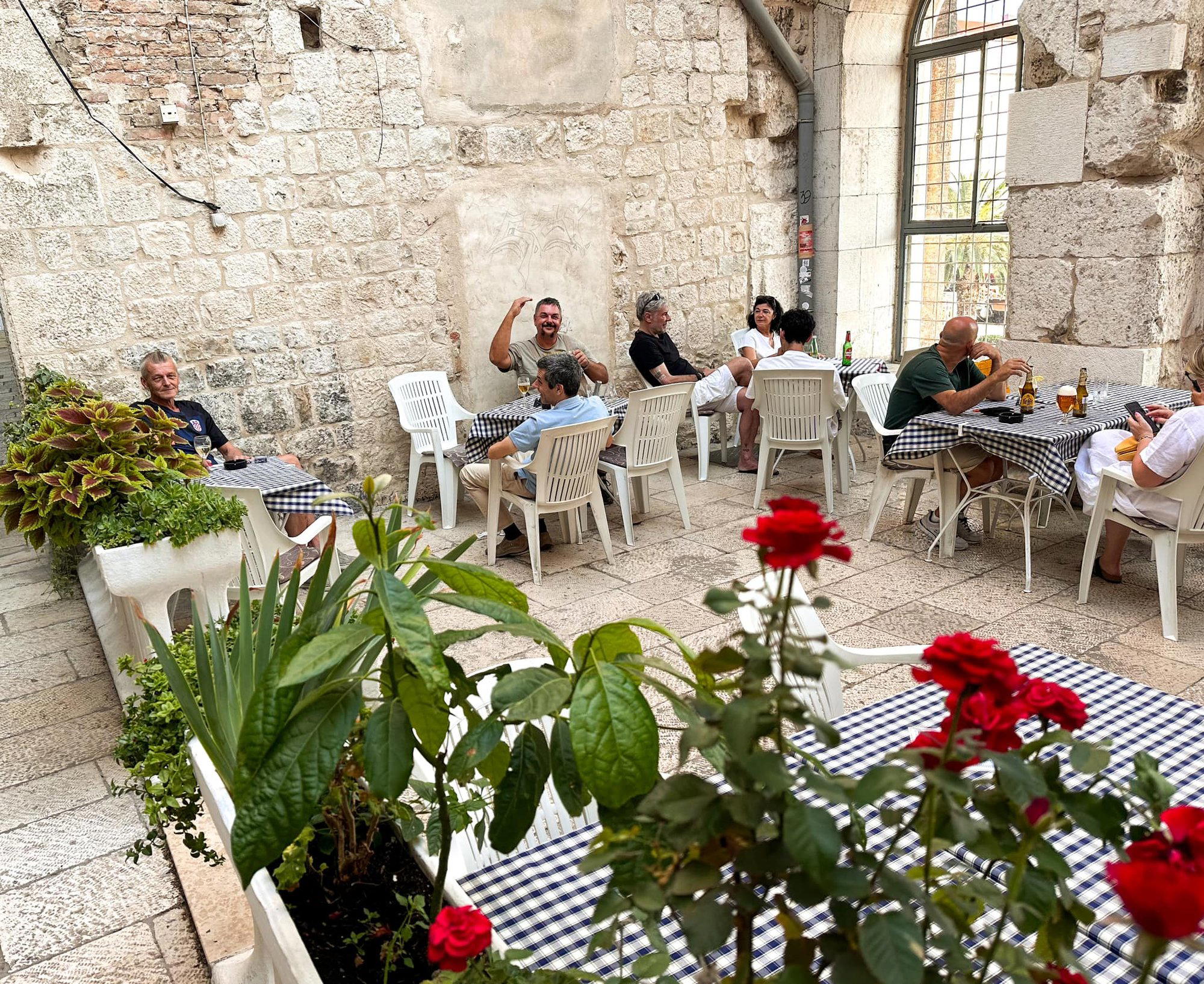
Trogir rewards diners who choose by mood and format rather than by a single ranking. A waterfront table gives theatre and air; an interior lane gives stone, shade, and a closer room. A contemporary restaurant may offer more designed plating; a konoba usually offers a clearer read on local appetite. Konoba Mirakul fits the latter decision, especially for travellers who want the old-town experience without making dinner feel detached from the city around it.
The comparison set matters because Trogir is compact. Konoba TRS is another Mediterranean reference point in the city, while Konoba Bokun and Konoba Toma sit in the same broader traditional conversation. Calebotta and ALKA broaden the old-town choice set, and Cartina Restaurant adds another useful marker for how Trogir can move between Croatian comfort and a more restaurant-shaped experience. The distinction is not simply old versus new; it is whether the meal is built around the habits of a konoba or the choreography of a modern dining room.
That matters for ingredient-led cooking. A konoba dinner is often at its strongest when ordering follows the coast rather than the menu’s most elaborate wording: seafood if the kitchen is leaning that way, vegetables and olive oil when the season supports them, and grilled or stewed meat when a table wants weight. In Dalmatia, restraint is not a lack of ambition. It is a test of whether the kitchen trusts the fish, the oil, and the heat.
For a broader read on the city, Our full Trogir restaurants guide places the old-town tables into a wider dining pattern. Travellers building a longer stay can pair that with Our full Trogir hotels guide, Our full Trogir bars guide, Our full Trogir wineries guide, and Our full Trogir experiences guide, because the better Trogir itinerary is less about chasing isolated venues and more about matching meals to the city’s compact scale.
A practical choice for travellers who want the city on the plate
Konoba Mirakul is open daily from late morning to evening, which suits the rhythm of a town where visitors move between the cathedral, the promenade, boat schedules, and day trips from Split. The address inside the old town makes it a pedestrian decision once in central Trogir, not a destination requiring a separate transfer. That is part of its value: the meal belongs to the city’s walking pattern.
The lack of a published award trail also keeps the editorial read clear. This is not a trophy reservation. It is a situational choice for diners who want the konoba version of Trogir: local Croatian coastal cooking, a compact historic setting, and an ingredient-first meal shaped by the Adriatic rather than by international luxury codes. For readers extending the Croatia file beyond Trogir, the same question, how directly a place reflects its setting, applies from "Kamene priče" rooms, music and food in Bale and 2. peron in Cerovlje to 4kantuna in Zadar, 7 Seas Restaurant & Bar in Curzola, 9 Bofora in Punat, and A-Bay Beach Bar in Stari Grad. Different formats, same test: whether the cooking makes sense where it is.
That geographic logic also explains why unrelated Japanese-focused rooms such as Jōdo Saké Bar in Los Angeles and Onigiri Time in Pasadena belong to a different editorial file. Konoba Mirakul is not trying to translate another food culture into Trogir. Its relevance comes from the opposite move: keeping the meal close to Dalmatia’s coastal grammar and letting the old town supply the frame.
Frequently asked questions
Is Konoba Mirakul child-friendly?
Its daily hours, 11 AM–10 PM, make Konoba Mirakul workable for family lunches and early dinners in Trogir. The old-town address at Gradska ul. 27 suits diners who want a relaxed meal rather than a formal service format.
What kind of setting is Konoba Mirakul?
It is a konoba at Gradska ul. 27 in Trogir, so the setting reads as old-town and informal. The name itself points to a tavern-style room rather than a fine-dining counter or tasting-menu setup.
What time does Konoba Mirakul open and close?
Hours at Konoba Mirakul: Mon: 11 AM–10 PM; Tue: 11 AM–10 PM; Wed: 11 AM–10 PM; Thu: 11 AM–10 PM; Fri: 11 AM–10 PM; Sat: 11 AM–10 PM; Sun: 11 AM–10 PM.
Where is Konoba Mirakul in Trogir?
Konoba Mirakul is located at Gradska ul. 27, 21220, Trogir, Croatia, Trogir.
What's the defining dish or idea at Konoba Mirakul?
The defining idea is the konoba format in Trogir, which usually means Dalmatian-style cooking shaped by the city’s coastal and inland produce. At Mirakul, the practical detail is the daily service window, 11 AM–10 PM, which fits a lunch-to-dinner rhythm.
A Quick Peer Check
Comparable venues nearby, for context on price, style, and recognition.
| Venue | Cuisine | Price | Awards | Notes |
|---|---|---|---|---|
| Konoba MirakulThis venue (the venue you are viewing) | Traditional Dalmatian Seafood | $20–30 | Not listed | Not listed |
| Konoba Toma | Traditional Dalmatian Seafood | $20–30 | Not listed | historic_center |
| Konoba Bokun | Dalmatian Mediterranean Seafood | $20–30 | Not listed | Trogir |
| ALKA | Traditional Dalmatian Mediterranean Seafood | $20–30 | Not listed | Old Town |
| Calebotta | Modern Dalmatian Mediterranean | $20–30 | Not listed | Old Town |
| Franka | Contemporary Mediterranean | $50–100 | Michelin Plate | old city center |
Continue exploring
More in Trogir
Restaurants in Trogir
All restaurants in Trogir →
Bars in Trogir
Browse all →

Details
- Rustic
- Cozy
- Intimate
- Date Night
- Special Occasion
- Waterfront
- Terrace
- Waterfront
- A La Carte
- Vegetarian Friendly
Current opening hours
- Monday
- 11 AM–10 PM
- Tuesday
- 11 AM–10 PM
- Wednesday
- 11 AM–10 PM
- Thursday
- 11 AM–10 PM
- Friday
- 11 AM–10 PM
- Saturday
- 11 AM–10 PM
- Sunday
- 11 AM–10 PM
Hours can change for holidays and private events. Hours as of .
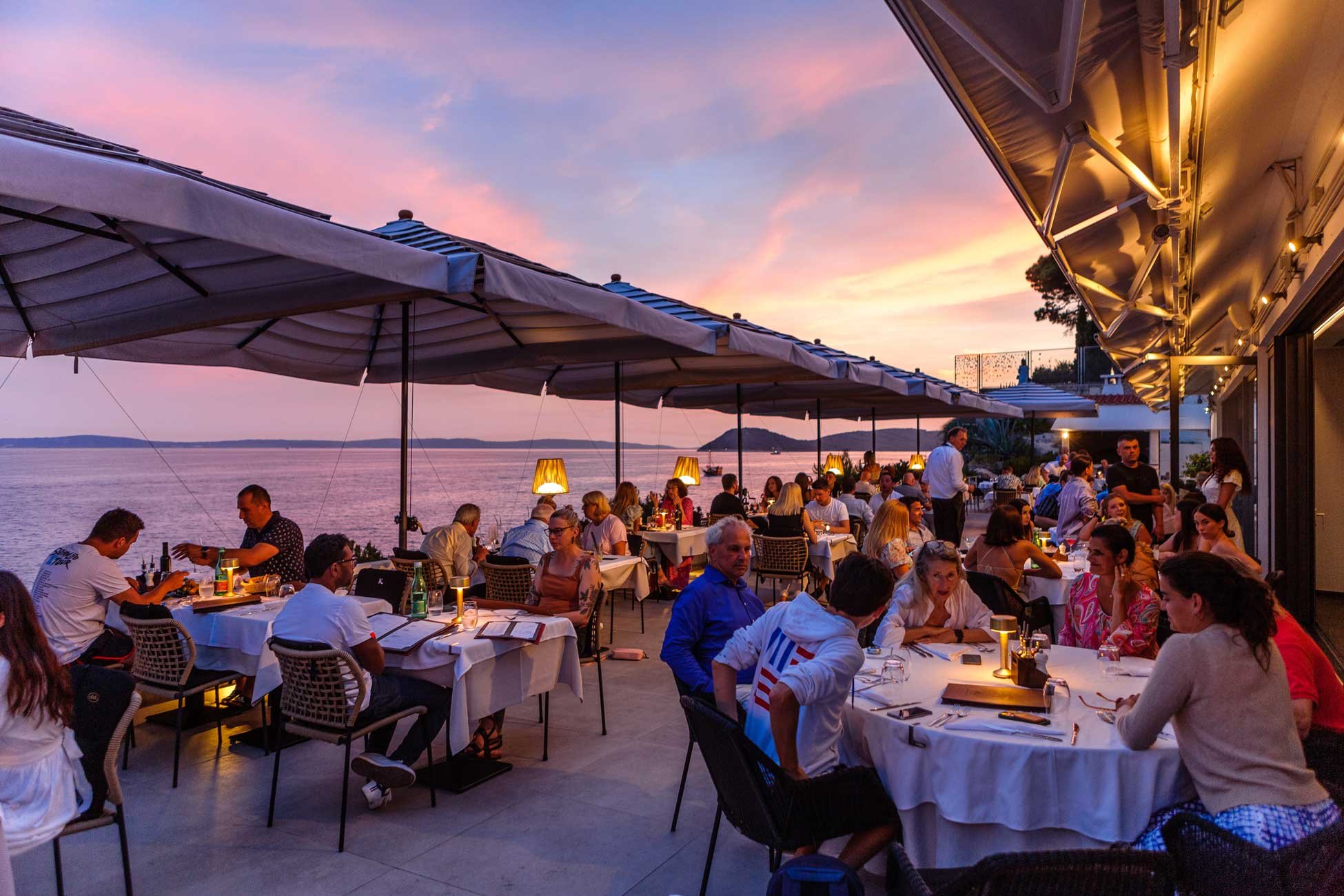
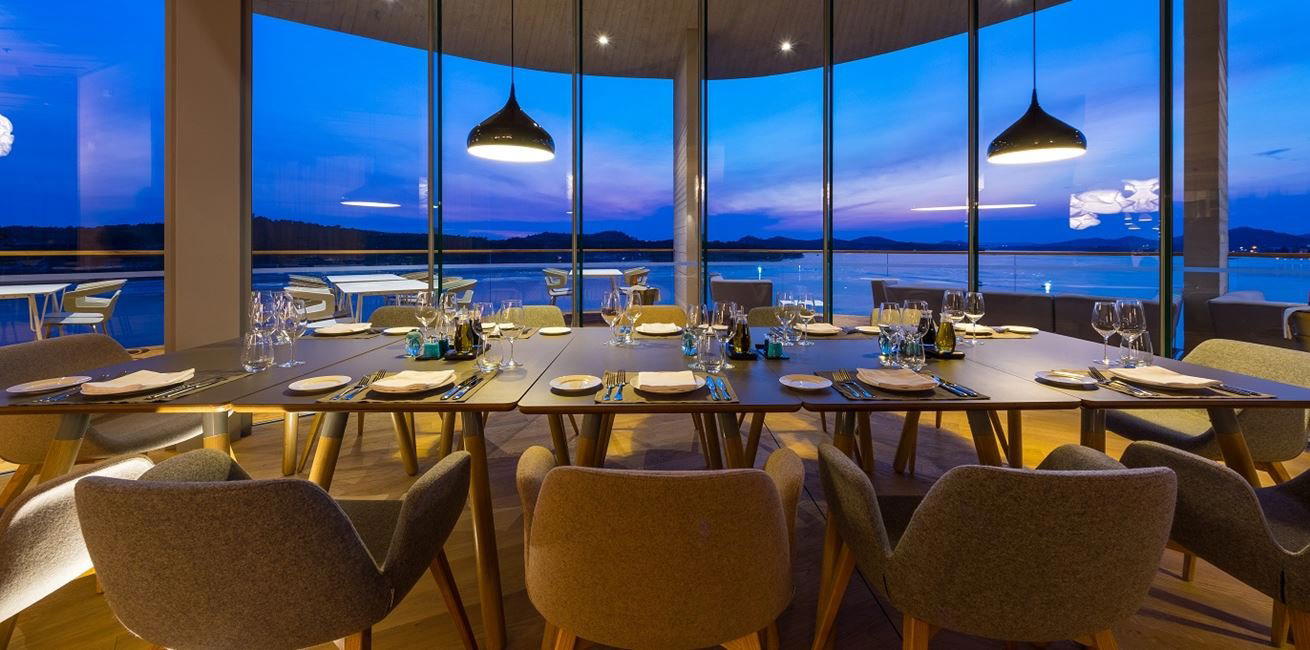
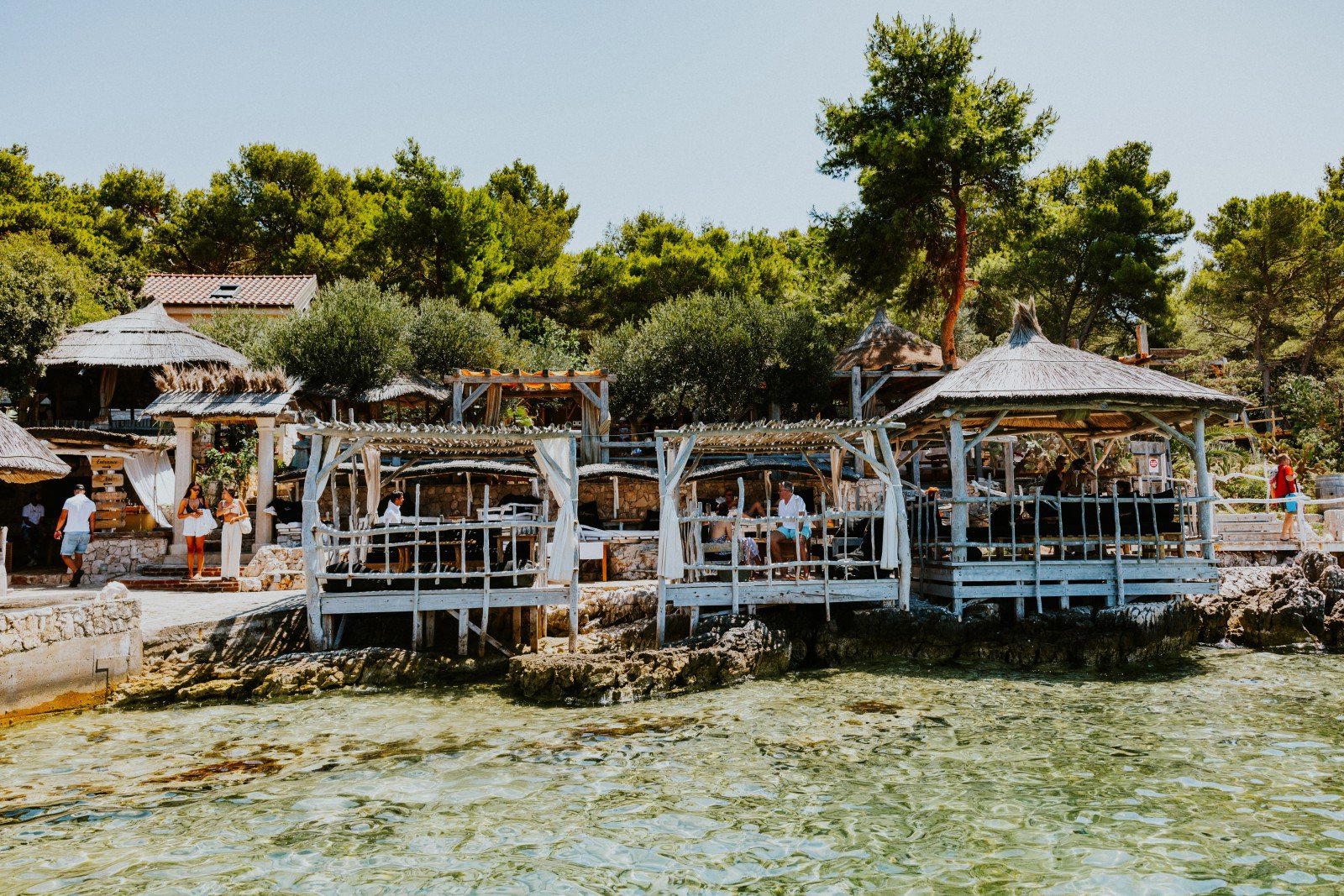
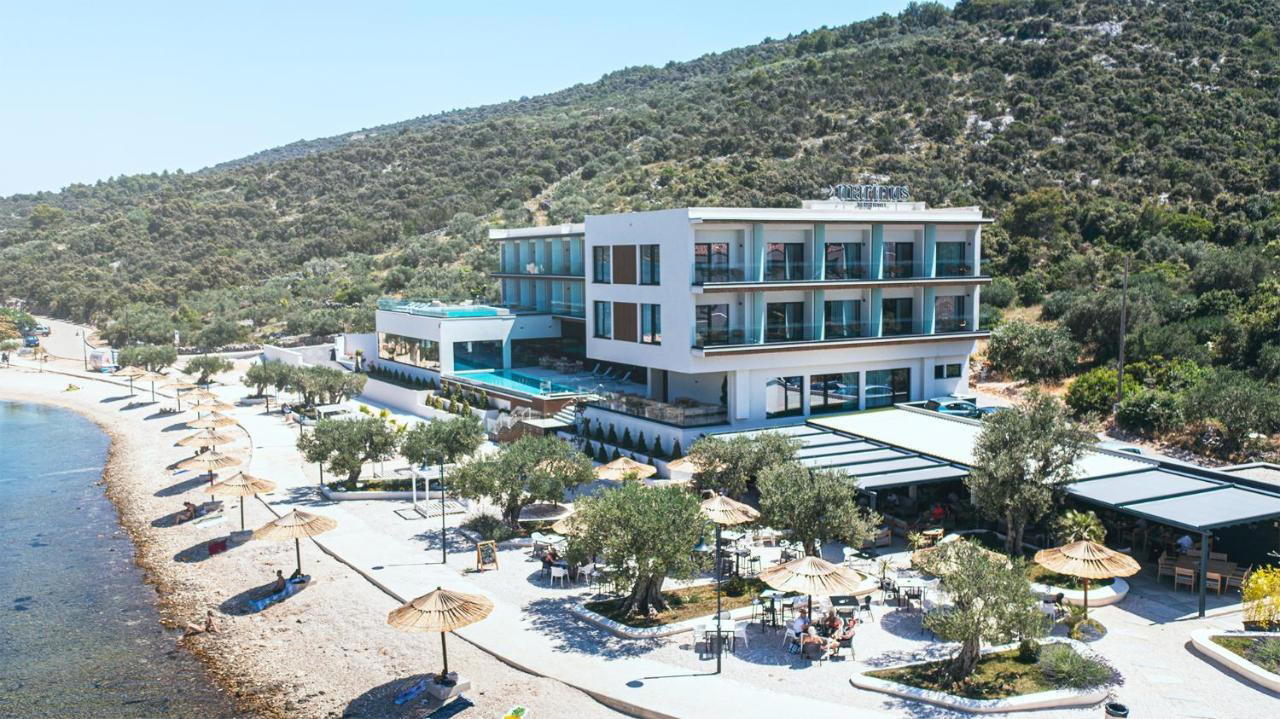
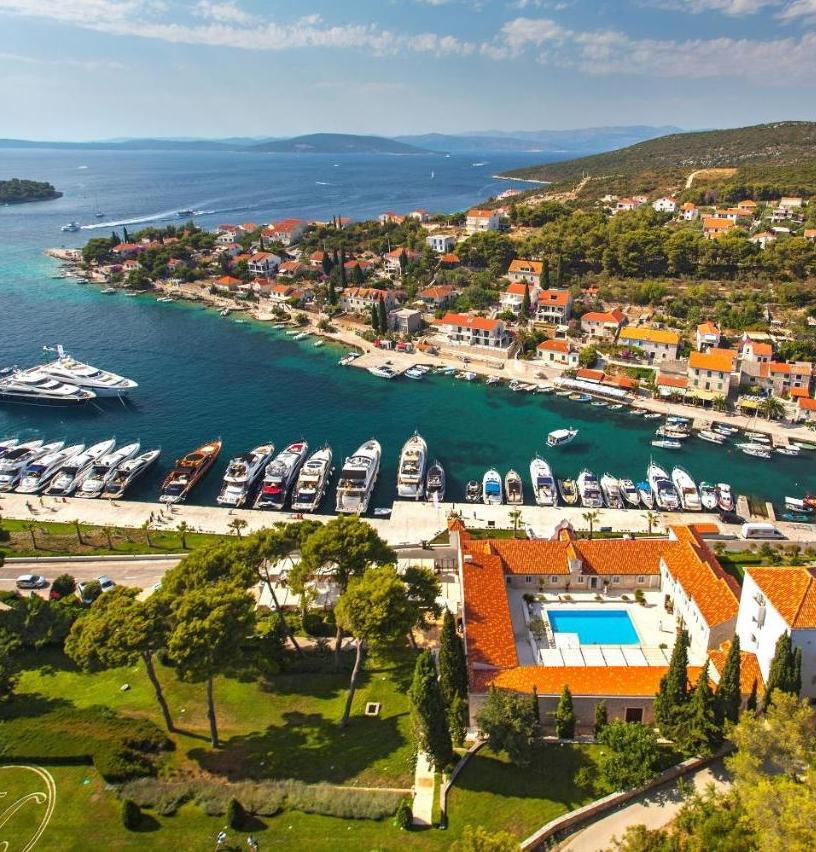
Warm and inviting atmosphere with relaxed coastal charm, enhanced by outdoor seating and picturesque sea views.