Our verdict
On a medieval lane in Trogir's UNESCO-listed old town, Calebotta sits within a dining scene shaped by Dalmatian tradition and Adriatic produce. The address places it squarely in a neighbourhood where stone walls and sea air define the context before a dish arrives. For visitors working through Trogir's compact restaurant quarter, it warrants attention alongside the old town's better-documented tables.

Pearl is the En Primeur Club membership app, where members save venues, book tables and use the concierge.
The menu
What to order
- Grilled tuna steak
- Seafood platters
- Pašticada
Stone, Salt, and the Dalmatian Table
Trogir's old town is a compressed argument for continuity. The UNESCO World Heritage Site designation covers the island's medieval urban fabric, and the city's dining culture reflects the same layering: konoba traditions that predate modern tourism, fishing families whose catch arrives a short walk from the kitchen, and an Adriatic pantry that has changed less than most coastal cuisines in the Mediterranean. Calebotta, addressed at Gradska ul. 23, sits inside this fabric rather than beside it, which gives it a context most visitors to the Dalmatian coast understand only partially.
Trogir's old town is small enough that a serious meal here is less about choosing between a long list of options and more about reading which kitchens are working with the grain of the place rather than against it. That distinction matters more than it might in a larger city, because the leading Dalmatian cooking is defined by restraint: the sea's quality speaks without heavy intervention, and the kitchen's role is largely editorial, not transformative.
What Dalmatian Dining Actually Means
The phrase "Dalmatian cuisine" is used loosely by most travel coverage, but it describes something quite specific at the table. The Adriatic's clear, relatively cold water produces fish and shellfish with a clean, pronounced character. Prstaci, or date mussels, were once common before harvesting bans took effect; their absence from menus today is itself a mark of authenticity, because any kitchen still serving them is operating outside the law. What replaced them on serious Dalmatian tables is a shorter, more seasonal shellfish rotation, alongside grilled fish priced by weight, slow-braised meats cooked peka-style under a bell-shaped lid buried in embers, and a vegetable canon that runs toward bitter greens, capers, and olive oil of strongly regional character.
Wines from this stretch of coast, particularly Pošip from Korčula and Plavac Mali from the Pelješac peninsula, have gained traction internationally over the past decade. Restaurants across the Dalmatian coast that build their lists around these varieties rather than defaulting to international imports signal something about their kitchen orientation. For comparison, LD Restaurant in Korčula and Pelegrini in Sibenik have built recognizable wine programs around precisely this regional logic.
Calebotta in Trogir's Restaurant Order
Trogir's dining scene divides roughly into three tiers. The seafront and main square concentrate tourist-facing operations where pricing is high and kitchen ambition is often low. One step back, in the lanes of the old town, you find a middle tier of konobe and family-run restaurants that serve genuine Dalmatian cooking with varying degrees of care. A smaller group of addresses, scattered through the same medieval streets, works at a level of culinary intention that places them in conversation with the better restaurants on the wider Croatian coast.
Calebotta occupies a Gradska ul. address, which puts it in the old town's quieter interior rather than on the obvious tourist circuit. That positioning, while not determinative of quality, tends to filter the clientele in ways that affect how a kitchen calibrates its ambition. Neighbouring addresses worth tracking include Konoba Bokun, Konoba Mirakul, ALKA, Franka (Mediterranean Cuisine), and Il Ponte (Contemporary), the last two operating at the €€€ price point that marks the upper bracket of Trogir's independent dining.
For visitors who have already worked through Croatia's more documented dining destinations, from Agli Amici Rovinj in Rovinj and Nebo by Deni Srdoč in Rijeka in the north to Restaurant 360 in Dubrovnik in the south, Trogir's more modest scale can feel like a corrective. The city's size prevents the kind of international hospitality layer that arrives at larger destinations, which keeps its better kitchens grounded in the local supply chain by necessity as much as by intention.
Placing Calebotta Against Croatia's Wider Dining Field
Croatia's fine dining conversation has grown considerably since the first domestic Michelin selections were announced. Korak in Jastrebarsko, Alfred Keller in Mali Lošinj, Boskinac in Novalja, Dubravkin Put in Zagreb, and Krug in Split have all drawn serious attention, and the pattern across most of them is a commitment to indigenous ingredients interpreted through techniques that are contemporary without being disconnected from regional identity. Trogir sits between Split and Šibenik, which means it draws from a similar Dalmatian supply base as several of these recognized addresses, even if it operates at smaller scale.
For international reference points, the comparison is less to peers like Le Bernardin in New York City or Lazy Bear in San Francisco, which represent entirely different structural categories of fine dining, and more to the growing class of small-city European addresses that succeed by committing to their immediate geography rather than aspiring to a cosmopolitan program.
Planning a Visit
Trogir is accessible from Split Airport in approximately 30 minutes by road, which makes it viable as a day trip from Split but also as a base in its own right during the summer season. The old town's restaurant quarter operates on a highly seasonal rhythm: the months from June through September carry the bulk of visitor traffic and kitchen activity, with many addresses reducing hours or closing altogether outside that window. Booking ahead for any serious meal during peak season is standard practice across the Dalmatian coast, and Gradska ul. addresses are no exception. Our full Trogir restaurants guide covers the broader dining scene and can help structure a visit across multiple meals.
Frequently asked questions
How do I find Calebotta?
Calebotta is located at Gradska ul. 23, 21220, Trogir, Croatia, Trogir.
How close is Calebotta to Split Airport, and is Trogir worth the detour?
Trogir sits approximately 30 minutes from Split Airport by road, making Calebotta at Gradska ul. 23 accessible on arrival or departure without a significant detour. The city's UNESCO World Heritage status covers its medieval island fabric, which gives the dining experience a setting that larger Dalmatian towns can't replicate at the same density. For travellers already routing through Split, the journey adds marginal time against a considerably different context for a meal.
What should I order at Calebotta?
Dalmatian cooking at this level follows the Adriatic catch first, so fresh fish and shellfish are the most direct choices. Seasonal vegetables, bitter greens, and preparations built around capers and roasted peppers fill out a menu grounded in the regional tradition. Peka-cooked dishes, slow-cooked under a bell lid and requiring advance notice at most Trogir kitchens, represent the deeper end of the local repertoire. Order according to what the kitchen confirms is in season on the day.
Is Calebotta reservation-only?
Trogir's old town runs at compressed capacity during summer, and restaurants operating in the upper dining tier rarely have walk-in space between June and August. Securing a table in advance is the practical approach for evening sittings, particularly on weekends. The venue is located at Gradska ul. 23 in Trogir's medieval core, where street-level capacity is physically limited by the historic urban fabric.
What is Calebotta known for?
Calebotta is a dining address within Trogir's UNESCO-listed medieval old town, placing it inside one of the Dalmatian coast's most concentrated historic settings. The kitchen draws on the regional Dalmatian tradition, Adriatic seafood, locally sourced vegetables, and techniques tied to the Croatian coastal repertoire. Trogir's smaller scale compared to Split or Dubrovnik means its restaurants work within tighter local supply lines, which tends to sharpen seasonal focus.
Can Calebotta handle vegetarian requests?
Dalmatian menus are built around seafood, but the regional vegetable tradition runs deeper than most visitors expect. Bitter greens, capers, roasted peppers, legumes, and preparations using local olive oil are embedded in Croatian coastal cooking rather than added as concessions. A vegetarian at Calebotta in Trogir is working with a genuine culinary strand, not a substitution list, though communicating dietary requirements when booking is advisable.
Price Lens
Comparable venues nearby, for context on price, style, and recognition.
| Venue | Cuisine | Price | Awards | Notes |
|---|---|---|---|---|
| CalebottaThis venue (the venue you are viewing) | Modern Dalmatian Mediterranean | $20–30 | Not listed | Not listed |
| Konoba Bokun | Dalmatian Mediterranean Seafood | $20–30 | Not listed | Trogir, Dalmatian Mediterranean Seafood |
| ALKA | Traditional Dalmatian Mediterranean Seafood | $20–30 | Not listed | Old Town, Traditional Dalmatian Mediterranean Seafood |
| Konoba Toma | Traditional Dalmatian Seafood | $20–30 | Not listed | historic_center, Traditional Dalmatian Seafood |
| Konoba Mirakul | Traditional Dalmatian Seafood | $20–30 | Not listed | Trogir old town, Traditional Dalmatian Seafood |
| Konoba TRS | Mediterranean Fine Dining with Dalmatian Influences | $50–100 | Michelin Plate | Old Town Trogir, Mediterranean Fine Dining with Dalmatian Influences |
Continue exploring
More in Trogir
Restaurants in Trogir
All restaurants in Trogir →
Bars in Trogir
Browse all →

Details
- Romantic
- Cozy
- Elegant
- Rustic
- Date Night
- Brunch
- Garden
- Terrace
- Historic Building
- Extensive Wine List
- Local Sourcing
- A La Carte
- Wine
- Vegetarian Friendly
- Vegan Options
- Gluten Free Options
Current opening hours
- Monday
- 11 AM–11 PM
- Tuesday
- 11 AM–11 PM
- Wednesday
- 11 AM–11 PM
- Thursday
- 11 AM–11 PM
- Friday
- 11 AM–11 PM
- Saturday
- 11 AM–11 PM
- Sunday
- 11 AM–11 PM
Hours can change for holidays and private events. Hours as of .
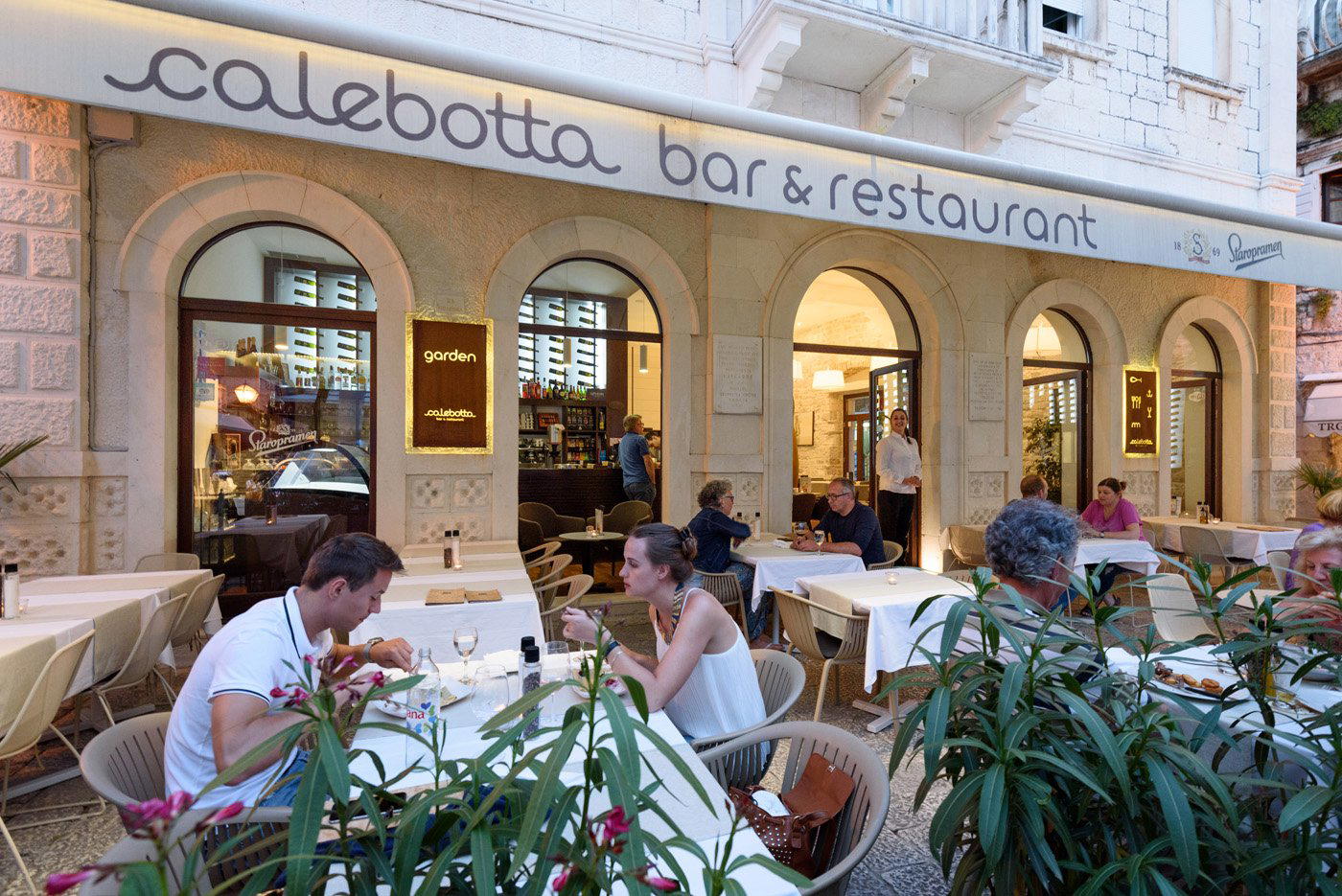
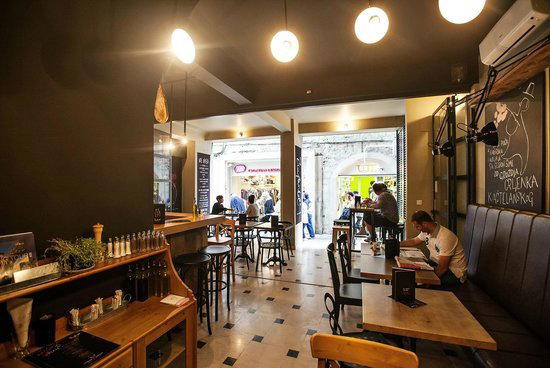
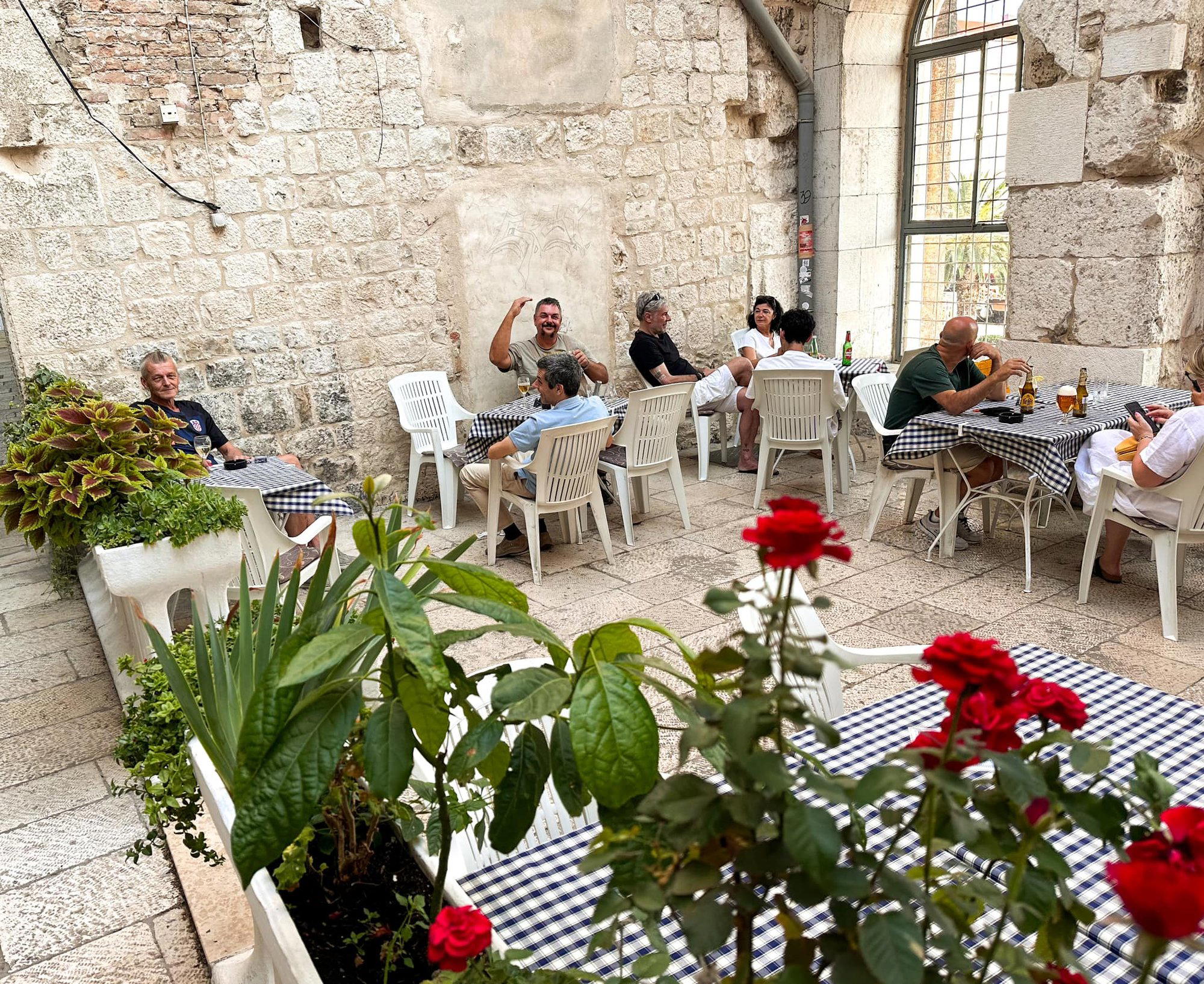
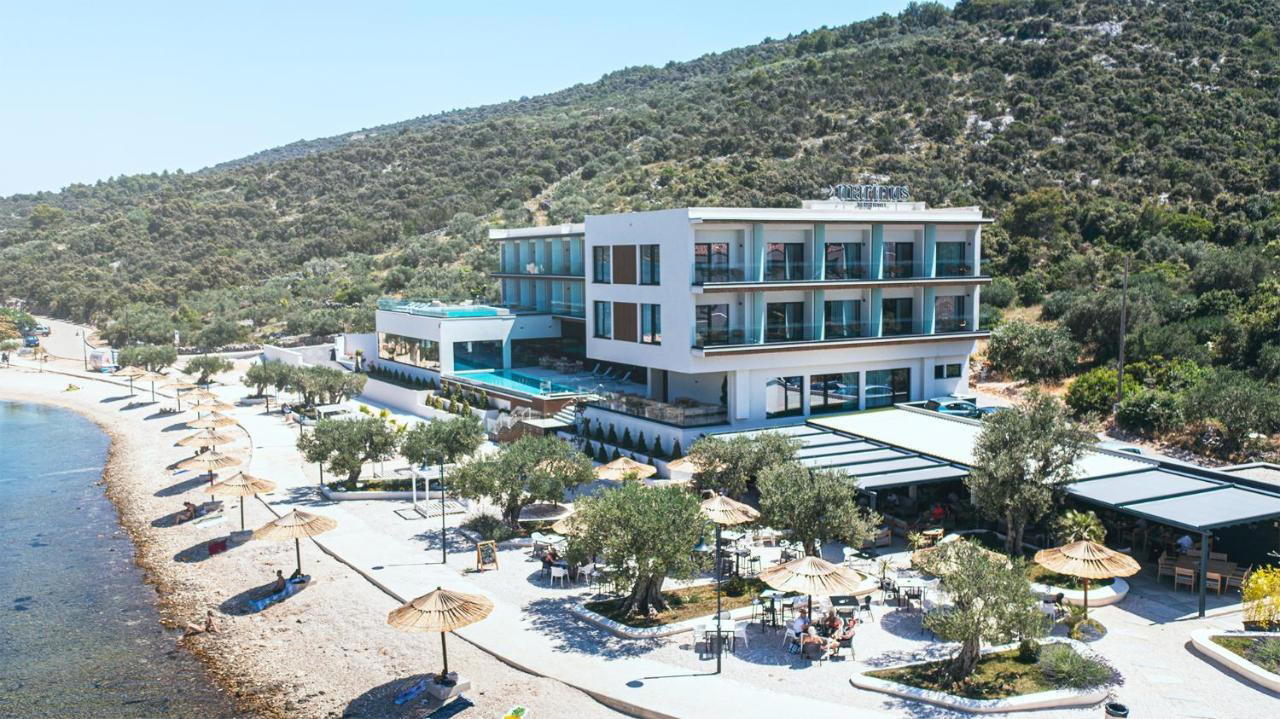
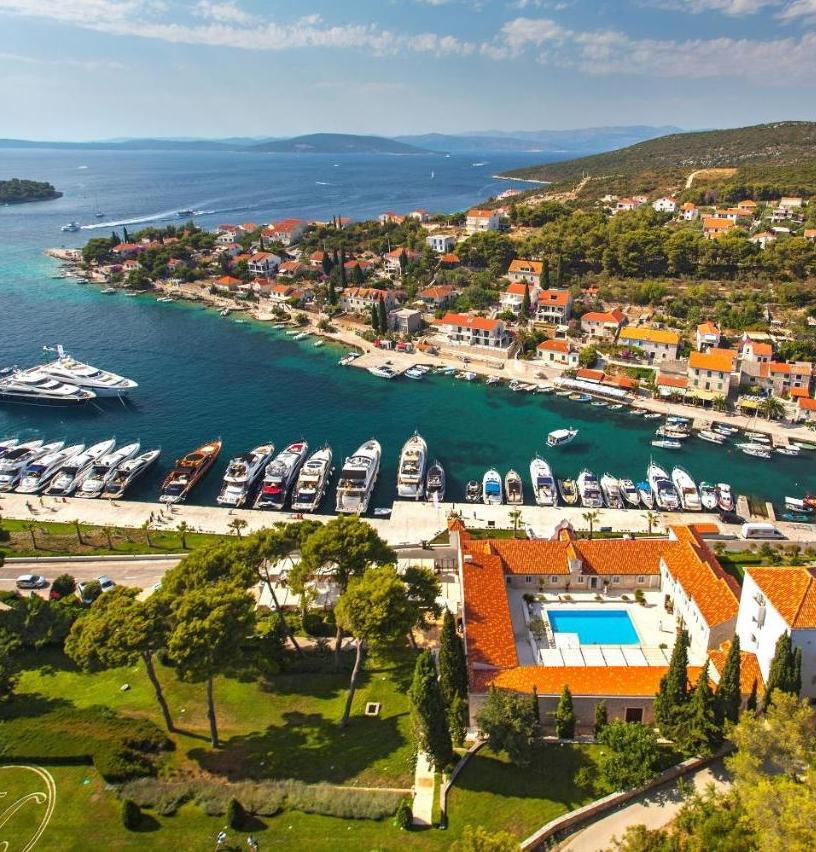
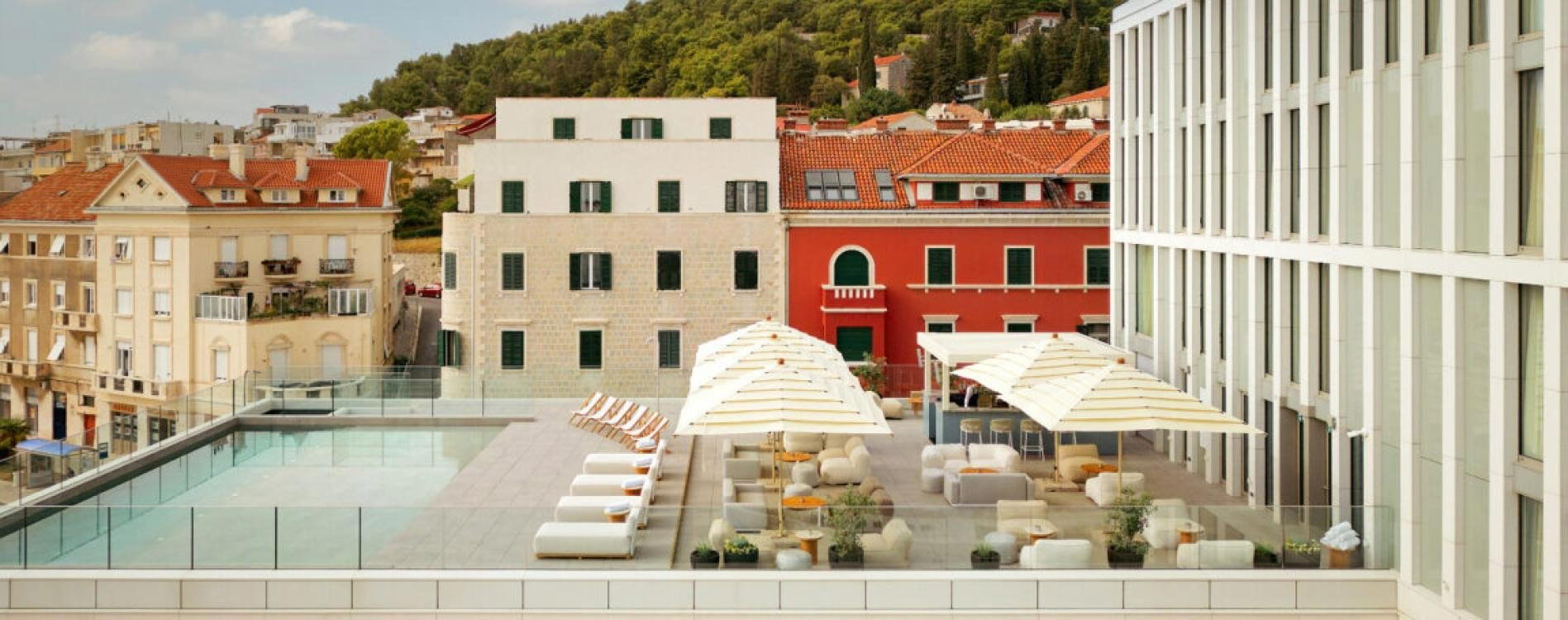
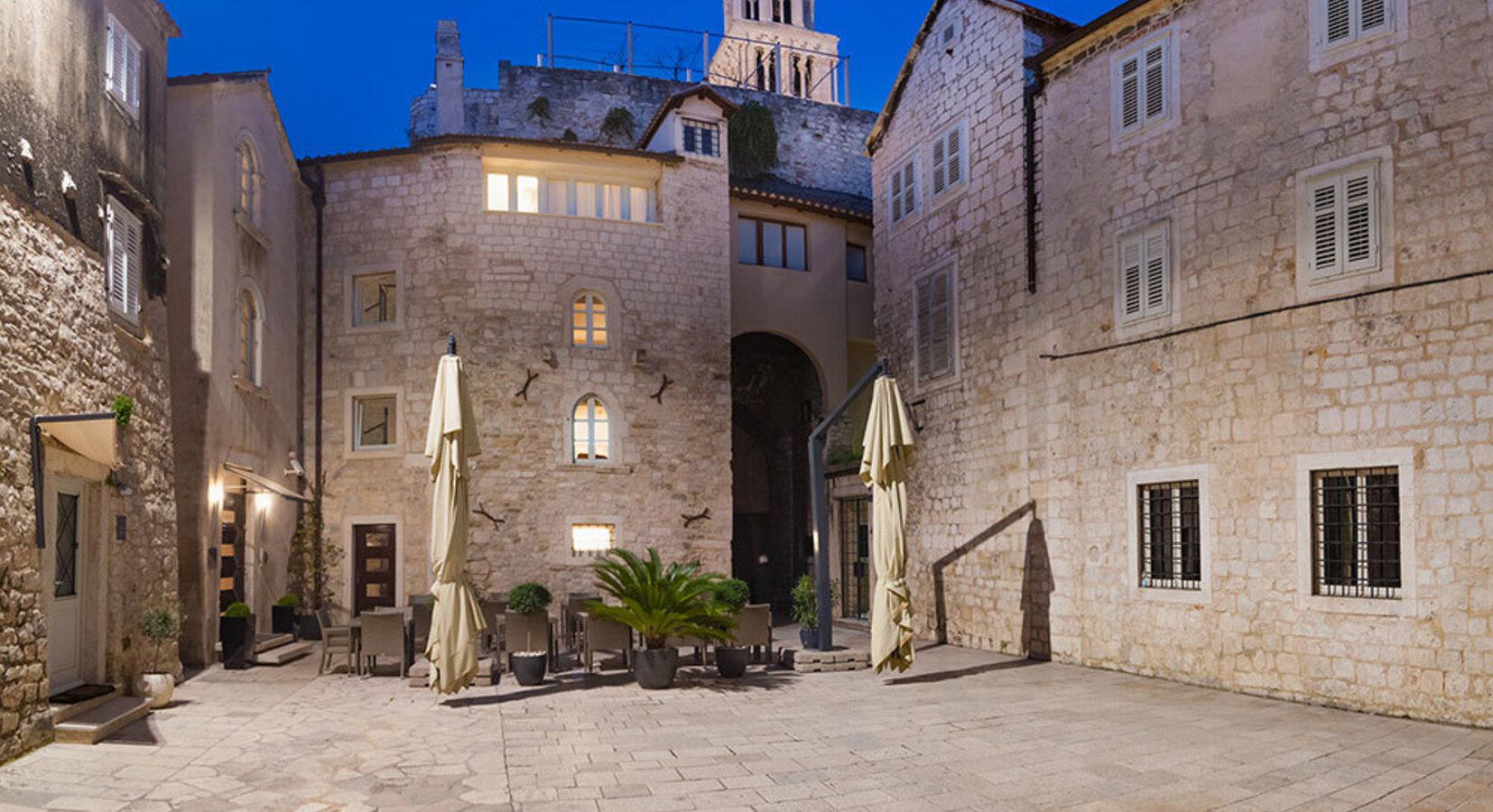
Cozy interior with modern furnishings in a historic setting, romantic garden surrounded by ancient architecture and Mediterranean aromas, and lively front terrace capturing the energy of Trogir's old town.