Konoba Bačvara serves Traditional Dalmatian Seafood in a quiet, casual historic building in Lastovo, with grilled shrimp, octopus salad, fish pate, and pasta with prawns.
Pearl is the En Primeur Club membership app — saves, bookings, and concierge access live there. Same editors, same standards.
- Address
- Počuvalo 14, 20290, Lastovo, Croatia
- Phone
- +385 92 357 0803
- Website
- konoba-bacvara.business.site
- Directions
- Get directions
 Saves & bookings on Pearl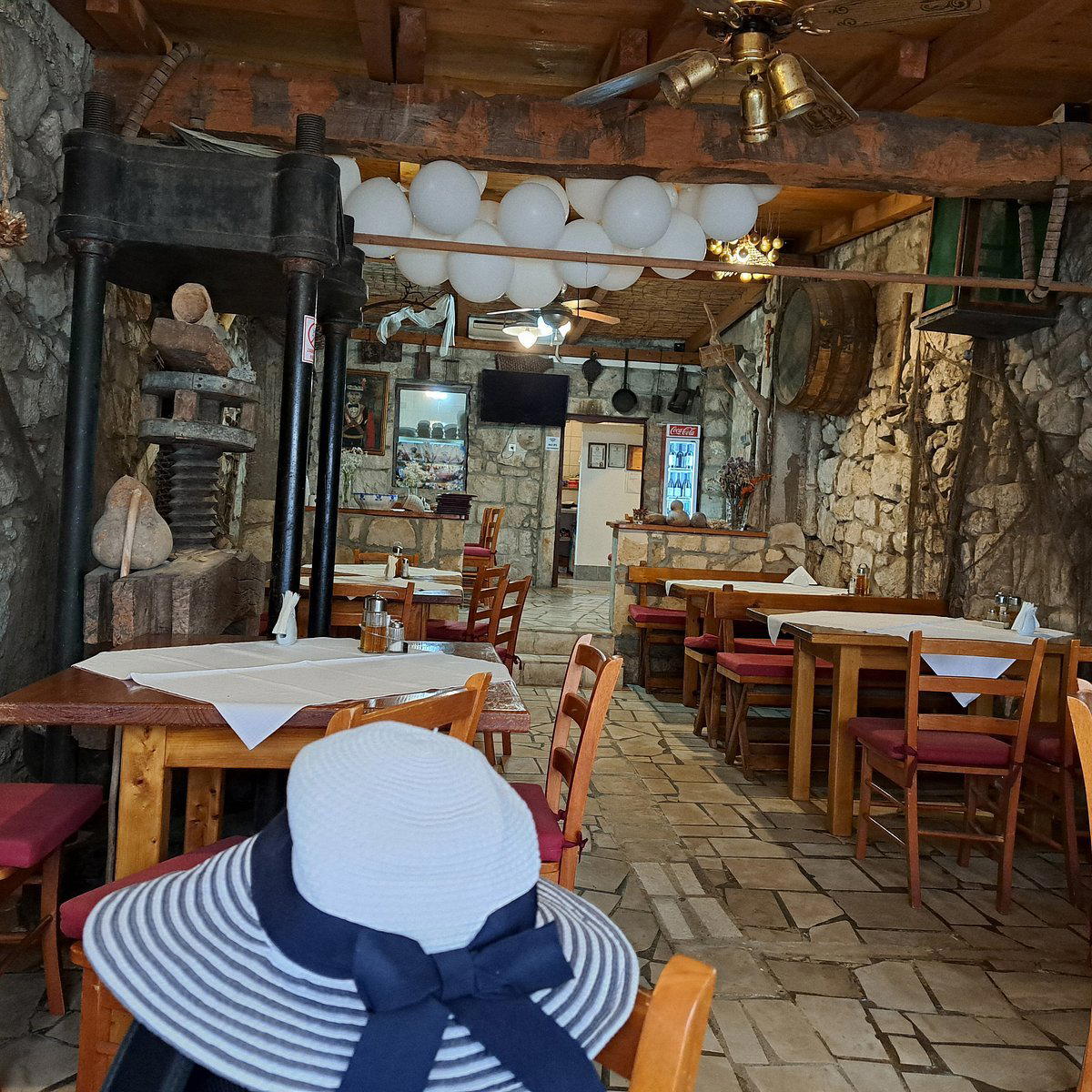
The Adriatic at Its Most Remote
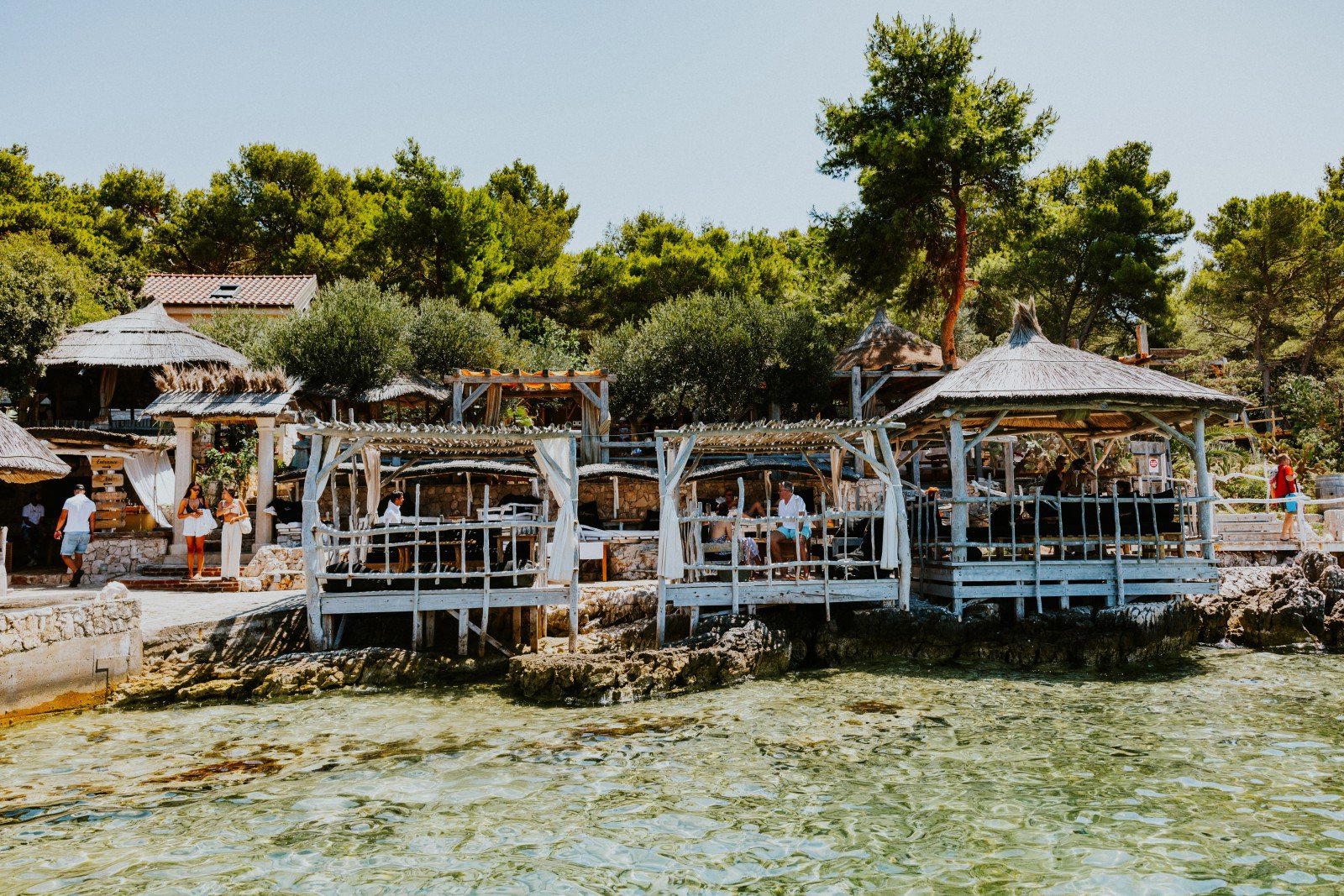
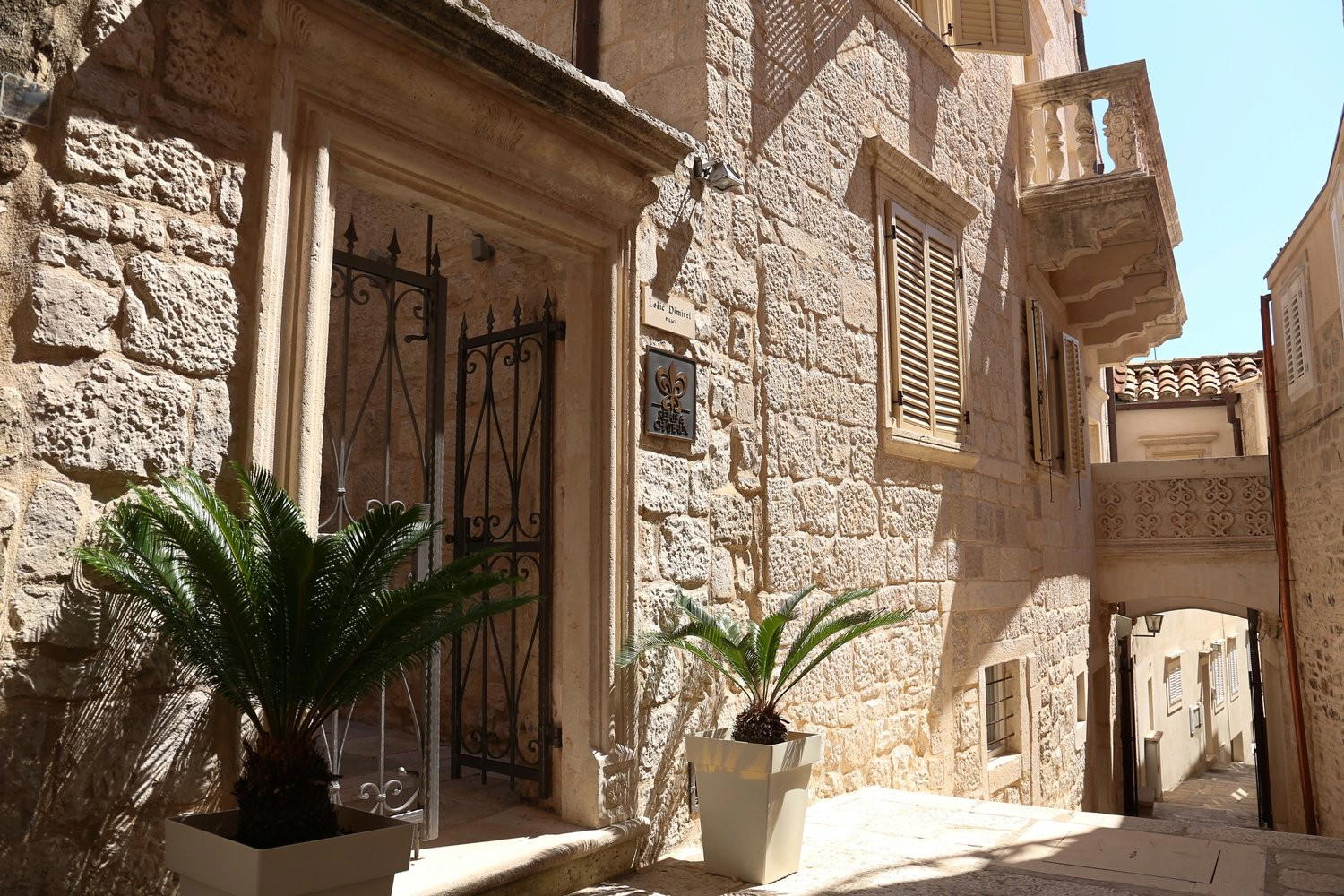
Lastovo sits roughly 70 kilometres off the Dalmatian coast, making it among the more physically isolated inhabited islands in the Adriatic. There is no bridge, no major ferry hub, and no airport. The crossing from Split takes the better part of three hours by catamaran, and the island's population remains well under 1,000 year-round. In that context, the konoba tradition here is not a lifestyle concept or a tourism product, it is a practical institution, a place where local fishermen, farmers, and the occasional traveller eat what the island produces because there is little alternative. Konoba Bačvara, addressed at Počuvalo 14 in Lastovo town, operates inside that tradition. The setting is not theatrical; it is a stone building in a hillside village whose architecture has changed little since Venetian rule, and the cooking is shaped entirely by what the surrounding sea and land make available.
Where Ingredients Come First
The Adriatic's southern islands produce some of the cleanest seafood in the Mediterranean basin. Lastovo's distance from the mainland, combined with its status as a nature park since 2006, means the waters surrounding it face far lower fishing pressure than those around more accessible islands. The lobster populations in particular are notable, Lastovo spiny lobster has a regional reputation that reaches well beyond the island, and it appears on konoba menus here in ways that reflect local preparation customs rather than imported culinary fashions: grilled simply, or served in the style known across Dalmatia as buzara, with white wine, garlic, and olive oil. The olive oil itself matters in this context; Lastovo produces its own, and the island's small-scale production reflects the kind of hyperlocal sourcing that high-end restaurants in Dubrovnik or Split attempt to reference from a distance. At a konoba on Lastovo, that sourcing is simply the default.
This is the key distinction between dining on Lastovo and dining at mainland Adriatic restaurants that present themselves as locally grounded. Venues like Pelegrini in Sibenik or Restaurant 360 in Dubrovnik operate in the €€€€ tier and build contemporary menus that interpret regional produce through a fine-dining lens. LD Restaurant in Korčula occupies a similar position, with Dalmatian ingredients filtered through modern technique. What Konoba Bačvara represents is the opposite end of that spectrum: the same raw material, virtually no mediation, and a price structure that reflects the island's economy rather than a premium hospitality market. That trade-off is real, there is no elaborate service, no tasting menu architecture, but for the reader whose interest is in sourcing provenance rather than culinary construction, the argument for Lastovo over Korčula or Sibenik is direct.
The Konoba Format in Context
Croatia's konoba tradition spans a wide range of actual experience. The word originally described a wine cellar or storage room in Dalmatian dialect, and the restaurants that carry the name today range from tourist-facing tavernas in Dubrovnik's Old Town to working family operations in villages that receive almost no foreign visitors. Lastovo's relative inaccessibility has kept the island's konobas closer to the latter model. The dining format here is typically communal and unhurried, built around shared platters, whole grilled fish, and whatever shellfish the local catch has produced that week. This is not a format that rewards impatience or rigid dietary expectations, but it is one of the few remaining contexts in Croatia where the gap between sea and plate is genuinely minimal. Comparable authenticity in the Croatian islands tends to require significant distance from the main ferry routes: Bodulo in Pag and Burin in Crikvenica each operate in regional contexts with their own coastal sourcing logic, but neither island carries Lastovo's degree of physical isolation or its protected-area designation.
For further comparison across Croatian dining registers, Krug in Split, Nebo by Deni Srdoč in Rijeka, and Dubravkin Put in Zagreb each represent the more technically ambitious end of Croatian cooking, where chef-driven menus and urban fine-dining infrastructure produce a different kind of argument for the country's cuisine. Boskinac in Novalja and Alfred Keller in Mali Lošinj both operate on islands, but with a degree of resort infrastructure that changes the dining context considerably.
Planning a Meal Here
Reaching Lastovo requires commitment. The Jadrolinija catamaran from Split operates on a schedule that is reduced significantly outside of summer, and the island's capacity for visitors contracts sharply after September. July and August bring a small seasonal influx, primarily sailing traffic, which represents Lastovo's most active period for restaurant trade. Arriving outside peak season means quieter roads and emptier anchorages, but also reduced certainty about which konobas are operating on which days. Visitors planning around Konoba Bačvara specifically should note that reservations are recommended and the restaurant is open daily from 4 to 11 PM. The address, Počuvalo 14, Lastovo town, places it within the old hillside settlement rather than at the harbour, which is a short drive or a steep walk from where most boats dock. Walk-ins may be possible, though reservations are recommended.
Readers interested in other coastal Adriatic dining options might also consider Agli Amici Rovinj in Rovinj, BioMania Bistro Bol in Bol, Korak in Jastrebarsko, Cantilly Garden Restaurant in Samobor, or Cubo in Opatija. For international reference points in technique-driven seafood, Le Bernardin in New York City and Atomix in New York City represent the far end of the formal-dining register that restaurant pointedly does not occupy.
How It Stacks Up
Comparable venues nearby, for context on price, style, and recognition.
| Venue | Cuisine | Price | Notes |
|---|---|---|---|
| Konoba BačvaraThis venue — the venue you are viewing | Traditional Dalmatian Seafood | $$ | Not listed |
| Jurin podrum | Traditional Dalmatian Mediterranean | $$ | Stari Grad |
| Beach House | Dalmatian Coastal Mediterranean | $$ | Blace |
| Konoba Mareta | Traditional Dalmatian Mediterranean | $$ | Korcula Old Town |
| Kopačina | Authentic Dalmatian | $$ | Donji Humac |
| Oš Kolač - Artisan Cakes and Pastries | Artisan Pastries & Modern Desserts | $$ | Old Town Split |

At a Glance
- Rustic
- Cozy
- Intimate
- Special Occasion
- Family
- Historic Building
- Local Sourcing
Current opening hours
- Monday
- 4–11 PM
- Tuesday
- 4–11 PM
- Wednesday
- 4–11 PM
- Thursday
- 4–11 PM
- Friday
- 4–11 PM
- Saturday
- 4–11 PM
- Sunday
- 4–11 PM
Hours can change for holidays and private events. Last verified .
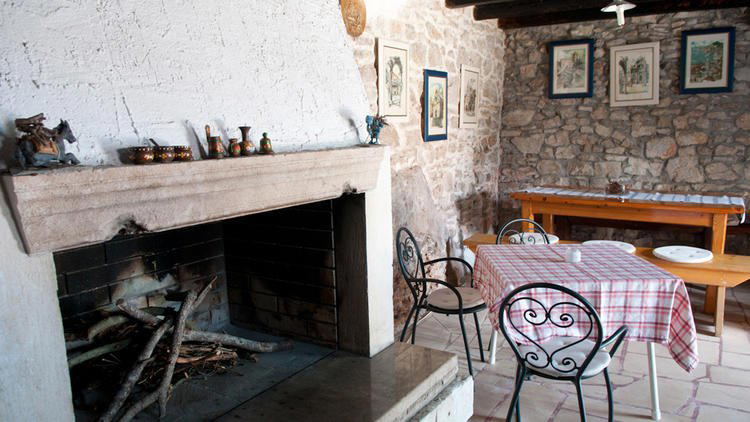
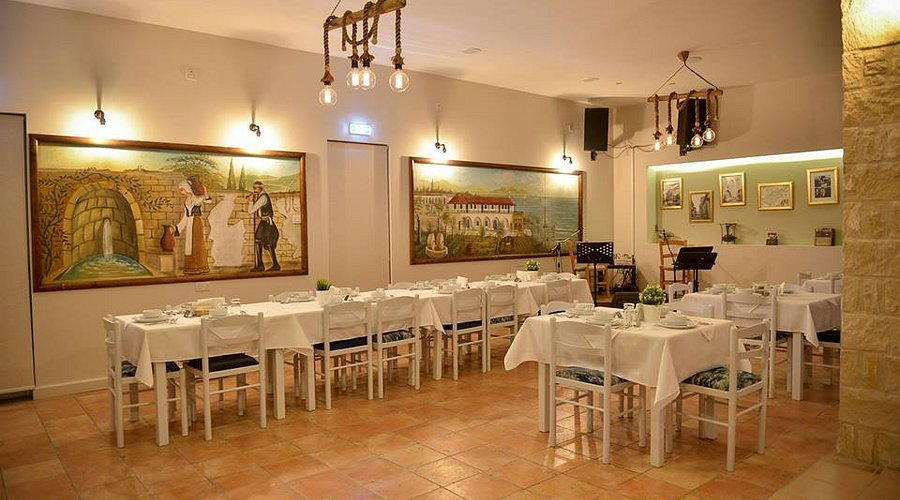
Inviting stone-walled and wood-beamed interior with authentic, heartfelt hospitality.