On a hillside above Donji Humac, one of Brač's oldest stone villages, Kopačina draws on the island's agricultural and pastoral traditions rather than the coastal tourist circuit. The cooking here is grounded in what the land and surrounding farms produce, placing it in a different register from the harbour-side restaurants that dominate Dalmatian dining. For anyone moving beyond the shoreline, it represents a more interior side of island food culture.
Pearl is the En Primeur Club membership app — saves, bookings, and concierge access live there. Same editors, same standards.
- Address
- Donji Humac 7, 21423, Donji Humac, Croatia
- Phone
- +38521647707
- Website
- kopacina.com
- Directions
- Get directions
 Saves & bookings on Pearl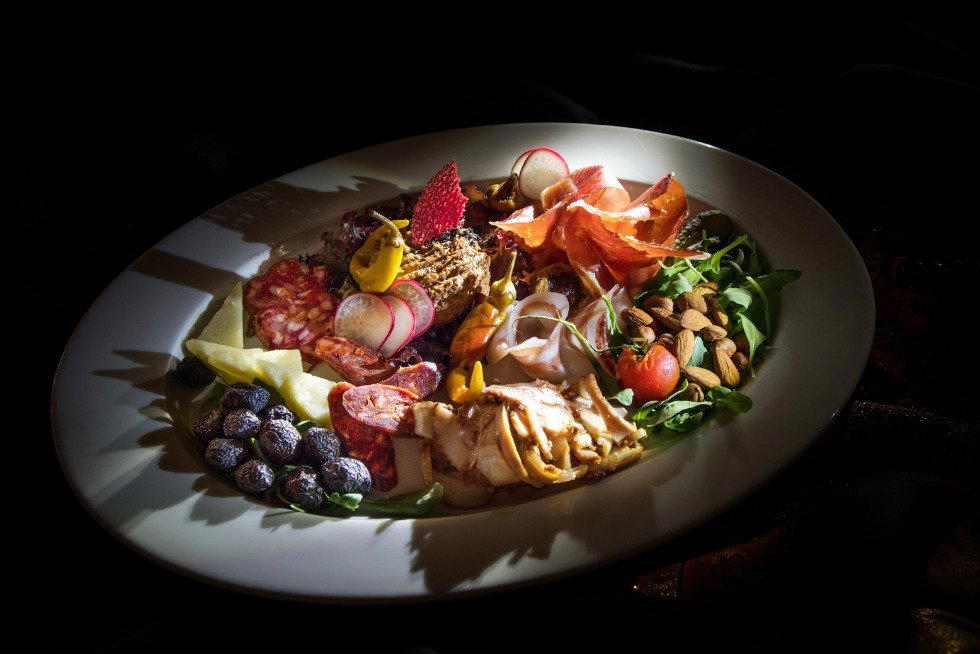
Stone Villages and a Different Kind of Dalmatian Table
The coastal strip of Brač, Bol's beach promenade, Supetar's ferry quay, tends to absorb most visitor attention, which means the island's interior remains largely unexamined by outside diners. Donji Humac sits in that interior, a settlement of limestone buildings and dry-stone walls whose agricultural character has changed less than the harbour towns below. It is in this context, at the address Donji Humac 7, that Kopačina operates.
Across Dalmatia, a persistent divide runs between restaurants oriented toward tourists arriving by sea and those drawing on the hinterland's pastoral economy. The coastal tier, from Restaurant 360 in Dubrovnik to Pelegrini in Sibenik, tends toward modern technique applied to Adriatic seafood. Island interiors run on a different logic: lamb grazed on aromatic hillside scrub, wild herbs gathered from the same terrain, cured meats produced in small quantities by families who have been doing so for generations. Kopačina belongs to this second current.
What the Land Supplies
The ingredient tradition of Brač's interior is shaped by the island's geology and microclimate. Limestone karst retains heat and drains quickly, producing conditions that concentrate flavour in everything grown or grazed on it. The lamb that comes off these hillsides, feeding on sage, rosemary, and indigenous grasses, carries a different aromatic profile from animals raised on flat agricultural land. In Dalmatian cooking more broadly, the peka preparation (slow-cooking under a bell-shaped lid covered in embers) is the canonical method for expressing these raw materials, and Brač's inland restaurants are among the places where that tradition remains least mediated by outside influences.
This sourcing-first approach to island cooking is increasingly rare. Along the coast, supply chains have lengthened and menus have standardised toward what tourists expect. The interior restaurants that still work with local shepherds, smallholders, and foragers occupy a different position in the Croatian dining map, one closer in spirit to what Boskinac in Novalja has built on Pag around that island's distinctive sheep-and-salt-flat terroir, or what Korak in Jastrebarsko represents in the continental interior. The common thread is a kitchen whose identity is determined by proximity to producers rather than proximity to the harbour.
The Experience at Kopačina
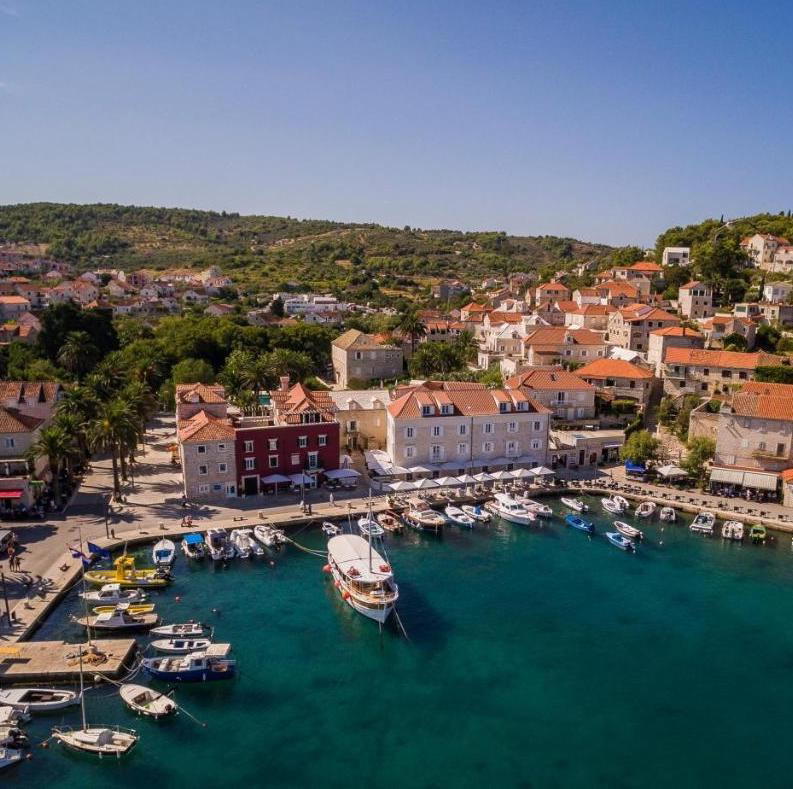
Arriving at Donji Humac from the coastal roads, the shift in atmosphere is immediate. The village sits quietly, away from the seasonal density of Bol or Supetar, and the restaurant occupies a setting that reflects the agricultural character of the surrounding land. Stone construction, the sounds of the open Dalmatian countryside, and a pace that is not calibrated to cruise-ship schedules define the environment. This is the kind of place where a meal takes as long as it takes.
The physical setting places Kopačina in a peer group that operates outside the standard Dalmatian tourist infrastructure. For comparison, BioMania Bistro Bol in Bol sits at the coastal end of the island's dining spectrum, oriented toward Bol's beach-town visitor flow. Kopačina's position in the interior produces a fundamentally different room dynamic, longer stays, more local custom, a menu that does not pivot seasonally based on ferry traffic patterns. Nearby on Brač, Terasa Ciccio POP in Nerezišća represents another facet of the island's inland dining culture, worth considering as part of the same day's exploration.
Kopačina in the Wider Croatian Restaurant Conversation
Croatia's restaurant scene has developed unevenly over the past decade. The major coastal cities, Dubrovnik, Split, Rovinj, now have restaurants that compete with reference points elsewhere in Mediterranean Europe. Agli Amici Rovinj and Alfred Keller in Mali Lošinj operate at a level of technical sophistication that was rare in Croatian restaurants fifteen years ago. Nebo by Deni Srdoč in Rijeka and Dubravkin Put in Zagreb have extended that ambition to the mainland cities. Krug in Split and LD Restaurant in Korčula reflect the islands' own engagement with the more considered end of Dalmatian cooking.
Kopačina does not sit in that modernist tier, nor does it aspire to. It belongs instead to the argument that one honest expression of Croatian food culture is not technical innovation applied to local produce, but direct, minimally mediated access to what the land yields. This is a position that carries its own authority, and it is one that restaurants elsewhere in Croatia, Bodulo on Pag, Burin in Crikvenica, Cantilly Garden Restaurant in Samobor, each make from their own regional starting point.
For visitors constructing a meaningful picture of what Croatian food is, the interior of Brač is more instructive than another harbourside fish plate. Kopačina is one of the access points to that picture. See our full Nerezišća restaurants guide for wider context on dining in this part of the island.
Planning a Visit
Donji Humac is accessible by car from Supetar in under thirty minutes, and from Bol in a similar window, making it a practical lunch destination from either side of the island. The village sees no ferry traffic of its own, so the natural rhythm of a visit runs independently of the coastal schedule. Given the rural setting and the style of cooking, preparations like peka typically require advance notice at restaurants working this tradition, contacting Kopačina ahead of arrival is advisable to confirm availability and, if ordering slow-cooked dishes, to give the kitchen appropriate lead time. Hours run daily from 10 AM to 11 PM, and reservations are recommended.
How It Stacks Up
Comparable venues nearby, for context on price, style, and recognition.
| Venue | Cuisine | Price | Notes |
|---|---|---|---|
| KopačinaThis venue — the venue you are viewing | Authentic Dalmatian | $$ | Not listed |
| Terasa Ciccio POP | Traditional Dalmatian | $$ | Nerezišća |
| Hotel & Restoran Degenija | Traditional Croatian Regional Grill | $$ | Selište Drežničko, Rakovica |
| Konoba Barba | Traditional Dalmatian Seafood & Grill | $$ | Komiza |
| Marulićeva ul. 1 | Modern Dalmatian Bistro | $$ | Old Town |
| Konoba Toma | Traditional Dalmatian Seafood | $$ | historic_center |
Continue exploring
More in Nerezisca
Restaurants in Nerezisca
Browse all →
Bars in Nerezisca
Browse all →
Hotels in Nerezisca
Browse all →


At a Glance
- Rustic
- Cozy
- Classic
- Family
- Casual Hangout
- Standalone
- Farm To Table
- Local Sourcing
Current opening hours
- Monday
- 10 AM–11 PM
- Tuesday
- 10 AM–11 PM
- Wednesday
- 10 AM–11 PM
- Thursday
- 10 AM–11 PM
- Friday
- 10 AM–11 PM
- Saturday
- 10 AM–11 PM
- Sunday
- 10 AM–11 PM
Hours can change for holidays and private events. Last verified .
Rustic and traditional stone tavern atmosphere in the heart of Brač island.