
Relais Chateaux Award
A Relais & Châteaux property occupying a genuine 18th-century palace in Korčula's medieval old town, Lešić Dimitri Palace offers six independent suites, each with a distinct design character, from US$492 per night.

Pearl is the En Primeur Club membership app — saves, bookings, and concierge access live there. Same editors, same standards.
- Address
- Ul. Don. Pavla Poše 1, 20260, Korčula
- Phone
- +385 20 715 560
- Website
- ldpalace.com
- Directions
- Get directions
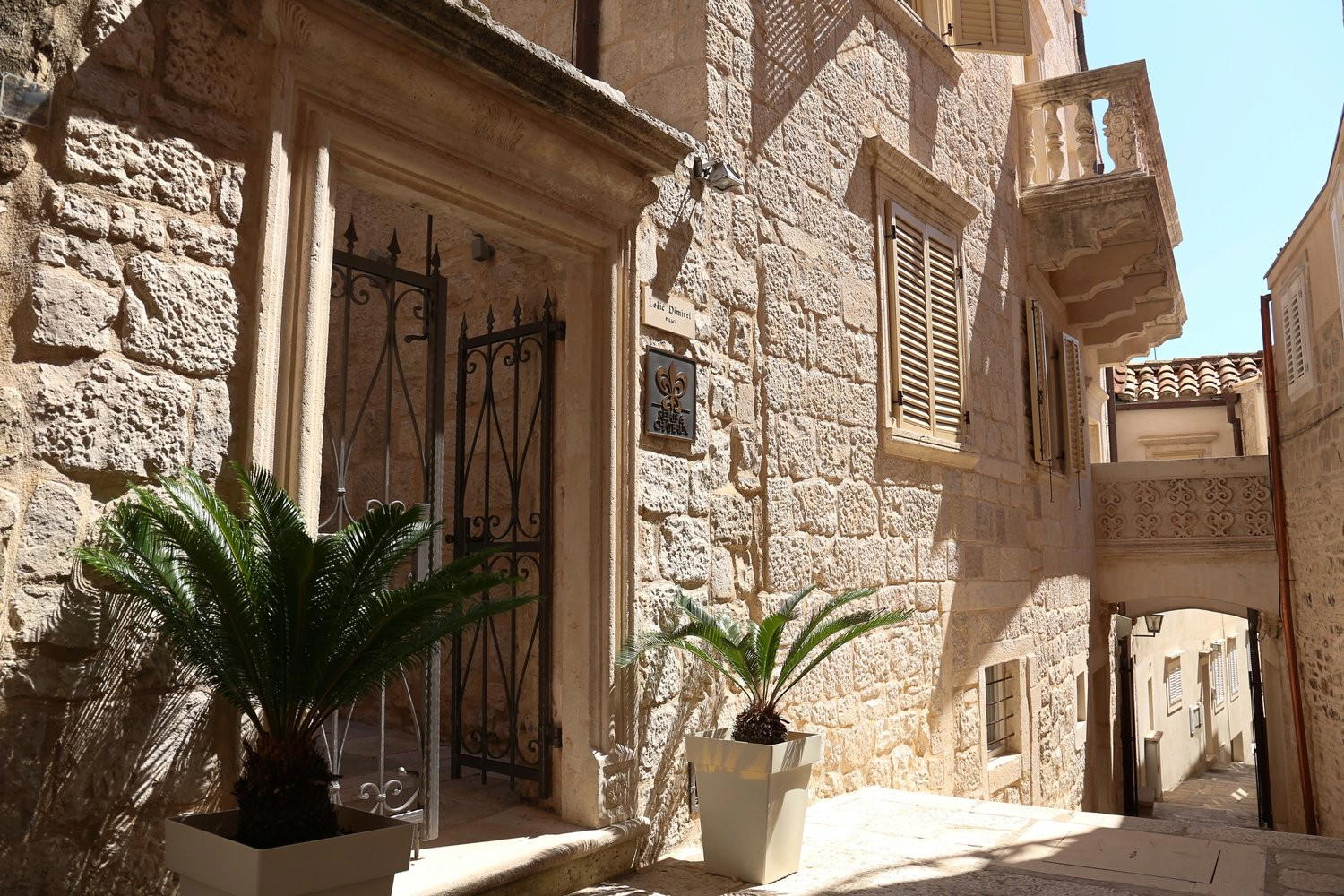
Stone, Age, and Six Rooms: The Architecture of Lešić Dimitri Palace
Korčula's old town arrives like an argument for the Adriatic before you've even checked in anywhere. The medieval grid — fishbone streets running off a central spine, cathedral limestone worn to a particular grey-gold by centuries of Dalmatian sun — is one of the most coherent urban environments on the Croatian coast. Within that setting, the 18th-century palace that now houses Lešić Dimitri occupies a position that most hotel developers would spend decades and considerable sums trying to replicate from scratch, and simply couldn't. The building predates modern hospitality categories by about two hundred years. That is, structurally, the point.
The property sits at Ul. Don. Pavla Poše 1, inside the old town walls, which means the approach on foot through Korčula's lanes is part of the experience before you cross the threshold. It is a genuine 18th-century palace structure, used as one.
Six Suites, Six Distinct Identities
The format at Lešić Dimitri diverges from the standard boutique hotel model in one significant way: the property runs six themed independent suites rather than a conventional room inventory. That configuration places it in a small category of Adriatic accommodation where the argument for staying is less about facilities-per-square-metre and more about what a particular room feels like as a space. Each suite carries its own design identity, which means the choice of room matters in a way it rarely does at larger properties.
Across the Dalmatian coast, the dominant luxury model has trended toward resort scale, particularly since the mid-2010s when international capital moved into properties like Grand Park Hotel Rovinj by Maistra Collection in Rovinj and larger Hvar developments. Lešić Dimitri represents the counter-position: limited keys, high design specificity, and an offer premised on scarcity rather than amenity breadth. The Relais & Châteaux membership, which the property holds, is a meaningful credential in this context, the collection's membership criteria weight character, architectural integrity, and service depth over room count or spa footage.
For comparison, other Croatian properties in the design-led boutique tier, such as Meneghetti Wine Hotel & Winery in Bale in Istria or Littlegreenbay Hotel in Hvar, similarly operate at low key counts with high design investment per room. Lešić Dimitri's distinction within that cohort is the palace fabric itself: the suites are carved from a building with an architectural life that predates the tourism industry entirely.
Korčula as Context: Marco Polo, Medieval Grids, and the Adriatic Fringe
Korčula's claim as Marco Polo's birthplace, contested by historians but maintained locally with some conviction, gives the town a cultural texture that most Croatian island destinations lack. Whether the claim holds under scrutiny matters less than what it signals about how Korčula positions itself: as a place with a story that predates the summer season. The old town's Venetian-influenced architecture, the cathedral of St. Mark with its carved portal, the defensive towers that still read as military rather than decorative, these are not reproductions or restorations for visitor benefit. They are what remains of a town that was commercially and strategically significant centuries before cruise ships began anchoring offshore.
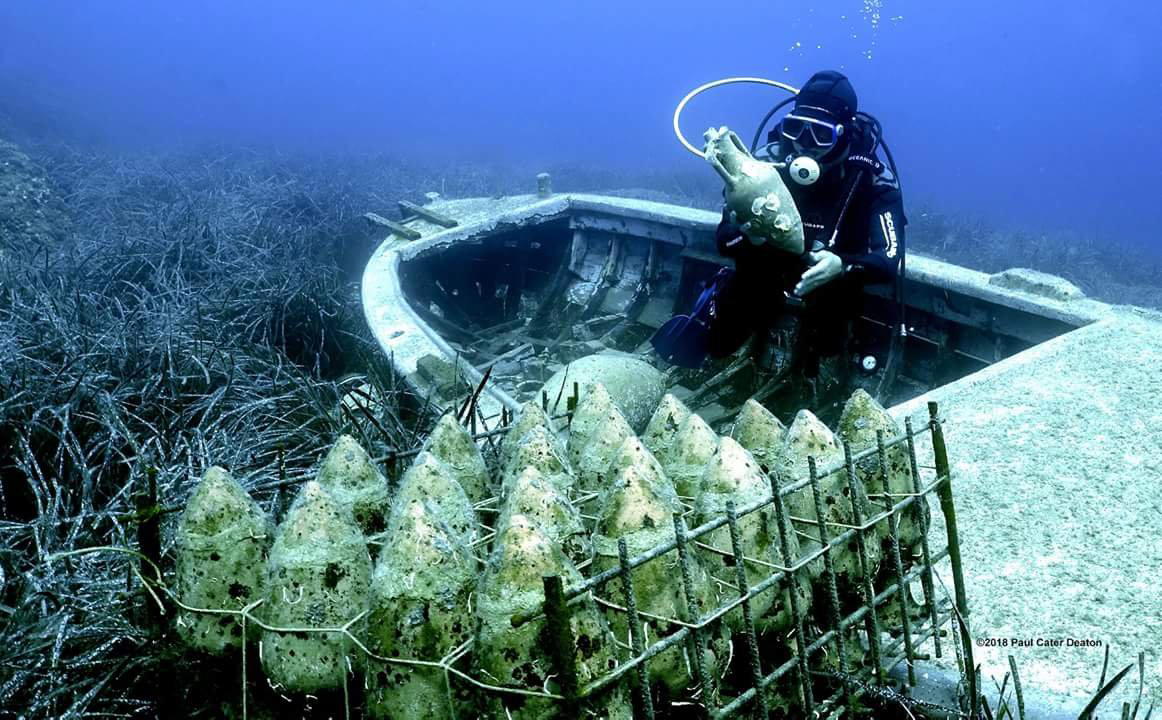
That context shapes what a property like Lešić Dimitri is actually selling. The sea and outdoor adventure programming noted in the property's positioning, Adriatic sailing, island excursions, diving in clear Dalmatian water, exists alongside a built environment dense enough to hold attention independently of weather and activity schedules. For guests who have exhausted the standard Dubrovnik-and-Hvar itinerary, Korčula offers scale and character without the overtourism pressure that both of those destinations carry in peak summer. For reference on the Dubrovnik option, Hotel Kompas Dubrovnik operates at the other end of the scale equation entirely.
Rates, Booking, and Practical Reach
Rates at Lešić Dimitri Palace begin from US$492 per night, which places it at the upper tier of Dalmatian boutique accommodation but below the headline rates of the largest Adriatic resort properties. At six suites, availability is genuinely constrained, particularly across July and August when Korčula's old town reaches peak occupancy. The property operates under the Relais & Châteaux network, reachable at lesicdimitri@relaischateaux.com or directly at +385 (0)20 715 560, with the property website at ldpalace.com.
Korčula island is accessible by ferry from Split (approximately two and a half hours) and by catamaran from Dubrovnik, which runs seasonally. The old town itself is pedestrianised, so arrival on foot from the ferry landing is standard, bags are typically handled by the property. Guests arriving from elsewhere in Dalmatia might consider routing through Split, where Hotel Ambasador Split offers an overnight staging point, or through Dubrovnik before the crossing. Island-adjacent alternatives for the broader Dalmatian circuit include Kastil in Bol on Brač and B&B; Heritage Villa Apolon in Stari Grad on Hvar, both operating at comparable boutique scale. For a full picture of where Lešić Dimitri sits within the Korčula accommodation scene, see our full Korčula restaurants guide.
For those building a longer Croatian itinerary, the Istrian properties, Hotel Kastel in Motovun, Palazzo Rainis Hotel & Spa in Novigrad, and Hotel Vela Vrata in Pinguente, occupy a similar design-heritage niche in the north, while the Kvarner coast offers Boutique & Design Hotel Navis in Opatija and Boutique Hotel Alhambra in Mali Losinj for those extending west. Further afield in the Adriatic region, Aman Venice represents the ceiling of the palace-conversion category for those benchmarking Lešić Dimitri against international peers.
At-a-Glance Comparison
Comparable venues nearby, for context on price, style, and recognition.
| Venue | Cuisine | Price | Awards | Notes |
|---|---|---|---|---|
| Lešić Dimitri PalaceThis venue — the venue you are viewing | Luxury boutique palace combining 18th-century heritage architecture with contemporary design, offering fully serviced independent residences with personalized concierge support. | $1,000–1,500 | Relais Chateaux Award | Not listed |
| Aminess Korčula Heritage Hotel | Historic Belle Époque villa with terrace overlooking the sea. | Not listed | Not listed | Korčula Old Town |
| President Hotel, Valamar Collection | Contemporary luxury beachfront resort with Mediterranean-inspired design, set within lush gardens on a private peninsula. | $100–200 | World Luxury Hotel Awards WLHA Regional Winner | Babin Kuk Peninsula |
| The Pucic Palace | Restored 18th-century baroque nobleman's palace in the heart of the old town | $300–500 | Michelin Selected | Dubrovnik Old Town |
| Hotel Bellevue Dubrovnik | Luxury beachfront property positioned as an upscale Mediterranean retreat with emphasis on wellness and panoramic coastal views. | $300–500 | Michelin Selected · La Liste Top Hotels | Miramare Bay |
| Grand Villa Argentina | Grand seafront retreat combining a turn-of-the-century villa with a contemporary hotel wing in one of Dubrovnik’s most prestigious coastal locations. | $100–200 | Not listed | Ploce |
Recognition history
Dated appearances from independent guides and award organizations, with the underlying list record or original source where available.
Relais Chateaux Award
Relais Chateaux
Full recognition history (2 entries)
Relais Chateaux Award
Relais Chateaux

Details
- Romantic
- Elegant
- Intimate
- Sophisticated
- Scenic
- Honeymoon
- Romantic Getaway
- Anniversary
- Celebration
- Waterfront
- Historic Building
- Design Destination
- Panoramic View
- Private Dining
- Destination Spa
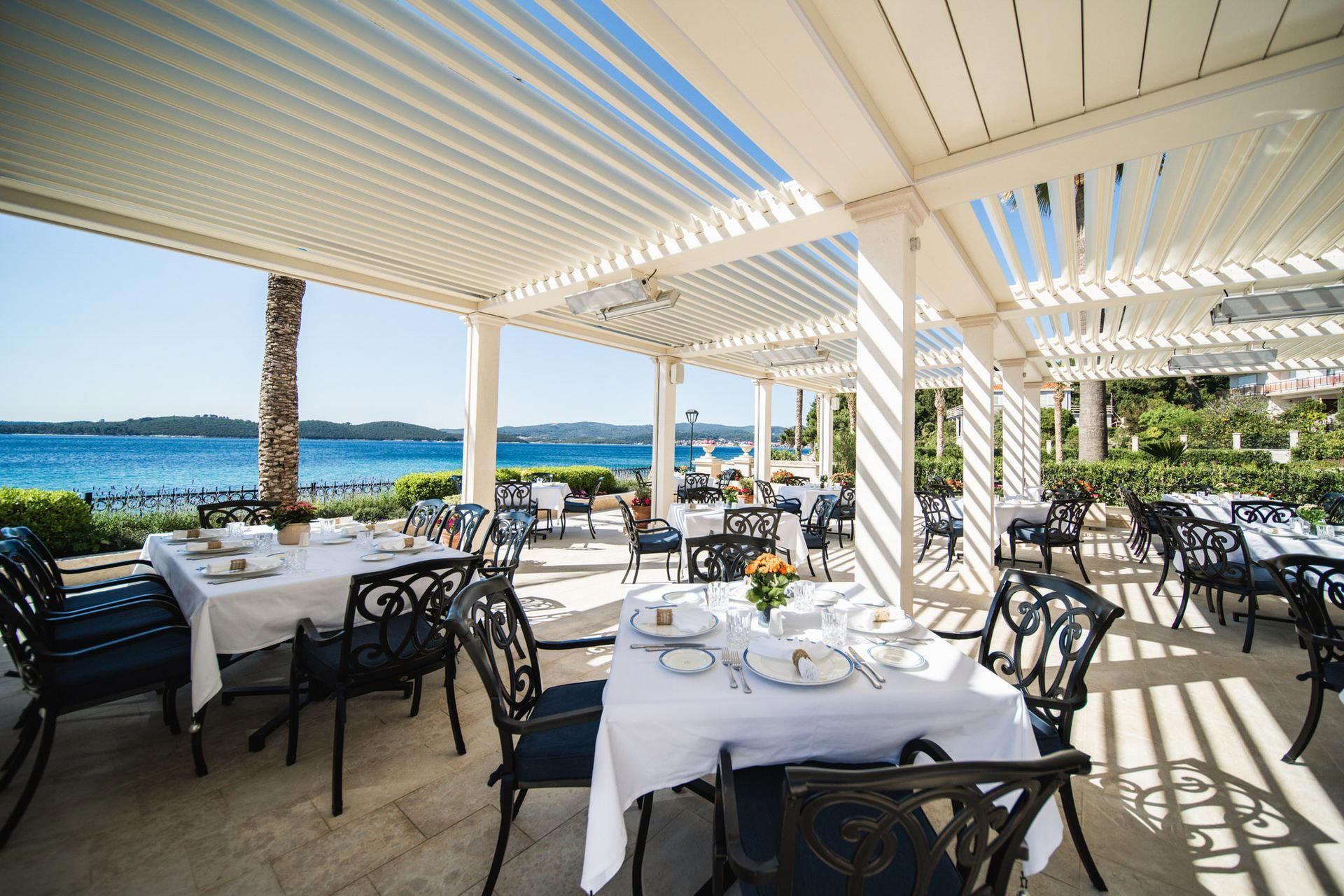
- Terrace
- Wi Fi
- Spa
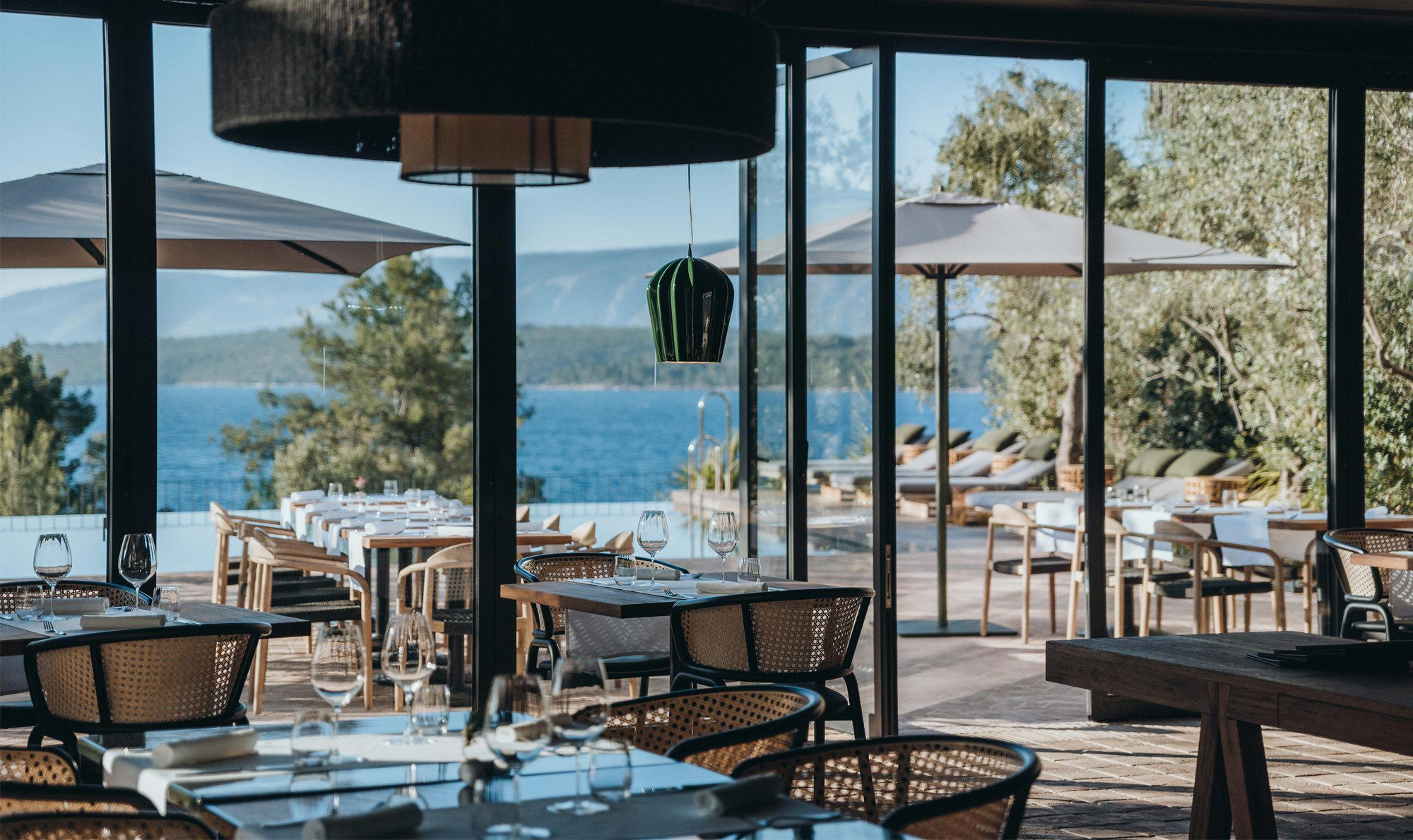
- Restaurant
- Room Service
- Concierge
- Laundry Service
- Air Conditioning
- Waterfront
- Garden
- Street Scene
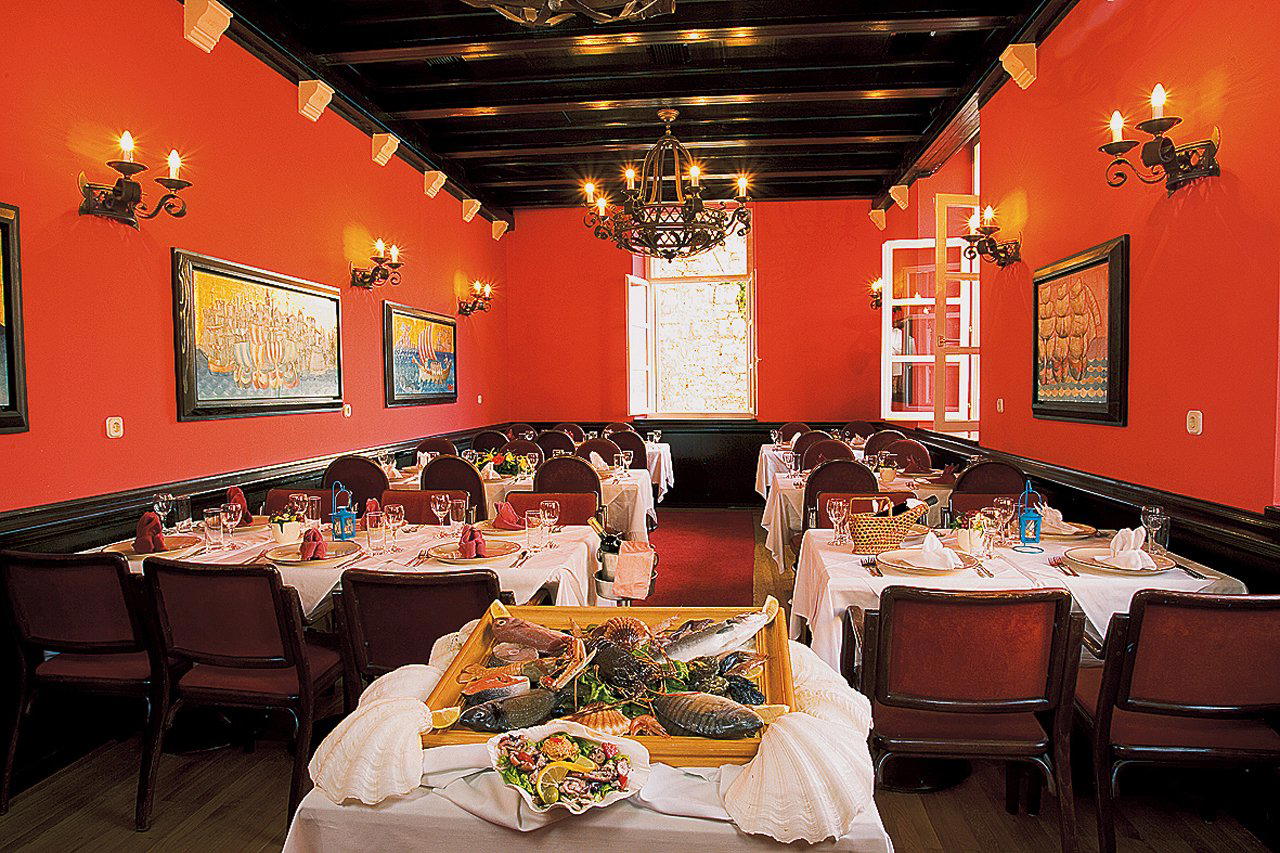
Intimate and magical atmosphere created through discreet lighting, exposed stone walls, wooden beam ceilings, handcrafted furniture, and a harmonious blend of medieval Korčula architecture with Eastern Zen philosophy and oriental luxury design elements.