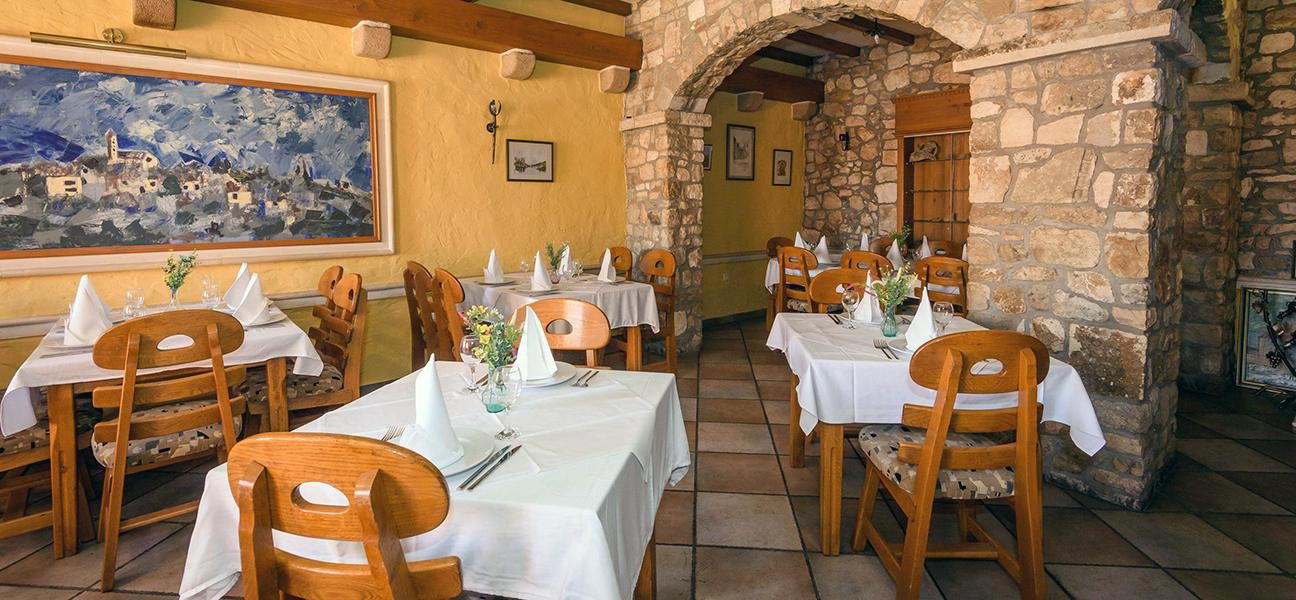
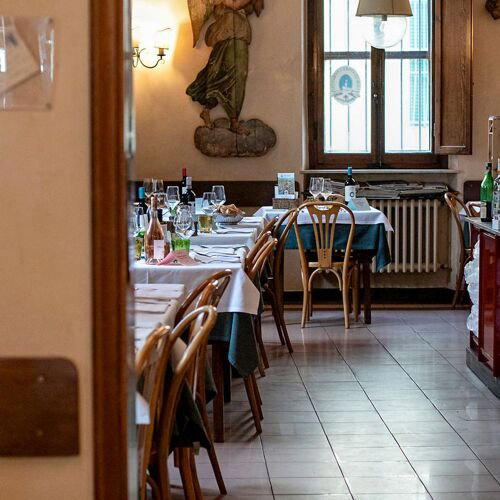
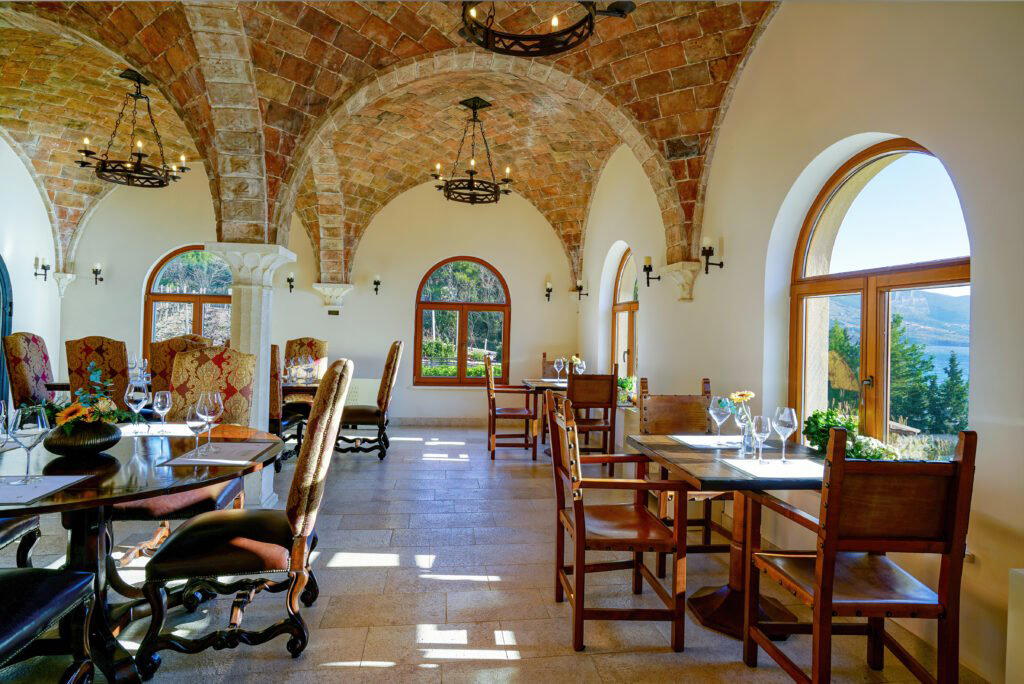
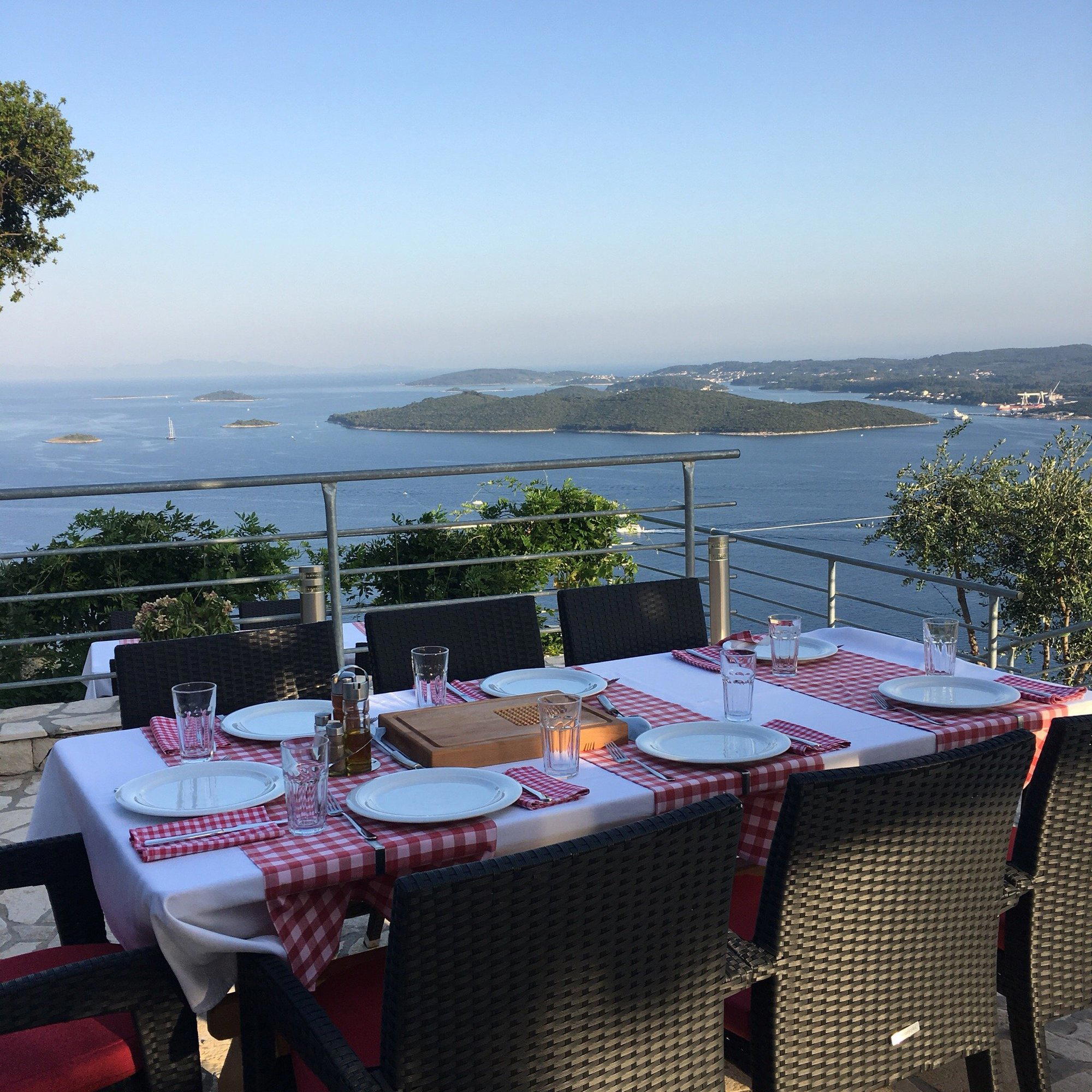
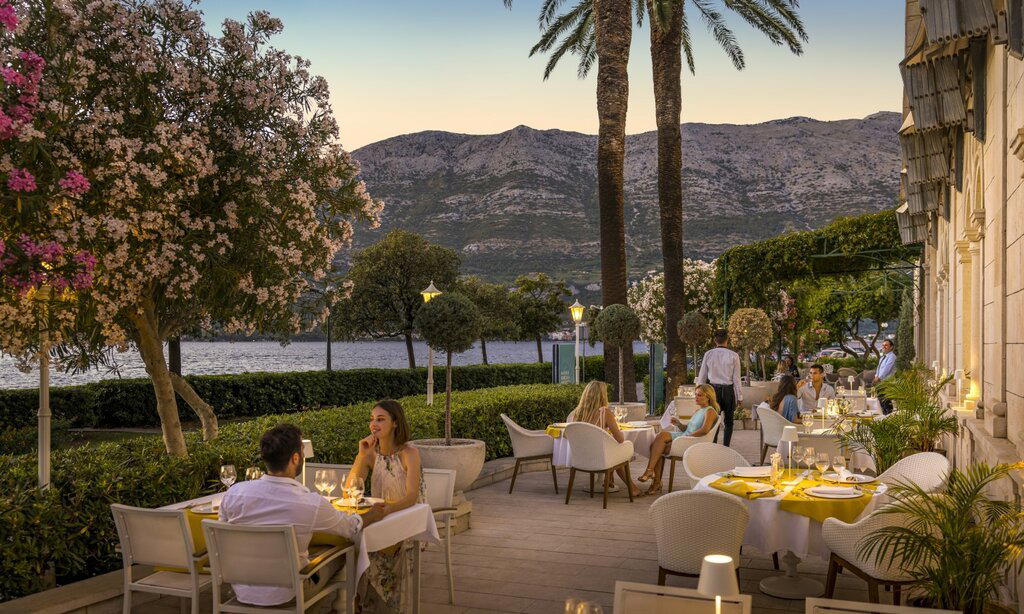
Beach House serves Dalmatian Coastal Mediterranean with craft cocktails, local sourcing, and a waterfront setting. Quiet, casual service fits dinner rather than a rushed stop.
Pearl is the En Primeur Club membership app — saves, bookings, and concierge access live there. Same editors, same standards.
- Address
- Lazetina 5/1, 20357, Blace, Croatia
- Phone
- +385976144752
- Directions
- Get directions
 Saves & bookings on Pearl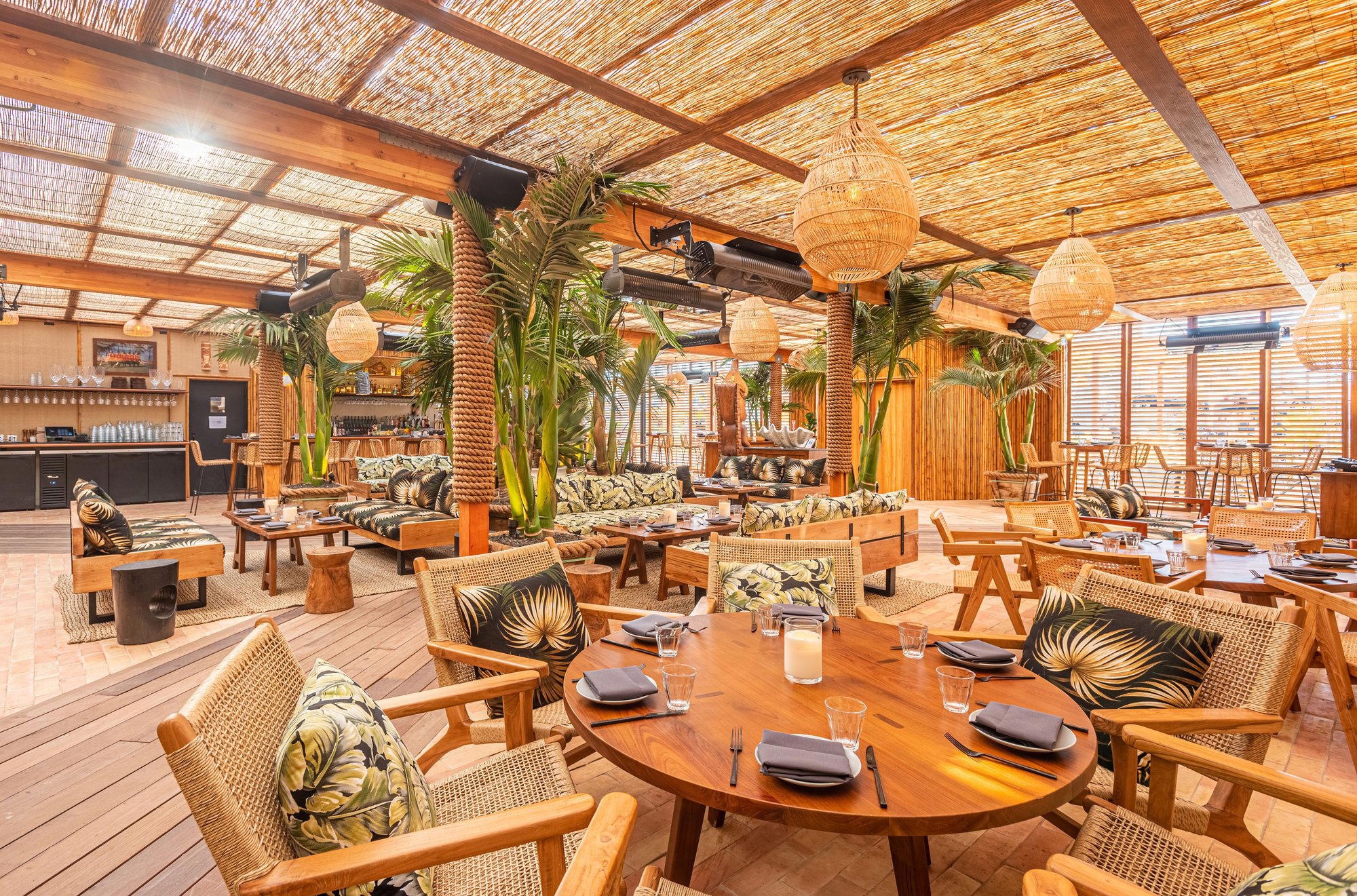
The Dalmatian Coast at Its Most Unmediated
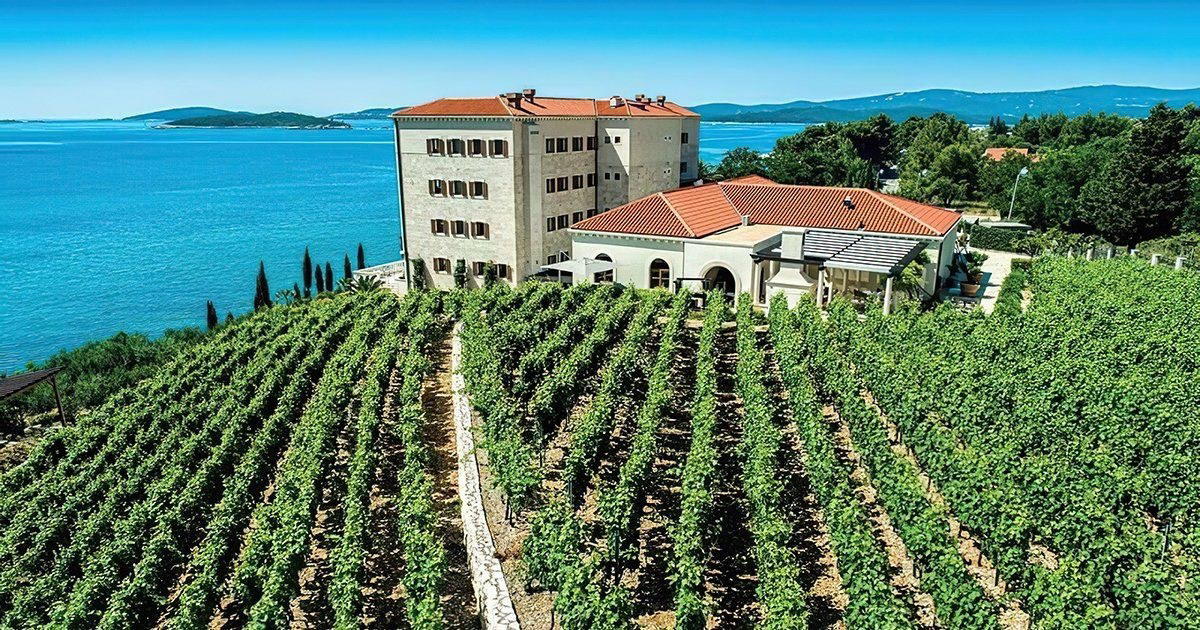
Blace sits on the Pelješac peninsula's southern fringe, close enough to the open Adriatic that the bora wind makes itself known in the olive groves before it reaches the waterline. This stretch of coast has never attracted the volume of visitors that Dubrovnik pulls forty kilometres to the south, which means the villages here have retained a working relationship with the sea rather than a performative one. Fishing boats still bring the catch in before the kitchen opens. That context matters when you are trying to understand what a place called Beach House actually means in a setting like this.
What the Adriatic Puts on the Plate
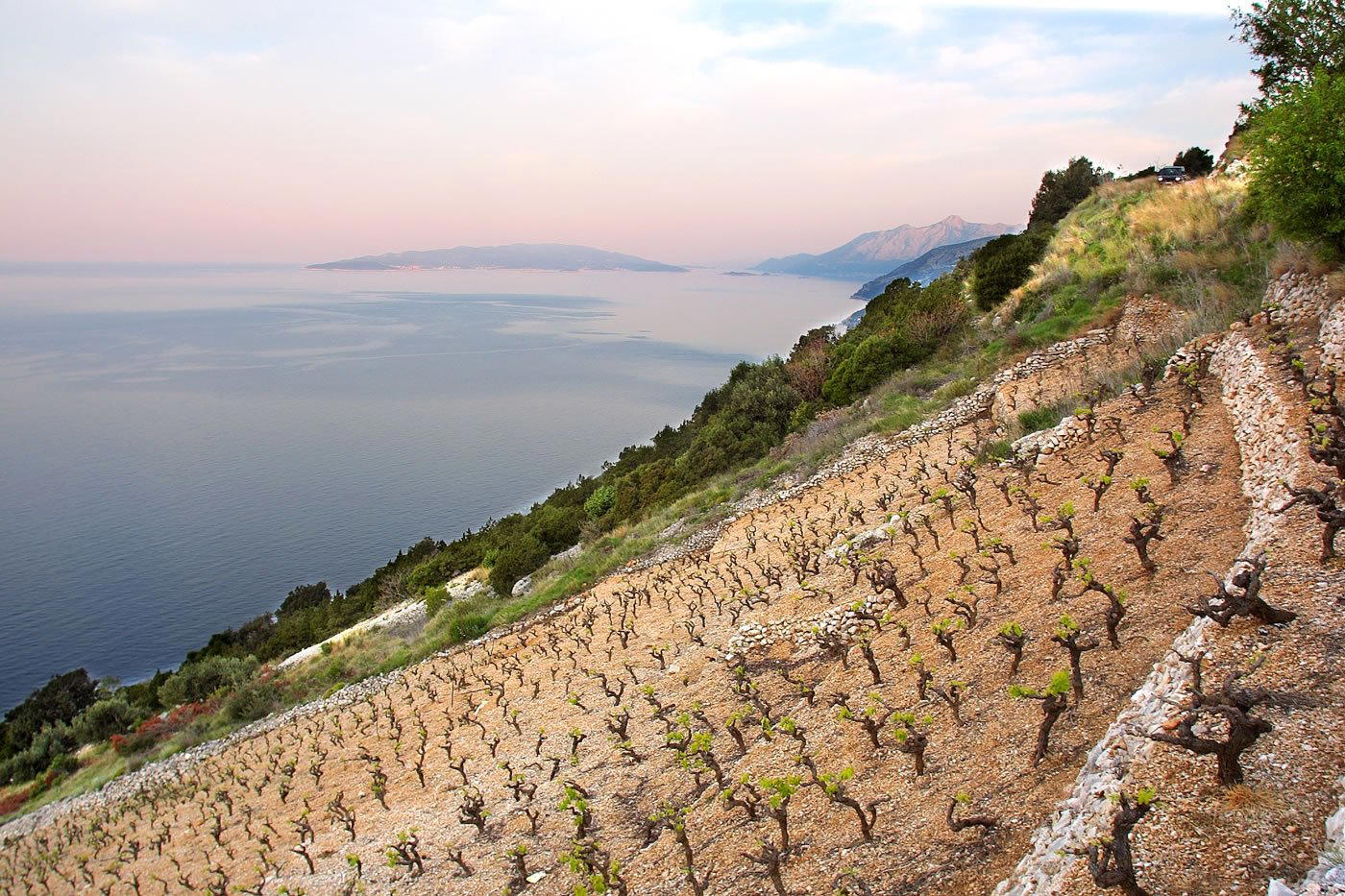
Along the southern Dalmatian coast, ingredient sourcing is less a marketing choice than a structural condition. The supply chains that allow a city restaurant to import Brittany oysters or Hokkaido scallops do not extend reliably to villages of this scale and remoteness. What arrives in a kitchen here is largely what was caught or grown within a short radius: small-boat fish from the channel between Pelješac and the island of Korčula, shellfish from the cleaner shallows of the Malostonski Bay, among the more productive bivalve habitats in Europe, producing oysters and mussels whose quality is documented and exported across the region, and local vegetables from the limestone-terrace plots that Dalmatian smallholders have farmed for centuries.
This geographic constraint, which can feel like a limitation in lesser hands, tends to produce food that is honest in a way that sourcing-by-catalogue cannot replicate. The flavour logic is determined by place and season, not by a purchasing decision made at a desk. Restaurants along this peninsula that work with what the bay and the hillside provide are participating in a food culture that predates the concept of "local sourcing" by several generations. For a sense of how that tradition translates at the higher end of Dalmatia's restaurant register, Pelegrini in Sibenik and LD Restaurant in Korčula both work within this framework while competing in a more formalised critical tier. Beach House operates in a quieter register, in a village where the editorial conversation is thinner but the raw material argument is no weaker.
Blace, the Malostonski Bay, and Why Location Is the Credential
The Malostonski Bay, the shallow, protected inlet running between the Pelješac peninsula and the mainland, has supplied shellfish to kitchens across the Adriatic for over six hundred years. The Romans recognised its value. The Republic of Ragusa formalised oyster cultivation there in the fourteenth century, making it one of the oldest documented aquaculture operations in the Mediterranean. What this means practically is that the oysters and mussels available to kitchens positioned close to the bay arrive with a traceable, documented provenance that most European coastal destinations cannot match on the same terms.
Blace's address at Lazetina 5/1 places it within the network of small settlements on the southern coast where access to that supply is direct rather than intermediated. That proximity is the structural argument for eating here rather than settling for a seafood restaurant in a larger town where the same raw material travels further and arrives under different conditions. For context on how Croatian coastal kitchens have developed this sensibility more formally, Agli Amici Rovinj in Rovinj and San Rocco in Brtonigla demonstrate what the northern Adriatic equivalent looks like when it reaches a more structured level of ambition. Further comparisons are available across our full Blace restaurants guide.
The Wider Croatian Coastal Context
Croatia's Adriatic restaurant scene has been sorting itself into tiers over the past decade. At the leading end, venues like Restaurant 360 in Dubrovnik and Boskinac in Novalja compete on an international register, with prix-fixe formats, wine programmes that reference European benchmarks, and price points to match. Below that tier, a wider band of coastal restaurants operates on the logic of place and seasonality without the formal architecture of a tasting menu. Krug in Split and Humska Konoba in Hum occupy different corners of this middle register. Nebo by Deni Srdoč in Rijeka and Alfred Keller in Mali Lošinj show how the northern coast is developing its own version of this story. Beach House sits within the broader pattern of Dalmatian coastal eating at its most direct: a setting where the view and the ingredient source are the same body of water.
For travellers accustomed to highly formal seafood programmes, the kind of focused technical approach represented internationally by Le Bernardin in New York City or the narrative-driven format of Lazy Bear in San Francisco, a village setting like Blace asks for a different calibration. The credential here is geographic and material. Also worth considering along the Dalmatian islands: Restaurant Filippi in Curzola and Trg Sv. Stjepana 3 in Lesina offer comparable coastal proximity from island positions. Inland comparisons that chart a different direction include Korak in Jastrebarsko, Dubravkin Put in Zagreb, and EatIstria in Pluj.
Planning a Visit
Blace is accessible by road along the D414 coastal route on the Pelješac peninsula, or by ferry connections that serve the southern Dalmatian coast during the summer season, which runs from late May through early October. The peninsula's road access was significantly altered by the opening of the Pelješac Bridge in 2022, which connected the peninsula to the Croatian mainland without requiring transit through Bosnia and Herzegovina, cutting journey times from Dubrovnik substantially. Visitors travelling from Dubrovnik should account for approximately one hour by car under normal summer traffic conditions. The village is small; the address at Lazetina 5/1 is findable on mapping applications, though mobile signal in parts of the peninsula can be intermittent. Arriving with a confirmed arrangement is advisable rather than counting on walk-in availability during peak summer weeks.
A Quick Peer Check
Comparable venues nearby, for context on price, style, and recognition.
| Venue | Cuisine | Price | Notes |
|---|---|---|---|
| Beach HouseThis venue — the venue you are viewing | Dalmatian Coastal Mediterranean | $$ | Not listed |
| Konoba Mareta | Traditional Dalmatian Mediterranean | $$ | Korcula Old Town |
| Gojava | Traditional Dalmatian | $$ | Gojava |
| Konoba Albert | Traditional Dalmatian Seafood | $$ | Zavalatica |
| Pjat | Dalmatian Mediterranean Grill | $$ | Šibenik riva |
| Oš Kolač - Artisan Cakes and Pastries | Artisan Pastries & Modern Desserts | $$ | Old Town Split |

At a Glance
- Scenic
- Cozy
- Casual Hangout
- Waterfront
- Craft Cocktails
- Local Sourcing
- Waterfront
Mediterranean feeling with cool music and creative drinks right by the flint water